
pH Perfection: Unlocking Water Chemistry Secrets for Thriving FW & SW Fish

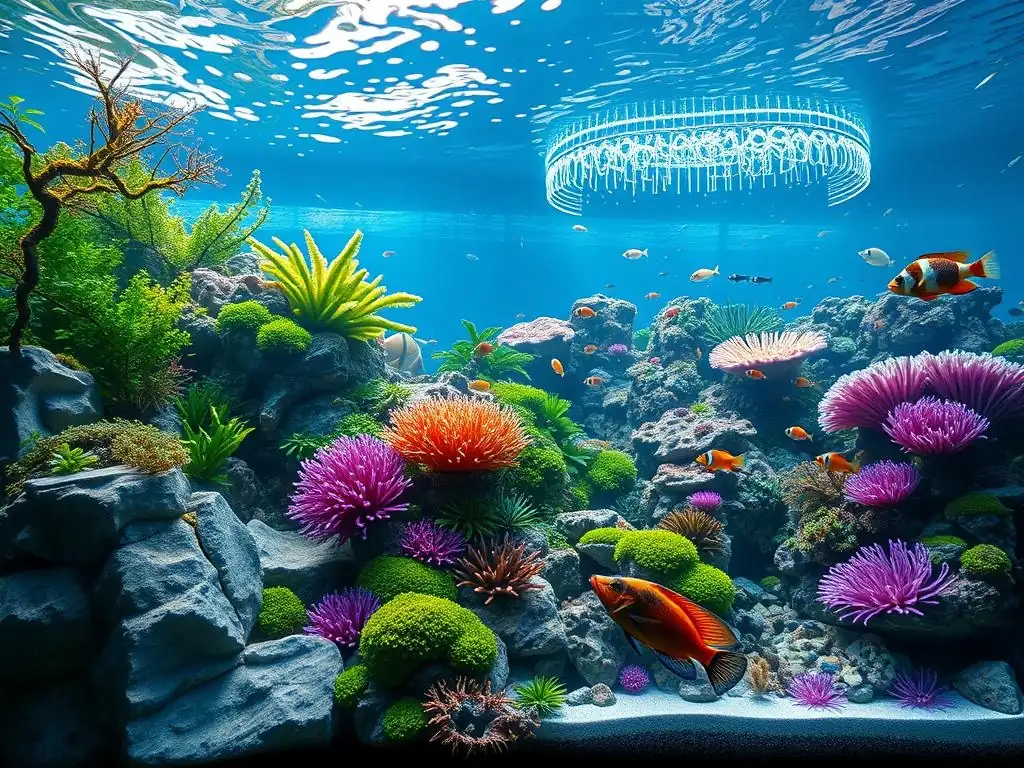
Welcome to Aquarium Mastery!
Ever wondered why a stable pH is the cornerstone of a thriving freshwater or saltwater aquarium? Discover the secrets to unlocking perfect water chemistry and ensuring your aquatic friends live their best lives. Dive in and learn how to master pH and other vital water parameters! Your journey to aquarium perfection starts now.
- pH Management for Thriving Aquariums
- Understanding the Importance of Stable pH
- The pH Scale: A Guide for Aquarists
- Mastering pH Control in Freshwater Aquariums
- Achieving pH Balance in Saltwater Aquariums
- Troubleshooting Common pH Problems
- Advanced Techniques for pH Management
- Selecting the Right Testing Equipment
- Case Studies: Real-World Examples
- Preventing pH Crashes: Proactive Measures
-
Frequently Asked Questions
- What is pH and why is it so important for my freshwater or saltwater aquarium?
- How often should I test the pH in my freshwater or saltwater aquarium?
- What is the ideal pH range for a typical freshwater aquarium versus a saltwater aquarium?
- What are some common causes of pH instability in freshwater and saltwater aquariums?
- How can I safely raise or lower the pH in my freshwater or saltwater aquarium?
- Final Reflection: The Delicate Balance of Aquatic Life
- Dive Deeper: Master Your Aquarium's pH!
pH Management for Thriving Aquariums
Understanding the Importance of Stable pH
Why pH Stability Matters for Aquarium Fish
The pH level in an aquarium is a critical water parameter that profoundly impacts the health and well-being of its inhabitants. Fish, like all living organisms, have specific physiological requirements, and their internal systems are finely tuned to function within a narrow pH range. Significant deviations from this optimal range can lead to severe stress, compromised immune systems, and increased susceptibility to diseases. For instance, sensitive species such as Discus (Symphysodon spp.) are particularly vulnerable to sudden pH shifts; a rapid drop of just 0.5 pH units from their ideal range can induce fatal shock or irreversible organ damage.
Beyond immediate physiological stress, prolonged exposure to an unsuitable or unstable pH can cause chronic health issues. Fish gills, which are responsible for gas exchange and osmoregulation, are highly sensitive to pH. Incorrect pH levels can damage gill tissue, impairing their ability to absorb oxygen and excrete waste products effectively. This chronic stress weakens the fish's natural defenses, making them more prone to bacterial infections, parasitic infestations, and fungal growths, ultimately diminishing their lifespan and overall vitality within the stable pH freshwater saltwater aquarium environment.
The Impact of Fluctuating pH on Aquatic Life
Fluctuating pH levels, often referred to as pH swings, are arguably more detrimental to aquatic life than a consistently slightly off but stable pH. These erratic changes force fish to constantly expend energy adjusting their internal chemistry, leading to extreme stress, lethargy, and a loss of appetite. For example, a freshwater community tank experiencing a pH fluctuation from 7.0 to 8.0 and back within a 24-hour period can cause severe gill damage and potentially death in most common aquarium species like Guppies or Neon Tetras, as their systems cannot adapt quickly enough.
Furthermore, pH fluctuations can severely disrupt the crucial nitrogen cycle. The beneficial nitrifying bacteria (Nitrosomonas and Nitrobacter) responsible for converting toxic ammonia and nitrite into less harmful nitrate are highly pH-sensitive. A sudden drop in pH below 6.0 can significantly inhibit or even halt their activity, leading to a dangerous buildup of ammonia and nitrite, which are highly toxic to fish. In saltwater reef aquariums, significant pH swings can also inhibit the calcification process vital for coral growth, causing them to recede or even bleach, underscoring the necessity of a stable pH freshwater saltwater aquarium.
The pH Scale: A Guide for Aquarists
Defining pH: Acidity, Alkalinity, and Neutrality
The pH scale is a logarithmic measure that indicates the concentration of hydrogen ions (H+) in a solution, determining its acidity or alkalinity. The scale ranges from 0 to 14, where a pH of 7.0 is considered neutral.
Solutions with a pH below 7.0 are acidic, meaning they have a higher concentration of hydrogen ions, while solutions with a pH above 7.0 are alkaline (or basic), indicating a lower concentration of hydrogen ions. Each whole number on the pH scale represents a tenfold change in acidity or alkalinity; for example, a solution with a pH of 6.0 is ten times more acidic than a solution with a pH of 7.0, and a pH of 5.0 is one hundred times more acidic than 7.0.
Understanding this logarithmic nature is crucial for aquarists because even small numerical changes on the pH scale represent significant chemical shifts within the water. This is why gradual adjustments are paramount when altering aquarium pH. Rapid changes can shock aquatic organisms due to the drastic alteration in hydrogen ion concentration. Therefore, maintaining a stable pH is not just about hitting a target number but ensuring that the water chemistry remains consistent, preventing undue stress on fish and invertebrates by promoting a stable pH freshwater saltwater aquarium environment.
Ideal pH Ranges for Different Aquarium Types
The ideal pH range for an aquarium is highly dependent on the specific type of fish and invertebrates being kept, as their natural habitats dictate their physiological tolerances. Freshwater aquariums typically range from slightly acidic to neutral (6.0-7.5), while saltwater aquariums are consistently alkaline (8.0-8.4). Attempting to keep species with vastly different pH requirements in the same tank can lead to chronic stress and health issues for one or both groups.
Knowing the specific needs of your aquarium inhabitants is the first step in establishing a stable pH freshwater saltwater aquarium. Researching the native water parameters of your chosen species will provide the most accurate target pH range. For instance, a community tank with common species like Guppies and Platies might thrive around a neutral pH of 7.0-7.5, while a South American biotope tank would require a more acidic environment.
Optimal pH for South American Cichlid Tanks
South American cichlids, such as Discus, Angelfish (Pterophyllum scalare), and many Apistogramma species, originate from soft, acidic waters, particularly those found in the Amazon basin. For these species, an optimal pH range typically falls between 6.0 and 7.0, with some more sensitive species like wild Discus preferring even lower ranges, down to 5.5. Maintaining this specific acidity is crucial for their long-term health, breeding success, and vibrant coloration.
To achieve and maintain these lower pH levels, aquarists often employ methods such as using peat filtration, reverse osmosis (RO) water mixed with minerals, or driftwood, which releases tannins that naturally lower pH. It is important to also monitor carbonate hardness (KH) in these tanks, as a low KH can lead to rapid pH drops. A stable pH freshwater saltwater aquarium for these cichlids means consistently providing soft, acidic water, mimicking their natural habitat to prevent stress and disease.
Optimal pH for Reef Aquariums
Reef aquariums, which house corals, invertebrates, and marine fish, require a consistently alkaline pH, typically within the range of 8.0 to 8.4, with 8.2 being widely considered ideal. This slightly alkaline environment is critical for the calcification process, where corals and other calcifying organisms extract calcium and carbonate ions from the water to build their skeletons. If the pH drops significantly or fluctuates, calcification rates can decrease, leading to slower growth, tissue recession, or even coral bleaching and death.
Maintaining this stable pH in a reef tank is a complex balance involving alkalinity (carbonate hardness), calcium, and magnesium levels. The buffering capacity of saltwater is high, but the constant biological processes within a reef system, such as respiration and waste decomposition, tend to drive pH down. Therefore, dedicated dosing of buffers, Kalkwasser, or the use of calcium reactors are common strategies to ensure the stable pH freshwater saltwater aquarium environment necessary for a thriving coral reef. A drop below 7.8, even for a short period, can severely stress most SPS (small polyp stony) corals.
Mastering pH Control in Freshwater Aquariums
Factors Affecting pH in Freshwater Tanks
The pH in freshwater aquariums is influenced by a variety of interacting factors, making its control a dynamic process. Key among these are the water's buffering capacity, primarily determined by carbonate hardness (KH), the presence of dissolved carbon dioxide (CO2), and the accumulation of organic waste products. Additionally, the type of substrate and decorations used within the tank can either contribute to stability or actively alter pH levels.
Understanding these contributing factors is essential for any aquarist aiming to establish and maintain a stable pH freshwater saltwater aquarium. For instance, a tank with high organic load and low buffering capacity is highly susceptible to rapid pH drops as acids accumulate. Conversely, a tank with a high KH and consistent maintenance is more likely to exhibit stable pH, even with minor fluctuations in CO2 or waste.
Understanding Carbonate Hardness (KH)
Carbonate hardness (KH), also known as alkalinity, is a measure of the concentration of carbonate and bicarbonate ions in the water. These ions act as natural buffers, neutralizing acids produced by fish respiration, organic decomposition, and the nitrification process of the nitrogen cycle. A sufficient KH level is crucial for preventing sudden and drastic pH drops, often referred to as "pH crashes." Without adequate buffering, even small additions of acidic substances or a buildup of organic waste can cause the pH to plummet.
For most freshwater aquariums, a KH level between 4 and 8 dKH (degrees of carbonate hardness, equivalent to 71.6 to 143.2 ppm CaCO3) is considered ideal for maintaining a stable pH. If the KH falls below 4 dKH, the tank becomes highly susceptible to pH crashes, making the water chemistry volatile. Regular testing of KH, alongside pH, is therefore vital to ensure a stable pH freshwater saltwater aquarium and prevent dangerous fluctuations that can harm aquatic life.
The Influence of Substrates and Decorations
The choice of substrate and decorations can significantly impact the pH of a freshwater aquarium. Some materials are inert and will not affect water chemistry, while others can actively alter pH and hardness. For instance, substrates containing calcium carbonate, such as crushed coral, aragonite, or limestone gravel, will slowly dissolve over time, releasing calcium and carbonate ions. This process increases both the general hardness (GH) and carbonate hardness (KH), consequently raising and buffering the pH, often to alkaline levels (above 7.0). These are often used when aiming for a stable pH freshwater saltwater aquarium for species like African cichlids.
Conversely, certain natural decorations like driftwood and peat can lower pH. Driftwood releases tannins into the water, which are organic acids that contribute to a more acidic environment, often desired for species like Discus or Neon Tetras. Peat, used as a filter media or substrate additive, is highly acidic and can effectively reduce pH and soften water. Aquarists must select these materials carefully, ensuring they align with the desired pH range for their specific aquatic inhabitants and contribute to a stable pH freshwater saltwater aquarium.
Maintaining Stable pH in Freshwater: Practical Tips
Maintaining a stable pH in a freshwater aquarium requires a proactive approach that combines regular testing, strategic use of buffers, and consistent water change practices. The goal is not just to hit a specific pH number but to keep it consistent, minimizing stress on the fish. This dedication ensures a truly stable pH freshwater saltwater aquarium environment.
Regular Water Testing and Adjustments
Consistent monitoring of pH and carbonate hardness (KH) is the cornerstone of maintaining a stable pH freshwater saltwater aquarium. For new aquariums or those experiencing issues, daily testing may be necessary. Once a tank is established and stable, weekly or bi-weekly testing is usually sufficient.
When adjustments are needed, they must be done gradually. Rapid changes can shock fish more than a slightly off but stable pH. For example, if the pH needs to be raised from 6.0 to 7.0, it's safer to increase it by no more than 0.2 pH units per 24 hours, often achieved through small, frequent water changes or very slow buffer additions.
If your source water has an unsuitable pH or very low KH, adjusting it before adding it to the tank can prevent future instability. For instance, if tap water has a pH of 8.0 and your tank requires 6.5, pre-treating the water with a buffer or mixing it with reverse osmosis (RO) water will help maintain consistency. Always test the new water's parameters to ensure they closely match the tank's water before performing a change.
Choosing Appropriate Buffers
Buffers are substances that help resist changes in pH by neutralizing acids or bases. In freshwater aquariums, commercial pH buffers are available to either raise or lower pH and enhance KH. For tanks needing a higher, more stable pH, products like Seachem Alkaline Buffer or specific cichlid salts can be used to increase KH and maintain alkalinity. Conversely, for acidic conditions, products like Seachem Acid Buffer or phosphoric acid solutions can help lower pH, often used in conjunction with a low KH.
It is crucial to use buffers cautiously and according to manufacturer instructions. Over-buffering or attempting to make large, rapid pH adjustments with these products can be dangerous. Buffers are most effective when used to maintain an already appropriate pH, rather than as a quick fix for significant imbalances. Addressing underlying causes of pH instability, such as overfeeding or inadequate filtration, is always preferable to relying solely on chemical buffers for a stable pH freshwater saltwater aquarium.
Effective Water Change Strategies
Regular and appropriately sized water changes are one of the most effective and natural ways to maintain a stable pH freshwater saltwater aquarium. Over time, organic waste decomposes, producing acids that slowly lower the pH and deplete the water's buffering capacity (KH). Consistent water changes dilute these accumulated acids and replenish essential buffers and minerals that help keep pH stable. For a typical community freshwater tank, a weekly water change of 25-30% is often recommended.
The key to successful water changes for pH stability is to ensure the new water's parameters, particularly pH and temperature, closely match those of the tank water. Using a dechlorinator is essential, and if your tap water's pH is significantly different from your target tank pH, you might need to pre-treat the new water or use a blend of tap and reverse osmosis (RO) water.
For instance, if your tap water is consistently 7.8 pH and your tank is at 6.8 pH, using pure tap water for large changes can cause a harmful pH shock. Preparing the new water to match the tank's 6.8 pH will ensure a smooth transition and contribute to a stable pH freshwater saltwater aquarium.
Achieving pH Balance in Saltwater Aquariums
The Unique Challenges of Saltwater pH
Maintaining a stable pH in saltwater aquariums, particularly reef tanks, presents unique challenges compared to freshwater systems. Saltwater is a more complex chemical environment with a higher natural pH (typically 8.0-8.4) and a more intricate buffering system involving multiple ions. The constant biological activity within a reef tank, including respiration from fish and corals, decomposition of organic matter, and the calcification process itself, all consume buffering capacity and tend to drive pH downwards.
Furthermore, the interaction between alkalinity, calcium, and magnesium is critical for pH stability in saltwater. These parameters are intertwined, and an imbalance in one can affect the others, ultimately impacting pH. For instance, if alkalinity is too low, the water's buffering capacity is diminished, making the pH more susceptible to drops. Conversely, if calcium is too high relative to alkalinity, it can lead to precipitation, also affecting stability. Understanding these complex interdependencies is vital for achieving a truly stable pH freshwater saltwater aquarium.
Understanding Alkalinity and Calcium
In saltwater aquariums, alkalinity and calcium are two of the most crucial water parameters directly linked to pH stability and coral health. Alkalinity, often measured in dKH (degrees of carbonate hardness) or meq/L, represents the water's buffering capacity – its ability to resist changes in pH. It's primarily composed of bicarbonate, carbonate, and borate ions. A healthy alkalinity level (typically 7-12 dKH or 2.5-4.3 meq/L) is essential to prevent pH drops caused by metabolic processes and organic acid accumulation. Without sufficient alkalinity, the pH can crash rapidly, especially in tanks with high bioloads or active calcification.
Calcium, typically maintained between 400-450 ppm, is the primary building block for the skeletons of stony corals and other calcifying organisms. While not directly influencing pH as a buffer, calcium's consumption by corals is directly tied to the availability of carbonate ions (part of alkalinity). If calcium is too low, corals cannot grow.
If alkalinity is too high, it can cause calcium to precipitate out of solution, making both unavailable and leading to instability. Therefore, maintaining optimal levels of both alkalinity and calcium, in balance with each other, is paramount for a stable pH freshwater saltwater aquarium and thriving reef inhabitants.
The Importance of a Stable Reef pH
For reef aquariums, maintaining a remarkably stable pH is not merely a preference but a fundamental requirement for the health and growth of corals and other calcifying invertebrates. Corals actively extract calcium and carbonate ions from the water to build their aragonite skeletons through a process called calcification. This process is highly pH-dependent; even minor, prolonged drops in pH (e.g., consistently below 8.0) can significantly slow down calcification rates. If the pH drops too low (e.g., below 7.8), it can lead to coral tissue recession, bleaching, and even complete death, as the water becomes too acidic for skeleton formation.
A stable pH also impacts the overall health of the entire reef ecosystem, including beneficial bacteria and microfauna. Fluctuations can stress marine fish, making them more susceptible to disease. The constant activity within the reef, such as fish and coral respiration which releases CO2, naturally tends to lower pH. Therefore, dedicated efforts to maintain a consistent pH, ideally between 8.2 and 8.3, are paramount. This ensures a stable pH freshwater saltwater aquarium that supports robust coral growth and a vibrant, healthy marine environment.
Methods for Maintaining Saltwater pH
Maintaining a stable and appropriate pH in saltwater aquariums, especially reef tanks, often requires more active intervention than freshwater systems due to the complex chemical demands of corals and the inherent tendency for pH to drop. Various methods are employed, often in combination, to provide the necessary buffering capacity and essential elements.
Using Kalkwasser (Calcium Hydroxide)
Kalkwasser, a saturated solution of calcium hydroxide, is a highly effective and widely used method for maintaining pH, alkalinity, and calcium levels in reef aquariums. When added to the tank, Kalkwasser reacts with dissolved carbon dioxide (CO2) to form calcium carbonate, which is essential for coral growth, and also raises the pH.
It works by removing CO2, which is acidic, thus increasing the water's alkalinity and pH simultaneously. Kalkwasser is typically dosed slowly, often overnight, using a drip system or an auto-doser, to counteract the natural pH drop that occurs as CO2 accumulates in the tank during periods of darkness.
While highly beneficial for maintaining a stable pH freshwater saltwater aquarium for corals, Kalkwasser must be used with caution. Overdosing can lead to excessively high pH, calcium precipitation (known as "snowstorm"), and potential harm to inhabitants. It's crucial to ensure the Kalkwasser solution is clear (only the saturated solution is added, not the undissolved powder) and dosed slowly into an area of high flow to ensure rapid dispersion. For example, dosing 1-2 ml per gallon of tank water nightly can often maintain pH between 8.1 and 8.3 in a moderately stocked reef tank.
Employing a Calcium Reactor
Calcium reactors are advanced pieces of equipment primarily used in larger or heavily stocked reef aquariums to maintain stable calcium, alkalinity, and pH. A calcium reactor works by slowly dissolving a calcium carbonate-based media (like crushed coral or aragonite) using carbon dioxide (CO2) gas. CO2 is injected into the reactor chamber, lowering the pH inside the chamber to an acidic level (typically 6.5-7.0), which then dissolves the media. The effluent, rich in calcium and alkalinity, is then slowly dripped back into the main display tank.
The primary advantage of a calcium reactor is its ability to provide a continuous and balanced supply of calcium and alkalinity, which indirectly helps stabilize pH, especially in tanks with high coral growth and constant demand for these elements. While they require initial calibration of CO2 injection rates and effluent drip rates, once dialed in, they offer a highly consistent and automated solution, reducing the need for daily manual dosing and contributing significantly to a stable pH freshwater saltwater aquarium.
Implementing Regular Water Changes
Regular water changes are a fundamental maintenance practice that contributes significantly to maintaining a stable pH freshwater saltwater aquarium. While they may not directly adjust pH in the way buffers or reactors do, they play a crucial role in replenishing depleted trace elements and buffering compounds while simultaneously diluting accumulated nitrates and phosphates, which can contribute to pH drops over time. In a reef tank, corals constantly consume alkalinity and calcium, and without regular replenishment, these levels will fall, leading to pH instability.
A typical recommendation for reef tanks is a 10-20% water change every two to four weeks, depending on stocking levels and nutrient export methods. When performing water changes, it is vital to ensure the new saltwater is mixed to the correct salinity and has a pH that closely matches the tank's water to avoid stressing the inhabitants. Using high-quality salt mix and reverse osmosis/deionized (RO/DI) water is essential to prevent introducing undesirable contaminants that could negatively impact pH or overall water quality.
Troubleshooting Common pH Problems
Identifying the Causes of pH Swings
pH swings are a common and concerning issue for aquarists, often indicating an underlying problem in water chemistry or tank management. Identifying the root cause is crucial for effective resolution and for maintaining a stable pH freshwater saltwater aquarium. Common culprits include excessive organic waste buildup, inefficient filtration, and even the natural diurnal cycles influenced by lighting and photosynthesis.
Overstocking and Waste Buildup
One of the most frequent causes of pH drops and instability is overstocking combined with inadequate waste removal. When too many fish are housed in a given volume of water, the amount of waste produced (feces, uneaten food) rapidly increases. As this organic matter decomposes, it releases acids into the water, which consume the available buffers (KH) and drive the pH down. For example, a 10-gallon tank with 15 adult neon tetras will accumulate waste and deplete buffers much faster than a tank with only 5 neon tetras, leading to more frequent pH drops.
Furthermore, the end product of the nitrogen cycle, nitrate, is itself acidic. While nitrates are less toxic than ammonia or nitrite, their accumulation in high concentrations over time can gradually lower the pH, especially in tanks with low carbonate hardness. Regular gravel vacuuming, removal of uneaten food, and appropriate stocking levels are therefore essential proactive measures to prevent acid buildup and maintain a stable pH freshwater saltwater aquarium.
Inadequate Filtration
Inadequate or improperly maintained filtration can significantly contribute to pH instability in an aquarium. Biological filtration, which converts toxic ammonia and nitrite into nitrate, produces nitric acid as a byproduct. While this is a necessary process, if the biological filter is undersized or clogged, it may struggle to efficiently process waste, leading to a buildup of ammonia and nitrite, which can further stress fish and contribute to an overall unhealthy environment.
Moreover, mechanical filtration, which removes particulate waste, is crucial. If mechanical media (sponges, filter floss) become saturated with detritus, they can become a source of anaerobic decomposition, producing additional acids and consuming oxygen, both of which negatively impact pH. An external canister filter rated for a 20-gallon tank being used on a 50-gallon aquarium, for example, will struggle to maintain water quality and a stable pH, leading to chronic issues. Regular cleaning and maintenance of all filter components are therefore essential for a stable pH freshwater saltwater aquarium.
Incorrect Lighting and Photosynthesis
In planted freshwater aquariums or reef tanks with photosynthetic organisms (like corals and algae), lighting cycles can cause natural, diurnal pH swings. During the day, plants and corals perform photosynthesis, consuming carbon dioxide (CO2) from the water. As CO2 is consumed, the pH rises because carbonic acid (H2CO3) levels decrease. At night, when photosynthesis stops, these organisms continue to respire, releasing CO2 back into the water, which then lowers the pH.
If the lighting cycle is too long (e.g., 14-16 hours), or if there is a very dense plant/coral population, these diurnal swings can become excessive, potentially fluctuating by 0.4-0.6 pH units within 24 hours. While a small daily fluctuation (0.1-0.2 pH units) is normal and generally harmless, larger swings can stress aquatic life. Managing light duration, ensuring adequate aeration at night, and maintaining sufficient buffering capacity (KH) are crucial to minimize these fluctuations and maintain a stable pH freshwater saltwater aquarium.
Solutions for Correcting pH Imbalances
When pH imbalances occur, the approach to correction should always prioritize gradual adjustments and addressing the underlying cause. Rapid changes can be more harmful than the imbalance itself. The goal is to restore a stable pH freshwater saltwater aquarium environment safely and effectively.
Gradual Adjustments
The most critical principle when correcting pH imbalances is to make adjustments gradually. Fish and invertebrates are highly sensitive to sudden changes in water chemistry, and rapid shifts can induce severe stress, shock, or even death. For freshwater tanks, it's generally recommended not to alter the pH by more than 0.2 units per 24 hours. For example, if your tank pH is 6.0 and your target is 7.0, it's safer to achieve this over several days rather than in a single large adjustment.
This gradual approach allows aquatic life to acclimatize to the new conditions, minimizing physiological stress. Small, frequent water changes with properly prepared water, or slow, controlled dosing of pH adjusters or buffers, are the preferred methods. Patience is key; rushing the process can lead to irreversible damage, underscoring the importance of a stable pH freshwater saltwater aquarium.
Using pH Adjusters Safely
Commercial pH adjusters (e.g., "pH Up" or "pH Down" products) are available to modify aquarium pH. While they can be useful in specific situations, they should be used with extreme caution and are generally considered temporary solutions rather than long-term fixes. These products work by adding acids or bases to the water, which can deplete or overload the buffering capacity if not used carefully. For instance, using a strong pH down product in a tank with very low KH can cause a rapid and dangerous pH crash.
Always follow manufacturer instructions precisely and dose slowly, preferably into an area of high water flow, and monitor pH closely after each small addition. It is crucial to understand that these products do not address the root cause of pH instability. Relying solely on them without resolving underlying issues (like inadequate maintenance or overstocking) will lead to recurring pH problems and can make it harder to achieve a truly stable pH freshwater saltwater aquarium.
Addressing Underlying Instability
The most effective long-term solution for correcting pH imbalances and preventing future problems is to identify and address the underlying causes of instability. Simply adding pH adjusters without resolving the root issue will only provide temporary relief and lead to a cyclical pattern of pH problems. This proactive approach is essential for a truly stable pH freshwater saltwater aquarium.
Common underlying causes include:
- Inadequate Maintenance: Irregular water changes, infrequent gravel vacuuming, and neglected filter cleaning lead to a buildup of organic acids and depleted buffers. Establishing a consistent maintenance schedule (e.g., weekly 25% water changes) is paramount.
- Overstocking/Overfeeding: Too many fish or too much food leads to excessive waste production, overwhelming the tank's biological filtration and buffering capacity. Reducing stocking levels or feeding less frequently can significantly alleviate this stress.
- Inappropriate Substrate/Decorations: Materials that leach pH-altering substances (e.g., limestone in a soft water tank, or excessive driftwood in an alkaline tank) should be removed or balanced.
- Insufficient Buffering: If your source water has very low carbonate hardness (KH), the tank will be inherently unstable. Supplementing KH with appropriate buffers or using RO/DI water with remineralization can provide the necessary stability.
By tackling these fundamental issues, aquarists can create a self-sustaining and stable pH freshwater saltwater aquarium environment, reducing the reliance on chemical interventions.
Advanced Techniques for pH Management
The Role of CO2 in Planted Aquariums
In heavily planted freshwater aquariums, carbon dioxide (CO2) injection is a common practice to boost plant growth. However, CO2 has a direct and significant impact on pH. When CO2 dissolves in water, it forms carbonic acid (H2CO3), which lowers the water's pH. This relationship is predictable and can be managed using a pH controller linked to a CO2 solenoid valve. For example, a planted tank aiming for 30 ppm CO2 will typically see a pH drop of 0.5 to 1.0 units depending on the water's carbonate hardness (KH).
Aquarists often use a pH controller to automate CO2 injection, ensuring the pH stays within a desired range (e.g., 6.5-6.8 for many planted tanks). The controller measures the pH in real-time and turns the CO2 solenoid on or off as needed. It's crucial to understand the relationship between KH, CO2, and pH (often visualized with a pH/KH/CO2 chart) to avoid excessive CO2 levels, which can be harmful or even fatal to fish. Proper management of CO2 injection is key to maintaining a stable pH freshwater saltwater aquarium for planted setups.
Understanding ORP (Oxidation-Reduction Potential)
Oxidation-Reduction Potential (ORP), also known as Redox Potential, is an advanced water parameter that measures the cleanliness or oxidizing capacity of aquarium water. While not a direct measure of pH, ORP is closely related to the overall water quality and the amount of organic waste present. Higher ORP values (measured in millivolts, mV) generally indicate healthier, cleaner water with more dissolved oxygen and fewer organic pollutants, while lower ORP values suggest an accumulation of organic waste and potentially lower oxygen levels.
In a healthy, well-maintained aquarium, ORP typically ranges between 300-450 mV. A consistent drop in ORP can signal an increase in organic load or a decline in biological filtration efficiency, which can eventually lead to pH instability as organic acids accumulate. While ORP meters are not essential for beginners, advanced aquarists use them to monitor overall water quality trends and identify potential problems before they manifest as drastic pH swings or other issues. Maintaining a high ORP generally contributes to a stable pH freshwater saltwater aquarium by indicating efficient waste processing.
Automated pH Monitoring and Control Systems
For serious aquarists, particularly those with large, complex, or sensitive systems like reef tanks or high-tech planted aquariums, automated pH monitoring and control systems offer unparalleled precision and stability. These systems typically consist of a sensitive pH probe that continuously measures the water's pH, a controller unit that processes this data, and often an output (like a power outlet) that can switch a device on or off based on pre-set pH parameters.
For planted tanks, the controller can turn a CO2 solenoid on or off to maintain a precise pH range, preventing dangerous CO2 overdosing or deficiency. In reef tanks, these systems can automate the dosing of Kalkwasser or buffering solutions, ensuring a stable pH of, for example, 8.2-8.3 around the clock. High-end systems like the Neptune Apex or GHL Profilux can even log data, send alerts, and integrate with other aquarium equipment, allowing for real-time adjustments and maintaining a stable pH freshwater saltwater aquarium within +/- 0.05 pH units, significantly reducing manual intervention and enhancing stability.
Selecting the Right Testing Equipment
Choosing Between Test Kits and Electronic Meters
Accurate pH testing is fundamental to maintaining a stable pH freshwater saltwater aquarium. Aquarists typically choose between two main types of testing equipment: liquid reagent test kits and electronic pH meters. Each has its advantages and disadvantages regarding cost, accuracy, and ease of use.
Liquid reagent test kits are generally more affordable and widely available, making them an excellent choice for beginners and hobbyists on a budget. They involve adding drops of chemical reagents to a water sample and comparing the resulting color to a chart. While relatively easy to use, their accuracy can be limited, often providing a resolution of only 0.2 or 0.5 pH units. Interpretation can also be subjective due to color perception differences.
Electronic pH meters, on the other hand, offer superior precision and convenience. They provide a digital readout of the pH, often with a resolution of 0.01 pH units, eliminating the need for color matching. While more expensive upfront and requiring regular calibration, they are ideal for advanced aquarists, reef keepers, or anyone needing highly accurate and consistent readings. Many models also offer temperature compensation, further enhancing accuracy.
Calibrating and Maintaining Equipment
Regardless of whether you choose a liquid test kit or an electronic meter, proper calibration and maintenance are crucial for obtaining accurate and reliable pH readings. For liquid reagent test kits, ensuring the reagents are not expired and are stored correctly (e.g., away from direct sunlight and extreme temperatures) is important, as expired reagents can give false readings. Shaking the bottles well before use also ensures proper mixing of chemicals.
Electronic pH meters require more rigorous maintenance, particularly regular calibration. pH probes drift over time and need to be calibrated using standardized buffer solutions (typically pH 7.0 and pH 4.0 or 10.0) at least monthly, or more frequently for critical applications. The probe itself should be kept hydrated in a storage solution when not in use to prevent it from drying out, which can permanently damage it. Regular cleaning of the probe tip to remove any biofilm or mineral deposits is also essential for accurate measurements, ensuring the continued ability to maintain a stable pH freshwater saltwater aquarium.
Case Studies: Real-World Examples
Maintaining a Stable pH in a Planted Tank
Consider a 75-gallon heavily planted freshwater aquarium aiming for lush plant growth and housing sensitive fish like Discus and Cardinal Tetras. The aquarist initially struggled with diurnal pH swings, where the pH would rise from 6.5 during the day to 7.2 at night due to CO2 injection for plants. This 0.7 pH unit swing caused stress to the fish.
Solution: The aquarist installed a CO2 regulator with a solenoid valve linked to a pH controller. The controller was calibrated and set to maintain a pH between 6.5 and 6.8. When the pH rose above 6.8, the controller activated the CO2 injection. When it dropped to 6.5, the CO2 was turned off. Additionally, the aquarist ensured a stable carbonate hardness (KH) of 4 dKH (71.6 ppm) through regular testing and occasional buffer additions, providing adequate buffering capacity. Regular 25% weekly water changes with declorinated, pre-treated tap water (adjusted to 6.8 pH) further contributed to stability.
Result: The pH remained consistently within the 6.5-6.8 range, eliminating the stressful swings. The Discus and Cardinal Tetras thrived, showing vibrant colors and active behavior, and the plants exhibited robust growth, demonstrating the success of establishing a stable pH freshwater saltwater aquarium.
Achieving Optimal pH in a Reef Aquarium
Imagine a 120-gallon mixed reef aquarium with SPS and LPS corals, experiencing slow coral growth and occasional bleaching. The aquarist's pH readings fluctuated between 7.8 and 8.0, indicating insufficient buffering and possibly high CO2 levels. The target pH was 8.2-8.3.
Solution: The aquarist implemented a multi-pronged approach. First, an auto-doser was set up to drip Kalkwasser solution nightly, counteracting the natural pH drop from respiration and adding calcium and alkalinity. Second, bi-weekly 15% water changes with high-quality synthetic saltwater were performed to replenish trace elements and buffers.
Daily testing of alkalinity (aiming for 8.5 dKH) and calcium (aiming for 420 ppm) was initiated to ensure these crucial parameters remained stable. Additionally, the aquarist improved tank aeration overnight by ensuring the protein skimmer was running efficiently and by aiming a powerhead towards the surface to promote gas exchange, which helps off-gas excess CO2.
Result: Within a few weeks, the pH stabilized consistently between 8.2 and 8.3. Coral growth rates significantly improved, and their coloration became more vibrant. The tank inhabitants showed no signs of stress, showcasing a perfectly stable pH freshwater saltwater aquarium for a thriving reef.
Preventing pH Crashes: Proactive Measures
Regular Maintenance Schedules
The cornerstone of preventing pH crashes and maintaining a stable pH freshwater saltwater aquarium is adherence to a strict and consistent maintenance schedule. Regular maintenance actively removes the sources of pH instability before they can cause significant problems. This includes performing routine water changes, vacuuming the substrate, and cleaning filtration media.
For example, adhering to a weekly 25% water change schedule can prevent the accumulation of over 90% of pH-related issues caused by organic acid buildup and buffer depletion. Vacuuming the gravel or sand bed removes uneaten food and fish waste, which decompose into acids. Cleaning mechanical filter media (sponges, filter floss) prevents detritus from breaking down anaerobically within the filter, further contributing to acid production. By consistently removing these organic loads and replenishing fresh, buffered water, aquarists can significantly reduce the risk of sudden pH drops and ensure a stable environment for their aquatic inhabitants.
The Importance of the Nitrogen Cycle
A fully established and robust nitrogen cycle is absolutely critical for preventing pH crashes and maintaining overall water quality in any aquarium. The nitrogen cycle is the biological process by which beneficial bacteria convert highly toxic ammonia (NH3) into less toxic nitrite (NO2-), and then into relatively harmless nitrate (NO3-). Ammonia and nitrite are extremely dangerous to fish, even at low concentrations, and their accumulation can quickly lead to stress, disease, and death.
While the final product, nitrate, is acidic and can slowly lower pH over time if allowed to accumulate in high concentrations, a healthy nitrogen cycle ensures that the more acutely toxic ammonia and nitrite are rapidly processed. A well-functioning biological filter provides the necessary surface area for these bacteria to thrive, efficiently processing waste products and preventing the volatile swings in water chemistry that occur when the cycle is disrupted. Therefore, ensuring your tank is fully cycled and maintaining a healthy bacterial colony is a fundamental proactive measure for a stable pH freshwater saltwater aquarium.
Observing Fish Behavior for Early Signs
One of the most valuable proactive measures an aquarist can take is to consistently observe their fish's behavior for any subtle changes that might indicate impending pH problems. Fish are highly sensitive to water chemistry shifts, and their behavior often provides the earliest warning signs of stress before parameters become critically unstable. Early detection allows for intervention before a full-blown pH crash occurs, which can be much harder to recover from.
Signs of pH stress can include:
- Lethargy or Hiding: Fish that are typically active may become listless or seek refuge in corners or decorations.
- Rapid Breathing or Gasping at Surface: This indicates respiratory distress, often due to gill damage from incorrect pH or low oxygen levels exacerbated by poor water quality. A sudden increase in gill movement, even without gasping, could signal a pH drop of 0.5 units or more.
- Darting or Erratic Swimming: Fish may swim erratically or try to "jump" out of the water, indicating discomfort.
- Loss of Appetite or Color: Stressed fish often refuse food and may appear paler than usual.
- Excess Slime Coat: An increase in the fish's protective slime coat can be a response to irritation from poor water quality.
By being vigilant and responding quickly to these behavioral cues, aquarists can investigate and correct pH issues, ensuring a stable pH freshwater saltwater aquarium environment and preventing severe health consequences for their aquatic inhabitants.
Frequently Asked Questions
What is pH and why is it so important for my freshwater or saltwater aquarium?
pH measures the acidity or alkalinity of your aquarium water. A stable pH is crucial because fluctuations can stress and even kill your fish and other aquatic life.
How often should I test the pH in my freshwater or saltwater aquarium?
You should test your pH at least once a week, especially when starting a new aquarium. More frequent testing might be needed if you observe sudden changes in fish behavior or after water changes.
What is the ideal pH range for a typical freshwater aquarium versus a saltwater aquarium?
Generally, freshwater aquariums thrive at a pH between 6.5 and 7.5. Saltwater aquariums usually require a slightly more alkaline pH, ideally between 8.1 and 8.4.
What are some common causes of pH instability in freshwater and saltwater aquariums?
Overcrowding, decaying organic matter, and insufficient water changes can lower pH. In saltwater tanks, improper buffering capacity or inadequate alkalinity can also cause pH swings.
How can I safely raise or lower the pH in my freshwater or saltwater aquarium?
Use aquarium-specific pH buffers carefully, following the product instructions precisely. Avoid drastic changes; gradual adjustments are key to preventing stress on your aquarium inhabitants.
Final Reflection: The Delicate Balance of Aquatic Life
The exploration of pH stability in freshwater and saltwater aquariums, as we've seen, is not merely a technical exercise, but a crucial endeavor for ensuring the well-being of aquatic ecosystems. Maintaining a stable pH is paramount to the health and vitality of our finned companions, and understanding the underlying water chemistry is the key to achieving this delicate balance in both freshwater and saltwater environments.
This journey into the science of pH has undoubtedly revealed the interconnectedness of all elements within an aquarium. The responsibility we bear as aquarists extends beyond simply providing food and shelter; it demands a commitment to understanding and replicating the natural conditions that allow our fish to thrive. In nature, nothing exists alone.
- Rachel Carson. This quote perfectly encapsulates the holistic approach required to successfully manage a stable pH and, consequently, a flourishing aquarium.
Now, armed with this knowledge, I invite you to reflect on your own aquariums and the role you play in their delicate ecosystems. Consider the subtle shifts in pH, the impact of your interventions, and the profound effect these factors have on the lives within. Strive to be not just a caretaker, but a steward of these miniature worlds, ensuring a future where aquatic life can flourish in the stable, balanced environments we create.
Dive Deeper: Master Your Aquarium's pH!
Thank you for exploring the intricacies of pH and its impact on your aquatic friends. Now that you understand the secrets to pH perfection, let's put that knowledge into action!
Here's how you can create the ultimate aquatic environment:
- Invest in a high-quality pH testing kit and commit to weekly testing. Accurate and consistent monitoring is the key to a stable and thriving aquarium.
- Share your newfound pH wisdom! Help fellow aquarists by posting your top tips and challenges on our Aquarium Mastery forum.
- Explore our advanced water chemistry guide for even more insights on achieving pristine water parameters.
What's one small adjustment you can make today to improve your aquarium's pH balance?