
Rasbora Roundup: Exploring the Diverse World of These Schooling Beauties

Welcome to Aquarium Mastery!
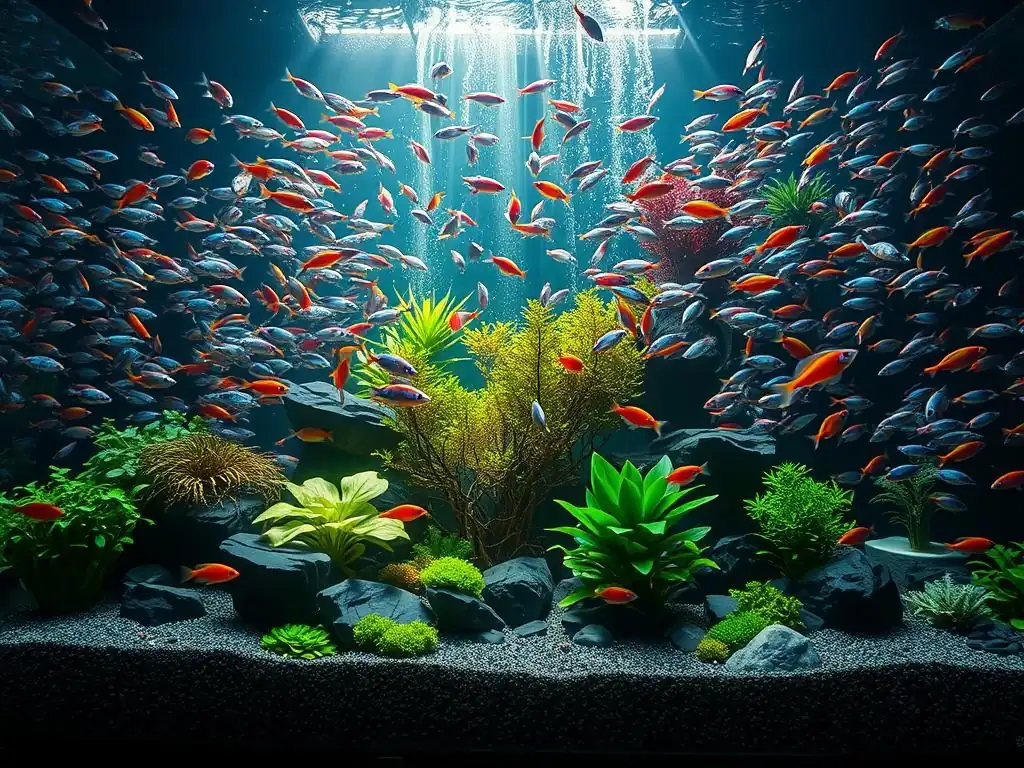
Ever been captivated by the shimmering dance of a school of fish? Dive in with us as we unlock the secrets to creating a thriving underwater world. Are you ready to discover the Rasbora Roundup: Exploring the Diverse World of These Schooling Beauties? Get ready to master Rasbora fish care tips and transform your freshwater aquarium into a vibrant ecosystem! Let's explore!
- Understanding Rasbora Fish: An Introduction to Their Charm
- Rasbora Fish Care Tips: Creating the Ideal Aquarium Environment
- Rasbora Tank Mates: Building a Peaceful Community Aquarium
- Rasbora Feeding Guide: Providing a Balanced Diet
- Maintaining a Healthy Rasbora Aquarium: Essential Practices
- Rasbora Breeding: A Rewarding Aquarium Challenge
- Common Rasbora Diseases and Treatments: Prevention and Cure
- Choosing the Right Rasbora Species for Your Aquarium: A Detailed Look
- Advanced Rasbora Keeping: Tips for Experienced Aquarists
-
Frequently Asked Questions
- What are the key considerations for setting up a Rasbora aquarium?
- What are the ideal water parameters for most Rasbora species?
- What should I feed my Rasbora fish to ensure their optimal health?
- How many Rasboras should I keep together to ensure they school properly?
- What are some common health issues to watch out for in Rasboras?
- Final Reflection: Appreciating the Tiny Wonders
- Dive Deeper: Cultivate Your Own Rasbora Paradise!
Understanding Rasbora Fish: An Introduction to Their Charm
What are Rasboras? Defining Characteristics and Origins
Rasboras are a diverse group of small, schooling freshwater fish belonging to the family Cyprinidae, which also includes popular species like Danios and minnows. Predominantly originating from the slow-moving streams, swamps, and floodplains of Southeast Asia, particularly countries like Malaysia, Thailand, Indonesia, and parts of India, these fish are characterized by their sleek, torpedo-shaped bodies, typically growing between 1 to 2 inches (2.5 to 5 cm) in length. Their often vibrant coloration and distinctive markings make them a captivating addition to any suitable aquarium.
Scientifically, the term "Rasbora" encompasses several genera, including Trigonostigma, Boraras, and Rasbora itself, each with unique characteristics. For instance, the Boraras genus includes some of the smallest known fish, often less than an inch long, while Trigonostigma species are recognized by their prominent triangular or "lambchop" markings. These fish play a vital role in their natural ecosystems, feeding on small invertebrates and contributing to the aquatic food web, and their peaceful nature has solidified their place as cherished inhabitants in the global aquarium trade.
Why Rasboras are Popular Aquarium Fish: Temperament and Visual Appeal
Rasboras are highly sought after by aquarists due to their exceptionally peaceful and docile temperament, making them ideal candidates for a wide range of community aquariums. Their inherent schooling behavior is one of their most appealing traits; when kept in groups of six to ten or more individuals, they form cohesive, shimmering shoals that create a dynamic and visually stunning display, constantly moving and interacting within the tank. This collective movement adds a lively dimension that single fish or smaller groups simply cannot replicate.
Beyond their harmonious demeanor, the aesthetic diversity of Rasboras is a major draw. Species like the Harlequin Rasbora showcase striking copper-orange bodies with a distinct black wedge, while the tiny Chili Rasbora boasts an intense fiery red hue, and the Galaxy Rasbora (Celestial Pearl Danio) sparkles with iridescent pearl-like spots against a dark background. Their small size means they can be housed in relatively modest aquariums, including many nano tanks, allowing enthusiasts to create intricate, vibrant aquatic landscapes without concerns of overcrowding, provided proper Rasbora fish care tips are followed.
Exploring Rasbora Varieties: A Glimpse at the Diverse Species
The world of Rasboras is remarkably diverse, offering a multitude of species with unique patterns, sizes, and colorations. The Trigonostigma genus is perhaps the most well-known, featuring species like the Harlequin Rasbora ( Trigonostigma heteromorpha), recognized by its prominent black triangle, and its close relatives, the Espei Rasbora ( Trigonostigma espei) and Lambchop Rasbora ( Trigonostigma hengeli), which exhibit similar but distinct wedge-shaped markings and often more intense orange or copper tones. These are popular choices for mid-sized community tanks due to their hardy nature and striking appearance.
For enthusiasts of nano aquariums, the Boraras genus offers a captivating array of incredibly small species, typically reaching less than 1 inch (2.5 cm) in length. This group includes the vibrant Chili Rasbora ( Boraras brigittae), Phoenix Rasbora ( Boraras merah), and Strawberry Rasbora ( Boraras naevus), all known for their intense, almost jewel-like coloration and suitability for densely planted setups. Other notable species include the elegant Scissortail Rasbora ( Rasbora trilineata) with its distinctive forked tail, and the Brilliant Rasbora ( Rasbora einthovenii), showcasing the broad spectrum of beauty within the Rasbora family.
Rasbora Fish Care Tips: Creating the Ideal Aquarium Environment
Tank Size and Setup for Happy Rasboras: Mimicking Their Natural Habitat
Providing an appropriately sized and set up aquarium is fundamental for the well-being of Rasboras. For the smallest species, such as Chili Rasboras ( Boraras brigittae), a 5-gallon (approximately 19 liters) tank can house a small school of 6-8 individuals comfortably, provided it is heavily planted.
However, for larger species like Harlequin Rasboras ( Trigonostigma heteromorpha), a minimum 10-gallon (around 38 liters) tank is recommended for a school of 6-8 fish, with a 20-gallon (76 liters) or larger tank being ideal to allow for more extensive schooling behavior and to accommodate additional tank mates. The emphasis should always be on horizontal swimming space rather than vertical height, as these fish prefer to cruise mid-water.
To mimic their natural Southeast Asian habitats, a Rasbora tank should be densely planted, offering plenty of hiding spots and visual barriers. Fine-leaved plants like Java Moss, Hornwort, and various Cryptocoryne species are excellent choices, alongside broad-leaved plants like Anubias that provide resting places. Incorporating driftwood and smooth rocks not only adds to the aesthetic but also provides additional shelter. Gentle water flow is preferred, often achieved with a sponge filter or a baffled hang-on-back filter, as strong currents can stress these small fish.
Rasbora Water Parameters: Temperature, pH, and Hardness Guidelines
Maintaining stable and appropriate water parameters is one of the most crucial Rasbora fish care tips. Most Rasbora species thrive in tropical temperatures ranging from 72-78°F (22-26°C), though some Boraras species, like the Chili Rasbora, can tolerate slightly warmer temperatures up to 82°F (28°C). The ideal pH range for Rasboras is generally between 6.0 and 7.5, with many species preferring slightly acidic conditions, sometimes as low as pH 5.5, especially those originating from blackwater environments.
In terms of water hardness, Rasboras typically prefer soft to moderately hard water, with a general hardness (GH) range of 2-10 dGH (approximately 35-180 ppm). Species from blackwater habitats, such as Chili Rasboras, often thrive in very soft water (1-5 dGH). Consistency is more vital than hitting precise numbers; sudden fluctuations in temperature, pH, or hardness can cause significant stress to these delicate fish. Regular monitoring with a reliable liquid test kit is essential to ensure these parameters remain stable within the optimal ranges.
Choosing the Right Substrate and Decorations for Rasboras
The choice of substrate and decorations plays a significant role in creating a comfortable and visually appealing environment for Rasboras. A fine gravel or sand substrate is ideal, as it is gentle on their delicate barbels (if present) and allows for easy plant rooting. Opting for a dark-colored substrate can dramatically enhance the coloration of many Rasbora species, causing their natural hues to appear more vibrant and intense, while also reducing glare that can stress the fish by mimicking the often dark, leaf-littered bottoms of their native streams.
Decorations should primarily focus on providing ample cover and visual interest. Densely planting the aquarium with a variety of aquatic plants is paramount; fine-leaved plants such as Java Moss ( Taxiphyllum barbieri), Hornwort ( Ceratophyllum demersum), and various stem plants offer excellent hiding spots and reduce shyness. Floating plants like Dwarf Water Lettuce ( Pistia stratiotes) or Salvinia ( Salvinia minima) can help diffuse overhead lighting, which Rasboras often appreciate as it simulates the shaded conditions of their natural habitats. Incorporating driftwood branches and smooth, non-porous rocks further enhances the natural aesthetic and provides additional shelter.
Rasbora Tank Mates: Building a Peaceful Community Aquarium
Compatible Fish Species for Rasboras: Ensuring Harmony in Your Tank
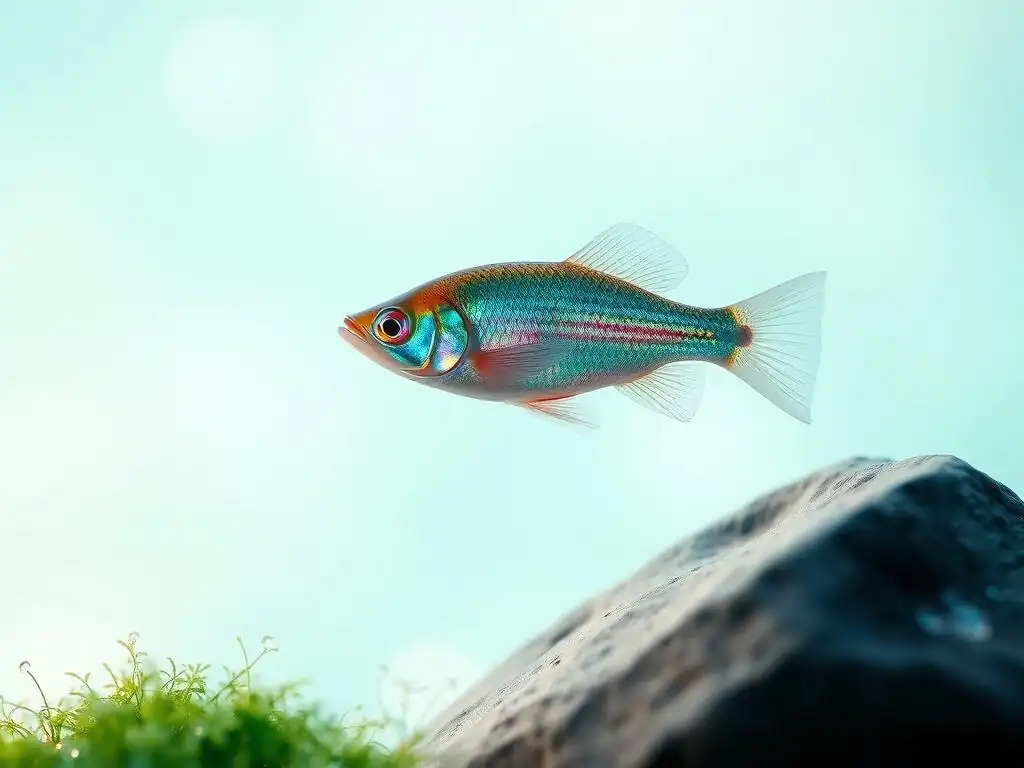
When selecting tank mates for Rasboras, the primary considerations are peace, size, and similar water parameter requirements. Ideal companions are other small, non-aggressive species that won't outcompete Rasboras for food or intimidate them. Excellent choices include other small schooling fish like Neon Tetras ( Paracheirodon innesi), Ember Tetras ( Hyphessobrycon amandae), or peaceful species of Pencilfish ( Nannostomus spp.). Small, docile Danios, such as the Pearl Danio ( Danio albolineatus), can also be compatible, provided the tank is sufficiently large.
Bottom-dwelling fish that are peaceful and small are also great additions. Corydoras catfish ( Corydoras spp. ), particularly pygmy varieties like Corydoras pygmaeus, are perfect as they occupy a different water column and are known for their gentle nature. Similarly, Otocinclus catfish ( Otocinclus spp.) are peaceful algae eaters that can coexist harmoniously with Rasboras. The key is to avoid any fish that exhibit aggressive tendencies, are known fin-nippers, or grow large enough to view Rasboras as prey, ensuring a stress-free environment, which is a critical component of effective Rasbora fish care tips.
Invertebrates and Plants That Thrive with Rasboras
Invertebrates can make fascinating and beneficial additions to a Rasbora aquarium, provided they are chosen carefully. Dwarf shrimp species, such as Cherry Shrimp ( Neocaridina davidi) or Amano Shrimp ( Caridina multidentata), are generally excellent tank mates, especially with the smaller Boraras Rasboras. While very tiny Rasbora fry might be at risk from adult shrimp, adult Rasboras are typically too small and peaceful to pose a significant threat to adult shrimp. Snails, including Nerite Snails ( Neritina natalensis) and Mystery Snails ( Pomacea bridgesii), are also highly compatible, contributing to tank cleanliness without bothering the fish.
As previously mentioned, a heavily planted tank is not only aesthetically pleasing but also crucial for Rasbora well-being. Rasboras thrive in environments rich with aquatic vegetation, which provides essential cover, reduces stress, and contributes to overall water quality by absorbing nitrates. Most common aquarium plants, from fine-leaved species like Java Moss and Hornwort to broader-leaved plants like Anubias and Cryptocoryne, are perfectly compatible and will flourish alongside Rasboras, enhancing their natural habitat.
Avoiding Problematic Tank Mates: Species That May Stress Rasboras
To ensure the long-term health and peaceful coexistence of your Rasboras, it is crucial to avoid introducing tank mates that could pose a threat. Large, predatory fish, such as most Cichlid species (e.g., Oscars, large Angelfish), are entirely unsuitable as they will view small Rasboras as food. Similarly, aggressive or territorial fish, including certain Barbs (like Tiger Barbs if not kept in very large schools themselves), some Gourami species, or even larger, more boisterous Danios, can stress Rasboras through constant chasing or fin nipping, leading to injury, disease, and a shortened lifespan.
Furthermore, fish that require significantly different water parameters should also be avoided, as attempting to accommodate disparate needs can compromise the health of all inhabitants. For example, fish that prefer very hard, alkaline water would not thrive in the soft, acidic conditions favored by many Rasbora species, and vice-versa. Maintaining a harmonious community by carefully selecting peaceful, similarly sized fish with compatible environmental needs is paramount for effective Rasbora fish care tips and the overall success of your aquarium.
Rasbora Feeding Guide: Providing a Balanced Diet
What Do Rasboras Eat? Optimal Food Choices for Growth and Color
Rasboras are primarily omnivores with a natural inclination towards small, meaty foods found in their wild habitats, such as small insects and zooplankton. In the home aquarium, a high-quality, finely crushed flake food or micro-pellets designed for small tropical fish should form the staple of their diet. Look for foods with a high protein content, ideally in the range of 40-50%, to support their growth and maintain their vibrant colors. Brands specifically formulated for small schooling fish often contain beneficial ingredients that meet their nutritional needs.
To ensure a balanced diet and promote optimal health and coloration, variety is key. Supplementing their staple diet with a mix of live, frozen, and freeze-dried foods will provide essential vitamins, minerals, and proteins that might be lacking in a single food source. This varied diet not only mimics their natural feeding behaviors but also boosts their immune system and enhances their natural vibrancy.
Feeding Frequency and Portion Control: Preventing Overfeeding
When it comes to feeding Rasboras, frequency and portion control are crucial elements of effective Rasbora fish care tips. It is recommended to feed Rasboras 1 to 2 times daily. The amount of food offered should be what they can completely consume within 2 to 3 minutes. Overfeeding is a very common mistake among aquarists and can lead to a host of problems that severely impact water quality and fish health.
Excess food that remains uneaten will quickly decompose, leading to a rapid increase in ammonia and nitrite levels, which are highly toxic to fish. This decomposition also contributes to cloudy water, unpleasant odors, and can fuel unsightly algae blooms. Consistently high nutrient levels from overfeeding stress the fish, making them more susceptible to diseases. Therefore, observing your Rasboras during feeding to ensure they consume all the food quickly is vital for maintaining a clean and healthy environment.
Supplementing Their Diet: Live and Frozen Foods for Variety
Supplementing the daily diet of Rasboras with live and frozen foods is highly beneficial for their overall health, color, and natural vigor. Live foods, such as newly hatched brine shrimp nauplii, micro-worms, and daphnia, are excellent choices. They provide a rich source of protein and stimulate the fish's natural hunting instincts, which can be particularly useful for conditioning breeding pairs. These tiny organisms are perfectly sized for the small mouths of most Rasbora species and are readily accepted.
Frozen foods offer a convenient alternative to live foods while still providing excellent nutritional value. Finely chopped frozen bloodworms, frozen daphnia, and frozen brine shrimp are widely available. It is important to thaw frozen foods in a small amount of tank water before adding them to the aquarium to avoid introducing cold food that could shock the fish or lower the tank temperature. Both live and frozen supplements should be offered a few times a week to provide a varied and enriching diet, significantly contributing to the long-term well-being of your Rasboras.
Maintaining a Healthy Rasbora Aquarium: Essential Practices
Regular Water Changes: The Cornerstone of Rasbora Health
Regular partial water changes are arguably the single most important practice for maintaining a healthy Rasbora aquarium and are a cornerstone of comprehensive Rasbora fish care tips. These small fish are sensitive to accumulating nitrates and other dissolved organic compounds. For a well-established, moderately stocked Rasbora tank, a weekly water change of 20-30% of the total tank volume is a good general guideline. In heavily stocked tanks or those with larger bioloads, more frequent or slightly larger changes might be necessary to keep parameters pristine.
The benefits of consistent water changes are multifaceted: they effectively remove nitrates, phosphates, and other pollutants that build up over time, which are toxic in high concentrations. They also replenish essential minerals and trace elements that are utilized by fish and plants. Always ensure that the fresh water added is dechlorinated using a reputable water conditioner and that its temperature closely matches that of the aquarium water to prevent temperature shock, which can severely stress fish.
Effective Filtration for Rasbora Tanks: Keeping the Water Pristine
Effective filtration is critical for maintaining pristine water quality in a Rasbora aquarium. Given their small size and preference for gentle water flow, selecting the right type of filter is important. A hang-on-back (HOB) filter with adjustable flow, or a small sponge filter, is often ideal for Rasbora tanks, especially for smaller species or nano setups. Sponge filters are particularly excellent for breeding tanks as they provide gentle filtration and protect tiny fry from being sucked in.
A good filtration system should provide all three types of filtration: mechanical, biological, and chemical. Mechanical filtration removes physical debris and uneaten food. Biological filtration, facilitated by beneficial bacteria colonizing the filter media, converts toxic ammonia and nitrite into less harmful nitrate. Chemical filtration, often through activated carbon, removes odors, discolorations, and certain dissolved impurities. Regular, gentle cleaning of filter media (using old tank water to preserve beneficial bacteria) ensures optimal filter performance and contributes significantly to maintaining a healthy environment.
Monitoring Water Quality: Testing for Ammonia, Nitrite, and Nitrate
Diligent monitoring of water quality parameters is an indispensable aspect of Rasbora fish care tips, as these tiny fish are particularly susceptible to poor water conditions. Regular testing for ammonia, nitrite, and nitrate levels is crucial. Ammonia and nitrite, the initial byproducts of the nitrogen cycle, should always be at 0 parts per million (ppm). Even slight detectable levels can cause severe stress, gill damage, and ultimately lead to fish illness or death.
Nitrate, the final product of the nitrogen cycle, is less toxic than ammonia or nitrite but should still be kept at low levels, ideally below 20 ppm, and certainly no higher than 40 ppm. High nitrate levels over extended periods can suppress the immune system of Rasboras, making them vulnerable to diseases, and can also contribute to excessive algae growth. Investing in a reliable liquid-based test kit (rather than test strips, which can be less accurate) and performing tests weekly or bi-weekly will provide invaluable insights into your aquarium's health and allow for timely adjustments to maintenance routines.
Rasbora Breeding: A Rewarding Aquarium Challenge
Creating Breeding Conditions for Rasboras: Water Parameters and Environment
Many Rasbora species are egg scatterers, and breeding them can be a rewarding challenge for aquarists. To encourage spawning, it's often necessary to simulate their natural breeding season conditions, which typically involve softer, more acidic water. For species like Harlequin Rasboras, a pH of 5.5-6.5 and a general hardness (GH) of 2-5 dGH are ideal.
A slight increase in water temperature to the upper end of their preferred range, such as 78-80°F (26-27°C), can also stimulate breeding. A dedicated breeding tank, typically 5-10 gallons, is highly recommended to protect the delicate eggs and fry from being eaten by adult fish.
The breeding tank should be equipped with dense spawning media where eggs can be laid and fall out of reach of the parents. Fine-leaved plants like Java Moss ( Taxiphyllum barbieri), spawning mops made from acrylic yarn, or even a mesh bottom can serve this purpose. Dim lighting is often preferred, as many Rasbora species are sensitive to bright light during spawning. Conditioning the breeding pair or group with high-quality, protein-rich live foods such as newly hatched brine shrimp or daphnia for several days prior to introducing them to the breeding tank can significantly increase spawning success.
Identifying Rasbora Eggs and Fry: Recognizing the Signs of Success
Once Rasboras have successfully spawned, identifying their eggs and subsequent fry requires keen observation due to their small size. Rasbora eggs are typically tiny, often less than 1 millimeter in diameter, and can range from clear to a light amber color. They are usually scattered individually among the fine leaves of plants or within spawning mops. Spawning often occurs in the early morning hours, so checking the breeding tank shortly after dawn is advisable.
Depending on the water temperature, Rasbora eggs usually hatch within 24 to 48 hours. The newly hatched fry are incredibly small and almost transparent, making them very difficult to spot initially. They often remain motionless, clinging to plants or tank surfaces for the first few days, absorbing their yolk sacs. After approximately 2-4 days, they will become free-swimming, at which point they will actively seek out food. Recognizing these subtle signs of success is crucial for prompt care and increasing the survival rate of the delicate fry.
Caring for Rasbora Fry: Providing the Right Food and Protection
Caring for Rasbora fry demands meticulous attention to diet and water quality due to their extreme fragility and minuscule size. Upon becoming free-swimming, the fry require incredibly tiny food sources that fit their mouths. Infusoria (microscopic organisms), liquid fry food specifically designed for egg-laying fish, or green water (algae-rich water) are suitable initial foods. After a few days, as they grow slightly, they can graduate to newly hatched brine shrimp nauplii or micro-worms, which provide excellent nutrition for rapid growth. Feed multiple times a day in very small amounts to ensure constant availability without polluting the water.
Maintaining pristine water quality in the fry tank is paramount. Perform very small, frequent water changes—perhaps 10% daily—using a drip system or a turkey baster to avoid disturbing the tiny fry. A small sponge filter is the ideal choice for filtration, as it provides gentle biological filtration without the risk of sucking up the fry. Protecting the fry from adult fish, including their own parents (who will often consume the eggs and fry), is vital; this is why a dedicated breeding and grow-out tank is almost always necessary for successful Rasbora breeding.
Common Rasbora Diseases and Treatments: Prevention and Cure
Identifying Common Rasbora Illnesses: Recognizing Symptoms Early
Even with the best Rasbora fish care tips, fish can occasionally fall ill. Identifying common Rasbora illnesses early is critical for successful treatment and preventing the spread of disease. Common ailments include Ich (Ichthyophthirius multifiliis), characterized by small white spots resembling grains of salt on the body and fins; Fin Rot, which manifests as frayed, ragged, or discolored fins, sometimes with a red or white edge; and Fungal Infections, appearing as cotton-like growths on the body or fins.
Bacterial infections can present with more varied symptoms such as lethargy, clamped fins, bloating, redness, ulcers, or loss of appetite. Any significant change in your Rasboras' behavior, such as unusual swimming patterns (e.g., flashing against objects), hiding excessively, rapid breathing, or refusal to eat, should be taken as a potential sign of illness. Regular observation of your fish during feeding and general tank activities allows for prompt detection of these subtle indicators, leading to quicker intervention.
Treating Rasbora Diseases: Medications and Natural Remedies
Once an illness is identified, prompt and appropriate treatment is essential. For common parasitic infections like Ich, raising the water temperature slightly (if compatible with other tank inhabitants and within safe limits, e.g., to 82°F / 28°C for a few days) can accelerate the parasite's life cycle, making it more vulnerable to medication. Ich-specific medications containing malachite green or formalin are widely available and effective.
For bacterial or fungal issues, broad-spectrum aquarium antibiotics or antifungal treatments are typically required. Always follow the manufacturer's instructions carefully, and remember to remove activated carbon from the filter during medication, as it will absorb the treatment.
In some cases, supportive care or natural remedies can aid recovery. Increasing aeration in the tank, performing extra partial water changes, and adding aquarium salt (ensure it's safe for your specific Rasbora species, plants, and invertebrates) can sometimes alleviate stress and promote healing. For severe cases or highly contagious diseases, quarantining sick fish in a separate hospital tank is highly recommended. This prevents the spread of illness to healthy tank mates and allows for targeted treatment without affecting the main display tank's inhabitants or beneficial bacteria.
Preventing Disease Outbreaks: Maintaining Optimal Water Quality
Prevention is always more effective than cure, and maintaining optimal water quality is the single most critical preventative measure in Rasbora fish care tips. Consistent adherence to regular partial water changes, effective filtration, and diligent monitoring of water parameters (ammonia, nitrite, nitrate, pH, temperature) are paramount. Stable and clean water conditions significantly reduce stress on the fish, which is a primary factor in weakening their immune systems and making them susceptible to disease.
Beyond water quality, other preventative measures include quarantining all new fish for at least 2-4 weeks in a separate tank before introducing them to the main aquarium. This allows for observation and treatment of any potential diseases they might carry without risking the health of established inhabitants. Avoid overstocking your tank, as this increases the bioload and stress levels, and prevent overfeeding, which directly contributes to poor water quality. Providing a varied, nutritious diet also strengthens the fish's immune system, making them more resilient against pathogens.
Choosing the Right Rasbora Species for Your Aquarium: A Detailed Look
Harlequin Rasboras: Care and Tank Mates
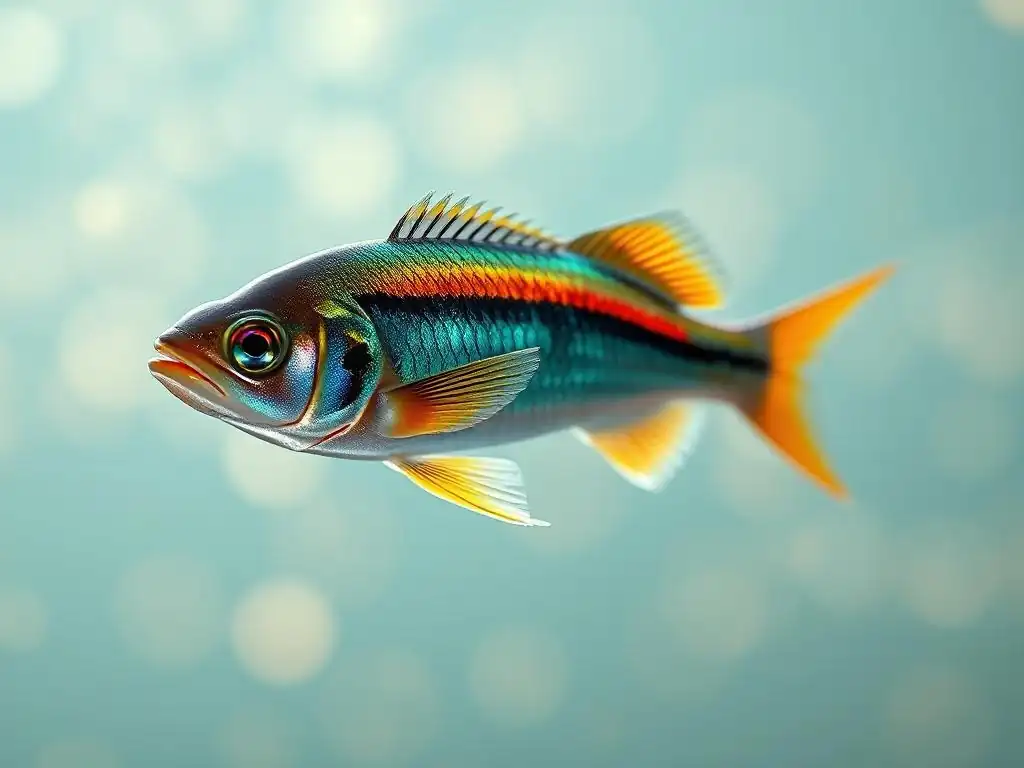
The Harlequin Rasbora ( Trigonostigma heteromorpha) is arguably the most popular and widely available Rasbora species, celebrated for its hardiness and distinctive appearance. Growing up to 1.75 inches (4.5 cm), it features a striking copper-orange body contrasted by a prominent black, triangular marking resembling a "lambchop." These fish are exceptionally peaceful and thrive in schools of at least 6-8 individuals, ideally in a 10-gallon (38 liters) tank or larger, benefiting from ample swimming space and a well-planted environment.
Their ideal water parameters are a pH of 6.0-7.0, temperature between 72-78°F (22-26°C), and soft to medium hard water (5-12 dGH). Harlequin Rasboras are excellent community fish, compatible with other peaceful, similarly sized species such as Corydoras catfish, various small Tetras (e.g., Neon Tetras, Ember Tetras), and small, docile Gouramis. They are active mid-water swimmers and appreciate tanks with both open areas and dense plant cover.
Chili Rasboras (Mosquito Rasboras): Tank Setup and Feeding
Chili Rasboras ( Boraras brigittae), also sometimes called Mosquito Rasboras, are among the smallest and most vibrant of the Rasbora family. Reaching a maximum size of just 0.7 inches (1.8 cm), they boast an intense fiery red body adorned with a distinctive black spot or horizontal stripe, making them a captivating choice for nano aquariums. A 5-gallon (19 liters) tank can comfortably house a school of 8-10 or more of these tiny beauties, which truly shine when kept in larger groups.
Their preferred water parameters are slightly more specific: a pH of 5.0-7.0, temperature ranging from 72-82°F (22-28°C), and very soft water (1-5 dGH). Chili Rasboras thrive in heavily planted tanks with dim lighting, often enhanced by floating plants and leaf litter (e.g., Indian almond leaves) that release tannins, mimicking their natural blackwater habitats. Due to their incredibly small mouths, their diet must consist of micro-foods such as finely crushed flakes, infusoria, newly hatched brine shrimp, or micro-worms, fed multiple times a day.
Espei Rasboras: Maintaining Their Vibrant Colors
The Espei Rasbora ( Trigonostigma espei), often mistaken for a Harlequin, is a beautiful and slightly smaller alternative, typically growing up to 1 inch (2.5 cm). It features a more slender body with an intense orange-copper hue and a black marking that is less triangular than the Harlequin's, often appearing as a more elongated wedge or "bugle" shape. Like other Rasboras, they are peaceful schooling fish and display their best colors and behaviors when kept in groups of 8 or more.
Their ideal water parameters are a pH of 6.0-7.5, temperature between 73-80°F (23-27°C), and soft to medium hard water. To maintain their striking vibrant colors, providing a high-quality, varied diet rich in carotene-enhancing foods (such as those containing spirulina or astaxanthin) and supplementing with live or frozen foods is crucial. A dark substrate and dense planting can also help bring out their natural brilliance, making them a stunning addition to a well-maintained community tank.
Galaxy Rasboras (Celestial Pearl Danios): Care and Compatibility
Often referred to as Galaxy Rasboras, the Celestial Pearl Danio ( Danio margaritatus) is technically a species of Danio, though its common name reflects its Rasbora-like appearance and popularity in nano tanks. Reaching about 1 inch (2.5 cm), these fish are incredibly striking, with iridescent, pearl-like spots scattered across a dark blue body, complemented by red-orange fins. They are shy but peaceful and flourish in schools of 6-10 or more, ideally in tanks of 5 gallons (19 liters) or larger.
Their preferred water parameters are a pH of 6.5-7.5, temperature between 68-78°F (20-26°C), and medium hard water (5-15 dGH). Galaxy Rasboras thrive in heavily planted aquariums with plenty of hiding spots and subdued lighting, which helps them feel secure and encourages them to be more active. They are compatible with other small, peaceful species that won't outcompete them, such as Chili Rasboras, Pygmy Corydoras, and Otocinclus catfish, making them excellent choices for a tranquil nano community.
Lambchop Rasboras: Specific Needs and Temperament
The Lambchop Rasbora ( Trigonostigma hengeli) is another charming species within the Trigonostigma genus, closely related to the Harlequin and Espei Rasboras. Growing up to 1 inch (2.5 cm), it is characterized by its iridescent orange-pink body and a black marking that is more distinctly shaped like a horizontal wedge or "lambchop," often with a subtle orange line running above it. These fish are peaceful, schooling, and exhibit similar temperaments and needs to their close relatives, thriving in groups of 6 or more.
Their ideal water parameters are a pH of 6.0-7.5, temperature between 72-80°F (22-27°C), and soft to medium hard water. Lambchop Rasboras appreciate a well-planted aquarium with plenty of cover and subdued lighting, which helps to bring out their subtle iridescence. Their care requirements are very similar to those of Harlequin Rasboras, making them an excellent choice for aquarists looking for a slightly different aesthetic while maintaining the same reliable hardiness and peaceful nature in a community tank.
Advanced Rasbora Keeping: Tips for Experienced Aquarists
Optimizing Plant Growth in Rasbora Tanks: CO2 and Fertilization
For experienced aquarists aiming to create a truly lush and thriving planted environment for their Rasboras, optimizing plant growth through CO2 supplementation and fertilization can elevate the aquarium to the next level. While many plants can grow without CO2, injecting carbon dioxide significantly boosts photosynthetic rates, leading to faster, denser, and more vibrant plant growth. Low-pressure CO2 systems or even DIY CO2 setups are suitable for smaller Rasbora tanks, promoting healthier plants that, in turn, provide more cover, improve water quality, and create a more natural habitat for the fish.
Alongside CO2, balanced fertilization is crucial. Tap water often lacks essential micronutrients like iron, potassium, and magnesium, which are vital for plant health. Liquid fertilizers or root tabs can supply these necessary elements. It's important to choose fertilizers that are safe for fish and invertebrates and to dose them according to instructions, avoiding over-fertilization which can lead to algae issues. Combining proper lighting, CO2, and fertilization creates a dynamic ecosystem where both plants and Rasboras can flourish.
Creating a Biotope Aquarium for Rasboras: Mimicking Their Natural Ecosystem
For the truly dedicated aquarist, creating a biotope aquarium for Rasboras offers an immersive and enriching experience, replicating their specific natural ecosystem. This often involves mimicking a Southeast Asian blackwater or clearwater stream environment. To achieve a blackwater effect, a fine sand substrate can be used, along with abundant driftwood and generous amounts of leaf litter, such as Indian almond leaves ( Terminalia catappa), oak leaves, or alder cones. These materials slowly release tannins, which tint the water a tea-like color, lower the pH, and provide beneficial humic substances that Rasboras thrive in.
Appropriate plant choices for a biotope would include species naturally found in the region, such as various Cryptocoryne species, Java Fern ( Microsorum pteropus), and Anubias ( Anubias barteri var. nana). Dim lighting, perhaps further diffused by a canopy of floating plants, completes the natural feel, reducing stress for the fish and encouraging more natural behaviors. This advanced approach to Rasbora fish care tips not only provides an authentic display but also a highly specialized and enriching environment for the fish.
Managing Algae Growth in Planted Rasbora Tanks
Algae growth is a common challenge in planted aquariums, even those housing Rasboras, but it can be effectively managed with a systematic approach. The most sustainable way to control algae is to address its root cause, which is typically an imbalance in light, nutrients, or CO2.
Ensure your lighting period is consistent and appropriate for your plants (typically 8-10 hours per day); excessive light is a primary driver of algae. Similarly, ensure that your CO2 levels are stable and adequate if you are injecting it, and that your nutrient dosing is balanced, as both deficiencies and excesses can trigger algae blooms.
In addition to optimizing parameters, introducing algae-eating invertebrates can be a highly effective and natural method of control. Nerite snails ( Neritina natalensis) and Amano shrimp ( Caridina multidentata) are excellent choices, as they are voracious algae eaters and are completely safe with peaceful Rasboras. Manual removal of algae during regular water changes is also crucial. By maintaining stable water parameters, avoiding overfeeding, and addressing any imbalances in light or nutrients, you can significantly reduce the likelihood of severe algae outbreaks, contributing to overall long-term Rasbora fish care tips and the aesthetic appeal of your planted tank.
Frequently Asked Questions
What are the key considerations for setting up a Rasbora aquarium?
Rasboras thrive in well-established tanks with stable water parameters. A planted aquarium with plenty of hiding places is ideal for their comfort and security.
What are the ideal water parameters for most Rasbora species?
Generally, Rasboras prefer slightly acidic to neutral water, around pH 6.0-7.0. Aim for a temperature range of 72-78°F (22-26°C) and maintain excellent water quality through regular water changes.
What should I feed my Rasbora fish to ensure their optimal health?
Rasboras are omnivores and enjoy a varied diet. Feed them high-quality flake food, small live or frozen foods like daphnia and bloodworms, and occasional vegetable matter for a balanced diet.
How many Rasboras should I keep together to ensure they school properly?
Rasboras are schooling fish and need to be kept in groups to feel secure. A minimum of six Rasboras is recommended, but larger groups of eight or more are even better.
What are some common health issues to watch out for in Rasboras?
Keep an eye out for signs of ich (white spot disease), fin rot, or fungal infections. Maintaining good water quality and providing a balanced diet are crucial for preventing these issues.
Final Reflection: Appreciating the Tiny Wonders
The journey through the diverse world of Rasboras, as detailed in this article, highlights more than just practical fish care tips; it underscores the importance of understanding and appreciating the delicate ecosystems we bring into our homes. The vibrant colors and intricate behaviors of these schooling beauties remind us that even the smallest creatures deserve our utmost respect and informed care, a responsibility that resonates deeply in our increasingly interconnected world.
This exploration of Rasbora fish care has not only provided practical guidance but has also, hopefully, fostered a deeper appreciation for the intricacies of aquatic life. The act of caring for these tiny wonders becomes a microcosm of our larger responsibility to protect the planet's biodiversity. In the end, we will conserve only what we love; we will love only what we understand; and we will understand only what we are taught.
- Baba Dioum. This quote encapsulates the essence of responsible fishkeeping and the broader environmental consciousness we should all strive for.
Now, as you embark on your own Rasbora-keeping adventure, or simply reflect on the beauty of these creatures, I encourage you to consider the ripple effect of your actions. Let the knowledge gained here inspire you to create not just a thriving aquarium, but also a more mindful and compassionate approach to all living things. Embrace the opportunity to learn, to care, and to share the wonder of Rasboras with the world, fostering a deeper connection to the natural world, one tiny fish at a time.
Dive Deeper: Cultivate Your Own Rasbora Paradise!
Thank you for joining us on this exploration of the captivating world of Rasboras! We hope you've gained valuable insights into these schooling beauties and their unique needs. Now, let's translate this knowledge into action.
- Start Planning Your Rasbora Tank Today! Consider which species captured your heart and research their specific requirements to create the ideal habitat.
- Share your newfound Rasbora passion! Tell your fish-keeping friends about these vibrant fish.
- Visit your local fish store to observe different Rasbora species firsthand and connect with experienced aquarists for tailored advice.
What unique biotope will you create for your Rasboras, and how will you ensure their happiness and well-being?