
Platy Fish Lifespan: How to Maximize Their Years in Your Tank

Welcome to Aquarium Mastery!
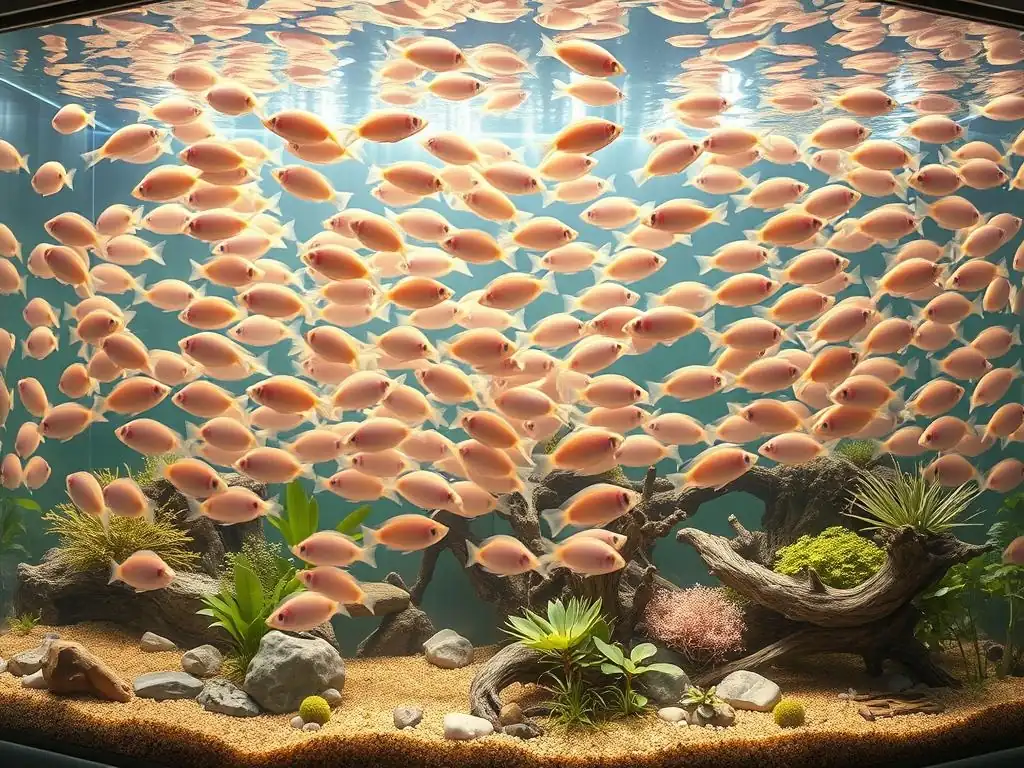
Ever wondered just how long those vibrant Platy fish can thrive in your aquarium? Dive in and unlock the secrets to maximizing their lifespan and ensuring they enjoy a long, happy, and healthy life in your care. Discover the crucial elements of Platy fish lifespan care and learn how to create the perfect environment for these delightful freshwater companions. What are you waiting for?
- Understanding Platy Fish Lifespan and Factors Affecting It
- Optimizing Platy Fish Care for a Longer Lifespan
- Extending Platy Fish Life: Advanced Care Techniques
- Common Mistakes That Shorten Platy Fish Lifespan
- Signs of a Healthy and Long-Lived Platy Fish
- Conclusion: Mastering Platy Fish Lifespan Care for a Thriving Aquarium
-
Frequently Asked Questions
- What is the typical lifespan of a Platy fish in a home aquarium?
- What are the most important factors affecting a Platy fish's lifespan?
- How can I ensure my Platy fish receive the best possible care to extend their lifespan?
- What are some common diseases that can shorten a Platy fish's lifespan, and how can I prevent them?
- How does tank size affect a Platy fish's lifespan?
- Final Reflection: Nurturing Life's Delicate Balance
- Transform Your Tank: Unlock Your Platy's Full Potential!
Understanding Platy Fish Lifespan and Factors Affecting It
Average Platy Fish Lifespan in Captivity
In a well-maintained home aquarium, the average platy fish lifespan typically ranges from 2 to 3 years. Some exceptionally well-cared-for platies, benefiting from pristine conditions and a superior diet, can even live up to 4 years. This lifespan is considered moderate among freshwater aquarium fish, often influenced by their small size and rapid metabolic rate compared to larger, slower-growing species.
While platies are relatively hardy, achieving the upper end of their lifespan requires consistent and attentive platy fish lifespan care. Their inherent genetic predispositions, combined with the controlled environment of a home aquarium, can offer advantages over wild populations where predation and fluctuating natural conditions might lead to shorter lives for many individuals. However, the potential for a longer life is only realized when all environmental factors are meticulously managed.
Key Factors Influencing Platy Fish Lifespan
Water Quality and Its Impact on Platy Health
Pristine water quality is arguably the single most critical factor in maximizing platy fish lifespan. The accumulation of metabolic waste products like ammonia, nitrite, and nitrate can quickly become toxic. Ideally, ammonia and nitrite levels should always be undetectable (0 ppm), while nitrates should be kept below 20 ppm, and certainly no higher than 40 ppm, through regular water changes and efficient filtration. Poor water quality severely stresses platies, compromising their immune systems and making them highly susceptible to chronic diseases, thereby drastically shortening their lives.
Beyond the nitrogen cycle, the stability of water parameters like pH and hardness is equally vital for platy fish lifespan care. Platies thrive in slightly alkaline to neutral water with a pH range of 7.0 to 8.0 and a moderate to hard water hardness (GH) between 10-25 dGH (180-450 ppm).
Sudden or drastic fluctuations in these parameters can cause osmotic shock, leading to severe stress, organ damage, and a heightened risk of illness. Consistent parameters, monitored regularly with a reliable liquid test kit, are far more beneficial than simply being within an acceptable range at a single point in time.
Diet and Nutrition for Optimal Platy Lifespan
A balanced and varied diet is fundamental for the health and longevity of your platies. As omnivores, platies require a mix of both plant and animal-based protein. A high-quality flake food should serve as their staple, but this needs to be regularly supplemented with live, frozen, or freeze-dried foods such as brine shrimp, bloodworms, daphnia, and spirulina-enriched flakes or pellets. A diet lacking essential vitamins, minerals, and macronutrients can lead to deficiencies, stunted growth, and a weakened immune system, directly impacting their platy fish lifespan.
The consequences of poor nutrition extend beyond immediate health issues. For instance, a diet consisting solely of low-quality, monochromatic flakes can lead to internal organ damage, such as fatty liver disease, and make platies prone to conditions like fin rot due to a compromised immune system. Conversely, overfeeding, even with good food, can lead to digestive issues and, more importantly, contribute to poor water quality as uneaten food decomposes. Feeding small amounts two to three times a day, only what they can consume within 2-3 minutes, is crucial for both their health and tank cleanliness.
Tank Size and Environment for Happy Platies
Adequate tank size is crucial for preventing overcrowding and reducing stress, which are major contributors to a shortened platy fish lifespan. While a minimum of a 10-gallon tank is often suggested for a small group of platies, a 20-gallon or larger tank is significantly better for a thriving community. Overcrowding leads to rapid accumulation of waste, increased aggression among tank mates due to limited territory, and stunted growth, all of which put immense stress on the fish and severely limit their potential lifespan.
Beyond sheer volume, the internal environment of the tank plays a vital role. Platies benefit immensely from a well-decorated aquarium that provides ample hiding spots and visual barriers. Live plants like Java Fern, Anubias, and Hornwort are ideal, as they offer shelter, reduce stress, and contribute to water quality by absorbing nitrates. Driftwood, caves, and rock formations also provide safe zones where platies can retreat if feeling stressed or during breeding chases. A barren tank, lacking such provisions, can lead to chronic anxiety, making platies timid and more susceptible to illness, thus impacting their platy fish lifespan.
Genetics and Breeding Considerations for Platy Fish Longevity
The genetic makeup of your platy fish significantly influences their inherent potential for a long life. Platies sourced from reputable breeders who prioritize health, vigor, and genetic diversity over sheer quantity or extreme color variations often possess stronger immune systems and better resilience to disease. Conversely, fish from indiscriminate breeding operations, where inbreeding is common, can suffer from genetic weaknesses, deformities, and a predisposition to various ailments, inevitably leading to a shorter platy fish lifespan.
For female platies, their prolific breeding habits can also impact their longevity. Females can store sperm for several months and continuously give birth every 28-30 days. This constant cycle of gestation and birthing is physically demanding and can deplete their energy reserves, potentially shortening their lifespan. Managing breeding by maintaining an appropriate male-to-female ratio (ideally 1 male to 2-3 females to diffuse male attention) or considering all-male or all-female tanks can reduce the physical strain on females, contributing to a longer, healthier platy fish lifespan for the entire population.
Optimizing Platy Fish Care for a Longer Lifespan
Maintaining Ideal Water Parameters for Platy Fish
Temperature, pH, and Water Hardness for Platy Health
Maintaining stable and appropriate water parameters is paramount for the health and longevity of your platies. Platy fish thrive in a tropical freshwater environment with temperatures consistently between 72-78°F (22-26°C). Deviations outside this range can stress their metabolism; lower temperatures can slow their immune response, while higher temperatures increase their metabolic rate and oxygen demand, leading to stress. The pH should be maintained between 7.0 and 8.0, and water hardness (GH) should be moderate to hard, ranging from 10-25 dGH (180-450 ppm).
Consistency is key for these parameters. Sudden shifts, even within acceptable ranges, can cause osmotic shock, severely stressing the fish. For instance, a rapid drop in pH from 7.8 to 7.0 can be more detrimental than a consistent pH of 7.0. Regular testing with a reliable liquid test kit, ideally weekly, allows for early detection of fluctuations. Addressing issues promptly, such as using a heater to maintain stable temperatures or buffering agents to stabilize pH, is crucial for ensuring a healthy and extended platy fish lifespan.
Regular Water Changes and Filtration for Preventing Disease
Regular partial water changes are the cornerstone of excellent platy fish lifespan care. A weekly water change of 25-30% of the tank volume is a good starting point for most platy tanks. This routine effectively removes accumulated nitrates, phosphates, and other dissolved organic compounds that can build up even in well-filtered tanks, while also replenishing essential minerals. Neglecting water changes leads to chronic exposure to pollutants, which weakens the platy's immune system and makes them highly susceptible to diseases.
Alongside water changes, robust filtration is indispensable. A high-quality filter system (incorporating mechanical, chemical, and biological filtration) ensures the removal of particulate matter, dissolved toxins, and the efficient conversion of harmful ammonia and nitrite into less toxic nitrate. Mechanical filtration traps debris, chemical filtration (e.g., activated carbon) removes odors and discoloration, and biological filtration provides a surface for beneficial bacteria to thrive. A well-maintained filter keeps the water crystal clear and supports a stable nitrogen cycle, which is fundamental for a long platy fish lifespan.
Providing a Balanced Diet to Extend Platy Fish Lifespan
Recommended Foods for Platies: Flakes, Live, and Frozen
A diverse and nutrient-rich diet is essential for maximizing platy fish lifespan. High-quality flake foods (e.g., those rich in spirulina or with added vitamins) should form the basis of their daily meals. To ensure complete nutrition and enhance their vibrant colors, supplement their diet with protein-rich live or frozen foods several times a week. Excellent choices include brine shrimp, bloodworms, daphnia, and mosquito larvae.
Given their omnivorous nature, incorporating vegetable matter is also beneficial. Blanched zucchini, shelled peas, or spirulina flakes can provide necessary fiber and plant-based nutrients. This varied dietary approach ensures that platies receive all the essential vitamins (like A, C, and E for immune function) and minerals required for robust health, strong immune systems, and vibrant coloration, all contributing to a longer, more active platy fish lifespan.
Avoiding Overfeeding and Maintaining a Feeding Schedule
Overfeeding is a common mistake that can significantly shorten a platy fish lifespan. Excess food quickly decomposes, leading to ammonia spikes, bacterial blooms, and cloudy water, all of which stress the fish and compromise water quality. Furthermore, overfeeding can cause digestive issues in platies, such as constipation or swim bladder problems, and contribute to fatty liver disease over time.
A good rule of thumb is to feed only what your platies can consume entirely within 2-3 minutes, two to three times a day. Establishing a consistent feeding schedule helps regulate their metabolism and digestive system. For instance, feeding small portions at 8 AM and 6 PM daily. Occasionally, a single day of fasting per week can also be beneficial, allowing their digestive systems to clear and preventing issues related to overconsumption, indirectly supporting their overall platy fish lifespan.
Creating a Stress-Free Tank Environment for Platies
Choosing the Right Tank Mates for Platy Fish Compatibility
Selecting appropriate tank mates is crucial for creating a peaceful and stress-free environment, directly impacting platy fish lifespan. Platies are generally peaceful community fish, but they can be stressed by overly aggressive, fin-nipping, or much larger species. Good tank mate choices include other peaceful livebearers like guppies and mollies, as well as non-aggressive species such as corydoras catfish, bristlenose plecos, peaceful tetras (e.g., neon or cardinal tetras), and rasboras.
Avoid housing platies with notoriously aggressive or fin-nipping fish like Tiger Barbs, certain cichlids, or large, predatory species. Constant harassment leads to chronic stress, which suppresses the platy's immune system, making them highly susceptible to disease and injury. For instance, a platy constantly fleeing aggression will expend excessive energy and may develop clamped fins or secondary infections, ultimately leading to a drastically reduced platy fish lifespan.
Providing Adequate Hiding Places and Decorations
A well-structured tank environment with ample hiding places is essential for reducing stress and promoting natural behaviors in platies. Live plants are ideal for this purpose, offering dense foliage where platies can retreat when feeling threatened or during breeding chases. Hornwort, Java Moss, and various Anubias species are excellent choices that also contribute to water quality by absorbing nitrates.
Beyond plants, other decorations like driftwood, ceramic caves, or rock formations provide additional visual barriers and safe zones. A tank that lacks sufficient cover can leave platies feeling exposed and vulnerable, leading to chronic stress. This constant state of anxiety can suppress their immune system, making them more prone to illness and significantly shortening their platy fish lifespan. A secure environment allows them to thrive and express their natural behaviors.
Preventing and Treating Common Platy Fish Diseases
Identifying Early Signs of Illness in Platies
Early detection of illness is paramount for successful treatment and preventing the spread of disease, thereby safeguarding platy fish lifespan. Aquarists should observe their platies daily for any changes in behavior or physical appearance. Behavioral signs of distress include lethargy, clamped fins (fins held close to the body), erratic swimming, rubbing against tank decor, or prolonged hiding.
Physical indicators of illness can manifest as white spots (Ich), fuzzy white or grey growths (fungus), red streaks on the body or fins, a bloated appearance, frayed or ragged fins, cloudy eyes, or visible parasites. For instance, a platy refusing food for more than a day or exhibiting persistent rapid gill movement warrants immediate investigation. Prompt identification allows for timely intervention, significantly increasing the chances of recovery and protecting the platy fish lifespan of the affected fish and others in the tank.
Common Platy Fish Diseases and Treatment Options
Platies, like all fish, are susceptible to various common diseases, especially if water quality is poor or they are stressed. Ichthyophthirius multifiliis (Ich), characterized by tiny white spots resembling salt grains, is a frequent culprit and can be treated with elevated temperatures (to 82°F/28°C, if compatible with tank mates) combined with aquarium salt or specific Ich medications (e.g., malachite green or formalin-based treatments). Fin rot, often a bacterial infection presenting as frayed or decaying fins, typically responds well to improved water quality and broad-spectrum antibiotics (e.g., erythromycin or furan-2).
Other common ailments include Columnaris (cottonmouth), a bacterial infection causing white, cotton-like lesions around the mouth or body, which requires strong antibiotics like Maracyn II. Fungal infections, often appearing as fuzzy white growths, are usually secondary to injury or stress and can be treated with antifungal medications (e.g., API Fungus Cure). Always follow dosage instructions carefully and remove activated carbon during medication to ensure efficacy and avoid further stress to the platy fish lifespan.
Quarantine Procedures for Sick or New Platies
Implementing a strict quarantine procedure is a critical preventative measure in platy fish lifespan care. Any new fish, including platies, should be quarantined in a separate tank for at least 2 to 4 weeks before being introduced to the main display aquarium. This isolation period allows for observation for any signs of disease, giving potential pathogens time to manifest without risking the entire established community.
Similarly, if an existing platy shows signs of illness, it should be immediately moved to a hospital tank. This small, dedicated tank (e.g., 5-10 gallons) equipped with a heater, sponge filter, and air stone, allows for targeted treatment without medicating the entire main tank. This prevents the spread of pathogens to healthy fish and protects the beneficial bacteria in the main filter from being harmed by medications, significantly improving the chances of recovery for the sick platy and extending its potential platy fish lifespan.
Extending Platy Fish Life: Advanced Care Techniques
Promoting Genetic Diversity in Your Platy Population
For aquarists who breed platies, understanding and promoting genetic diversity is an advanced technique that directly impacts the long-term health and platy fish lifespan of their stock. Continuous inbreeding within a limited gene pool can lead to genetic weaknesses, reduced vitality, increased susceptibility to diseases, and even deformities in offspring. This genetic bottleneck weakens the entire line over generations.
To combat this, periodically introduce new, healthy platies from different, reputable sources into your breeding program (always after a thorough quarantine period). This infuses fresh genes into your population, broadening the gene pool and strengthening the overall health and resilience of your fish. A robust gene pool leads to stronger immune systems, better growth rates, and a greater potential for each individual platy to reach its maximum platy fish lifespan.
Understanding and Managing Platy Fish Breeding Cycles
Female platies are incredibly prolific, capable of giving birth approximately every 28-30 days and storing sperm for multiple pregnancies. While fascinating, this continuous reproductive cycle can be physically demanding on the female, drawing heavily on her energy reserves and potentially shortening her platy fish lifespan due to chronic stress and physical depletion.
Advanced care involves managing these breeding cycles to reduce stress on the females. If you do not wish to breed, consider keeping an all-male or all-female tank. If breeding is desired, maintain a higher ratio of females to males (e.g., 1 male to 3-4 females) to diffuse the male's attention and prevent any single female from being constantly harassed. Providing dense planting also allows females to escape persistent male advances, contributing significantly to their overall well-being and a longer platy fish lifespan.
Recognizing and Addressing Signs of Aging in Platies
As platies approach the upper end of their platy fish lifespan (around 3-4 years), they may begin to show subtle signs of aging. These can include faded or duller coloration, reduced activity levels, a slightly hunched or less streamlined body shape, and a gradual decline in appetite. Their fins might appear less vibrant or slightly ragged, and they may become more susceptible to minor infections that a younger, more robust fish would easily fight off.
Providing supportive care for aging platies involves maintaining impeccable water quality, which becomes even more critical as their immune systems naturally weaken. Offer easily digestible, high-quality foods, perhaps in smaller, more frequent meals. Ensure a calm, low-stress environment with plenty of hiding spots. While you cannot halt the aging process, these measures can significantly improve their quality of life in their final months, allowing them to live out their maximum platy fish lifespan in comfort.
Common Mistakes That Shorten Platy Fish Lifespan
Overcrowding the Tank and Its Consequences
One of the most common and detrimental mistakes in platy fish lifespan care is overcrowding the aquarium. Placing too many platies, or too many fish in general, in a tank that is too small for their needs has severe consequences. For instance, attempting to house 10 platies in a 5-gallon tank will lead to rapid deterioration of water quality due to excessive waste production.
Overcrowding directly results in chronic stress for the fish, stunted growth (as their bodies are unable to develop fully in confined spaces), increased aggression among tank mates due to limited territory, and a significantly weakened immune system. These factors make platies highly susceptible to opportunistic infections like fin rot, Ich, and bacterial diseases, drastically shortening their platy fish lifespan.
Neglecting Water Quality and Maintenance
Neglecting regular water quality maintenance is a primary cause of premature platy deaths. Infrequent water changes, inadequate filtration, and a lack of consistent water parameter testing create a toxic environment for platies. For example, allowing nitrate levels to consistently climb above 40 ppm creates a chronically stressful condition that slowly poisons the fish.
Chronic exposure to poor water conditions leads to a cascade of health issues: damaged gills, respiratory distress, internal organ damage, and a constantly compromised immune system. This sustained stress depletes the platy's energy reserves and resistance to disease, making them vulnerable to nearly any pathogen present in the water. Ultimately, this neglect prevents platies from ever reaching their potential platy fish lifespan.
Incompatible Tank Mates and Aggression
Housing platies with unsuitable or aggressive tank mates is another significant mistake that shortens their lifespan. Platies are peaceful fish, and constant harassment from fin-nippers like certain barbs or overly boisterous species can lead to chronic stress and physical injury. A platy that is constantly fleeing or being chased expends excessive energy and lives in a perpetual state of fear.
This chronic stress severely suppresses the platy's immune system, making them highly susceptible to illnesses. Additionally, physical injuries like nipped fins can lead to secondary bacterial or fungal infections. The constant state of anxiety and physical strain prevents platies from thriving, leading to a significantly reduced platy fish lifespan compared to those kept in a harmonious community.
Poor Diet and Nutritional Deficiencies
Providing an inadequate or unbalanced diet is a common oversight that directly impacts platy fish lifespan. Feeding only low-quality, generic flakes, or insufficient amounts of food, starves platies of the essential vitamins, minerals, and macronutrients they need to thrive. For example, a diet primarily lacking in protein can lead to muscle wasting, poor development, and reduced energy.
Nutritional deficiencies weaken the platy's immune system, making them far more susceptible to a wide range of diseases, from common bacterial infections to more severe internal organ issues. It can also lead to stunted growth and faded coloration, indicating a lack of overall vitality. A platy that is consistently undernourished will not only look unhealthy but will also have a dramatically shortened platy fish lifespan.
Signs of a Healthy and Long-Lived Platy Fish
Physical Appearance: Colors and Fin Condition
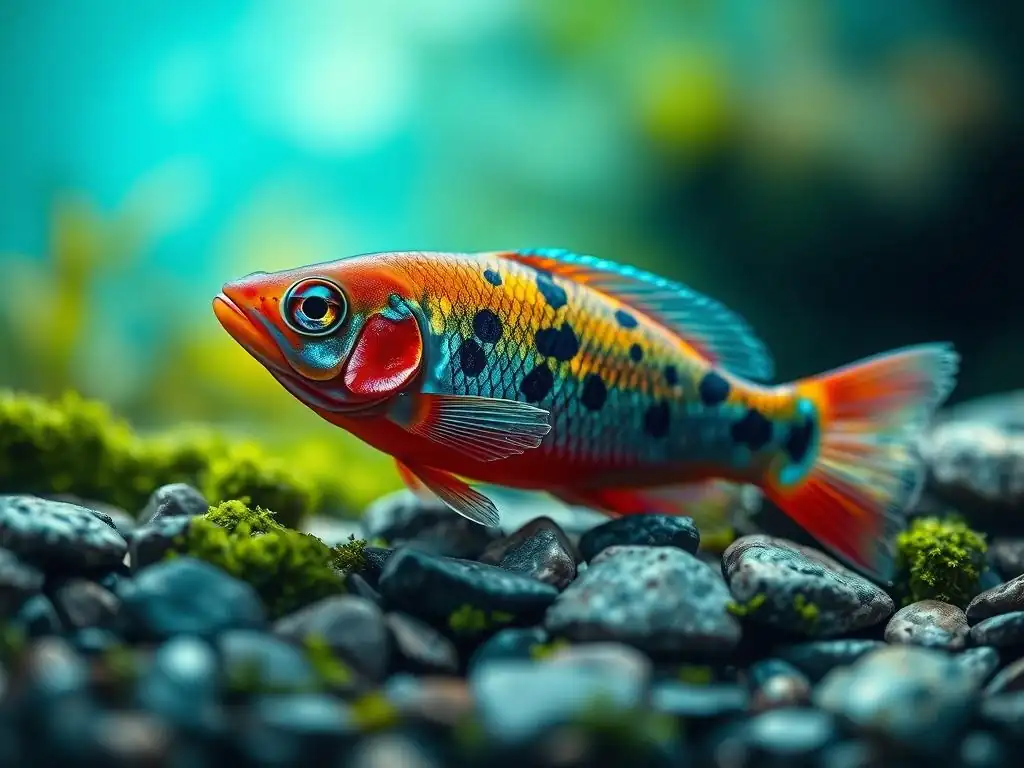
A healthy and potentially long-lived platy fish exhibits vibrant and rich coloration, which should be consistent with its specific variety (e.g., bright orange for a Sunset Platy, deep red for a Red Wag Platy). Faded, dull, or patchy colors are often strong indicators of stress, illness, or poor nutrition, signaling that the platy's well-being is compromised.
Beyond color, the condition of their fins is a key diagnostic sign. Healthy platies should have erect, fully spread fins that are free from any nips, tears, or signs of clamping (held tightly against the body). Their body should appear plump and well-rounded, but not bloated, with no visible lesions, parasites, or fuzzy growths. Clear, bright eyes are also a strong indicator of overall vitality and a promising platy fish lifespan.
Activity Level and Behavior
Healthy platies are typically active, curious, and social fish. They should be seen swimming freely throughout all levels of the tank, exploring their environment, and interacting with their tank mates. While they may occasionally rest, prolonged lethargy, hiding excessively, or remaining motionless at the bottom or surface of the tank are significant red flags.
Conversely, erratic swimming, gasping at the surface (indicating insufficient oxygen or gill issues), or rubbing their bodies against decor (flashing) are clear signs of distress or disease. A platy exhibiting natural, consistent, and energetic swimming patterns, along with appropriate social interactions, is thriving and on track for a healthy platy fish lifespan.
Feeding Habits and Appetite
A strong and consistent appetite is a hallmark of a healthy platy fish. When food is offered, a thriving platy will eagerly swim to the surface or mid-water and consume it readily and enthusiastically. They should finish their portion within a few minutes, demonstrating vigorous feeding habits.
Any sudden loss of appetite, spitting out food, or completely refusing to eat are significant indicators of underlying health issues, severe stress, or poor water quality. A platy that consistently feeds well is receiving adequate nutrition, maintaining its energy levels, and has a robust digestive system, all crucial elements contributing to a long and healthy platy fish lifespan.
Conclusion: Mastering Platy Fish Lifespan Care for a Thriving Aquarium
Maximizing the platy fish lifespan in your home aquarium is a rewarding endeavor that hinges on a comprehensive and consistent approach to their care. It requires a deep understanding of their specific needs, from maintaining pristine and stable water parameters (ideal temperature 72-78°F, pH 7.0-8.0, GH 10-25 dGH) to providing a balanced and varied diet that includes high-quality flakes supplemented with live or frozen foods. Equally vital is creating a stress-free environment, ensuring adequate tank size, compatible tank mates, and ample hiding places.
Proactive disease prevention through daily observation, prompt treatment of any ailments, and strict quarantine procedures for new fish are also indispensable aspects of successful platy fish lifespan care. By diligently applying these principles, aquarists can significantly extend the lives of their platies beyond the average 2-3 years, allowing these vibrant and lively fish to thrive for many years, enriching their aquarium with their engaging personalities and brilliant colors.
Frequently Asked Questions
What is the typical lifespan of a Platy fish in a home aquarium?
The typical Platy fish lifespan in a home aquarium is 3 to 5 years, assuming proper care and a healthy environment. Certain factors, such as genetics and water quality, can influence this range.
What are the most important factors affecting a Platy fish's lifespan?
The most important factors include water quality, diet, and prevention of disease. Maintaining a stable and clean aquarium environment is crucial for a long and healthy lifespan.
How can I ensure my Platy fish receive the best possible care to extend their lifespan?
Provide a balanced diet, perform regular water changes, and monitor for signs of disease. Also, avoid overcrowding your tank, as this can stress the fish and shorten their lives.
What are some common diseases that can shorten a Platy fish's lifespan, and how can I prevent them?
Ich (white spot disease) and fin rot are common. Prevent them by maintaining excellent water quality, quarantining new fish, and ensuring a stress-free environment.
How does tank size affect a Platy fish's lifespan?
Smaller tanks can lead to poor water quality and stress, shortening lifespan. A larger tank, with adequate space for swimming and hiding, contributes to a healthier and longer life.
Final Reflection: Nurturing Life's Delicate Balance
The journey of understanding the Platy fish lifespan extends far beyond the confines of a home aquarium. It's a microcosm reflecting the broader responsibility we have to nurture and protect the delicate balance of life, both within our homes and in the wider world. By understanding the specific needs of these vibrant creatures, we gain a deeper appreciation for the interconnectedness of all living things and the impact our choices have on their well-being.
This exploration into Platy fish care has profoundly influenced my perspective on responsible pet ownership. It's a reminder that bringing any life into our care demands a commitment to providing the best possible environment for them to thrive. As the renowned naturalist John Muir wisely stated: In every walk with nature one receives far more than he seeks.
This sentiment resonates deeply, highlighting the reciprocal relationship between care and the profound rewards of observing life flourish under our stewardship.
Now, consider the lessons learned about Platy fish lifespan care and apply them to other aspects of your life. Just as consistent care, a balanced environment, and mindful attention contribute to a Platy's longevity, so too do these principles apply to nurturing relationships, fostering personal growth, and contributing to a healthier planet. Let us all strive to be mindful stewards, creating environments where life, in all its forms, can flourish and thrive.
Transform Your Tank: Unlock Your Platy's Full Potential!
Thank you for diving into the world of platy fish with us! We hope you've gained valuable insights into extending their lifespan and creating a thriving environment. Now, it's time to put that knowledge into action and truly elevate your aquarium experience.
Here are some steps you can take today:
- Immediately assess your tank's conditions based on the information provided. Are your water parameters optimal? Is your tank overcrowded? Addressing these factors is crucial for your platy's long-term health.
- Consider introducing a new enriching element to your platy's environment. Perhaps a novel plant species or a carefully selected piece of driftwood.
- Share this article with fellow aquarium enthusiasts! Help them create happy and healthy environments for their platy fish.
What single change will you implement in your platy tank this week to significantly improve their quality of life and extend their lifespan?