
Ideal Tank Mates for Discus: Gentle Species for a Harmonious Community

Welcome to Aquarium Mastery!
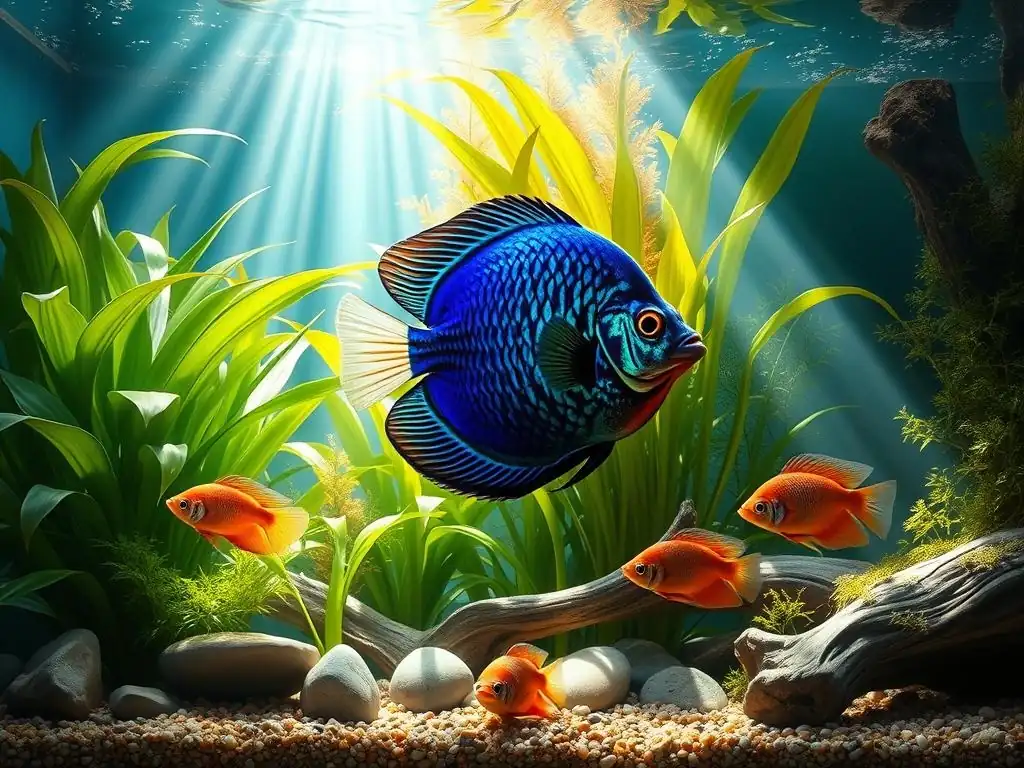
Ever dreamed of a thriving community aquarium centered around the majestic Discus? Unlocking the secret to successful Discus keeping starts with choosing the right tank mates. Dive into our guide on "Ideal Tank Mates for Discus: Gentle Species for a Harmonious Community" and discover which fish will flourish alongside these elegant beauties, creating a balanced and visually stunning underwater world. Intrigued? Let's explore the possibilities...
- Understanding Discus Tank Mate Compatibility: Creating a Peaceful Aquarium
-
The Best Discus Tank Mates: Peaceful and Compatible Species
- Cardinal Tetras: Classic and Safe Companions for Discus
- Rummy Nose Tetras: Indicators of Water Quality and Discus Friends
- Corydoras Catfish: Bottom Dwellers for a Clean and Balanced Tank
- Harlequin Rasboras: Peaceful Mid-Water Swimmers for Discus Aquariums
- Bristlenose Plecos: Algae Control and Discus Compatibility
- Other Compatible Discus Tank Mates: Pencilfish and Otocinclus Catfish
- Fish to Avoid as Discus Tank Mates: Aggressive or Incompatible Species
-
Setting Up Your Discus Community Tank: Key Considerations
- Tank Size: Providing Adequate Space for Discus and Tank Mates
- Water Parameters: Maintaining Ideal Conditions for Discus and Companions
- Filtration and Water Changes: Ensuring Water Quality for a Healthy Community
- Plant Selection: Choosing Plants That Thrive in Discus Tanks
- Feeding Your Discus Community Tank: Ensuring All Fish Get Enough Food
- Introducing New Fish to Your Discus Tank: A Step-by-Step Guide
- Maintaining a Harmonious Discus Community Tank: Ongoing Care and Observation
- Troubleshooting Common Discus Tank Mate Issues: Solutions and Tips
- Conclusion: Building a Thriving Discus Community Tank.
-
Frequently Asked Questions
- What are the most important factors to consider when choosing Discus tank mates?
- What types of fish are generally not suitable as Discus tank mates?
- Can I keep Discus with schooling fish? If so, which ones are best?
- How important is tank size when considering Discus tank mates?
- What should I do if I notice aggression between my Discus and their tank mates?
- Final Reflection: Cultivating Harmony in the Aquarium
- Dive Deeper: Cultivate Your Discus Paradise!
Understanding Discus Tank Mate Compatibility: Creating a Peaceful Aquarium
Why Discus Tank Mate Selection Matters
Selecting appropriate tank mates is paramount for the health and longevity of Discus, often considered the "King of the Aquarium." These magnificent cichlids are highly sensitive to stress, which can manifest as dull coloration, stunted growth, loss of appetite, and increased susceptibility to diseases like Hole-in-the-Head or Discus Plague. Poor Discus tank mate compatibility can lead to chronic stress, compromising their immune system and significantly shortening their lifespan, making the substantial investment in these fish less rewarding.
Furthermore, Discus are slow and deliberate eaters. If paired with fast, aggressive, or overly boisterous fish, they may be outcompeted for food, leading to malnutrition and weakened health. A carefully chosen community ensures that Discus can feed without anxiety and display their full, vibrant colors and natural behaviors. The success of a Discus aquarium hinges not just on water quality, but critically on establishing harmonious Discus tank mate compatibility.
Discus, despite being cichlids, possess a remarkably peaceful and shy temperament. They are highly social fish that thrive in groups of at least five to six individuals, exhibiting more natural behavior and reduced stress when kept in adequate numbers. Solitary Discus often become reclusive and exhibit signs of depression or illness, highlighting their strong schooling instincts. This social requirement directly influences Discus tank mate compatibility, as companions should not disrupt their group dynamics.
Their gentle nature means they are easily intimidated by aggressive or overly active species. They prefer calm environments with stable water parameters, specifically warm temperatures (typically 82-86°F or 28-30°C) and soft, acidic water (pH 5.5-6.5). Any tank mate must be able to thrive within these narrow parameters without causing stress to the Discus. Understanding these specific needs is fundamental to achieving successful Discus tank mate compatibility and a thriving community.
Key Factors for Successful Discus Community Tank Setup
Establishing a successful Discus community tank requires meticulous planning, primarily focusing on maintaining their specific environmental needs. The first critical factor is water parameters: Discus require stable temperatures between 82-86°F (28-30°C), a slightly acidic pH typically ranging from 5.5 to 6.5, and very soft water with low general hardness (GH 1-5 dGH) and carbonate hardness (KH 1-4 dKH). Any potential tank mate must be able to comfortably endure these conditions without stress, as deviating from these parameters to accommodate other fish will inevitably harm the Discus.
Secondly, tank size and temperament are crucial for Discus tank mate compatibility. A minimum tank size of 75 gallons (approximately 280 liters) is recommended for a small group of Discus, with larger tanks (100-125 gallons or more) being ideal for adult groups and their companions. This ample space helps diffuse potential aggression and provides sufficient territory. Tank mates must be non-aggressive, non-fin-nipping, and relatively slow-moving to avoid stressing the shy Discus. Lastly, consider feeding habits; fast-eating tank mates can easily outcompete Discus for food, necessitating careful observation to ensure all fish receive adequate nutrition.
The Best Discus Tank Mates: Peaceful and Compatible Species
Cardinal Tetras: Classic and Safe Companions for Discus
Cardinal Tetras ( Paracheirodon axelrodi) are perhaps the most iconic and highly recommended Discus tank mates, renowned for their striking iridescent blue and red stripes. Originating from the same Amazon basin regions as Discus, particularly the Orinoco and Negro Rivers, they naturally thrive in similar warm, soft, and acidic water conditions. Growing to about 2 inches (5 cm), they are peaceful, schooling fish that spend most of their time in the mid-water column, rarely bothering Discus.
Their small size and non-aggressive nature ensure they do not compete with Discus for food at an overwhelming rate, nor do they nip fins or cause stress. A large school of 15-20 Cardinal Tetras in a 100-gallon Discus tank not only enhances the visual appeal with their vibrant colors but also provides a sense of security for the Discus, encouraging them to be more active and visible. Their ideal water parameter alignment makes them an almost perfect choice for Discus tank mate compatibility, contributing significantly to a harmonious community.
Rummy Nose Tetras: Indicators of Water Quality and Discus Friends
Rummy Nose Tetras ( Hemigrammus rhodostomus or Petitella georgiae) are another excellent choice for Discus tank mates, easily identifiable by their distinctive bright red nose and black-and-white banded tail. Like Cardinal Tetras, they hail from the Amazon basin and prefer similar water parameters: warm (up to 82-84°F / 28-29°C), soft, and acidic conditions. These schooling fish grow to approximately 2 inches (5 cm) and are known for their peaceful demeanor and active swimming in the mid-water column, adding dynamic movement to the aquarium without disturbing the Discus.
Beyond their aesthetic appeal and peaceful nature, Rummy Nose Tetras offer a unique benefit to Discus keepers: they are highly sensitive to water quality. Their vibrant red nose will noticeably fade or dull if water parameters deteriorate, acting as a natural, living indicator of potential issues with ammonia, nitrite, or nitrate levels. This early warning system can be invaluable for maintaining the pristine water conditions essential for Discus health, solidifying their status as highly compatible Discus tank mates.
Corydoras Catfish: Bottom Dwellers for a Clean and Balanced Tank
Corydoras catfish are small, armored catfish originating from South America, making them natural companions for Discus in many aspects. These peaceful, bottom-dwelling scavengers typically grow between 1.5 to 3 inches (4 to 8 cm) depending on the species, and are invaluable for maintaining tank cleanliness. They diligently search the substrate for uneaten food particles, helping to prevent the buildup of decaying organic matter that can negatively impact water quality. Unlike some larger bottom feeders, Corydoras do not stir up the substrate excessively, which could otherwise cloud the water or stress sensitive Discus.
Their calm temperament ensures they do not bother Discus or compete aggressively for food. While they prefer slightly cooler temperatures than Discus (typically 72-78°F / 22-26°C), several species are more tolerant of the higher temperatures required by Discus, making careful selection crucial for successful Discus tank mate compatibility. Keeping them in groups of at least six individuals is recommended, as they are schooling fish and feel more secure in numbers.
Types of Corydoras Suitable for Discus Tanks: Sterbai, Panda, and Bronze Corydoras
When considering Corydoras for a Discus tank, certain species stand out due to their higher temperature tolerance and peaceful nature. The Sterbai Corydoras ( Corydoras sterbai) is perhaps the most highly recommended, as it comfortably tolerates temperatures up to 82-84°F (28-29°C), aligning perfectly with Discus requirements. Known for their striking orange pectoral fins and speckled bodies, they are robust and active scavengers that won't bother Discus.
Panda Corydoras ( Corydoras panda) are another excellent option. These smaller Corydoras, reaching about 2 inches (5 cm), are recognized by their black patches over their eyes and at the base of their tail. They are very peaceful and also adapt well to the warmer temperatures of a Discus tank, typically tolerating up to 80-82°F (27-28°C) if acclimated gradually.
Lastly, the common Bronze Corydoras ( Corydoras aeneus) can also be suitable. While they generally prefer cooler water, they are quite adaptable and can thrive in Discus temperatures if acclimated slowly and kept in a well-maintained, stable environment. All these species contribute positively to the overall Discus tank mate compatibility.
Harlequin Rasboras: Peaceful Mid-Water Swimmers for Discus Aquariums
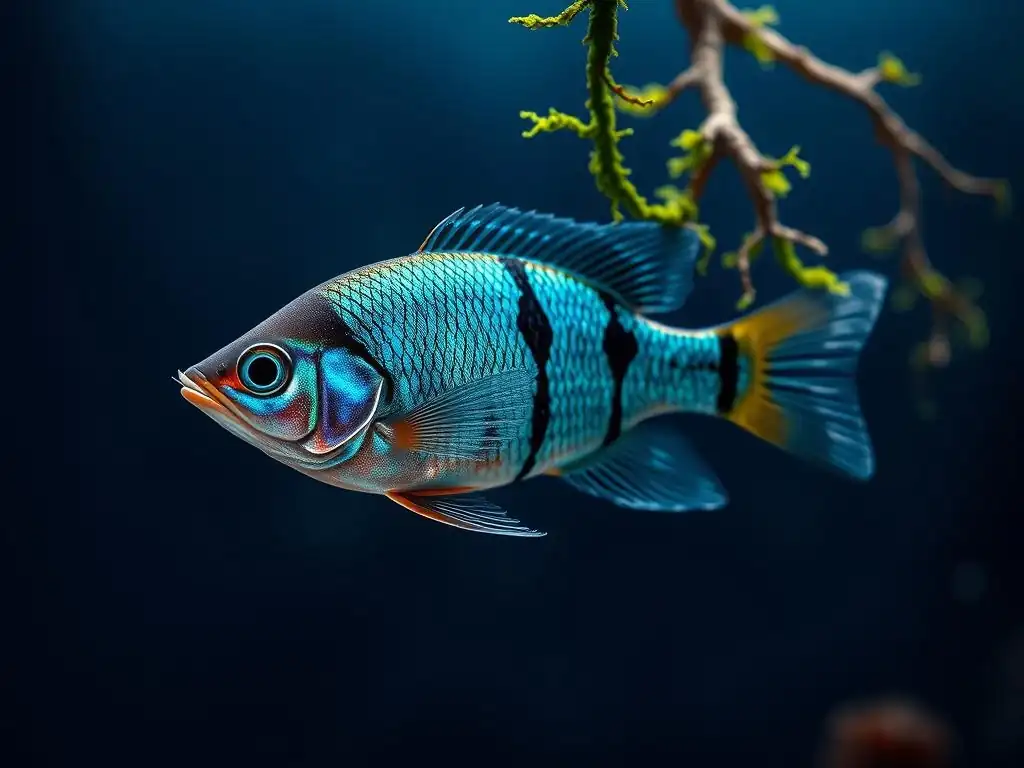
Harlequin Rasboras ( Trigonostigma heteromorpha) are vibrant, schooling fish known for their distinctive copper-orange bodies and a prominent black triangular patch. While they originate from Southeast Asia, not the Amazon basin, their temperament and adaptability make them a surprisingly good fit for Discus aquariums. They are exceptionally peaceful, active mid-water swimmers that grow to about 2 inches (5 cm), and their calm nature ensures they do not stress the more reserved Discus.
Harlequin Rasboras are quite tolerant of a range of water parameters, including the warmer temperatures (up to 82°F / 28°C) and slightly acidic conditions preferred by Discus. They are not fin-nippers and do not aggressively compete for food, allowing Discus to feed at their own pace. A school of 10-15 Harlequin Rasboras adds dynamic visual interest and movement to the tank, contributing to a lively yet serene environment that fosters excellent Discus tank mate compatibility.
Bristlenose Plecos: Algae Control and Discus Compatibility
Bristlenose Plecos ( Ancistrus spp.) are popular bottom-dwelling catfish highly valued for their exceptional algae-eating abilities. Growing to a manageable size of 4-5 inches (10-13 cm), they are generally peaceful and primarily nocturnal, spending their days grazing on algae-covered surfaces or hiding among driftwood and plants. Their South American origin means they are accustomed to similar water parameters as Discus, including soft, acidic water, and they can tolerate the higher temperatures (up to 82-84°F / 28-29°C) without issue.
Unlike some larger pleco species, Bristlenose Plecos rarely become aggressive or grow to an unmanageable size for most community tanks. They efficiently keep glass, decorations, and plant leaves free of algae, contributing to a cleaner and healthier environment. Their unobtrusive nature and beneficial cleaning habits make them a valuable addition, enhancing the overall Discus tank mate compatibility.
Considerations When Adding Bristlenose Plecos to a Discus Tank
While Bristlenose Plecos are generally excellent for Discus tanks, a few considerations ensure optimal Discus tank mate compatibility. Firstly, always choose smaller, juvenile specimens, as larger or older plecos can sometimes become more territorial or less efficient at algae eating, potentially requiring more supplemental food. It's crucial to ensure they are adequately fed; if algae is scarce, provide sinking algae wafers or blanched vegetables (like zucchini or cucumber) during evening hours. This prevents them from potentially seeking protein from the slime coat of slow-moving Discus, a rare but documented issue with underfed or stressed plecos.
Secondly, provide ample hiding spots such as driftwood, caves, or dense plant cover. This not only reduces stress for the nocturnal Bristlenose Pleco but also ensures they have their own secure territory away from the Discus. Lastly, ensure proper filtration and water changes are maintained, as plecos, despite their cleaning habits, add to the bioload. A well-fed and comfortable Bristlenose Pleco will be a beneficial and peaceful resident in a Discus community.
Other Compatible Discus Tank Mates: Pencilfish and Otocinclus Catfish
Beyond the commonly recommended species, several other fish can make excellent, peaceful Discus tank mates. Pencilfish, particularly species like the Three-lined Pencilfish ( Nannostomus trifasciatus) or Dwarf Pencilfish ( Nannostomus marginatus), are small (1.5-2 inches / 3-5 cm), elegant, and exceptionally peaceful schooling fish. They typically inhabit the upper to mid-water levels, often adopting a unique head-up or head-down swimming posture. They thrive in the same soft, acidic, and warm water conditions as Discus and are non-aggressive, making them ideal companions that add subtle beauty without causing stress.
Otocinclus Catfish ( Otocinclus affinis or similar species), often called "Otos," are tiny (1.5-2 inches / 3-5 cm) and highly effective algae eaters. They are incredibly peaceful, spending their time grazing on algae from plant leaves, glass, and decor without disturbing other inhabitants. Otos are schooling fish and should be kept in groups of at least 5-8 individuals.
Like Discus, they prefer clean, well-oxygenated water, and their sensitivity to poor water quality means that if they are thriving, your Discus likely are too. Their small size and specific diet make them perfect for maintaining tank cleanliness and excellent Discus tank mate compatibility.
Fish to Avoid as Discus Tank Mates: Aggressive or Incompatible Species
Fish That Nip Fins: Why They Are Bad for Discus
One of the primary reasons certain fish are unsuitable as Discus tank mates is their propensity for fin nipping. Discus possess long, flowing dorsal, anal, and caudal fins that are particularly vulnerable to damage. Fin nippers, such as Tiger Barbs ( Puntius tetrazona), Serpae Tetras ( Hyphessobrypes eques), or even certain Gourami species, perceive these fins as tempting targets. The constant nipping not only causes physical injury, leading to ragged or torn fins, but also inflicts immense stress on the Discus.
Physical damage to fins creates open wounds that are highly susceptible to bacterial infections and fungal growth, which can quickly spread in a warm, humid Discus tank environment. The chronic stress from being constantly harassed weakens the Discus's immune system, making them more prone to other diseases. Therefore, any fish known for fin nipping should be strictly avoided to ensure the health and well-being of Discus and maintain proper Discus tank mate compatibility.
Aggressive Fish: Species That Can Stress Discus
Discus are inherently shy and peaceful fish, making them highly susceptible to stress from aggressive or overly boisterous tank mates. Introducing species that exhibit territorial behavior, chase, or bully other fish will inevitably lead to a decline in Discus health.
Examples of such incompatible species include most large cichlids like Jack Dempseys ( Rocio octofasciata), Oscars ( Astronotus ocellatus), or even more common but aggressive fish like Convict Cichlids ( Amatitlania nigrofasciata). While some aquarists might attempt to keep Discus with Angelfish, the latter can often be too boisterous or territorial, especially during breeding, leading to stress for the Discus.
Chronic stress in Discus due to aggressive tank mates results in them hiding constantly, refusing to eat, losing their vibrant coloration, and becoming highly susceptible to various illnesses. Their natural behavior, such as schooling and gentle feeding, is suppressed. The presence of aggressive fish fundamentally compromises Discus tank mate compatibility, turning a potentially thriving community into a stressful environment detrimental to the Discus's survival.
Fish That Compete for Food: Ensuring Discus Get Enough Nutrients
Discus are notoriously slow and deliberate eaters, often taking their time to graze on food particles rather than darting quickly to snatch them. This feeding habit makes them highly vulnerable to competition from faster, more voracious tank mates. Species such as Danios ( Danio rerio), some faster-moving Gouramis, or even certain larger Tetras can quickly consume all available food before the Discus have had a chance to eat adequately.
When Discus are consistently outcompeted for food, they suffer from malnutrition, leading to stunted growth, weakened immune systems, and a general failure to thrive. This becomes particularly critical for juvenile Discus, who require frequent, high-quality feedings to grow properly. Ensuring that Discus receive sufficient nutrients is paramount for their health and development, making it essential to avoid any fish that might aggressively outcompete them. Proper Discus tank mate compatibility requires companions with similar, or at least not overpowering, feeding speeds.
Fish That Require Different Water Parameters: Maintaining Discus Health
Maintaining the very specific and stable water parameters required by Discus is non-negotiable for their health. They thrive in warm (82-86°F / 28-30°C), soft, and acidic water (pH 5.5-6.5). Many popular aquarium fish, however, prefer or require significantly different conditions, making them entirely unsuitable as Discus tank mates. For instance, most livebearers such as Guppies ( Poecilia reticulata), Mollies ( Poecilia sphenops), and Platies ( Xiphophorus maculatus) prefer harder, more alkaline water. Goldfish ( Carassius auratus) require much cooler temperatures, typically below 75°F (24°C). African Cichlids from the Rift Lakes (e.g., Mbuna) demand hard, highly alkaline water.
Attempting to house fish with such disparate water parameter requirements will inevitably stress one or both types of fish. If the tank parameters are optimized for Discus, the incompatible species will suffer from chronic stress, weakened immunity, and disease. Conversely, if parameters are adjusted to suit the incompatible species, the Discus will decline rapidly. Therefore, strict adherence to compatible water parameters is a foundational aspect of successful Discus tank mate compatibility, ensuring the well-being of all inhabitants.
Setting Up Your Discus Community Tank: Key Considerations
Tank Size: Providing Adequate Space for Discus and Tank Mates
The initial and perhaps most critical consideration for a successful Discus community tank is tank size. Discus are large cichlids, reaching up to 8-10 inches (20-25 cm) in diameter, and they are schooling fish. A minimum tank size of 75 gallons (approximately 280 liters) is generally recommended for a small group of 4-5 juvenile Discus. However, for a thriving community of 6-8 adult Discus along with their compatible tank mates, a tank of 100-125 gallons (approximately 375-475 liters) or larger is highly advisable.
Larger tanks offer several significant advantages: they provide more stable water parameters, dilute waste products more effectively, and offer ample swimming space and territories for all inhabitants. This increased volume reduces stress, minimizes aggression, and allows Discus to exhibit their natural schooling behaviors. Adequate space is fundamental to maintaining excellent Discus tank mate compatibility and ensuring the long-term health and vitality of your entire aquatic community.
Water Parameters: Maintaining Ideal Conditions for Discus and Companions
Maintaining precise and stable water parameters is non-negotiable for the health and vibrancy of Discus and, consequently, for successful Discus tank mate compatibility. The ideal temperature range for Discus is consistently warm, between 82-86°F (28-30°C). The pH should be slightly acidic, typically ranging from 5.5 to 6.5. Water hardness is also crucial; Discus prefer very soft water, with a General Hardness (GH) of 1-5 dGH and a Carbonate Hardness (KH) of 1-4 dKH. These low hardness levels are essential for their osmoregulation and overall well-being.
Beyond these core parameters, ammonia and nitrite levels must always be zero parts per million (ppm), and nitrates should be kept below 20 ppm, ideally under 10 ppm. Regular and rigorous water testing using reliable liquid test kits is imperative to monitor these levels. Any significant fluctuation or deviation from these ideal conditions can quickly stress Discus, making them susceptible to disease. Therefore, selecting tank mates that also thrive within these narrow parameters is paramount to ensuring the harmonious existence of your Discus community.
Filtration and Water Changes: Ensuring Water Quality for a Healthy Community
Effective filtration and consistent water changes are the twin pillars supporting pristine water quality in a Discus community tank, which is essential for successful Discus tank mate compatibility. Due to the high bioload of Discus and their preferred warm temperatures (which accelerate metabolic processes), robust filtration is crucial. High-capacity external canister filters or sumps are often recommended, providing excellent mechanical, biological, and chemical filtration. Aim for a filter turnover rate that processes the entire tank volume 5-10 times per hour to ensure efficient removal of waste and maintenance of beneficial bacteria.
Frequent water changes are equally vital. For juvenile Discus, daily or every-other-day water changes of 20-30% are common practice to facilitate rapid growth and prevent nitrate buildup. For established adult Discus tanks, 30-50% water changes twice a week might suffice, depending on stocking levels and feeding routines. These regular water changes replenish essential minerals, remove accumulated nitrates, and prevent the proliferation of harmful pathogens, all contributing significantly to the health and stability required for a thriving Discus community.
Plant Selection: Choosing Plants That Thrive in Discus Tanks
Choosing the right aquatic plants is an important aspect of setting up a Discus community tank, contributing to both aesthetics and the well-being of the fish. Not all plants can tolerate the high temperatures (82-86°F / 28-30°C) and soft, acidic water preferred by Discus. However, several species thrive in these conditions and are excellent choices. Popular options include various species of Amazon Swords ( Echinodorus spp.), which offer large leaves for hiding and broad visual appeal. Cryptocoryne species ( Cryptocoryne wendtii, Cryptocoryne undulata) are also well-suited, providing dense foliage and thriving in similar water parameters.
Other robust plants ideal for Discus tanks are Anubias species ( Anubias barteri, Anubias nana) and Java Fern ( Microsorum pteropus), which can be attached to driftwood or rocks and are tolerant of high temperatures. These plants not only provide crucial hiding spots for the shy Discus, reducing stress and encouraging natural behavior, but also help absorb excess nitrates from the water, improving overall water quality. A well-planted tank enhances the natural beauty of the Discus and supports a harmonious environment, crucial for Discus tank mate compatibility.
Feeding Your Discus Community Tank: Ensuring All Fish Get Enough Food
Feeding a Discus community tank requires careful attention to ensure all inhabitants, especially the slow-eating Discus, receive adequate nutrition. Discus require a high-quality, varied diet consisting of specialized Discus pellets or flakes, supplemented with frozen foods like bloodworms, brine shrimp, and a high-protein beef heart mix. Younger Discus typically need to be fed 3-5 times a day to support their rapid growth, while adults can thrive on 2-3 feedings daily.
The challenge in a community tank is that faster-moving tank mates can quickly consume the food before the Discus have a chance. To mitigate this, consider target feeding using a turkey baster to deliver food directly to the Discus. Alternatively, feed smaller, more frequent portions, or use feeding rings to contain floating foods.
It's also beneficial to feed a variety of foods, some of which sink quickly (like pellets for Corydoras) and others that remain in the water column longer. Ensuring that Discus get enough food is paramount for their health, color, and growth, directly impacting the success of your Discus tank mate compatibility.
Introducing New Fish to Your Discus Tank: A Step-by-Step Guide
Quarantine Procedures: Preventing Disease Introduction
The most critical step when introducing any new fish to an established Discus tank is implementing a strict quarantine procedure. Discus are highly susceptible to various diseases, and new arrivals, even if appearing healthy, can carry pathogens that may devastate your existing community. A separate, dedicated quarantine tank (typically 10-20 gallons, approximately 38-75 liters) should be set up with its own heater and filter, mimicking the main tank's parameters as closely as possible.
New fish should spend a minimum of 4-6 weeks in this quarantine tank. During this period, observe them meticulously for any signs of illness, such as white spots (Ich), clamped fins, lethargy, rapid breathing, or abnormal growths. If any disease symptoms appear, treat them in the quarantine tank before considering introduction to the main Discus display. This preventative measure is indispensable for safeguarding the health of your valuable Discus and maintaining pristine Discus tank mate compatibility.
Acclimation Techniques: Minimizing Stress for New Arrivals
Once the quarantine period is successfully completed and the new fish are deemed healthy, proper acclimation to the main Discus tank's water parameters is crucial to minimize stress. The drip acclimation method is highly recommended for its gradual approach. Begin by placing the new fish, still in their transport bag, into the main tank for 15-20 minutes to equalize temperature. Then, transfer the fish and their water into a clean bucket or container.
Using airline tubing, create a siphon to slowly drip water from the main Discus tank into the bucket. Adjust the drip rate to about 2-3 drops per second. Continue this process until the volume of water in the bucket has at least doubled, ideally tripled, over a period of 1-2 hours.
This slow introduction of the main tank's water parameters (pH, hardness, temperature) significantly reduces the shock to the new fish. Finally, net the fish and gently release them into the main tank, discarding the water from the bucket. Turning off the main tank lights for a few hours after introduction can further reduce stress for both new and existing fish, ensuring smoother Discus tank mate compatibility.
Monitoring New Fish: Observing Behavior and Health
After introducing new fish to your Discus tank, continuous and diligent monitoring of their behavior and health is essential for the first several days and weeks. Observe the new arrivals closely for any signs of stress, such as clamped fins, rapid gilling, hiding excessively, or unusual swimming patterns. Simultaneously, pay attention to the existing Discus and other tank mates to ensure they are not showing signs of stress or aggression towards the new additions.
Crucially, observe the feeding habits of the new fish; ensure they are actively eating and not being outcompeted by the established residents. Also, look for any physical signs of illness that might have been missed during quarantine, such as subtle spots, frayed fins, or changes in slime coat. Early detection of issues, whether health-related or behavioral (like bullying), allows for prompt intervention, which is vital for maintaining the overall health and harmonious Discus tank mate compatibility within your aquarium.
Maintaining a Harmonious Discus Community Tank: Ongoing Care and Observation
Regular Water Testing: Monitoring Water Quality
Consistent and accurate water testing is the cornerstone of maintaining a healthy and harmonious Discus community tank. Given the Discus's sensitivity to water quality, weekly testing of key parameters is not just recommended, but essential. Focus on Ammonia, Nitrite, Nitrate, pH, General Hardness (GH), and Carbonate Hardness (KH). Ammonia and Nitrite should always register at 0 ppm, while Nitrates should be kept below 20 ppm, ideally under 10 ppm, through regular water changes.
Using reliable liquid test kits, such as the API Freshwater Master Test Kit, provides more accurate results than test strips. It is beneficial to keep a log of your test results over time; this allows you to identify trends, anticipate potential problems, and address them before they escalate. Consistent, stable water parameters are paramount for reducing stress in Discus and their companions, ensuring long-term Discus tank mate compatibility and overall tank health.
Observing Fish Behavior: Identifying Potential Problems Early
Daily observation of your Discus and their tank mates is a crucial aspect of ongoing care, allowing for the early identification of potential problems. Spend time watching all the fish: Are they swimming normally? Are their fins extended or clamped? Are their colors vibrant, or dull? Are they eating enthusiastically, or hiding and refusing food? Pay close attention to interactions between different species; look for any signs of chasing, bullying, or disproportionate competition for food.
Changes in behavior are often the first indicators of stress, illness, or incompatibility issues within the tank. For example, a Discus hiding excessively or showing darkening coloration might be stressed by a boisterous tank mate or suffering from deteriorating water quality. Early detection allows for prompt intervention, whether it's adjusting water parameters, separating an aggressive fish, or beginning disease treatment. Proactive observation is key to maintaining a thriving and harmonious Discus tank mate compatibility.
Preventing and Treating Diseases: Maintaining a Healthy Aquarium
Preventing disease is far easier and more effective than treating it, especially in a delicate Discus community tank. The primary preventive measures revolve around maintaining pristine water quality through rigorous filtration and frequent water changes, providing a high-quality and varied diet, avoiding overstocking, and, crucially, always quarantining new fish for at least 4-6 weeks. These practices significantly reduce stress and bolster the immune systems of your Discus and their companions.
Despite best efforts, disease outbreaks can occur. Having a basic first-aid kit for fish, including general medications for common ailments like Ich, bacterial infections, and internal parasites, is advisable. If a fish shows signs of illness, it is often best to isolate it in a hospital tank for treatment to prevent the spread of disease and avoid medicating the entire display tank, which could harm beneficial bacteria or sensitive invertebrates. Prompt and accurate diagnosis followed by appropriate treatment is essential for maintaining a healthy aquarium and preserving the delicate balance of Discus tank mate compatibility.
Troubleshooting Common Discus Tank Mate Issues: Solutions and Tips
Fin Nipping Problems: Identifying and Addressing the Cause
Fin nipping can be a persistent and detrimental issue in a Discus community tank, as their long, flowing fins are an easy target. The first step in troubleshooting is to accurately identify the culprit. Observe the tank closely during feeding times or when the fish are most active, looking for any tank mates that are consistently harassing or nipping at the Discus's fins. Common offenders often include fast-moving or semi-aggressive species that were mistakenly introduced or that have developed nipping tendencies due to stress or lack of space.
Once identified, the most effective solution is typically the immediate removal of the fin-nipping fish to a separate tank. While sometimes increasing the school size of the nipping species can diffuse aggression, this is rarely a recommended strategy in a Discus tank, as the Discus's well-being is paramount.
For example, if a Serpae Tetra is found to be nipping, it should be removed from the Discus environment. Ensuring adequate hiding spots and overall tank space can sometimes alleviate minor nipping from otherwise suitable tank mates, but any persistent fin nipping poses a significant threat to Discus health and compromises Discus tank mate compatibility.
Aggression Issues: Separating Incompatible Fish
Aggression among tank mates can cause severe stress and physical harm to Discus, leading to hiding, refusal to eat, and increased disease susceptibility. Troubleshooting aggression begins with identifying the source. Observe which fish are chasing, bullying, or dominating others. Aggression can stem from territorial disputes, overstocking, or simply the introduction of an inherently aggressive species. For instance, if a larger cichlid like a Firemouth Cichlid, even a relatively peaceful one, starts harassing a Discus, it's a clear sign of incompatibility.
The most direct and often necessary solution is to immediately remove the aggressive fish from the Discus tank. Attempting to reconfigure the tank decor or add more hiding spots might offer temporary relief, but if the aggression is species-specific or ingrained, it will likely persist. Re-evaluating your stocking list against known Discus tank mate compatibility guidelines is crucial. Sometimes, aggression can also arise if a group of Discus is too small (e.g., fewer than 5-6 individuals), leading to internal bullying; in such cases, adding more Discus (after proper quarantine) can help diffuse aggression.
Disease Outbreaks: Treating Sick Fish Promptly
Disease outbreaks in a Discus community tank require prompt and decisive action to prevent widespread infection and minimize harm. The first step is accurate identification of the disease. Observe symptoms such as white spots (Ich), clamped fins, rapid breathing, excessive slime coat, lethargy, or loss of appetite. For example, if Discus develop small white spots resembling salt grains, it's likely Ich.
Once identified, the affected fish should ideally be moved to a separate hospital tank for treatment to avoid medicating the entire display tank and potentially harming sensitive tank mates or beneficial bacteria. Follow medication instructions meticulously, paying close attention to dosage and duration. Simultaneously, focus intensely on water quality in the main tank: perform significant water changes (e.g., 50% daily for several days) and ensure filtration is optimal to reduce the pathogen load.
Elevating the temperature slightly (to 86-88°F / 30-31°C) can also help accelerate the Ich life cycle, making it more vulnerable to treatment. Maintaining pristine water conditions is often the primary defense and curative measure for many Discus ailments, underscoring its importance for overall Discus tank mate compatibility and health.
Conclusion: Building a Thriving Discus Community Tank.
Frequently Asked Questions
What are the most important factors to consider when choosing Discus tank mates?
The most important considerations are temperature compatibility, peaceful temperament, and similar water chemistry needs. Avoid aggressive or fin-nipping species that could stress the Discus.
What types of fish are generally not suitable as Discus tank mates?
Generally, avoid aggressive cichlids, fin-nippers like Tiger Barbs, and very small fish that Discus might eat. Also, avoid fish that require significantly different water parameters.
Can I keep Discus with schooling fish? If so, which ones are best?
Yes, schooling fish can work well! Good choices include Cardinal Tetras, Rummy Nose Tetras, and Congo Tetras. These are peaceful and enjoy the same warm water.
How important is tank size when considering Discus tank mates?
Tank size is crucial. Discus need plenty of space, and adding tank mates requires even more. A larger tank reduces aggression and allows for better water quality, which is essential for Discus health.
What should I do if I notice aggression between my Discus and their tank mates?
Immediately separate the aggressive fish or re-arrange the tank to break up territories. Monitor the tank closely and consider rehoming the incompatible species if the problem persists.
Final Reflection: Cultivating Harmony in the Aquarium
The insights shared throughout this article on Discus tank mate compatibility resonate deeply in a world increasingly valuing peaceful coexistence. Just as we strive for balanced ecosystems within our aquariums, the principles of understanding and respect for diverse needs extend far beyond the glass walls. The careful selection of gentle tank mates for Discus mirrors the importance of fostering harmonious communities in all aspects of life.
This journey into the world of Discus and their ideal companions has underscored the profound impact of thoughtful choices on the well-being of all involved. The delicate balance within an aquarium serves as a microcosm of the larger world, reminding us that empathy and understanding are crucial for creating thriving environments. The measure of intelligence is the ability to change.
- Albert Einstein. This quote perfectly encapsulates the need to adapt our understanding and practices to ensure the well-being of our aquatic companions and, by extension, our world.
As you consider the information presented here, take a moment to reflect on the broader implications of compatibility and harmony. How can you apply the principles of careful selection, understanding individual needs, and fostering a peaceful environment to your own life and community? Let the lessons learned from the Discus tank guide you towards creating a more balanced and enriching world for yourself and those around you.
Dive Deeper: Cultivate Your Discus Paradise!
Thank you for exploring the secrets to a thriving Discus aquarium! Now that you're equipped with the knowledge to build a harmonious community, let's turn that vision into a reality. Here are a few actionable steps to get you started:
- Prioritize your research: Identify and select your initial group of tank mates based on compatibility and availability.
- Connect with fellow enthusiasts: Join the Aquarium Mastery community forums to share your plans and get feedback from experienced Discus keepers.
- Consider an unexpected addition: Introduce a small group of peaceful bottom-dwelling invertebrates, such as Malaysian Trumpet Snails, to naturally manage waste and improve substrate health.
What species are you most excited to introduce to your Discus tank, and what steps will you take to ensure a smooth transition for all your aquatic inhabitants?