
Apistogramma Elizabethae: The Elusive Queen of Softwater Streams

Welcome to Aquarium Mastery!
Intrigued by the elusive and captivating Apistogramma elizabethae? You've come to the right place! Dive into our comprehensive Apistogramma elizabethae care guide and unlock the secrets to successfully keeping this stunning dwarf cichlid. Discover everything you need to know, from creating the perfect softwater haven to understanding their unique breeding habits. Ready to embark on your journey to Apistogramma mastery? Let's begin!
- Understanding Apistogramma Elizabethae
- Apistogramma Elizabethae Care Guide: Creating the Ideal Environment
-
Frequently Asked Questions
- What are the ideal water parameters for Apistogramma elizabethae?
- What is the best type of aquarium setup for Apistogramma elizabethae?
- What should I feed my Apistogramma elizabethae?
- Are Apistogramma elizabethae difficult to breed?
- What are some common health issues that affect Apistogramma elizabethae?
- Final Reflection: Embracing the Delicate Balance
- Unveil the Secrets: Begin Your Apisto Adventure Today!
Understanding Apistogramma Elizabethae
What is Apistogramma Elizabethae? A Profile of the Queen
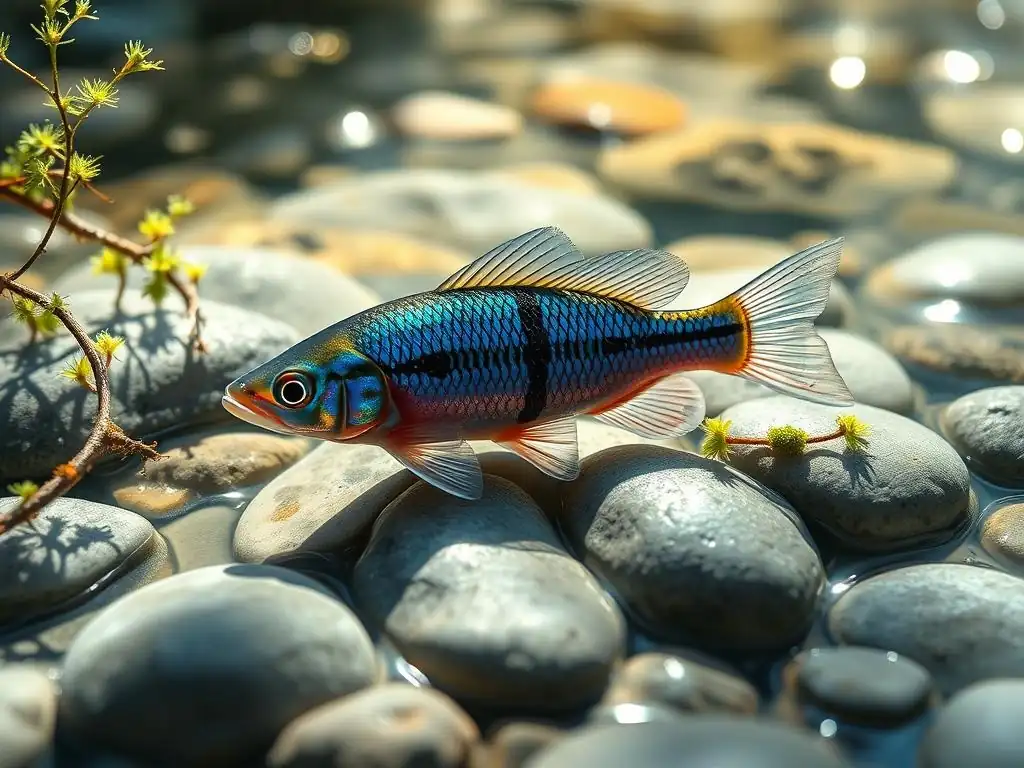
Apistogramma elizabethae, often hailed as the "Queen of Softwater Streams," is a captivating species of dwarf cichlid renowned for its exquisite coloration and delicate nature. Belonging to the family Cichlidae, this fish is highly sought after by advanced aquarists due to its stunning appearance and the specific challenges associated with its care. Males are particularly vibrant, displaying iridescent blues, reds, and yellows, often with distinct black markings on their fins and flanks, while females, though smaller and less colorful, exhibit a striking yellow body with black patterns, especially when breeding.
Adult males typically reach a size of about 6-7 cm (approximately 2.4-2.8 inches), with some specimens growing slightly larger under optimal conditions, making them a moderately sized dwarf cichlid. Females are noticeably smaller, usually topping out at 4-5 cm (1.6-2 inches). Their slender bodies and elongated fin rays, particularly in males, contribute to their elegant profile. The intricate patterns and color variations, which can shift based on mood, health, and breeding status, make Apistogramma elizabethae a true jewel in any specialized aquarium, demanding a precise Apistogramma elizabethae care guide for successful keeping.
Natural Habitat and Origins of the Elizabethae Apisto
The natural habitat of Apistogramma elizabethae lies deep within the blackwater river systems of South America, primarily in the upper Rio Negro basin, specifically in areas of Brazil and Colombia. These pristine environments are characterized by extremely soft and acidic water, often stained a tea-like amber by the tannins released from decaying leaf litter and driftwood. The water flow is typically gentle, and the substrate consists of fine sand and a thick layer of organic debris.
Specific locations where Apistogramma elizabethae has been collected include the Rio Içana and Rio Uaupés, tributaries of the Rio Negro. In these areas, water parameters are remarkably consistent: pH levels often range from an incredibly low 4.0 to 5.5, general hardness (GH) is usually 0-3 dGH, and carbonate hardness (KH) is virtually undetectable, often 0-1 dKH. The dense canopy cover above these streams results in subdued lighting, mimicking the conditions necessary for a thriving Apistogramma elizabethae care guide setup. This unique environment shapes the species' physiological needs, making replication of these conditions paramount for their well-being in captivity.
Why is Apistogramma Elizabethae So Rare?
Apistogramma elizabethae's rarity in the aquarium trade can be attributed to a confluence of factors, making a comprehensive Apistogramma elizabethae care guide even more vital for those fortunate enough to acquire them. Firstly, their natural habitat is geographically remote and difficult to access, leading to infrequent and challenging collection efforts. The delicate nature of the fish means many specimens do not survive the arduous journey from their wild streams to distribution centers, resulting in high mortality rates during transport.
Secondly, their specific and extreme water parameter requirements—ultra-soft and acidic blackwater—make them highly sensitive to environmental changes. This sensitivity not only complicates their initial acclimation but also poses significant challenges for successful captive breeding on a large scale. While some dedicated hobbyists and specialist breeders have achieved success, the overall supply from commercial breeding operations remains limited. Consequently, the combination of difficult collection, high sensitivity, and limited captive breeding contributes to their scarcity and often high market price, with a healthy, well-colored pair sometimes fetching upwards of $150-$250 USD, depending on availability and lineage.
Apistogramma Elizabethae Care Guide: Creating the Ideal Environment
Setting Up the Perfect Apistogramma Elizabethae Tank
Tank Size Recommendations for Elizabethae Apistogramma
For a single pair of Apistogramma elizabethae, a minimum tank size of 40 liters (approximately 10 gallons) is often recommended, though a 60-liter (15-gallon) tank provides more stable conditions and swimming space. However, to truly replicate their natural environment and allow for potential breeding, a tank of 75-120 liters (20-30 gallons) is ideal. This larger volume helps maintain the extremely stable and precise water parameters that these sensitive fish require, reducing the impact of minor fluctuations.
When considering a community setup with other compatible softwater fish, a tank of 120 liters (30 gallons) or more becomes necessary to provide adequate territory and reduce aggression, especially if multiple Apistogramma species or pairs are housed together. The footprint of the tank is often more important than its height, as Apistogramma elizabethae are bottom-dwellers and appreciate ample horizontal space for exploration and establishing territories. A tank measuring 60 cm (24 inches) in length is a good starting point for a pair, while 90 cm (36 inches) is excellent for a small group or community.
Substrate and Aquascaping for Elizabethae
The substrate for an Apistogramma elizabethae tank should consist of fine, inert sand. A dark-colored sand, such as black or dark brown, is preferable as it helps to enhance the fish's natural coloration and reduces reflections that can stress them. Avoid coarse gravel or sharp substrates, as these can injure their delicate barbels as they sift through the sand for food. A layer of at least 2-3 inches (5-7.5 cm) of sand is beneficial, allowing them to dig small pits, a natural behavior, especially during breeding.
Aquascaping should focus on replicating their blackwater stream habitat. This involves incorporating plenty of driftwood, root structures, and leaf litter. Tannin-releasing leaves such as Indian almond leaves (Terminalia catappa), oak leaves, or beech leaves are essential. These not only release beneficial tannins that lower pH and create the characteristic blackwater tint but also provide natural hiding spots and foraging grounds. Ceramic caves, coconut shells, or small terracotta pots can also be included to offer additional shelters and potential spawning sites, crucial elements for a successful Apistogramma elizabethae care guide.
Essential Plants for an Apistogramma Elizabethae Biotope
While their natural habitat often features sparse aquatic vegetation, certain plants can thrive in the soft, acidic conditions preferred by Apistogramma elizabethae and contribute to a healthy biotope. Low-light tolerant plants are key due to the subdued lighting typically employed. Java Fern ( Microsorum pteropus), Anubias species ( Anubias barteri, A. nana), and Bucephalandra species are excellent choices. These plants can be attached to driftwood or rocks, do not require substrate planting, and tolerate the low light and acidic water well.
Floating plants like Amazon Frogbit ( Limnobium laevigatum) or Red Root Floaters ( Phyllanthus fluitans) are highly beneficial. They help to diffuse light, creating shaded areas that Apistogramma elizabethae prefer, and also aid in nutrient absorption, contributing to overall water quality. While not strictly necessary for the fish's survival, a thoughtful selection of appropriate plants enhances the aesthetic appeal of the tank and provides additional cover and security for these shy dwarf cichlids, making the tank more natural and comfortable for them.
Water Parameters: Achieving Soft and Acidic Conditions
Understanding pH, GH, and KH for Apistogramma Elizabethae
Achieving and maintaining the correct water parameters is the most critical aspect of any Apistogramma elizabethae care guide. These fish originate from extremely soft and acidic blackwater environments, and replicating these conditions is non-negotiable for their long-term health and breeding success. The ideal pH range is very low, typically between 4.0 and 5.5, with some successful breeders even maintaining them slightly below 4.5 for optimal spawning.
General Hardness (GH) should be kept between 0 and 3 dGH (0-50 ppm), indicating very low mineral content. Carbonate Hardness (KH), which acts as a pH buffer, should be virtually zero, ideally 0-1 dKH (0-18 ppm). This low KH means the water has very little buffering capacity, making it susceptible to pH swings if not carefully managed. Regular testing with reliable liquid test kits for pH, GH, and KH is essential to monitor these parameters precisely and make necessary adjustments.
Maintaining Water Quality for Healthy Apistogramma Elizabethae
Maintaining pristine water quality for Apistogramma elizabethae goes beyond just achieving the right parameters; it also involves minimizing nitrates and other pollutants. Since they thrive in ultra-soft water with minimal buffering capacity, any accumulation of organic waste can rapidly cause pH crashes or dangerous ammonia/nitrite spikes. A robust filtration system, preferably a sponge filter or a small hang-on-back filter with a gentle flow, is crucial. Avoid strong currents, as Apistogramma elizabethae prefer calm water.
The use of reverse osmosis (RO) water or deionized (DI) water, remineralized with specific products designed for blackwater aquariums or with a small amount of mineral-poor tap water, is often necessary to achieve the target GH and KH levels. Natural tannins from Indian almond leaves, alder cones, and driftwood play a vital role not only in lowering pH but also in releasing humic substances that have mild antiseptic properties and contribute to the overall well-being of the fish. Regular, small water changes are far more effective and less stressful than large, infrequent ones.
Water Changes and Filtration for Softwater Apistos
Consistent water changes are paramount for maintaining optimal conditions within an Apistogramma elizabethae care guide. Due to their sensitivity to nitrates and their preference for pristine water, weekly water changes of 15-20% are highly recommended. For breeding setups or heavily stocked tanks, two smaller changes of 10-15% per week might be more beneficial. The replacement water must be carefully prepared to match the tank's existing parameters, especially pH, GH, and KH, to avoid shocking the fish. Using a drip acclimation method for new water can also be beneficial, particularly in very soft, unbuffered setups.
Filtration should be gentle but effective. Sponge filters are excellent as they provide both mechanical and biological filtration without creating strong currents. For larger tanks, a small external canister filter with a flow rate adjusted to be very low can also work, provided the intake is covered to prevent fry from being sucked in and the outflow is diffused.
Biological media like ceramic rings or bio-balls are beneficial, but chemical filtration like activated carbon should be used sparingly, as it can remove beneficial tannins and alter water chemistry. The key is to maintain stable, clean, and soft acidic conditions consistently.
Temperature and Lighting Requirements for Elizabethae
The temperature for Apistogramma elizabethae should be kept stable within a range of 26°C to 29°C (79°F to 84°F). Temperatures towards the higher end of this range, around 28°C (82°F), are often preferred for breeding and general activity, closely mimicking their equatorial origins. A reliable aquarium heater with a thermostat is essential to maintain this consistency, as fluctuations can stress these delicate fish. It's advisable to use a heater slightly oversized for the tank volume to ensure it can quickly recover from temperature drops and maintain the set point efficiently.
Lighting for an Apistogramma elizabethae tank should be subdued, reflecting their natural shaded habitat. Overly bright lighting can stress them and cause them to hide excessively. Low to moderate intensity LED lights are ideal, often set on a timer for 8-10 hours per day.
The use of floating plants and dense leaf litter further helps to diffuse the light and create natural shaded areas, which are crucial for their comfort and security. Some aquarists even use dimmable lights to fine-tune the intensity throughout the day. This careful consideration of light levels is a key component of a successful Apistogramma elizabethae care guide.
Frequently Asked Questions
What are the ideal water parameters for Apistogramma elizabethae?
Apistogramma elizabethae thrive in soft, acidic water. Aim for a pH between 5.0 and 6.5 and a GH (general hardness) below 5 dGH. Maintaining a stable temperature between 78-82°F (25-28°C) is also crucial.
What is the best type of aquarium setup for Apistogramma elizabethae?
A biotope aquarium mimicking their natural habitat is ideal. This includes using soft substrates like sand or fine gravel, driftwood, and leaf litter to provide cover and tannins.
What should I feed my Apistogramma elizabethae?
They are primarily carnivores, so offer a varied diet of high-quality frozen or live foods, such as bloodworms, daphnia, and brine shrimp. Supplement with high-protein flake food specifically designed for small carnivores.
Are Apistogramma elizabethae difficult to breed?
Yes, they are considered moderately difficult to breed. Successful breeding requires pristine water conditions, a dedicated breeding tank with suitable spawning sites (caves or upturned flowerpots), and a stable environment.
What are some common health issues that affect Apistogramma elizabethae?
They are susceptible to bacterial and fungal infections, especially in poor water conditions. Proper quarantine procedures for new fish and regular water changes are essential for preventing disease outbreaks.
Final Reflection: Embracing the Delicate Balance
The journey into understanding the Apistogramma elizabethae's intricate needs is more than just mastering aquarium husbandry; it's a testament to our responsibility as stewards of fragile ecosystems. As we've explored the nuances of their care, from replicating their softwater habitat to providing the perfect diet, we've uncovered a deeper appreciation for the delicate balance that sustains these magnificent creatures in the wild, a balance increasingly threatened by habitat loss and unsustainable practices.
This exploration has profoundly influenced my perspective, highlighting the interconnectedness of our actions and the well-being of even the smallest inhabitants of our planet. The Apistogramma elizabethae, in its vibrant beauty and demanding requirements, serves as a powerful reminder of the importance of conservation and responsible aquarism. In the end, we will conserve only what we love; we will love only what we understand; and we will understand only what we are taught.
- Baba Dioum. This quote encapsulates the essence of our journey – to understand, to love, and ultimately, to protect.
Now, I invite you to reflect on your own role in preserving the natural world. Whether you're a seasoned aquarist or simply someone who appreciates the beauty of biodiversity, consider how you can contribute to the conservation of species like the Apistogramma elizabethae. Let this care guide not only inform your aquarium practices but also inspire you to advocate for the protection of their natural habitat, ensuring that future generations can marvel at the elusive queen of softwater streams.
Unveil the Secrets: Begin Your Apisto Adventure Today!
Thank you for delving into the captivating world of Apistogramma elizabethae! We hope you’ve gained valuable insights into the care and unique needs of this stunning species. Now, it's time to translate that knowledge into action!
Here are a few ways you can continue your journey:
- Primary Action: Start Planning Your Softwater Sanctuary: Begin researching the specific parameters needed to replicate the Apistogramma elizabethae's ideal environment. Map out the dimensions of your tank, the substrate, and the plants you will need.
- Explore Further: Delve deeper into the world of South American dwarf cichlids! Research compatible tank mates and discover other Apistogramma species that thrive in similar conditions.
- Share Your Passion: Connect with fellow Apistogramma enthusiasts! Join online forums or local aquarium clubs to share your experiences, ask questions, and learn from others.
What's one specific action you'll take this week to bring your Apistogramma elizabethae dream closer to reality?