
Variatus Platy Fry Not Surviving? Identifying and Fixing the Problem

Welcome to Aquarium Mastery, fellow aquarist!
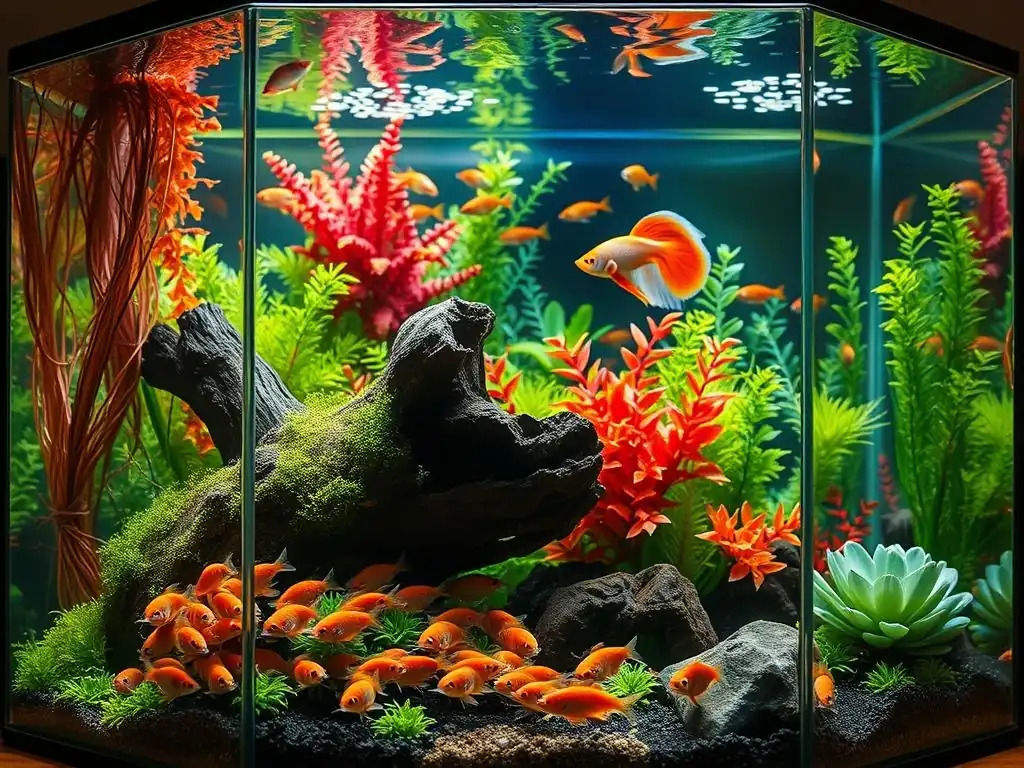
Ever wondered why those adorable Platy fry aren't thriving in your freshwater tank? You're not alone! Many hobbyists face platy fry survival problems, and understanding the root cause is key to a flourishing aquarium. Dive into this comprehensive guide to identify and conquer the challenges, ensuring a brighter future for your tiny aquatic companions. Let's unlock the secrets to successful Platy breeding, starting now!
- Understanding Platy Fry Survival: An Overview for Aquarium Keepers
- Identifying the Root Cause of Platy Fry Mortality
-
Solutions to Improve Platy Fry Survival Rates
- Improving Water Quality: A Step-by-Step Guide
- Optimizing Nutrition: Ensuring Platy Fry Get the Nutrients They Need
- Enhancing Fry Protection: Creating a Secure Environment
- Disease and Parasites: Addressing Health Issues in Platy Fry
- Environmental Stress: Minimizing Stressors for Platy Fry
- Improving Water Quality: A Step-by-Step Guide
- Optimizing Nutrition: Ensuring Platy Fry Get the Nutrients They Need
- Enhancing Fry Protection: Creating a Secure Environment
- Addressing Disease and Parasites: Treatment and Prevention
- Minimizing Environmental Stress: Creating a Calm and Stable Environment
- Preventing Future Platy Fry Loss: Long-Term Strategies
- Troubleshooting Specific Platy Fry Survival Problems
- Conclusion: Achieving High Platy Fry Survival Rates for a Thriving Aquarium.
-
Frequently Asked Questions
- Why are my Variatus Platy fry dying shortly after birth?
- What are the most common causes of Variatus Platy fry deaths?
- How can I improve the survival rate of my Variatus Platy fry?
- What are the ideal water parameters for Variatus Platy fry survival?
- What types of food are best for Variatus Platy fry?
- Final Reflection: Nurturing New Life
- Nurture Your Platy Fry: Watch Them Thrive!
Understanding Platy Fry Survival: An Overview for Aquarium Keepers
Why are My Platy Fry Dying? Common Causes of Platy Fry Loss
Experiencing significant losses among newborn Variatus Platy fry is a common frustration for many aquarists, leading to widespread "Platy fry survival problems." While adult platies are generally hardy and prolific breeders, their offspring are far more delicate and susceptible to a range of environmental stressors and threats. The primary culprits behind high fry mortality often include poor water quality, inadequate nutrition, predation by tank mates, the presence of diseases or parasites, and overall environmental stress within the aquarium. Understanding these core issues is the first step in addressing and mitigating the challenges of raising healthy Variatus Platy fry.
Many factors contribute to these Platy fry survival problems, often acting in concert to weaken the young fish. For instance, a tank with slightly elevated ammonia levels might not immediately harm adult platies, but for sensitive fry, even a small concentration can be lethal. Similarly, while adult platies can scavenge for food, fry require specific, finely-ground, and highly nutritious diets delivered frequently throughout the day. Neglecting any of these critical areas can drastically reduce the number of fry that reach maturity, turning what should be a straightforward breeding process into a frustrating struggle for the aquarist.
The Importance of a Healthy Start for Variatus Platy Fry
The initial days and weeks of a Variatus Platy's life are the most critical for its long-term survival and development. A healthy start, characterized by pristine water conditions, abundant and appropriate food, and a safe environment free from predators, lays the foundation for robust growth and resilience against future challenges. Fry that are well-nourished and stress-free in their early stages develop stronger immune systems, grow more rapidly, and are less susceptible to common Platy fry survival problems such as stunted growth or susceptibility to disease.
Conversely, a poor start can lead to irreversible damage, even if conditions improve later. Fry exposed to high levels of toxins, insufficient food, or constant stress during their developmental period may suffer from deformities, weakened organs, or a permanent inability to thrive.
For example, a study on livebearer development indicated that fry exposed to ammonia levels as low as 0.25 ppm within their first week had significantly higher mortality rates and reduced growth compared to those in pristine water. Therefore, focusing on optimal conditions from the moment of birth is paramount to maximizing Variatus Platy fry survival rates and ensuring the health of the next generation.
Identifying the Root Cause of Platy Fry Mortality
Poor Water Quality: A Major Threat to Platy Fry Health
Poor water quality stands as one of the most significant contributors to Platy fry survival problems, often acting as an invisible killer. Unlike adult fish, fry have underdeveloped organ systems, making them incredibly sensitive to even slight fluctuations or accumulations of harmful substances in the water. High levels of ammonia, nitrite, and even elevated nitrates can quickly become lethal to delicate fry, impeding their ability to absorb oxygen and function metabolically. This vulnerability means that water parameters that might be tolerated by adult fish can be devastating for the young.
Beyond the obvious toxins, inconsistent pH levels or rapid temperature swings can also induce severe stress and compromise the immune systems of Variatus Platy fry. For instance, a sudden pH drop from 7.5 to 6.5 within a few hours can cause fatal pH shock in fry, even if the new pH is within a generally acceptable range for adults. Similarly, temperature fluctuations exceeding 2-3°F in a short period can weaken fry, making them prone to illness. Regular, precise testing of water parameters is essential to diagnose if water quality is the primary cause of Platy fry survival problems.
Ammonia and Nitrite Spikes: Silent Killers of Young Platy Fish
Ammonia (
Maintaining zero levels of both ammonia and nitrite (0 ppm) is non-negotiable for successful Platy fry survival. Any detectable amount suggests an issue with the aquarium's biological filtration or an overstocked environment. For example, in a study tracking livebearer fry in varied conditions, tanks with consistent 0 ppm ammonia and nitrite showed over 80% fry survival, while those with intermittent spikes to 0.25 ppm saw survival rates drop below 30%. Regular testing with a reliable liquid test kit, ideally daily for fry tanks, is crucial to catch and address these silent killers before they decimate your young Variatus Platies.
Maintaining Optimal Water Parameters for Platy Fry
Achieving and maintaining optimal water parameters is fundamental to mitigating Platy fry survival problems. For Variatus Platies, ideal water conditions include a stable temperature between 72-78°F (22-26°C), a pH range of 7.0-8.0, and crucially, 0 ppm ammonia, 0 ppm nitrite, and nitrates below 20 ppm. Consistency is key; sudden changes in any of these parameters are far more detrimental than a stable parameter that is slightly outside the "ideal" range. For example, a pH of 7.2 that remains stable is better than a pH that fluctuates between 6.8 and 7.8 daily.
To maintain these parameters, regular partial water changes are indispensable. For a fry tank, this might mean changing 10-20% of the water every 1-2 days, using dechlorinated water that matches the tank's temperature and pH as closely as possible. Additionally, ensuring proper filtration that provides both mechanical and biological filtration without creating excessive current is vital. A mature filter, ideally cycled before fry are introduced, processes waste effectively. Monitoring water parameters daily with a high-quality test kit allows for immediate intervention, preventing small imbalances from escalating into severe Platy fry survival problems.
Inadequate Nutrition: Feeding Your Platy Fry Properly
Inadequate nutrition is a significant, yet often overlooked, cause of Platy fry survival problems. Newborn Variatus Platy fry have incredibly high metabolic rates and require a constant supply of highly nutritious, easily digestible food to fuel their rapid growth and development. Unlike adult platies, which can subsist on a broader diet, fry need specialized foods that are small enough for their tiny mouths and packed with the necessary proteins, fats, and vitamins. A lack of proper nutrition can lead to stunted growth, weakened immune systems, and increased susceptibility to disease, ultimately resulting in high mortality rates.
Many aquarists make the mistake of simply crushing adult fish flakes into a powder, which, while providing some sustenance, often lacks the concentrated nutritional profile essential for fry. This can result in a significant percentage of fry failing to thrive, appearing lethargic, or showing signs of nutrient deficiencies like bent spines. For example, fry fed only finely crushed flakes might exhibit a 50% lower growth rate compared to those supplemented with high-protein live foods such as newly hatched brine shrimp. Addressing nutritional deficiencies is paramount to overcoming Platy fry survival problems and raising robust young platies.
What to Feed Platy Fry: Optimal Food Choices
Providing the correct diet is crucial for overcoming Platy fry survival problems. The ideal food for Variatus Platy fry should be rich in protein (often 40-50% or more), easily digestible, and small enough for their tiny mouths. Excellent choices include newly hatched brine shrimp (Artemia nauplii), which are highly nutritious and stimulate a strong feeding response. Infusoria, microscopic organisms, are perfect for very young or smaller fry, particularly in the first few days. Liquid fry foods, specifically designed for livebearers, offer a convenient and balanced option, often containing a blend of proteins and essential nutrients.
For slightly older fry, or as a supplement, finely powdered high-quality flake food (specifically high-protein formulas), micro-pellets designed for fry, or specialized fry crumble can be introduced. Some aquarists also use spirulina powder or finely ground freeze-dried tubifex worms. The key is variety and high quality. For instance, a diet consisting of 50% newly hatched brine shrimp and 50% high-quality fry powder can lead to significantly faster growth and higher survival rates compared to a single-source diet, often improving survival by 20-30% within the first month.
How Often to Feed Platy Fry: Establishing a Feeding Schedule
The frequency of feeding is just as important as the type of food when addressing Platy fry survival problems. Variatus Platy fry have small stomachs and incredibly fast metabolisms, meaning they need to be fed multiple times a day to ensure a constant supply of nutrients. A general recommendation is to feed fry small amounts 3-5 times a day, or even more frequently for the first few weeks if possible. The goal is to provide enough food that it is consumed within a few minutes, without leaving excess to foul the water.
Overfeeding, however, can quickly lead to water quality issues, as uneaten food decomposes and produces ammonia. Therefore, it's a delicate balance. For example, feeding a tiny pinch of powdered food or a small squirt of liquid fry food every 3-4 hours during daylight hours is often effective. If using live foods like brine shrimp, feeding 2-3 times daily can be sufficient given their higher nutritional density. Observing the fry's bellies—they should appear slightly rounded after feeding—and ensuring no food accumulates on the substrate are good indicators of an appropriate feeding schedule, helping to prevent Platy fry survival problems related to starvation or water pollution.
Predation: Protecting Platy Fry from Tank Mates
Predation is one of the most immediate and obvious Platy fry survival problems in a community aquarium. While adult Variatus Platies are generally peaceful, they, along with many other common community fish, view their newborn fry as a readily available food source. Without adequate protection, a significant majority, if not all, of the fry can be consumed within hours of birth. This natural instinct makes it almost impossible to raise a substantial number of fry in a mixed-species tank without specific intervention.
Even seemingly harmless tank mates, such as small tetras or dwarf gouramis, can prey on tiny fry. The survival rate in an unprotected community tank can be as low as 0-5%, even if water quality and nutrition are perfect. Therefore, recognizing potential predators and implementing effective protection strategies are critical steps to overcome Platy fry survival problems and ensure a healthy population of young platies.
Identifying Potential Predators in Your Aquarium
Almost any fish larger than a Variatus Platy fry should be considered a potential predator. This includes the adult Variatus Platies themselves, as they do not exhibit parental care and will readily consume their own offspring. Other common community tank inhabitants that pose a significant threat include:
- Larger Livebearers: Guppies, Mollies, Swordtails (even though they are related, they will eat fry).
- Tetras: Neon Tetras, Cardinal Tetras, Black Skirt Tetras, and particularly larger species like Congo Tetras, will actively hunt fry.
- Barbs: Tiger Barbs, Cherry Barbs, and Rosy Barbs are known fin-nippers and opportunistic fry predators.
- Gouramis: Dwarf Gouramis, Honey Gouramis, and particularly larger varieties like Blue Gouramis, will consume fry.
- Cichlids: Even small, peaceful cichlids like Dwarf Cichlids (e.g., Bolivian Rams) can be a threat.
- Catfish: While many bottom dwellers are scavengers, some larger species of Corydoras or even small Plecos might accidentally or intentionally ingest fry.
It's crucial to understand that hunger and opportunity drive predation. Even a well-fed fish will likely consume a newborn fry if it presents itself. This inherent predatory behavior is a primary reason for low Platy fry survival problems in mixed tanks, necessitating proactive measures to segregate or protect the fry.
Creating a Safe Haven: Fry Protection Strategies
To effectively combat Platy fry survival problems caused by predation, creating a dedicated safe haven for the fry is paramount. The most effective method is to move the gravid female to a separate breeding tank (a 5-10 gallon tank works well) just before she gives birth. Once the fry are born, the mother can be returned to the main tank, leaving the fry to grow out in safety. This dedicated "fry grow-out tank" should have mature filtration, a heater, and plenty of hiding spots.
If a separate tank isn't feasible, breeding boxes or fry traps that hang inside the main aquarium can provide temporary protection. These plastic or mesh containers allow water circulation while keeping fry isolated from predators. However, they are often too small for long-term rearing and can cause stress due to limited space and potential for poor water quality. Another strategy is to heavily plant the main aquarium with dense, fine-leaved plants like Java Moss, Guppy Grass, or hornwort. These plants provide numerous hiding spots where a small percentage of fry (perhaps 5-15%) might evade predators and survive. However, for serious breeding efforts aimed at high Platy fry survival rates, a separate fry tank remains the superior option.
Disease and Parasites: Addressing Health Issues in Platy Fry
Disease and parasites represent a significant, though sometimes less obvious, category of Platy fry survival problems. Young fish have underdeveloped immune systems, making them highly susceptible to pathogens that might only cause mild symptoms or no issues at all in adult fish. A single outbreak of a common ailment like Ich (white spot disease) or a bacterial infection can quickly decimate an entire batch of fry, often before the aquarist even notices overt symptoms.
The challenge with treating fry is their extreme sensitivity to medications. Many common aquarium treatments are too strong for delicate fry and can cause more harm than good, leading to further Platy fry survival problems or even death. Prevention through excellent water quality and a clean environment is therefore the most effective strategy. However, recognizing the early signs of illness and understanding which treatments are safe for fry is vital for any chance of intervention.
Recognizing Signs of Illness in Young Platy Fish
Early detection of illness in Variatus Platy fry can be challenging due to their small size and translucent bodies, but it is crucial for addressing Platy fry survival problems. Common signs of disease in fry often manifest as behavioral changes rather than obvious physical symptoms initially. Look for:
- Lethargy or inactivity: Fry that are listless, sinking to the bottom, or not actively swimming and feeding.
- Clamped fins: Fins held tightly against the body instead of being spread out.
- Erratic swimming: Jerky movements, spiraling, or struggling to maintain buoyancy.
- Loss of appetite: Refusing to eat or spitting out food.
- Discoloration or spots: While harder to see, look for any white spots (Ich), fuzzy growths (fungus), or red streaks (bacterial infection).
- Gasping at the surface: Indicates oxygen deprivation, often due to gill damage from ammonia or internal parasites.
- Emaciation (failure to thrive): Despite feeding, fry remain very thin and do not grow.
Any deviation from normal, active feeding and swimming behavior in a group of fry should trigger immediate investigation into water parameters and potential pathogens to prevent widespread Platy fry survival problems.
Treating Common Diseases Affecting Platy Fry
Treating diseases in Variatus Platy fry requires extreme caution due to their fragility. Many standard aquarium medications are too harsh and can be lethal to young fish. Therefore, prevention through impeccable water quality and a stress-free environment is always the best approach to avoid Platy fry survival problems related to illness. If an outbreak occurs, particularly for common issues like Ich (Ichthyophthirius multifiliis) or mild bacterial infections, consider these approaches:
- Heat Treatment for Ich: For Ich, a gradual increase in water temperature to 82-86°F (28-30°C) over 24-48 hours can often eliminate the parasite without medication. Maintain this temperature for 7-10 days. Ensure increased aeration, as warmer water holds less oxygen.
- Salt Treatment: Aquarium salt (non-iodized) can be effective for mild bacterial infections, fungal issues, and some parasites. A common dosage is 1 teaspoon per 5 gallons, dissolved before adding, for short-term baths. Always research specific dosages and durations, as fry are sensitive.
- Half-Dose Medications: If a severe, specific infection is diagnosed (e.g., fin rot), some aquarists opt for very diluted (often half or quarter strength) general-purpose medications, but this carries significant risk. Always choose medications known to be safe for scaleless or sensitive fish if possible, and remove carbon filtration during treatment.
- Quarantine: Isolate sick fry immediately in a separate, smaller hospital tank to prevent spread and allow for targeted treatment without affecting the main fry population. This is crucial for managing
Platy fry survival problems.
Consulting with experienced aquarists or a veterinarian specializing in aquatic animals is highly recommended before administering any medication to fry.
Environmental Stress: Minimizing Stressors for Platy Fry
Environmental stress is a pervasive, yet often subtle, factor contributing to Platy fry survival problems. Unlike overt issues like poor water quality or predation, stress can silently weaken fry over time, making them more susceptible to disease, stunting their growth, and ultimately leading to premature death. Stressors can range from rapid changes in water parameters to overcrowding, excessive noise, or even the presence of overly active tank mates. Young Variatus Platies, with their developing nervous systems, are particularly vulnerable to any disruption in their immediate surroundings.
A constantly stressful environment compromises a fry's immune system, diverting energy from growth and development towards coping mechanisms. For instance, fry exposed to persistent loud noises or vibrations might exhibit erratic swimming and reduced feeding, leading to nutrient deficiencies. Addressing these less obvious stressors is just as important as managing the more apparent threats to achieve high Platy fry survival rates.
Temperature Fluctuations: Keeping a Stable Environment
Temperature stability is paramount for the health and survival of Variatus Platy fry. Sudden or significant fluctuations in water temperature can induce severe stress, weaken immune systems, and even directly kill delicate fry. Platies thrive in temperatures between 72-78°F (22-26°C), and maintaining a consistent temperature within this range is crucial. A swing of more than 2-3°F within a few hours can be detrimental, as fry struggle to thermoregulate.
To ensure temperature stability and prevent Platy fry survival problems related to thermal shock:
- Use a Reliable Heater: Invest in a high-quality, appropriately sized aquarium heater with a thermostat to maintain a steady temperature.
- Monitor Temperature: Use an accurate thermometer to regularly check the water temperature, especially after water changes.
- Consistent Water Changes: When performing water changes, ensure the new water is matched as closely as possible to the tank's temperature. Using a dedicated bucket for mixing and heating water can help.
- Avoid Drafts: Place the fry tank away from windows, air conditioning vents, or external doors where drafts could cause rapid temperature drops.
- Insulation: Consider placing insulation (e.g., foam board) under and behind the tank to help maintain thermal stability, especially in cooler rooms.
Maintaining a stable thermal environment significantly reduces stress and enhances the overall resilience of young Variatus Platies.
Overcrowding: Providing Adequate Space for Platy Fry
Overcrowding is a critical environmental stressor that severely impacts Platy fry survival problems. While it might be tempting to keep a large number of fry in a small tank, doing so rapidly degrades water quality, increases competition for food, and elevates stress levels. Each fry produces waste, and a high density of fish quickly overwhelms a tank's biological filtration, leading to ammonia and nitrite spikes. Furthermore, limited space restricts natural movement and can increase aggression, even among young fish, leading to nipped fins and general agitation.
As a general guideline, aim for at least 1 gallon of water per 10-15 Variatus Platy fry for the first few weeks, gradually increasing the space as they grow. For example, a 10-gallon tank can comfortably house 50-100 newborn fry for about 2-3 weeks, but they will quickly outgrow it. Beyond the water quality implications, overcrowding leads to stunted growth, where fry simply do not develop to their full potential, even with ample food. This stunted growth is a direct consequence of chronic stress and poor conditions, making them more susceptible to disease and significantly reducing the number of fry that reach maturity. Providing ample space is a vital step in preventing Platy fry survival problems and ensuring healthy development.
Solutions to Improve Platy Fry Survival Rates
Improving Water Quality: A Step-by-Step Guide
Improving water quality is arguably the most impactful action an aquarist can take to mitigate Platy fry survival problems. Pristine water is the foundation for healthy fry development, as it minimizes exposure to toxins and reduces overall stress. This involves consistent monitoring and proactive measures to maintain ideal parameters.
Regular Water Changes: The Cornerstone of a Healthy Aquarium
Regular partial water changes are the single most effective method for maintaining high water quality and preventing Platy fry survival problems caused by accumulated toxins. For a fry grow-out tank, where food is often introduced more frequently and waste production is high, more frequent water changes are often necessary than for an adult tank.
A recommended schedule for a dedicated fry tank is to perform a 10-20% water change every 1-2 days, or at least every other day. This routine helps to:
- Remove Nitrates: While ammonia and nitrite should be 0 ppm due to biological filtration, nitrates accumulate over time and become toxic at higher concentrations (above 20 ppm for fry).
- Replenish Minerals: Water changes replenish essential trace elements that are used up by fish and plants.
- Dilute Other Toxins: They dilute any other harmful substances that might build up, such as pheromones or metabolic byproducts.
When performing water changes, always use a reliable water conditioner to neutralize chlorine and chloramines. Ensure the new water is temperature-matched to the tank water to prevent thermal shock, and if possible, pre-aerate it to ensure good oxygen saturation. Using a small siphon to gently vacuum the bottom of the tank will remove uneaten food and detritus, further improving water quality and directly addressing Platy fry survival problems from pollution.
Implementing a Robust Filtration System for Fry Tanks
While regular water changes are crucial, a robust and appropriate filtration system is equally vital for maintaining stable water quality and addressing Platy fry survival problems. For fry tanks, the key is effective filtration without strong currents that can stress or injure tiny fish.
- Sponge Filters: These are often considered the best choice for fry tanks. They provide excellent biological filtration (housing beneficial bacteria) and mechanical filtration (trapping particles) while creating a gentle flow. They are also incredibly safe, as fry cannot be sucked into the intake. Air-driven sponge filters are simple, inexpensive, and highly effective for this purpose.
- Hang-on-Back (HOB) Filters with Modifications: If using a HOB filter, it's essential to modify the intake to prevent fry from being sucked in. This can be done by covering the intake tube with a pre-filter sponge or a fine mesh. Ensure the outflow does not create too strong a current; a baffle or spray bar can diffuse the flow.
- Avoid Power Filters (without modification): Filters with strong intakes or impellers are generally unsuitable for fry tanks as they pose a significant risk of harming or killing young fish.
Regardless of the filter type, ensure it is properly cycled before introducing fry. A mature filter system is essential to process the bioload effectively and prevent ammonia and nitrite spikes, which are major contributors to Platy fry survival problems. Regular cleaning of filter media (rinsing in old tank water) is also necessary to maintain efficiency.
Optimizing Nutrition: Ensuring Platy Fry Get the Nutrients They Need
Optimizing nutrition is a direct and impactful solution to Platy fry survival problems. Providing a consistent supply of high-quality, appropriate food directly supports rapid growth, strengthens immune systems, and increases overall vitality, allowing more fry to reach maturity. This involves both careful selection of food types and consistent feeding practices.
Live Food Options: Culturing Live Food for Platy Fry
Live foods are generally considered the superior option for feeding Variatus Platy fry due to their high nutritional content, digestibility, and the natural feeding instincts they stimulate. Culturing your own live food ensures a fresh, constant supply and avoids introducing external pathogens often associated with wild-caught live foods.
- Newly Hatched Brine Shrimp (Artemia nauplii): These are perhaps the most popular and beneficial live food for fry. They are packed with protein and essential fatty acids, and their jerky swimming motion triggers a strong feeding response in fry. Brine shrimp eggs are readily available, and hatching them is a straightforward process in a simple hatchery setup (e.g., a plastic bottle or dedicated cone-shaped hatcher with an air stone).
- Infusoria: For very young or exceptionally small fry (especially in their first few days when brine shrimp might still be too large), infusoria are ideal. These microscopic organisms can be cultured by placing decaying lettuce leaves, banana peels, or a small amount of hay in a jar of aged aquarium water and allowing it to sit for several days. A clear culture of tiny swimming organisms will develop, which can then be pipetted into the fry tank.
- Microworms/Vinegar Eels: These are alternative live foods that are relatively easy to culture on an oatmeal medium (microworms) or in vinegar (vinegar eels). They are smaller than newly hatched brine shrimp and provide a good protein source, though they lack the same nutritional completeness as brine shrimp.
Incorporating live foods into the Variatus Platy fry diet can significantly improve growth rates and reduce Platy fry survival problems by providing superior nutrition compared to dry foods alone.
Commercial Fry Food: Choosing the Right Formula
While live foods are highly beneficial, high-quality commercial fry foods can also play a crucial role in addressing Platy fry survival problems, especially for convenience or as a supplement. It's essential to select formulas specifically designed for livebearer fry, as these are formulated with the correct particle size and nutritional profile.
When choosing commercial fry food, look for:
- High Protein Content: Aim for formulas with at least 40-50% crude protein, as protein is vital for rapid growth in young fish.
- Fine Particle Size: The food must be small enough for the fry's tiny mouths. Look for terms like "powder," "micro-pellets," or "liquid fry food." Some dry foods may require grinding further with a mortar and pestle.
- Balanced Nutrients: Ensure the food contains essential vitamins, minerals, and fatty acids to support overall health and development. Ingredients like spirulina, fish meal, and various oils are good indicators.
- Reputable Brands: Stick to well-known aquarium food brands that specialize in fish nutrition.
Examples include liquid fry foods (which disperse well and are easy for very young fry to consume), powdered fry foods (often derived from high-quality flakes or pellets), and specialized micro-pellets for very small fish. Even when using commercial foods, feeding small amounts frequently (3-5 times a day) is critical to ensure constant nutrient availability and prevent Platy fry survival problems from starvation or nutrient deficiencies.
Enhancing Fry Protection: Creating a Secure Environment
Enhancing fry protection is a direct and highly effective solution to Platy fry survival problems, particularly those caused by predation. Without a secure environment, the vast majority of Variatus Platy fry will not survive in a community tank. Implementing specific strategies to isolate or shelter the fry is paramount for achieving high survival rates.
Breeding Boxes and Fry Traps: Safe Havens for Newborn Platies
Breeding boxes and fry traps are popular tools designed to protect newborn Variatus Platy fry from predation within the main aquarium. These devices are typically made of plastic or mesh and either float on the surface or hang inside the tank, allowing water circulation while keeping the fry separate from larger fish.
- Pros: They are relatively inexpensive, easy to set up, and provide immediate protection. Many models have a V-shaped bottom grid that allows fry to drop through, separating them from the mother immediately after birth.
- Cons: They are generally too small for long-term rearing, often leading to stunted growth due to limited space and potential for poor water quality if not meticulously maintained. Fry in these small enclosures can also experience stress from confinement and lack of hiding places. Water flow can be poor, leading to pockets of stagnant water.
These devices are best used as a temporary solution, typically for the first few days after birth, until the fry are large enough to be moved to a dedicated fry grow-out tank or until adequate plant cover is established in the main tank. For serious breeding efforts, a separate, fully cycled fry tank is always the superior option for maximizing Platy fry survival rates.
Plant Cover: Providing Natural Hiding Places
For aquarists who prefer a more natural approach or cannot provide a separate fry tank, dense plant cover can significantly enhance fry protection and improve Platy fry survival problems by offering natural hiding places from predators. While not as effective as complete isolation, it can allow a small percentage of fry to survive.
Ideal plants for fry protection are those with fine, dense foliage that creates intricate mazes and thickets where tiny fry can hide. Excellent choices include:
- Java Moss (Taxiphyllum barbieri): This extremely hardy moss forms dense clumps that are perfect hiding spots. It can be draped over decor or left free-floating.
- Guppy Grass (Najas guadalupensis): A fast-growing, bushy plant that provides excellent cover. It can be weighted down or left floating.
- Hornwort (Ceratophyllum demersum): Another fast-growing, dense plant that works well floating or planted. Its needle-like leaves create many crevices.
- Water Sprite (Ceratopteris thalictroides): While larger, its fine, feathery leaves provide good cover, especially when allowed to grow thick.
Floating plants like Dwarf Water Lettuce or Frogbit can also provide overhead cover, making fry less visible from above. The key is to have enough plant density to genuinely offer refuge. While some fry will still be found and eaten, a heavily planted tank can increase the Platy fry survival rate from near zero to perhaps 10-20% in a community setup, offering a more aesthetically pleasing solution than a breeding box alone.
Disease and Parasites: Addressing Health Issues in Platy Fry
Addressing disease and parasites is a critical component of minimizing Platy fry survival problems. Because fry have immature immune systems and are highly susceptible to pathogens, proactive measures and careful intervention are necessary. Prevention is always superior to treatment when dealing with delicate fry.
Recognizing Signs of Illness in Young Platy Fish
Early detection is paramount when dealing with diseases in Variatus Platy fry, as their small size and fragility mean that illnesses can progress rapidly. Unlike adult fish, fry often show subtle signs before succumbing, making vigilant observation crucial for addressing Platy fry survival problems. Look for:
- Abnormal swimming: Fry that are struggling to swim, listing to one side, swimming erratically, or constantly sinking/floating. Healthy fry are active and inquisitive.
- Lethargy and isolation: Fry that are unusually still, hiding excessively, or separating themselves from the group.
- Clamped fins: Fins held tightly against the body, a common sign of stress or illness.
- Lack of appetite or refusal to eat: Healthy fry are voracious eaters; any disinterest in food is a red flag.
- Physical abnormalities: While hard to spot, look for white spots (Ich), cottony growths (fungus), red streaks (bacterial infection), or any visible parasites.
- Gasping at the surface: Indicates a lack of oxygen, which could be due to gill damage from ammonia/nitrite, or a severe parasitic infestation.
- Stunted growth or emaciation: Fry that fail to grow despite adequate feeding, or appear unusually thin. This often points to internal parasites or chronic stress.
Any of these signs should prompt an immediate check of water parameters and a closer inspection of the affected fry to identify the underlying Platy fry survival problems before the illness spreads throughout the population.
Treating Common Diseases Affecting Platy Fry
Treating diseases in Variatus Platy fry is extremely delicate, as many standard fish medications are too potent for their small, sensitive bodies, potentially exacerbating Platy fry survival problems. Therefore, prevention through impeccable water quality and a stable, clean environment is the primary defense. If an illness does occur, cautious and informed intervention is necessary:
- Ich (White Spot Disease): The safest treatment for fry is often elevated temperature. Gradually raise the tank temperature to 82-86°F (28-30°C) over 24-48 hours and maintain it for 7-10 days. This accelerates the parasite's life cycle, allowing it to be killed in its free-swimming stage. Ensure increased aeration at higher temperatures. Salt baths (1 teaspoon per 5 gallons) can also be used cautiously for short periods.
- Fungal Infections: Often appear as cottony growths. Mild cases can sometimes be treated with increased aeration, pristine water, and a very light dose of aquarium salt. Over-the-counter antifungal medications should be used at half or quarter strength, if at all, and only after careful research into their safety for fry.
- Bacterial Infections (e.g., Fin Rot): Characterized by frayed or decaying fins. Again, pristine water conditions are the first line of defense. Broad-spectrum antibiotics are usually too strong for fry. Mild cases might respond to daily partial water changes and very low doses of aquarium salt.
- Parasites (Internal/External): Often lead to emaciation or labored breathing. Specific antiparasitic medications are often too harsh for fry. Maintaining a clean environment and feeding high-quality food helps prevent these.
It is crucial to remove activated carbon from the filter during any medication treatment. Always consult product labels for specific warnings regarding sensitive fish or fry, and consider isolating sick fry in a hospital tank to avoid treating the entire healthy population. When in doubt, prioritize water quality and seek advice from experienced aquarists or aquatic veterinarians.
Environmental Stress: Minimizing Stressors for Platy Fry
Minimizing environmental stress is a proactive and often underestimated solution to Platy fry survival problems. While not as immediately apparent as predation or water quality issues, chronic stress weakens fry, making them more susceptible to disease, stunting their growth, and ultimately reducing their chances of survival. Creating a calm, stable, and appropriately sized environment is fundamental to their well-being.
Maintaining Consistent Water Temperature
Maintaining a consistent water temperature is paramount for the health and survival of Variatus Platy fry. As poikilothermic (cold-blooded) animals, fish are highly sensitive to temperature fluctuations, which can induce severe stress and compromise their delicate physiological processes. Rapid temperature swings, even of a few degrees, can shock fry, weaken their immune systems, and lead to direct mortality, exacerbating Platy fry survival problems.
For Variatus Platies, an ideal and stable temperature range is between 72-78°F (22-26°C). To ensure this consistency:
- High-Quality Heater: Invest in a reliable, appropriately sized aquarium heater with an accurate thermostat. Check its calibration regularly with a separate thermometer.
- Temperature-Matched Water Changes: When performing water changes, ensure the new water is exactly the same temperature as the tank water. Use a dedicated bucket and a thermometer to achieve this.
- Location: Position the fry tank away from direct sunlight, heating/cooling vents, or drafty windows that could cause rapid temperature swings.
- Insulation: For added stability, especially in cooler rooms, consider adding a foam mat under the tank and foam board insulation to the back and sides.
A stable thermal environment reduces metabolic stress on the fry, allowing them to allocate more energy towards growth and development rather than constantly adapting to temperature changes, thus significantly reducing Platy fry survival problems.
Avoiding Sudden Changes in Water Parameters
Beyond temperature, sudden fluctuations in any water parameter can be incredibly stressful and detrimental to Variatus Platy fry, leading to increased Platy fry survival problems. Fry are far more sensitive to changes in pH, hardness (GH/KH), and even light cycles than adult fish. A stable environment, even if slightly outside the "perfect" range (provided it's within a tolerable zone), is always preferable to erratic, albeit "ideal," swings.
To avoid sudden changes:
- Consistent Water Source: Use the same water source for all top-offs and water changes. If using tap water, always condition it to remove chlorine/chloramines.
- Gradual Adjustments: If you need to adjust pH or hardness, do so very slowly over several days or even weeks, especially in a fry tank. Small daily adjustments are better than large, infrequent ones.
- Regular, Small Water Changes: Instead of large, infrequent water changes that can drastically alter parameters, opt for smaller, more frequent changes (e.g., 10-15% every 1-2 days).
- Stable Lighting: Maintain a consistent light cycle (e.g., 10-12 hours on, 12-14 hours off) using a timer. Avoid sudden bright lights or complete darkness, which can startle fry.
- Minimize Disturbances: Avoid sudden movements around the tank, loud noises, or unnecessary redecorating, especially in the first few weeks of the fry's life.
By meticulously maintaining stable water parameters and minimizing external disturbances, aquarists can significantly reduce stress on their Variatus Platy fry, thereby improving overall Platy fry survival rates.
Improving Water Quality: A Step-by-Step Guide
Improving water quality is arguably the most impactful action an aquarist can take to mitigate Platy fry survival problems. Pristine water is the foundation for healthy fry development, as it minimizes exposure to toxins and reduces overall stress. This involves consistent monitoring and proactive measures to maintain ideal parameters.
Regular Water Changes: The Cornerstone of a Healthy Aquarium
Regular partial water changes are the single most effective method for maintaining high water quality and preventing Platy fry survival problems caused by accumulated toxins. For a fry grow-out tank, where food is often introduced more frequently and waste production is high, more frequent water changes are often necessary than for an adult tank.
A recommended schedule for a dedicated fry tank is to perform a 10-20% water change every 1-2 days, or at least every other day. This routine helps to:
- Remove Nitrates: While ammonia and nitrite should be 0 ppm due to biological filtration, nitrates accumulate over time and become toxic at higher concentrations (above 20 ppm for fry).
- Replenish Minerals: Water changes replenish essential trace elements that are used up by fish and plants.
- Dilute Other Toxins: They dilute any other harmful substances that might build up, such as pheromones or metabolic byproducts.
When performing water changes, always use a reliable water conditioner to neutralize chlorine and chloramines. Ensure the new water is temperature-matched to the tank water to prevent thermal shock, and if possible, pre-aerate it to ensure good oxygen saturation. Using a small siphon to gently vacuum the bottom of the tank will remove uneaten food and detritus, further improving water quality and directly addressing Platy fry survival problems from pollution.
Implementing a Robust Filtration System for Fry Tanks
While regular water changes are crucial, a robust and appropriate filtration system is equally vital for maintaining stable water quality and addressing Platy fry survival problems. For fry tanks, the key is effective filtration without strong currents that can stress or injure tiny fish.
- Sponge Filters: These are often considered the best choice for fry tanks. They provide excellent biological filtration (housing beneficial bacteria) and mechanical filtration (trapping particles) while creating a gentle flow. They are also incredibly safe, as fry cannot be sucked into the intake. Air-driven sponge filters are simple, inexpensive, and highly effective for this purpose.
- Hang-on-Back (HOB) Filters with Modifications: If using a HOB filter, it's essential to modify the intake to prevent fry from being sucked in. This can be done by covering the intake tube with a pre-filter sponge or a fine mesh. Ensure the outflow does not create too strong a current; a baffle or spray bar can diffuse the flow.
- Avoid Power Filters (without modification): Filters with strong intakes or impellers are generally unsuitable for fry tanks as they pose a significant risk of harming or killing young fish.
Regardless of the filter type, ensure it is properly cycled before introducing fry. A mature filter system is essential to process the bioload effectively and prevent ammonia and nitrite spikes, which are major contributors to Platy fry survival problems. Regular cleaning of filter media (rinsing in old tank water) is also necessary to maintain efficiency.
Optimizing Nutrition: Ensuring Platy Fry Get the Nutrients They Need
Optimizing nutrition is a direct and impactful solution to Platy fry survival problems. Providing a consistent supply of high-quality, appropriate food directly supports rapid growth, strengthens immune systems, and increases overall vitality, allowing more fry to reach maturity. This involves both careful selection of food types and consistent feeding practices.
Live Food Options: Culturing Live Food for Platy Fry
Live foods are generally considered the superior option for feeding Variatus Platy fry due to their high nutritional content, digestibility, and the natural feeding instincts they stimulate. Culturing your own live food ensures a fresh, constant supply and avoids introducing external pathogens often associated with wild-caught live foods.
- Newly Hatched Brine Shrimp (Artemia nauplii): These are perhaps the most popular and beneficial live food for fry. They are packed with protein and essential fatty acids, and their jerky swimming motion triggers a strong feeding response in fry. Brine shrimp eggs are readily available, and hatching them is a straightforward process in a simple hatchery setup (e.g., a plastic bottle or dedicated cone-shaped hatcher with an air stone).
- Infusoria: For very young or exceptionally small fry (especially in their first few days when brine shrimp might still be too large), infusoria are ideal. These microscopic organisms can be cultured by placing decaying lettuce leaves, banana peels, or a small amount of hay in a jar of aged aquarium water and allowing it to sit for several days. A clear culture of tiny swimming organisms will develop, which can then be pipetted into the fry tank.
- Microworms/Vinegar Eels: These are alternative live foods that are relatively easy to culture on an oatmeal medium (microworms) or in vinegar (vinegar eels). They are smaller than newly hatched brine shrimp and provide a good protein source, though they lack the same nutritional completeness as brine shrimp.
Incorporating live foods into the Variatus Platy fry diet can significantly improve growth rates and reduce Platy fry survival problems by providing superior nutrition compared to dry foods alone.
Commercial Fry Food: Choosing the Right Formula
While live foods are highly beneficial, high-quality commercial fry foods can also play a crucial role in addressing Platy fry survival problems, especially for convenience or as a supplement. It's essential to select formulas specifically designed for livebearer fry, as these are formulated with the correct particle size and nutritional profile.
When choosing commercial fry food, look for:
- High Protein Content: Aim for formulas with at least 40-50% crude protein, as protein is vital for rapid growth in young fish.
- Fine Particle Size: The food must be small enough for the fry's tiny mouths. Look for terms like "powder," "micro-pellets," or "liquid fry food." Some dry foods may require grinding further with a mortar and pestle.
- Balanced Nutrients: Ensure the food contains essential vitamins, minerals, and fatty acids to support overall health and development. Ingredients like spirulina, fish meal, and various oils are good indicators.
- Reputable Brands: Stick to well-known aquarium food brands that specialize in fish nutrition.
Examples include liquid fry foods (which disperse well and are easy for very young fry to consume), powdered fry foods (often derived from high-quality flakes or pellets), and specialized micro-pellets for very small fish. Even when using commercial foods, feeding small amounts frequently (3-5 times a day) is critical to ensure constant nutrient availability and prevent Platy fry survival problems from starvation or nutrient deficiencies.
Enhancing Fry Protection: Creating a Secure Environment
Enhancing fry protection is a direct and highly effective solution to Platy fry survival problems, particularly those caused by predation. Without a secure environment, the vast majority of Variatus Platy fry will not survive in a community tank. Implementing specific strategies to isolate or shelter the fry is paramount for achieving high survival rates.
Breeding Boxes and Fry Traps: Safe Havens for Newborn Platies
Breeding boxes and fry traps are popular tools designed to protect newborn Variatus Platy fry from predation within the main aquarium. These devices are typically made of plastic or mesh and either float on the surface or hang inside the tank, allowing water circulation while keeping the fry separate from larger fish.
- Pros: They are relatively inexpensive, easy to set up, and provide immediate protection. Many models have a V-shaped bottom grid that allows fry to drop through, separating them from the mother immediately after birth.
- Cons: They are generally too small for long-term rearing, often leading to stunted growth due to limited space and potential for poor water quality if not meticulously maintained. Fry in these small enclosures can also experience stress from confinement and lack of hiding places. Water flow can be poor, leading to pockets of stagnant water.
These devices are best used as a temporary solution, typically for the first few days after birth, until the fry are large enough to be moved to a dedicated fry grow-out tank or until adequate plant cover is established in the main tank. For serious breeding efforts aimed at high Platy fry survival rates, a separate, fully cycled fry tank is always the superior option.
Plant Cover: Providing Natural Hiding Places
For aquarists who prefer a more natural approach or cannot provide a separate fry tank, dense plant cover can significantly enhance fry protection and improve Platy fry survival problems by offering natural hiding places from predators. While not as effective as complete isolation, it can allow a small percentage of fry to survive.
Ideal plants for fry protection are those with fine, dense foliage that creates intricate mazes and thickets where tiny fry can hide. Excellent choices include:
- Java Moss (Taxiphyllum barbieri): This extremely hardy moss forms dense clumps that are perfect hiding spots. It can be draped over decor or left free-floating.
- Guppy Grass (Najas guadalupensis): A fast-growing, bushy plant that provides excellent cover. It can be weighted down or left floating.
- Hornwort (Ceratophyllum demersum): Another fast-growing, dense plant that works well floating or planted. Its needle-like leaves create many crevices.
- Water Sprite (Ceratopteris thalictroides): While larger, its fine, feathery leaves provide good cover, especially when allowed to grow thick.
Floating plants like Dwarf Water Lettuce or Frogbit can also provide overhead cover, making fry less visible from above. The key is to have enough plant density to genuinely offer refuge. While some fry will still be found and eaten, a heavily planted tank can increase the Platy fry survival rate from near zero to perhaps 10-20% in a community setup, offering a more aesthetically pleasing solution than a breeding box alone.
Addressing Disease and Parasites: Treatment and Prevention
Addressing disease and parasites is a critical component of minimizing Platy fry survival problems. Because fry have immature immune systems and are highly susceptible to pathogens, proactive measures and careful intervention are necessary. Prevention is always superior to treatment when dealing with delicate fry.
Quarantine Procedures: Isolating Sick Fry
Quarantine procedures are a cornerstone of disease management in any aquarium, and they are especially crucial for preventing and managing Platy fry survival problems related to illness. Isolating sick fry immediately upon recognizing symptoms prevents the spread of disease to the rest of the vulnerable population, which can be wiped out rapidly by an unchecked pathogen.
Setting up a small, simple hospital tank (a 2-5 gallon tank with a sponge filter and heater) allows for targeted treatment without exposing healthy fry to medication or the stress of a disease outbreak. When a fry shows signs of illness:
- Careful Transfer: Gently net the affected fry and transfer it to the hospital tank.
- Targeted Treatment: Administer appropriate medication (if safe for fry) only to the hospital tank, following instructions precisely and often at reduced dosages.
- Monitor: Closely monitor the quarantined fry for improvement or worsening conditions.
- Prevent Cross-Contamination: Use separate nets and equipment for the quarantine tank to avoid transferring pathogens back to the main fry tank.
This proactive isolation strategy can save an entire batch of fry by containing the outbreak, making it an indispensable tool for aquarists serious about overcoming Platy fry survival problems.
Medication Options: Treating Common Platy Fry Ailments
Treating common Platy fry ailments with medication requires extreme caution due to their inherent fragility and sensitivity to chemical compounds. Many standard aquarium medications are too harsh for young fish and can cause more harm than good, exacerbating Platy fry survival problems. Therefore, medication should be a last resort, used only after meticulous water quality checks and environmental adjustments have been made.
When considering medication for fry, always prioritize options known to be gentler:
- Aquarium Salt: Non-iodized aquarium salt (not table salt) can be a safe and effective treatment for mild bacterial infections, fungal issues, and some external parasites like Ich. A typical dose for general health is 1 teaspoon per 5 gallons, dissolved thoroughly before adding. For more acute issues, short-term dips at higher concentrations might be considered, but research specific guidelines carefully.
- Heat Treatment for Ich: As previously mentioned, gradually raising the water temperature to 82-86°F (28-30°C) is often the safest and most effective method for eradicating Ich in fry tanks, as it speeds up the parasite's life cycle without harsh chemicals.
- Herbal Remedies: Some aquarists use natural remedies like Indian Almond Leaves, which release tannins that have mild antibacterial and antifungal properties, and can reduce stress.
- Reduced Dosage Medications: If a severe and specific bacterial or parasitic infection requires a commercial medication, always start with a significantly reduced dose (e.g., half or even quarter of the recommended adult dose). Observe the fry closely for any signs of distress. Always remove activated carbon from the filter before medicating.
Consulting experienced aquarists or a specialized aquatic veterinarian is strongly advised before administering any medication to fry, as incorrect treatment can quickly turn Platy fry survival problems into a complete loss.
Minimizing Environmental Stress: Creating a Calm and Stable Environment
Minimizing environmental stress is a proactive and highly effective solution to Platy fry survival problems. Chronic stress weakens fry's immune systems, inhibits growth, and makes them more susceptible to disease and other issues. Creating a calm, consistent, and stable environment is crucial for their overall well-being and long-term survival.
Maintaining Consistent Water Temperature
Maintaining a consistent water temperature is paramount for the health and survival of Variatus Platy fry. As cold-blooded animals, fish are highly sensitive to temperature fluctuations, which can induce severe stress and compromise their delicate physiological processes. Rapid temperature swings, even of a few degrees, can shock fry, weaken their immune systems, and lead to direct mortality, exacerbating Platy fry survival problems.
For Variatus Platies, an ideal and stable temperature range is between 72-78°F (22-26°C). To ensure this consistency:
- High-Quality Heater: Invest in a reliable, appropriately sized aquarium heater with an accurate thermostat. Check its calibration regularly with a separate thermometer.
- Temperature-Matched Water Changes: When performing water changes, ensure the new water is exactly the same temperature as the tank water. Use a dedicated bucket and a thermometer to achieve this.
- Location: Position the fry tank away from direct sunlight, heating/cooling vents, or drafty windows that could cause rapid temperature swings.
- Insulation: For added stability, especially in cooler rooms, consider adding a foam mat under the tank and foam board insulation to the back and sides.
A stable thermal environment reduces metabolic stress on the fry, allowing them to allocate more energy towards growth and development rather than constantly adapting to temperature changes, thus significantly reducing Platy fry survival problems.
Avoiding Sudden Changes in Water Parameters
Beyond temperature, sudden fluctuations in any water parameter can be incredibly stressful and detrimental to Variatus Platy fry, leading to increased Platy fry survival problems. Fry are far more sensitive to changes in pH, hardness (GH/KH), and even light cycles than adult fish. A stable environment, even if slightly outside the "perfect" range (provided it's within a tolerable zone), is always preferable to erratic, albeit "ideal," swings.
To avoid sudden changes:
- Consistent Water Source: Use the same water source for all top-offs and water changes. If using tap water, always condition it to remove chlorine/chloramines.
- Gradual Adjustments: If you need to adjust pH or hardness, do so very slowly over several days or even weeks, especially in a fry tank. Small daily adjustments are better than large, infrequent ones.
- Regular, Small Water Changes: Instead of large, infrequent water changes that can drastically alter parameters, opt for smaller, more frequent changes (e.g., 10-15% every 1-2 days).
- Stable Lighting: Maintain a consistent light cycle (e.g., 10-12 hours on, 12-14 hours off) using a timer. Avoid sudden bright lights or complete darkness, which can startle fry.
- Minimize Disturbances: Avoid sudden movements around the tank, loud noises, or unnecessary redecorating, especially in the first few weeks of the fry's life.
By meticulously maintaining stable water parameters and minimizing external disturbances, aquarists can significantly reduce stress on their Variatus Platy fry, thereby improving overall Platy fry survival rates.
Preventing Future Platy Fry Loss: Long-Term Strategies
Regular Aquarium Maintenance: A Proactive Approach
Regular and diligent aquarium maintenance is the bedrock of preventing Platy fry survival problems and ensuring the long-term health and success of your Variatus Platy breeding efforts. It's not merely about reacting to problems but proactively creating an environment where fry can thrive without encountering the common pitfalls that lead to high mortality. Consistent maintenance establishes stable water parameters, minimizes waste accumulation, and reduces overall stress on the fish.
A comprehensive maintenance routine for a fry grow-out tank should include daily checks, weekly tasks, and monthly deep cleans. Daily checks involve observing fry behavior, checking temperature, and ensuring proper filter operation. Weekly tasks are crucial: 10-20% partial water changes, gentle gravel vacuuming to remove uneaten food and detritus, and cleaning of filter media (rinsing in old tank water). Monthly, a more thorough cleaning of decor and filter components may be necessary. By embedding these practices, you systematically eliminate many of the primary causes of Platy fry survival problems before they even begin.
Careful Observation: Monitoring Platy Fry Behavior
Careful and consistent observation of your Variatus Platy fry is a simple yet powerful long-term strategy for preventing future Platy fry survival problems. Fry, being so small and delicate, can show subtle signs of distress or illness long before a crisis develops. An attentive aquarist can pick up on these early warnings and intervene, often preventing widespread losses. This proactive monitoring is far more effective than reacting to a tank full of dying fry.
What to look for during daily observations:
- Feeding Response: Are all fry actively swimming towards food and eating enthusiastically? Lethargy or disinterest in food is a major red flag.
- Swimming Patterns: Are they swimming normally, or are there any signs of erratic movement, struggling, listing, or bottom-sitting? Healthy fry are constantly exploring.
- Physical Appearance: While challenging due to their size, look for any visible spots, growths, clamped fins, or signs of emaciation.
- Group Behavior: Are they schooling together normally, or are some isolating themselves?
- Water Clarity: Is the water crystal clear, or is there any cloudiness or debris?
By dedicating a few minutes each day to these observations, you can detect early signs of Platy fry survival problems related to water quality, nutrition, or disease, allowing for immediate corrective action and significantly improving survival rates.
Selecting Healthy Breeding Stock: Ensuring Genetic Vigor
Selecting healthy breeding stock is a foundational, long-term strategy for preventing Platy fry survival problems and ensuring strong, vigorous offspring. The genetic health and vitality of the parent fish directly influence the resilience, growth rate, and disease resistance of their fry. Breeding from weak, diseased, or inbred stock can result in batches of fry that are inherently prone to illness, deformities, or simply fail to thrive, even under optimal conditions.
When choosing Variatus Platies for breeding, consider the following:
- Vigor and Activity: Select fish that are active, alert, and constantly exploring their environment.
- Bright Coloration: Healthy platies exhibit vibrant, rich colors characteristic of their strain.
- Full Fins: Fins should be fully extended, without any signs of clamping, fraying, or holes.
- Absence of Deformities: Avoid fish with bent spines, missing gills, or other noticeable physical abnormalities.
- Clear Eyes: Eyes should be bright and clear, not cloudy or sunken.
- Good Body Condition: Fish should be well-rounded, not emaciated or bloated.
If purchasing new breeding stock, always quarantine them for at least 2-4 weeks to ensure they are healthy and free of parasites or diseases before introducing them to your main breeding setup. While it might seem like a simple step, investing in genetically robust parents significantly reduces the likelihood of inherent Platy fry survival problems and lays the groundwork for successful, sustainable breeding.
Troubleshooting Specific Platy Fry Survival Problems
Yolk Sac Absorption Issues
Yolk sac absorption issues are a specific and often fatal Platy fry survival problem that occurs in the very first days of a fry's life. Newly born Variatus Platy fry emerge with a small yolk sac attached to their underside, which provides their initial nutritional supply. This yolk sac is gradually absorbed over the first 24-72 hours, after which the fry become free-swimming and actively seek external food. Problems arise when the yolk sac is not fully absorbed, or if the fry struggle to absorb it properly.
Fry affected by yolk sac issues may appear lethargic, struggle to swim normally (often remaining at the bottom or floating awkwardly), or have an unusually large or discolored yolk sac that persists beyond three days. The primary causes are often related to genetic weaknesses, rapid changes in water parameters (especially temperature or pH shock) immediately after birth, or extreme stress during the birthing process. For example, a sudden temperature drop of 5°F or more during birth has been observed to significantly increase the incidence of yolk sac absorption failure. Unfortunately, there is little that can be done to directly treat fry with severe yolk sac absorption problems, as it's often a developmental issue. Maintaining extremely stable, pristine water conditions and a calm environment during and immediately after birth is the best preventative measure to minimize this type of Platy fry survival problem.
Swim Bladder Problems
Swim bladder problems in Variatus Platy fry are another specific Platy fry survival problem characterized by the fry's inability to maintain proper buoyancy in the water column. Affected fry may float uncontrollably to the surface, sink to the bottom, or swim with an unusual orientation (e.g., upside down or on their side). This condition often becomes apparent a few days after birth, once the fry should be fully free-swimming and actively feeding.
The causes of swim bladder issues in fry are multifaceted but commonly include genetic predispositions, rapid environmental changes, or bacterial infections. For instance, a sudden drop in water temperature or a rapid pH shift can shock the fry's developing organs, including the swim bladder. Bacterial infections, often stemming from poor water quality, can also inflame or damage the swim bladder. While adult fish might recover from mild swim bladder issues with dietary adjustments or medication, for tiny fry, the condition is often fatal due to their inability to reach food or escape predators. Maintaining impeccable water quality, stable parameters, and providing appropriate, easily digestible food (like newly hatched brine shrimp) are crucial preventative measures against this specific Platy fry survival problem.
Failure to Thrive
"Failure to thrive" is a broad term describing Variatus Platy fry that, despite appearing healthy at birth, simply do not grow or develop normally. These fry remain significantly smaller than their siblings, often appear emaciated even when actively feeding, and may exhibit a general lack of vigor or stunted development. This Platy fry survival problem is particularly frustrating because it often occurs in environments that seem otherwise adequate for other fry in the same batch.
The root causes of failure to thrive are typically chronic and subtle. They include:
- Chronic Low-Level Stress: Persistent, subtle stressors like minor water parameter fluctuations, inadequate hiding spots, or constant low-level noise can cumulatively impact fry development.
- Nutritional Deficiencies: Even if food is available, it might not be sufficiently nutritious or digestible for all fry. Some fry may also be outcompeted for food by more robust siblings. For example, fry consistently fed only crushed flakes might exhibit stunted growth compared to those receiving live foods.
- Genetic Weakness: Some fry may simply be genetically weaker or carry recessive genes that impair their growth or nutrient absorption, regardless of environmental conditions.
- Subclinical Illness: Low-grade internal parasitic infections or chronic bacterial issues that don't cause overt symptoms but drain the fry's energy.
Addressing failure to thrive requires a holistic approach: ensuring absolutely pristine water, providing a varied and highly nutritious diet (especially live foods), minimizing all forms of environmental stress, and ensuring adequate space to reduce competition. While not every fry can be saved, optimizing these factors can significantly reduce the incidence of this frustrating Platy fry survival problem.
Conclusion: Achieving High Platy Fry Survival Rates for a Thriving Aquarium.
Frequently Asked Questions
Why are my Variatus Platy fry dying shortly after birth?
Platy fry mortality is often due to poor water quality. Ensure your tank has stable parameters like zero ammonia and nitrite, and perform regular water changes. Inadequate nutrition can also contribute.
What are the most common causes of Variatus Platy fry deaths?
Besides water quality, predation by adult fish is a major threat. Also, underfeeding can lead to weakness and susceptibility to disease.
How can I improve the survival rate of my Variatus Platy fry?
Provide a safe haven like a breeder box or heavily planted area to shield them from adults. Feed them high-quality fry food several times a day in small portions.
What are the ideal water parameters for Variatus Platy fry survival?
Maintain a stable temperature between 72-78°F (22-26°C), a pH of 7.0-8.0, and zero ammonia and nitrite. Regular testing is essential.
What types of food are best for Variatus Platy fry?
Infusoria, commercially available fry food specifically formulated for livebearers, and finely crushed flake food are all suitable options. Ensure the food is small enough for them to consume easily.
Final Reflection: Nurturing New Life
The challenges outlined in this article, from water quality to predation, highlight the delicate balance required for successful platy fry survival. These aren't just abstract problems for aquarists; they mirror the broader struggles of nurturing new life and ensuring its healthy development in any environment, be it a fish tank or a community. The commitment to understanding and addressing these issues speaks to a deeper desire to foster growth and resilience.
The journey of raising platy fry, fraught with potential pitfalls, has profoundly influenced the way we approach care and responsibility. It's a microcosm of the larger world, where attention to detail and proactive problem-solving are crucial for success. The best way to predict the future is to create it.
This quote resonates deeply because ensuring the survival of these tiny creatures requires active participation and a commitment to shaping a positive environment for them.
Now, consider the lessons learned. How can you apply the principles of careful observation, proactive intervention, and environmental control to other areas of your life? Reflect on how you can become a better steward, a more attentive caregiver, and a more effective problem-solver. Embrace the challenge of nurturing new beginnings, and remember that even the smallest efforts can make a world of difference in ensuring the survival and thriving of something precious.
Nurture Your Platy Fry: Watch Them Thrive!
Thanks for diving into the world of variatus platy fry! We hope this article has shed light on the challenges and solutions to raising healthy fry. Now, let's turn that knowledge into action!
Here are a few things you can do right now to ensure your platy fry thrive:
- Implement a feeding schedule with high-quality, fry-specific food at least 3-4 times a day, carefully monitoring for overfeeding.
- Consider setting up a dedicated fry tank with a sponge filter to provide a safe and stable environment.
- Share your fry-raising experiences in online aquarium communities – you might discover unique tips or help others facing similar challenges!
What specific adjustment will you make to your fry care routine today to see a visible improvement in their survival rate this week?