
The Shy Schoolers: Understanding Cherry Barb Social Behavior and Group Needs

Welcome to Aquarium Mastery, where your aquatic dreams become reality!
Ever wondered why your cherry barbs seem a bit… withdrawn? Dive into "The Shy Schoolers: Understanding Cherry Barb Social Behavior and Group Needs" and unlock the secrets to creating a thriving community for these vibrant fish. Discover the optimal social dynamics and tank setup to ensure your cherry barbs are not just surviving, but flourishing in your freshwater aquarium. Intrigued? Let's explore together!
- Introduction to Cherry Barb Social Dynamics
- Defining the Ideal Cherry Barb School Size for a Thriving Aquarium
- Decoding Cherry Barb Social Interactions: Hierarchy and Communication
- Creating the Perfect Habitat to Support Cherry Barb Social Needs
- Feeding Strategies for Cherry Barbs in a Schooling Environment
- Choosing Compatible Tank Mates for Cherry Barbs: A Social Harmony Guide
- Troubleshooting Common Social Problems in Cherry Barb Aquariums
- Breeding Cherry Barbs: Considerations for Social Structure and Fry Care
- Advanced Tips for Observing and Enhancing Cherry Barb Social Behavior
- Conclusion: The Importance of Meeting Cherry Barb Social Group Needs
-
Frequently Asked Questions
- What is the ideal social group size for Cherry Barbs in an aquarium?
- Why is maintaining a proper social group important for Cherry Barb health?
- How does the presence of a social group affect the coloration of male Cherry Barbs?
- What are the signs that a Cherry Barb is not thriving within its social group?
- Can Cherry Barbs be kept with other species, and how does this impact their social needs?
- Final Reflection: The Vibrant Tapestry of Cherry Barb Society
- Ignite the Cherry Barb Community: Dive Deeper!
Understanding the intricate social requirements of Cherry Barbs is not merely an optional aspect of their care; it is fundamental to their survival and overall well-being. These captivating freshwater fish, native to the clear, slow-moving streams of Sri Lanka, are naturally gregarious creatures. When their inherent Cherry barb social group needs are neglected, individual fish can suffer from chronic stress, leading to suppressed immune systems, faded coloration, and increased susceptibility to common aquarium diseases such as Ich or fin rot. For instance, a solitary Cherry Barb or one kept in a group smaller than recommended is highly likely to become withdrawn, exhibit shy behavior, and potentially succumb to stress-related ailments, significantly shortening its typical lifespan of 4-6 years.
Conversely, when kept in an appropriately sized and structured group, Cherry Barbs display their full spectrum of natural behaviors, including active schooling, vibrant color displays, and even playful chasing. Meeting their social needs helps to diffuse aggression among males, as any dominant individual's attention is spread across multiple tank mates rather than being focused on a single, vulnerable target. This collective security allows each fish to feel safer, reducing anxiety and promoting robust health, which is visibly evident in their energetic swimming and consistently bright red hues.
Overview of Cherry Barb Temperament and Schooling Behavior
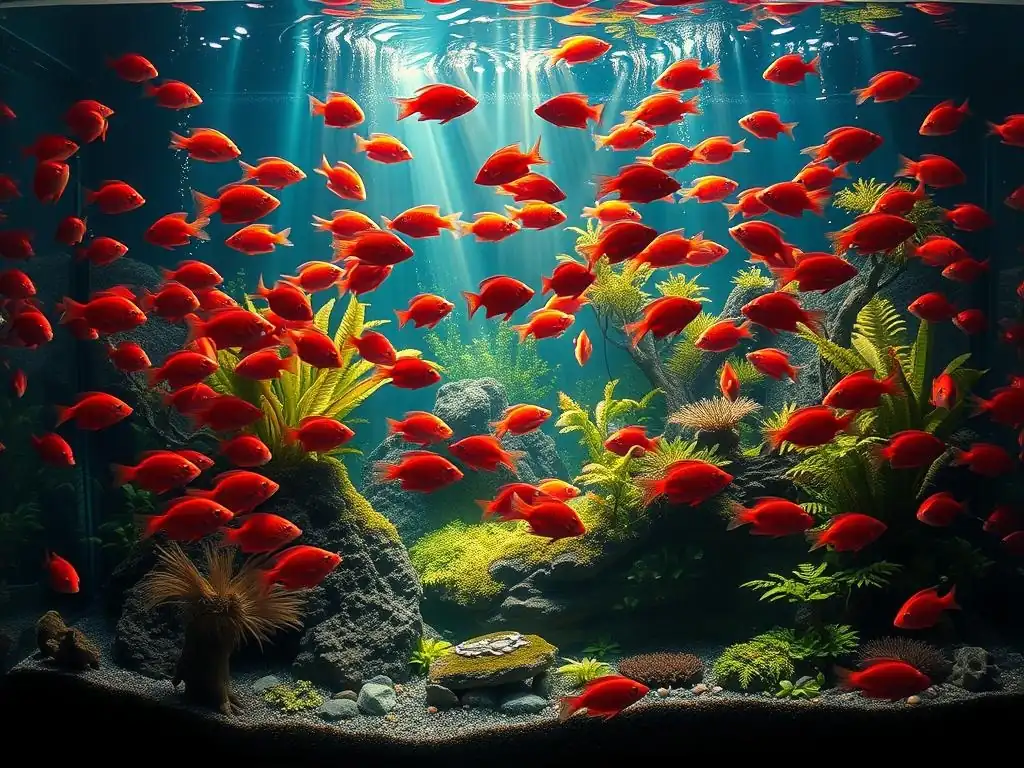
Cherry Barbs (Puntius titteya) are renowned for their generally peaceful temperament, making them excellent candidates for community aquariums. However, their peaceful nature is largely contingent on fulfilling their intrinsic Cherry barb social group needs. In their natural habitat, these fish form large shoals, a survival mechanism that provides safety in numbers against predators. This instinct translates directly to the home aquarium, where they rely on the presence of a group to feel secure and exhibit their characteristic schooling behavior.
While often described as "schooling," Cherry Barbs typically engage in "shoaling," meaning they tend to gather together loosely rather than swimming in highly synchronized formations like some tetra species. This shoaling behavior is crucial for their mental and physical health, as it reduces individual stress and allows for the development of a natural, albeit subtle, social hierarchy. Without a sufficient number of conspecifics, Cherry Barbs can become timid, hide frequently, or, paradoxically, become nippy towards other tank mates due to stress and misdirected aggression.
Defining the Ideal Cherry Barb School Size for a Thriving Aquarium
For Cherry Barbs to truly thrive and exhibit their natural behaviors, a minimum group size of six to eight individuals is widely recommended by experienced aquarists. This number is not arbitrary; it is the critical threshold that allows for the diffusion of dominance displays and ensures that no single fish bears the brunt of potential aggression. In groups smaller than six, the hierarchy can become overly concentrated, with one dominant male potentially harassing a weaker individual to the point of severe stress, leading to fin nipping or even starvation if the bullied fish is too intimidated to feed.
A larger group provides a sense of security, which is paramount for these shy schoolers. When kept in numbers below this minimum, Cherry Barbs often appear stressed, displaying faded colors, clamped fins, and a tendency to hide constantly. Conversely, in a well-established school of six or more, their natural confidence emerges, leading to more active swimming throughout the tank and a greater display of their vibrant colors.
The Impact of School Size on Cherry Barb Stress Levels and Activity
The size of a Cherry Barb school directly correlates with the individual fish's stress levels and overall activity. In larger groups, typically 8-12 or more, Cherry Barbs are significantly more confident, leading to reduced stress. This confidence manifests as bolder exploration of the aquarium, more consistent schooling patterns, and less hiding. For instance, observations in tanks with 10+ Cherry Barbs often show them actively patrolling the mid-water column, engaging in elaborate courtship dances, and displaying their brightest red hues, indicative of a low-stress environment.
Conversely, a smaller group, especially one with only 2-3 individuals, can lead to chronic stress. The fish may become lethargic, prone to fin nipping among themselves (as aggression is not diffused), and reluctant to venture into open spaces. This constant state of anxiety depletes their energy reserves, making them more vulnerable to opportunistic diseases. Meeting their Cherry barb social group needs by providing an adequate school size is therefore a key factor in their long-term health and vitality.
Avoiding Overcrowding: Balancing School Size with Tank Capacity
While a larger school is beneficial for Cherry Barb social dynamics, it is crucial to balance the school size with the aquarium's capacity to avoid overcrowding. Overcrowding leads to a host of problems, including rapid deterioration of water quality due to increased waste, elevated stress levels in all inhabitants, and paradoxically, an increase in aggression due to limited space and resources. A general guideline suggests a minimum of a 20-gallon long (approximately 75 liters) tank for a school of 6-8 Cherry Barbs.
For every additional 2-3 Cherry Barbs beyond the initial six, it is advisable to add an extra 5-10 gallons (19-38 liters) of tank volume to maintain optimal conditions. For example, a school of 12 Cherry Barbs would ideally require a 30-gallon (113 liters) or larger aquarium. Overcrowded conditions can lead to stunted growth, fin rot, and a general decline in the fish's immune response, negating the benefits of a large school. Proper filtration and regular water changes (e.g., 25% weekly) are essential to manage the biological load of a thriving school.
Understanding the Pecking Order Within a Cherry Barb School
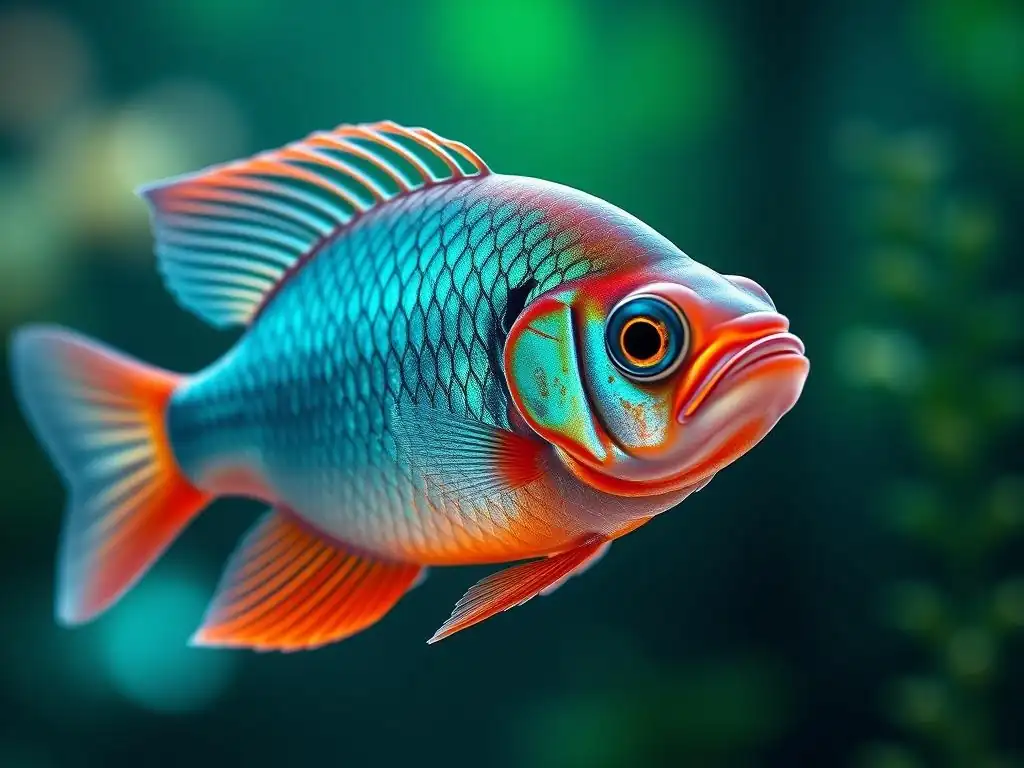
Within a Cherry Barb school, a loose pecking order or hierarchy naturally develops, particularly among male individuals. This hierarchy is typically not overtly aggressive in a well-sized group but rather a subtle display of dominance, often expressed through color intensification and chasing. The most dominant male will often display the most vibrant coloration, especially his deep red body, and may take preferential feeding spots or prime territories within the tank. This is a natural component of their Cherry barb social group needs, helping to organize the group.
This established pecking order helps to maintain stability within the school. While minor chasing and occasional fin-nipping can occur, especially during breeding attempts or feeding times, serious injury is rare in a healthy, adequately sized group. The presence of multiple individuals allows for aggression to be diffused, preventing one fish from being relentlessly targeted. Subordinate males or females will typically display paler colors and yield to the dominant male's presence, ensuring a relatively peaceful coexistence.
Despite their generally peaceful nature, Cherry Barbs can exhibit signs of stress or aggression within their social groups, often indicating that their Cherry barb social group needs are not being fully met. Key indicators of stress include faded coloration, clamped fins (held close to the body), rapid gill movement (indicating labored breathing), and constant hiding or lethargy. Aggression, on the other hand, might manifest as persistent chasing of a single individual, torn or nipped fins (especially on the tail or dorsal fin), and a refusal by some fish to come out during feeding times.
If more than 20% of the school consistently displays faded colors or visible fin damage over several days, it's a strong signal of chronic stress or bullying. This requires immediate intervention, such as increasing the school size, adding more hiding spots, or re-evaluating tank mates. Ignoring these signs can lead to weakened fish that are highly susceptible to disease, eventually impacting the entire social structure and health of the aquarium.
How Cherry Barbs Communicate: Visual Cues and Body Language
Cherry Barbs primarily communicate through a combination of visual cues and subtle body language. Coloration is a powerful indicator: males intensify their brilliant red hues during courtship displays or when asserting dominance, signaling their vitality and readiness to breed. Conversely, a stressed or submissive fish will often "pale out," losing much of its vibrant color, serving as a visual cue to more dominant individuals that it poses no threat.
Fin flaring, particularly by males, is another common form of communication, used to display health, assert territory, or attract a mate. Rapid darting movements, often accompanied by fin flicks, can indicate excitement during feeding or a warning signal to another fish. Understanding these subtle visual signals is crucial for aquarists to accurately interpret the dynamics within their Cherry barb social group needs and proactively address any emerging issues before they escalate into serious problems.
Optimizing Tank Decor to Encourage Natural Schooling Behavior
Creating an optimal tank environment is paramount for supporting the natural Cherry barb social group needs. The ideal setup should provide a balance of open swimming space and dense areas of cover. For instance, in a 20-gallon long aquarium, dedicating approximately 60-70% of the front and middle areas to open water allows the Cherry Barbs ample room to school and swim freely. The remaining 30-40% of the tank, particularly the back and sides, should be heavily planted.
This strategic placement of decor encourages their natural schooling behavior by providing a sense of security. When startled or feeling threatened, the barbs can quickly retreat into the densely planted areas, which reduces their overall stress. Smooth river rocks and driftwood pieces can also be incorporated to create additional visual breaks and subtle territorial markers without posing a risk of injury to the fish.
The Role of Plants and Hiding Places in Reducing Stress
Live plants are indispensable for a Cherry Barb aquarium, playing a vital role in reducing stress and fostering a harmonious social environment. Species such as Java Fern, Anubias, Cryptocoryne, and various stem plants like Rotala or Ludwigia provide excellent cover and visual barriers. These plants offer refuge for less dominant individuals or those feeling a bit overwhelmed by the group's activity, allowing them to de-stress and regroup.
Aiming for at least 50% of the tank's footprint to be covered by plants or other suitable decor that offers hiding spots can significantly lower stress levels within the school. This dense planting mimics their natural habitat, providing a sense of security and encouraging natural foraging behaviors. The presence of ample hiding spots ensures that even if minor squabbles occur, the targeted fish has an immediate escape route, preventing prolonged harassment and promoting the overall well-being of the Cherry barb social group needs.
Stable and appropriate water parameters are foundational to a harmonious social environment for Cherry Barbs. These fish thrive in soft to moderately hard water with a slightly acidic to neutral pH. Ideal parameters include a pH range of 6.0-7.5, general hardness (GH) between 5-12 dGH, and a temperature range of 72-79°F (22-26°C). Consistency is key; sudden fluctuations in any of these parameters can cause significant physiological stress to the fish.
Physiological stress directly impacts their behavior, making them more irritable, lethargic, or prone to aggression, which can disrupt the delicate social balance within the school. Regular water changes, typically 25% weekly, are essential to remove nitrates and replenish essential minerals, ensuring stable water quality. Maintaining pristine water conditions reduces the likelihood of disease outbreaks and promotes robust health, allowing Cherry Barbs to fully express their natural Cherry barb social group needs without the added burden of environmental stressors.
Feeding Strategies for Cherry Barbs in a Schooling Environment
Ensuring Equal Access to Food for All Cherry Barb Members
In a schooling environment, ensuring that all Cherry Barbs receive adequate nutrition can be a challenge due to their natural pecking order and competitive feeding instincts. To mitigate this, it is advisable to scatter food over a wider surface area of the tank rather than dropping it in a single spot. This encourages more individuals to participate simultaneously and prevents dominant fish from monopolizing the food source. Feeding small amounts two to three times a day, rather than one large meal, also helps to ensure that even the shyer or less aggressive individuals get their share.
Unequal access to food can lead to significant problems within the social group. Underfed fish will become weaker, display stunted growth, and may become more susceptible to diseases due to a compromised immune system. These weaker individuals are also more likely to be targeted by dominant fish, exacerbating stress and potentially leading to a breakdown in the Cherry barb social group needs. By promoting equitable feeding opportunities, aquarists can maintain a healthier and more balanced school.
A varied and high-quality diet is crucial for the overall health and social well-being of Cherry Barbs. A staple diet of high-quality flake food or small sinking pellets should be supplemented regularly with a variety of live or frozen foods. Excellent choices include brine shrimp, daphnia, bloodworms, and mosquito larvae. These protein-rich supplements provide essential nutrients that promote vibrant coloration, strong immune systems, and higher energy levels, all of which contribute to positive social interactions.
For instance, feeding live daphnia not only offers excellent nutrition but also acts as an enrichment activity, encouraging natural hunting behaviors and group activity. A well-nourished school is less likely to exhibit stress-induced aggression or lethargy. Studies indicate that fish on a varied diet tend to have better resilience to environmental stressors, which directly translates to a more harmonious social environment and better fulfillment of their Cherry barb social group needs.
Avoiding Competition and Aggression During Feeding Time
Feeding time can be a period of heightened competition and potential aggression within a Cherry Barb school if not managed properly. To minimize this, consistency in feeding times is beneficial, as it reduces anticipation-related stress. Avoid overfeeding, as excess food can rapidly foul the water, leading to poor water quality and increased stress levels, which can trigger aggressive behaviors. Only feed what the fish can consume within 2-3 minutes.
Observing feeding behavior closely is essential. If certain individuals are consistently missing out on food, consider implementing strategies such as introducing food at two opposite ends of the tank simultaneously, or temporarily distracting the most dominant fish while others feed. Providing a varied diet, as mentioned, also helps, as some foods might be preferred by certain individuals, diversifying their feeding patterns and reducing direct competition for a single food type.
Identifying Fish That Complement Cherry Barb Temperament
Selecting appropriate tank mates is critical for maintaining the social harmony and fulfilling the Cherry barb social group needs. Ideal companions are peaceful, similarly sized, and prefer similar water parameters. Excellent choices include other peaceful schooling fish such as Neon Tetras, Cardinal Tetras, Harlequin Rasboras, and other small Rasbora species. Bottom dwellers like Corydoras catfish and Otocinclus catfish are also highly compatible, as they occupy a different water column and do not compete for territory.
Peaceful dwarf cichlids, such as German Blue Rams, can also be considered in larger tanks (30 gallons or more) that offer ample hiding spots, as they generally mind their own business. These species tend to be non-aggressive towards Cherry Barbs and contribute to a diverse and active community tank without causing undue stress. The goal is to create a multi-species environment where each fish can thrive without fear of predation or constant harassment.
Avoiding Aggressive or Predatory Tank Mates
To ensure the safety and well-being of Cherry Barbs, it is imperative to avoid aggressive, fin-nipping, or predatory tank mates. Large cichlids, such as Oscars or Texas Cichlids, are entirely unsuitable as they will view Cherry Barbs as food. Similarly, larger, more boisterous barbs like adult Tiger Barbs can be problematic; while they are also schooling fish, their propensity for fin nipping can be detrimental to the longer-finned Cherry Barbs, especially if the Tiger Barb school is too small.
Any fish that is significantly larger than a Cherry Barb and possesses a mouth large enough to swallow them should be avoided. Even seemingly peaceful fish that grow very large, like some species of Gouramis, can become territorial or intimidating to smaller, shyer fish as they mature. Housing Cherry Barbs with such incompatible species will inevitably lead to chronic stress, injury, and likely the loss of the Cherry Barbs, undermining their core Cherry barb social group needs.
Creating a successful community tank that promotes social balance requires careful planning and research into each species' specific requirements and temperament. It's not just about avoiding aggressive fish, but also ensuring adequate space for all inhabitants and considering their preferred water parameters and swimming levels. For example, a 30-gallon tank could comfortably house a school of 8 Cherry Barbs, 6 Corydoras catfish, and 5 Harlequin Rasboras, as they occupy different niches and have similar environmental needs.
Introduce new fish gradually, especially bottom dwellers, to minimize stress. Providing ample hiding spots and visual barriers through live plants and decor helps to break up lines of sight and reduce territorial disputes among all species. A well-planned community tank allows Cherry Barbs to exhibit their natural behaviors, contributing to a vibrant and peaceful aquatic display where their Cherry barb social group needs are met in harmony with other species.
Addressing Aggression and Bullying Within the School
Even in seemingly ideal conditions, social problems like aggression and bullying can occasionally arise within a Cherry Barb school. If you observe persistent chasing, fin nipping, or a single fish being constantly targeted, the first step is to assess the school size. Often, aggression stems from an insufficient number of individuals, which concentrates the pecking order onto fewer targets. Increasing the school size to 8-12 individuals can often diffuse aggression effectively, as the dominant fish's attention is spread more widely.
Another common cause is a lack of adequate hiding spots or visual breaks. Adding more dense live plants, driftwood, or smooth rocks can provide refuge for bullied individuals and break up lines of sight, reducing opportunities for harassment. If the problem persists, re-evaluating tank mates for compatibility is crucial. In rare cases, a single highly aggressive individual may need to be removed from the main tank and rehomed to restore peace within the Cherry barb social group needs.
Dealing with Shy or Isolated Cherry Barbs
A Cherry Barb that is consistently shy, withdrawn, or isolates itself from the rest of the school is a strong indicator that its Cherry barb social group needs are not being met or that it is experiencing stress. First, confirm that the school size is at least the recommended minimum of six to eight individuals. A small group can make individual fish feel exposed and vulnerable, leading to reclusive behavior.
Next, check water parameters meticulously for any fluctuations or suboptimal levels, as poor water quality is a significant stressor. Assess tank mates for potential intimidation; even seemingly peaceful fish can inadvertently stress shyer species. Providing more dense plant cover and hiding places can offer the isolated barb a sense of security, encouraging it to rejoin the group. If the issue persists, consider observing for signs of illness, as a sick fish will often withdraw from the group before other symptoms become apparent.
Illness can significantly impact a Cherry Barb's social behavior, often manifesting as withdrawal, lethargy, or even irritability that disrupts the social dynamic. Recognizing the early signs of illness is crucial for prompt treatment and maintaining the health of the entire school. Symptoms to watch for include clamped fins, loss of appetite, abnormal swimming patterns (e.g., darting, spiraling), visible spots (like Ich), fungal growths, or unusual bloating.
A sick fish will often isolate itself from the group, hide more frequently, or show a general disinterest in food and social interactions. If an illness is suspected, the affected fish should ideally be moved to a separate quarantine tank to prevent the spread of disease to the rest of the school. Treating the specific illness promptly not only saves the individual fish but also protects the overall health and stability of the Cherry barb social group needs. Maintaining stable water parameters and a high-quality diet are the best preventative measures against disease.
Creating a Separate Breeding Tank to Minimize Stress on the School
When considering breeding Cherry Barbs, it is highly recommended to set up a separate breeding tank to minimize stress on the main school and maximize fry survival. Cherry Barbs are egg scatterers and, like many fish, will readily consume their own eggs and fry. A dedicated breeding tank, typically 5-10 gallons (19-38 liters), allows for controlled conditions and protects the delicate eggs and newly hatched fry from predation by the adult barbs and other tank inhabitants.
To prepare the breeding tank, include a spawning mop, Java Moss, or a layer of marbles on the bottom to provide a substrate where eggs can fall and be protected from the parents. Condition a selected pair or trio of Cherry Barbs in the main tank with high-quality, protein-rich foods for several days to weeks. Once plump with eggs, transfer them to the breeding tank, usually in the evening. This approach ensures that the social structure of the main display tank remains undisturbed, and the breeding process does not induce unnecessary stress on the entire school.
Protecting Fry from Predation by Adult Cherry Barbs
Protecting Cherry Barb fry from predation by their own parents is the primary reason for using a separate breeding tank. Once spawning has occurred—often indicated by a noticeable reduction in the female's girth and the presence of tiny, clear eggs on the spawning mop or substrate—the adult Cherry Barbs should be promptly removed from the breeding tank. If left in, they will systematically search for and consume every egg and fry.
After the fry hatch (typically within 24-48 hours), they are incredibly tiny, about 2 millimeters long, and free-swimming within another 2-3 days. During this vulnerable stage, ensure that any filtration in the breeding tank is gentle, such as a sponge filter, to prevent the delicate fry from being sucked up. For the first few days, fry require infusoria or liquid fry food, transitioning to newly hatched brine shrimp or microworms as they grow, usually within a week.
Maintaining optimal conditions in the fry tank is crucial not only for their physical growth but also for their social development. Consistent water quality is paramount; frequent, small water changes (e.g., 10% daily) with temperature and pH-matched water are necessary to prevent the buildup of nitrates and ensure a healthy environment. Overfeeding should be avoided, as it quickly fouls the water.
As the fry grow, they will naturally begin to exhibit shoaling behavior, much like their parents. Providing them with a clean, stable environment and ample, appropriate food allows them to grow at a healthy rate, ensuring they develop into robust individuals ready to integrate into a social group. Early stress or poor development can lead to stunted growth and potentially affect their ability to interact normally within a school later on, impacting their future Cherry barb social group needs.
Utilizing Observation Techniques to Monitor School Dynamics
Advanced aquarists understand that consistent and methodical observation is key to truly understanding and enhancing Cherry barb social group needs. Dedicate 10-15 minutes daily to simply sit and watch your Cherry Barbs. Look beyond their general activity; pay close attention to subtle behavioral cues. Note which fish are interacting, whether any individuals are consistently isolated or being chased, and how their colors fluctuate.
Keeping a simple log of these observations can help identify patterns over time. For instance, if you notice a specific male consistently harassing another for several days, it might indicate an emerging problem that requires intervention. Conversely, observing consistent schooling, vibrant colors, and active foraging across all individuals signifies a healthy and well-adjusted social group. This detailed monitoring allows for proactive adjustments to the environment or group composition before minor issues escalate.
To further enhance Cherry Barb social behavior and overall well-being, consider implementing various enrichment activities. Introducing new, safe aquarium decor periodically, such as a new piece of driftwood or a ceramic cave, can stimulate curiosity and encourage exploration of new territories within the tank. This novelty can also subtly shift social dynamics, providing new hiding spots or points of interest.
Varying the types of food offered, especially incorporating live foods like daphnia or small worms, promotes natural foraging behaviors. When live food is scattered throughout the tank, it encourages the entire school to actively hunt and forage together, reinforcing their natural instincts and group cohesion. Such activities not only provide mental stimulation but also strengthen the bonds and interactions within the Cherry barb social group needs.
Introducing Novel Objects, Varying Water Flow, and Scatter Feeding
Beyond standard enrichment, more advanced techniques can further refine the Cherry Barb's environment. Occasionally introducing novel, non-toxic objects (e.g., a smooth, clean river stone, a new type of plant) can pique their curiosity and encourage exploration, breaking up monotony. While Cherry Barbs prefer slower-moving water, a gentle, varying water flow from a well-placed filter outlet or small powerhead (directed away from dense plants) can simulate natural stream conditions. This encourages active swimming and provides subtle environmental changes that can stimulate their senses.
Finally, perfecting scatter feeding as an advanced technique goes beyond simply spreading food. Observe how the school reacts to food scattered across different areas of the tank or at varying depths. This encourages the entire group to engage in foraging, rather than just the most dominant individuals, ensuring equitable access and reducing competition-related stress. These subtle adjustments contribute significantly to a dynamic and thriving environment that fully supports the Cherry barb social group needs.
Recap of Key Considerations for a Thriving Cherry Barb School
Ensuring the well-being of Cherry Barbs in an aquarium hinges entirely on understanding and faithfully meeting their inherent Cherry barb social group needs. A thriving school is built upon several critical pillars: maintaining an adequate group size of at least six to eight individuals to diffuse aggression and promote confidence; providing a meticulously designed tank setup with a balance of open swimming space and dense plant cover for security; ensuring stable and appropriate water parameters to minimize stress; offering a varied and high-quality diet to support robust health; and carefully selecting compatible tank mates to foster a harmonious community. Proactive observation and timely intervention are also indispensable for addressing any emerging social issues.
When these key considerations are consistently met, Cherry Barbs transform from shy, stressed individuals into vibrant, active members of a cohesive school. Their natural colors will intensify, their schooling behaviors will become more pronounced, and their overall lifespan will be maximized. Neglecting any of these aspects can quickly lead to a decline in health and behavioral problems, underscoring the profound impact that social factors have on these beautiful fish.
Encouraging Responsible Cherry Barb Keeping Through Understanding
Responsible Cherry Barb keeping extends far beyond simply providing a tank and food; it involves a deep understanding and appreciation of their complex social requirements. By recognizing that Cherry Barbs are not solitary creatures but rather highly social fish dependent on their group for security, health, and behavioral expression, aquarists can cultivate an environment where these "shy schoolers" truly flourish. This educational approach empowers hobbyists to make informed decisions, from initial setup to ongoing maintenance, ensuring that every Cherry Barb has the opportunity to live a long, healthy, and fulfilling life.
Ultimately, prioritizing Cherry barb social group needs contributes to a more ethical and rewarding aquarium experience. It transforms a simple fish tank into a dynamic ecosystem where these captivating barbs can display their full natural splendor, swim with confidence, and interact in ways that are both fascinating to observe and vital for their well-being. This commitment to understanding their social intricacies sets the standard for truly responsible aquarism.
Frequently Asked Questions
Cherry Barbs are social fish and thrive in groups. A minimum of 6-8 individuals is recommended to allow them to exhibit natural schooling behavior and reduce stress.
Without a sufficient group, Cherry Barbs can become stressed, shy, and prone to illness. Proper social interaction helps them feel secure and encourages natural behaviors like schooling and breeding.
Male Cherry Barbs display their brightest red coloration when they are competing for the attention of females within a social group. A lack of competition can result in duller colors.
Signs include hiding, lack of appetite, clamped fins, and faded coloration. These can indicate stress caused by inadequate group size or bullying from other fish.
Yes, but it's crucial to choose peaceful tank mates that won't bully or outcompete them for food. A harmonious community tank can enhance their sense of security, but a stressful environment can disrupt their social dynamics.
Final Reflection: The Vibrant Tapestry of Cherry Barb Society
The intricate social dynamics of Cherry Barbs, as we've explored, are not merely an academic curiosity but a vital consideration for responsible aquarium keeping. Understanding their inherent need for a thriving social group directly translates into the health, happiness, and vibrant display of these captivating fish in our homes. Ignoring these needs leads to stress, illness, and a diminished representation of their natural beauty.
The impact of understanding Cherry Barb social behavior extends beyond the individual aquarium. It underscores a broader principle: the ethical responsibility we have to understand and respect the complex needs of any animal we choose to keep. The greatness of a nation and its moral progress can be judged by the way its animals are treated.
- Mahatma Gandhi. This quote resonates deeply when considering the often-overlooked social complexities of even small creatures like the Cherry Barb.
Now, as you consider your own aquarium, or perhaps even contemplate starting one, take a moment to reflect. Are you truly meeting the Cherry barb social group needs? Are you providing an environment where they can thrive, express their natural behaviors, and contribute to a vibrant, balanced ecosystem? Let this knowledge inspire you to create not just a tank, but a thriving community, a testament to your commitment to responsible and compassionate fishkeeping.
Ignite the Cherry Barb Community: Dive Deeper!
Thank you for exploring the fascinating social dynamics of Cherry Barbs with us! Now that you're equipped with insights into their shoaling behavior and group needs, let's turn that knowledge into action. Here's how you can further enrich your understanding and appreciation for these vibrant fish:
- Prioritize their sociability: Ensure you keep at least six Cherry Barbs together to foster a secure and stimulating environment, unlocking their natural behaviors. This is the single most important thing you can do!
- Delve into interactive learning: Join online aquarium communities and share your experiences in keeping Cherry Barbs, and learn from others.
- Observe and Document: Spend some time recording the interactions between your Cherry Barbs. What are the subtle cues and displays they exhibit?
What unique behaviors have you observed in your own Cherry Barb school, and how has that influenced your aquarium setup?