
The Oto Dilemma: Why Are Otocinclus So Hard to Keep? Expert Tips for Success

Welcome to Aquarium Mastery!
Ever wondered why those adorable little Oto catfish sometimes seem to vanish despite your best efforts? You're not alone! Many aquarists struggle with the seemingly delicate care of these algae-eating heroes. Dive into "The Oto Dilemma" and uncover the secrets to successfully keeping these fascinating fish thriving in your freshwater aquarium. Prepare to debunk common myths and discover expert tips that will transform your Oto catfish care from a challenge to a triumph. Ready to unlock the mystery?
- Understanding the Otocinclus Catfish: A Delicate Algae Eater
-
Frequently Asked Questions
- Why are Oto catfish considered difficult to keep in aquariums?
- What are the most crucial water parameters to monitor for Oto catfish?
- What type of food should I provide for Oto catfish besides algae?
- How important is acclimation when introducing Oto catfish to a new aquarium?
- What are some common signs of stress or illness in Oto catfish?
- Final Reflection: Navigating the Delicate Balance of Life
- Transform Your Tank: Create an Oto-Friendly Oasis!
Understanding the Otocinclus Catfish: A Delicate Algae Eater
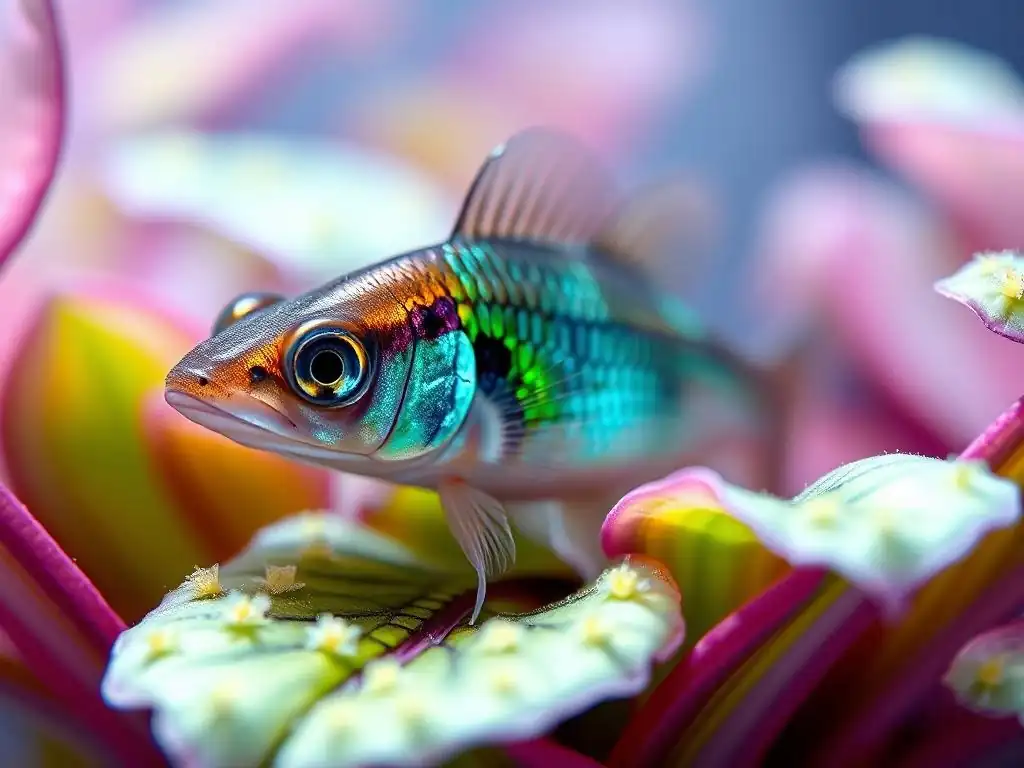
What Makes Otocinclus Catfish Unique? (Small size, peaceful nature, sucker mouth, brown/grey coloration)
Otocinclus catfish, often affectionately called "Otos," are petite freshwater fish renowned for their industrious algae-eating habits. Typically reaching an adult size of just 1.5 to 2 inches (3.8 to 5 cm), their diminutive stature makes them ideal inhabitants for smaller aquariums, including nano tanks as compact as 10 gallons.
Their most distinguishing feature is their ventral sucker mouth, perfectly adapted for grazing on biofilm and soft algae from hard surfaces like glass, rocks, and plant leaves. Their coloration usually ranges from a muted brown to a silvery grey, often featuring a dark lateral stripe running from snout to tail, providing excellent camouflage in their natural, densely vegetated habitats.
Beyond their unique physical adaptations, Otocinclus are celebrated for their exceptionally peaceful demeanor. Unlike some larger bottom dwellers, they pose no threat to other fish, invertebrates, or even delicate plant species. They are schooling fish by nature, thriving when kept in groups of at least six individuals, which helps mitigate stress and encourages natural behaviors. This combination of small size, non-aggressive temperament, and specialized feeding makes them a highly sought-after addition for aquarists seeking natural algae control without impacting the rest of their community.
The Appeal and the Challenge: Why Oto Catfish are Popular Yet Perplexing
The widespread appeal of Otocinclus catfish stems largely from their reputation as efficient, natural algae cleaners and their suitability for smaller aquarium setups. Many hobbyists, particularly those with planted tanks, turn to Otos to manage nuisance algae without resorting to chemical treatments. Their charming, busy movements as they meticulously graze across surfaces add a dynamic element to any freshwater ecosystem, making them an attractive choice for both novice and experienced aquarists. Their small bioload also means they contribute minimally to tank pollution, a significant advantage in maintaining stable water parameters.
Despite their undeniable charm and utility, Otocinclus catfish are notoriously challenging to keep long-term, leading many aquarists to experience what's often termed the "Oto dilemma." High mortality rates, especially within the first few weeks after purchase, are a common frustration. This perceived Oto catfish difficult care often deters new hobbyists, yet with proper understanding and preparation, these delicate fish can thrive. The primary challenge lies in their specific environmental and dietary needs, which are often misunderstood or underestimated, contributing significantly to their fragility in captivity.
Frequently Asked Questions
Why are Oto catfish considered difficult to keep in aquariums?
Oto catfish are sensitive to water quality fluctuations and require a well-established aquarium with plenty of algae to graze on. Sudden changes in parameters or lack of food can lead to stress and ultimately, death.
What are the most crucial water parameters to monitor for Oto catfish?
Maintaining stable and pristine water conditions is key. This includes keeping ammonia and nitrite at 0 ppm, nitrates as low as possible (ideally under 20 ppm), and a stable pH between 6.5 and 7.5.
What type of food should I provide for Oto catfish besides algae?
While they primarily feed on algae, supplementing their diet with algae wafers or blanched vegetables like zucchini or spinach is essential, especially in tanks with limited algae growth. This helps ensure they get adequate nutrition.
How important is acclimation when introducing Oto catfish to a new aquarium?
Proper acclimation is extremely important. Use a drip acclimation method over several hours to slowly introduce them to the new water parameters, minimizing stress and improving their chances of survival.
What are some common signs of stress or illness in Oto catfish?
Look for signs like lethargy, clamped fins, a sunken belly indicating starvation, or rapid breathing. These symptoms often indicate poor water quality or insufficient food, requiring immediate action to correct the issues.
The challenges highlighted throughout this article regarding Otocinclus care underscore a larger truth: the fragility of ecosystems, both within our aquariums and in the natural world, demands constant vigilance and informed action. The "Oto Dilemma" isn't just about keeping a small fish alive; it's a microcosm of the broader responsibility we have to understand and protect the delicate balance of life around us. Ignoring the specific needs of these creatures, as we've seen, leads to predictable and preventable failure, mirroring the consequences of neglecting larger environmental concerns.
This journey into the intricacies of Otocinclus care has profoundly impacted my understanding of responsible aquascaping and the interconnectedness of all living things. It's a constant reminder that even seemingly simple ecosystems require careful consideration and a commitment to ongoing learning. In the end, we will conserve only what we love; we will love only what we understand; and we will understand only what we are taught.
- Baba Dioum. This quote perfectly encapsulates the core of the issue: understanding the Oto's needs is the first step towards successfully keeping them and, more broadly, appreciating the importance of biodiversity.
Now, armed with this knowledge, I urge you to reflect on your own practices, not just in aquariums, but in all aspects of your life. Consider the impact of your choices on the environment and strive to cultivate a deeper understanding of the delicate balance that sustains us all. Let the "Oto Dilemma" serve as a constant reminder: informed care, diligent observation, and a commitment to continuous learning are essential for fostering thriving ecosystems, both big and small.
Transform Your Tank: Create an Oto-Friendly Oasis!
Thank you for diving into the world of Otocinclus! We hope this article has shed light on the delicate nature of these algae-eating heroes and equipped you with the knowledge to care for them properly. Now, it's time to put that knowledge into action and create a thriving environment for your future Otos.
Here's how you can make a difference:
- Prioritize a Mature and Stable Tank: Ensure your aquarium has been established for several months with stable water parameters before introducing Otocinclus. This is the most crucial factor for their survival.
- Explore alternative algae control methods in the meantime. Consider introducing snails or manually removing algae to maintain a clean tank while you prepare for Otos.
- Share this article with other aquarium enthusiasts! Help spread awareness about responsible Otocinclus keeping and contribute to their well-being.
Ready to commit to providing a genuinely safe and thriving environment for Otocinclus in your aquarium? What specific steps will you take this week to ensure your tank is Oto-ready?