
Limnophila Sessiliflora (Ambulia): Easy Alternative to Cabomba Explained

Welcome to Aquarium Mastery, your ultimate guide to thriving aquatic ecosystems!
Intrigued by the lush beauty of Limnophila Sessiliflora, also known as Ambulia, but unsure where to start? You've come to the right place! This Limnophila Sessiliflora care guide unveils the secrets to successfully growing this stunning, easy-to-care-for alternative to Cabomba. Discover everything you need to know about providing the perfect environment for this captivating plant and watch it flourish in your freshwater aquarium. Ready to dive in and create a vibrant underwater paradise? Let's get started!
- Limnophila Sessiliflora: Comprehensive Care Guide for Aquariums
- Understanding Limnophila Sessiliflora
- Essential Care Requirements for Limnophila Sessiliflora
- Planting and Propagation Techniques
- Troubleshooting Common Issues
- Limnophila Sessiliflora in Aquascaping
- Conclusion: Thriving with Limnophila Sessiliflora
-
Frequently Asked Questions
- What are the ideal water parameters for Limnophila Sessiliflora?
- How much light does Limnophila Sessiliflora need?
- What are some common problems when growing Limnophila Sessiliflora and how can I fix them?
- How does Limnophila Sessiliflora compare to Cabomba in terms of care difficulty?
- How do I propagate Limnophila Sessiliflora?
- Final Reflection: Cultivating Growth, Within and Without
- Cultivate Your Dream Aquarium: Awaits!
Limnophila Sessiliflora: Comprehensive Care Guide for Aquariums
Understanding Limnophila Sessiliflora
What is Limnophila Sessiliflora?
Limnophila sessiliflora, commonly known as Ambulia, is a highly popular and relatively easy-to-care-for stem plant widely used in freshwater aquariums. Originating from Southeast Asia, particularly India and Sri Lanka, this plant is cherished for its delicate, feathery leaves that grow in whorls around a central stem, typically displaying a vibrant bright green coloration. Its adaptable nature and attractive appearance make it a favorite among both novice and experienced aquarists looking for a versatile background or midground plant.
Under optimal conditions, Limnophila sessiliflora can exhibit rapid growth, often reaching heights of 8 to 16 inches (20-40 cm) and spreading to a width of 2 to 4 inches (5-10 cm). It is not uncommon for healthy stems to grow 1-2 inches (2.5-5 cm) per week, quickly filling out an aquarium with lush foliage. This robust growth habit, combined with its aesthetic resemblance to more demanding plants like Cabomba, makes Limnophila sessiliflora an excellent and more forgiving alternative for aquascaping, requiring less stringent conditions for a similar visual impact.
Benefits of Limnophila Sessiliflora in a Freshwater Aquarium.
Integrating Limnophila sessiliflora into a freshwater aquarium offers significant benefits for water quality. Like many fast-growing aquatic plants, it acts as a natural filter, efficiently absorbing excess nitrates and phosphates that accumulate from fish waste and uneaten food. This nutrient uptake actively competes with nuisance algae, helping to prevent unsightly algae blooms and promoting a cleaner, more stable aquatic environment. Furthermore, through photosynthesis, Limnophila sessiliflora oxygenates the water, contributing to a healthier environment for fish and beneficial bacteria, especially in heavily stocked or low-flow tanks.
Beyond its water purification capabilities, Limnophila sessiliflora provides crucial habitat and enrichment for aquarium inhabitants. Its dense, bushy growth creates excellent hiding spots and a sense of security for shy fish species, developing fry, and invertebrates like shrimp, reducing stress and encouraging natural behaviors. The intricate structure of its leaves also provides ample surface area for the growth of beneficial biofilm, which serves as a food source for shrimp and small snails, enhancing the overall biodiversity and stability of the planted tank ecosystem.
Distinguishing Limnophila Sessiliflora from Similar Species.
Limnophila sessiliflora is often confused with Cabomba caroliniana (Carolina Fanwort) due to their similar feathery leaf structure and use as background plants. However, a key distinction lies in their robustness and care requirements: Limnophila sessiliflora generally possesses slightly thicker, more resilient leaves that are less prone to breaking or melting, making it significantly more forgiving for beginners. Cabomba species, in contrast, typically demand higher light intensity and often benefit greatly from CO2 injection to thrive, while Limnophila sessiliflora can flourish under moderate conditions.
Other similar species include Limnophila aquatica (Giant Ambulia) and Limnophila indica. L. aquatica tends to grow larger and can develop reddish or brownish hues under intense lighting, whereas L. sessiliflora maintains a more consistent bright green. L. indica might appear similar but L. sessiliflora usually exhibits more compact whorls of leaves. For those seeking an accessible Limnophila sessiliflora care guide, understanding these distinctions helps confirm plant identification and ensures appropriate care, as L. sessiliflora is generally the most adaptable of its close relatives for typical home aquarium setups.
Essential Care Requirements for Limnophila Sessiliflora
Water Parameters for Optimal Growth.
Achieving optimal growth for Limnophila sessiliflora heavily relies on maintaining stable and suitable water parameters. The ideal temperature range for this plant is between 72-82°F (22-28°C), aligning well with most tropical community fish. Regarding pH, Limnophila sessiliflora prefers a slightly acidic to neutral range, typically from 6.0 to 7.5. While it can tolerate minor fluctuations, significant swings outside this range can stress the plant and impede its growth.
Water hardness is also a factor, with Limnophila sessiliflora thriving in soft to medium hard water, specifically 2-15 dGH (degrees of General Hardness). Although it is quite adaptable, consistent parameters within these ranges will promote the healthiest and most vibrant growth. Regular testing using a reliable aquarium test kit, such as the API Freshwater Master Test Kit, is highly recommended, ideally performed weekly for new setups and bi-weekly for established tanks, to monitor and adjust parameters as needed.
Ideal Temperature, pH, and Water Hardness.
As detailed, the sweet spot for temperature for Limnophila sessiliflora is 72-82°F (22-28°C), ensuring active metabolism without causing heat stress. A pH range of 6.0-7.5 supports efficient nutrient uptake, particularly for iron and other micronutrients, which are crucial for vibrant green coloration. Water hardness, measured as dGH, should ideally be kept between 2-15, as excessively hard water can sometimes hinder nutrient absorption or lead to calcium buildup on leaves.
Maintaining these specific parameters consistently is more important than hitting exact numbers, as sudden fluctuations can be detrimental. For instance, a pH drop from 7.5 to 6.0 in a short period could shock the plant. Gradual adjustments, if necessary, are key to a successful Limnophila sessiliflora care guide strategy.
Importance of Regular Water Changes.
Regular water changes are paramount for the long-term health and vitality of Limnophila sessiliflora. Performing weekly or bi-weekly water changes of 25-30% of the tank volume helps to replenish essential trace elements that plants consume, such as potassium, magnesium, and boron, while simultaneously removing accumulated nitrates, phosphates, and other organic waste products that can become toxic in high concentrations. This constant refreshing of the water column provides fresh nutrients and maintains overall water quality.
Clean water also plays a critical role in preventing the proliferation of algae, which directly competes with Limnophila sessiliflora for available nutrients and light. By regularly removing waste and reducing nutrient spikes, water changes mitigate the conditions that favor algae growth, allowing the plant to thrive without excessive competition. Consistent water changes are a fundamental component of any effective Limnophila sessiliflora care guide, ensuring a pristine environment for both plants and fish.
Lighting Requirements for Healthy Growth.
Limnophila sessiliflora flourishes under moderate to high lighting conditions. To achieve robust and compact growth, a light intensity of approximately 20-40 PAR (Photosynthetically Active Radiation) at the substrate level is generally recommended for a tank depth of 12-18 inches. Insufficient lighting can lead to leggy growth, pale leaves, and a tendency for the plant to "reach" for light, losing its characteristic bushy form. Conversely, excessive light without adequate CO2 and nutrient supplementation can trigger aggressive algae growth, which will outcompete the plant.
The duration of lighting is equally important for Limnophila sessiliflora's health. An ideal photoperiod typically ranges from 8 to 10 hours per day. Using a reliable timer to ensure consistent light cycles is highly beneficial, as irregular lighting can stress plants and contribute to algae issues. Exceeding a 10-hour photoperiod often provides no additional benefit to plant growth and significantly increases the risk of algae outbreaks, particularly if the tank is not heavily planted or lacks CO2 injection.
Light Intensity and Duration.
For optimal light intensity, aiming for 20-40 PAR at the deepest point where Limnophila sessiliflora is planted will encourage vigorous growth and vibrant coloration. In lower light setups (e.g., 10-15 PAR), the plant may still survive but will exhibit slower growth and a more elongated, less dense structure. As for duration, a consistent 8-10 hour photoperiod mimics natural daylight cycles and prevents the plant from becoming stressed, which is crucial for any comprehensive Limnophila sessiliflora care guide.
It is important to remember that light intensity is inversely proportional to tank depth; a light that provides 30 PAR at 12 inches might only provide 15 PAR at 24 inches. Therefore, selecting lighting appropriate for your tank's specific dimensions is essential for the healthy development of Limnophila sessiliflora.
Selecting Appropriate Aquarium Lighting.
When choosing lighting for your Limnophila sessiliflora, full-spectrum LED lights specifically designed for planted aquariums are highly recommended. Brands such as Chihiros, Twinstar, and Fluval Plant 3.0 offer excellent PAR output and broad spectrums that support robust plant photosynthesis. Many modern LED fixtures also come with adjustable intensity or dimming features, allowing aquarists to fine-tune the light levels to prevent algae and optimize plant growth.
While PAR is the primary factor for plant growth, the color temperature (measured in Kelvin) also plays a role in how the tank appears visually. A color temperature between 6500K and 8000K is generally considered ideal, as it closely mimics natural daylight and enhances the vibrant green hues of Limnophila sessiliflora while promoting healthy photosynthesis. Ensuring the light source is powerful enough to penetrate to the lower leaves of taller plants will prevent the bottom portions from deteriorating due to light starvation.
Substrate and Fertilization.
While Limnophila sessiliflora is primarily a stem plant that absorbs nutrients from the water column, a suitable substrate plays a crucial role in anchoring the plant and providing a supplementary source of nutrients for its developing root system. Nutrient-rich substrates, such as ADA Aqua Soil, Fluval Stratum, or CaribSea Eco-Complete, are highly recommended as they slowly release essential minerals and trace elements, promoting stronger root development and overall healthier growth. If using an inert substrate like gravel or sand, supplementing with root tabs inserted near the base of the plants will provide localized nutrient delivery.
The depth of the substrate is also important; aim for at least 2-3 inches (5-7.5 cm) to allow for secure rooting and to create a stable environment for nutrient exchange within the substrate. A sufficient substrate depth also helps prevent the stems from floating up, which can be a common issue with newly planted stem cuttings. A well-chosen substrate forms the foundation for a thriving Limnophila sessiliflora care guide strategy, ensuring the plant has access to both water column and substrate-based nutrients.
Suitable Substrates for Rooting.
For optimal rooting and nutrient absorption, active substrates like aqua soils are superior. These substrates are specifically formulated to provide a rich environment for plant roots, often buffering pH to a slightly acidic range which Limnophila sessiliflora prefers. When planting Limnophila sessiliflora, ensure that the bottom 1-2 inches (2.5-5 cm) of the stem are securely buried in the substrate to encourage root growth and prevent buoyancy.
Inert substrates, while less ideal on their own, can be made suitable with the addition of root tabs. These tabs typically contain a slow-release form of iron, potassium, and other micronutrients crucial for root health. For a comprehensive Limnophila sessiliflora care guide, understanding the role of substrate in providing a stable and nutrient-rich base is fundamental.
Macro and Micro Nutrient Requirements.
Limnophila sessiliflora requires a balanced supply of both macro and micro nutrients to thrive. Macro nutrients, including Nitrogen (N), Phosphorus (P), and Potassium (K), are needed in larger quantities and are often supplied through liquid fertilizers like Seachem Flourish, Aquarium Co-Op Easy Green, or NilocG Aquatics Thrive. Dosing these complete liquid fertilizers weekly, according to product instructions, ensures the plant has access to the building blocks for rapid growth.
Micro nutrients, such as Iron (Fe), Manganese (Mn), Boron (B), Zinc (Zn), Copper (Cu), and Molybdenum (Mo), are required in smaller amounts but are equally vital. Iron, in particular, is crucial for vibrant green coloration and preventing chlorosis (yellowing of leaves). If leaves appear pale or yellow, an iron supplement might be necessary. While not strictly required, CO2 injection can dramatically accelerate the growth rate of Limnophila sessiliflora, potentially tripling its growth in high-tech setups by increasing the rate of photosynthesis.
Planting and Propagation Techniques
Planting Limnophila Sessiliflora in the Aquarium.
When preparing to plant Limnophila sessiliflora, gently remove the plant from its packaging or original bunch. Carefully separate individual stems, being mindful not to damage the delicate leaves or roots. Before planting, inspect the lower portion of each stem; remove any damaged, decaying, or yellowing leaves from the bottom 1-2 inches (2.5-5 cm) of the stem. This step is crucial as decaying plant matter buried in the substrate can lead to anaerobic conditions and melt. If the roots are excessively long, a slight trim can encourage new, healthier root growth.
Using aquascaping tweezers, carefully insert each individual stem into the substrate, ensuring that at least 1-2 inches (2.5-5 cm) of the stem is securely buried. Plant the stems a few inches apart (e.g., 1-2 inches / 2.5-5 cm) to allow for adequate water circulation around each plant and to ensure light penetrates to the lower leaves, preventing shading and deterioration. Planting in small groups of 3-5 stems can create a denser, more natural "bushy" effect, contributing to a lush aquascape.
Preparing Cuttings for Planting.
To prepare cuttings from an existing Limnophila sessiliflora plant, use sharp aquascaping scissors to snip off healthy tops, typically 4-6 inches (10-15 cm) in length. Ensure the cutting includes several nodes (points where leaves emerge from the stem), as these are where new roots will sprout. Remove the leaves from the bottom 1-2 inches of the cutting to expose the nodes, which will be buried in the substrate.
This meticulous preparation minimizes the risk of rot and ensures the cutting has the best chance of developing a strong root system. A clean cut and removal of submerged leaves are fundamental steps in any Limnophila sessiliflora care guide focused on successful propagation.
Optimal Planting Depth and Spacing.
Optimal planting depth for Limnophila sessiliflora cuttings is approximately 1-2 inches (2.5-5 cm) into the substrate. This depth provides sufficient anchoring while allowing the upper portion of the stem to be fully exposed to light. When planting multiple stems, maintaining a spacing of 1-2 inches (2.5-5 cm) between individual stems is crucial.
Proper spacing ensures that each plant receives adequate light and nutrients, preventing overcrowding. Overcrowding can lead to shading of lower leaves, hindering growth and potentially causing melting. This strategic planting approach ensures each Limnophila sessiliflora plant thrives and contributes to a visually appealing, healthy aquascape.
Propagating Limnophila Sessiliflora.
Propagating Limnophila sessiliflora is remarkably straightforward, primarily achieved through stem cuttings. When your plant reaches the water surface or achieves your desired height, you can simply trim the top 4-6 inches (10-15 cm) using sharp aquascaping scissors. This trimming serves a dual purpose: it manages the plant's height and provides new cuttings for propagation. The cut should be clean and precise, ideally just above a leaf node, to encourage new growth from the remaining submerged stem.
The trimmed top portion can then be immediately replanted directly into the substrate in another area of the tank or even in a separate aquarium. The bottom 1-2 inches (2.5-5 cm) of the cutting should be buried to allow roots to develop from the nodes.
Within a week or two, new roots will begin to form, and the cutting will establish itself as a new plant. Meanwhile, the original submerged stem, from which the top was cut, will typically sprout new side shoots from the nodes below the cut, leading to a bushier and denser growth habit for the parent plant.
Propagation via Stem Cuttings.
The ease of propagation via stem cuttings makes Limnophila sessiliflora an excellent plant for quickly filling out an aquarium or sharing with other hobbyists. Simply snip a healthy portion of the stem, ensuring it has several leaf nodes, and replant it. This method boasts a very high success rate, especially when combined with optimal light and nutrient conditions.
Within a few weeks, these cuttings will root and begin to grow vigorously, effectively doubling your plant mass. This simple propagation method is a cornerstone of the Limnophila sessiliflora care guide, allowing for continuous expansion and renewal of your aquatic garden.
Encouraging Bushier Growth.
To encourage Limnophila sessiliflora to grow bushier rather than just tall and leggy, regular trimming is essential. When you trim the main stem, the plant redirects its energy from vertical growth to developing lateral shoots from the nodes below the cut. This process transforms a single, straight stem into a multi-branched, dense bush, significantly enhancing the visual fullness of your aquascape.
Adequate lighting and a consistent supply of macro and micro nutrients are also crucial for robust side shoot development. If the plant is not receiving enough light, it will tend to stretch upwards, producing fewer side shoots and a less desirable appearance. A well-lit and fertilized environment, coupled with strategic pruning, is key to achieving that lush, bushy look for your Limnophila sessiliflora.
Troubleshooting Common Issues
Identifying and Addressing Common Problems.
Even with a robust Limnophila sessiliflora care guide, aquarists may encounter common issues that affect the plant's health and appearance. Most problems stem from imbalances in key environmental factors such as light, nutrients, or water parameters. Observing your plants daily for any changes in color, growth rate, or leaf structure is the first step in identifying problems early.
A general approach to troubleshooting involves systematically checking your water parameters (pH, hardness, temperature, nitrates, phosphates), assessing your lighting intensity and duration, and evaluating your fertilization regimen. Making gradual adjustments based on these observations, rather than drastic changes, is crucial to avoid further stressing the plant. Patience and consistent monitoring are vital for resolving issues with Limnophila sessiliflora.
Causes and Solutions for Yellowing Leaves.
Yellowing leaves, or chlorosis, on Limnophila sessiliflora are a common indicator of nutrient deficiencies, most frequently an iron (Fe) deficiency. If new growth or the tips of leaves are turning yellow while older leaves remain green, iron is the likely culprit. However, overall yellowing of older leaves can sometimes indicate a lack of nitrogen (N), another vital macronutrient. Insufficient light can also cause leaves to pale and eventually yellow as they struggle to photosynthesize.
To address yellowing, dose a liquid iron supplement or a comprehensive liquid fertilizer that includes chelated iron, following the product's instructions carefully. If nitrogen deficiency is suspected (often indicated by very slow growth and overall paleness), consider a fertilizer with higher nitrogen content. Ensure your lighting is adequate for Limnophila sessiliflora's needs, aiming for moderate to high intensity. Regular water changes also help replenish trace elements and prevent nutrient imbalances.
Addressing Slow Growth.
Slow growth in Limnophila sessiliflora can be attributed to several factors, including insufficient lighting, a lack of essential macro or micro nutrients, or suboptimal water parameters. If your plant is not growing at its typical rapid pace (e.g., less than 0.5 inches per week), it's a clear sign that something in its environment needs adjustment. Water that is too cold (below 72°F / 22°C) or extreme pH levels outside the 6.0-7.5 range can also hinder metabolic processes and slow growth.
To stimulate faster growth, first verify your lighting intensity and duration, ensuring it falls within the recommended 8-10 hours at moderate to high PAR. Next, ensure you are consistently dosing a complete liquid fertilizer with NPK and trace elements. For significantly boosted growth, especially if other factors are optimized, consider introducing CO2 injection. Finally, confirm that your water temperature and pH are within the ideal range, as these foundational elements are critical for overall plant health and growth.
Preventing and Removing Algae.
Algae growth on Limnophila sessiliflora and other aquarium surfaces is almost always a symptom of an imbalance within the tank, rather than an inherent problem with the plant itself. The most common causes are excessive light intensity or duration, an overabundance of nutrients (especially nitrates and phosphates) without sufficient plant mass to consume them, or irregular maintenance practices. Green spot algae, hair algae, and brown diatom algae are common types found on plants.
To prevent algae, ensure your photoperiod is limited to 8-10 hours, and consider reducing light intensity if your tank is not heavily planted or lacks CO2. Increase your plant mass, particularly with fast-growing species like Limnophila sessiliflora, to outcompete algae for nutrients. Manual removal of algae during water changes is effective; gently rub off algae from leaves. Introducing algae-eating inhabitants such as Amano shrimp ( Caridina multidentata), Otocinclus catfish ( Otocinclus affinis), or Nerite snails can also help keep algae in check as part of your Limnophila sessiliflora care guide strategy.
Managing Overgrowth.
Due to its rapid growth rate, Limnophila sessiliflora can quickly become overgrown in an aquarium, potentially shading out other plants, making maintenance more challenging, and even leading to nutrient imbalances if not managed. While a fast-growing plant is generally desirable for nutrient export and aesthetics, uncontrolled growth can disrupt the aquascape and lead to less light reaching the lower portions of the plant, causing them to melt. Regular management is essential to maintain a healthy and visually appealing planted tank.
Controlled overgrowth, however, presents an opportunity for continuous propagation and sharing with fellow hobbyists. By understanding effective pruning and nutrient management techniques, aquarists can harness the plant's vigor to their advantage, maintaining a lush environment without letting it become a tangled mess. This proactive approach ensures the plant remains a benefit rather than a burden in your aquarium.
Pruning Techniques.
The primary pruning technique for Limnophila sessiliflora is "topping," where you simply cut the stem at your desired height using sharp aquascaping scissors. This method is effective for maintaining the plant's size and shape. The cut top portion, typically 4-6 inches (10-15 cm) long, can then be replanted to create new plants, thus propagating the species.
Alternatively, if the lower parts of the stems become leggy, bare, or show signs of deterioration, you can perform "replanting the tops." This involves removing the entire plant from the substrate, cutting off the healthy, leafy top portions, and discarding the old, bare bottom stems. The healthy tops are then replanted, effectively rejuvenating your Limnophila sessiliflora display. This method ensures continuous vibrant growth and is key to long-term Limnophila sessiliflora care guide success.
Nutrient Management for Growth Control.
While Limnophila sessiliflora thrives with ample nutrients, you can subtly influence its growth rate through nutrient management if you wish to slow down its proliferation without causing deficiencies. In tanks without CO2 injection, slightly reducing the frequency or dosage of liquid fertilizers (e.g., skipping a weekly dose once a month or reducing the dose by 10-20%) can moderately slow growth. It's crucial to observe the plants closely for any signs of deficiency, such as yellowing or stunted growth, and adjust accordingly.
Consistent and regular water changes also play a significant role in nutrient management. By removing accumulated nitrates and other dissolved organics, water changes naturally reduce the overall nutrient load in the water column, which in turn can moderate the plant's growth rate. The goal is to find a balance where Limnophila sessiliflora remains healthy and vibrant but does not overwhelm the aquascape, ensuring it integrates harmoniously into your aquatic environment.
Limnophila Sessiliflora in Aquascaping
Aquascaping Ideas.
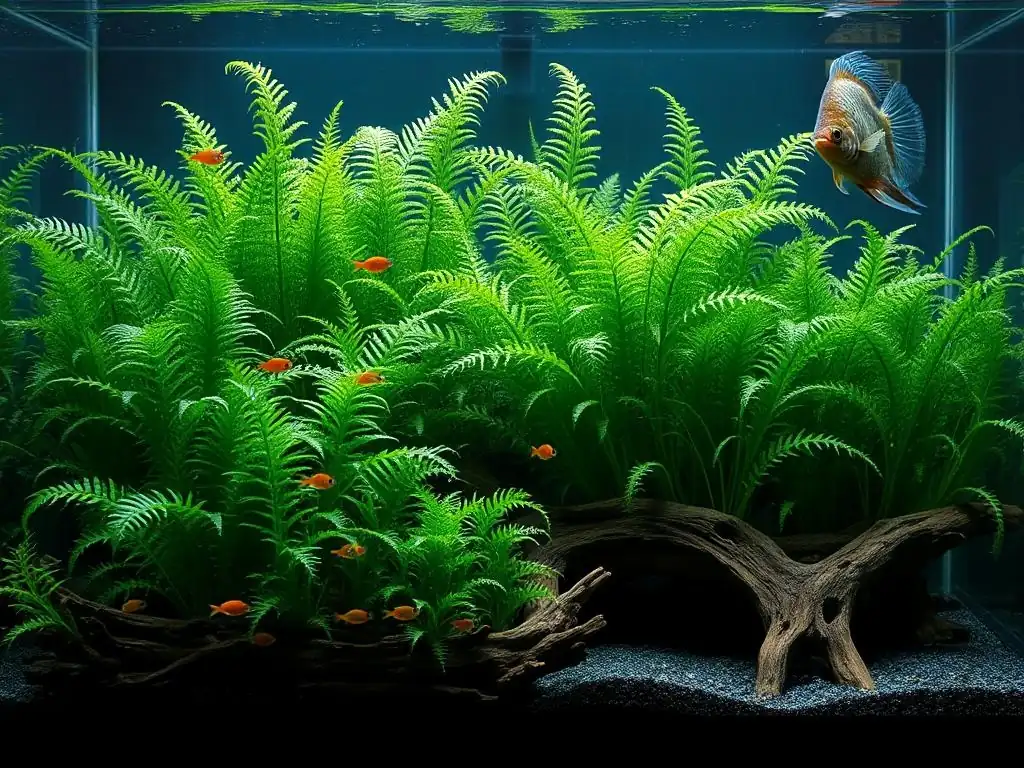
Limnophila sessiliflora's fine, feathery texture and vibrant green coloration make it an incredibly versatile plant for aquascaping. It is most commonly utilized as a background plant, where its height and dense growth can create a lush, natural "green wall" effect, effectively hiding equipment like heaters or filter intakes. Its soft appearance provides an excellent contrast to broader-leaved plants or hardscape elements like rocks and driftwood, adding depth and dimension to the aquascape.
For larger aquariums, Limnophila sessiliflora can also be strategically placed in the midground, especially when kept trimmed to a medium height. Planting it in dense clusters allows it to form a bushy mass, creating a focal point or a natural partition within the tank. Its ability to grow quickly and fill space makes it ideal for achieving a "jungle" or "nature" style aquascape, providing an immediate sense of maturity and vibrancy to the setup.
Placement as Background or Midground Plant.
As a background plant, Limnophila sessiliflora provides a soft, feathery backdrop that highlights foreground and midground elements. Its height (up to 16 inches or 40 cm) ensures it can reach the surface in most standard aquariums, creating a dense canopy. When used in the midground, regular pruning is key to maintain its desired height and bushiness, preventing it from overshadowing smaller plants.
Planting Limnophila sessiliflora in staggered rows or groups can create a visually appealing sense of depth, mimicking natural aquatic landscapes. This strategic placement is a vital aspect of any Limnophila sessiliflora care guide that emphasizes aesthetic integration within the aquascape.
Creating a Natural Aesthetic.
The delicate appearance of Limnophila sessiliflora is perfect for achieving a natural, wild aesthetic in an aquarium. Its tendency to grow densely, especially when regularly trimmed, allows it to form thickets that closely resemble natural underwater foliage. This creates a serene and organic feel, making the aquarium feel like a slice of a real aquatic ecosystem.
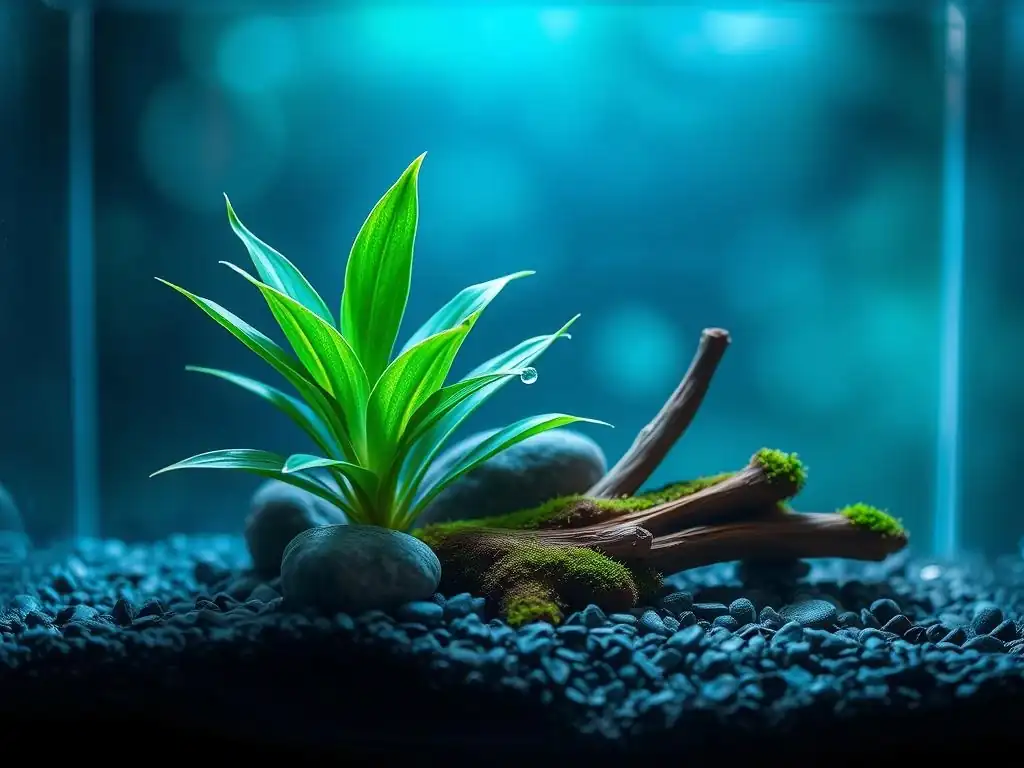
Combining Limnophila sessiliflora with natural hardscape elements like driftwood and various types of rocks, alongside other plant textures and colors, can further enhance this natural look. Its bright green color provides a refreshing contrast, making the overall aquascape more dynamic and visually engaging, truly embodying the potential of a well-executed Limnophila sessiliflora care guide.
Compatible Tank Mates.
Limnophila sessiliflora is generally a robust and unpalatable plant for most common aquarium inhabitants, making it highly compatible with a wide range of fish and invertebrates. Ideal tank mates include small to medium-sized peaceful community fish such as various species of Tetras (e.g., Neon Tetras, Cardinal Tetras), Rasboras (e.g., Harlequin Rasboras), peaceful Gouramis (e.g., Dwarf Gouramis), and most livebearers like Guppies and Mollies. These fish benefit from the dense foliage for hiding and exploring.
It is also an excellent plant for shrimp tanks (e.g., Cherry Shrimp, Amano Shrimp, Crystal Red Shrimp) and snail tanks, providing ample surface area for grazing biofilm and offering crucial shelter from potential predators. While Limnophila sessiliflora is generally hardy, it's wise to avoid known plant-eating fish like Silver Dollars ( Metynnis argenteus), larger Cichlids, or Goldfish, as they may uproot or consume the plant.
Selecting Fish and Invertebrates.
When selecting tank mates for an aquarium featuring Limnophila sessiliflora, prioritize species that are known to be plant-safe and thrive in similar water parameters. Small, schooling fish will often utilize the dense Limnophila bushes for security and schooling behavior, enhancing the natural feel of the tank. For example, a school of 10-15 Neon Tetras would thrive amidst a background of Limnophila sessiliflora.
Invertebrates like Amano shrimp are particularly beneficial as they help control algae without harming the plants. A good rule of thumb is to check the dietary habits of any potential tank mate before introducing them to your planted tank to ensure compatibility and the long-term success of your Limnophila sessiliflora care guide.
Considerations for Planted Tank Ecosystem.
A thriving population of Limnophila sessiliflora contributes significantly to the overall health and stability of the planted tank ecosystem. By actively consuming nitrates and phosphates, it helps maintain excellent water quality, reducing the burden on the filtration system. Its oxygen production through photosynthesis further supports the well-being of fish and beneficial bacteria, creating a balanced and resilient environment.
When considering tank mates, also factor in their bioload. A heavily planted tank with robust plants like Limnophila sessiliflora can often handle a slightly higher bioload due to its nutrient absorption capacity. However, responsible stocking levels are always paramount to prevent excessive waste buildup and ensure a harmonious ecosystem where both plants and animals can flourish.
Conclusion: Thriving with Limnophila Sessiliflora
Advantages of Including Limnophila Sessiliflora.
Limnophila sessiliflora stands out as an exceptionally advantageous plant for any freshwater aquarium, offering a remarkable blend of aesthetic appeal and functional benefits. Its ease of care makes it an ideal choice for beginners, while its rapid growth and adaptability ensure it thrives in a variety of setups. It excels at improving water quality by efficiently absorbing excess nitrates and phosphates, thereby contributing to a cleaner, healthier environment and significantly reducing the likelihood of troublesome algae blooms.
Furthermore, its delicate, feathery texture and vibrant green color add significant visual beauty to an aquascape, effortlessly creating lush backgrounds or midground focal points. As a forgiving alternative to more demanding plants like Cabomba, Limnophila sessiliflora provides a similar aesthetic with much less hassle, making it a cornerstone for creating vibrant, natural-looking aquariums that provide both visual delight and a secure, enriching habitat for aquatic inhabitants.
Final Recommendations for Successful Growth and Maintenance.
To ensure the long-term success and thriving growth of your Limnophila sessiliflora, adherence to a few key recommendations is crucial. First, consistently maintain stable water parameters within the recommended ranges: temperature between 72-82°F (22-28°C), pH between 6.0-7.5, and soft to medium hardness (2-15 dGH). Second, provide moderate to high lighting for a duration of 8-10 hours daily, preferably using a timer for consistency. Third, ensure a steady supply of essential nutrients through a quality nutrient-rich substrate or regular dosing of a comprehensive liquid fertilizer, supplemented with root tabs if using inert gravel.
Finally, regular water changes (25-30% weekly or bi-weekly) are vital for replenishing trace elements and removing waste, while consistent pruning is essential for managing its rapid growth, encouraging bushiness, and maintaining the desired aquascape. By diligently following this comprehensive Limnophila sessiliflora care guide, aquarists of all experience levels can cultivate a beautiful, healthy, and thriving display of this versatile aquatic plant.
Frequently Asked Questions
What are the ideal water parameters for Limnophila Sessiliflora?
Limnophila Sessiliflora thrives in soft to moderately hard water with a pH between 6.0 and 7.5. A temperature range of 68-82°F (20-28°C) is also recommended for optimal growth.
How much light does Limnophila Sessiliflora need?
This plant is relatively undemanding, but it benefits from moderate to high lighting. Adequate light will ensure bushier growth and prevent leggy stems.
What are some common problems when growing Limnophila Sessiliflora and how can I fix them?
Common issues include yellowing leaves due to nutrient deficiencies (especially iron) or slow growth caused by insufficient lighting. Supplementing with liquid fertilizers and adjusting light intensity can help.
How does Limnophila Sessiliflora compare to Cabomba in terms of care difficulty?
Limnophila Sessiliflora is generally considered easier to care for than Cabomba. It's more tolerant of varying water parameters and less demanding in terms of lighting and CO2.
How do I propagate Limnophila Sessiliflora?
Propagation is easy through stem cuttings. Simply cut a healthy stem and replant it in the substrate. It will readily develop new roots and continue to grow.
Final Reflection: Cultivating Growth, Within and Without
The journey through understanding Limnophila Sessiliflora's adaptability reveals more than just the secrets to thriving aquatic flora; it mirrors our own capacity for growth and resilience in ever-changing environments. This humble plant, often overlooked, offers a powerful lesson in simplicity and the beauty of finding alternatives, a principle deeply relevant in our fast-paced world where complexity often reigns supreme.
The ease with which Limnophila Sessiliflora can flourish, even in less-than-ideal conditions, serves as a potent reminder of the importance of embracing simplicity and adaptability in our own lives. It underscores the idea that beauty and success don't always require elaborate setups or unattainable ideals. The best things in life are often simple, yet profoundly impactful.
This holds true not only for cultivating a thriving aquarium but also for nurturing our own personal growth and well-being.
Now, as you consider the lessons learned from this Limnophila Sessiliflora care guide, I invite you to reflect on the areas in your own life where you might simplify, adapt, and cultivate growth. Just as this plant brings beauty and balance to an aquarium, consider how you can bring similar qualities to your own environment and inner landscape. Embrace the ease, embrace the adaptability, and watch yourself flourish.
Cultivate Your Dream Aquarium: Awaits!
Thanks for diving into the world of Limnophila Sessiliflora! We hope this guide has illuminated how easily you can bring vibrant greenery to your tank. Now, let’s translate that knowledge into action!
- Boldly plant your first Ambulia and witness its rapid growth firsthand!
- Explore other easy aquatic plants to create a diverse and thriving ecosystem.
- Share your Ambulia aquascaping journey with the Aquarium Mastery community online.
Ready to transform your aquarium into a lush underwater paradise?