
Ideal Tank Size for Plecos: From Nano Ancistrus to Monster Common Plecos

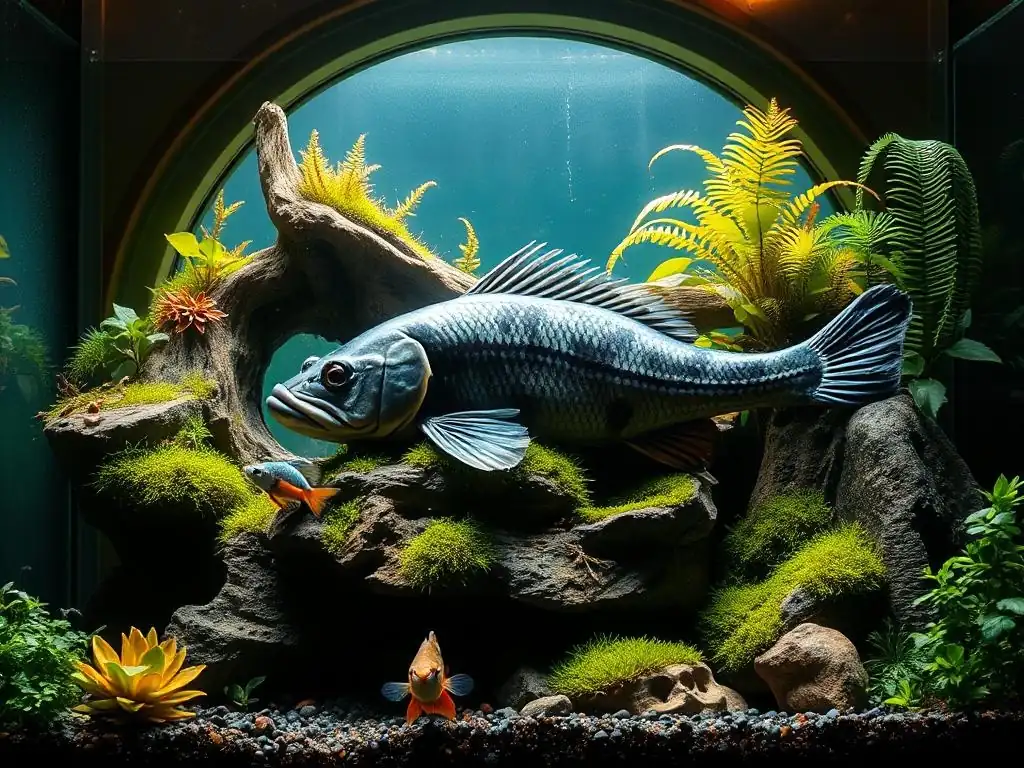
Welcome to Aquarium Mastery!
Ever wondered if your Pleco has enough room to thrive? Dive into our comprehensive Pleco tank size guide and unlock the secrets to creating the perfect aquatic habitat for these fascinating creatures. From tiny Ancistrus to the mighty Common Pleco, we'll help you determine the ideal dimensions to ensure their health and happiness. Curious to learn more? Let's get started!
- Understanding Pleco Tank Size Requirements
- Pleco Species and Their Minimum Tank Size Requirements
- Calculating the Right Tank Size for Your Pleco
- Setting Up Your Pleco Tank: Beyond Just Size
- Common Mistakes to Avoid When Choosing a Pleco Tank
- Tank Mates and Their Influence on Pleco Tank Size
- Maintaining a Healthy Environment in Your Pleco Tank
- Frequently Asked Questions
- Final Reflection: The Ever-Expanding World of Pleco Homes
- Dive Deeper: Transform Your Pleco Paradise!
Understanding Pleco Tank Size Requirements
Why Pleco Tank Size Matters: A Comprehensive Guide
The appropriate pleco tank size is not merely about providing swimming space; it is fundamental to the fish's overall health, growth, and lifespan. Housing a pleco in an undersized aquarium leads to severe stress, which manifests as stunted growth, weakened immune systems, and increased susceptibility to common fish diseases like fin rot or ich.
For instance, a Common Pleco (Hypostomus plecostomus) confined to a 30-gallon tank, when it should be in a 120-gallon or larger, will experience organ damage and a significantly shortened life, often dying within a few years instead of its potential 10-15 years. A cramped environment also restricts natural behaviors like foraging and territorial displays, leading to lethargy or aggression.
Beyond the individual fish's well-being, the pleco tank size profoundly impacts water quality. Plecos are known for their significant bioload, meaning they produce a considerable amount of waste. In a small tank, this waste accumulates rapidly, leading to dangerous spikes in ammonia and nitrite, which are highly toxic to fish.
For example, a single medium-sized Bristlenose Pleco in a 10-gallon tank can cause ammonia levels to rise above 0.5 ppm within 24-48 hours if not properly filtered, whereas the same bioload in a 30-gallon tank would be diluted more effectively, maintaining safer parameters for longer. This highlights that proper pleco tank size is the cornerstone for a stable and healthy aquatic ecosystem.
Factors Influencing the Ideal Pleco Tank Size
Several critical factors influence the ideal pleco tank size, with the most important being the pleco's adult size. Species like the Bristlenose Pleco (Ancistrus spp.) typically reach 4-5 inches (10-13 cm), making them suitable for tanks starting at 20 gallons.
In stark contrast, a Common Pleco can exceed 24 inches (60 cm), necessitating a minimum of 120 gallons. The bioload, or the amount of waste produced, directly correlates with the fish's size; a 2-foot pleco generates substantially more waste than a 5-inch one, requiring a larger water volume for dilution and more robust filtration. Activity level also plays a role; active foragers need more floor space than more sedentary species.
The presence and type of tank mates also significantly influence the required pleco tank size. If a pleco is part of a community aquarium, the combined bioload and spatial needs of all inhabitants must be considered. Overcrowding not only stresses the pleco but also its tank mates, leading to aggression and poor water quality for everyone.
Finally, the filtration system must be powerful enough to handle the pleco's substantial waste production. A general guideline is to have a filter rated for at least 3-5 times the tank's volume per hour. For instance, a 75-gallon pleco tank would ideally use a filter with a flow rate of 225-375 GPH to maintain pristine water parameters, a vital aspect of any comprehensive pleco tank size guide.
Pleco Species and Their Minimum Tank Size Requirements
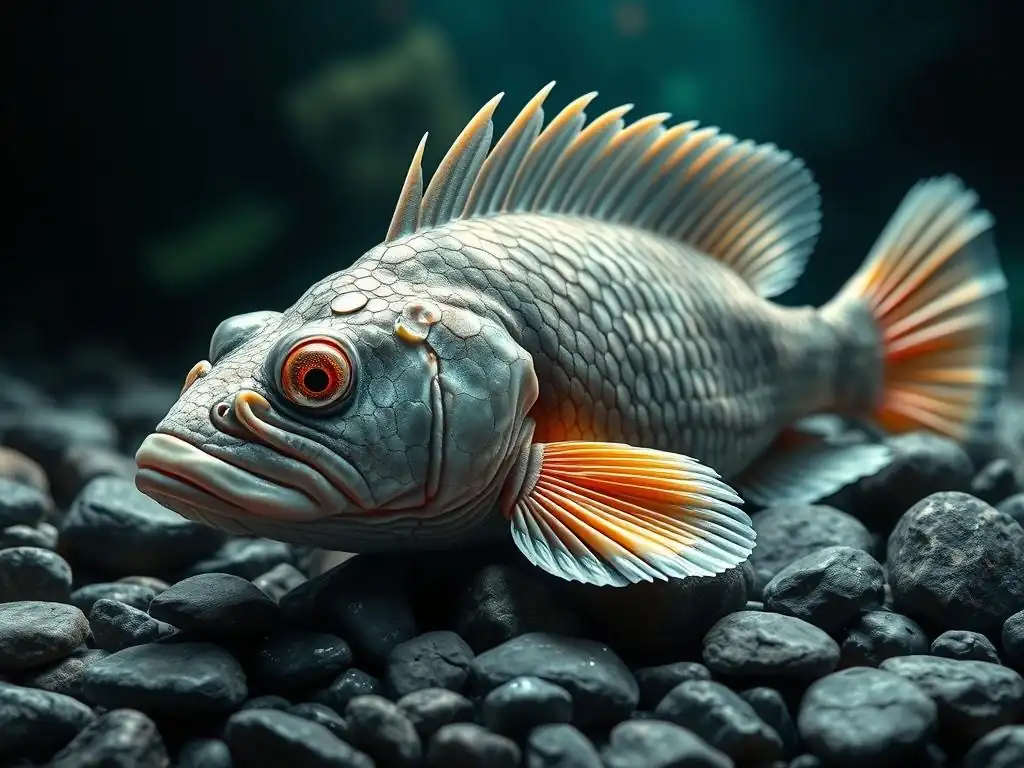
Nano Plecos: Choosing the Right Tank Size for Small Plecos
Nano plecos are generally defined as species that remain under 6 inches (15 cm) in adult size, making them popular choices for smaller to medium-sized home aquariums. These species often exhibit unique patterns and behaviors, adding significant character to a tank. However, the term "nano" can be misleading, as it does not imply suitability for very small tanks like 5 or 10 gallons for most species. Even these smaller plecos require adequate space for foraging, establishing territories, and maintaining stable water parameters, which are more easily achieved in larger volumes.
A common misconception is that plecos only grow to the size of their tank, a dangerous myth that leads to stunted and unhealthy fish. Instead, a proper pleco tank size guide for nano species emphasizes providing ample space for them to reach their full, healthy potential. For many nano species, a minimum of 20 gallons (approximately 75 liters) is often recommended. This size provides sufficient water volume to dilute waste, allows for proper decor like driftwood and caves essential for their well-being, and offers enough room for exploration without undue stress.
Recommended Tank Size for Ancistrus Plecos (Bristlenose Plecos)
Bristlenose Plecos (Ancistrus spp.) are arguably the most popular and widely available pleco species, renowned for their distinctive bristles and excellent algae-eating capabilities. They typically reach an adult size of 4-5 inches (10-13 cm), making them one of the more manageable pleco varieties for home aquariums. For a single Bristlenose Pleco, a minimum tank size of 20 gallons (approximately 75 liters) is recommended. This volume allows for adequate swimming space, stable water parameters, and the inclusion of essential driftwood, which they graze on.
If you plan to keep a breeding pair or a small group of Bristlenose Plecos, a larger tank of 30-40 gallons (113-150 liters) would be more appropriate. This increased pleco tank size helps to mitigate potential territorial aggression, especially between males, and provides enough space to accommodate the increased bioload from multiple individuals. Ensuring proper filtration and regular water changes within this tank size guideline will promote optimal health and natural behavior for these fascinating and industrious bottom dwellers.
Suitable Tank Size for Zebra Plecos (L46)
Zebra Plecos (Hypancistrus zebra, L046) are highly prized for their striking black and white striped patterns, and they remain relatively small, reaching a maximum adult size of about 3-4 inches (7-10 cm). Despite their diminutive stature, L046 plecos require pristine water quality, specific environmental conditions, and ample hiding spots. For a single Zebra Pleco, a minimum tank size of 20 gallons (75 liters) is generally considered suitable, providing enough volume for water stability and space for their territorial needs.
When considering a breeding group of 3-5 individuals, a 30-gallon (113 liters) tank is often preferred. This larger pleco tank size offers more surface area for foraging and allows individuals to establish distinct territories, reducing stress and encouraging natural behaviors. Zebra Plecos are particularly sensitive to fluctuations in water parameters, making the stable environment provided by a 20-30 gallon tank crucial for their long-term health and successful breeding, making this a key point in any pleco tank size guide for rare species.
Medium-Sized Plecos: Tank Size Considerations
Medium-sized plecos encompass a diverse group of species that typically grow to between 6 and 12 inches (15-30 cm) in adult length. These fish present a greater challenge than nano plecos in terms of spatial requirements and bioload management. Their increased size means they consume more food, produce more waste, and require more room for movement and establishing territories. Underestimating the pleco tank size for these species can lead to significant health issues and stress.
A general rule of thumb for many medium-sized plecos is a minimum tank size ranging from 50 to 75 gallons (190-285 liters). This range provides the necessary volume to dilute their higher bioloads and maintain stable water parameters. It also offers ample foraging grounds and allows for the inclusion of appropriate decor, such as large pieces of driftwood or rockwork, which are essential for many species. Adhering to this pleco tank size guideline is crucial for ensuring these more substantial fish can thrive and exhibit their natural behaviors in a healthy environment.
Optimum Tank Size for Clown Plecos (Panaqolus maccus)
Clown Plecos (Panaqolus maccus) are attractive, moderately sized plecos known for their vibrant orange and black patterns. They typically grow to about 3-4 inches (7-10 cm), though some individuals may reach 5 inches. While often categorized with nano plecos due to their size, their specific dietary needs—primarily consuming driftwood—and active nature require particular consideration regarding their living space. For a single Clown Pleco, a minimum tank size of 20 gallons (75 liters) is recommended, similar to Bristlenose plecos.
However, due to their wood-eating habits, Clown Plecos produce a fair amount of waste and require large pieces of driftwood as both food and shelter. For this reason, a 30-gallon tank (113 liters) is often preferred, as it provides better water stability and sufficient space to accommodate the necessary amount of driftwood without overcrowding the tank. This pleco tank size guide ensures they have ample surface area to graze on wood, which is absolutely crucial for their digestive health and overall well-being.
Tank Size Guide for Rubber Lip Plecos (Chaetostoma milesi)
Rubber Lip Plecos (Chaetostoma milesi) are peaceful and efficient algae eaters, making them a popular choice for community tanks. They are considered medium-sized plecos, typically reaching an adult length of about 5-7 inches (13-18 cm). These plecos prefer cooler, highly oxygenated water with good current. For a single Rubber Lip Pleco, a minimum tank size of 30 gallons (113 liters) is generally considered appropriate to provide enough space for their active grazing and to maintain stable water conditions.
If you plan to keep multiple Rubber Lip Plecos or integrate them into a bustling community aquarium, a larger tank of 40-55 gallons (150-208 liters) would be more suitable. This increased pleco tank size provides ample room for foraging across broad surfaces and helps to dilute their bioload more effectively, which is critical for their well-being. Ensuring proper water flow and oxygenation within this tank size range will allow Rubber Lip Plecos to thrive and contribute positively to the aquarium ecosystem.
Large Plecos: Essential Tank Size Information
Large plecos represent a group of species that can grow significantly, often exceeding 12 inches (30 cm) and with some reaching impressive lengths of 2 feet (60 cm) or more. These magnificent fish are frequently purchased as small juveniles without proper understanding of their adult size, leading to severe welfare issues when they quickly outgrow inadequate tanks. Their immense bioload and need for extensive swimming space demand very large aquariums, often requiring custom builds or stock tanks that exceed typical home aquarium sizes.
Properly housing a large pleco requires a substantial financial investment in tank size, robust filtration systems, and ongoing maintenance. A tank of 120 gallons (approximately 450 liters) or even larger is often the absolute starting point for these giants, depending on the specific species. This underscores that a comprehensive pleco tank size guide must strongly caution against impulse purchases of these large species without adequate preparation and a full understanding of their long-term care requirements. Failing to provide sufficient space results in stunted growth, organ damage, and premature death.
Minimum Tank Size for Common Plecos (Hypostomus plecostomus)
The Common Pleco (Hypostomus plecostomus) is arguably the most frequently misunderstood and mistreated pleco species in the aquarium hobby. Despite being sold as small, often 2-3 inch juveniles, they are capable of reaching an astonishing adult size of 18-24 inches (45-60 cm), and sometimes even larger, under optimal conditions. For a single adult Common Pleco, an absolute minimum tank size of 120 gallons (approximately 450 liters) is essential to provide adequate space for growth, movement, and waste dilution.
Many experienced aquarists and professional institutions recommend even larger tanks, often 180-200 gallons (680-750 liters) or more, to truly accommodate their massive size, significant waste production, and active foraging behavior over decades. Housing a Common Pleco in anything smaller than 100 gallons will severely stunt its growth, lead to chronic stress, organ failure, and significantly shorten its lifespan, often to just a few years. This makes the appropriate pleco tank size for Common Plecos the most critical consideration in any responsible pleco care guide.
Tank Requirements for Sailfin Plecos (Pterygoplichthys gibbiceps)
Sailfin Plecos (Pterygoplichthys gibbiceps) are another large pleco species, often mistaken for Common Plecos due to their similar appearance and substantial size, though they are distinguished by their impressively tall dorsal fin. These plecos can reach lengths of 18-20 inches (45-50 cm) in an aquarium setting. Like Common Plecos, they are heavy waste producers and require an immense amount of space to thrive. For a single Sailfin Pleco, a minimum tank size of 120 gallons (450 liters) is the absolute bare minimum to ensure their well-being.
To allow for their natural behaviors, including extensive foraging across the tank bottom and establishing territories, a tank of 150-200 gallons (560-750 liters) or more is highly recommended. Their large size and considerable bioload necessitate robust filtration systems and consistent, large-volume water changes to maintain pristine water quality. Careful consideration of this substantial pleco tank size is crucial to provide a humane and healthy environment for these impressive and long-lived fish.
Calculating the Right Tank Size for Your Pleco
Pleco Growth Rate and Tank Size Planning
Pleco growth rates are highly variable, depending not only on the species but also on environmental factors such as diet, water quality, and, critically, tank size. While some nano species like Bristlenose Plecos can reach their full adult size of 4-5 inches within 12-18 months, larger species like Common Plecos can grow remarkably fast, potentially adding 1-2 inches per month during their first year if provided with optimal conditions and ample food. This rapid initial growth means that a small juvenile pleco can quickly outgrow an inadequate tank.
Many aquarists make the mistake of purchasing a small pleco with the intention of upgrading its tank later. However, the speed at which some species grow can quickly lead to an undersized tank, causing stress and stunting before an upgrade can be made. It is strongly recommended to plan for the pleco's adult size from day one. If a large tank is not immediately feasible, a clear and committed upgrade plan within 6-12 months is essential. This proactive approach to pleco tank size planning is a cornerstone of responsible fishkeeping and ensures the long-term health of your pleco.
The Importance of Substrate and Decorations in Pleco Tank Size
While often overlooked, the volume occupied by substrate and decorations directly impacts the usable water volume available to your pleco. A thick layer of substrate, such as 2-3 inches of sand or gravel, and large, bulky pieces of driftwood or rockwork can displace a significant amount of water. For example, a nominal 50-gallon tank with 4 inches of substrate and substantial decor might effectively offer only the usable water volume of a 40-45 gallon tank, reducing the actual swimming and foraging space for the pleco.
Plecos are primarily bottom dwellers and require ample flat surfaces, caves, and crevices for resting, hiding, and establishing territories. Incorporating large pieces of driftwood is especially vital for wood-eating species like Clown Plecos (Panaqolus maccus), as it serves both as a food source and shelter. When determining the ideal pleco tank size, it is crucial to factor in the displacement caused by these elements. Always ensure that, even with substrate and decor, there remains sufficient open water column and floor space for the pleco to move freely, forage, and thrive without feeling cramped or stressed.
Setting Up Your Pleco Tank: Beyond Just Size
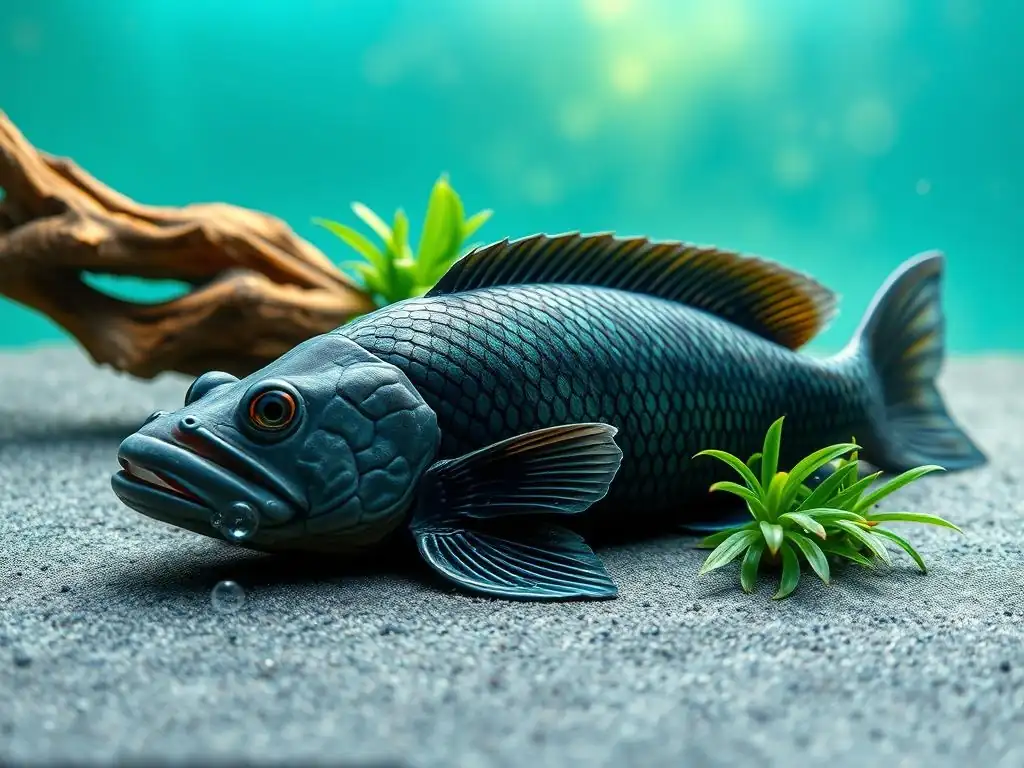
Filtration Needs for Different Pleco Tank Sizes
Regardless of the pleco tank size, robust and efficient filtration is paramount due to the high bioload these fish produce. For smaller tanks (20-50 gallons) housing nano or small-to-medium plecos, a high-quality hang-on-back (HOB) filter rated for at least 2-3 times the tank volume per hour, supplemented with a sponge filter for enhanced biological filtration, can often suffice. For example, a 30-gallon tank with a Bristlenose Pleco might effectively utilize a HOB filter rated for 60-90 gallons per hour (GPH).
For medium to large pleco tanks (75 gallons and above), canister filters are almost always a necessity. These external filters offer superior mechanical, chemical, and biological filtration capabilities, which are crucial for managing the significant waste produced by larger plecos. A 120-gallon tank housing a large Common or Sailfin Pleco would ideally require a canister filter with a flow rate of 400-600 GPH, or even two smaller canisters, to effectively process the waste and maintain pristine water quality. Proper filtration is a non-negotiable aspect of any comprehensive pleco tank size guide.
Water Parameters and Their Impact on Pleco Health in Varying Tank Sizes
Maintaining stable water parameters—including temperature, pH, ammonia, nitrite, and nitrate—is absolutely crucial for the long-term health of any pleco. Larger pleco tank sizes inherently offer greater stability due to the larger volume of water, which acts as a buffer against rapid fluctuations. For instance, a 20-gallon tank can experience temperature swings of 3-5°F (1.5-2.5°C) and significant pH shifts within hours due to external room temperature changes or decaying organic matter. In contrast, a 75-gallon tank would show much slower and less dramatic changes, providing a more consistent and less stressful environment for plecos.
Plecos are particularly sensitive to ammonia and nitrite spikes, which are more common in smaller, overstocked, or inadequately filtered tanks. Regular testing with a reliable liquid test kit (not strip tests) is essential to monitor these parameters. Most pleco species thrive in temperatures between 74-80°F (23-27°C) and a pH range of 6.5-7.5, though specific species may have narrower preferences. The larger the pleco tank size, the easier it is to maintain these critical parameters within optimal ranges, significantly reducing stress, bolstering the pleco's immune system, and preventing disease outbreaks.
Common Mistakes to Avoid When Choosing a Pleco Tank
Overstocking: The Dangers of Cramped Pleco Tanks
Overstocking is arguably the most common and detrimental mistake made when choosing a pleco tank, leading to severe consequences for the fish. Placing a large pleco, such as a Common Pleco that can reach 2 feet in length, into a 30-gallon tank is not just inappropriate but inhumane. It leads to chronic stress, stunted growth (where internal organs continue to grow while the body does not), fin erosion, weakened immune systems, and a significantly shortened lifespan, often resulting in premature death due to organ failure or disease.
Beyond the individual pleco's welfare, overstocking dramatically increases the overall bioload of the aquarium. This overwhelms the filtration system, leading to dangerously high and persistent levels of toxic ammonia, nitrite, and nitrate. This toxic environment not only poisons the pleco but also all other tank inhabitants, causing widespread illness and mortality. Adhering strictly to the recommended pleco tank size guide for each specific species is vital to prevent these severe issues and ensure a humane, healthy environment for all aquarium inhabitants.
Inadequate Filtration: Consequences of Undersized Filters in Pleco Tanks
A frequently overlooked consequence, often linked to an undersized pleco tank, is the use of inadequate filtration. Given a pleco's significant waste production, robust filtration is non-negotiable. An undersized or insufficient filter cannot effectively remove solid waste or efficiently process the nitrogenous compounds (ammonia and nitrite) produced by the fish. For example, relying on a small internal filter in a 50-gallon tank housing a medium-sized pleco will quickly lead to the filter being overwhelmed and clogged, resulting in a rapid decline in water quality within days.
The immediate consequences of inadequate filtration include cloudy water, foul odors, and, most critically, elevated levels of highly toxic ammonia and nitrite that can poison the fish and lead to severe health problems or death. Even if the pleco tank size itself is appropriate, skimping on filtration will inevitably lead to chronic health issues for the pleco and other tank inhabitants. Always choose a filter rated for at least twice the tank's volume per hour, or even more for heavily stocked pleco tanks, prioritizing superior biological filtration to effectively process harmful compounds and maintain crystal-clear, healthy water.
Tank Mates and Their Influence on Pleco Tank Size
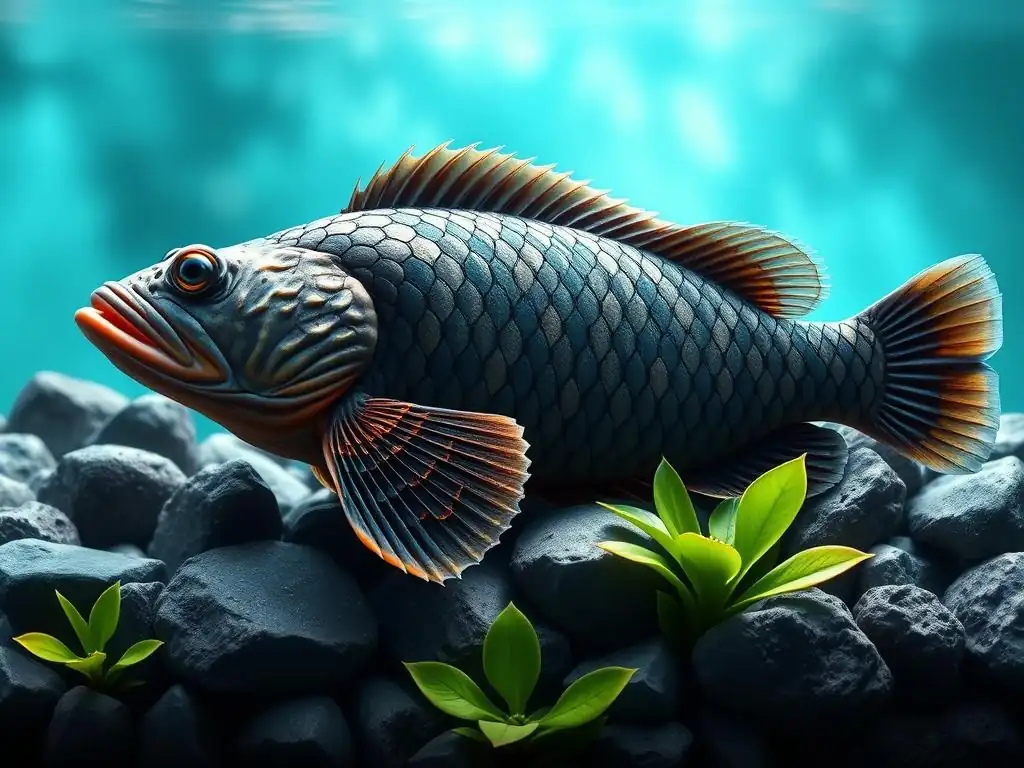
Selecting Compatible Tank Mates for Different Pleco Species
When selecting tank mates for your pleco, it's crucial to consider the pleco's specific species, adult size, temperament, and dietary needs, as well as the needs of potential tank mates. For smaller plecos like Bristlenose or Zebra Plecos in a 20-30 gallon setup, peaceful community fish such as small schools of tetras (e.g., Neon Tetras, Cardinal Tetras), rasboras, or small peaceful cichlids like Kribensis are often excellent choices. It's important to avoid overly aggressive or fin-nipping species that might harass the pleco, especially during feeding times.
For larger plecos housed in 120+ gallon tanks, suitable tank mates must be robust enough to coexist with a large, powerful bottom dweller. Options might include larger, peaceful community fish, specific species of robust gouramis, or even certain larger cichlids, though careful monitoring is always needed. Ensure that any chosen tank mates also have their own space requirements met and do not overly compete for bottom territory or food, as this directly influences the overall pleco tank size needed to support a thriving community.
Adjusting Tank Size Based on Community Fish
The outdated "one inch of fish per gallon" rule is particularly misleading and dangerous when applied to high-bioload fish like plecos. When adding any tank mates to an aquarium with a pleco, the total bioload and available swimming space for all inhabitants must be meticulously reassessed. For instance, while a 20-gallon tank might be minimally suitable for a single Bristlenose Pleco, adding a school of 6-8 neon tetras and 3-4 corydoras would push the limits of that tank's biological capacity, necessitating significantly more frequent maintenance and water changes.
For a community tank that includes a pleco, it is always safer and more beneficial to opt for a larger pleco tank size than the minimum recommended for the pleco alone. An additional 10-20 gallons beyond the pleco's minimum can provide crucial extra space, buffer capacity for water parameters, and stability for the entire aquatic ecosystem. This ensures that all inhabitants have enough room to thrive without experiencing undue stress or competition for resources, making it a vital consideration in any comprehensive pleco tank size guide for community aquariums.
Maintaining a Healthy Environment in Your Pleco Tank
Regular Water Changes: Frequency and Volume in Relation to Tank Size
Regular water changes are the single most critical aspect of maintaining a healthy environment for your pleco, regardless of the pleco tank size. Due to their significant bioload, pleco tanks accumulate nitrates and other dissolved organic compounds rapidly. For heavily stocked tanks or smaller pleco tank sizes (e.g., 20-30 gallons), weekly water changes of 25-30% of the tank volume are often necessary to keep nitrates below 20 ppm and replenish essential minerals. In a 30-gallon tank, this translates to removing 7.5-9 gallons of water every week.
Larger tanks (75+ gallons) with robust filtration and lower stocking densities might allow for bi-weekly or even monthly water changes of 25-30%, depending on the bioload and consistent nitrate readings. For example, a 120-gallon tank housing a large pleco might require a 30-gallon water change every two weeks to maintain optimal water conditions. The frequency and volume of water changes are directly proportional to the pleco tank size and its inhabitants' bioload, requiring a tailored approach for each setup.
Monitoring Water Parameters: Ensuring Optimal Conditions for Plecos in Different Tank Sizes
Consistent and accurate monitoring of water parameters is non-negotiable for ensuring the long-term health and vitality of your pleco. This includes regularly testing for ammonia (which should always be 0 ppm), nitrite (which should also always be 0 ppm), nitrate (ideally below 20 ppm), pH (species-dependent, generally 6.5-7.5), and temperature (typically 74-80°F or 23-27°C). Always use a reliable liquid test kit, as test strips are often inaccurate and can provide misleading results.
In smaller pleco tank sizes, daily or every-other-day testing might be necessary, especially during the initial cycling phase or if any signs of stress or illness appear, due to their inherent instability. In larger, well-established tanks with robust filtration, weekly or bi-weekly testing is usually sufficient to catch any potential issues before they become critical. Any significant deviation from ideal parameters, particularly spikes in ammonia or nitrite, indicates an underlying problem with filtration, overfeeding, or an undersized pleco tank, requiring immediate corrective action to protect your fish.
Frequently Asked Questions
What is the minimum tank size for a small Pleco like an Ancistrus species?
The minimum tank size for a small Pleco like an Ancistrus is typically 20 gallons. However, larger tanks are always better to provide more space and stability.
Why is tank size so important for Plecos?
Tank size is crucial because Plecos produce a significant amount of waste. Insufficient space leads to poor water quality and stress, making them susceptible to disease.
What size tank do I need for a Common Pleco?
Common Plecos grow incredibly large, often exceeding 2 feet. A tank of at least 125 gallons is required for their long-term health and well-being.
How does the shape of the tank affect Pleco health?
Longer tanks are generally preferable to taller tanks as they offer more surface area for gas exchange and allow the Pleco more room to move and forage.
What happens if I keep a Pleco in too small of a tank?
Keeping a Pleco in a tank that is too small can cause stunted growth, increased aggression, and significantly shortened lifespan due to poor water quality.
Final Reflection: The Ever-Expanding World of Pleco Homes
The journey through the diverse world of plecos, from the diminutive Ancistrus to the colossal Common Pleco, underscores the crucial importance of responsible fishkeeping and informed decision-making. Understanding the specific needs of each species, particularly their spatial requirements, is not just a matter of providing adequate living conditions; it's a commitment to their well-being and the overall health of our aquatic ecosystems.
This exploration into pleco tank sizes has profoundly influenced my perspective on aquarium keeping. It's a constant reminder that our role as aquarists extends beyond mere entertainment; it's a stewardship that demands respect and understanding for the creatures in our care. The greatness of a nation and its moral progress can be judged by the way its animals are treated.
- Mahatma Gandhi. This quote resonates deeply, highlighting the ethical responsibility we bear when bringing animals into our lives, especially within the confines of an aquarium.
Now, as you consider bringing a pleco into your home, I urge you to reflect on the information shared. Don't just see a fish; see a living being with specific needs. Research thoroughly, plan meticulously, and choose a tank size that truly allows your pleco to thrive. Let's collectively strive to create environments where these fascinating creatures can flourish, enriching our lives and reminding us of the beauty and fragility of the natural world.
Dive Deeper: Transform Your Pleco Paradise!
Thank you for exploring the fascinating world of pleco tank sizes! We hope you’ve found the perfect starting point for creating a thriving environment for your armored friend. Now, let’s put that knowledge into action!
- Take the Plunge: Calculate your pleco's future adult size and immediately start planning for its forever home. Don't wait until it outgrows its current tank!
- Share your pleco dreams! Post a picture of your current (or future!) pleco setup on your favorite aquarium forum and get feedback from fellow enthusiasts.
- Surprise your pleco! Introduce a new, pleco-friendly cave or piece of driftwood into their tank to enrich their environment.
Ready to create the ultimate pleco palace? What's the first thing you'll change in your tank setup after reading this?