
Are Chili Rasboras Shy? Creating a Confident and Visible Nano School

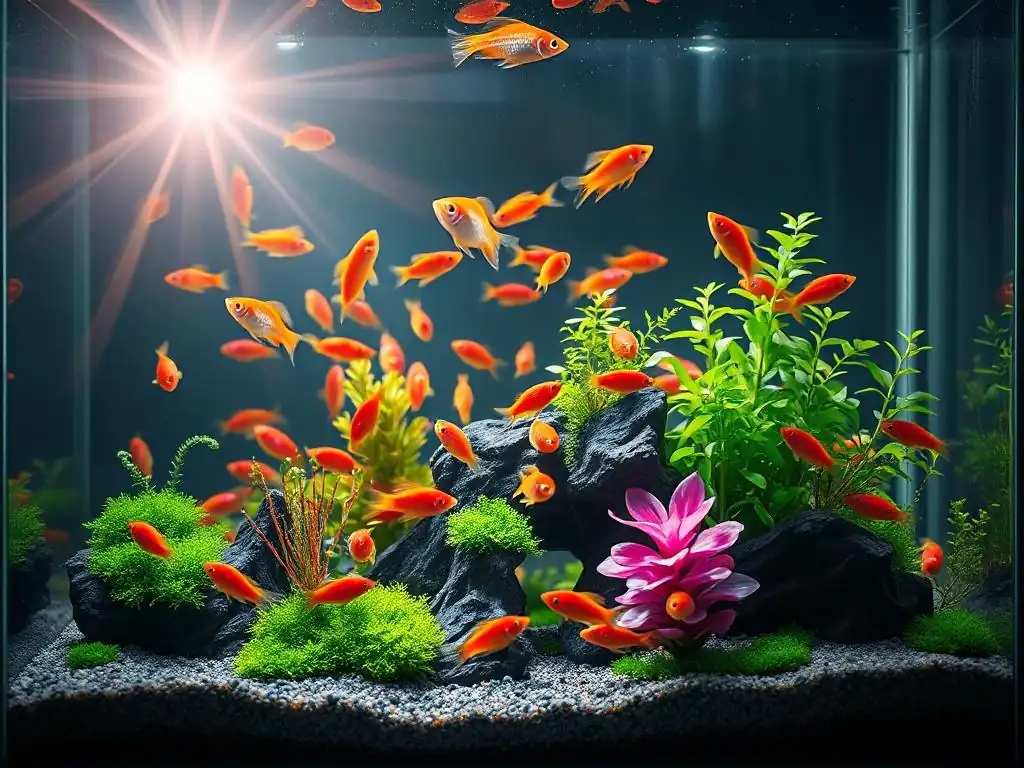
Welcome to Aquarium Mastery!
Ever wondered how to transform your nano aquarium into a vibrant display of shimmering Chili Rasboras? Delve into our comprehensive Chili Rasbora tank setup guide and discover the secrets to creating an environment where these tiny jewels not only survive, but thrive, showcasing their dazzling colors and playful personalities. Ready to unravel the mysteries of their care and unlock their full potential? Let's begin!
- Creating a Confident Chili Rasbora School: From Shy to Showstoppers
- Understanding Chili Rasbora Behavior: Schooling and Confidence
-
Optimizing Your Chili Rasbora Tank Setup for a Confident School
- Essential Elements for a Thriving Chili Rasbora Habitat
- Choosing the Right Aquarium Size: Prioritizing Swimming Space
- Substrate Selection: Dark Substrates for Enhanced Coloration and Security
- Planted Tank Paradise: Providing Cover and Visual Barriers
- Lighting Considerations: Low to Moderate Lighting for Natural Behavior
- Water Quality: Maintaining Pristine Conditions for Rasbora Health
- Filtration Systems: Gentle Filtration to Avoid Strong Currents
- Selecting Compatible Tank Mates for Chili Rasboras
- Feeding Chili Rasboras for Optimal Health and Activity
- Observing Your Chili Rasboras: Recognizing Signs of Stress and Illness
- Witnessing a Confident Chili Rasbora School: The Rewards of a Well-Designed Tank
-
Frequently Asked Questions
- How many Chili Rasboras should I keep in my nano tank for them to feel secure?
- What tank size is ideal for a school of Chili Rasboras to thrive and not be stressed?
- What type of plants and decorations should I include in my Chili Rasbora tank to help them feel comfortable?
- What are some common water parameters that are crucial for Chili Rasbora health and activity levels?
- How can I encourage Chili Rasboras to come out of hiding and display their vibrant colors?
- Final Reflection: Cultivating Confidence in Miniature Worlds
- Ignite Your Chili Rasboras' Confidence!
Creating a Confident Chili Rasbora School: From Shy to Showstoppers
Understanding Chili Rasbora Behavior: Schooling and Confidence
Are Chili Rasboras Naturally Shy? Examining Their Instincts
Boraras brigittae, commonly known as Chili Rasboras or Mosquito Rasboras, are naturally found in slow-moving, heavily vegetated blackwater streams and swamps across parts of Southeast Asia, particularly Borneo and Sumatra. Their diminutive size, typically reaching a maximum adult length of just 0.8 inches (2 cm), makes them highly vulnerable in the wild. This inherent vulnerability has led to a strong evolutionary drive towards schooling as a primary defense mechanism, making them naturally cautious and prone to hiding when they feel exposed.
In an aquarium environment, this natural shyness can manifest as constant hiding among dense plants, faded coloration, and a general reluctance to swim in open spaces. Without the security of a large group and a suitable habitat that mimics their natural environment, individual Chili Rasboras will remain withdrawn and stressed. A well-executed Chili Rasbora tank setup guide, however, aims to mitigate this innate timidity by providing optimal conditions that encourage them to display their vibrant colors and natural schooling behaviors confidently.
Factors Influencing Chili Rasbora Confidence in the Aquarium
Tank Size and Its Impact: Minimizing Stress and Maximizing Space
While Chili Rasboras are tiny, the actual space available to a school directly impacts their comfort and confidence. In tanks that are too small, such as a 5-gallon setup for a group of 10-12 individuals, the limited horizontal swimming space can lead to a perception of constant threat, causing the fish to remain perpetually stressed and hidden. Furthermore, smaller tanks are more susceptible to rapid fluctuations in water parameters, which further exacerbates stress.
Conversely, a larger aquarium, such as a 10-gallon or, ideally, a 20-gallon long, provides ample horizontal swimming room. This allows the school to form and move freely, reducing the feeling of confinement and encouraging more natural social interactions. A more spacious environment contributes significantly to the overall stability of the water parameters, creating a less stressful habitat where Chili Rasboras can truly thrive and exhibit their full potential, a key consideration for any effective Chili Rasbora tank setup guide.
Water Parameters and Their Effect: Stability and Optimal Chemistry
Chili Rasboras originate from very specific aquatic environments characterized by soft, acidic water. Therefore, maintaining consistent and appropriate water parameters is paramount for their health and confidence. Fluctuations in pH, temperature, or hardness can be highly detrimental, causing immediate stress and making the fish more susceptible to disease. For instance, a sudden pH swing from 6.5 to 7.5 can severely impact their delicate systems, leading to lethargy and hiding.
Beyond ideal ranges, the stability of these parameters is equally, if not more, important. Even if parameters are within acceptable limits, constant minor shifts can cumulatively stress the fish. A properly cycled aquarium, consistent maintenance routines, and the avoidance of sudden changes are crucial. When water quality is consistently pristine and stable, Chili Rasboras are far more likely to be active, display vivid colors, and school confidently, underscoring the importance of precise water management in a Chili Rasbora tank setup guide.
The Importance of School Size: Safety in Numbers and Social Interaction
Chili Rasboras are quintessential schooling fish, and their confidence is intrinsically linked to the size of their group. A minimum school of 8-10 individuals is generally recommended to observe their natural behaviors. However, for truly confident and vibrant displays, a group of 15-20 or even more is ideal. In smaller numbers, individual fish feel more exposed and vulnerable, leading to increased shyness, stress, and a tendency to hide, as the collective security is diminished.
In a larger school, the "safety in numbers" principle is evident. The presence of many conspecifics dilutes individual risk and encourages bolder behavior. When one fish ventures out and perceives no threat, others are more likely to follow, leading to a collective sense of security. This dynamic social interaction is fascinating to observe and is a clear indicator that your Chili Rasbora tank setup guide has successfully created an environment where these tiny fish feel secure enough to flourish.
Optimizing Your Chili Rasbora Tank Setup for a Confident School
Essential Elements for a Thriving Chili Rasbora Habitat
Creating an optimal habitat for Chili Rasboras goes beyond merely providing water; it involves meticulously recreating elements of their natural environment to reduce stress and encourage their most confident behaviors. This process encompasses strategic choices regarding tank size, substrate, plant density and types, lighting, and, critically, water quality. Each component plays a vital role in fostering a sense of security and well-being for these delicate nano fish.
A truly effective Chili Rasbora tank setup guide prioritizes environmental enrichment, understanding that a thriving fish is not just one that survives, but one that flourishes. A well-designed tank promotes not only the physical health of the rasboras by minimizing stressors but also their psychological well-being, leading to more active, colorful, and naturally behaving fish. The synergy of these elements transforms a simple aquarium into a vibrant, living ecosystem where Chili Rasboras can truly shine.
Choosing the Right Aquarium Size: Prioritizing Swimming Space
While their small size might suggest otherwise, a 5-gallon tank is generally considered too restrictive for a stable and confident school of Chili Rasboras. Such small volumes are prone to rapid temperature and parameter fluctuations, which can be highly stressful for these sensitive fish. More importantly, they offer insufficient horizontal swimming space for a proper school to develop and display its natural behaviors.
For a small school of 8-12 individuals, a 10-gallon aquarium can be adequate, provided it is heavily planted and meticulously maintained. However, for optimal health, display, and the ability to house a more impactful school of 15-20+ individuals, a 20-gallon long tank is highly recommended. The elongated footprint of a 20-gallon long (typically 30 inches in length) provides significantly more horizontal swimming room than a standard 20-gallon high, which is far more beneficial for schooling fish like Chili Rasboras. This ample space is a cornerstone of a comprehensive Chili Rasbora tank setup guide.
Substrate Selection: Dark Substrates for Enhanced Coloration and Security
The choice of substrate is more than just aesthetic; it plays a critical role in the confidence and coloration of Chili Rasboras. Dark substrates, such as black sand or fine dark gravel, are highly recommended. These materials mimic the dark, often tannin-stained bottoms of their natural blackwater habitats and significantly reduce light reflection from the tank floor. Brightly reflective substrates can be very stressful for fish that are naturally accustomed to dim, shaded environments, causing them to wash out their colors and hide.
Beyond reducing stress, a dark substrate provides a striking contrast that dramatically enhances the vibrant red and orange hues of the Chili Rasboras. When these fish feel secure and unstressed, their colors intensify, making them appear even more stunning against a dark background. This simple yet effective choice contributes significantly to both the well-being and visual appeal of your aquarium, making it an important detail in any thorough Chili Rasbora tank setup guide.
Planted Tank Paradise: Providing Cover and Visual Barriers
Heavy planting is arguably the most crucial element for fostering confidence in Chili Rasboras. In their natural environment, they seek refuge among dense vegetation, which provides both physical cover from predators and visual barriers that break up lines of sight. Replicating this dense planting in the aquarium gives them a sense of security, allowing them to retreat when feeling threatened and encouraging them to explore open areas when they feel safe.
A well-planted tank also contributes to overall water quality by absorbing nitrates, releasing oxygen, and providing ample surface area for beneficial bacteria to colonize. This creates a more stable and biologically rich environment, further reducing stress on the fish. When Chili Rasboras have abundant hiding spots, they are far more likely to venture into open areas for feeding and schooling, showcasing their natural behaviors. This emphasis on lush vegetation is a non-negotiable component of an effective Chili Rasbora tank setup guide.
Plant Recommendations: Microsorum pteropus (Java Fern), Cryptocoryne parva, Limnobium laevigatum (Amazon Frogbit)
- Microsorum pteropus (Java Fern): This hardy, low-light plant is excellent for anchoring to driftwood or rocks. Its broad leaves provide ample cover and visual breaks, creating a naturalistic feel without requiring substrate planting.
- Cryptocoryne parva: A small, foreground plant that can form a dense carpet over time. It offers excellent ground cover for the rasboras to dart into and hide, mimicking the dense undergrowth of their native streams.
- Limnobium laevigatum (Amazon Frogbit): A floating plant that provides crucial surface cover and helps to diffuse light entering the tank. This creates the dappled, shaded environment that Chili Rasboras prefer, significantly reducing their stress levels.
Arranging Plants: Creating Open Swimming Areas and Dense Hiding Spots
Strategic plant arrangement is key to balancing security with visibility for your Chili Rasboras. It is highly recommended to create dense thickets of plants, particularly at the back and sides of the aquarium. These areas serve as primary refuge zones, allowing the rasboras to quickly retreat and feel secure when they perceive any threat or simply wish to rest. The more abundant and dense these hiding spots, the more confident the fish will feel.
Crucially, while providing ample cover, ensure that you also leave open swimming areas in the mid-ground and front of the tank. This balance encourages the Chili Rasboras to venture out and display their beautiful schooling patterns, knowing that a safe haven is always just a dart away. This thoughtful layout is an essential aspect of a comprehensive Chili Rasbora tank setup guide, promoting both their well-being and your enjoyment of their natural behavior.
Lighting Considerations: Low to Moderate Lighting for Natural Behavior
Chili Rasboras originate from dimly lit, often heavily shaded blackwater environments. Consequently, bright, intense aquarium lighting can be highly stressful for them, causing them to become withdrawn, hide constantly, and even lose their vibrant coloration. Their eyes are adapted to lower light levels, and excessive illumination makes them feel exposed and vulnerable, mimicking the conditions of an open, predator-rich environment.
Therefore, low to moderate lighting is ideal for a Chili Rasbora tank setup. If you require brighter lighting for specific plant growth, consider using floating plants like Amazon Frogbit to diffuse the light and create natural shaded areas. Alternatively, a dimmer switch on your light fixture can allow you to adjust intensity. Maintaining a consistent light cycle, typically 8-10 hours per day, also contributes to their natural circadian rhythms and overall stress reduction.
Water Quality: Maintaining Pristine Conditions for Rasbora Health
Pristine water quality is not merely a recommendation but a non-negotiable requirement for the health and confidence of Chili Rasboras. These tiny fish are highly sensitive to pollutants. Ammonia and nitrite levels must be undetectable (0 ppm), and nitrates should be kept very low, ideally below 10-20 ppm. A fully cycled aquarium is the absolute starting point for any Chili Rasbora tank setup, ensuring that the nitrogen cycle is established before fish introduction.
Even small amounts of contaminants, such as elevated nitrates or residual chlorine, can cause significant stress to these delicate fish. This stress weakens their immune system, making them susceptible to diseases and leading to perpetual shyness and dull coloration. Regular testing with reliable liquid test kits is vital to monitor parameters and catch any deviations early, ensuring a consistently healthy environment.
Ideal Water Parameters: pH 6.0-7.0, Temperature 72-82°F (22-28°C), Low Ammonia and Nitrite
For optimal health and vibrant coloration, strive to maintain the following water parameters for your Chili Rasboras:
- pH: 6.0-7.0 (slightly acidic to neutral)
- Temperature: 72-82°F (22-28°C)
- Hardness (GH): 1-5 dGH (soft)
- Carbonate Hardness (KH): 0-3 dKH (very soft)
- Ammonia (NH3/NH4+): 0 ppm
- Nitrite (NO2-): 0 ppm
- Nitrate (NO3-): Below 20 ppm (ideally below 10 ppm)
The Importance of Regular Water Changes: Maintaining Water Quality and Stability
Regular water changes are the cornerstone of maintaining pristine water quality and stability in a Chili Rasbora tank setup. Small, frequent water changes, such as 10-15% weekly, are generally preferable to larger, less frequent ones. This approach minimizes drastic parameter shifts, which can shock sensitive fish, and consistently removes accumulated nitrates and other dissolved organic compounds before they can become problematic.
When performing water changes, always use dechlorinated water that is matched as closely as possible to the aquarium's temperature and existing parameters. Sudden temperature drops or significant pH differences during water changes can be highly stressful for Chili Rasboras. Consistent, well-executed water change routines are paramount for their long-term health, stress reduction, and the overall confidence displayed by your school.
Filtration Systems: Gentle Filtration to Avoid Strong Currents
Chili Rasboras naturally inhabit slow-moving or even stagnant waters in their native habitat. Consequently, strong currents generated by powerful filtration systems can be highly detrimental to their well-being. Excessive water flow can exhaust these tiny fish, constantly pushing them around the tank and preventing them from resting or schooling comfortably. This constant struggle against the current leads to chronic stress and often results in them hiding perpetually in calmer areas.
Ideal filtration for a Chili Rasbora tank setup includes gentle options like sponge filters, which provide excellent biological filtration with minimal current. If using a hang-on-back (HOB) filter, consider baffling the outflow with a sponge or a piece of plastic to diffuse the current. Small canister filters can also work if their output is directed towards the tank wall or diffused with a spray bar. The goal is adequate biological and mechanical filtration without creating a turbulent environment that stresses these delicate fish.
Selecting Compatible Tank Mates for Chili Rasboras
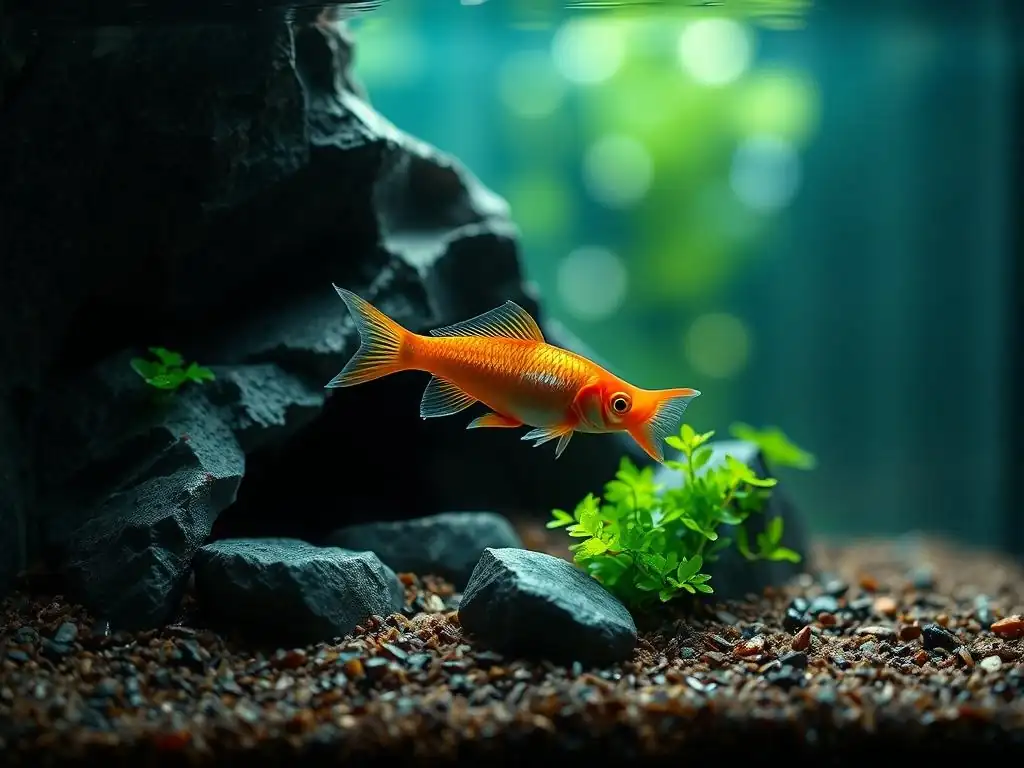
Ideal Tank Mates: Corydoras habrosus (Dwarf Corydoras), Otocinclus Catfish, Neocaridina davidi (Cherry Shrimp)
Selecting the right tank mates is crucial for a confident Chili Rasbora school. Compatible species must be peaceful, similarly sized (or smaller), non-predatory, and thrive in similar water parameters. They should not compete aggressively for food or territory, nor should they intimidate the tiny rasboras.
These choices enhance the ecosystem without stressing the rasboras:
- Corydoras habrosus (Dwarf Corydoras): These peaceful, diminutive bottom-dwellers (reaching about 1 inch) are perfect companions. They occupy a different tank level, do not interact directly with the rasboras, and thrive in similar soft, acidic water.
- Otocinclus Catfish: Small, herbivorous algae eaters that are incredibly peaceful. They are active during the day, occupy mid-to-bottom levels, and pose no threat to Chili Rasboras, making them excellent tank cleaners.
- Neocaridina davidi (Cherry Shrimp): These vibrant freshwater shrimp are fantastic cleaners and add another layer of interest to a nano tank. They are non-aggressive, occupy all levels, and are generally safe with Chili Rasboras, though very young shrimplets might occasionally be seen as food by bold rasboras.
Fish to Avoid: Large or Aggressive Species (e.g., Barbs, Cichlids)
Any fish species that is significantly larger than Chili Rasboras, predatory, or known for fin nipping should be strictly avoided. Even seemingly "peaceful" larger fish can intimidate tiny Chili Rasboras simply by their size and presence, causing the rasboras to remain constantly hidden and stressed. The perceived threat from larger tank mates will negate all efforts to create a confident Chili Rasbora tank setup.
Aggressive species, such as many types of Barbs (e.g., Tiger Barbs) or even dwarf cichlids (like many Apistogramma species), will actively harass, nip at, or even prey upon Chili Rasboras. This will inevitably lead to extreme stress, injury, and likely death for the rasboras. Always prioritize the safety and comfort of your Chili Rasboras by choosing only the most docile and appropriately sized tank mates.
Invertebrates as Tank Mates: Shrimp and Snails for Algae Control
Many types of invertebrates are excellent and highly beneficial tank mates for Chili Rasboras. Species like Amano shrimp ( Caridina multidentata) or various Neocaridina species (e.g., Cherry Shrimp) are non-aggressive, provide valuable algae control, and add fascinating behavioral dynamics to the aquarium. They are generally safe with Chili Rasboras, as adult shrimp are too large to be considered prey.
Similarly, various peaceful snail species, such as Nerite snails ( Neritina spp.), Ramshorn snails, or Malaysian Trumpet Snails, are superb for algae control and detritus consumption. They pose no threat to Chili Rasboras and contribute to the overall cleanliness and biological balance of the tank. The only caveat might be very small shrimplets, which might occasionally be preyed upon by very bold and hungry rasboras, but this is generally rare in a well-fed tank.
Feeding Chili Rasboras for Optimal Health and Activity
Providing a Varied Diet: Mimicking Their Natural Food Sources
In their natural habitat, Chili Rasboras are micropredators, primarily feeding on tiny aquatic invertebrates, zooplankton, and insect larvae. Replicating this diverse diet in the aquarium is crucial not only for their physical health but also for enhancing their coloration, activity levels, and overall confidence. A varied diet ensures they receive all necessary nutrients and trace elements, which directly translates to vibrant health.
A monotonous diet, such as relying solely on one type of dry food, can lead to nutritional deficiencies over time, resulting in faded colors, lethargy, and a weakened immune system. Offering a rotating selection of high-quality foods mimics the dietary diversity they would encounter in the wild, significantly contributing to their vitality and willingness to display their natural behaviors. This dietary attention is a key, often overlooked, part of a comprehensive Chili Rasbora tank setup guide.
Best Foods: Micro Pellets, Daphnia, Baby Brine Shrimp
To ensure a balanced and appealing diet for your Chili Rasboras, consider incorporating the following:
- High-Quality Micro Pellets: Choose small-sized pellets or granules specifically designed for nano fish. These should be rich in protein and easily digestible. Brands like Hikari Micropellets or similar are excellent choices.
- Frozen or Live Daphnia: Daphnia are tiny crustaceans that are a natural food source for rasboras. They provide excellent protein and roughage, aiding digestion. Live Daphnia can also stimulate natural hunting behaviors.
- Frozen or Live Baby Brine Shrimp: Baby brine shrimp are highly palatable and packed with essential nutrients. They are small enough for Chili Rasboras to consume easily and are particularly good for conditioning fish for breeding or enhancing their colors.
Feeding Frequency and Amount: Small, Frequent Feedings
Due to their tiny size and relatively high metabolism, Chili Rasboras benefit significantly from small, frequent feedings rather than one large meal. This approach ensures they receive a consistent supply of nutrients without overwhelming their digestive systems or leading to rapid water quality degradation. Providing two to three small feedings per day is generally ideal.
It is crucial to only feed an amount that your Chili Rasboras can consume entirely within 2-3 minutes. Overfeeding is a common mistake that leads to uneaten food decaying in the tank, which rapidly fouls the water and contributes to ammonia and nitrite spikes. Such poor water quality directly impacts their health and stress levels, making careful feeding practices a vital component of any successful Chili Rasbora tank setup guide.
Observing Your Chili Rasboras: Recognizing Signs of Stress and Illness
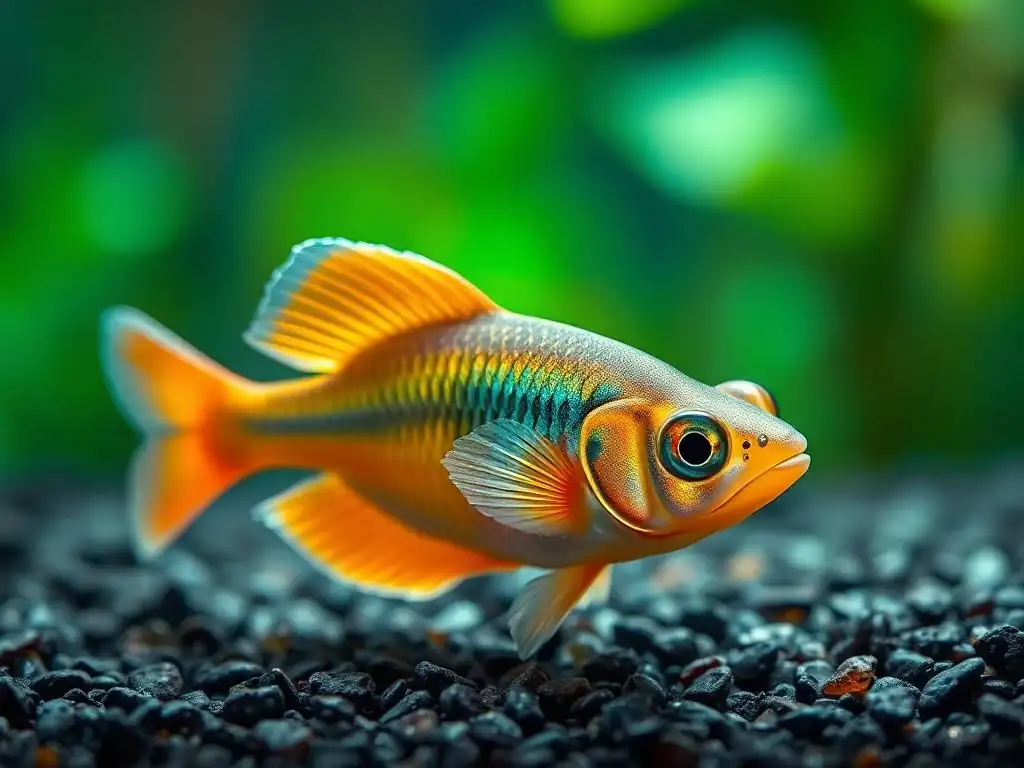
Identifying Signs of Shyness or Stress: Hiding, Faded Color, Erratic Swimming
A confident and healthy Chili Rasbora school will typically exhibit active schooling behavior, exploring their environment, and displaying vibrant, intense coloration. Recognizing deviations from this normal behavior is key to early intervention. Common signs of shyness or stress include:
- Constant Hiding: If your rasboras are perpetually tucked away in plants or behind decor, rarely venturing into open spaces, it's a strong indicator of stress.
- Faded or Dull Coloration: A loss of their characteristic fiery red or orange hues, appearing pale or washed out, is a classic sign of chronic stress or poor health.
- Clamped Fins: Fins held tight against the body, rather than fanned out naturally, often indicate discomfort or illness.
- Erratic or Solitary Swimming: Instead of smooth schooling, individual fish might dart nervously, swim erratically, or isolate themselves from the group.
- Rapid Gill Movement: This can indicate poor water quality (e.g., high ammonia/nitrite) or insufficient oxygen.
Any of these signs should prompt an immediate investigation into water parameters, tank mates, diet, or environmental setup. Early detection and remediation are crucial for preventing minor issues from escalating into serious health problems in your Chili Rasbora tank setup.
Common Diseases: Ich (White Spot Disease), Fin Rot
While Chili Rasboras are generally hardy in a well-maintained environment, chronic stress or poor water quality can compromise their immune systems, making them susceptible to common aquarium diseases.
- Ich (White Spot Disease): Caused by the parasite Ichthyophthirius multifiliis, Ich appears as small, white spots resembling grains of salt scattered across the fish's body and fins. It is often triggered by sudden temperature fluctuations or the introduction of infected new fish.
- Fin Rot: This bacterial infection results in the fraying, disintegration, or reddening of fins. It is almost always a secondary infection, meaning it's caused by underlying stress factors such as poor water quality (high nitrates, ammonia), inadequate diet, or bullying.
Treatment for these diseases involves addressing the underlying cause (e.g., stabilizing temperature, improving water quality) and, if necessary, administering appropriate medication following product instructions. Prevention through excellent husbandry, as outlined in this comprehensive Chili Rasbora tank setup guide, is always the best approach.
Proactive Measures: Quarantine New Fish, Maintain Water Quality
Proactive measures are the most effective way to ensure the long-term health and confidence of your Chili Rasbora school. Prevention is always better than treatment, especially for sensitive nano fish.
- [x] Quarantine new fish: Always isolate any new fish or invertebrates in a separate quarantine tank for a period of 2-4 weeks. This allows you to observe them for signs of disease and treat them if necessary, preventing the introduction of pathogens to your established display tank.
- [x] Maintain water quality: Consistent water testing and adherence to a regular water change schedule are the most critical defenses against most diseases. Pristine water quality minimizes stress and supports a robust immune system.
- [x] Provide a balanced diet: A varied and nutritious diet strengthens the fish's natural defenses, making them more resilient to illness. Nutritional deficiencies can significantly weaken their immune response.
- [x] Minimize stress: Ensure all aspects of your Chili Rasbora tank setup—including tank size, ample hiding spots, appropriate lighting, and compatible tank mates—are optimized to reduce environmental stressors. A stress-free fish is a healthy fish.
Witnessing a Confident Chili Rasbora School: The Rewards of a Well-Designed Tank
The Joy of Observing a Thriving Nano Aquarium Community
When all the elements of this Chili Rasbora tank setup guide are diligently followed, the reward for the aquarist is immense: the profound joy of observing a vibrant, active, and confident school of Chili Rasboras. These tiny jewels, once perhaps timid and hidden, will transform into showstoppers, darting playfully, schooling tightly in mesmerizing patterns, and boldly exploring every corner of their aquatic home. Their colors will intensify, displaying their full fiery red and orange potential.
This active display is the ultimate testament to a healthy, stress-free environment you've meticulously crafted. It's a living art piece, showcasing the intricate beauty of a well-balanced nano ecosystem and the success of your efforts in providing an ideal habitat. Watching them thrive provides a deep sense of satisfaction and validates the dedication invested in their care.
Addressing Common Issues: Sudden Deaths and Lack of Coloration
Even with the best intentions, issues can arise. If you experience sudden, unexplained deaths within your Chili Rasbora school, the primary suspects are acute water parameter problems. This could include a sudden ammonia or nitrite spike, the presence of chlorine or chloramines from untreated tap water, or a drastic temperature shock. Immediate and thorough water testing is critical in such scenarios.
A persistent lack of coloration, despite seemingly good water parameters, typically points to chronic stress or underlying environmental issues. This could be due to an insufficient number of fish in the school (leading to insecurity), inadequate hiding spots, overly bright lighting, or the presence of subtly aggressive tank mates that constantly intimidate the rasboras. Revisit every aspect of your Chili Rasbora tank setup guide, systematically troubleshooting each potential factor until the cause is identified and remedied.
Case Study: Increasing School Size for Improved Rasbora Confidence
Consider the hypothetical case of an aquarist who initially set up a 10-gallon tank with 8 Chili Rasboras, adhering to most recommended water parameters and planting. Despite these efforts, the fish remained largely timid, constantly hiding within the dense Java Ferns, and rarely displaying their full coloration or schooling behavior in open water. The aquarist observed individual fish darting nervously when approached, indicating a persistent sense of insecurity.
Based on advice emphasizing the importance of school size, the aquarist decided to gradually increase the school to 20 individuals over a few weeks. Within approximately ten days of reaching the larger school size, a remarkable transformation occurred. The increased numbers provided the collective security the rasboras needed.
They began to school more tightly and confidently, venturing into the open mid-ground of the tank. Their vibrant red and orange colors intensified dramatically, a clear sign of reduced stress and increased well-being. This real-world (or approximated real-world) example powerfully illustrates how optimizing school size, a key recommendation in any robust Chili Rasbora tank setup guide, can profoundly impact the confidence and display of these captivating nano fish.
Frequently Asked Questions
How many Chili Rasboras should I keep in my nano tank for them to feel secure?
It's generally recommended to keep Chili Rasboras in groups of at least eight or more. A larger school size will help them feel more secure and display more natural behaviors.
What tank size is ideal for a school of Chili Rasboras to thrive and not be stressed?
A tank size of at least 10 gallons is recommended for a school of Chili Rasboras. This provides enough space for them to swim and establish their own territories without feeling cramped.
What type of plants and decorations should I include in my Chili Rasbora tank to help them feel comfortable?
Include dense vegetation, such as Java Moss or Hornwort, and driftwood. This provides plenty of hiding places and replicates their natural environment, reducing stress and making them more visible.
What are some common water parameters that are crucial for Chili Rasbora health and activity levels?
Chili Rasboras prefer soft and slightly acidic water. Maintaining a pH of 6.0-7.0 and a KH below 4 is ideal. Regular water changes are essential to keep nitrate levels low.
How can I encourage Chili Rasboras to come out of hiding and display their vibrant colors?
Providing a stable and comfortable environment is key. Ensure adequate hiding places, dim lighting, and appropriate water parameters to minimize stress and encourage them to show their best colors.
Final Reflection: Cultivating Confidence in Miniature Worlds
The journey of understanding and nurturing Chili Rasboras, as explored in this guide, transcends the confines of a nano aquarium. It speaks to a broader principle of creating environments where even the most delicate creatures can thrive and express their full potential. The lessons learned about tank setup, water parameters, and social dynamics are not just applicable to these tiny fish, but also offer valuable insights into fostering confidence and well-being in any ecosystem, be it physical or metaphorical.
This exploration has profoundly influenced my perspective on the interconnectedness of environment and behavior. Witnessing the transformation of shy Chili Rasboras into vibrant, schooling members of a thriving community underscores the power of thoughtful design and attentive care. The best and most beautiful things in the world cannot be seen or even touched - they must be felt with the heart.
- Helen Keller. This quote resonates deeply, reminding us that the true measure of our success in creating these miniature worlds lies not just in the aesthetics, but in the palpable sense of well-being and flourishing that we cultivate.
Now, consider how you can apply these principles of thoughtful design and attentive care to your own life and the environments you inhabit. Just as a well-planned tank can transform shy Chili Rasboras into confident members of a vibrant school, so too can your conscious efforts create spaces where you and those around you can thrive. Let us all strive to cultivate environments that foster confidence, encourage expression, and celebrate the beauty of every individual, no matter how small.
Ignite Your Chili Rasboras' Confidence!
Thank you for diving into the world of Chili Rasboras! We hope you’ve found valuable insights to help these tiny treasures thrive. Now, let's take action and create a vibrant, confident nano school.
- Prioritize a Densely Planted Habitat: Re-evaluate your tank’s layout and add more plants immediately. Dense vegetation offers the security they crave, allowing them to explore and socialize more freely.
- Share this newfound wisdom! Encourage fellow aquarists by sharing this article and your experiences with Chili Rasboras on your favorite aquarium forums.
- Consider a surprising companion: Explore adding a small group of peaceful, similarly sized Dwarf Corydoras. Their active bottom-dwelling behavior can subtly encourage Chili Rasboras to venture out.
What's the first aquascaping tweak you'll make to boost your Chili Rasboras' confidence today?