
Breeding Blue Tetras: Tips for Propagating These Azure Aquatic Gems

Welcome to Aquarium Mastery!
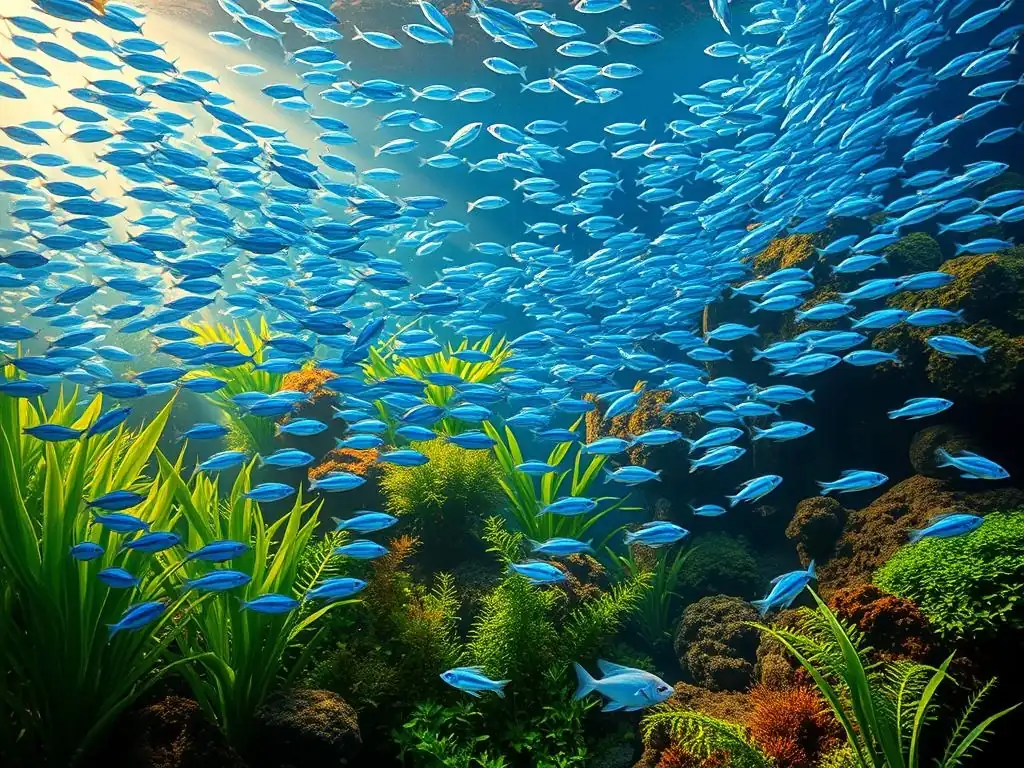
Ever wondered how to unlock the secrets to breeding those dazzling Blue Tetras? Their shimmering azure scales are truly captivating, but successfully propagating them can feel like a real challenge. Dive into our comprehensive guide for expert Blue Tetra breeding tips, and discover the strategies you need to transform your aquarium into a thriving haven for these aquatic gems. Ready to witness the miracle of new life? Let's get started!
- Understanding Blue Tetra Breeding: An Introduction
- Preparing Your Blue Tetras for Breeding: Setting Up the Ideal Environment
- The Blue Tetra Spawning Process: Observation and Intervention
- Raising Blue Tetra Fry: From Hatching to Juvenile
- Common Challenges in Blue Tetra Breeding: Troubleshooting and Solutions
- Optimizing Your Blue Tetra Breeding Program: Advanced Techniques
- Conclusion: Mastering Blue Tetra Reproduction for the Aquarium Hobbyist
- Frequently Asked Questions
- Final Reflection: Unveiling the Azure's Secrets
- Ignite Your Breeding Passion: Cultivate Your Own Blue Tetra School!
Understanding Blue Tetra Breeding: An Introduction
Why Breed Blue Tetras? The Rewards of Propagation
Breeding Blue Tetras, scientifically known as Boehlkea fredcochui, offers a profoundly rewarding experience for any aquarist. Beyond the sheer satisfaction of witnessing new life emerge in your aquarium, successfully propagating these captivating fish contributes to the sustainability of the hobby. It provides an opportunity to observe their intricate courtship rituals and parental behaviors, deepening your understanding of aquatic life cycles. Moreover, raising your own Blue Tetra fry can significantly reduce the demand for wild-caught specimens, promoting responsible fishkeeping practices.
The successful propagation of Blue Tetras can also lead to a thriving population within your own tanks. A single productive spawning event, under optimal conditions, can yield dozens of fry, potentially expanding your collection or allowing you to share these beautiful fish with fellow enthusiasts. This process hones your aquarist skills, challenging you to master water chemistry, nutrition, and environmental control, all of which are invaluable Blue tetra breeding tips for advanced fish keeping.
Distinguishing Male and Female Blue Tetras for Successful Breeding
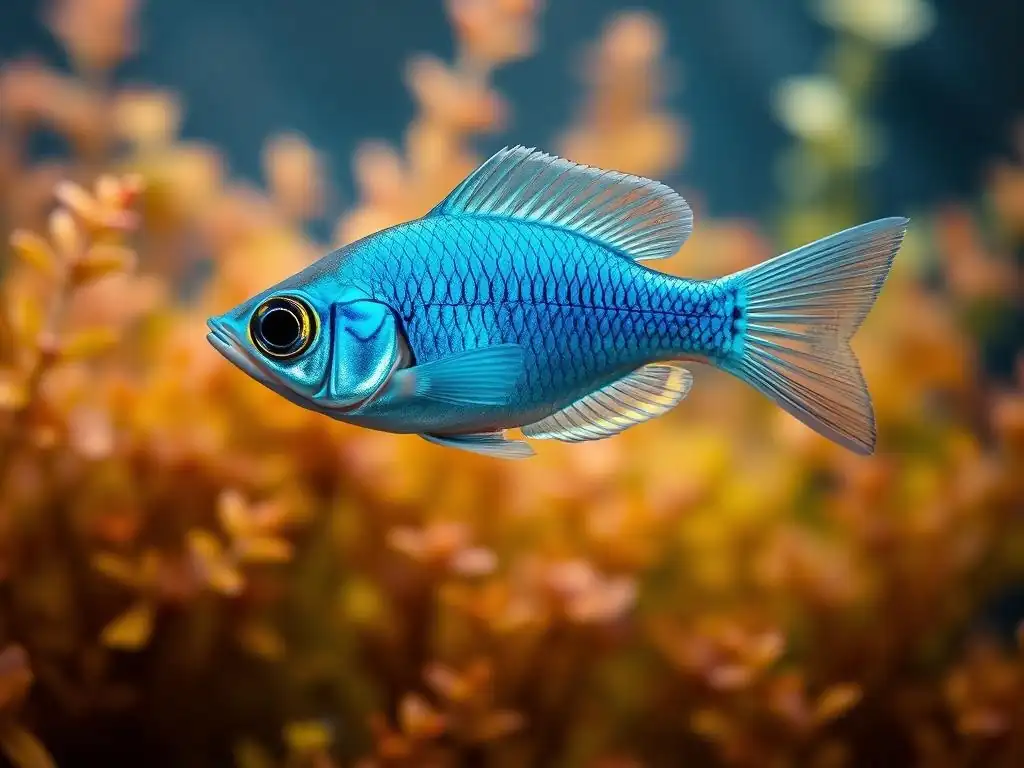
Accurately distinguishing between male and female Blue Tetras is a fundamental step for successful breeding. While subtle, key differences become more apparent as the fish mature and especially during conditioning for spawning. Males are typically more slender and streamlined, often exhibiting slightly more intense coloration, particularly a vibrant blue sheen along their flanks, and may develop more elongated dorsal and anal fins. Their overall body shape is less robust compared to females.
Female Blue Tetras, on the other hand, tend to be noticeably fuller-bodied, especially when they are gravid or "ripe" with eggs. Their abdomen will appear distended, giving them a rounder profile compared to the males. While both sexes reach a similar adult size, typically around 1.5 to 1.8 inches (3.8 to 4.6 cm), a gravid female might appear slightly larger due to her egg mass. Observing these physical distinctions is crucial for selecting a healthy, ready breeding pair, a critical element of effective Blue tetra breeding tips.
Preparing Your Blue Tetras for Breeding: Setting Up the Ideal Environment
Creating a Dedicated Blue Tetra Breeding Tank: Size and Setup
To maximize your success with Blue Tetra breeding, establishing a dedicated breeding tank is highly recommended. A tank size of 5 to 10 gallons (approximately 19 to 38 liters) is generally sufficient for a single breeding pair or a small group of one male and two females. This smaller volume allows for easier control of water parameters and simplifies the process of monitoring eggs and fry. The breeding tank should be meticulously clean, ideally with a bare bottom or a very thin layer of fine, dark substrate to make eggs more visible and easier to collect.
Filtration should be minimal and gentle to prevent delicate eggs or newly hatched fry from being sucked in. A small, air-driven sponge filter is an excellent choice as it provides biological filtration without creating strong currents. A heater is essential to maintain a stable temperature, and a gentle air stone can be added to ensure adequate oxygenation, especially if plants are not used. A lid is also necessary to prevent jumpers and maintain humidity. These setup considerations are vital Blue tetra breeding tips for a successful spawn.
Water Parameters for Blue Tetra Breeding: Achieving Optimal Conditions
Achieving precise water parameters is paramount for encouraging Blue Tetras to spawn and for ensuring the viability of their eggs. The ideal temperature range for breeding is typically between 75-80°F (24-27°C). A slightly acidic pH, ideally between 6.0 and 6.8, is preferred, along with soft water, generally in the range of 2-8 dGH (degrees of General Hardness). These conditions mimic their natural Amazonian habitat and stimulate spawning behavior.
To achieve these specific parameters, it's often necessary to use reverse osmosis (RO) water mixed with a small amount of conditioned tap water, or to employ water conditioners designed to soften water and lower pH. Regular, small water changes in the breeding tank are crucial to maintain pristine conditions and stable chemistry, as fluctuating parameters can stress the fish and inhibit spawning. Consistency in these water parameters is one of the most important Blue tetra breeding tips for successful propagation.
Spawning Substrate and Hiding Places: Encouraging Blue Tetra Spawning
Blue Tetras are egg scatterers, meaning they will deposit their adhesive eggs on various surfaces rather than in a specific nest. Providing an appropriate spawning substrate is key to encouraging them to spawn and offering a place for the eggs to attach. Fine-leafed plants such as Java moss ( Taxiphyllum barbieri) or a spawning mop made from sterile nylon yarn are excellent choices. These materials provide a surface for the eggs to adhere to and offer some protection from potential egg consumption by the parents.
In addition to spawning substrate, providing a few hiding places can reduce stress for the female, especially if the male is particularly persistent during courtship. Small clumps of dense plants, or even a small piece of PVC pipe, can offer a retreat. While not strictly necessary for spawning, a secure environment can encourage more natural behavior and reduce the likelihood of the female becoming overly stressed. These elements contribute significantly to a conducive breeding environment, forming essential Blue tetra breeding tips.
The Blue Tetra Spawning Process: Observation and Intervention
Identifying Blue Tetra Spawning Behavior: Recognizing the Signs
Recognizing the signs of impending Blue Tetra spawning behavior is crucial for timely intervention and maximizing the yield of fry. Prior to spawning, the male will become more vibrant in coloration and actively pursue the female, often displaying his fins and quivering. The female, if ready, will appear noticeably plumper with eggs and may also engage in reciprocal displays. This courtship can last for several hours or even a day.
The actual spawning typically occurs in the early morning, often shortly after the lights come on or as dawn breaks. The pair will engage in a "spawning dance," with the male often wrapping himself around the female or swimming closely beside her. Eggs are then released in small batches, often sticking to the provided spawning mop or plant material. Observing the female's abdomen for a noticeable reduction in size is a good indicator that spawning is complete. These observations are critical Blue tetra breeding tips for a successful breeding program.
Protecting the Eggs: Preventing Predation by Adult Tetras
One of the most significant challenges in Blue Tetra breeding is preventing the adult fish from consuming their own eggs. Blue Tetras, like many other characins, have a strong instinct to eat their progeny. This predatory behavior can decimate an entire spawn within hours if not addressed promptly. Therefore, effective strategies for egg protection are paramount to any successful Blue tetra breeding tips.
Several methods can be employed to protect the eggs. The most common approach is to use a coarse spawning grid or a layer of marbles at the bottom of the tank, allowing eggs to fall through out of reach of the parents. Alternatively, a dense spawning mop or a large clump of Java moss can collect the eggs, which can then be carefully transferred to a separate hatching tank. However, the most reliable method for protecting eggs is the immediate removal of the adult fish once spawning is observed to be complete.
Removing the Parents Post-Spawning: Ensuring Fry Survival
Once the Blue Tetras have finished spawning, the immediate removal of the adult pair from the breeding tank is a critical step to ensure the survival of the eggs and subsequent fry. As mentioned, adult Blue Tetras are notorious egg eaters, and leaving them in the tank, even with a spawning grid, significantly jeopardizes the future generation. The female will appear noticeably thinner and less distended after releasing her eggs, indicating the spawning process is over.
Carefully net the adult fish and return them to their main display tank. This action not only prevents predation but also allows the eggs to develop in a pristine, undisturbed environment. The absence of adult fish reduces stress on the developing embryos and eliminates the need for constant monitoring to prevent them from consuming the eggs. This swift action is one of the most important Blue tetra breeding tips for maximizing your hatch rate and fry survival.
Raising Blue Tetra Fry: From Hatching to Juvenile
Hatching and First Foods: Initial Care for Blue Tetra Fry
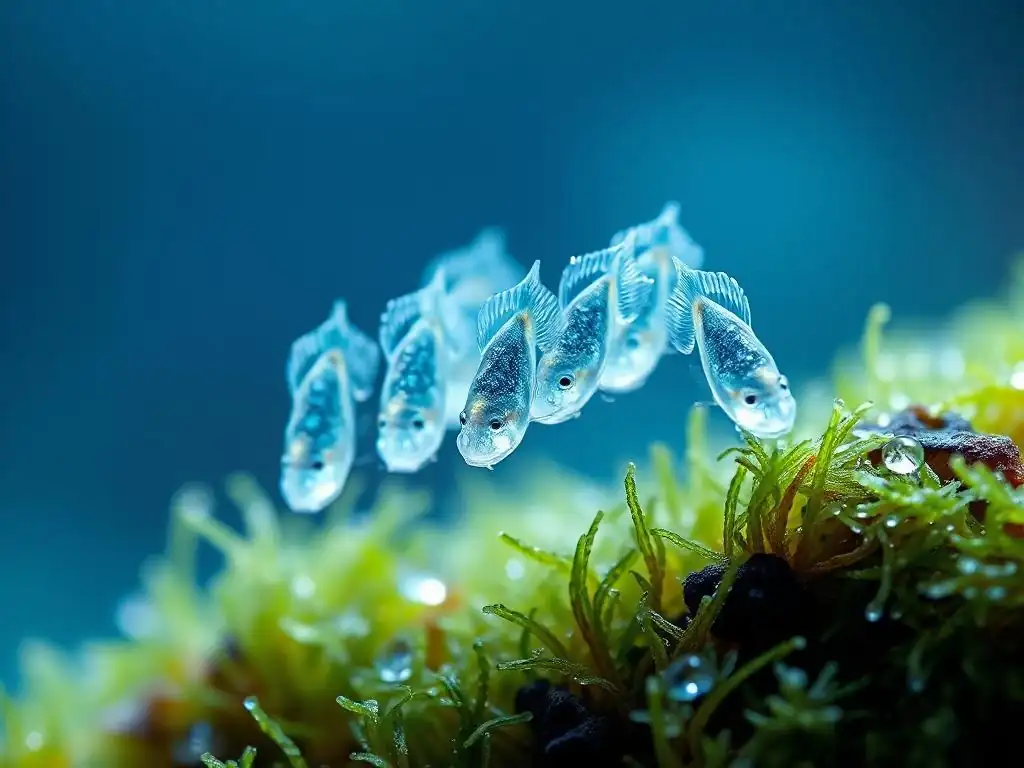
Blue Tetra eggs typically hatch within 24 to 48 hours after spawning, depending on the water temperature. The newly hatched fry are incredibly tiny and appear as almost translucent specks. For the first few days, they will primarily feed on their yolk sacs, which provide essential nutrients for their initial development. During this period, they will often remain motionless, clinging to the sides of the tank or to plants.
Once their yolk sacs are absorbed, usually after 2-3 days, the fry will become free-swimming and actively seek food. At this stage, their mouths are extremely small, necessitating microscopic food sources. Infusoria, a culture of microscopic organisms, is the ideal first food. Alternatively, specialized liquid fry foods or green water (algae-rich water) can be used. Consistent feeding of these tiny organisms, several times a day, is crucial for their initial growth and survival, making it a key component of Blue tetra breeding tips.
Feeding Blue Tetra Fry: Dietary Needs for Growth and Development
As Blue Tetra fry grow, their dietary needs evolve, requiring a progression of food sizes to support their rapid development. After 5-7 days on infusoria, they will be large enough to consume newly hatched brine shrimp nauplii (Artemia). Brine shrimp are an excellent high-protein food source that promotes vigorous growth and vibrant coloration. Feeding brine shrimp 2-3 times daily is highly recommended during this crucial stage.
As the fry continue to grow, usually after 2-3 weeks, they can be gradually introduced to finely crushed high-quality flake food or specialized micro-pellets designed for small fish. It's important to offer a varied diet to ensure they receive all necessary nutrients. Frequent, small feedings throughout the day (3-5 times) are more beneficial than fewer, larger feedings, as this mimics their natural feeding behavior and prevents water quality degradation from uneaten food. These feeding strategies are vital Blue tetra breeding tips for healthy fry development.
Maintaining Water Quality for Blue Tetra Fry: Preventing Disease
Maintaining impeccable water quality is arguably the most critical aspect of raising Blue Tetra fry. Fry are extremely sensitive to even minute fluctuations in water parameters and to the presence of dissolved pollutants, such as ammonia and nitrite. Poor water quality is a leading cause of fry mortality, making meticulous water management a cornerstone of successful Blue tetra breeding tips.
Small, daily water changes of 10-20% are highly recommended to keep the water pristine. Use aged, dechlorinated water that matches the temperature and parameters of the fry tank. A gentle sponge filter is ideal for fry tanks as it provides biological filtration without creating strong currents that could overwhelm the tiny fish, and it won't suck them in. Regularly siphoning out any uneaten food and detritus from the bottom of the tank is also essential to prevent the buildup of harmful substances. Vigilance in water quality ensures a healthy environment for the vulnerable fry.
Common Challenges in Blue Tetra Breeding: Troubleshooting and Solutions
Addressing Infertile Eggs: Causes and Prevention
Encountering infertile eggs is a common challenge in Blue Tetra breeding, often indicated by eggs that remain opaque white or cloudy instead of developing a clear, translucent appearance. Several factors can contribute to infertility. One common cause is poor conditioning of the parent fish; if they are not fed a high-quality, varied diet rich in live or frozen foods for several weeks prior to spawning, their reproductive health may be compromised. Incompatible pairs or immature fish can also lead to unfertilized eggs.
To prevent infertile eggs, ensure your breeding pair is well-conditioned and mature. Males should be actively displaying and females should be visibly gravid. Optimize water parameters in the breeding tank to the precise requirements for Blue Tetra spawning (soft, acidic water at 75-80°F). Introducing a slightly higher male-to-female ratio, such as two males for one female, can sometimes increase the chances of successful fertilization by promoting competitive spawning.
Preventing Fungal Infections in Eggs: Maintaining a Clean Environment
Fungal infections are a significant threat to Blue Tetra eggs, particularly those that are infertile or unfertilized. Fungi typically appear as a fuzzy, white growth on the egg surface and can rapidly spread to healthy, viable eggs, leading to widespread loss of the entire spawn. Maintaining a scrupulously clean breeding environment is the primary defense against these infections.
To prevent fungal outbreaks, ensure the breeding tank is sterile before use and that water parameters are consistently optimal. Promptly remove any infertile or fungused eggs using a pipette or small baster, as soon as they are identified, to prevent the spread. Some aquarists also use very mild antifungal treatments, such as a low concentration of methylene blue, or add Indian almond leaves (catappa leaves) to the breeding tank. These leaves release tannins that have mild antifungal and antibacterial properties, creating a more natural, protective environment for the delicate eggs.
Combating Fry Mortality: Identifying and Resolving Issues
High fry mortality rates are a disheartening but common issue for new breeders. Identifying the underlying causes is crucial for implementing effective solutions. The most frequent culprits include poor water quality, inadequate or incorrect feeding, and insufficient aeration. Tiny Blue Tetra fry are incredibly sensitive to ammonia and nitrite spikes, which can occur rapidly in a small tank without proper maintenance.
To combat fry mortality, rigorously adhere to a schedule of small, daily water changes, ensuring the new water matches the existing tank parameters. Provide appropriate food for their size and stage of development, starting with infusoria and progressing to newly hatched brine shrimp. Ensure gentle but adequate aeration via a sponge filter. Additionally, overcrowding can lead to stress and competition for food, so avoid putting too many fry in a single tank. Addressing these factors proactively significantly improves the survival rate of your precious Blue Tetra fry, refining your Blue tetra breeding tips.
Optimizing Your Blue Tetra Breeding Program: Advanced Techniques
Selective Breeding for Improved Traits: Enhancing Color and Health
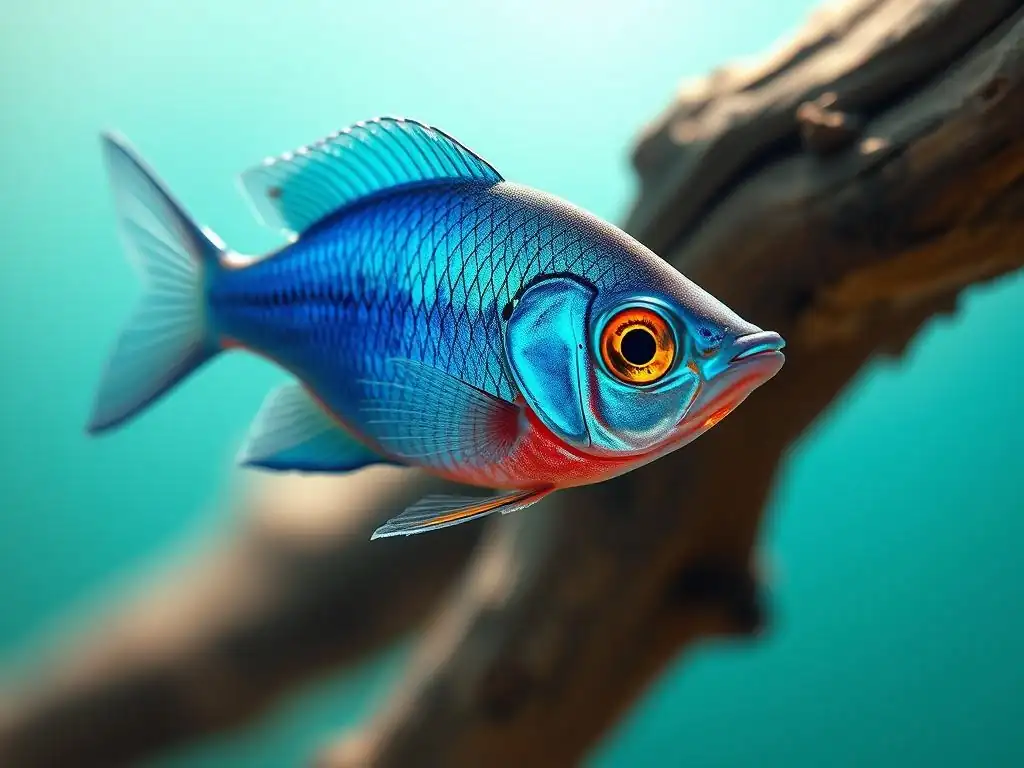
Once you have mastered the basics of Blue Tetra reproduction, you can begin to optimize your breeding program through selective breeding. This advanced technique involves carefully choosing parent fish that exhibit desirable traits, such as exceptionally vibrant blue coloration, robust health, active swimming, or a particularly peaceful temperament. By consistently breeding individuals with these superior characteristics, you can gradually enhance these traits in successive generations of your Blue Tetras.
The process of selective breeding requires meticulous observation and record-keeping. From each successful spawn, identify the fry that display the most promising attributes as they mature. These "superior" individuals are then set aside to become the future breeding stock. Over several generations, this focused approach can lead to a distinct line of Blue Tetras that are not only more beautiful but also healthier and more resilient, embodying the pinnacle of Blue tetra breeding tips.
Maintaining Genetic Diversity: Preventing Inbreeding Issues
While selective breeding is powerful for enhancing specific traits, it carries the risk of inbreeding depression if not managed carefully. Inbreeding, which occurs when closely related individuals are repeatedly bred, can lead to reduced vitality, smaller size, increased susceptibility to disease, deformities, and overall weakened genetic stock. Maintaining genetic diversity is therefore crucial for the long-term health and vigor of your Blue Tetra colony.
To prevent inbreeding issues, it's advisable to periodically introduce new, unrelated breeding stock from different sources into your program. Avoid continually breeding siblings or parent-offspring pairs. If you have multiple breeding tanks, rotate the parent fish to mix genetic lines. Aim to maintain a diverse gene pool by not relying on just one or two pairs. A healthy breeding program for Blue Tetras typically benefits from a minimum of 6-8 unrelated initial individuals to ensure a robust genetic foundation, a vital component of advanced Blue tetra breeding tips.
Recording and Tracking Breeding Success: Improving Future Outcomes
For serious Blue Tetra breeders, comprehensive record-keeping is an invaluable tool for optimizing future outcomes and refining breeding strategies. Detailed records allow you to track patterns, identify successful approaches, and troubleshoot challenges more effectively. Key data points to record include: the date of spawning, the specific parent fish involved, water parameters during spawning, the estimated number of eggs, hatching rates, and the survival rate of fry to various stages (e.g., free-swimming, juvenile).
Beyond numerical data, note any observations about parental behavior, the type of spawning substrate used, and the fry's response to different foods. This information helps you identify which pairs are most prolific, which water conditions yield the best results, and what feeding regimes promote the healthiest fry growth. By systematically tracking your breeding success and challenges, you transform your hobby into a more scientific endeavor, continuously improving your Blue tetra breeding tips and overall propagation efficiency.
Conclusion: Mastering Blue Tetra Reproduction for the Aquarium Hobbyist
Mastering Blue Tetra reproduction is a journey that enriches the aquarium hobbyist's experience, transforming a simple display tank into a dynamic ecosystem of life and learning. From meticulously preparing the breeding environment with precise water parameters and suitable spawning substrates to vigilantly protecting delicate eggs and nurturing microscopic fry, each step presents a unique challenge and reward. The dedication required to successfully propagate these azure aquatic gems not only hones your aquarist skills but also deepens your appreciation for the intricate life cycles within our aquatic worlds.
By applying the detailed Blue tetra breeding tips outlined, from distinguishing sexes and providing optimal conditions to troubleshooting common pitfalls and employing advanced selective breeding techniques, you empower yourself to contribute meaningfully to the hobby. The satisfaction of seeing a new generation of Blue Tetras thrive under your care is immense, reinforcing the joy of responsible fishkeeping and ensuring these vibrant fish continue to grace aquariums for years to come. Embrace the challenge, enjoy the process, and become a true master of Blue Tetra reproduction.
Frequently Asked Questions
How difficult is it to breed Blue Tetras?
Breeding Blue Tetras is considered moderately challenging. Requires specific water parameters and a dedicated breeding tank to ensure successful spawning and fry survival.
What are the ideal water parameters for breeding Blue Tetras?
The ideal water parameters include a slightly acidic pH (around 6.0-6.5), soft water (GH below 5), and a temperature of around 78-82°F (25-28°C). Consistent water quality is absolutely crucial.
What kind of setup is needed for a Blue Tetra breeding tank?
A small, dimly lit tank (around 5-10 gallons) with fine-leaved plants or a spawning mop is recommended. The bottom should be bare or covered with a mesh to prevent the parents from eating the eggs.
What do Blue Tetra fry eat after hatching?
Newly hatched fry initially feed on their yolk sacs. After a few days, they require infusoria, liquid fry food, or baby brine shrimp to provide the necessary nutrients for healthy growth.
How can I prevent the adult Blue Tetras from eating their eggs or fry?
Removing the adults immediately after spawning is the best way to protect the eggs and fry. Alternatively, using a spawning trap or separating the eggs also works well.
Final Reflection: Unveiling the Azure's Secrets
The delicate dance of life, so vividly displayed in the breeding of Blue Tetras, is more than just a scientific process; it's a testament to the interconnectedness of our actions and the delicate balance of nature. In a world increasingly disconnected from the natural world, understanding and appreciating the intricacies of even the smallest ecosystem, like a home aquarium, becomes profoundly important.
The journey of propagating these azure gems has not only enriched our understanding of aquatic life but has also fostered a deeper appreciation for the fragility and beauty of the natural world. It reminds us that even in our controlled environments, we are participants in a larger, more complex web of life. In nature, nothing exists alone.
- Rachel Carson. This quote resonates deeply, highlighting the responsibility we bear in ensuring the well-being of these creatures and the ecosystems they represent.
As you embark on your own journey, armed with these Blue Tetra breeding tips, remember that you are not merely a caretaker, but a steward of life. Let the vibrant blue of these tiny fish inspire you to reflect on the beauty and responsibility that comes with nurturing life, and to consider how you can contribute to a more sustainable and harmonious world, one shimmering scale at a time.
Ignite Your Breeding Passion: Cultivate Your Own Blue Tetra School!
Thank you for diving into the fascinating world of Blue Tetra breeding! We hope this article has provided you with the knowledge and inspiration to successfully propagate these shimmering jewels. Now, it's time to put that knowledge into action and experience the joy of creating new life in your aquarium.
Here are a few next steps you can take:
- Set up your dedicated breeding tank: This is your primary mission! Prepare a suitable environment to maximize your chances of a successful spawn.
- Share your Blue Tetra breeding goals with the Aquarium Mastery community: Let's learn and grow together! Share your plans, ask questions, and document your journey.
- Explore complementary species for your Blue Tetras: Research tank mates that will thrive alongside your Blue Tetras and enhance your aquarium's biodiversity.
What specific challenge are you most excited to tackle as you begin your Blue Tetra breeding adventure?