
Line Breeding Guppies: A Guide to Developing Unique Color Strains

Welcome to Aquarium Mastery!
Dive into the fascinating world of aquariums, where vibrant life thrives under your care. Ever wondered how breeders achieve those stunning and unique guppy color variations? Our latest article unravels the secrets of guppies line breeding colors, guiding you through the process of developing your own dazzling strains. Intrigued? Explore the art and science behind creating breathtaking guppy lineages and unlock the potential within your own aquarium. Let's get started!
- Introduction to Guppy Line Breeding for Color Development
- Preparing for Your Guppy Line Breeding Project
-
The Guppy Line Breeding Process: Step-by-Step
- Step 1: Initial Pairings and First Generation (F1) Guppies
- Step 2: Identifying Desirable Traits in F1 Guppies: Color Selection
- Step 3: Backcrossing: Mating F1 Guppies Back to Parent Stock
- Step 4: Selective Breeding within the Line: Enhancing Color Intensity
- Step 5: Maintaining Genetic Diversity: Avoiding Inbreeding Depression in Guppies
- Understanding Guppy Color Genetics and Inheritance
- Documenting Your Guppy Line Breeding Progress
- Maintaining a Healthy Guppy Line
- Advanced Guppy Line Breeding Techniques
- Ethical Considerations in Guppy Line Breeding
- Troubleshooting Common Guppy Line Breeding Problems
- Showcasing Your Unique Guppy Strains
- Conclusion: The Art and Science of Line Breeding Guppies for Stunning Colors
-
Frequently Asked Questions
- How does line breeding help develop unique guppy colors?
- What are the primary risks associated with line breeding guppies?
- How do I select the best guppies for my line breeding project?
- How often should I introduce new genetic material into my guppy line?
- What are some common color traits that can be enhanced through line breeding?
- Final Reflection: Weaving the Tapestry of Guppy Genetics
- Dive Deeper: Cultivate Your Guppy Dreams!
Introduction to Guppy Line Breeding for Color Development
Understanding the Basics of Line Breeding Guppies
Line breeding is a highly focused and systematic approach to fish breeding, distinct from general breeding, where the primary goal is to perpetuate a specific, desirable trait or set of traits within a closed population. Unlike simply breeding any two guppies, line breeding involves carefully selecting individuals from subsequent generations that exhibit the desired characteristics most strongly, then breeding them back to the original parent stock or to close relatives. This process aims to increase the homozygosity of the genes responsible for those traits, effectively "fixing" them within the genetic line, ensuring consistency in offspring.
This controlled method allows aquarists to refine and stabilize specific attributes over multiple generations, such as a particular fin shape, body pattern, or, most commonly, vibrant guppies line breeding colors. For instance, if you start with a guppy showing a nascent "Cobra" pattern, line breeding involves selecting offspring that display that pattern more intensely and consistently, then pairing them strategically. This meticulous selection reduces genetic variation for the chosen trait, making the expression of specific guppies line breeding colors predictable and repeatable in future generations.
Why Line Breed Guppies? Developing Superior Color Traits
The primary motivation for line breeding guppies is to elevate and stabilize superior color traits that are either rare, exceptionally vibrant, or not consistently expressed in general populations. Through this focused selection, breeders can intensify existing colors, create entirely new combinations, or purify a specific color strain to a high degree of uniformity. For example, a "Full Red" guppy strain, which boasts a deep, uniform red across its body and fins, is the result of many generations of dedicated line breeding to eliminate any mottling or dullness.
Beyond mere aesthetics, line breeding also contributes to the overall robustness of a specific strain. By carefully selecting for strong health and vigor alongside desirable guppies line breeding colors, breeders can produce fish that are not only beautiful but also resilient. This process allows for the development of distinct and recognizable strains, such as the "Blue Moscow," known for its iridescent blue sheen, or the "Red Dragon," characterized by its intricate red and black patterns, which consistently pass on their unique visual characteristics to their progeny.
The Aquarium Mastery Approach to Guppy Genetics
At Aquarium Mastery, our approach to guppy genetics is rooted in a blend of scientific understanding and practical application, empowering hobbyists to unlock the full potential of guppies line breeding colors. We emphasize that while the principles of Mendelian genetics provide the foundation, successful line breeding also requires keen observation, meticulous record-keeping, and a patient, long-term perspective. Our methodology focuses on demystifying complex genetic concepts, making them accessible to every aspiring breeder.
We advocate for an ethical breeding philosophy where the health and well-being of the guppies are paramount. This means not only striving for stunning guppies line breeding colors but also ensuring that the fish are vigorous, free from deformities, and thrive in their environment. By guiding breeders through the intricacies of gene expression, sex-linked traits, and the art of selective pairing, Aquarium Mastery aims to equip enthusiasts with the knowledge and confidence to create their own unique, healthy, and consistently beautiful guppy strains.
Preparing for Your Guppy Line Breeding Project
Selecting Your Foundation Guppies: Choosing Ideal Color Patterns
The success of any guppies line breeding colors project hinges on the quality of your initial breeding stock, known as foundation guppies. It is crucial to select healthy, vibrant individuals that display the desired color patterns or traits as strongly as possible, even if they are not yet perfectly refined. Look for guppies with clear, intense coloration, well-formed fins, and an energetic swimming habit. Avoid fish that appear lethargic, have clamped fins, or show any signs of disease, as these issues can be passed down and undermine your breeding efforts.
For example, if your goal is to develop a "Green Cobra" strain, choose a male and female that already exhibit the clearest possible green base color and distinct "cobra" patterns, even if the pattern isn't fully developed. If you're aiming for a "Half Black" body, select individuals with the most defined black pigment on the rear half of their bodies.
Remember, you are looking for the potential and the strongest existing expression of your target guppies line breeding colors, as these will be the building blocks for future generations. Investing in high-quality foundation stock from a reputable source can significantly shorten the time needed to achieve your desired results.
Setting Up Dedicated Breeding Tanks for Guppy Line Breeding
Dedicated breeding tanks are indispensable for a controlled guppies line breeding colors project, allowing you to manage specific pairings and protect vulnerable fry. A minimum of three to five separate tanks is often recommended: one for the breeding pair, one or more for separating male and female fry as they mature, and potentially one for grow-out. Small tanks, typically 5 to 10 gallons (approximately 19 to 38 liters), are ideal for individual breeding pairs or small groups of developing fry.
These tanks should be set up with simplicity in mind. Bare bottoms or a thin layer of fine gravel make cleaning easier and reduce the hiding places for uneaten food, which can foul the water. Gentle filtration, such as sponge filters, is crucial to prevent strong currents that can stress guppies and harm delicate fry. Plenty of floating plants like Guppy grass, Java moss, or even artificial breeding mops provide essential hiding spots for newborn fry, significantly increasing their survival rate and allowing you to track the development of their guppies line breeding colors more effectively.
Essential Equipment for Successful Guppy Breeding
Beyond the tanks themselves, several pieces of equipment are essential for a successful guppies line breeding colors endeavor. Reliable heaters are critical to maintain a stable water temperature, ideally between 76-80°F (24-27°C), which promotes optimal guppy health and breeding activity. Gentle sponge filters, powered by an air pump, provide biological filtration without creating strong currents that can exhaust guppies or suck in fry. A thermometer is necessary to constantly monitor water temperature.
Other vital tools include water testing kits for pH, ammonia, nitrite, and nitrate, allowing you to maintain pristine water conditions, which are paramount for vibrant guppies line breeding colors and overall health. Siphons and buckets are needed for regular water changes. Additionally, a small net for carefully handling fry and adults, and potentially breeding boxes or nets within the main tank, can be useful for isolating pregnant females just before birth to ensure maximum fry survival. High-quality lighting is also important for observing your fish and promoting plant growth if live plants are used.
The Guppy Line Breeding Process: Step-by-Step
Step 1: Initial Pairings and First Generation (F1) Guppies
The first crucial step in guppies line breeding colors is selecting your initial breeding pair. Choose one male and one female that most strongly exhibit the desired traits you aim to develop. For instance, if you are aiming for a "Red Dragon" strain, select the male with the most intense red and distinct black patterns, and a female who also carries these traits or is from a line known to produce them. Isolate this pair in a dedicated breeding tank to ensure controlled parentage.
After approximately 21 to 30 days, the female guppy will give birth to the first generation (F1) of fry. It is essential to remove the parents promptly after the fry are born to prevent predation, as guppies are known to eat their young. The F1 generation will display a mix of traits from both parents, and while they may not yet fully express your target guppies line breeding colors, they are the foundation from which you will make your first selections. Careful observation of these fry as they mature is paramount.
Step 2: Identifying Desirable Traits in F1 Guppies: Color Selection
Once the F1 guppies begin to mature, typically around 3-4 weeks of age when their colors start to develop, the critical process of selection begins. Carefully observe each individual for the expression of your desired guppies line breeding colors and other traits. Identify and separate the individuals that show the strongest and most promising characteristics. For example, if you are breeding for a "Blue Moscow" strain, select the F1 males and females that exhibit the deepest blue iridescence and healthiest finnage.
It is important to be highly selective at this stage. Any individuals that show undesirable traits, deformities, or do not display the potential for your target guppies line breeding colors should be culled from the breeding program. This strict culling ensures that only the best genetics are carried forward, preventing the dilution of your desired traits. The remaining selected F1 individuals will form the basis for your next breeding pairings, moving you closer to stabilizing your unique guppy strain.
Step 3: Backcrossing: Mating F1 Guppies Back to Parent Stock
Backcrossing is a powerful technique often employed in guppies line breeding colors to quickly fix desired traits and increase their homozygosity. This involves mating selected F1 individuals, typically the best F1 female, back to one of the original parent fish, usually the male parent who most clearly embodies the desired color or pattern. This process effectively doubles down on the genetics of that superior parent, reinforcing the specific genes you are trying to establish.
The purpose of backcrossing is to intensify the expression of the target trait and reduce unwanted genetic variation, thereby accelerating the development of a stable line. For instance, if your original male had an exceptionally vibrant "Full Red" tail, backcrossing his F1 daughters to him will significantly increase the chances of his offspring consistently inheriting that intense red. This often results in a more uniform and predictable expression of guppies line breeding colors in the subsequent generations (F2, F3, etc.) compared to simply breeding F1s together.
Step 4: Selective Breeding within the Line: Enhancing Color Intensity
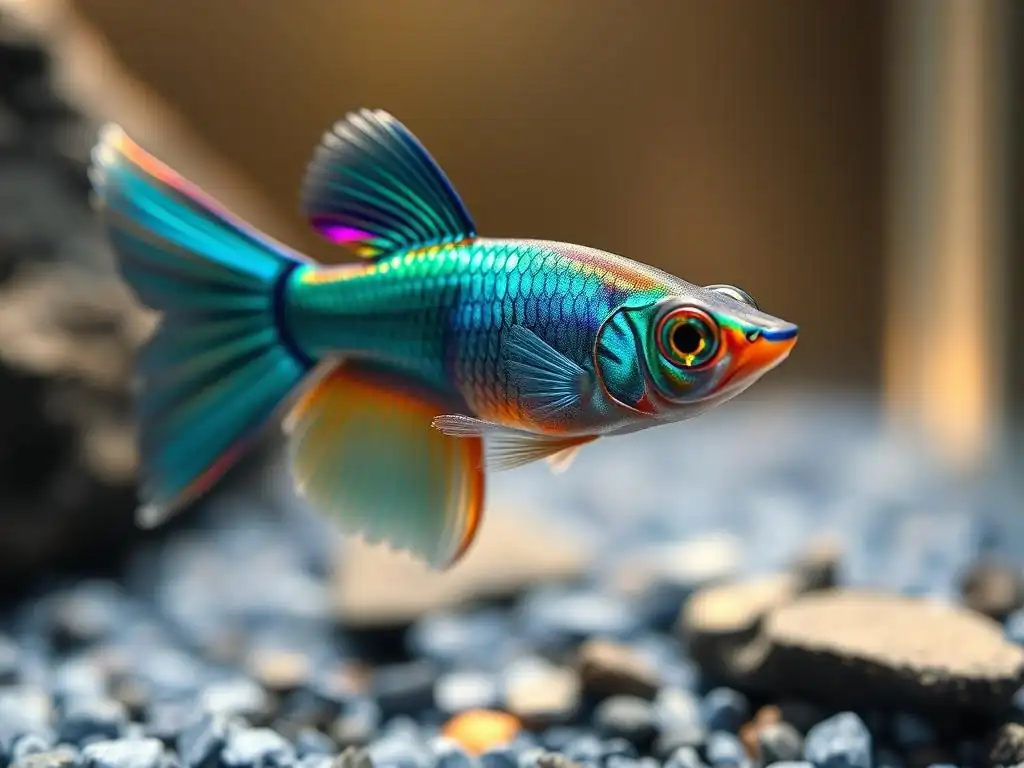
After initial backcrossing, or as your line progresses through several generations, the focus shifts to selective breeding within the developing line. This involves pairing the best individuals from the current generation (e.g., F2, F3, F4, etc.) that exhibit the most intense and consistent expression of your desired guppies line breeding colors. For example, if you are working on a "Panda" guppy strain, you would select the males with the clearest black and white patterns and females that consistently produce offspring with these patterns.
This step is a continuous cycle of observation, selection, and pairing. You are constantly refining the line, aiming for greater uniformity and vibrancy with each successive generation. Consistent culling of individuals that do not meet your standards is crucial to prevent dilution of the desired traits. Patience and meticulous attention to detail are key; it can take many generations, sometimes 5 to 10 or more, to truly stabilize a new guppy strain with predictably stunning guppies line breeding colors.
Step 5: Maintaining Genetic Diversity: Avoiding Inbreeding Depression in Guppies
While line breeding inherently reduces genetic diversity to fix specific traits, continuous inbreeding within a very small gene pool can lead to inbreeding depression. This manifests as reduced vigor, smaller size, decreased fertility, increased susceptibility to diseases, and even deformities like bent spines. It is a critical concern that breeders must actively manage to ensure the long-term health and viability of their guppy line, even as they strive for specific guppies line breeding colors.
To combat inbreeding depression, strategic outcrossing is sometimes necessary. This involves introducing a carefully selected, unrelated individual from a different, healthy line that ideally shares some of your desired traits, or at least does not introduce undesirable ones. This new blood can revitalize the genetic pool, improving overall health and vigor without completely undoing the progress made on your guppies line breeding colors. Alternatively, maintaining multiple sub-lines that are occasionally crossed can also help preserve a broader genetic base.
Understanding Guppy Color Genetics and Inheritance
Dominant and Recessive Genes in Guppy Color Expression
Guppy color expression is governed by a complex interplay of dominant and recessive genes, similar to Mendelian inheritance patterns observed in other organisms. A dominant gene will express its trait even if only one copy is present (e.g., from one parent), often masking the presence of a recessive gene. For instance, some metallic body colors, like the iridescence of a "Moscow" guppy, can be dominant traits. If a guppy inherits one dominant "Moscow" gene and one recessive gene for a different body color, it will still display the "Moscow" coloration.
Conversely, a recessive gene will only express its trait if two copies are inherited, one from each parent. Examples of recessive traits in guppies include certain body colors like "Blonde" or "Albino" and some specific fin patterns. If you breed two guppies that are carriers for a recessive "Blonde" gene (meaning they each carry one copy but don't express it), approximately 25% of their offspring might express the "Blonde" coloration. Understanding these fundamental principles is crucial for predicting and manipulating guppies line breeding colors in your breeding program.
Identifying and Working with Sex-Linked Traits in Guppies
Many of the most striking and complex guppies line breeding colors, particularly those expressed in male guppies, are controlled by sex-linked genes. In guppies, males have XY chromosomes, and females have XX. Genes located on the X or Y chromosomes are called sex-linked because their inheritance patterns differ between sexes. The Y chromosome, passed exclusively from father to son, is particularly significant in male guppy coloration, carrying genes for many of the elaborate patterns and vibrant colors seen in males.
For example, the "Moscow" gene, responsible for the deep, iridescent blue or black coloration, is often Y-linked. This means a male Moscow guppy will pass this trait directly to all his male offspring, but not to his daughters. Similarly, certain "Snakeskin" patterns or "Cobra" patterns can be Y-linked. Recognizing these sex-linked traits allows breeders to strategically select and pair fish to produce specific male guppies line breeding colors with high predictability, making the male a powerful tool in establishing a new line.
Understanding the Role of the Y Chromosome in Male Guppy Color
The Y chromosome plays a pivotal and unique role in determining the expression of many male guppy colors and patterns. Unlike the X chromosome, which is present in both males and females, the Y chromosome is exclusively passed from father to son. This means any genes located on the Y chromosome will only be expressed in males and will be inherited directly from their father. This direct, father-to-son inheritance makes Y-linked traits incredibly stable and predictable in guppies line breeding colors.
Breeders often leverage the Y chromosome to establish and refine male-specific color strains. If a male displays an exceptionally desirable, seemingly Y-linked trait, breeding him to multiple females (even those without the trait) can quickly spread that specific coloration among his male offspring. This allows for rapid development and stabilization of male guppies line breeding colors, such as the intense "Neon Blue" or specific "Leopard" patterns, which are primarily expressed and inherited through the Y chromosome.
Documenting Your Guppy Line Breeding Progress
Creating a Guppy Pedigree Chart: Tracking Lineage and Color Inheritance
Meticulous record-keeping is the backbone of any successful guppies line breeding colors project. Creating a detailed guppy pedigree chart is essential for tracking lineage, understanding inheritance patterns, and making informed breeding decisions. A pedigree chart is essentially a family tree for your fish, illustrating the relationships between individuals and the traits they possess. Each entry should include the unique ID of the fish, its parents' IDs, its birth date, and a detailed description of its key traits.
For example, a chart entry might look like: "F1-001 (Male) - Parents: P1-Male x P1-Female - Born: 2023/10/05 - Traits: Strong Blue Moscow body, developing Delta fin, good health." By consistently updating this chart, you can quickly identify successful pairings, trace the emergence of specific guppies line breeding colors, and avoid potential inbreeding pitfalls by easily seeing family relations. This systematic approach transforms your breeding efforts from guesswork into a precise, scientific endeavor.
Photographing and Documenting Guppy Color Variations
Visual documentation is as important as written records in guppies line breeding colors. Regularly photographing your guppies, especially key individuals and representatives of each generation, provides an invaluable visual timeline of your progress. Photos capture the nuances of color intensity, pattern development, and fin shape changes that written descriptions might miss. It also allows you to compare individuals across generations to assess the effectiveness of your selective breeding.
When photographing, aim for consistent conditions: use neutral backgrounds (e.g., a plain white or blue sheet), consistent lighting, and clear focus. Capture multiple angles to showcase all aspects of the guppy's coloration and form. Label each photo with the fish's ID, generation, and date taken. This photographic library serves as a powerful reference tool, helping you identify subtle improvements or regressions in your guppies line breeding colors and guiding your future breeding choices.
Utilizing Digital Tools for Tracking Guppy Lineage
In the modern era, digital tools offer unparalleled efficiency for tracking complex guppies line breeding colors projects. Spreadsheets, such as Microsoft Excel or Google Sheets, are highly versatile for creating and managing your guppy pedigree charts. You can set up columns for unique IDs, parent IDs, birth dates, specific color traits (e.g., "Red intensity: 8/10," "Moscow blue: Present"), fin types, health notes, and even links to corresponding photographs.
Beyond simple data entry, these digital tools allow for powerful analysis. You can sort your data by specific traits, filter to identify all offspring from a particular parent, or even use formulas to calculate inbreeding coefficients. Some dedicated aquarium breeding software is also available, offering features specifically tailored for fish lineage tracking. Utilizing these digital solutions streamlines the administrative burden, freeing up more time for observation and hands-on breeding for your desired guppies line breeding colors.
Maintaining a Healthy Guppy Line
Water Quality Management for Optimal Guppy Health and Color
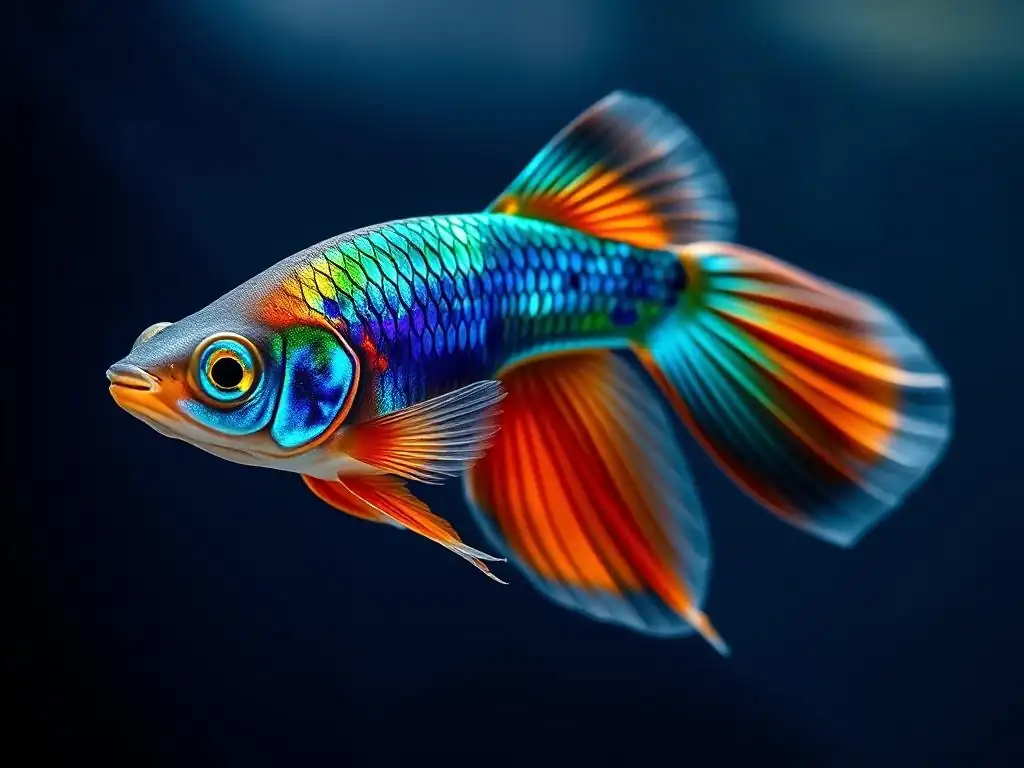
Pristine water quality is absolutely non-negotiable for maintaining a healthy guppy line and ensuring the vibrant expression of guppies line breeding colors. Guppies thrive in stable conditions, so consistent water parameters are paramount. Maintain a stable temperature between 76-80°F (24-27°C) and a pH near neutral, typically between 6.8 and 7.8. Crucially, ammonia and nitrite levels must always be at zero, and nitrates should be kept as low as possible, ideally below 20 ppm.
Regular water changes are the most effective way to achieve this. Performing 25-30% water changes weekly, or even twice a week for heavily stocked breeding tanks, helps replenish essential minerals and remove accumulating nitrates. Poor water quality is a major stressor for guppies, leading to dull colors, clamped fins, and increased susceptibility to disease. Conversely, a healthy environment allows guppies to display their full genetic potential, resulting in the most brilliant guppies line breeding colors.
Nutrition and Feeding Strategies for Vibrant Guppy Colors
A high-quality, varied diet is fundamental not only for the overall health and growth of your guppies but also for maximizing the intensity and vibrancy of their guppies line breeding colors. Guppies are omnivores and benefit from a mix of flake foods, pellets, and live or frozen protein sources. Incorporate high-quality flake foods specifically formulated for color enhancement, which often contain natural pigments like astaxanthin or spirulina.
Supplement their diet with live or frozen foods such as brine shrimp, daphnia, bloodworms, and mosquito larvae. These provide essential proteins, fats, and micronutrients that contribute to robust health and brilliant coloration. For instance, astaxanthin, found in certain foods, is known to intensify red and orange pigments in fish. Feed small amounts multiple times a day, only what they can consume within a few minutes, to prevent uneaten food from fouling the water, ensuring your guppies receive optimal nutrition for their stunning guppies line breeding colors.
Preventing and Treating Common Guppy Diseases
Preventing disease is far more effective than treating it, especially in a dedicated guppies line breeding colors program where the health of your genetic stock is critical. The most common guppy diseases include fin rot, ich (white spot disease), and columnaris (cotton mouth). The primary preventative measure is maintaining excellent water quality and stable tank parameters, as stressed fish are more vulnerable to illness. Always quarantine new fish for at least 2-3 weeks in a separate tank before introducing them to your main breeding lines, even if they appear healthy, to avoid introducing pathogens.
If disease does occur, prompt identification and treatment are essential. For mild cases of fin rot, improving water quality and adding aquarium salt (1 teaspoon per gallon) can often resolve the issue. Ich typically presents as small white spots and can be treated by slowly raising the water temperature to 82-84°F (28-29°C) and using an appropriate anti-parasitic medication. For more serious bacterial infections like columnaris, specific antibiotics may be required. A proactive approach to health management ensures your valuable guppies line breeding colors remain vibrant and robust.
Advanced Guppy Line Breeding Techniques
Outcrossing: Introducing New Genetics to Improve Vigor and Color
Outcrossing is an advanced technique used in guppies line breeding colors to introduce new genetic material into an established line, primarily to combat inbreeding depression and improve overall vigor. After several generations of close-line breeding, a line can become weakened, exhibiting reduced fertility, smaller size, and increased susceptibility to disease. Outcrossing involves carefully selecting an unrelated guppy, often from a different, healthy strain, and breeding it with an individual from your established line.
The key to successful outcrossing is meticulous selection of the new fish. It should be exceptionally healthy, free of deformities, and ideally possess some of the desired traits or complementary ones, without introducing undesirable genes. For instance, if your "Blue Moscow" line is showing signs of weakness, you might introduce a healthy, robust female from a different, strong blue line. While outcrossing temporarily dilutes the purity of your specific guppies line breeding colors, the subsequent generations will benefit from increased hybrid vigor, which can then be selectively bred back towards your target traits.
Selective Culling: Removing Undesirable Traits from Your Guppy Line
Selective culling, though a difficult aspect for many hobbyists, is an absolutely essential practice in advanced guppies line breeding colors. Culling involves the humane removal of individuals from your breeding program that do not meet your breeding standards, exhibit deformities, or show signs of poor health. This practice ensures that only the best, most robust, and truest-to-type individuals contribute to the next generation, thereby refining and improving the overall quality of your line.
Criteria for culling can include poor coloration, inconsistent patterns, genetic deformities (e.g., bent spines, shrunken bodies), slow growth rates, or chronic health issues. For example, if you are breeding for a "Half Black" guppy, any fry that do not develop a clear distinction between the front and rear body coloration should be culled. While it may seem harsh, culling is a responsible breeding practice that prevents the propagation of genetic weaknesses and ultimately leads to stronger, healthier, and more aesthetically superior guppies line breeding colors in your strain.
Developing a New Guppy Strain Through Multi-Generational Selection
Developing a truly unique and stable guppy strain with consistent guppies line breeding colors is a long-term project that requires dedication and a deep understanding of multi-generational selection. It involves the consistent application of all line breeding principles—initial selection, strategic pairings, backcrossing, outcrossing, and rigorous culling—over many successive generations, often five to ten or even more. The goal is to "fix" a specific combination of traits so that they consistently appear in the offspring with minimal variation.
This process often begins with a clear vision: perhaps combining the intense red of one line with the unique fin shape of another, or even capitalizing on a spontaneous mutation. Each generation brings you closer to your goal, as you continually select the best individuals that embody your ideal and eliminate those that do not. A new strain is considered established when its unique guppies line breeding colors, patterns, and other desired characteristics consistently reproduce true to type, making it a recognized and stable variety within the guppy community.
Ethical Considerations in Guppy Line Breeding
Responsible Breeding Practices: Avoiding Deformities and Health Issues
Ethical considerations are paramount in guppies line breeding colors. Responsible breeding prioritizes the health, welfare, and quality of life of the fish above all else. This means actively working to prevent the propagation of genetic deformities and health issues that can arise from excessive inbreeding or the pursuit of extreme aesthetic traits. For instance, while highly elaborate fins might be visually appealing, if they impede the guppy's ability to swim or lead to chronic fin rot, their development should be re-evaluated.
Breeders have a moral obligation to ensure that the guppies they produce are not only beautiful but also robust and capable of leading healthy lives. This includes maintaining excellent water quality, providing optimal nutrition, and implementing a humane culling strategy for individuals that exhibit severe deformities or suffer from persistent health problems. The aim should be to create a line of guppies that thrive, showcasing stunning guppies line breeding colors without compromising their well-being.
Maintaining Genetic Diversity in Guppy Populations
While line breeding inherently reduces genetic diversity within a specific strain to fix desired traits, it is crucial for breeders to consider the broader impact on the overall guppy population. Over-reliance on a very narrow genetic pool across the hobby can lead to a general weakening of the species, making it more susceptible to diseases or environmental changes. Responsible breeders contribute to the collective health of guppies by maintaining robust and diverse lines within their own breeding programs.
This can involve strategically introducing new, healthy bloodlines through carefully planned outcrossing to reinvigorate a line's vigor, or by maintaining multiple distinct sub-lines that are occasionally crossed. Furthermore, sharing healthy, well-documented fish with other reputable hobbyists helps to distribute strong genetics and prevent bottlenecking of specific guppies line breeding colors. By prioritizing both the purity of their line and the overall genetic health of the species, breeders contribute positively to the future of guppy keeping.
Troubleshooting Common Guppy Line Breeding Problems
Inbreeding Depression: Recognizing and Addressing the Issues
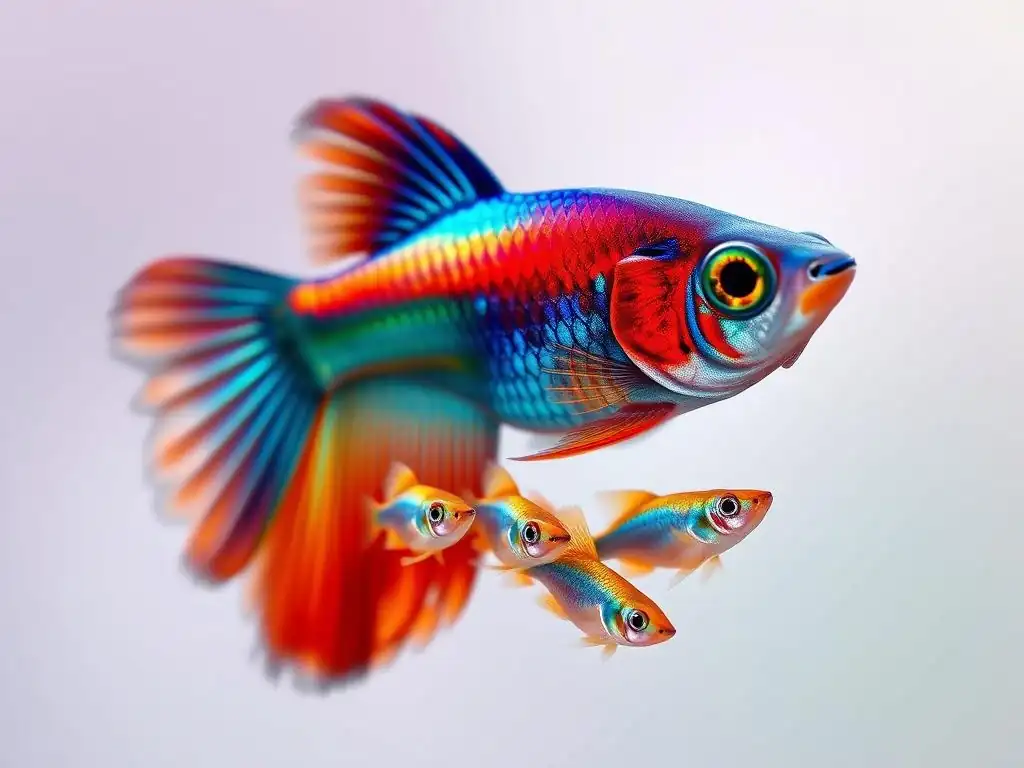
Inbreeding depression is a common and significant problem encountered in guppies line breeding colors, especially after several generations of close-line breeding. It occurs when the genetic diversity within a line becomes too narrow, leading to an increased expression of deleterious recessive genes. Symptoms include a noticeable decline in overall vigor, reduced growth rates, smaller adult size, decreased fertility (fewer fry per spawn or infertile eggs), increased susceptibility to diseases, and the appearance of deformities such as bent spines or underdeveloped fins. The guppies' colors may also appear less vibrant or consistent.
If you observe these signs, it's a clear indication that your line is suffering from inbreeding depression and needs immediate intervention. The most effective solution is strategic outcrossing: introduce a healthy, unrelated guppy from a different, robust line into your breeding program. Select an individual that ideally possesses some of your desired traits or at least does not carry undesirable ones. While this may temporarily dilute the purity of your specific guppies line breeding colors, it will inject much-needed genetic vigor, leading to healthier, more fertile offspring in subsequent generations.
Unexpected Color Variations: Understanding Genetic Mutations
During a guppies line breeding colors project, it is not uncommon to encounter unexpected color variations or patterns that deviate from your breeding goals. These can often be attributed to spontaneous genetic mutations. Mutations are natural, random changes in a guppy's DNA, and they can be either beneficial, detrimental, or neutral. Sometimes, a mutation might result in a completely new, desirable color or pattern that has never been seen before, while other times it might lead to an undesirable or unstable trait.
When an unexpected variation appears, careful observation is key. If the variation is appealing and appears stable (i.e., it consistently reproduces in subsequent generations), it could be the starting point for developing an entirely new guppy strain. However, if the variation is undesirable, unstable, or linked to health issues, the individual should be culled from the breeding program to prevent its propagation. Understanding that mutations are part of the genetic landscape allows breeders to either capitalize on novel opportunities for guppies line breeding colors or effectively manage unwanted deviations.
Managing Fry Survival Rates in Breeding Tanks
Achieving high fry survival rates is crucial for the success of any guppies line breeding colors project, as a larger pool of healthy fry increases your chances of selecting the best individuals for future generations. Low fry survival is a common problem, often due to predation by adult guppies, poor water quality, or inadequate feeding. Adult guppies, including the parents, will readily eat their own fry if given the opportunity, especially in an open tank.
To maximize survival, set up dedicated fry grow-out tanks or ensure the breeding tank has ample hiding spots such as dense floating plants (e.g., Guppy grass, Java moss) or breeding mops. Remove adult guppies immediately after the female has given birth. Maintain pristine water quality in fry tanks through daily small water changes (e.g., 10-15%) and gentle sponge filtration. Feed fry high-quality, finely crushed flake food, specialized fry food, or live foods like newly hatched brine shrimp multiple times a day (4-6 times) to support rapid growth and development of their guppies line breeding colors.
Showcasing Your Unique Guppy Strains
Preparing Guppies for Competition: Color Enhancement and Presentation
For breeders interested in showcasing their unique guppies line breeding colors, preparing fish for competition is an art form in itself. The goal is to present your guppies in their absolute prime, highlighting their vibrant coloration, perfect finnage, and overall health. Leading up to a show, intensify your feeding regimen with high-quality, color-enhancing foods rich in carotenoids (like astaxanthin for reds and oranges, or spirulina for blues and greens) for several weeks. This can significantly deepen and enrich their natural guppies line breeding colors.
Ensure impeccable water quality in their conditioning tank, performing daily small water changes to keep nitrates virtually undetectable. This reduces stress and allows the fish to display their full potential. Avoid any sudden changes in diet or environment just before the show. On the day of the competition, present your guppy in a clean, appropriately sized viewing container, ensuring it is active, alert, and its guppies line breeding colors are shining brightly. Judges will evaluate not only the specific color pattern but also the fish's overall health, vigor, and conformation to the breed standard.
Sharing your guppy breeding journey and the unique guppies line breeding colors you develop is a rewarding aspect of the hobby and greatly benefits the wider aquarium community. Participating in local aquarium clubs, online forums, social media groups, and even YouTube channels allows you to connect with fellow enthusiasts, exchange knowledge, and receive valuable feedback on your strains. Documenting your progress, sharing photos and videos of your unique fish, and explaining your breeding methods can inspire and educate others.
Networking within the community can also open doors to new breeding stock, provide insights into advanced techniques, and even lead to opportunities to trade or sell your surplus fish. Many breeders find immense satisfaction in seeing their unique guppies line breeding colors appreciated by others and contributing to the diversity of guppy strains available. It's a way to give back to the hobby and foster a collaborative environment where passion for guppies can flourish.
Conclusion: The Art and Science of Line Breeding Guppies for Stunning Colors
The Future of Guppy Color Development Through Line Breeding
The future of guppy color development through line breeding is boundless, fueled by the continuous dedication of aquarists and the infinite possibilities of genetic combinations. As our understanding of guppy genetics deepens, breeders will continue to uncover novel ways to manipulate and enhance existing guppies line breeding colors, leading to the creation of even more breathtaking and stable strains. New scientific discoveries, coupled with the relentless pursuit of perfection by hobbyists, ensure that the evolution of guppy aesthetics is an ongoing journey.
Emerging technologies in genetic analysis, though currently more common in commercial aquaculture, may eventually become more accessible to hobbyists, offering unprecedented insights into the genetic makeup of their fish. This could accelerate the development of complex guppies line breeding colors and patterns, allowing for more precise and efficient breeding programs. Ultimately, the future holds endless potential for innovation, promising a vibrant and diverse array of guppy strains for generations of enthusiasts to enjoy.
Resources for Further Learning About Guppy Genetics and Breeding
For those eager to deepen their understanding of guppy genetics and master the art of guppies line breeding colors, a wealth of resources is available. Reputable books specifically dedicated to guppy breeding and genetics often provide detailed insights into inheritance patterns, selective breeding techniques, and strain development. Online forums and communities, such as those found on platforms like Fishlore or GuppyCentral, offer invaluable opportunities to connect with experienced breeders, ask questions, and learn from collective wisdom.
Additionally, academic papers on fish genetics, though sometimes technical, can provide a scientific foundation for understanding complex inheritance. Attending local aquarium club meetings or fish shows can also be highly beneficial for networking and observing high-quality guppy strains firsthand. The journey of mastering guppies line breeding colors is one of continuous learning, and by actively seeking out and utilizing these resources, breeders can significantly enhance their success and enjoyment in this rewarding endeavor.
Frequently Asked Questions
How does line breeding help develop unique guppy colors?
Line breeding allows you to concentrate desired genes that control color. By consistently breeding related guppies with the trait you want, you increase the likelihood of it appearing in future generations and homozygous traits.
What are the primary risks associated with line breeding guppies?
The main risk is inbreeding depression, which can lead to weaker immune systems and deformities. This is due to the reduction in genetic diversity. Careful selection and occasional outcrossing can mitigate these risks.
How do I select the best guppies for my line breeding project?
Choose guppies with the most vibrant and consistent colors that you want to develop. Also consider overall health, fin shape, and size. Keep detailed records of each guppy's traits.
How often should I introduce new genetic material into my guppy line?
The frequency depends on the health and vigor of your line, but generally, introducing new blood every 3-5 generations helps to maintain genetic diversity. This can help prevent inbreeding depression.
What are some common color traits that can be enhanced through line breeding?
Common traits include red, blue, yellow, and metallic sheens. You can also focus on fin patterns like snakeskin or mosaic. The possibilities are endless with careful selection and breeding.
Final Reflection: Weaving the Tapestry of Guppy Genetics
The journey into line breeding guppies, as we've explored, is more than just a technical exercise; it's a testament to the power of selective breeding in shaping the natural world. The ability to meticulously craft unique color strains, generation after generation, highlights the profound influence we can have on the aesthetics and genetic diversity of these captivating creatures. This practice, while demanding patience and precision, underscores the delicate balance between human intervention and the inherent beauty of nature.
This pursuit of vibrant and novel guppy colors has not only enriched the aquascaping hobby but also subtly reshaped our appreciation for the intricate dance of genetics. Witnessing the emergence of a new color strain, a living embodiment of our intentional efforts, is a deeply rewarding experience that fosters a profound connection with the natural world. The beauty of line breeding lies not just in the final product, but in the journey of understanding and manipulating the genetic code to achieve a desired outcome.
This quote encapsulates the essence of the art – a blend of science, artistry, and unwavering dedication.
Now, as you embark on your own journey into the world of guppy line breeding, remember that you are not merely breeding fish; you are shaping the future of their lineage. Embrace the challenges, celebrate the successes, and never lose sight of the beauty and responsibility that comes with wielding such power. Let the colors you create be a reflection of your passion, your dedication, and your unwavering commitment to the art of guppy genetics.
Dive Deeper: Cultivate Your Guppy Dreams!
Thanks for exploring the fascinating world of guppy line breeding! We hope you've gained valuable insights into creating your own vibrant color strains. Ready to take the plunge?
Here's how you can continue your guppy adventure:
- Start Your First Line: Choose your favorite guppy characteristics and begin selectively breeding to amplify those traits!
- Document Everything: Keep a detailed breeding log, including photos, to track genetic progress and identify unexpected mutations.
- Share Your Success (and Challenges!): Connect with fellow guppy enthusiasts on forums or social media to learn and inspire.
What unique color combination will you strive to create, and what challenges do you anticipate along the way?