
Betta Tank Enrichment: Busting Boredom for a Happier Fish

Welcome to Aquarium Mastery!
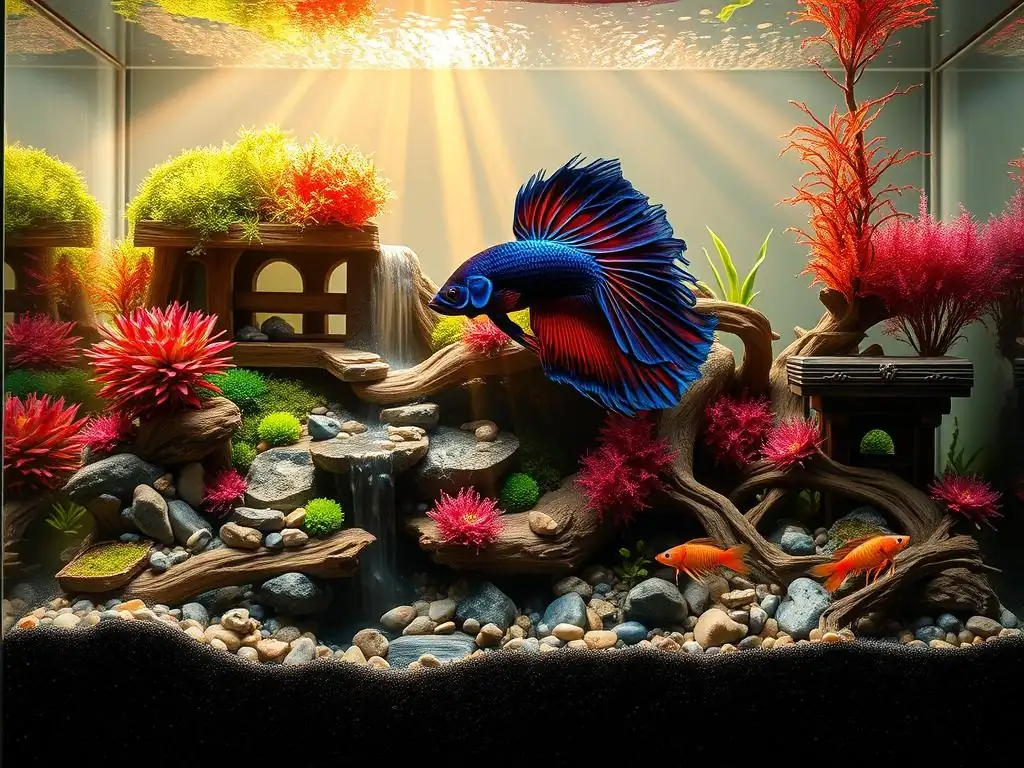
Ever wondered if your betta is living its best life? Dive in and discover the secrets to a happy betta tank enrichment! Uncover simple yet effective ways to transform your betta's home into a stimulating paradise, and say goodbye to boredom. Let's explore how to create an environment where your betta thrives, showcasing its vibrant personality and natural behaviors. Ready to make your betta's tank the envy of all the fin-friends?
- Understanding Betta Fish Behavior and the Need for Enrichment
- The Importance of a Stimulating Betta Tank Environment
- Top Betta Tank Enrichment Ideas for a Happier Fish
- DIY Betta Tank Enrichment Projects: Creative Solutions
- Maintaining a Happy and Enriched Betta Tank
- Advanced Betta Enrichment Strategies
-
Frequently Asked Questions
- How does enrichment help a Betta fish in its tank?
- What are some simple, inexpensive ways to add enrichment to a Betta tank?
- What types of decorations should I avoid when enriching a Betta tank?
- How often should I change or rearrange the enrichment items in my Betta tank?
- Besides physical objects, what other forms of enrichment can I provide for my Betta?
- Final Reflection: Cultivating Joy in the Betta's World
- Dive Deeper: Transform Your Betta's World!
Understanding Betta Fish Behavior and the Need for Enrichment
Why Betta Fish Get Bored in Tanks
Betta fish, often misunderstood as simple, low-maintenance pets, are in fact intelligent and curious creatures with complex behavioral needs. When confined to small, barren tanks, such as the common 1-gallon bowls or even smaller containers, they lack the mental and physical stimulation essential for their well-being. This deprivation can lead to significant boredom, manifested through repetitive behaviors like glass surfing (constantly swimming along the tank walls) or even self-mutilation, such as fin nipping, where the fish bites its own fins due to stress and lack of engagement.
Research into fish behavior indicates that environmental complexity is crucial for cognitive health. A study on cichlids, for instance, demonstrated that fish in enriched environments exhibited more exploratory behavior and less aggression compared to those in barren tanks. While specific studies on betta boredom are emerging, anecdotal evidence from experienced aquarists overwhelmingly points to a direct correlation between tank enrichment and reduced stress behaviors. A lack of varied stimuli prevents bettas from engaging in natural foraging, exploring, and hiding instincts, leading to a state of apathy that is detrimental to their health.
Natural Betta Habitats and Their Impact on Behavior
To truly understand the need for a happy betta tank enrichment, it's vital to consider their natural habitats. Betta splendens, or Siamese fighting fish, originate from the shallow, slow-moving waters of Southeast Asia, including rice paddies, marshes, and even temporary puddles. These environments are far from barren; they are densely packed with aquatic vegetation, fallen leaves, roots, and other organic debris. This intricate landscape provides a constant source of sensory input, offering numerous hiding spots from predators, territories to defend (against rivals, not necessarily other fish), and diverse areas for foraging.
The complexity of these natural settings profoundly impacts betta behavior. They are accustomed to navigating through dense plant thickets, exploring crevices, and resting on broad leaves just below the water's surface. This constant interaction with their environment keeps their minds stimulated and their bodies active. Without these elements, a betta in a clear, empty tank is like a human in a featureless white room – it lacks the stimuli necessary for natural expression and can quickly become stressed and lethargic. Providing a rich environment is key to a truly happy betta tank.
Signs of Boredom in Betta Fish: Recognizing Stress Signals
Recognizing the signs of boredom in your betta is the first step towards providing a happy betta tank enrichment. One of the most common indicators is lethargy; a bored betta may spend an excessive amount of time motionless, often at the bottom or top of the tank, showing little interest in its surroundings. Another clear sign is glass surfing, where the fish repeatedly swims back and forth along the tank walls, seemingly trying to escape. This behavior is a strong indicator of stress and a lack of engaging stimuli within its current environment.
Beyond these, a bored or stressed betta might exhibit a loss of appetite, refusing food it normally enjoys, or its vibrant colors may dull significantly. Fin clamping, where the fins are held close to the body instead of being fanned out, is another stress signal. In severe cases, bettas may resort to self-mutilation, such as fin biting or tail biting, a distressing behavior where the fish damages its own fins, often mistaken for fin rot but stemming from psychological distress. Observing these signs should prompt immediate action to introduce enriching elements and create a stimulating, happy betta tank.
The Importance of a Stimulating Betta Tank Environment
Benefits of Enrichment for Betta Fish Health and Longevity
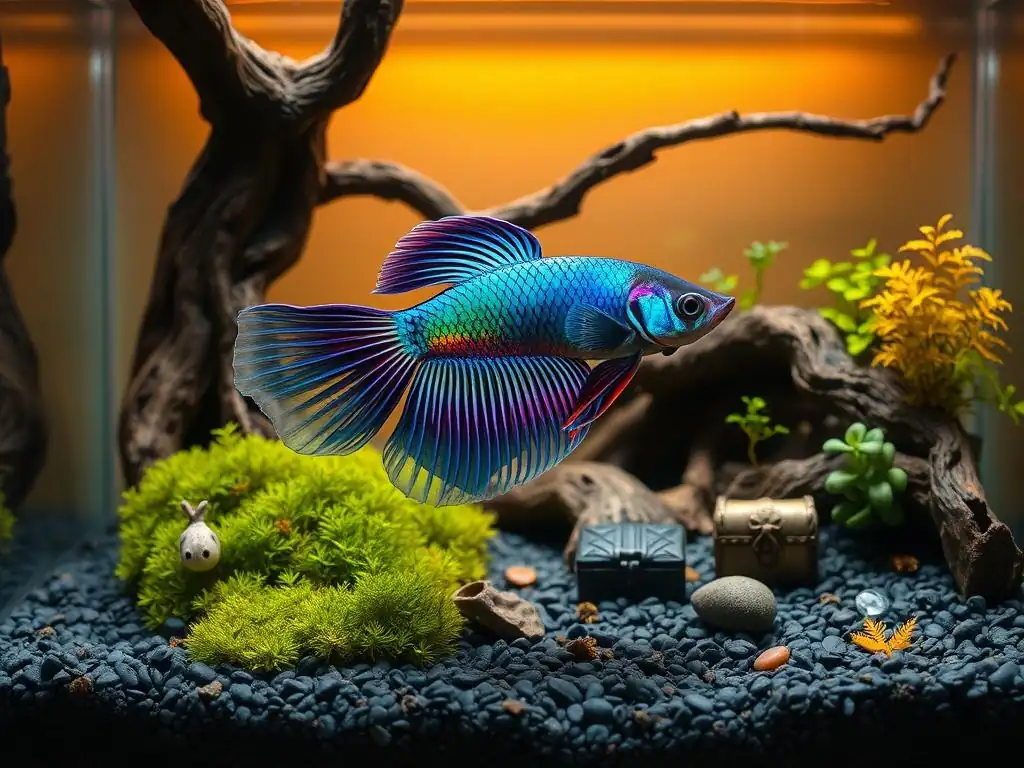
Providing a stimulating environment for your betta fish goes far beyond simply preventing boredom; it directly contributes to their overall health and significantly extends their lifespan. A well-enriched tank reduces chronic stress, which is a major contributor to weakened immune systems in fish. When stress is minimized, bettas are less susceptible to common ailments like fin rot, ich, and fungal infections, leading to fewer veterinarian visits and a healthier, more resilient fish.
Anecdotal evidence from seasoned aquarists suggests that bettas kept in richly decorated and appropriately sized tanks (e.g., 5 gallons or more) often live for 3 to 5 years, and sometimes even longer, whereas those in barren or undersized setups typically succumb within 1 to 2 years. This remarkable difference in longevity underscores the profound impact of a happy betta tank enrichment. Furthermore, enriched bettas display more vibrant coloration, stronger fin growth, and a more active, engaging personality, reflecting a truly thriving and robust pet.
Creating a Happy Betta Tank: Beyond Basic Needs
While essential elements like appropriate tank size (a minimum of 5 gallons is widely recommended), proper filtration, a heater maintaining a stable temperature between 76-82°F (24-28°C), and regular water changes are fundamental, creating a truly happy betta tank requires going beyond these basic necessities. It involves understanding and catering to the betta's natural instincts and behaviors. This means providing opportunities for exploration, secure resting spots, and areas for foraging, mimicking the complexity of their natural habitats.
The goal is to transform a simple glass box into a dynamic ecosystem. This holistic approach ensures that the betta's physical needs are met, and its psychological well-being is nurtured. By focusing on environmental complexity, you empower your betta to engage in natural behaviors, such as navigating through dense plant cover, exploring crevices, or resting on broad leaves near the surface. This proactive approach to care is what truly defines a happy betta tank, fostering a more robust and content fish.
Achieving a Balanced and Naturalistic Betta Setup
Achieving a balanced and naturalistic betta setup is crucial for effective happy betta tank enrichment. This involves creating a varied landscape within the aquarium that offers both open swimming spaces and densely planted or decorated areas. A good rule of thumb is to dedicate approximately 60-70% of the tank to dense coverage, providing ample hiding spots and visual breaks, while leaving the remaining 30-40% as open water for swimming and patrolling.
Mimicking the natural conditions of their wild habitats, with their intricate network of plants, roots, and leaf litter, encourages bettas to exhibit their full range of natural behaviors. This might include building bubble nests under floating plants, exploring new nooks and crannies, or simply retreating to a secure spot when they feel the need for privacy. A well-designed, naturalistic setup not only promotes the betta's physical health but also provides continuous mental stimulation, ensuring a truly happy betta tank that visually appealing for the owner and functionally enriching for the fish.
Top Betta Tank Enrichment Ideas for a Happier Fish
Aquatic Plants for Betta Enrichment: Live vs. Artificial
When considering plants for your betta's tank, you have two primary options: live or artificial. Live aquatic plants offer a multitude of benefits that artificial ones cannot fully replicate. They contribute to water quality by absorbing nitrates, provide oxygen, and foster the growth of beneficial microorganisms which can be a supplemental food source. Moreover, they offer a natural feel and a constantly evolving landscape, which is excellent for happy betta tank enrichment.
Artificial plants, while requiring less maintenance, must be chosen carefully. Stiff plastic plants can easily tear a betta's delicate fins, leading to injury and potential infection. Opt instead for silk plants, which are much softer and pose less risk. However, even silk plants lack the biological benefits of live plants. For optimal happy betta tank enrichment, live plants are strongly recommended due to their dynamic nature and positive impact on water parameters.
Choosing the Right Live Plants for a Betta Tank
Selecting the right live plants for a betta tank involves choosing species that are both easy to care for and beneficial to the betta. Since bettas prefer calm, dimly lit environments, low-light, slow-growing plants are ideal. These plants generally don't require high-tech setups, CO2 injection, or intense lighting, making them perfect for beginners and small tank setups.
Excellent choices include Anubias species, Java Fern (Microsorum pteropus), and various mosses like Java Moss (Taxiphyllum barbieri). Floating plants such as Frogbit (Limnobium laevigatum), Dwarf Water Lettuce (Pistia stratiotes), or Red Root Floaters (Phyllanthus fluitans) are also highly recommended as they provide surface cover, diffuse light, and offer ideal spots for bubble nesting, all contributing significantly to a happy betta tank enrichment. These plants are robust, forgiving, and create a natural, stimulating environment.
Benefits of Java Fern, Anubias, and Other Betta-Friendly Plants
Java Fern and Anubias are stalwarts in the betta community for good reason. Both are epiphytic, meaning they can be attached to driftwood or rocks rather than planted in the substrate, making them incredibly versatile. Java Fern provides broad, undulating leaves that bettas love to rest on or weave through, offering both shelter and exploration opportunities. Anubias species, with their sturdy, leathery leaves, serve as excellent resting platforms near the water's surface, allowing bettas to comfortably breathe air from their labyrinth organ without expending much energy.
Floating plants like Frogbit or Dwarf Water Lettuce are particularly beneficial for happy betta tank enrichment. They create a natural canopy, mimicking the shaded, vegetated surface of a betta's wild habitat. This reduced light intensity makes the betta feel more secure and less stressed. Furthermore, the root systems of these floating plants provide excellent hiding spots and a sense of security, encouraging natural behaviors and contributing to a truly happy betta tank.
Betta Fish Hiding Places and Resting Spots: Reducing Stress
Providing ample hiding places and resting spots is fundamental to creating a secure and happy betta tank. Bettas, despite their reputation as fierce fighters, are also prey animals in the wild. The instinct to seek cover when feeling threatened or simply needing to rest is strong. A lack of secure retreats can lead to chronic stress, manifesting as glass surfing, lethargy, or even aggression.
Having multiple hiding spots allows your betta to feel safe and in control of its environment. It gives them the option to retreat when they feel overwhelmed, whether by external stimuli or perceived threats within the tank. This sense of security is paramount for their psychological well-being and directly impacts their physical health, reducing stress hormones and promoting a more vibrant and active fish.
Using Caves, Driftwood, and Other Decorative Items
A variety of decorative items can serve as excellent hiding places and resting spots. Caves made from ceramic, terracotta pots (ensure they are new and thoroughly cleaned), or even half-coconut shells provide dark, enclosed spaces where your betta can feel secure. Ensure all edges are smooth to prevent fin damage. Driftwood is another fantastic option; its natural crevices and branches offer intricate hiding spots and attachment points for plants like Anubias or Java Fern, further enhancing the naturalistic feel.
Smooth river rocks, arranged to form small overhangs or caves, can also be effective. When selecting any decorative item, prioritize aquarium-safe materials. Avoid items that are painted with non-aquarium safe paints, have sharp edges, or contain metals that could leach toxins into the water. The goal is to create a diverse landscape that encourages exploration while providing safe havens, a crucial aspect of happy betta tank enrichment.
Creating a Secure and Comfortable Environment for Your Betta
To create a truly secure and comfortable environment for your betta, consider the layout of your tank with their needs in mind. Provide a mix of open swimming areas and densely decorated zones. Arrange plants and decor to create line-of-sight breaks, which help the betta feel less exposed. This is particularly important if you are considering tank mates, as it allows all inhabitants to retreat and feel secure.
Beyond just hiding spots, consider resting spots near the surface. Bettas have a labyrinth organ that allows them to breathe atmospheric air, and they often enjoy resting just below the surface. A betta leaf hammock, which is a suction-cupped leaf designed for bettas to rest on, or broad-leafed plants like Anubias positioned close to the surface, can provide an ideal spot for them to relax without expending energy to swim up for air. These thoughtful additions contribute significantly to a happy betta tank.
Betta Tank Toys and Interactive Elements: Encouraging Activity
While the concept of "toys" for fish might seem unusual, for intelligent species like bettas, interactive elements and opportunities for engagement are vital for happy betta tank enrichment. These aren't necessarily traditional toys but rather items or activities that encourage natural behaviors like exploration, problem-solving, and foraging. The aim is to provide mental stimulation and physical activity, preventing the lethargy and boredom that can plague bettas in barren environments.
Engaging your betta with interactive elements can also strengthen the bond between pet and owner. Observing your betta interact with its environment, explore new additions, or even learn simple tricks can be incredibly rewarding. It transforms the tank from a mere display into a dynamic habitat where your fish can thrive, demonstrating that a happy betta tank is one where the fish is actively engaged with its surroundings.
Betta Training and Interactive Feeding Techniques
Betta training might sound surprising, but these fish are capable of learning and responding to cues, providing excellent happy betta tank enrichment. One common technique is target feeding, where you use a stick or your finger to guide food to a specific spot, teaching your betta to associate the target with mealtime. Another simple exercise involves training your betta to "follow the finger" around the tank, which encourages active swimming and exploration.
For a special treat, some bettas can even be trained to jump for food. By holding a small, betta-safe treat (like a bloodworm) just above the water's surface, you can encourage them to leap. This should be done sparingly to avoid overexertion. These interactive feeding techniques not only provide mental stimulation but also allow for close observation of your betta's health and appetite, fostering a deeper connection.
Exploring Betta-Safe Toys and Tank Decorations
When selecting "toys" or interactive decorations for your betta, safety is paramount. Any item introduced into the tank must be aquarium-safe, non-toxic, and free of sharp edges that could tear delicate fins. Beyond plants and driftwood, several items can add to happy betta tank enrichment. Floating logs or suction-cup leaf hammocks are popular, providing a resting spot near the surface where bettas can relax.
For brief periods (e.g., 5-10 minutes once or twice a week), a small betta mirror can be introduced. The betta will perceive its reflection as a rival and flare, which can be a good form of exercise. However, prolonged exposure can be stressful. Other simple items include clean, new ping pong balls that float and can be nudged around, or smooth, small decorative marbles (ensure they are too large to be ingested) that can be pushed around by the fish. Always ensure anything introduced is thoroughly cleaned and specifically designed or verified as safe for aquarium use.
Optimizing Water Flow and Lighting for Betta Well-being
Beyond physical decorations, optimizing environmental factors like water flow and lighting is critical for a truly happy betta tank. Bettas are native to still or very slow-moving waters. Their long, flowing fins, a result of selective breeding, make them poor swimmers in strong currents. Therefore, managing water flow is essential to prevent stress and exhaustion.
Similarly, lighting conditions play a significant role. In their natural habitats, bettas are often found under dense vegetation, leading to a preference for subdued light. Harsh, bright lighting can be stressful and cause them to hide excessively or lose color. Thoughtful consideration of these factors contributes significantly to their overall comfort and well-being.
Simulating Natural Currents and Lighting Conditions
To simulate natural currents for your betta, aim for a very gentle flow. If you use a hang-on-back (HOB) filter, which often creates a strong waterfall effect, you can baffle the output using a piece of filter sponge, a plastic bottle cut to redirect the flow, or even by placing decor directly in the path of the outflow to break up the current. Sponge filters are an excellent choice for betta tanks as they provide gentle filtration and aeration without creating disruptive currents. A slight ripple on the surface is ideal, indicating sufficient oxygen exchange without causing stress.
For lighting, a moderate to dim setting is generally preferred. A standard LED aquarium light on a timer set for 8-10 hours a day mimics a natural day-night cycle, which is important for a fish's circadian rhythm. If your tank receives direct sunlight, consider moving it or using blinds to prevent excessive brightness and algae growth. Adding floating plants also helps to diffuse light, creating dappled, shaded areas that bettas find comforting, enhancing the happy betta tank enrichment.
Avoiding Strong Currents That Can Stress Betta Fish
Strong currents are a significant source of stress for bettas. Their long, flowing fins are beautiful but make them inefficient swimmers in turbulent water. A betta struggling against a powerful filter output will expend excessive energy, leading to chronic fatigue, weakened immunity, and susceptibility to disease. Signs of too strong a current include the betta constantly being pushed around, clamping its fins, or spending all its time clinging to plants or decor to avoid the flow.
To avoid this, assess your filter's output. If it's too strong, implement baffling solutions as mentioned earlier. For internal filters or powerheads, ensure they have adjustable flow rates and set them to the lowest possible setting. The goal is to provide enough water movement for filtration without creating a "washing machine" effect. Continuously observing your betta's swimming behavior is the best way to gauge if the current is appropriate, ensuring a truly happy betta tank environment.
DIY Betta Tank Enrichment Projects: Creative Solutions
Building a Betta Fish Playground: Step-by-Step Guide
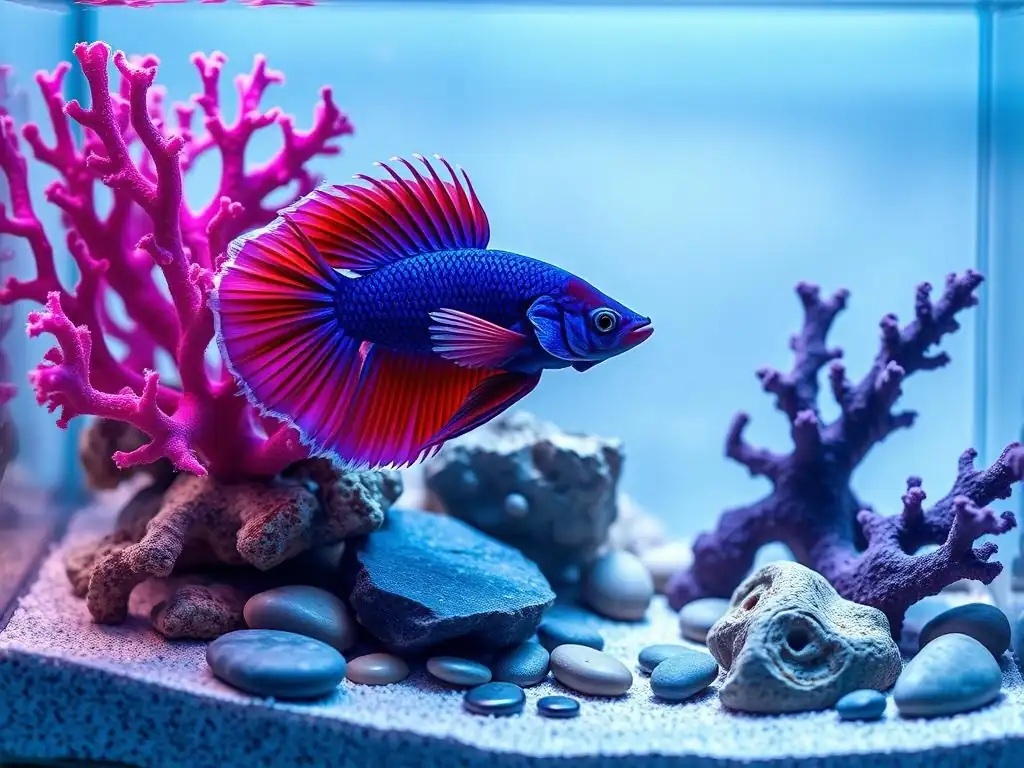
Creating a DIY betta fish playground can be a rewarding project for happy betta tank enrichment, offering unique structures for exploration. A simple and safe option involves using aquarium-safe PVC pipes, typically 1/2 inch or 3/4 inch diameter. These can be found at hardware stores, but ensure they are new and thoroughly cleaned before use. Cut the PVC into various lengths (e.g., 2-inch, 4-inch, 6-inch) and use elbow or T-connectors to create tunnels, arches, or multi-level platforms.
- Step 1: Gather Materials.: New, unpainted PVC pipes, PVC cutters or a small saw, sandpaper, and aquarium-safe silicone (optional for permanent assembly).
- Step 2: Cut and Smooth.: Cut pipes to desired lengths. Crucially, use sandpaper to thoroughly smooth all cut edges to prevent fin damage. This step is non-negotiable.
- Step 3: Assemble.: Dry-fit your design. You can simply stack or arrange pieces for a temporary setup, or use aquarium-safe silicone to create a more permanent structure. Allow silicone to cure completely (usually 24-48 hours) in a well-ventilated area before rinsing and introducing to the tank.
- Step 4: Secure.: Ensure the structure is stable and won't tip over. You can bury parts in the substrate or use suction cups if designing for tank walls.
This playground provides new pathways for your betta to explore, adding dynamic elements to their happy betta tank.
Creating a Naturalistic Betta Habitat on a Budget
Creating a naturalistic happy betta tank doesn't have to be expensive. Many common, safe materials can be repurposed or acquired cheaply to build a stimulating environment. For instance, natural driftwood can be collected (ensure it's from a pesticide-free area, then thoroughly scrubbed, boiled for several hours, and soaked until it no longer leaches tannins excessively) or purchased affordably from local fish stores or online. Boiling helps sanitize and waterlog the wood.
Similarly, smooth, non-porous rocks (e.g., river rocks, slate) can be collected from safe outdoor areas. Boil them for 15-20 minutes to kill any bacteria or parasites. Terracotta pots, new and unglazed, can be boiled and then broken or used whole as caves or planters. Coconut shells, thoroughly cleaned of all flesh and boiled, make excellent natural caves. These budget-friendly options allow for significant happy betta tank enrichment without breaking the bank, proving that a rich environment is accessible to everyone.
Safe Materials for Betta Tank Enrichment: Avoiding Toxins
When undertaking any DIY happy betta tank enrichment project, the safety of the materials is paramount. Introducing toxic substances into your aquarium can quickly lead to illness or death for your fish. A general rule of thumb is: if it's not explicitly sold for aquarium use, research it thoroughly and err on the side of caution.
- Materials to AVOID:
- Metals: Copper, lead, zinc, and many other metals can leach toxic ions into the water. Avoid anything rusty or metallic unless it's specifically "aquarium-safe stainless steel."
- Painted Items: Unless the paint is food-grade or explicitly marked as aquarium-safe, it can chip or leach chemicals.
- Plastics: Many household plastics contain BPA or other chemicals that can leach. Stick to plastics designed for aquariums or food storage (e.g., HDPE, LDPE, PP). Avoid brittle plastics that can break into sharp pieces.
- Sharp Edges: Always sand down or file any sharp edges on decor to prevent fin tears.
- Chemicals/Soaps: Never use soaps, detergents, or household cleaners to clean aquarium decor. A thorough rinse with hot water is usually sufficient, or a dilute bleach solution followed by extensive rinsing and dechlorinating.
By adhering to these guidelines, you ensure that your happy betta tank enrichment efforts are beneficial and safe.
Maintaining a Happy and Enriched Betta Tank
Regular Tank Cleaning and Water Changes for Optimal Health
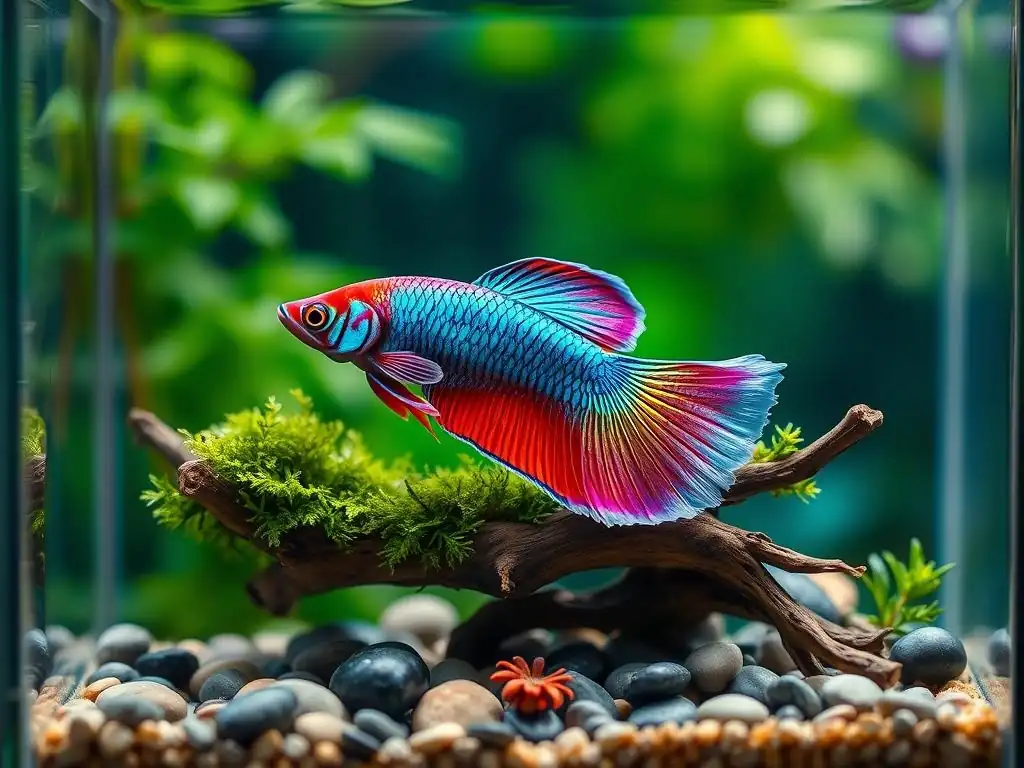
While happy betta tank enrichment focuses on mental and physical stimulation, it is not a substitute for fundamental aquarium husbandry. Regular tank cleaning and consistent water changes are the cornerstones of optimal betta health and are crucial for the longevity of your enriched environment. Even the most stimulating tank will become detrimental if water quality is poor.
For a typical 5-10 gallon betta tank, a 25-50% water change once a week is generally recommended, along with siphoning the gravel to remove accumulated detritus and uneaten food. This process removes nitrates, phosphates, and other pollutants that can build up, maintaining stable and healthy water parameters. A clean environment ensures that your betta can fully benefit from its enriched surroundings, preventing stress-related illnesses and promoting a truly happy betta tank.
Monitoring Betta Behavior for Signs of Stress or Illness
Even in a perfectly enriched environment, continuous monitoring of your betta's behavior is essential. Changes in activity levels, appetite, coloration, fin condition, or swimming patterns can indicate underlying issues, whether it's stress, illness, or simply a need to adjust your happy betta tank enrichment strategies. An attentive aquarist will notice subtle cues before they escalate into serious problems.
For example, if a betta that typically explores its tank suddenly becomes lethargic and hides excessively, it might be a sign of illness or that a particular enrichment item is causing stress. Conversely, if a betta starts glass surfing despite previous enrichment, it might indicate a need for new stimuli or a change in tank layout. Early detection allows for prompt intervention, whether it's a water parameter adjustment, a diet change, or a modification to the tank's decor, ensuring your betta remains a happy betta.
Adjusting Enrichment Strategies Based on Individual Betta Preferences
Just like people, individual bettas have unique personalities and preferences. What one betta finds stimulating, another might ignore or even find stressful. Therefore, effective happy betta tank enrichment is an ongoing, adaptive process. Don't be afraid to experiment with different types of plants, decor arrangements, or interactive elements.
Observe how your betta responds to new additions. Does it explore a new cave immediately, or does it avoid it? Does it seem more active after the introduction of floating plants? If a particular item seems to cause stress or goes consistently ignored, consider removing or repositioning it. The goal is to tailor the enrichment to your specific fish, creating a personalized happy betta tank that truly caters to its individual needs and promotes its best life.
Advanced Betta Enrichment Strategies
Introducing Tank Mates (Carefully! ): Compatibility Considerations
Introducing tank mates is an advanced happy betta tank enrichment strategy that requires careful consideration and is only suitable for larger tanks, typically 10 gallons or more. Bettas are known for their aggression towards other bettas, but many can coexist peacefully with certain non-aggressive, non-fin-nipping species. The key is compatibility and providing ample space and hiding spots for all inhabitants.
Suitable tank mates include small, peaceful bottom dwellers like Pygmy Corydoras (e.g., Corydoras pygmaeus), which stay small (around 1 inch) and are unlikely to bother a betta. Otocinclus catfish are another excellent choice for algae control and peaceful coexistence. Snails (e.g., Mystery snails, Nerite snails) and larger, peaceful shrimp like Amano shrimp can also be good additions, though some bettas may still see shrimp as food.
Always introduce tank mates with caution, monitor closely for aggression, and have a backup plan (e.g., a separate tank) in case conflicts arise. This strategy, when successful, can significantly enhance a happy betta tank's complexity.
Utilizing Leaf Litter to Mimic Natural Conditions
One of the most natural and effective happy betta tank enrichment strategies is the introduction of leaf litter. In their wild habitats, bettas live among dense layers of decaying leaves. Indian Almond Leaves (IALs), also known as Catappa leaves ( Terminalia catappa), are the most popular choice for aquariums. When added to the tank, they slowly release tannins, which tint the water a light amber color, mimicking blackwater conditions. These tannins have beneficial properties, including mild antibacterial and antifungal effects, and can help lower pH slightly, creating a more suitable environment for bettas.
Beyond IALs, other safe leaves include dried oak or maple leaves (collected from pesticide-free areas, thoroughly rinsed and boiled). The leaf litter provides natural hiding spots, foraging opportunities as microorganisms colonize them, and a softer, more natural substrate. As the leaves slowly decompose, they create a dynamic environment that constantly changes, encouraging exploration and providing a highly naturalistic and happy betta tank.
Creating a Paludarium Setup for Enhanced Enrichment
For the ultimate happy betta tank enrichment, consider a paludarium setup. A paludarium is a type of vivarium that incorporates both aquatic and terrestrial elements, creating a semi-aquatic environment. This setup allows for plants that grow emersed (roots in water, leaves out of water), such as Pothos ( Epipremnum aureum), Peace Lily ( Spathiphyllum spp.), or various ferns and mosses.
A paludarium offers unique benefits for bettas. The terrestrial sections provide vertical space and additional hiding spots, while the emersed plants contribute to water quality and humidity, mimicking the lush, humid conditions of a betta's natural habitat. Bettas can explore the roots of the emersed plants, rest on their leaves, or navigate the varied landscape. While more complex to set up and maintain than a standard aquarium, a well-designed paludarium provides unparalleled happy betta tank enrichment, offering a truly diverse and stimulating environment that caters to all aspects of a betta's well-being.
Frequently Asked Questions
How does enrichment help a Betta fish in its tank?
Enrichment provides mental and physical stimulation, preventing boredom and promoting a more active and happier life for your Betta. This leads to a more dynamic and engaging environment.
What are some simple, inexpensive ways to add enrichment to a Betta tank?
Adding live plants like Anubias or Java Fern offers hiding spots and exploration. Other options include floating logs or Betta hammocks for resting near the surface.
What types of decorations should I avoid when enriching a Betta tank?
Avoid decorations with sharp edges or rough surfaces, as these can tear a Betta's delicate fins. Also, be cautious of decorations that may leach toxins into the water.
How often should I change or rearrange the enrichment items in my Betta tank?
Change or rearrange items every few weeks to maintain your Betta's interest and prevent boredom. This keeps the tank environment fresh and stimulating.
Besides physical objects, what other forms of enrichment can I provide for my Betta?
You can offer target training with a feeding stick or mirror play (in moderation). Observation and interaction with you, the owner, can also provide enrichment.
Final Reflection: Cultivating Joy in the Betta's World
The journey to understanding and implementing happy betta tank enrichment is more than just adding decorations; it's about recognizing the complex needs of these intelligent creatures and actively working to provide them with stimulating environments. In a world where bettas are often confined to small, barren spaces, the principles outlined in this article offer a powerful counter-narrative, advocating for a higher standard of care and a deeper appreciation for their well-being.
This exploration into betta enrichment has profoundly shaped how we perceive these fish, moving beyond mere ornamentation to acknowledging their cognitive abilities and emotional needs. It's a reminder that even the smallest creatures deserve a life filled with purpose and stimulation, and our actions as caretakers directly impact their quality of life. The greatness of a nation and its moral progress can be judged by the way its animals are treated.
- Mahatma Gandhi. This quote resonates deeply, reminding us that our compassion extends to all living beings, including the often-overlooked betta.
Now, as you consider the information presented, I invite you to reflect on your own role in creating a happier world for bettas. Whether you're a seasoned betta keeper or just starting your journey, take the time to assess your current setup and identify opportunities for enrichment. By actively engaging in this process, you're not just improving the lives of your fish; you're contributing to a growing movement that values compassion, understanding, and the inherent worth of every living creature. Let's work together to ensure that every betta has the chance to thrive, not just survive.
Dive Deeper: Transform Your Betta's World!
Thank you for exploring how to enrich your betta's life! Now that you're equipped with fresh ideas, it's time to take action and create a stimulating environment for your finned friend.
- Start Small, Think Big: Introduce one new enrichment item each week and observe your betta's reaction to gauge their preferences.
- Share your betta's updated tank on social media using #BettaEnrichmentChallenge and inspire other fish keepers with your creativity!
- Brainstorm a list of five unique enrichment ideas based on your betta's personality and see if you can implement them over the next month.
What surprising behavior did you observe when you introduced a new enrichment item to your betta's tank?