
Treating Columnaris (Mouth Fungus) in Betta Fish


Welcome to Aquarium Mastery!
Ever wondered how to tackle that fuzzy, white patch suddenly appearing on your Betta? Columnaris, also known as mouth fungus, can be a serious threat. Dive in to our comprehensive Betta columnaris treatment guide and learn how to identify, treat, and prevent this common ailment, ensuring your vibrant Betta thrives in its freshwater paradise. Curious about the best course of action? Let's get started!
- Betta Columnaris Treatment Guide: Saving Your Betta
- Understanding Columnaris in Betta Fish
- Diagnosing Columnaris in Your Betta Fish
- Betta Columnaris Treatment: A Step-by-Step Guide
- Supporting Your Betta's Recovery
- Preventing Columnaris Outbreaks
- Post-Treatment Care
- Common Mistakes to Avoid
-
Frequently Asked Questions
- How can I tell if my Betta has Columnaris, also known as Mouth Fungus?
- What are the primary causes of Columnaris in Betta fish?
- What is the first step in treating Columnaris in my Betta?
- What medications are effective against Columnaris in Betta fish?
- Besides medication, what else can I do to help my Betta recover from Columnaris?
- Final Reflection: A Breath of Hope for Betta Health
- Unleash Your Inner Fish Healer!
Betta Columnaris Treatment Guide: Saving Your Betta
Understanding Columnaris in Betta Fish
What is Columnaris Disease in Bettas?
Columnaris disease, often mistakenly referred to as "mouth fungus," is a highly contagious bacterial infection caused by Flavobacterium columnare. This insidious pathogen thrives in freshwater environments, particularly in warmer temperatures above 75°F (24°C) and in conditions of poor water quality or high organic loads. While it can affect various fish species, Betta fish are particularly susceptible due to their delicate nature and sometimes stressed living conditions.
The bacteria primarily attack the gills, mouth, and fins, but can rapidly spread to the entire body, causing significant tissue damage and necrosis. Its rapid progression, often leading to mortality within 24-72 hours if left untreated, makes early detection and swift Betta columnaris treatment absolutely critical for a Betta's survival. The disease is known for its ability to mimic fungal infections, leading to misdiagnosis and ineffective treatment approaches.
Columnaris vs. Fungal Infections in Bettas
A common and critical distinction must be made between Columnaris and true fungal infections. Columnaris is bacterial, caused by Flavobacterium columnare, while true fungal infections are caused by various types of fungi, typically Saprolegnia or Achlya species. While both can present with cotton-like growths, their underlying causes and, consequently, their treatments are vastly different.
Columnaris often manifests with more structured lesions, appearing as white or grayish patches that may erode tissue, particularly around the mouth (mouth rot) or on the body, sometimes forming a distinctive "saddle" shape near the dorsal fin. True fungal infections, conversely, tend to be more purely cotton-like, feathery, and grow outwards from the fish's body, usually appearing as secondary infections on existing wounds or areas of tissue damage. Administering an antifungal medication for a bacterial infection like Columnaris will not only be ineffective but will also waste precious time, significantly reducing the Betta's chances of recovery.
Recognizing Early Symptoms of Columnaris
Early recognition of Columnaris symptoms is paramount for successful Betta columnaris treatment, as the disease progresses rapidly. Paying close attention to both visible physical changes and subtle behavioral shifts can provide the crucial lead time needed for intervention.
Visible Signs: Mouth Sores, Saddleback, and Fin Issues
One of the most characteristic visible signs of Columnaris in Bettas is the appearance of white or grayish lesions around the mouth, often referred to as "mouth rot." These lesions can resemble cottony growths but quickly lead to erosion of the mouth tissues, making it difficult for the fish to eat. On the body, particularly near the dorsal fin, white or yellowish-brown patches may form, creating a distinct "saddleback" appearance, a hallmark sign of advanced Columnaris.
Furthermore, the fins of an infected Betta may show signs of fin rot, characterized by fraying, disintegration, or white edges. Gills can also be affected, turning pale or necrotic, leading to rapid or labored breathing as the fish struggles to extract oxygen. In severe cases, ulcers and open sores can develop anywhere on the body, exposing the fish to secondary infections.
Behavioral Changes Indicating Columnaris
Beyond physical symptoms, behavioral changes often serve as early indicators that something is amiss. A Betta suffering from Columnaris may exhibit increased lethargy, spending more time at the bottom of the tank or listlessly near the surface. A significant loss of appetite is common, as the mouth lesions can make eating painful or impossible.
Other behavioral cues include clamped fins, where the fins are held close to the body rather than fanned out, indicating discomfort or illness. The fish might also rub its body against tank decor or substrate, attempting to dislodge the irritating patches. Erratic swimming, gasping for air at the water surface, and general withdrawal from interaction are also strong indicators of a stressed and sick Betta requiring immediate attention.
Diagnosing Columnaris in Your Betta Fish
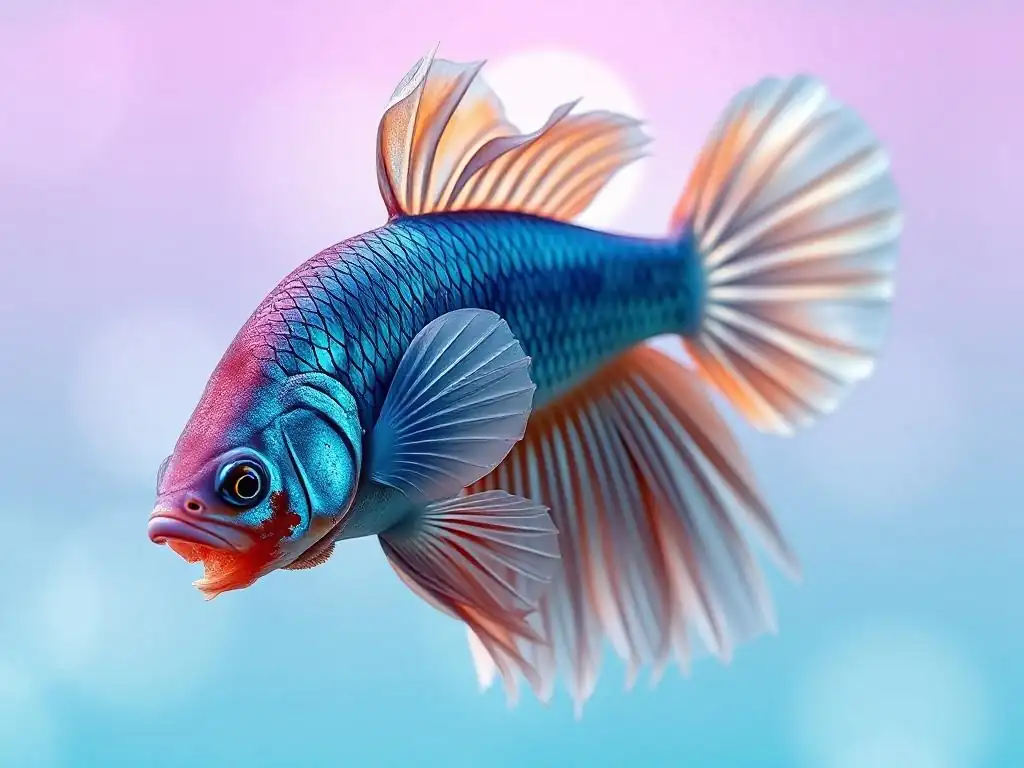
Visual Inspection and Symptom Analysis
Accurate diagnosis of Columnaris in your Betta fish relies heavily on careful visual inspection and a thorough analysis of all presenting symptoms. Begin by observing your Betta's mouth for any white or grey patches that might be eroding the tissue, resembling a fungal growth but with a more defined, often destructive pattern. Check the body for any saddle-shaped lesions, particularly along the back, and inspect the fins for signs of fraying, disintegration, or white margins.
Combine these physical observations with an assessment of the Betta's behavior. Are they lethargic, refusing food, or gasping for air? Consider the speed of symptom onset; Columnaris typically progresses very rapidly, often worsening significantly over 24-48 hours. Documenting these observations can help distinguish Columnaris from other less aggressive conditions and guide your Betta columnaris treatment approach.
Ruling Out Other Common Betta Diseases
Before initiating a Betta columnaris treatment plan, it's crucial to rule out other common Betta diseases that might present with similar symptoms. For instance, general fin rot, while also bacterial, is often caused by different pathogens and may progress more slowly than Columnaris, which specifically causes a rapid, destructive fin rot. Ich (Ichthyophthirius multifiliis) presents as distinct white spots resembling salt grains, a clear differentiator from the fuzzy patches of Columnaris.
True fungal infections, as discussed, are typically cotton-like and lack the tissue-erosive properties of Columnaris. Velvet (Oodinium), a parasitic infection, appears as a fine, dusty, yellowish-gold coating. By systematically comparing your Betta's symptoms to the characteristic signs of these other ailments, you can narrow down the possibilities and ensure you are targeting the correct pathogen with the appropriate Betta columnaris treatment.
When to Seek Veterinary Advice
While many aquarists can successfully manage Columnaris with over-the-counter medications, there are instances when professional veterinary advice becomes invaluable. If you are unsure of your diagnosis, especially if symptoms are ambiguous or multiple diseases seem possible, consulting an aquatic veterinarian can prevent misapplication of treatments. A vet can often perform microscopic examinations of skin scrapes or gill biopsies to definitively identify Flavobacterium columnare, providing a precise diagnosis.
Furthermore, if your initial Betta columnaris treatment efforts fail to yield improvement within 48-72 hours, or if the disease is rapidly progressing to a severe stage, professional intervention is recommended. This is particularly true if multiple fish in a community tank are affected, suggesting a highly virulent strain or a widespread environmental issue that might require more advanced diagnostic tools or prescription-strength medications not readily available to the average hobbyist.
Betta Columnaris Treatment: A Step-by-Step Guide
Immediate Actions: Isolating the Infected Betta
The moment Columnaris is suspected, immediate isolation of the infected Betta is the most critical first step. This action serves multiple purposes: it prevents the highly contagious bacteria from spreading to other tank inhabitants, allows for precise medication dosage without affecting healthy fish or beneficial bacteria in the main tank, and provides a controlled, stress-free environment conducive to recovery. Delaying isolation can lead to a rapid outbreak throughout your entire aquarium.
Setting Up a Quarantine Tank
A dedicated quarantine tank is essential for effective Betta columnaris treatment. For a single Betta, a 2.5 to 5-gallon tank is typically sufficient. This tank should be equipped with a reliable heater to maintain a stable temperature, ideally between 78-80°F (25-27°C), as consistent warmth supports the fish's immune system.
Include a gentle air stone for aeration, as Columnaris often affects gills, and a thermometer for accurate temperature monitoring. Crucially, avoid substrate or complex decorations, as they can harbor bacteria and make cleaning difficult. Fill the quarantine tank with properly conditioned water, ideally aged tank water from the main aquarium, or fresh conditioned water matching the main tank's parameters, to minimize additional stress for the sick Betta.
Medication Options for Treating Columnaris
Swift and appropriate medication is the cornerstone of successful Betta columnaris treatment. Given the bacterial nature of Columnaris, antibiotics are the primary course of action. It's imperative to follow the manufacturer's dosage instructions meticulously and remove activated carbon from the filter during treatment, as it will absorb the medication.
Antibiotics: Kanamycin, Nitrofurazone, or Tetracycline
Kanamycin, often found in products like Seachem Kanaplex, is a highly effective broad-spectrum antibiotic against many gram-negative bacteria, including Flavobacterium columnare. It is absorbed through the skin and gills, making it suitable for treating internal and external infections. A typical treatment regimen might involve adding one measure per 5 gallons every 48 hours for up to three doses, with a 25% water change before each subsequent dose.
Nitrofurazone, commonly available in products like API Furan-2 or as a component in Seachem Focus when combined with other medications, is another potent broad-spectrum antibiotic. It is particularly useful for treating external bacterial infections and can be effective against Columnaris, especially when used in a multi-day treatment course, typically 4-5 days, with daily dosing or as directed.
Tetracycline, while an older antibiotic (e.g., API TC Tetracycline), can also be used for Betta columnaris treatment, especially in the early stages of the disease. However, some strains of Flavobacterium columnare may have developed resistance to it, and it can also stain tank components. Always select the medication based on availability and specific product recommendations for Flavobacterium columnare.
Antifungal Medications: Not Typically Used for Columnaris
It is crucial to reiterate that Columnaris is a bacterial infection, not a fungal one. Therefore, antifungal medications, such as Methylene Blue or Malachite Green (often found in "fungus cure" products), are generally ineffective as a primary Betta columnaris treatment.
While Methylene Blue can be used as a short-term bath or dip to address secondary fungal infections that might develop on open sores, or for gill issues, it will not eradicate the underlying Flavobacterium columnare infection. Using the wrong type of medication not only fails to treat the actual disease but also delays proper intervention, significantly reducing the Betta's chances of survival.
Alternative Treatment Methods for Mild Cases
For very mild cases of Columnaris, or as supportive measures alongside antibiotic treatment, certain alternative methods can aid in the Betta's recovery by reducing stress and providing a less hospitable environment for the bacteria. These methods are generally not sufficient on their own for moderate to severe infections.
Aquarium Salt Treatment
Aquarium salt (non-iodized sodium chloride) can be beneficial in Betta columnaris treatment by reducing osmotic stress on the fish, which helps them conserve energy for healing. It also possesses mild antiseptic properties. For Bettas, a concentration of 1-2 teaspoons of aquarium salt per gallon is often recommended.
Ensure the salt is fully dissolved before adding it to the quarantine tank to prevent direct contact with the fish. This treatment is generally safe for short-term use but should be monitored closely, as some Bettas can be sensitive to salt. It is important to note that this is not a cure but a supportive measure.
Indian Almond Leaves (Catappa Leaves)
Indian Almond Leaves, also known as Catappa leaves, are widely used in Betta keeping for their beneficial properties. When added to the water, they release tannins and humic acids, which naturally lower the pH slightly, create a more natural blackwater environment, and possess mild antibacterial and antifungal properties. These compounds can help reduce bacterial load in the water and promote healing of damaged tissues.
Adding 1-2 medium-sized leaves per 5-10 gallons to the quarantine tank can help reduce stress and boost the Betta's natural immune response, making it a valuable supportive element in a comprehensive Betta columnaris treatment plan. Replace the leaves every 2-3 weeks.
Supporting Your Betta's Recovery
Maintaining Optimal Water Quality
Maintaining impeccable water quality is paramount during and after Betta columnaris treatment. Clean, stable water reduces stress on the fish, prevents the proliferation of opportunistic bacteria, and allows the Betta's immune system to focus on healing. Poor water conditions are often a primary trigger for Columnaris outbreaks.
Regular Water Changes and Testing
During antibiotic treatment in the quarantine tank, daily or every-other-day partial water changes (25-50%) are crucial. This helps remove waste products, medication byproducts, and any lingering bacteria, maintaining a cleaner environment for healing. Post-treatment, and for the main aquarium, consistent weekly 25-30% water changes are essential for long-term health. Regularly test water parameters using a liquid test kit: ammonia and nitrite should always be 0 ppm, nitrates below 20 ppm, and pH stable within the Betta's preferred range (e.g., 6.5-7.5). A stable temperature, ideally 78-80°F (25-27°C), should also be maintained.
Providing a Stress-Free Environment
Stress significantly weakens a Betta's immune system, making it more susceptible to diseases like Columnaris and hindering recovery. Creating a calm and secure environment is a vital component of successful Betta columnaris treatment and long-term health.
Reducing Stress Factors: Dim Lighting, Hiding Places
To reduce stress, consider dimming the lighting or shortening the photoperiod in the quarantine tank, as bright lights can be overwhelming for a sick fish. Provide ample hiding places, such as silk plants, Betta logs, or ceramic caves, where the Betta can retreat and feel secure. Minimize sudden movements or loud noises around the tank. Ensure the water temperature remains stable within the ideal range of 78-80°F (25-27°C), avoiding fluctuations that can cause thermal shock. A consistent and peaceful environment allows the Betta to conserve energy and focus on recovery.
Nutritional Support
A well-nourished Betta has a stronger immune system, which is crucial for fighting off infections and recovering from illness. During and after Betta columnaris treatment, providing high-quality, easily digestible food can significantly aid in recovery.
High-Quality Food During Treatment
Offer small, frequent meals of high-quality Betta-specific pellets or flakes. If the Betta is refusing dry food due to mouth issues, consider offering live or frozen foods such as bloodworms, brine shrimp, or daphnia. These foods are often more palatable and provide essential nutrients and vitamins that support immune function and tissue repair. Feed only what the Betta can consume within 2-3 minutes to prevent uneaten food from fouling the water, which would counteract efforts to maintain pristine water quality. A varied diet contributes significantly to overall vitality and resilience.
Preventing Columnaris Outbreaks
Maintaining a Healthy Aquarium Environment
Prevention is always better than cure, especially when dealing with aggressive diseases like Columnaris. A consistently healthy aquarium environment is the best defense against Flavobacterium columnare and other pathogens, minimizing the need for intensive Betta columnaris treatment.
Regular Water Changes and Proper Filtration
Regular partial water changes are the cornerstone of good aquarium husbandry. For a typical Betta tank, performing a 25-30% water change weekly helps remove accumulated nitrates, phosphates, and other organic waste products that can contribute to poor water quality and bacterial proliferation. Ensure your aquarium has adequate filtration (e.g., a sponge filter or a gentle hang-on-back filter for Bettas) and that filter media is cleaned regularly by rinsing it in old tank water, preserving beneficial bacteria. A clean filter efficiently removes physical debris and processes toxic nitrogen compounds.
Avoiding Overcrowding and Overfeeding
Overcrowding a tank leads to increased bioload, meaning more fish waste and a higher demand on the filtration system, often resulting in elevated ammonia and nitrite levels. A single Betta ideally requires at least 5 gallons of tank space. Overfeeding is another common pitfall; excess food decays, contributing to poor water quality and providing a nutrient source for harmful bacteria. Feed your Betta small amounts that can be consumed entirely within 2-3 minutes, once or twice daily, avoiding any uneaten food lingering in the tank.
Monitoring Water Parameters
Consistent and accurate monitoring of water parameters is a proactive measure that can alert you to potential problems before they escalate into full-blown disease outbreaks. Knowing your water's chemistry is crucial for maintaining a stable, healthy environment for your Betta.
Ideal Water Temperature, pH, Ammonia, Nitrite, and Nitrate Levels
For Bettas, maintaining a stable water temperature between 78-80°F (25-27°C) is vital, as fluctuations can stress the fish. The pH should be kept stable within the range of 6.5-7.5. Ammonia and nitrite levels must always be at 0 ppm, as even trace amounts are highly toxic and can quickly compromise a fish's immune system.
Nitrate levels should be kept below 20 ppm; higher readings indicate the need for more frequent or larger water changes. Using a reliable liquid test kit weekly or bi-weekly allows you to track these parameters and take corrective action before conditions become conducive to diseases like Columnaris.
Quarantine New Fish
Quarantining all new fish before introducing them to your main aquarium is a non-negotiable preventative measure. This practice is one of the most effective ways to prevent the introduction of diseases, including Flavobacterium columnare, into your established tank. A quarantine tank, separate from the main display, allows you to observe new arrivals for signs of illness without risking the health of your existing fish.
A typical quarantine period ranges from 2 to 4 weeks. During this time, observe the new fish daily for any unusual behaviors, physical symptoms, or signs of stress. If any signs of illness, such as white patches, clamped fins, or lethargy, appear, you can then administer the necessary Betta columnaris treatment or other medications in the quarantine tank without exposing your entire collection. This simple step significantly reduces the risk of devastating outbreaks.
Boosting Your Betta's Immune System
A strong immune system is a Betta's best defense against pathogens. By proactively boosting your Betta's natural resilience, you can significantly reduce their susceptibility to common diseases, including Columnaris. This involves a holistic approach to their care and environment.
Provide a varied and high-quality diet that includes essential vitamins and nutrients, such as those found in premium pellets, frozen bloodworms, and brine shrimp. Maintain stable and optimal water parameters consistently, avoiding sudden fluctuations in temperature or pH. Minimize stress factors by ensuring consistent lighting cycles, providing adequate hiding places, and avoiding any sudden disturbances or tank mate aggression. Additionally, incorporating natural additives like Indian Almond Leaves can release beneficial tannins that have mild antiseptic properties and contribute to overall fish health, making your Betta more robust against potential infections.
Post-Treatment Care
Gradual Reintroduction
Once your Betta has successfully completed its Betta columnaris treatment and shows no signs of the disease for at least 5-7 days, you can consider reintroducing it to its main aquarium. Before doing so, ensure the main tank's environment is pristine, with optimal water parameters (0 ammonia, 0 nitrite, low nitrate) and stable temperature. It's often beneficial to perform a significant water change (e.g., 50%) on the main tank and thoroughly clean any substrate or decorations to eliminate any lingering bacteria. Gradually acclimate the Betta to the main tank's water parameters before releasing it to minimize shock.
Monitoring for Relapse
Columnaris can be persistent, and relapses can occur if the underlying conditions that led to the initial infection are not fully addressed or if the Betta's immune system is still compromised. For several weeks following the completion of Betta columnaris treatment, continue to monitor your Betta closely for any subtle signs of the disease returning, such as slight changes in behavior, appetite, or the reappearance of any white patches or fin issues. Early detection of a relapse allows for prompt re-isolation and re-treatment, significantly improving the chances of a full recovery.
Continuing Good Aquarium Husbandry
The long-term health and well-being of your Betta fish hinge on a commitment to consistent and good aquarium husbandry. The successful Betta columnaris treatment is merely a temporary solution if the root causes of the disease, such as poor water quality, overcrowding, or stress, are not addressed.
Continue to adhere strictly to your regular water change schedule (e.g., 25-30% weekly), monitor water parameters diligently with a liquid test kit, and avoid overfeeding. Ensure the tank remains clean and well-maintained, providing a stable and stress-free environment. A proactive approach to tank maintenance and a deep understanding of your Betta's needs are the best strategies to prevent future disease outbreaks and ensure your Betta thrives for years to come.
Common Mistakes to Avoid
Over-Medicating
A critical mistake in Betta columnaris treatment is over-medicating. While prompt action is necessary, administering higher doses of medication than recommended, or combining multiple strong medications without proper knowledge, can have severe consequences. Overdosing can stress the fish, damage its delicate internal organs, and even prove fatal. It can also decimate the beneficial bacterial colony in your filter, leading to ammonia spikes and further stress. Always follow the manufacturer's dosage instructions precisely, and complete the full course of treatment even if symptoms improve, unless otherwise directed.
Neglecting Water Quality
Neglecting water quality is perhaps the most common and detrimental mistake throughout the entire Betta columnaris treatment process. Poor water quality is a primary trigger for Columnaris outbreaks and significantly hinders a Betta's ability to recover. During treatment, water changes are crucial to remove waste products and medication byproducts, preventing further stress and bacterial proliferation. Failing to perform regular water changes or allowing ammonia and nitrite levels to rise will undermine any medication efforts and can lead to a quick decline in the Betta's health, making successful treatment nearly impossible.
Failing to Isolate Promptly
One of the most critical errors when dealing with a highly contagious disease like Columnaris is failing to isolate the infected Betta promptly. Delaying isolation allows Flavobacterium columnare to spread rapidly throughout the main aquarium, potentially infecting all other tank inhabitants.
This not only puts more fish at risk but also makes the overall Betta columnaris treatment process far more complex and challenging, requiring treatment of the entire display tank, which can be stressful for healthy fish and disrupt the established nitrogen cycle. Immediate isolation upon suspicion is a non-negotiable first step to contain the outbreak and give the infected Betta the best chance at recovery.
Frequently Asked Questions
How can I tell if my Betta has Columnaris, also known as Mouth Fungus?
Columnaris in Bettas often presents as cotton-like growths around the mouth or body. Other symptoms include faded coloration, lethargy, and fin rot. It's important to distinguish it from true fungal infections.
What are the primary causes of Columnaris in Betta fish?
Columnaris is primarily caused by the Flavobacterium columnare bacteria, often triggered by poor water quality or stressful conditions. Overcrowding and fluctuating temperatures can also weaken the immune system, making Bettas more susceptible.
What is the first step in treating Columnaris in my Betta?
The first and most crucial step is to isolate the affected Betta in a quarantine tank. This prevents the spread of the bacteria and allows for focused medication without affecting other fish in the main aquarium.
What medications are effective against Columnaris in Betta fish?
Several medications can treat Columnaris, including antibiotics specifically designed for fish. Commonly used options include KanaPlex and Furan-2. Always follow dosage instructions carefully, as overdosing can be harmful.
Besides medication, what else can I do to help my Betta recover from Columnaris?
Maintaining pristine water quality in the quarantine tank is essential. Perform daily partial water changes (around 25%) to remove waste and ensure optimal conditions for healing. Increasing aeration can also help.
Final Reflection: A Breath of Hope for Betta Health
The information presented throughout this guide underscores the critical importance of early detection and proactive intervention when dealing with Columnaris in Betta fish. Understanding the nuances of this disease, from its causes to its various treatment options, empowers aquarists to act swiftly and effectively, potentially saving the lives of their beloved companions. The fight against Columnaris is a testament to our dedication as responsible pet owners.
This journey into understanding Columnaris highlights the delicate balance within our aquariums and the profound impact we have on the lives of these vibrant creatures. Witnessing a Betta succumb to this disease is a heartbreaking experience, but it also serves as a powerful reminder of our responsibility to provide optimal care. The greatness of a nation and its moral progress can be judged by the way its animals are treated.
- Mahatma Gandhi. This quote resonates deeply when considering the well-being of our Betta fish and the commitment required to ensure their health.
Now, armed with this knowledge, I urge you to reflect on your own aquarist practices. Are you vigilant in observing your Betta for signs of illness? Are you prepared to act decisively should Columnaris strike? Let this guide not only serve as a resource, but as a catalyst for continuous learning and improvement in your Betta care. By embracing a proactive and informed approach, you can create a thriving environment for your Betta, ensuring a long and healthy life filled with vibrant color and captivating personality.
Unleash Your Inner Fish Healer!
Thanks for diving deep into the world of betta health! Hopefully, you're feeling more confident in your ability to spot and treat Columnaris. Now it’s time to put that knowledge into action and ensure your betta thrives.
Here’s how you can continue on your path to aquarium mastery:
- Immediately inspect your betta for any signs of Columnaris – early detection is key to a quick recovery!
- Share this article with other betta enthusiasts to help them protect their finned friends. Let's build a community of informed and caring aquarists!
- Try creating a journal to keep track of medication dosages and water parameter testing. This information will improve your ability to spot patterns and respond to issues quicker.
Ready to take the first step in preventing Columnaris in your aquarium? What immediate action are you going to take to improve your betta's environment?