
Guppy Feeding Secrets: What, When, and How Much for Optimal Health

Welcome to Aquarium Mastery!
Ever wondered if you're really feeding your guppies correctly? Unlock the secrets to a thriving guppy community with our guide to Guppy Feeding Schedule Tips. Discover what, when, and how much to feed your finned friends to ensure optimal health and vibrant colors. Dive in and let's master the art of guppy feeding together! Ready to see your guppies flourish?
- Introduction to Guppy Nutrition for Aquarium Mastery
- What to Feed Your Guppies: A Comprehensive Guide
- Guppy Feeding Schedule Tips: Optimizing Growth and Color
- Determining the Right Amount of Food for Your Guppies
- Guppy Fry Feeding: Nutritional Needs of Baby Guppies
- Advanced Guppy Feeding Strategies for Breeders
- Troubleshooting Common Guppy Feeding Problems
- Maintaining Water Quality Through Proper Feeding Practices
- Conclusion: Mastering the Art of Guppy Feeding
- Frequently Asked Questions
- Final Reflection: Nurturing Life, One Guppy at a Time
- Unleash Your Guppies' Vibrant Health!
Introduction to Guppy Nutrition for Aquarium Mastery
Why Proper Guppy Feeding is Crucial for Vibrant Health
Proper guppy feeding is paramount to ensuring the vibrant health, longevity, and reproductive success of these popular freshwater fish. A well-balanced diet directly influences their coloration, immune system strength, and overall vitality. Guppies that receive appropriate nutrition are significantly more resilient to common diseases, exhibit brighter, more defined colors, and are less prone to stress-related ailments. Conversely, a poor diet can lead to stunted growth, faded colors, and a compromised immune system, making them susceptible to various infections and shortening their lifespan, often by 50% or more compared to well-fed individuals.
Beyond individual health, the quality of a guppy's diet also impacts the entire aquarium ecosystem. Healthy, well-fed guppies produce less waste relative to their intake, contributing to more stable water parameters. This reduces the burden on the filtration system and helps prevent the buildup of harmful nitrates and phosphates. For breeders, optimal feeding is crucial for maximizing fertility rates and ensuring robust, healthy fry. Many experienced aquarists observe that guppies on a superior diet can consistently produce larger, healthier broods every 20-30 days, whereas underfed or poorly fed guppies may produce smaller, less frequent spawns.
Understanding Basic Guppy Dietary Needs
Guppies are omnivorous, meaning their natural diet in the wild consists of both plant and animal matter. However, their primary nutritional requirement leans towards protein, especially for growth and breeding. A high-quality guppy diet should reflect this, typically containing a significant percentage of crude protein, often in the range of 40-50% for adult fish, and even higher for fry. This protein should come from high-quality sources like fish meal, spirulina, and other aquatic ingredients.
In addition to protein, guppies require a balanced array of essential vitamins, minerals, and fats. Vitamins such as Vitamin C are vital for immune function, while Vitamin E plays a role in reproductive health. Healthy fats provide energy and support cell membrane integrity. While they enjoy some vegetable matter, it should complement their protein-rich diet, providing fiber and additional micronutrients. Understanding these fundamental dietary needs is the first step in formulating an effective Guppy feeding schedule tips for your aquarium.
What to Feed Your Guppies: A Comprehensive Guide
High-Quality Flake Food: A Staple for Guppies
High-quality flake food should form the cornerstone of any guppy's diet. It provides a convenient and balanced source of essential nutrients. When selecting flake food, prioritize brands that list fish meal, spirulina, or other aquatic proteins as the first ingredient, indicating a higher protein content and better digestibility. Avoid foods with excessive fillers like corn starch or wheat flour, which offer minimal nutritional value and can contribute to water pollution.
Reputable brands often offer specialized guppy flakes that are formulated with enhanced color-boosting ingredients like astaxanthin or spirulina, which naturally intensify red, orange, and yellow pigments. These flakes are typically designed to float briefly before slowly sinking, allowing guppies to feed comfortably at various depths. For instance, a flake food with a protein content of 45% and a good blend of vitamins will significantly support guppy vitality and coloration compared to generic fish flakes.
Live Foods for Guppies: Enriching Their Diet
Live foods offer an excellent way to enrich a guppy's diet, providing natural hunting stimulation and superior nutritional content. They are particularly beneficial for conditioning breeding pairs and promoting rapid growth in fry. While not a daily necessity, incorporating live foods a few times a week can significantly boost guppy health and vigor.
Brine Shrimp: A Guppy Favorite
Brine shrimp, especially newly hatched nauplii, are a highly nutritious and universally accepted food for guppies of all ages. They are rich in protein and essential fatty acids, making them ideal for promoting rapid growth in fry and conditioning adult guppies for breeding. Adult brine shrimp, while less nutritious than nauplii, still provide good protein and are a popular treat for mature guppies. Many aquarists report a noticeable increase in guppy activity and coloration within days of introducing brine shrimp into their Guppy feeding schedule tips.
Microworms: Easy to Culture and Nutritious
Microworms are tiny nematodes that are incredibly easy to culture at home, making them an accessible and continuous source of live food. Their small size makes them perfect as a first food for newly hatched guppy fry, as well as a supplemental food for juvenile and adult guppies. They are rich in protein and fat, providing crucial energy for developing fish. A typical microworm culture can produce enough food for dozens of fry daily, ensuring consistent nutrition during their critical early growth stages.
Daphnia: A Natural and Beneficial Food Source
Daphnia, often referred to as "water fleas," are small crustaceans that are highly beneficial for guppies. Beyond their nutritional value (they are a good source of protein and chitin), Daphnia act as a natural laxative, aiding in digestion and helping to prevent constipation and bloat. They are also excellent for cleaning the water column as they filter feed on phytoplankton. Offering live Daphnia once or twice a week as part of your Guppy feeding schedule tips can significantly improve digestive health and overall vitality.
Frozen Foods: Convenient and Nutritious Options
Frozen foods offer a convenient alternative to live foods, providing similar nutritional benefits without the hassle of culturing. They are typically flash-frozen to preserve nutrients and are readily available at most pet stores. Always thaw frozen foods in a small amount of tank water before feeding to avoid shocking your fish with cold food.
Frozen Bloodworms: Treat in Moderation
Frozen bloodworms are a highly palatable and protein-rich treat for guppies. They are excellent for conditioning breeding pairs and adding variety to the diet. However, due to their high protein and fat content, they should be offered in moderation, perhaps once or twice a week, as an occasional supplement. Overfeeding bloodworms can lead to digestive issues like constipation or bloat in guppies. A small cube, typically 1 gram, can provide a substantial meal for a group of 15-20 adult guppies.
Frozen Daphnia: Another Great Choice
Similar to their live counterparts, frozen Daphnia provide excellent nutritional value and digestive benefits. They are particularly useful for those who cannot culture live Daphnia but still wish to incorporate this beneficial food source into their guppy's diet. Frozen Daphnia are easily digestible and help maintain a healthy digestive tract, making them a valuable addition to your Guppy feeding schedule tips. They can be offered a few times a week, providing fiber and aiding in gut health.
Vegetable Matter: Don't Forget the Greens!
While guppies are primarily carnivorous, incorporating some vegetable matter into their diet is essential for providing fiber, vitamins, and minerals that support overall health and digestion. Neglecting plant-based foods can lead to nutritional deficiencies and digestive problems over time.
Blanched Vegetables for Guppies: Zucchini, Spinach, and Peas
Blanched vegetables like zucchini, spinach, and peas are excellent sources of plant-based nutrition for guppies. To prepare, simply blanch a small piece of vegetable in boiling water for 30-60 seconds until it softens, then cool it rapidly under cold water. Zucchini can be offered as a small, weighted slice (about 1 cm thick), while spinach leaves can be torn into small pieces.
Peas should be de-shelled before feeding, as the outer skin is indigestible. These can be offered once or twice a week to supplement their primary diet. Many aquarists observe improved coloration and digestive regularity when these are part of the Guppy feeding schedule tips.
Algae Wafers: Supplementing Their Diet
Small, high-quality algae wafers designed for omnivorous fish can also be a convenient way to ensure your guppies receive adequate plant matter. These wafers are typically dense and sink, making them accessible to guppies that might prefer to graze near the bottom. Break them into small pieces suitable for your guppies' mouths to prevent overfeeding. Algae wafers enriched with spirulina or chlorella can also provide additional beneficial nutrients and natural color enhancers. Offering a tiny piece every few days can complement their flake and live food diet effectively.
Guppy Feeding Schedule Tips: Optimizing Growth and Color
Establishing a Consistent Guppy Feeding Schedule
Establishing a consistent Guppy feeding schedule is fundamental to their well-being. Guppies thrive on routine, and predictable feeding times help reduce stress and improve digestion. Feeding at the same times each day allows their digestive system to anticipate and process food more efficiently. This consistency also helps in monitoring their appetite and identifying any sudden changes that might indicate illness or stress. For example, feeding your guppies promptly at 8:00 AM and 6:00 PM every day creates a stable routine that can enhance their overall health and vitality.
A consistent schedule also benefits water quality. When guppies are fed at regular intervals, they are less likely to overeat or leave uneaten food, which can decompose and pollute the tank. This precision in feeding contributes directly to more stable water parameters, such as ammonia and nitrate levels. Aquarium hobbyists who adhere strictly to a consistent Guppy feeding schedule often report fewer instances of water quality issues and healthier, more active fish populations compared to those with erratic feeding habits.
How Often to Feed Guppies: Finding the Right Balance
For adult guppies, the general recommendation is to feed them two to three times per day. This frequency allows them to consume small, manageable portions throughout the day, mimicking their natural grazing behavior in the wild. Frequent, small feedings are always preferable to one large feeding, as guppies have small stomachs and a rapid metabolism. Overfeeding in a single sitting can lead to digestive upset, bloating, and excessive waste production.
For instance, feeding a small pinch of high-quality flake food in the morning and another small pinch in the evening is a common and effective Guppy feeding schedule. If you incorporate live or frozen foods, these can be substituted for one of the flake feedings a few times a week. The goal is to provide enough food to satisfy their immediate needs without leaving excess to decompose. Observing how quickly they consume the food is key to determining the right frequency and amount.
Small, Frequent Feedings vs. Larger, Less Frequent Feedings
The debate between small, frequent feedings and larger, less frequent feedings heavily favors the former for guppies. Small, frequent feedings (2-3 times daily for adults, 4-6 times for fry) allow guppies to digest their food more efficiently, leading to better nutrient absorption and reduced waste. This method closely mimics their natural foraging behavior, where they constantly pick at small food particles throughout the day. It also minimizes the amount of uneaten food that can rot in the tank, thus significantly reducing the risk of ammonia and nitrite spikes, which are highly toxic to fish.
Conversely, larger, less frequent feedings can overwhelm a guppy's digestive system, leading to bloating, constipation, and poor nutrient utilization. A large amount of food introduced at once is also more likely to go uneaten, quickly polluting the water column. For example, a single large feeding might result in 20-30% of the food remaining after 5 minutes, whereas small, controlled feedings often result in 90% or more consumption within the first 60-90 seconds. Adopting a small, frequent Guppy feeding schedule tips is a cornerstone of responsible aquarium husbandry and vital for maintaining pristine water conditions.
Determining the Right Amount of Food for Your Guppies
Overfeeding Guppies: The Dangers and How to Avoid It
Overfeeding is arguably the most common mistake made by new aquarists and poses significant dangers to guppies and the entire aquarium ecosystem. When guppies are fed too much, they either overeat, leading to digestive issues like bloating, fatty liver disease, and a shortened lifespan, or the excess food decays in the tank. This decaying food rapidly breaks down, releasing ammonia, then nitrites – both highly toxic compounds – and finally nitrates, which contribute to algae blooms. Studies suggest that over 60% of water quality problems in beginner aquariums are directly linked to overfeeding.
To avoid overfeeding, practice mindful feeding. Offer only small amounts of food at a time, observing how quickly your guppies consume it. If food remains floating or settles on the substrate after a few minutes, you are feeding too much. Reduce the portion size for the next feeding. Additionally, consider having one "fasting day" per week where no food is offered, allowing their digestive systems to rest and the aquarium to process any residual nutrients. This simple adjustment to your Guppy feeding schedule tips can dramatically improve water quality and fish health.
Underfeeding Guppies: Recognizing the Signs and Addressing It
While overfeeding is more common, underfeeding also presents serious risks. Guppies that are consistently underfed will show signs of malnutrition, including stunted growth, faded or dull coloration, and a general lack of energy and activity. Their bodies may appear emaciated, with sunken bellies, and their fins might be clamped. Underfed guppies are also more susceptible to diseases due to a weakened immune system and may exhibit increased aggression towards tank mates as they compete for scarce resources.
If you suspect your guppies are underfed, gradually increase the frequency and/or amount of food. Instead of one or two small feedings, consider three small feedings per day. Ensure that all guppies, especially the smaller or shyer ones, are getting enough to eat; sometimes dominant fish consume most of the food. Within a week or two of adjusting the Guppy feeding schedule tips, you should observe improved body condition, brighter colors, and more active behavior. Monitor water parameters closely during this adjustment period to ensure that increased food intake isn't leading to water quality issues.
The "Two-Minute Rule": A Practical Guide to Portion Control
The "Two-Minute Rule" is a widely accepted and practical guide for determining the correct portion size for your fish, including guppies. The rule is simple: feed only the amount of food that your guppies can completely consume within two minutes. This method ensures that the food is eaten quickly, minimizing the amount that settles and decays, thus preventing water pollution. For example, for a typical 10-gallon tank with 15-20 adult guppies, a small pinch of flake food (roughly the size of a pea) should be consumed within this timeframe.
To implement this rule effectively, drop a small amount of food into the tank and set a timer. Observe your guppies as they eat. If all the food is gone before two minutes, you can add a tiny bit more, again observing the consumption time.
If food remains after two minutes, you have fed too much, and you should remove the excess with a net or siphon to prevent water quality issues. Adjust the portion size downwards for the next feeding. Consistently applying this Guppy feeding schedule tips method helps fine-tune your feeding routine for optimal fish health and tank cleanliness.
Guppy Fry Feeding: Nutritional Needs of Baby Guppies
First Foods for Guppy Fry: Infusoria and Liquid Fry Food
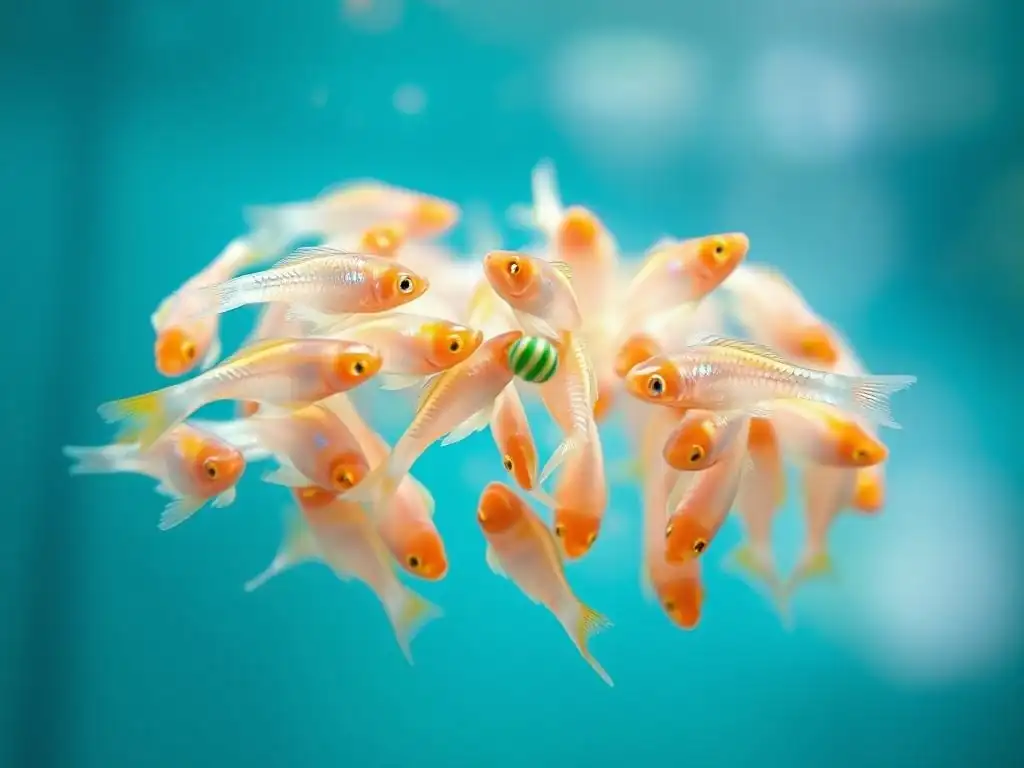
Newly hatched guppy fry are incredibly tiny, often no more than 2-3 millimeters long, and their mouths are correspondingly small. For the first few days of their lives, they require microscopic food sources that they can easily ingest. Infusoria, which are microscopic protozoa and rotifers, are an ideal first food. These can be cultured naturally in a jar of standing water with some decaying plant matter, or by using commercial infusoria cultures.
Alternatively, specialized liquid fry foods are commercially available. These products contain finely ground particles or suspended nutrients designed for the tiniest mouths. Simply follow the manufacturer's instructions for dosage. For instance, some liquid fry foods recommend 1-2 drops per 5 gallons of water, 3-4 times daily. Providing these appropriate first foods is crucial for the survival and initial growth of your guppy fry, as they often have limited yolk sac reserves.
Feeding Newly Hatched Brine Shrimp to Guppy Fry
After the first 3-5 days of feeding infusoria or liquid fry food, newly hatched brine shrimp nauplii become an excellent next stage food for guppy fry. Brine shrimp nauplii are highly nutritious, packed with protein and essential fatty acids, which are vital for rapid growth and development. Their jerky swimming motion also stimulates the fry's natural hunting instincts.
Hatching brine shrimp is a straightforward process requiring a simple setup of a brine shrimp hatchery, salt water, and brine shrimp eggs. Once hatched, the nauplii should be rinsed to remove salt and then fed to the fry. Feeding newly hatched brine shrimp 2-3 times daily can significantly accelerate the growth rate of guppy fry, often leading to them reaching juvenile size much faster compared to fry fed solely on powdered flakes. This is a critical component of any effective Guppy feeding schedule tips for breeding.
Gradual Transition to Powdered Flake Food
As guppy fry grow, typically around 3-4 weeks of age, their mouths become large enough to accept finely crushed flake food. The transition from microscopic or live foods to powdered flakes should be gradual to avoid digestive upset. Start by introducing a tiny amount of high-quality flake food that has been crushed into a very fine powder, almost like dust. You can mix it with their current diet of brine shrimp nauplii or liquid fry food initially.
Over the next week or two, slowly increase the proportion of powdered flake food while gradually reducing the amount of the previous fry food. As the fry continue to grow, you can progressively use less finely crushed flakes, moving towards the texture of adult flake food. This careful transition ensures that the fry receive consistent nutrition while adapting to a more convenient and readily available food source.
Guppy Fry Feeding Frequency: Keeping Them Growing
Guppy fry have an incredibly fast metabolism and are undergoing rapid growth, requiring much more frequent feedings than adult guppies. To support their development, it is recommended to feed guppy fry small amounts 4-6 times per day. This constant supply of nutrients ensures they are continuously fueling their growth and development, minimizing the risk of stunted growth or nutritional deficiencies.
Each feeding should be very small, just enough for them to consume within 30-60 seconds. Since fry tanks typically have less filtration and smaller water volumes, frequent small feedings also help prevent water quality issues from uneaten food. Maintaining a rigorous Guppy feeding schedule tips for fry is paramount to raising a healthy and robust new generation of guppies. Consistent feeding promotes strong bones, vibrant colors, and overall resilience as they mature.
Advanced Guppy Feeding Strategies for Breeders
Formulating a Breeding-Specific Guppy Diet
For guppy breeders, formulating a specialized diet is paramount to maximizing reproductive success and producing robust, healthy offspring. A breeding-specific diet typically features a higher protein content, often in the range of 45-55% crude protein, to support gamete production and overall vigor. This diet should also be rich in essential fatty acids (like Omega-3s) and specific vitamins, particularly Vitamin E, which is known to enhance fertility in many fish species.
A comprehensive breeding diet often involves a rotation of high-quality flake or pellet food supplemented daily with a variety of live and frozen foods. For example, a morning feeding of a spirulina-enriched flake, followed by an afternoon feeding of live brine shrimp or grindal worms, can provide the necessary nutritional boost. Many experienced breeders observe a significant increase in spawning frequency and fry viability when their breeding pairs are maintained on such an enriched Guppy feeding schedule tips.
Enhancing Color with Natural Food Additives: Spirulina and Astaxanthin
To achieve the brilliant, vivid colors desired in show guppies or for personal enjoyment, breeders often incorporate natural color-enhancing food additives into their diet. Spirulina, a blue-green algae, is rich in carotenoids and phycocyanin, which naturally enhance blue, green, and yellow pigments. Astaxanthin, a powerful antioxidant carotenoid found in crustaceans, is particularly effective at intensifying red, orange, and yellow hues.
These pigments can be provided through specialized color-enhancing flake foods that list spirulina or astaxanthin high on their ingredient list. Alternatively, pure spirulina powder can be mixed with water to create a slurry or lightly dusted onto other foods. Consistent feeding of these additives over 4-6 weeks can lead to a noticeable deepening and vibrancy of guppy coloration. It's a key strategy in an advanced Guppy feeding schedule tips for aesthetic enhancement.
Gut Loading Live Foods for Enhanced Nutrition
Gut loading is an advanced feeding technique where live feeder organisms (like brine shrimp, Daphnia, or even feeder crickets for larger fish, though less common for guppies) are fed a highly nutritious diet just before being offered to the target fish. This ensures that the beneficial nutrients from the feeder's diet are passed directly to the guppy upon consumption, maximizing the nutritional impact.
For guppies, this typically involves feeding live brine shrimp or Daphnia a concentrated spirulina solution or a specialized liquid fish food for 12-24 hours prior to feeding them to your guppies. This process significantly boosts the vitamin, mineral, and fatty acid content of the live food. For instance, gut-loaded brine shrimp can deliver a much higher concentration of Omega-3 fatty acids and carotenoids than non-gut-loaded ones, directly contributing to the health, growth, and coloration of your guppies.
Troubleshooting Common Guppy Feeding Problems
Guppies Not Eating: Identifying Potential Causes
When guppies suddenly stop eating, it's a clear sign that something is amiss in their environment or health. Several factors can lead to a loss of appetite. The most common culprit is poor water quality; high levels of ammonia, nitrite, or even elevated nitrates can stress fish and suppress their appetite. A sudden change in water parameters, temperature fluctuations, or a new tank environment can also cause temporary stress and refusal to eat.
Other potential causes include illness (bacterial infections, parasites, or internal issues), bullying from more aggressive tank mates, or simply disliking the type of food offered. If your guppies aren't eating, immediately test your water parameters (ammonia, nitrite, nitrate, pH, temperature). If water quality is good, observe their behavior for signs of disease (clamped fins, lethargy, spots, bloating). Sometimes, simply offering a different, highly palatable food like live brine shrimp can stimulate their appetite. A sudden cessation of eating in over 50% of a guppy population often points to an acute water quality issue.
Addressing Bloating and Constipation in Guppies
Bloating and constipation are common digestive issues in guppies, often caused by overfeeding, a diet too high in dry foods, or a lack of fiber. A bloated guppy will appear visibly swollen, particularly around the abdomen, and may have difficulty swimming or passing waste. In severe cases, scales may even protrude (pineconing), indicating dropsy, which is often a symptom of underlying organ failure.
To address mild bloating or constipation, first, fast the affected guppy for 24-48 hours. Then, offer blanched, deshelled peas. Peas are an excellent natural laxative due to their high fiber content. Feed one small, deshelled pea per affected guppy. Epsom salt baths (1 teaspoon per gallon for 15-30 minutes, in a separate container) can also help reduce swelling by drawing out excess fluid. To prevent recurrence, adjust your Guppy feeding schedule tips to include more varied foods, such as live Daphnia or blanched vegetables, and ensure you are not overfeeding.
Preventing Algae Blooms from Overfeeding
Algae blooms are a common and frustrating problem in aquariums, and overfeeding is a primary contributor. Uneaten food decomposes rapidly, releasing excess nutrients, particularly nitrates and phosphates, into the water column. These nutrients act as fertilizer for algae, leading to rapid and unsightly growth on glass, decorations, and plants. While algae are a natural part of an ecosystem, an uncontrolled bloom indicates an imbalance, often directly linked to improper feeding practices.
The most effective way to prevent algae blooms related to feeding is to adhere strictly to the "Two-Minute Rule" and ensure that all food offered is consumed. Regularly siphon the substrate to remove any settled uneaten food or detritus. Supplementing your Guppy feeding schedule tips with a weekly 25-30% water change will also help dilute accumulated nutrients. Reducing the amount of food by even 10-15% can often be enough to bring an ongoing algae issue under control, demonstrating the direct link between feeding habits and tank cleanliness.
Maintaining Water Quality Through Proper Feeding Practices
The Link Between Feeding and Water Parameters
The link between feeding practices and water parameters is undeniable and fundamental to successful aquarium keeping. Every piece of food introduced into the tank, whether consumed or not, contributes to the biological load. Uneaten food decomposes, releasing ammonia, which is highly toxic to fish. Fish waste, also a byproduct of feeding, similarly breaks down into ammonia. This ammonia is then converted by beneficial bacteria into nitrites (also toxic) and finally into nitrates, which are less toxic but accumulate over time and can still be harmful in high concentrations.
Excessive feeding directly leads to higher levels of ammonia, nitrite, and nitrate, necessitating more frequent and larger water changes. It can also cause fluctuations in pH and reduce dissolved oxygen levels as organic matter decomposes. For instance, a 20-gallon guppy tank fed 2-3 times daily with the correct portions might require a 25% weekly water change, whereas the same tank with daily overfeeding could require 50% bi-weekly changes to maintain safe nitrate levels below 20 ppm. Proper Guppy feeding schedule tips are therefore a cornerstone of maintaining stable and healthy water chemistry.
Regular Water Changes to Combat Excess Nutrients
Regular water changes are an indispensable practice for combating the accumulation of excess nutrients, primarily nitrates, that result from fish waste and uneaten food. Even with the most meticulous Guppy feeding schedule tips, nitrates will slowly build up in the aquarium over time as the end product of the nitrogen cycle. High nitrate levels (above 20-40 ppm, depending on species sensitivity) can stress guppies, suppress their immune system, and contribute to algae growth.
Performing a partial water change, typically 25-30% of the tank volume, weekly or bi-weekly, helps dilute these accumulated nitrates and replenish essential trace minerals. This process effectively removes dissolved organic compounds that cannot be processed by filtration alone. For example, a 25% weekly water change in a 10-gallon tank removes approximately 2.5 gallons of nutrient-rich water, significantly reducing the overall nutrient load and maintaining a healthier environment for your guppies.
Using a Siphon to Remove Uneaten Food
Using a siphon to remove uneaten food and detritus from the substrate is a simple yet highly effective practice for maintaining pristine water quality. Uneaten food that settles at the bottom of the tank quickly decomposes, contributing to ammonia spikes and fostering the growth of undesirable bacteria and algae. Regular siphoning prevents this organic matter from breaking down and polluting the water column.
During your regular water changes, use an aquarium gravel vacuum (siphon) to thoroughly clean the substrate. Focus on areas where food typically accumulates, such as under decorations or near feeding spots. This not only removes uneaten food but also fish waste and other debris. A quick 5-10 minute siphoning session during a weekly water change can remove up to 80% of settled organic waste, directly reducing the biological load on your filter and contributing to healthier water parameters. It's a vital component of a holistic approach to Guppy feeding schedule tips and tank maintenance.
Conclusion: Mastering the Art of Guppy Feeding
Key Takeaways for a Healthy and Thriving Guppy Population
Mastering the art of guppy feeding is a cornerstone of successful aquarium keeping, leading to a healthy, vibrant, and thriving guppy population. The key takeaways emphasize a holistic approach that integrates high-quality nutrition with responsible husbandry practices. Firstly, always prioritize a diverse and high-quality diet that includes premium flakes, supplemented with varied live, frozen, and blanched vegetable matter. This ensures guppies receive a full spectrum of essential proteins, vitamins, and minerals.
Secondly, consistency in your Guppy feeding schedule tips is paramount. Feeding small amounts 2-3 times a day for adults, and 4-6 times for fry, at predictable intervals, aids digestion and reduces stress. Crucially, adhere to the "Two-Minute Rule" to prevent overfeeding, which is the leading cause of water quality issues and digestive problems. Finally, remember that feeding is intrinsically linked to water quality; regular water changes and siphoning are essential to manage the nutrient load. By diligently applying these principles, aquarists can cultivate a robust guppy population that displays stunning coloration, active behavior, and a long, healthy life.
Frequently Asked Questions
What is the ideal guppy feeding schedule for optimal health?
The ideal feeding schedule involves feeding your guppies small amounts two to three times a day. This prevents overfeeding and ensures they get consistent nutrition throughout the day.
What types of food should I include in my guppy's diet?
Guppies thrive on a varied diet. Include high-quality flake food specifically formulated for tropical fish, supplemented with live or frozen foods like brine shrimp and daphnia for essential nutrients.
How much food should I give my guppies at each feeding?
Only give your guppies an amount of food they can consume in two to three minutes. Overfeeding can lead to water quality issues and health problems.
What are some signs that I am overfeeding my guppies?
Signs of overfeeding include excess uneaten food at the bottom of the tank, cloudy water, and an increase in algae growth. Monitor your guppies and adjust feeding accordingly.
Can I skip a day of feeding my guppies if I'm going out of town?
Yes, guppies can usually survive for a few days without food. A weekend trip should be fine, but consider an automatic feeder for longer absences.
Final Reflection: Nurturing Life, One Guppy at a Time
The journey into the world of guppy feeding, as we've explored, isn't just about scattering flakes; it's about understanding the delicate balance of life within our aquariums. This understanding, applied diligently, translates directly into vibrant, healthy guppies and a thriving aquatic ecosystem. Ignoring the nuances of their dietary needs can lead to preventable health issues and a diminished lifespan, highlighting the profound impact of informed care.
This seemingly small act of feeding connects us to a larger cycle of responsibility and stewardship. The dedication we show to our guppies mirrors our capacity to care for all living things, fostering a deeper appreciation for the interconnectedness of life. The greatness of a nation and its moral progress can be judged by the way its animals are treated.
- Mahatma Gandhi. This quote, though broad, resonates deeply with the micro-universe we create within our tanks, where our choices directly impact the well-being of these tiny creatures.
Now, armed with these "Guppy Feeding Schedule Tips," I invite you to reflect on your own approach to guppy care. Consider how you can refine your feeding habits, not just to maintain life, but to truly nurture it. Let the lessons learned here inspire you to become a more conscientious and informed aquarist, creating a haven where your guppies can thrive and bring joy for years to come.
Unleash Your Guppies' Vibrant Health!
Thanks for diving into the world of guppy feeding! We hope you've discovered some valuable tips to keep your finned friends happy and healthy. Now, it's time to put that knowledge into action and truly optimize your guppies' lives.
Here's what you can do next:
- Immediately adjust your feeding schedule based on what you've learned. Are you overfeeding? Are they getting enough variety? Make the changes now!
- Share this article with fellow guppy enthusiasts! Help them improve their guppy care too.
- Experiment with preparing a homemade guppy food recipe using fresh vegetables – surprise your guppies with a delectable treat!
What changes will you make to your guppy's diet this week to ensure they are thriving?