
Emperor Angelfish Journey: From Juvenile Stripes to Adult Grandeur Full Care Guide

Welcome to Aquarium Mastery!
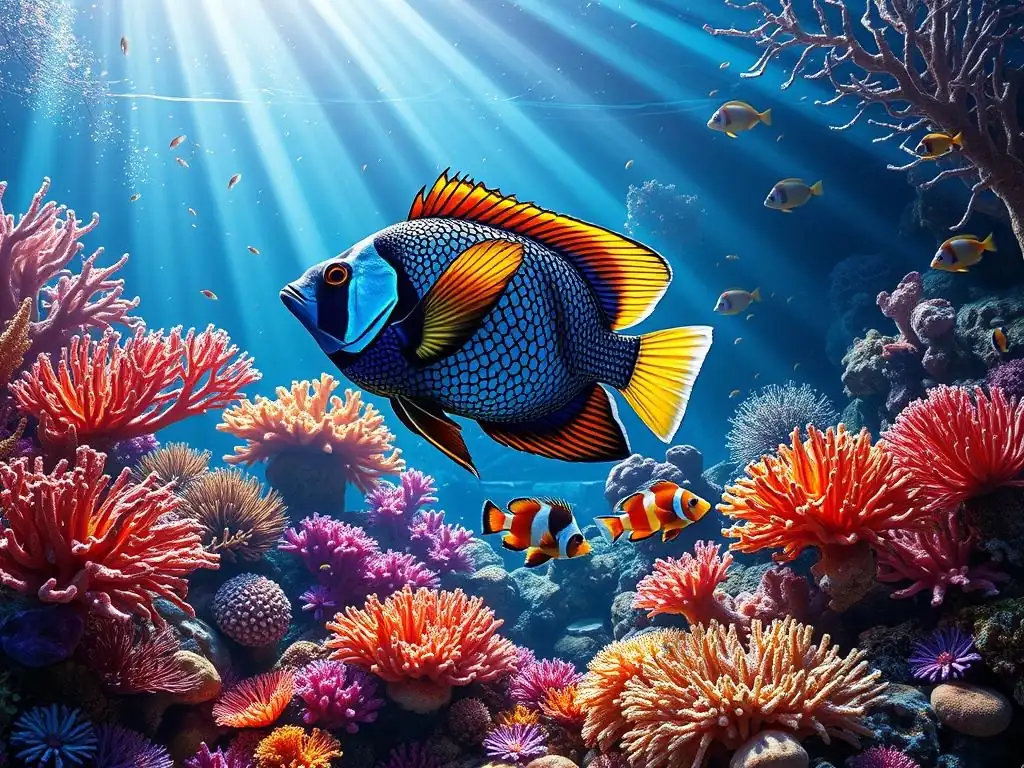
Ever been captivated by the stunning transformation of an Emperor Angelfish, from its mesmerizing juvenile stripes to the regal beauty of adulthood? Dive into our comprehensive Emperor Angelfish Care Guide and uncover the secrets to successfully nurturing this iconic saltwater species. Prepare to embark on a rewarding journey, and discover everything you need to know about their unique needs, ensuring a thriving and vibrant life for your Emperor. Ready to unlock the secrets to Emperor Angelfish care? Let's begin!
- Emperor Angelfish: From Juvenile Stripes to Adult Grandeur - A Comprehensive Care Guide
- Introduction to the Majestic Emperor Angelfish
- Emperor Angelfish Identification: Juvenile vs. Adult
- Emperor Angelfish Care: Essential Requirements
- Emperor Angelfish Tank Mates: Choosing Compatible Companions
- Health and Disease: Prevention and Treatment
- Acclimation: Introducing Your Fish to its New Home
- Advanced Care Tips
- Is an Emperor Angelfish Right for You? Evaluating Your Experience and Resources
- Care Guide Summary: Key Takeaways for Success
- Frequently Asked Questions
- Final Reflection: Embracing Transformation and Responsibility
- Embark on Your Angelfish Adventure!
Emperor Angelfish: From Juvenile Stripes to Adult Grandeur - A Comprehensive Care Guide
Introduction to the Majestic Emperor Angelfish
Understanding the Allure of Pomacanthus imperator
The Emperor Angelfish, scientifically known as Pomacanthus imperator, stands as one of the most iconic and visually stunning inhabitants of marine aquariums. Renowned for its captivating transformation from a strikingly patterned juvenile to a majestically colored adult, this species commands attention and admiration. Its vibrant hues and graceful swimming make it a centerpiece in any large saltwater setup, attracting experienced aquarists who appreciate its beauty and engaging personality. Successful Emperor angelfish care guide implementation allows enthusiasts to witness this remarkable journey firsthand.
Native to the vast Indo-Pacific region, from the Red Sea and East Africa across to Hawaii and the Marquesas Islands, Pomacanthus imperator thrives in coral-rich lagoons and outer reef slopes, typically at depths ranging from 3 to 100 meters (10 to 328 feet). In their natural habitat, adult Emperor Angelfish can reach impressive sizes of up to 15 inches (approximately 38 cm) and boast a lifespan that can exceed 20 years.
Their intelligent and curious nature, often observed as they meticulously graze on algae and sponges, further contributes to their allure, making them a highly rewarding species for dedicated aquarists.
Considerations Before Choosing an Emperor Angelfish
Acquiring an Emperor Angelfish is a significant long-term commitment that requires careful consideration and substantial resources. Due to their eventual large size and active swimming habits, these fish demand a very spacious environment.
A minimum tank size of 180 gallons (approximately 680 liters) is often cited for juveniles, but an adult Emperor Angelfish truly thrives in tanks of 250 gallons (about 946 liters) or larger, providing ample swimming room and stable water volumes. This species is not recommended for novice aquarists, as their complex dietary needs, specific water parameter requirements, and potential for aggression demand advanced husbandry skills and a mature, stable aquarium system.
Prospective owners must thoroughly research and understand the complete Emperor angelfish care guide before bringing one home. This includes evaluating the financial investment required for a large aquarium setup, specialized filtration, high-quality foods, and ongoing maintenance. Furthermore, the time commitment for regular water changes, parameter monitoring, and meticulous feeding schedules should not be underestimated. Ensuring a mature biological filter is established and stable water parameters (temperature, salinity, pH) are consistently maintained is paramount for the health and longevity of this magnificent angelfish.
Emperor Angelfish Identification: Juvenile vs. Adult
Distinguishing Features: Stripes to Swirls and Color Changes
The most striking characteristic of the Emperor Angelfish is its dramatic and complete color transformation from its juvenile to adult stage. Juvenile Emperor Angelfish are instantly recognizable by their deep blue bodies adorned with concentric white, electric blue, and black rings. These rings are tight and more numerous in very young specimens, gradually expanding as the fish grows. A distinctive bright yellow caudal fin and an iridescent blue spot located above the eye are also prominent features of the juvenile form. This intricate patterning often serves as a form of mimicry in the wild, potentially deterring predators.
As the Emperor Angelfish matures, typically reaching a length of 3 to 5 inches (7.5 to 12.5 cm), its appearance undergoes a profound metamorphosis. The juvenile rings gradually give way to the iconic adult pattern: a body predominantly deep blue to purple, overlaid with bright yellow horizontal stripes that sweep gracefully backward from the head. The caudal fin transitions to a vivid yellow, and a distinct black mask frequently develops around the eyes. This transformation can take several months, and intermediate patterns, where elements of both juvenile and adult coloration are visible, are not uncommon during this fascinating period.
The Metamorphosis of the Emperor Angelfish
The metamorphosis of the Emperor Angelfish is not merely a superficial color change but a complete overhaul of its patterning, a truly unique aspect among many angelfish species. This remarkable biological process is primarily driven by the fish's growth and sexual maturity, often initiated once it reaches a certain size and age. During this transition, the intricate circular patterns of the juvenile gradually break down and reorganize into the distinct horizontal stripes characteristic of the adult. This gradual shift means that for a period, the fish may display a mix of both patterns, showcasing its journey.
Biologically, this dramatic change is thought to serve various purposes, including predator avoidance in juveniles (where their pattern might mimic less palatable species) and the establishment of territorial dominance in adults. The transition period can be a particularly sensitive time for the fish, potentially increasing stress levels. Therefore, maintaining exceptionally stable water parameters, providing a nutrient-rich diet, and minimizing external disturbances are crucial during this phase. Witnessing this complete transformation is one of the most rewarding experiences for any aquarist following an Emperor angelfish care guide.
Recognizing Healthy Specimens: Key Indicators
Identifying a healthy Emperor Angelfish before purchase is critical for long-term success in the aquarium. Begin by observing its physical appearance: healthy specimens should have clear, bright eyes free of cloudiness or haziness. Their fins should be fully intact, without any tears, nips, or signs of fin rot, and should not appear clamped against the body. The body itself should be full and rounded, not sunken or emaciated, indicating a consistent feeding history. The coloration, whether juvenile or adult, should be vibrant, well-defined, and consistent with the species' typical patterns, showing no signs of fading or blotchiness.
Beyond physical attributes, observe the fish's behavior within the display tank. A healthy Emperor Angelfish will be active, alert, and exhibit curiosity, often swimming freely throughout the tank rather than hiding excessively or staying motionless in a corner. It should respond positively to movement outside the tank and show interest in food when offered.
Avoid any specimens exhibiting labored breathing (rapid gill movements), white spots (a sign of marine Ich), cloudy patches, or signs of Head and Lateral Line Erosion (HLLE). Always inquire about the fish's feeding habits at the store; a fish that readily accepts food is a strong indicator of good health and adaptability, which is paramount for successful Emperor angelfish care guide implementation.
Emperor Angelfish Care: Essential Requirements
Emperor Angelfish Tank Size: Creating a Suitable Habitat
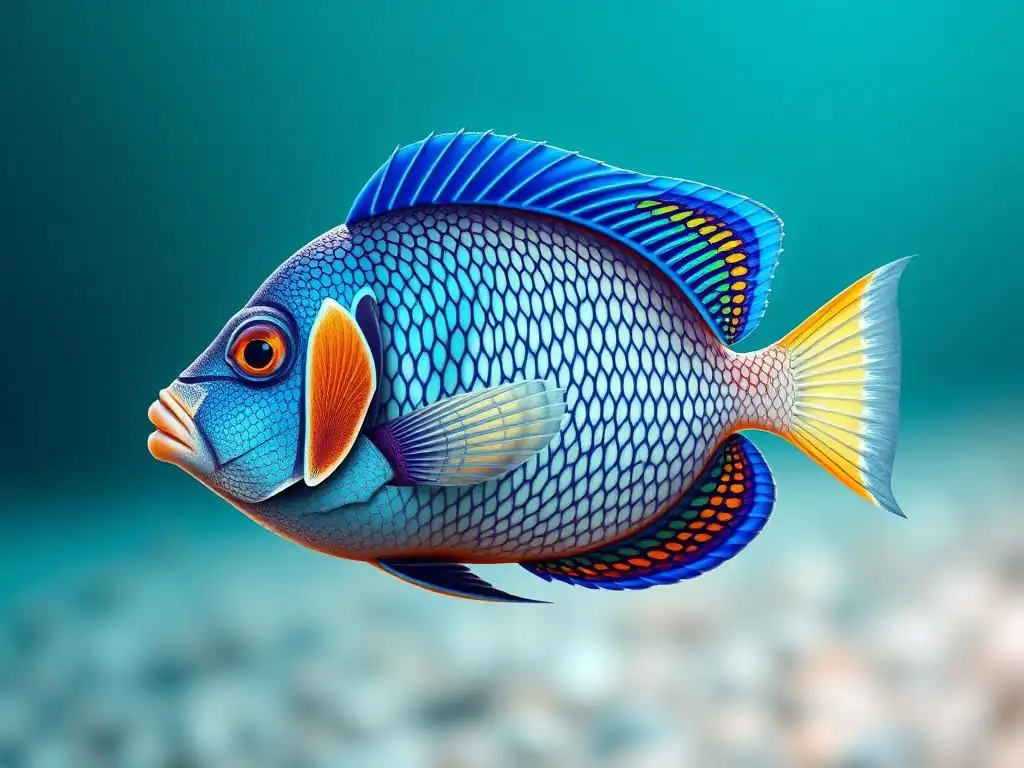
Providing an adequately sized habitat is arguably the most critical aspect of successful Emperor Angelfish care. Given their potential adult size of up to 15 inches (38 cm) and their active swimming nature, a large aquarium is not merely a recommendation but an absolute necessity. For juvenile Emperor Angelfish, a minimum tank size of 180 gallons (approximately 680 liters) is often considered the starting point, allowing for some growth.
However, to truly thrive and reach their full potential as adults, a tank of 250 gallons (about 946 liters) or larger is highly recommended. Tanks of 300 gallons (1135 liters) or more provide optimal space, reducing stress and aggression.
The dimensions of the tank are as important as its volume. A long, wide tank is preferable to a tall, narrow one, as it provides more horizontal swimming space and a larger footprint for rockwork and territorial arrangements. For instance, a 250-gallon tank measuring 84 inches long x 30 inches wide x 25 inches high (213 cm x 76 cm x 63 cm) would be far more suitable than a taller, narrower tank of the same volume.
Adequate rockwork with plenty of caves, overhangs, and hiding spots is essential, as Emperor Angelfish appreciate areas to retreat and explore, mimicking their natural reef environment. This ample space is fundamental to any comprehensive Emperor angelfish care guide.
Water Parameters: Maintaining Optimal Conditions
Temperature, Salinity, and pH Levels for Angelfish Health
Maintaining stable and optimal water parameters is paramount for the health and longevity of the Emperor Angelfish. These fish originate from tropical marine environments, requiring specific conditions to thrive. The ideal water temperature range is between 74°F and 82°F (23°C to 28°C), with a consistent temperature of around 78°F (25.5°C) often being preferred. Fluctuations should be minimized, ideally no more than 1-2 degrees Fahrenheit over a 24-hour period, necessitating a reliable heater and accurate thermometer.
Salinity levels are equally critical. A specific gravity (SG) of 1.023 to 1.025 is ideal, which translates to approximately 32-35 parts per thousand (ppt) of dissolved salts. Regular testing with a refractometer is crucial for accuracy. The pH should be maintained within a slightly alkaline range of 8.1 to 8.4. Consistent monitoring of these parameters, along with alkalinity (dKH 8-12), calcium (400-450 ppm), and magnesium (1250-1350 ppm), ensures a stable environment that mimics their natural reef habitat. Any comprehensive Emperor angelfish care guide will emphasize the importance of these stable conditions to prevent stress and disease.
The Importance of Water Changes
Regular and consistent water changes are a cornerstone of effective water parameter management and overall aquarium health, particularly for large, active fish like the Emperor Angelfish. Water changes help to replenish essential trace elements that are consumed by the fish and invertebrates, while also diluting accumulated nitrates, phosphates, and other waste products that can become toxic in high concentrations. For a mature Emperor Angelfish tank, a weekly water change of 10-15% of the total tank volume is generally recommended. For instance, a 250-gallon tank would benefit from a 25-37 gallon water change each week.
Using high-quality reverse osmosis/deionized (RO/DI) water mixed with a reputable marine salt mix is essential to ensure that no unwanted contaminants are introduced into the system. The new saltwater should be mixed and aerated for at least 24 hours prior to use, ensuring it matches the temperature and salinity of the display tank precisely to minimize shock to the fish. Regular testing before and after water changes allows aquarists to monitor their effectiveness and make adjustments as needed, contributing significantly to the long-term success outlined in any Emperor angelfish care guide.
Diet and Feeding: A Balanced Approach
Natural Diet and Suitable Prepared Foods
In their natural reef environment, Emperor Angelfish are omnivores with a significant herbivorous component to their diet. They primarily graze on sponges, tunicates, algae, and various small invertebrates. Replicating this diverse diet in captivity is crucial for their long-term health and vibrant coloration. A varied diet prevents nutritional deficiencies and encourages natural foraging behaviors.
For captive Emperor Angelfish, suitable prepared foods include high-quality marine angelfish pellets and flakes, enriched with spirulina and marine algae. Frozen foods are essential and should form a significant portion of their diet; options like Mysis shrimp, brine shrimp (enriched), finely chopped seafood (shrimp, squid, clam), and various marine angelfish formulas are excellent choices. Offering sheets of dried nori (seaweed) clipped to the tank glass daily provides essential vegetable matter and encourages natural grazing. A comprehensive Emperor angelfish care guide will always stress the importance of dietary diversity.
Feeding Frequency and Portion Sizes
Due to their active metabolism and continuous grazing habits in the wild, Emperor Angelfish benefit from multiple small feedings throughout the day rather than one large meal. For juveniles, feeding 3-4 times a day is ideal, while adults can thrive on 2-3 feedings daily. Each feeding should consist of an amount of food that the fish can consume within 2-3 minutes. Overfeeding should be strictly avoided, as it can lead to poor water quality and digestive issues.
The portion size should be adjusted based on the fish's size, activity level, and overall condition. A good rule of thumb is to offer enough food so that no excess remains uneaten and decays in the tank, contributing to nitrates and phosphates. For example, a 10-inch Emperor Angelfish might consume a quarter-teaspoon of pellets and a cube of frozen Mysis shrimp per feeding, spread across two to three daily feedings. Monitoring the fish's belly condition – slightly rounded, not distended or sunken – helps in fine-tuning portion sizes.
Supplementing the Diet
Beyond the core diet of prepared and frozen foods, supplementing the Emperor Angelfish's diet is highly beneficial for enhancing their immune system, coloration, and overall vitality. Vitamin supplements, particularly those rich in Vitamin C and Omega-3 fatty acids, can be soaked into frozen foods prior to feeding. Products like Selcon or Vita-Chem are popular choices for this purpose. These supplements help prevent common deficiencies, such as Head and Lateral Line Erosion (HLLE), which can be linked to poor nutrition.
Additionally, offering live foods occasionally, such as enriched brine shrimp or blackworms, can stimulate natural hunting instincts and provide an extra nutritional boost, though this should not be the primary diet. Some aquarists also offer fresh vegetable matter like blanched spinach or broccoli, though nori is generally more readily accepted. Regular supplementation, as detailed in any thorough Emperor angelfish care guide, contributes significantly to the long-term health and vibrant appearance of the Emperor Angelfish.
Emperor Angelfish Tank Mates: Choosing Compatible Companions
Suitable Tank Mates: Building a Peaceful Community
Choosing appropriate tank mates for an Emperor Angelfish requires careful consideration due to their potential for aggression, especially as they mature. While they can be territorial, particularly towards other angelfish or similarly shaped fish, they can coexist peacefully with a range of suitable companions in a sufficiently large aquarium. Ideal tank mates are generally semi-aggressive to peaceful species that are too large to be considered food and have different dietary needs to minimize competition.
Good choices include larger tangs (e.g., Yellow Tang, Sailfin Tang), robust triggerfish (avoiding overly aggressive species), large wrasses (e.g., Coris Wrasse, Hogfish), and certain large damselfish or groupers. For example, a 300-gallon system housing an adult Emperor Angelfish could comfortably accommodate a mature Yellow Tang and a Harlequin Tuskfish, provided adequate space and rockwork are available for each to establish territories. The key is providing ample swimming space and numerous hiding spots to disperse potential aggression. A well-researched Emperor angelfish care guide will always emphasize careful tank mate selection.
Fish to Avoid: Preventing Aggression and Stress
Certain fish species are generally incompatible with Emperor Angelfish and should be avoided to prevent aggression, stress, and potential harm. The most significant conflicts often arise with other angelfish, especially those of similar size, shape, or coloration, as Emperor Angelfish can be highly territorial towards their own kind. Keeping multiple angelfish species together, particularly other large angelfish like Queen Angelfish or French Angelfish, is generally not recommended unless the tank is exceptionally large (500+ gallons) and introduced simultaneously.
Small, timid, or slow-moving fish are also poor choices, as they can be intimidated or outcompeted for food. This includes many smaller gobies, blennies, and certain delicate cardinalfish. Very aggressive species, such as large predatory lionfish or certain highly territorial triggerfish (e.g., Clown Triggerfish), should also be avoided as they could injure or kill the Emperor Angelfish. Careful planning and adherence to an Emperor angelfish care guide regarding tank mate compatibility are essential for a harmonious aquarium.
Invertebrates and Reef Compatibility
The reef compatibility of Emperor Angelfish is a topic of considerable discussion among aquarists. While juvenile Emperor Angelfish are generally considered "reef safe with caution," adult Emperor Angelfish are notorious for nipping at and consuming corals, especially large polyp stony (LPS) corals, soft corals, and clam mantles. Their natural diet includes sponges and tunicates, which often translates to an appetite for various sessile invertebrates in the aquarium.
Therefore, Emperor Angelfish are best kept in FOWLR (Fish Only With Live Rock) systems, where the focus is solely on fish. If attempting to keep them in a reef tank, it should be done with extreme caution and a clear understanding that corals may be damaged or consumed. Small polyp stony (SPS) corals might be less appealing to them than fleshy LPS corals, but there are no guarantees.
It is generally not recommended to house them with expensive or irreplaceable corals. Clams, feather dusters, and anemones are also at high risk. This crucial aspect of Emperor angelfish care guide planning influences the entire tank setup.
Health and Disease: Prevention and Treatment
Common Diseases and Ailments
Emperor Angelfish, like all marine fish, are susceptible to various diseases, particularly if water quality is poor, diet is inadequate, or stress levels are high. Two common ailments that aquarists frequently encounter are Marine Ich (Cryptocaryon irritans) and Head and Lateral Line Erosion (HLLE). Understanding the symptoms and proactive measures is vital for successful treatment.
Other less common but serious issues include Brooklynella hostilis (Marine Velvet), which causes a slimy white coating and rapid breathing, and bacterial infections, often presenting as fin rot, cloudy eyes, or body sores. Internal parasites can also be an issue, leading to emaciation despite regular feeding. Consistent monitoring of the fish's behavior and appearance is the first line of defense, enabling early detection and intervention. A robust Emperor angelfish care guide always prioritizes disease prevention through optimal husbandry.
Identifying and Treating Marine Ich
Marine Ich, caused by the protozoan Cryptocaryon irritans, is one of the most prevalent and feared diseases in marine aquariums. It manifests as small, salt-like white spots scattered across the fish's body, fins, and gills. Infected fish may also exhibit rapid breathing, scratching against decor (flashing), lethargy, and loss of appetite. The parasite has a complex life cycle, with free-swimming stages that can rapidly reinfect fish and spread throughout the tank.
Treatment typically involves either hyposalinity (gradually reducing salinity to 1.009-1.010 SG) or copper-based medications in a separate quarantine tank. Direct treatment in the display tank is often discouraged due to the potential harm to invertebrates and beneficial bacteria. A minimum treatment period of 14-21 days is usually required to break the parasite's life cycle. Prevention through strict quarantine procedures for all new arrivals is the most effective strategy, as emphasized in any thorough Emperor angelfish care guide.
Recognizing and Addressing Head and Lateral Line Erosion (HLLE)
Head and Lateral Line Erosion (HLLE) is a frustrating and often disfiguring condition characterized by pitting, lesions, and erosion of tissue around the head, face, and lateral line system of marine fish. While the exact cause is not fully understood, it is widely believed to be multifactorial, linked to poor water quality (especially high nitrates and phosphates), inadequate nutrition (deficiencies in Vitamin A, C, D, and E, or certain amino acids), activated carbon overuse, stray electrical voltage, and insufficient trace elements.
Treating HLLE involves addressing the underlying causes. This includes performing frequent, large water changes to improve water quality, ensuring a highly varied and vitamin-enriched diet (e.g., soaking foods in Selcon or Vita-Chem), providing a source of natural grazing material like nori, and ensuring proper grounding of electrical equipment. In some cases, increasing trace element dosing may also help. Recovery can be slow, taking several months, but often, the damage is reversible if the causative factors are corrected promptly. Prevention is key within any Emperor angelfish care guide.
Quarantine Procedures: Minimizing Risk
Implementing a strict quarantine protocol for all new fish, including Emperor Angelfish, is arguably the single most important step in preventing the introduction and spread of diseases in your main display tank. A dedicated quarantine tank (QT) of at least 40-75 gallons (150-280 liters) is recommended, equipped with its own heater, powerhead for circulation, and sponge filter or hang-on-back filter for biological filtration. This tank should be bare-bottom with minimal PVC pipes for hiding, making observation and treatment easier.
New arrivals should be quarantined for a minimum of 4-6 weeks. During this period, observe the fish closely for any signs of disease, such as white spots, cloudy eyes, clamped fins, or unusual behavior. Prophylactic treatments for common parasites like Ich and Velvet (e.g., with copper or chloroquine phosphate) can be administered in the QT, ensuring the fish is disease-free before transfer. This crucial step, often overlooked, is a non-negotiable component of a responsible Emperor angelfish care guide.
Acclimation: Introducing Your Fish to its New Home
Step-by-Step Acclimation Process
Proper acclimation is vital to minimize stress and prevent osmotic shock when introducing an Emperor Angelfish to a new environment. The drip acclimation method is highly recommended as it slowly equalizes temperature, pH, and salinity, allowing the fish to gradually adjust. Begin by floating the sealed bag containing the fish in your quarantine tank (or display tank if no QT) for 15-20 minutes to equalize temperature.
After temperature equalization, open the bag and carefully roll down the edges to create a floatable rim. Using airline tubing and an air valve, start a slow drip from the tank into the bag, aiming for 1-2 drips per second. Allow the water volume in the bag to double over a period of 45-60 minutes.
Once doubled, remove approximately half of the water from the bag and continue the drip process for another 30-45 minutes until the volume doubles again. Finally, net the fish carefully and transfer it to the tank, discarding the bag water to prevent introducing pathogens. This slow, methodical approach is a cornerstone of any Emperor angelfish care guide.
Monitoring After Introduction
The period immediately following introduction to the new tank is critical for the Emperor Angelfish's successful integration. For the first few hours, and even days, observe the fish closely for any signs of stress, such as rapid breathing, hiding excessively, clamped fins, or unusual swimming patterns. It's normal for a new fish to be shy initially, but it should gradually become more active and explore its surroundings.
Monitor tank mates for any signs of aggression towards the new Emperor Angelfish. If aggression occurs, consider rearranging rockwork to break up established territories or using a temporary tank divider. Do not offer food for the first 12-24 hours after introduction to allow the fish to settle without the added stress of feeding.
Once it appears comfortable, offer a small amount of highly palatable food, such as Mysis shrimp. Continued observation over the next few weeks is essential to ensure the fish is eating well, displaying natural behaviors, and exhibiting no signs of disease, reinforcing the importance of a detailed Emperor angelfish care guide.
Advanced Care Tips
Enhancing Coloration
Achieving and maintaining the vibrant, striking coloration of an Emperor Angelfish is a hallmark of excellent husbandry. While genetics play a role, diet is the primary factor influencing color intensity. Incorporate a diverse range of high-quality foods rich in natural color enhancers like astaxanthin, spirulina, and other carotenoids. Frozen foods such as spirulina-enriched brine shrimp, Mysis shrimp, and specialized marine angelfish formulas are excellent choices. Regularly feeding dried nori (seaweed) also contributes to vibrant blues and yellows.
Beyond diet, stable and pristine water quality is crucial. High nitrates or inconsistent parameters can dull colors and stress the fish. Regular water changes and robust filtration are essential. Adequate lighting, particularly full-spectrum marine lighting, can also help bring out the fish's natural iridescence. Providing a low-stress environment with plenty of hiding spots and appropriate tank mates allows the fish to feel secure, which directly translates to more brilliant and consistent coloration, a key aspect of advanced Emperor angelfish care guide practices.
Encouraging Natural Behaviors
Encouraging natural behaviors in an Emperor Angelfish not only provides a more engaging display but also contributes to the fish's overall well-being. These fish are natural grazers and explorers in the wild. To replicate this, provide extensive live rock formations with numerous caves, arches, and crevices for them to navigate, explore, and hide within. This complex aquascape mimics their natural reef habitat and provides mental stimulation.
Offer food in ways that encourage natural foraging. For instance, clipping sheets of nori to the tank glass encourages grazing behavior. Scattering small amounts of food throughout the tank rather than in one spot can also promote active searching. Maintaining appropriate tank mates that do not overly stress the Emperor Angelfish allows it to feel secure enough to exhibit its natural curiosity and swimming patterns. A well-designed Emperor angelfish care guide emphasizes creating an environment that supports these inherent behaviors.
Is an Emperor Angelfish Right for You? Evaluating Your Experience and Resources
Assessing Your Aquarium Keeping Skills
Before committing to an Emperor Angelfish, it's crucial to honestly assess your current aquarium keeping skills and experience. This species is not suitable for beginners. Successful Emperor angelfish care guide implementation requires a solid understanding of marine water chemistry, including advanced concepts like alkalinity, calcium, and magnesium, and the ability to maintain these parameters consistently. Experience with large-volume water changes, complex filtration systems (sumps, protein skimmers, reactors), and the identification and treatment of common marine fish diseases is essential.
Furthermore, managing potential aggression, especially in a mixed-species tank, demands an experienced hand. You should be comfortable with long-term commitment, understanding that this fish can live for two decades or more. If you've only kept smaller, hardier marine fish, or if your current setup is a modest nano-reef, an Emperor Angelfish is likely too challenging for your current skill set. Consider gaining more experience with less demanding large marine fish before embarking on the Emperor Angelfish journey.
Emperor Angelfish: A Demanding Species
The Emperor Angelfish is undeniably a demanding species, requiring significant investment in terms of both time and financial resources. The initial cost of a sufficiently large aquarium (250+ gallons), robust filtration, and lighting can easily run into several thousands of dollars. Beyond the setup, ongoing costs include high-quality foods, marine salt mix for regular water changes, test kits, and electricity for pumps, heaters, and chillers. A healthy adult Emperor Angelfish can consume a substantial amount of food daily, adding to the recurring expenses.
The time commitment is equally substantial. Daily feeding, weekly water changes (often 25-50 gallons for large tanks), regular parameter testing, and continuous observation for signs of stress or disease require dedicated effort. Quarantine procedures for new additions also demand time and a separate setup. For those with the resources, experience, and dedication, the Emperor Angelfish is an incredibly rewarding fish. However, it is paramount to recognize its demanding nature and ensure you can meet all aspects of this comprehensive Emperor angelfish care guide before welcoming one into your home.
Care Guide Summary: Key Takeaways for Success
- Tank Size: A minimum of 180 gallons for juveniles, transitioning to 250+ gallons for adults, with ample swimming space and rockwork.
- Water Parameters: Stable temperature (74-82°F), salinity (1.023-1.025 SG), and pH (8.1-8.4) are critical.
- Water Quality: Regular 10-15% weekly water changes are essential to maintain pristine conditions and dilute waste.
- Diet: An omnivorous diet rich in spirulina, marine algae, and high-quality frozen foods (Mysis, enriched brine shrimp, chopped seafood) fed 2-3 times daily. Supplement with nori and vitamins.
- Tank Mates: Choose peaceful to semi-aggressive, larger fish. Avoid other angelfish, small, timid species, and highly aggressive predators.
- Reef Compatibility: Generally not reef-safe, especially as adults; best kept in FOWLR systems.
- Health & Disease: Preventative measures like strict quarantine for all new arrivals are vital. Be prepared to identify and treat common marine ailments like Ich and HLLE.
- Acclimation: Use a slow drip acclimation method for at least 60-90 minutes to minimize stress.
- Experience Level: This is an advanced species, requiring significant experience, resources, and commitment to follow the Emperor angelfish care guide successfully.
Frequently Asked Questions
How difficult is it to care for an Emperor Angelfish?
Emperor Angelfish are considered moderately difficult to care for. They require a large, established tank and pristine water conditions, making them best suited for experienced aquarists.
What is the ideal tank size for an Emperor Angelfish?
A minimum tank size of 180 gallons is recommended for a single Emperor Angelfish. They need ample swimming space and plenty of hiding places to feel secure.
What do Emperor Angelfish eat?
They are omnivores and require a varied diet. Offer them a mix of high-quality marine flakes or pellets, as well as frozen foods like mysis shrimp, brine shrimp, and spirulina. Supplement with algae sheets to mimic their natural grazing behavior.
What are some common health issues that affect Emperor Angelfish?
Common issues include marine ich (white spot disease), internal parasites, and head and lateral line erosion (HLLE). Maintaining excellent water quality and providing a proper diet are crucial for preventing these problems.
Are Emperor Angelfish reef safe?
Emperor Angelfish are not considered reef safe. They may nip at corals and certain invertebrates, potentially damaging or killing them. Keep them in a fish-only or fish-only-with-live-rock (FOWLR) aquarium.
Final Reflection: Embracing Transformation and Responsibility
The journey of the Emperor Angelfish, from its humble, striped beginnings to its majestic adult form, mirrors the transformative power inherent in growth and change. Understanding and respecting this transformation is paramount, not just for successful aquarium keeping, but also for fostering a deeper appreciation for the delicate balance of our marine ecosystems. The Emperor Angelfish, in its vibrant beauty, serves as a constant reminder of the responsibility we bear towards the natural world.
The allure of the Emperor Angelfish, with its striking colors and regal presence, has undeniably captivated aquarists for generations. This fascination underscores the importance of ethical sourcing and sustainable practices within the aquarium trade. We must remember that these magnificent creatures are not mere decorations, but living beings deserving of our utmost care and respect. In the end, we will conserve only what we love; we will love only what we understand; and we will understand only what we are taught.
- Baba Dioum
As you embark on, or continue, your journey of caring for an Emperor Angelfish, remember that you are not simply maintaining an aquarium, but nurturing a life. Let the lessons learned from understanding this creature's needs – its diet, its environment, its inherent beauty – inspire you to become a more conscious and responsible steward of our planet. Consider how you can contribute to the preservation of coral reefs and marine life, ensuring that future generations can also marvel at the grandeur of the Emperor Angelfish in its natural habitat.
Embark on Your Angelfish Adventure!
Thanks for diving deep into the world of the Emperor Angelfish! We hope this guide has illuminated the path to successfully caring for these majestic creatures. Now, it's time to take the plunge and bring your aquarium dreams to life!
Here are a few steps you can take right now:
- Plan your ideal Emperor Angelfish habitat: Research tank size, filtration, and compatible tankmates to ensure a thriving environment.
- Share this guide with fellow aquarists and spark a conversation about their experiences with angelfish.
- Consider documenting your aquarium journey on our website, sharing your experiences to inspire others to get involved with fishkeeping.
What aspect of Emperor Angelfish care are you most eager to explore further? Let's discuss in the comments!