
Best Commercial Foods for Large Saltwater Angelfish: Top Picks

Welcome to Aquarium Mastery!
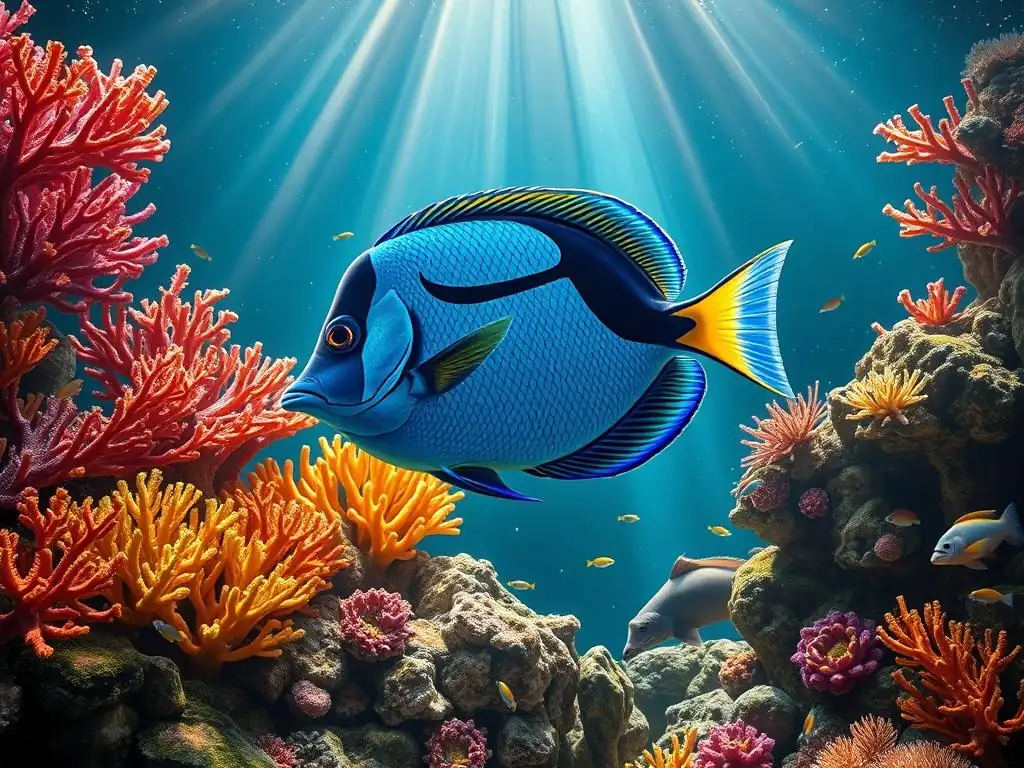
Dive into the vibrant world of saltwater aquariums! Curious about keeping your majestic angelfish healthy and thriving? What secrets unlock their brilliant colours and energetic personalities? Our guide, " Best Commercial Foods for Large Saltwater Angelfish: Top Picks," uncovers the top food choices that will keep your angelfish happy and your reef tank flourishing. Let's explore the essential nutrients and proven brands that will make your angelfish the king (or queen!) of your underwater kingdom. Get ready to master angelfish nutrition!
- Understanding the Nutritional Needs of Large Saltwater Angelfish
- Top Commercial Food Brands for Large Saltwater Angelfish
- Best Food Types for Large Saltwater Angelfish
- How to Choose the Right Food for Your Large Saltwater Angelfish
- Feeding Schedule and Portion Control for Large Angelfish
- Supplementing the Diet of Large Saltwater Angelfish
- Tips for Encouraging Picky Eaters: Getting Your Angelfish to Eat
- Storing Commercial Food Properly to Maintain Freshness
-
Frequently Asked Questions
- What are the best commercial food options for large saltwater angelfish?
- How often should I feed my large saltwater angelfish?
- What ingredients should I look for in a commercial food for large saltwater angelfish?
- Can I supplement commercial food with other food sources for my angelfish?
- What should I do if my large saltwater angelfish is not eating the commercial food I offer?
- Final Reflection: Nourishing the Reef's Majesty
- Dive Deeper: Ignite Your Angelfish's Vitality!
Understanding the Nutritional Needs of Large Saltwater Angelfish
The Importance of a Varied Diet for Angelfish Health
A varied diet is paramount for the long-term health and vibrancy of large saltwater angelfish. These magnificent fish, often ranging from 8 to 18 inches in adulthood depending on the species (e.g., Emperor Angelfish, Pomacanthus imperator, reaching up to 15 inches; Queen Angelfish, Holacanthus ciliaris, up to 18 inches), have complex nutritional requirements that cannot be met by a single type of food.
Offering a diverse array of commercial foods, supplemented with frozen and live options, ensures they receive a full spectrum of vitamins, minerals, proteins, and essential fatty acids. This comprehensive approach helps bolster their immune system, promotes optimal growth, and maintains their stunning natural coloration.
Without dietary diversity, large angelfish can develop nutritional deficiencies that manifest as faded colors, fin erosion, weakened immune responses, or even conditions like Head and Lateral Line Erosion (HLLE). For example, a diet lacking in Vitamin C can impair collagen synthesis and immune function, making them susceptible to disease. Similarly, a monotonous diet, even if seemingly complete, might not provide the necessary fiber or specific trace elements found in varied natural prey, leading to digestive issues or poor nutrient absorption over time. Therefore, rotating different high-quality large angelfish saltwater food products is key to their robust health.
Key Nutrients for Large Angelfish: Vitamins, Minerals & Proteins
Proteins are fundamental for the growth and tissue repair of large angelfish, especially given their significant size and active metabolism. High-quality marine-based proteins, such as those derived from fish meal, krill, spirulina, and squid, should constitute a substantial portion of their diet, ideally around 40-50% protein content in their primary commercial food. These complex proteins provide the amino acids necessary for muscle development and enzyme production.
Beyond proteins, essential fatty acids (EFAs), particularly Omega-3 and Omega-6, are crucial for immune system function, cell membrane integrity, and hormone production. Vitamins like Vitamin C (L-ascorbyl-2-polyphosphate for stability), Vitamin A (retinol), and Vitamin D3 are vital for immunity, vision, and calcium absorption, respectively. Minerals such as calcium, phosphorus, and iodine also play critical roles in skeletal development, metabolism, and thyroid function. A balanced large angelfish saltwater food will meticulously incorporate these elements to support all physiological processes.
Natural Food Sources vs. Commercial Food for Marine Angelfish
In their natural habitats, large saltwater angelfish are omnivores with diverse palates, largely feeding on sponges, tunicates, algae, and various small invertebrates. Species like the French Angelfish ( Pomacanthus paru) are known to consume a significant amount of sponges, while others might graze more on algae. This natural diet provides a broad array of nutrients that are challenging to replicate precisely in a captive environment.
Commercial large angelfish saltwater food aims to bridge this gap by providing a convenient, stable, and nutritionally fortified alternative. While no commercial food can perfectly mimic the complexity of a wild diet, the best formulations are designed to be highly digestible and contain a balanced profile of essential nutrients, often enriched with specific ingredients like spirulina, krill, and even sponge extracts to cater to their natural preferences.
The primary advantage of commercial foods is their consistency and freedom from parasites or contaminants that can sometimes be introduced with wild-caught live foods, making them a safer and more reliable staple for the aquarium.
Top Commercial Food Brands for Large Saltwater Angelfish
Reviewing Ocean Nutrition Angelfish Formula
Ocean Nutrition's Angelfish Formula is a highly regarded commercial large angelfish saltwater food specifically tailored to meet the dietary needs of these majestic marine fish. This formula is renowned for its inclusion of natural ingredients that mimic the wild diet of angelfish, such as high concentrations of sponge material and marine proteins.
It typically contains a protein content around 45-50%, which is ideal for supporting the growth and energy demands of large species like the Emperor Angelfish ( Pomacanthus imperator) or Queen Angelfish ( Holacanthus ciliaris). The presence of spirulina and various algae also contributes to vibrant coloration and digestive health.
Many aquarists report excellent palatability with Ocean Nutrition Angelfish Formula, making it a good choice for both established and new angelfish that might be hesitant to eat. Its carefully balanced composition helps prevent nutritional deficiencies and supports a strong immune system. For instance, anecdotal evidence suggests that angelfish fed this formula consistently exhibit brighter colors and a more robust appearance compared to those on less specialized diets. It's available in both flake and pellet forms, allowing aquarists to choose the best option based on their fish's feeding preferences and tank setup.
Examining New Life Spectrum Marine Fish Food for Angelfish
New Life Spectrum (NLS) is another top-tier brand, widely celebrated for its commitment to high-quality, nutrient-dense formulations. Their Marine Fish Food for Angelfish, often featuring ingredients like whole Antarctic Krill, Spirulina, and Algae, is designed to provide a comprehensive diet. NLS products are unique for their "Nutri-Gel" binder, which not only ensures that the pellets remain intact in the water, reducing waste and pollution, but also enhances nutrient absorption, meaning more of the beneficial ingredients are utilized by the fish rather than simply passing through.
The brand offers a range of pellet sizes, from small "Thrive" pellets suitable for juvenile large angelfish to larger "Jumbo" pellets perfectly sized for adult specimens, ensuring proper ingestion and digestion. Many NLS formulas also incorporate garlic, which acts as a natural attractant and immune booster, making them particularly effective for encouraging picky eaters or supporting fish during stressful periods. For example, the NLS Thera-A formula, with its higher garlic content, is often recommended by hobbyists for new angelfish or those recovering from stress, helping to stimulate their appetite and reinforce their natural defenses.
Comparing Formula One and Formula Two Marine Pellets for Large Angels
Two popular and effective options for large angelfish saltwater food are the Formula One and Formula Two marine pellets, often produced by brands like Rod's Food or Spectrum. While both are excellent choices, they cater to slightly different dietary needs, making them ideal for rotation or combination to achieve a truly balanced diet.
Formula One is generally higher in protein and fat, containing ingredients like fish meal, krill, and shrimp, making it more suitable for carnivorous or omnivorous marine fish with a higher demand for animal protein. Large angelfish, being omnivores that consume invertebrates, benefit greatly from this protein-rich profile, which supports robust growth and energy levels.
Conversely, Formula Two pellets typically have a higher vegetable content, incorporating ingredients such as spirulina, various algae, and seaweed. This makes it an excellent choice for omnivorous angelfish that also graze heavily on plant matter in the wild. By alternating between Formula One and Formula Two, or by mixing them, aquarists can provide a comprehensive nutritional profile that closely mimics the varied diet of large angelfish in their natural habitat. This rotation ensures they receive both essential animal proteins and vital plant-based nutrients, contributing to their overall health, digestive regularity, and vibrant coloration.
Best Food Types for Large Saltwater Angelfish
Pellet Food: A Convenient and Nutritious Option
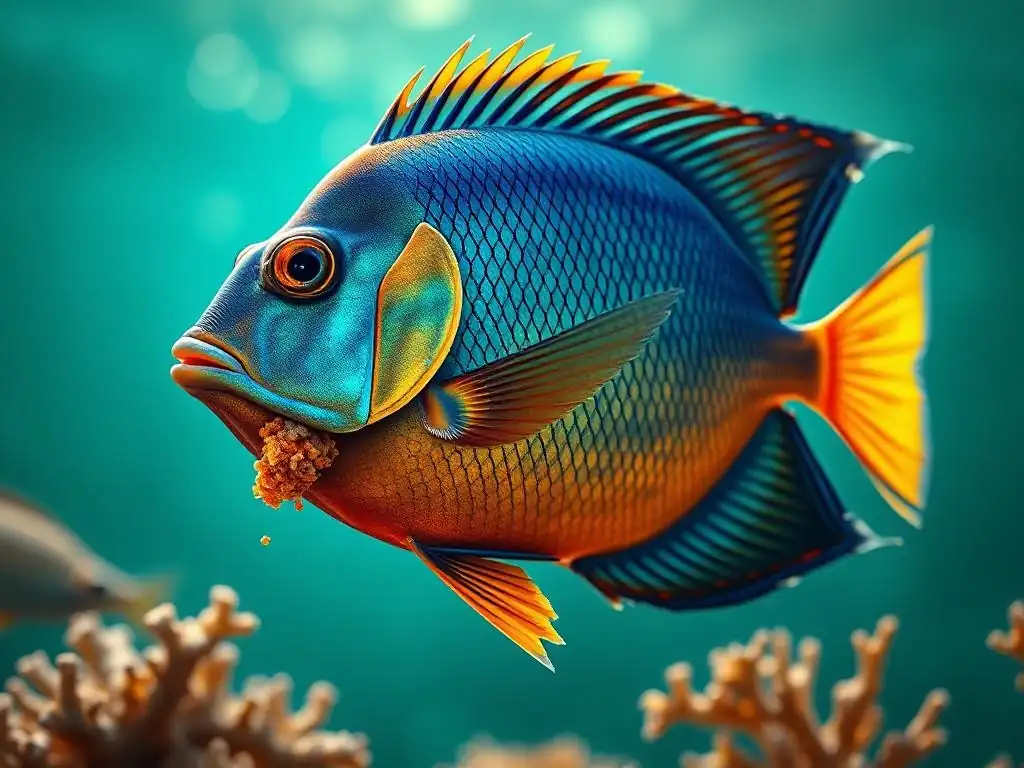
Pellet food is arguably the most convenient and widely used form of commercial large angelfish saltwater food, offering a complete and balanced nutritional profile in a compact form. High-quality pellets are formulated to contain all the necessary proteins, fats, carbohydrates, vitamins, and minerals required for the sustained health of large angelfish. Their dense nature means less waste and better water quality compared to some other food types, as they tend to sink slowly, allowing fish ample time to consume them before they dissolve.
The key to selecting the right pellet is size and composition. For large angelfish, pellets ranging from 2mm to 4mm are generally appropriate, ensuring they can be easily ingested without undue effort. Brands like New Life Spectrum and Ocean Nutrition offer species-specific or general marine pellets that are excellent choices. Pellets are particularly beneficial for establishing a consistent feeding routine and ensuring that each fish receives a measured portion of nutrients, contributing to steady growth and vibrant health.
Flake Food: Supplementing the Angelfish Diet
Flake food, while less nutrient-dense than pellets on a per-weight basis, can serve as a valuable supplement in the diet of large saltwater angelfish. They are particularly useful for encouraging surface feeding or for providing a lighter meal between more substantial pellet or frozen food feedings. High-quality marine flakes often contain spirulina, marine proteins, and various vitamins, offering a good source of quick nutrition.
However, flakes can disperse quickly in the water column and are more prone to polluting the tank if overfed, as uneaten flakes break down rapidly. Therefore, they should not constitute the primary diet for large angelfish, but rather be used as an occasional treat or as part of a varied feeding regimen. When selecting flakes, look for those specifically formulated for marine omnivores, ensuring they provide a good mix of both animal and plant-based ingredients to complement other large angelfish saltwater food options.
Frozen Food: Enhancing Color and Providing Essential Fatty Acids
Frozen foods are indispensable for enhancing the diet of large saltwater angelfish, offering superior palatability, natural hydration, and a rich source of essential nutrients often diminished in dried foods. They closely mimic the natural prey items consumed in the wild, stimulating the angelfish's foraging instincts. The high moisture content of frozen foods also contributes to better digestion and overall hydration, which is vital for marine fish.
Furthermore, frozen foods are excellent for boosting color intensity due to their natural pigment content (e.g., astaxanthin in krill and mysis shrimp) and for providing crucial essential fatty acids that support vibrant coloration and a robust immune system. Regular inclusion of frozen options can significantly improve the vitality and appearance of large angelfish, especially when used in conjunction with high-quality pellets.
Mysis Shrimp for Large Angelfish: Benefits and Feeding Tips
Mysis shrimp are an incredibly beneficial and highly palatable frozen food for large saltwater angelfish. They are rich in protein (typically around 60% dry weight) and essential fatty acids, making them an excellent choice for promoting growth and enhancing vibrant coloration. Their natural astaxanthin content contributes to the brilliant reds, oranges, and yellows often seen in species like the Emperor Angelfish. Many angelfish, even picky eaters, find mysis shrimp irresistible, making them a great option for encouraging feeding.
When feeding mysis shrimp, it's best to thaw a small portion in a cup of tank water before adding it to the aquarium. This prevents the introduction of unwanted phosphates from the frozen block and ensures the shrimp are separated, allowing for easier consumption. Offer only what your large angelfish can consume within a minute or two to prevent uneaten food from decaying and negatively impacting water quality.
Spirulina Brine Shrimp: A Vegetarian Option for Angelfish
While not as nutritionally dense in protein and fat as mysis shrimp, spirulina-enriched brine shrimp offer a valuable vegetarian component to the large angelfish diet. Brine shrimp alone are largely water and lack significant nutritional value unless gut-loaded, but when enriched with spirulina, they provide a good source of vegetable matter, carotenoids, and some vitamins. This makes them particularly useful for omnivorous angelfish that also graze on algae and plant material in their natural environment.
Feeding spirulina brine shrimp can aid in digestive health due to their fiber content and contribute to color enhancement from the spirulina. They are also generally well-accepted by most marine fish. As with mysis, thaw a small portion in tank water before feeding. They should be used as a supplementary food item to provide dietary diversity, rather than a primary food source, for optimal large angelfish health.
LRS Reef Frenzy: A Complete Frozen Food Option
LRS (Larry's Reef Services) Reef Frenzy is a highly acclaimed, comprehensive frozen food blend that is exceptionally beneficial for large saltwater angelfish. Unlike single-ingredient frozen foods, Reef Frenzy combines a diverse array of high-quality ingredients such as mysis shrimp, krill, spirulina, clam, oyster, and various marine proteins, often including sponge material. This multi-ingredient approach provides a broad spectrum of nutrients, making it a nearly complete meal in itself and an excellent staple for a varied diet.
The careful blend of ingredients ensures that large angelfish receive a balanced intake of proteins, essential fatty acids, vitamins, and minerals. Its natural palatability encourages strong feeding responses, even from finicky eaters. Many aquarists observe significant improvements in fish vitality, coloration, and overall health when incorporating LRS Reef Frenzy into their feeding regimen. It's available in different blends (e.g., Nano, Original, Chunky) to suit various fish sizes, with the Original or Chunky versions being ideal large angelfish saltwater food options.
How to Choose the Right Food for Your Large Saltwater Angelfish
Analyzing the Ingredient List: What to Look For
When selecting the best large angelfish saltwater food, a thorough analysis of the ingredient list is paramount. Prioritize foods that list high-quality marine-based proteins as the first few ingredients. Look for items like whole fish meal, krill, spirulina, squid, and shrimp, which provide the essential amino acids and fatty acids crucial for angelfish health. The protein content should ideally be above 40%, reflecting the dietary needs of these active omnivores.
Avoid foods where fillers such as wheat flour, corn starch, or soy are listed prominently (among the first few ingredients), as these offer minimal nutritional value to marine fish and can lead to digestive issues or increased waste. Also, check for the inclusion of essential vitamins (e.g., stabilized Vitamin C, Vitamin A, D3) and minerals. Natural binders like alginates or plant proteins are preferable to artificial ones. A transparent ingredient list with clearly identifiable, beneficial components is a strong indicator of a high-quality product.
Considering the Size of the Angelfish and Pellet Size
The size of the angelfish is a critical factor when choosing commercial food, particularly pellets. A pellet that is too large can be difficult or impossible for the fish to ingest, leading to frustration and wasted food. Conversely, pellets that are too small may not provide adequate nutrition per bite, requiring the fish to expend more energy to consume enough food, and can also lead to more uneaten particles.
For most large angelfish species, which can range from 8 to 18 inches in length as adults, pellets typically ranging from 2mm to 4mm in diameter are appropriate. Smaller pellets (e.g., 1mm) might be suitable for juvenile large angelfish or for supplementing the diet of very large specimens. Ensure that the chosen large angelfish saltwater food can be easily consumed by your specific fish without causing choking or excessive chewing, which can indicate an ill-fitting size.
Avoiding Fillers and Harmful Additives in Angelfish Food
Many commercial fish foods, unfortunately, contain inexpensive fillers that offer little to no nutritional benefit for marine angelfish. Common culprits include corn, wheat, and soy products. These ingredients are primarily used to bulk up the food and reduce manufacturing costs, but they are poorly digestible by most marine fish and can contribute to excess waste in the aquarium, potentially leading to poor water quality.
In addition to fillers, be wary of foods containing artificial colors and preservatives. While artificial colors might make the food look more appealing to the human eye, they offer no nutritional value to the fish and some can even be detrimental over time. Natural preservatives like mixed tocopherols (Vitamin E) or rosemary extract are much preferred. Opting for large angelfish saltwater food with natural ingredients and minimal additives ensures your fish are receiving the purest and most beneficial nutrition.
Feeding Schedule and Portion Control for Large Angelfish
Establishing a Consistent Feeding Routine
Establishing a consistent feeding routine is crucial for the health and well-being of large saltwater angelfish. Feeding them at roughly the same times each day helps to regulate their metabolism, reduce stress, and encourage a predictable feeding response. Most large angelfish benefit from 2-3 small feedings per day rather than one large meal. This approach mimics their natural foraging behavior in the wild, where they graze throughout the day on sponges, algae, and small invertebrates.
For example, feeding once in the morning, once in the late afternoon, and perhaps a small final feeding before lights out can be highly effective. This consistent schedule ensures a steady supply of nutrients, preventing long periods of hunger which can lead to stress or aggression towards tank mates. A predictable routine also allows you to observe your large angelfish's feeding habits more closely, quickly identifying any changes that might signal health issues.
Preventing Overfeeding in Saltwater Angelfish
Overfeeding is one of the most common pitfalls in aquarium husbandry and can lead to a host of problems for large saltwater angelfish and the entire tank ecosystem. Excess food that goes uneaten quickly decomposes, releasing ammonia, nitrites, and nitrates, which degrade water quality and can stress or poison your fish. It also contributes to higher phosphate levels, fueling nuisance algae growth.
The general rule of thumb is to feed only what your large angelfish can consume completely within 1-2 minutes. For frozen foods, this might mean a small cube or a portion equivalent to their eye size. For pellets, a small pinch is often sufficient. If you notice food settling on the substrate or floating uneaten after a few minutes, you are likely overfeeding. Regularly monitoring your angelfish's appetite and adjusting portions accordingly is key to maintaining pristine water quality and preventing digestive issues like bloat.
Monitoring Angelfish Health Through Feeding Habits
Observing your large angelfish's feeding habits is an invaluable tool for monitoring their overall health. A healthy angelfish will typically exhibit a strong appetite and eagerly respond at feeding times, actively pursuing the food. Any sudden or gradual decrease in appetite, refusal to eat familiar large angelfish saltwater food, or a change in their usual feeding enthusiasm can be an early indicator of stress, illness, poor water quality, or even bullying from tank mates.
For instance, a normally voracious Emperor Angelfish that suddenly becomes lethargic and disinterested in food warrants immediate investigation into water parameters (ammonia, nitrite, nitrate, salinity, temperature), potential signs of disease (e.g., fin rot, ich), or changes in tank dynamics. Conversely, consistently strong feeding responses, combined with vibrant coloration, clear eyes, and active swimming, are positive signs of a well-adjusted and healthy angelfish.
Supplementing the Diet of Large Saltwater Angelfish
Using Vitamin Supplements for Enhanced Health and Color
Even with the highest quality commercial large angelfish saltwater food, supplementing their diet with liquid vitamin formulations can provide an additional boost to their health and coloration. Products like Selcon, Vita-Chem, or similar marine vitamin complexes are rich in essential vitamins, including stabilized Vitamin C, B vitamins, and essential fatty acids. These supplements are particularly beneficial during periods of stress, such as after acclimation to a new tank, during recovery from illness, or simply to enhance their overall vitality.
To use them effectively, simply soak frozen or dry foods (pellets or flakes) in a few drops of the vitamin supplement for 10-15 minutes before feeding. This allows the food to absorb the nutrients, which are then directly ingested by the angelfish. Regular supplementation can significantly improve immune response, improve tissue repair, and intensify the vibrant hues of their scales, making their colors truly pop.
Incorporating Seaweed and Algae Sheets into the Angelfish Diet
For many large saltwater angelfish, especially omnivorous species, incorporating seaweed and algae sheets into their diet is not just a supplement, but a fundamental requirement. These fish naturally graze on various forms of algae in the wild, and providing a consistent source of marine algae (such as nori or spirulina sheets) can significantly improve their digestive health and overall well-being. Algae sheets provide natural roughage, fiber, and a host of vitamins and minerals.
You can offer seaweed by using a veggie clip to attach a small piece to the side of the aquarium, allowing the angelfish to graze at their leisure. Alternatively, some aquarists crumble dried seaweed directly into the water. Ensure the seaweed is unseasoned and intended for aquarium use. Offering seaweed 2-3 times a week can prevent nutritional deficiencies related to plant matter intake and help maintain a healthy gut flora.
Offering Live Rock with Natural Algae Growth
Live rock is an invaluable addition to a large angelfish aquarium, not only for biological filtration and providing hiding spots but also as a natural, continuous food source. As live rock matures, it develops a biofilm of beneficial microalgae, diatoms, and various small invertebrates that are naturally grazed upon by many marine fish, including large angelfish. This constant foraging opportunity mimics their natural feeding behavior and provides a steady supply of natural nutrients.
While not a primary food source, the natural algae growth on live rock acts as an excellent dietary supplement, offering trace elements and roughage that might be less abundant in prepared foods. Observing your angelfish pick and graze at the live rock is a clear sign of healthy, natural behavior. This constant access to natural forage can help prevent boredom, reduce aggression, and contribute to overall digestive health, making it an indispensable component of their environment.
Tips for Encouraging Picky Eaters: Getting Your Angelfish to Eat
Soaking Food in Garlic Juice to Enhance Palatability
Some large saltwater angelfish, especially new additions or those under stress, can be notoriously picky eaters. A highly effective method to encourage them to eat is by soaking their commercial food in garlic juice. Garlic contains compounds that act as strong appetite stimulants for marine fish, making even otherwise unappealing foods more palatable. Many commercial garlic-based additives are available (e.g., Seachem GarlicGuard), or you can use pure, unsweetened garlic juice.
To apply, simply place a small portion of pellets or frozen food in a separate container, add a few drops of garlic juice, and let it soak for 10-15 minutes before feeding. The strong scent and flavor of the garlic can entice reluctant angelfish to take a bite. This technique is particularly useful when trying to introduce new types of large angelfish saltwater food or when a fish is recovering from illness and its appetite needs a boost.
Offering a Variety of Food Options
If your large angelfish is refusing a particular food, don't give up on feeding entirely. Instead, try offering a variety of different food options. Just like humans, fish can have preferences, and what one angelfish readily accepts, another might ignore. Keep a diverse selection of high-quality large angelfish saltwater food on hand, including different brands of pellets, various frozen foods (mysis, brine shrimp, LRS Reef Frenzy), and seaweed sheets.
Rotate these foods regularly, and if a fish is being particularly finicky, try offering its known favorite first to get it eating, then gradually introduce small amounts of new foods alongside it. Consistency in offering variety, even if small amounts, can eventually lead to acceptance. For example, if your angelfish only eats frozen mysis shrimp, try offering a few pellets soaked in mysis juice or garlic alongside it.
Ensuring a Stress-Free Environment for Feeding
A stress-free environment is paramount for encouraging large saltwater angelfish to eat. Fish that are stressed due to poor water quality, aggressive tank mates, insufficient hiding spots, or inappropriate tank size will often lose their appetite. Before assuming your angelfish is a picky eater, ensure all environmental factors are optimized. Maintain stable water parameters (temperature, salinity, ammonia, nitrite, nitrate) within ideal ranges.
Provide ample live rockwork and decor to create territories and hiding places, reducing stress from perceived threats. If a tank mate is bullying the angelfish, consider rehoming one of the fish. Sometimes, dimming the aquarium lights slightly during feeding time can also make more timid angelfish feel safer and more comfortable venturing out to eat. A calm and secure environment directly contributes to a healthy appetite and overall well-being.
Storing Commercial Food Properly to Maintain Freshness
Preventing Spoilage and Maintaining Nutritional Value
Proper storage of commercial large angelfish saltwater food is crucial to prevent spoilage and, more importantly, to maintain its nutritional value. Exposure to air, light, heat, and moisture can rapidly degrade the delicate vitamins, essential fatty acids, and proteins within the food. For instance, Vitamin C is particularly susceptible to oxidation, and once degraded, it loses its beneficial properties, potentially leading to deficiencies in your fish. Mold and bacterial growth can also occur in improperly stored foods, posing a direct health risk to your angelfish.
The shelf life indicated on the packaging assumes ideal storage conditions. Once opened, the food's exposure to the environment begins to diminish its quality. Therefore, understanding and implementing correct storage practices is just as important as choosing a high-quality large angelfish saltwater food in the first place. This ensures that every feeding provides the maximum benefit to your fish.
Storing Food in Airtight Containers in a Cool, Dark Place
The best way to store commercial large angelfish saltwater food, whether pellets, flakes, or even opened frozen food, is in an airtight container in a cool, dark place. The original packaging, if resealable and opaque, is often suitable. However, for larger containers or if the original packaging isn't airtight, transfer the food to a dedicated opaque, airtight container. This minimizes exposure to oxygen, which causes oxidation of fats and vitamins, and prevents moisture absorption, which can lead to mold.
Avoid storing food in areas prone to heat fluctuations, such as near windows, direct sunlight, or on top of aquarium lights, as heat accelerates nutrient degradation. A pantry, cupboard, or even the refrigerator (for dry foods in humid climates, or for opened frozen foods) are ideal locations. For large bulk purchases, consider dividing the food into smaller, airtight portions and freezing the unused portions to extend their freshness significantly, ensuring your large angelfish saltwater food remains potent for longer periods.
Frequently Asked Questions
What are the best commercial food options for large saltwater angelfish?
There are several high-quality commercial foods available, including flake foods, pellets, and frozen options specifically formulated for marine angelfish. Look for foods that are rich in spirulina algae and contain a balanced mix of nutrients.
How often should I feed my large saltwater angelfish?
Typically, feeding 2-3 times per day in small quantities is recommended. Ensure that the angelfish consumes the food within a few minutes to avoid overfeeding and polluting the tank.
What ingredients should I look for in a commercial food for large saltwater angelfish?
Key ingredients include marine algae (like spirulina and nori), high-quality protein sources, and essential vitamins and minerals. Avoid foods with excessive fillers or artificial colors and preservatives.
Can I supplement commercial food with other food sources for my angelfish?
Yes, supplementing with fresh or frozen vegetables like romaine lettuce, spinach, or broccoli can provide additional nutrients and variety. Also, offering live rock with algae growth is beneficial.
What should I do if my large saltwater angelfish is not eating the commercial food I offer?
Try offering a variety of different food types and brands to find one that your angelfish prefers. Also, check your water parameters and ensure the tank environment is suitable for the fish.
Okay, here's a final reflection tailored for your article "Best Commercial Foods for Large Saltwater Angelfish: Top Picks," designed to resonate with readers and encourage further engagement.
Final Reflection: Nourishing the Reef's Majesty
The journey to understanding the dietary needs of large saltwater angelfish is more than just a matter of selecting the right food; it's about actively participating in the health and vitality of our home aquariums and, by extension, the delicate ecosystems they represent. These magnificent creatures, with their vibrant colors and graceful movements, deserve the best we can offer, and informed choices about their diet are paramount to their well-being and longevity.
This exploration into commercial food options has hopefully illuminated the path to providing optimal nutrition for these aquatic jewels. The responsibility we bear as aquarists extends beyond simply keeping fish alive; it's about fostering an environment where they can thrive, express their natural behaviors, and contribute to the beauty and biodiversity of our miniature reefs. In the end, we will conserve only what we love; we will love only what we understand; and we will understand only what we are taught.
- Baba Dioum. This quote reminds us that understanding the specific needs of our angelfish is the first step towards truly appreciating and protecting them.
Now, armed with this knowledge, I encourage you to reflect on your own practices. Are you providing your angelfish with a varied and nutritious diet? Are you considering the long-term impact of your choices on their health and the overall balance of your aquarium? Let this article be a catalyst for positive change, inspiring you to delve deeper into the world of marine aquaristics and to become a more informed and responsible caretaker of these magnificent creatures. Your dedication will not only benefit your angelfish but also contribute to a greater appreciation for the wonders of the underwater world.
Dive Deeper: Ignite Your Angelfish's Vitality!
Thanks for exploring our top picks for large saltwater angelfish diets! We hope this article helped you discover new ways to keep your aquatic companions healthy and vibrant. Ready to take the next step?
Here are a few ways to keep the momentum going:
- Commit to a balanced diet: Plan out a weekly feeding schedule incorporating at least two of the commercial foods mentioned, supplemented with natural grazing opportunities.
- Share your insights: What are your angelfish's favorite foods, and what unique behaviors have you observed during feeding time?
- Expand your knowledge: Explore our other articles on angelfish care and tank maintenance to ensure a thriving aquarium ecosystem.
What specific dietary challenges are you facing with your large saltwater angelfish, and what solutions have you already tried?