
Wrasses vs. Anemones: Navigating a Potentially Risky Aquarium Combination

Welcome to Aquarium Mastery!
Ever wondered if those vibrant, captivating wrasses could really coexist peacefully with the mesmerizing sway of anemones in your saltwater aquarium? It's a question many aquarists ponder, and the answer isn't always straightforward. Dive into our guide on Wrasse anemone tank compatibility to uncover the secrets to a thriving, balanced ecosystem – or discover why this pairing might be riskier than you think. Let's explore together!
- Understanding Wrasse and Anemone Compatibility in Saltwater Aquariums
- Wrasse Species and Their Anemone Interaction
- Anemone Types and Wrasse Safety
- Tank Setup and Wrasse-Anemone Coexistence
- Feeding Strategies for Wrasses and Anemones in a Shared Tank
- Monitoring Wrasse and Anemone Health: Signs of Incompatibility
- Alternatives to Anemones for Wrasse Tankmates
- Case Studies: Successful (and Unsuccessful) Wrasse-Anemone Tanks
- Best Practices for Wrasse Anemone Tank Compatibility
-
Frequently Asked Questions
- How compatible are wrasses and anemones in a reef tank environment?
- Which wrasse species are generally considered safer to keep with anemones?
- What are the potential risks of keeping wrasses and anemones together?
- What should I consider when choosing a wrasse for an anemone tank?
- How can I minimize the risk of incompatibility between wrasses and anemones?
- Final Reflection: Harmony in the Reef
- Unleash the Vibrant Depths: Continue Your Aquarium Journey!
Understanding Wrasse and Anemone Compatibility in Saltwater Aquariums
The Allure of Combining Wrasses and Anemones
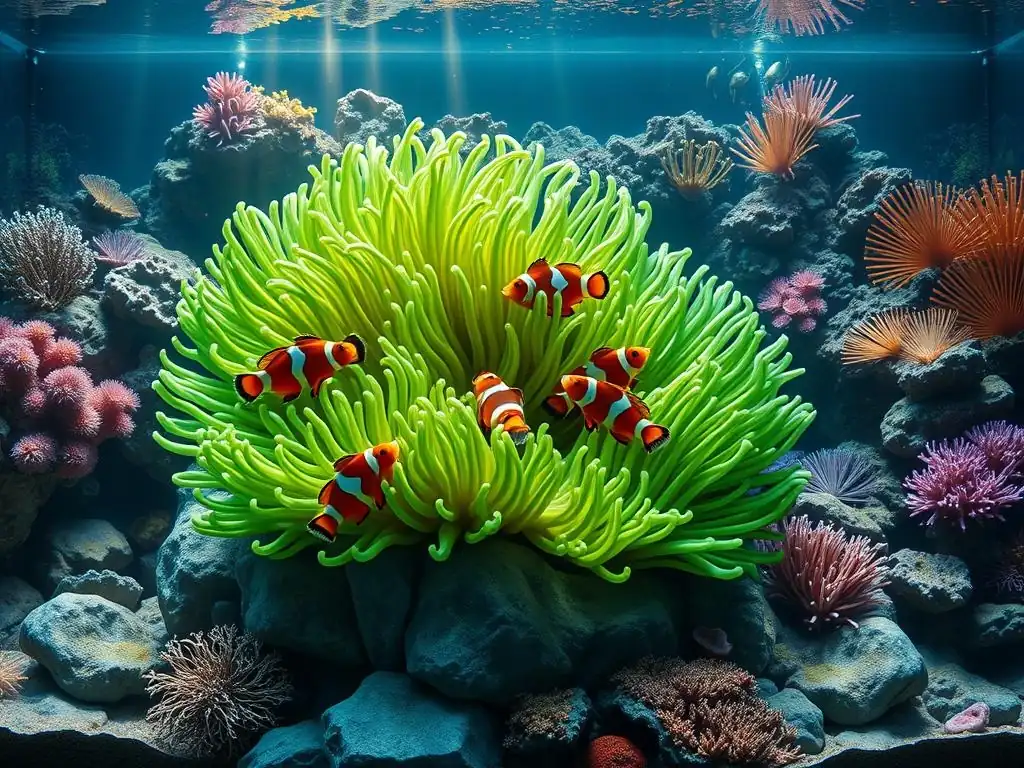
The prospect of housing both wrasses and anemones in a saltwater aquarium is undeniably appealing to many aquarists. Wrasses, with their vibrant colors, active swimming patterns, and intriguing behaviors, add dynamic life to a reef tank. Anemones, on the other hand, offer unique textures, often brilliant hues, and the potential for a symbiotic relationship with clownfish, creating a miniature ecosystem that mimics natural coral reefs. The visual spectacle of these diverse creatures coexisting can be a highly rewarding experience, transforming an ordinary tank into a captivating aquatic display.
Furthermore, the desire to replicate complex natural reef environments often drives aquarists to attempt such combinations. The challenge of balancing the needs of a mobile, inquisitive fish like a wrasse with a sessile, stinging invertebrate like an anemone appeals to experienced hobbyists seeking to push the boundaries of their tank's ecosystem. Achieving successful wrasse anemone tank compatibility is seen as a testament to an aquarist's skill and dedication, making the effort worthwhile for those who manage it.
Potential Risks of Keeping Wrasses and Anemones Together
Despite the aesthetic appeal, combining wrasses and anemones carries significant risks that necessitate careful consideration. The primary concern revolves around the potential for wrasses to harass or damage anemones, and conversely, for anemones to sting and harm wrasses. Some wrasse species are known for their inquisitive nature and sometimes opportunistic feeding habits, which can lead them to pick at an anemone's tentacles or oral disc, causing stress, tissue damage, or even death to the anemone.
Conversely, anemones possess potent stinging cells (nematocysts) that can deliver a powerful toxin. While some fish develop immunity or avoid these stings, many wrasses are susceptible to their effects, which can range from minor skin irritation to severe tissue necrosis, respiratory distress, or even fatality, especially for smaller species or those that accidentally brush against the anemone. Hobbyist reports suggest that while some wrasse species coexist peacefully, an estimated 30-40% of wrasse species commonly available in the hobby have the potential to bother anemones, leading to compromised wrasse anemone tank compatibility and potentially costly livestock losses.
Wrasse Species and Their Anemone Interaction
Reef Safe Wrasses: Choosing Compatible Species
When aiming for successful wrasse anemone tank compatibility, selecting the right wrasse species is paramount. Several wrasse types are generally considered "reef safe" and pose minimal threat to anemones due to their diet and behavior. Flasher Wrasses (genus Paracheilinus, e.g., P. cyaneus, P. mccoskeri) and Fairy Wrasses (genus Cirrhilabrus, e.g., C. exquisitus, C. solorensis) are excellent examples. These species primarily feed on zooplankton and small benthic invertebrates, rarely showing interest in the fleshy polyps of anemones. Their generally peaceful temperament and typical adult sizes of 3-5 inches also reduce the likelihood of accidental contact damage.
Another group often found to be compatible includes Leopard Wrasses (genus Macropharyngodon, e.g., M. bipartitus, M. meleagris). These beautiful wrasses are micro-predators, meticulously sifting sand for tiny copepods and amphipods, and are not known to bother sessile invertebrates. By focusing on these known reef-compatible wrasses, aquarists significantly increase their chances of maintaining a harmonious environment, fostering better wrasse anemone tank compatibility without undue stress on either inhabitant.
Wrasses Known to Nibble at Anemones: Species to Avoid
Conversely, certain wrasse species have a well-documented propensity to pick at or consume anemones, making them poor choices for a shared tank. The Six-Line Wrasse ( Pseudocheilinops hexataenia), despite its small size and popularity for pest control, is frequently reported to nip at anemone tentacles, especially when bored or underfed. While not every individual will develop this habit, hobbyist accounts suggest that up to 20% of Six-Line Wrasses may eventually bother anemones, particularly Bubble Tip Anemones.
Similarly, the Yellow Coris Wrasse ( Halichoeres chrysus) and some larger Hogfish Wrasses (genus Bodianus) are known for their opportunistic feeding habits, which can extend to picking at various sessile invertebrates, including anemones. These wrasses may view the anemone's fleshy polyps as a potential food source, leading to constant harassment and stress for the anemone. Avoiding these species, or housing them only with very resilient anemones and meticulous feeding, is crucial for maintaining positive wrasse anemone tank compatibility.
Wrasse Behavior Around Anemones: Observation is Key
Regardless of species selection, vigilant observation of wrasse behavior around anemones is absolutely critical for long-term wrasse anemone tank compatibility. Upon introducing a wrasse to a tank with an existing anemone, or vice-versa, closely monitor their interactions for the first several days, and ideally weeks. Look for signs of repeated close approaches, darting in and out of the anemone's tentacles, or any direct nipping at the oral disc or tentacles.
Initial curiosity is normal; a wrasse might briefly investigate a new tankmate. However, sustained interaction, particularly any behavior that causes the anemone to retract, deflate, or show signs of stress (like bleaching or moving), is a clear red flag. A good practice is to observe any new wrasse addition for at least 72 hours continuously for adverse interactions with anemones. Early detection of problematic behavior allows for intervention before significant harm occurs, potentially requiring the separation of the animals to ensure their well-being.
Anemone Types and Wrasse Safety
Anemone Species That Can Sting Wrasses
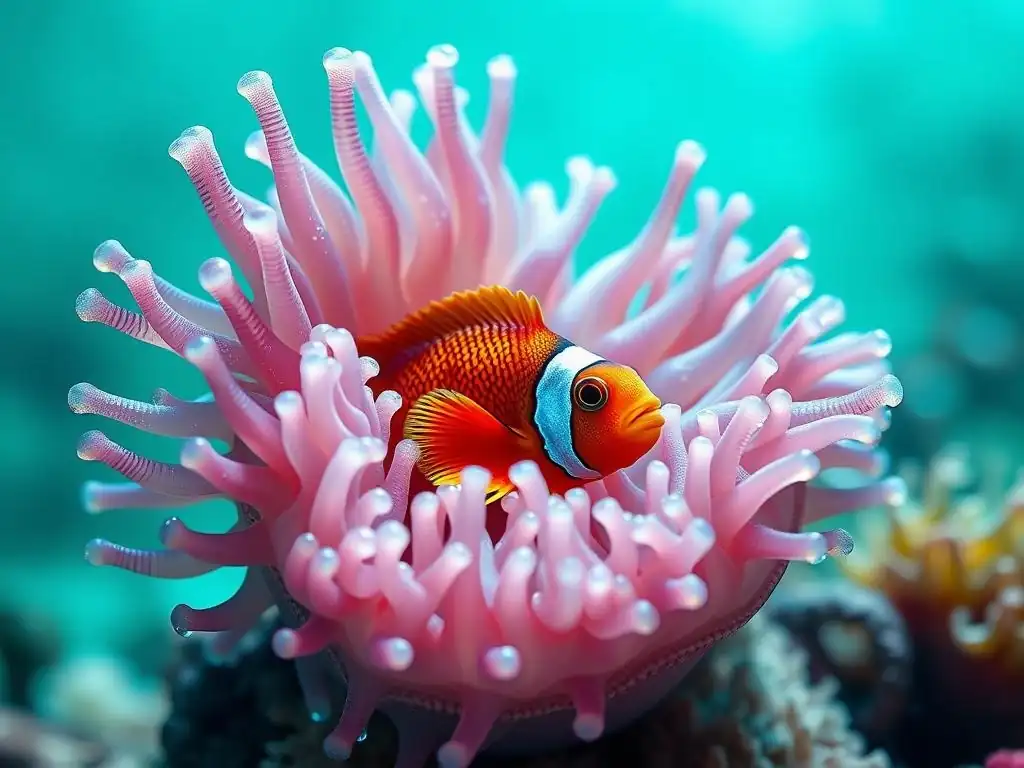
Just as certain wrasses pose a threat to anemones, some anemone species possess stings potent enough to seriously injure or even kill wrasses and other fish. Carpet Anemones (e.g., Stichodactyla haddoni, S. gigantea) are notorious for their extremely powerful sting, which can be lethal to many fish species. Their sticky tentacles are designed to trap and subdue prey, and a wrasse accidentally brushing against or attempting to pick at these anemones can suffer severe tissue damage or succumb to the neurotoxins.
Other anemones with strong stings include Ritteri Anemones ( Heteractis magnifica) and Sebae Anemones ( Heteractis crispa). These anemones possess highly potent nematocysts, specialized stinging cells capable of delivering a powerful neurotoxin that can cause tissue damage, respiratory distress, or even death in fish, including wrasses. Smaller wrasses, such as a 2-inch Flasher Wrasse, are far more susceptible to a lethal sting from a large Carpet Anemone than a larger, more robust fish. Therefore, avoiding these highly venomous species is a crucial step towards ensuring wrasse anemone tank compatibility.
Hardy Anemones for a Wrasse Tank: Choosing Resilient Species
For aquarists determined to achieve wrasse anemone tank compatibility, opting for more resilient anemone species with less potent stings can significantly mitigate risks. Bubble Tip Anemones ( Entacmaea quadricolor) are often considered a more forgiving choice. While they still sting, they are generally more tolerant of minor contact and are known for their ability to retract quickly when disturbed, which can help them avoid sustained harassment from curious wrasses. Their resilience makes them a popular choice, though caution is still advised.
Rock Flower Anemones ( Phymanthus crucifer) are another excellent option. These smaller, often vibrantly colored anemones have a relatively mild sting and are typically ignored by most wrasse species. They are also hardy and adaptable to various tank conditions, making them a safer alternative for tanks where wrasse anemone tank compatibility is a priority. While no anemone is entirely immune to being picked at, these species offer a higher chance of peaceful coexistence.
Anemone Placement to Minimize Wrasse Interaction
Strategic placement of the anemone within the aquarium can play a significant role in minimizing unwanted wrasse interaction and enhancing wrasse anemone tank compatibility. Anemones should be placed in areas where they can securely attach to rockwork or the substrate, preferably in a location with stable, moderate water flow and appropriate lighting for their species. Crucially, avoid placing them directly in high-traffic swimming lanes that wrasses frequently use, or near known wrasse sleeping spots.
Placing an anemone in a deep crevice or against a rock wall, allowing only its tentacles to protrude, can significantly reduce the surface area accessible to curious wrasses, making it harder for them to consistently nip. Furthermore, ensuring the anemone is firmly attached prevents it from drifting. A drifting anemone can sting multiple tank inhabitants and damage corals, creating widespread issues beyond just wrasse interaction. Thoughtful placement provides a measure of protection for the anemone and helps maintain a peaceful environment for the wrasse.
Tank Setup and Wrasse-Anemone Coexistence
Tank Size Considerations for Wrasse and Anemone
The size of the aquarium is a critical factor in establishing successful wrasse anemone tank compatibility. Larger tanks provide more space for both the wrasse and the anemone to establish their territories, reducing the likelihood of constant interaction and stress. For a single anemone and a compatible wrasse species, a minimum tank size of 50 gallons is generally recommended, with larger tanks (75+ gallons) being ideal. This larger volume dilutes potential toxins released by stressed anemones and offers greater spatial separation, allowing both species to thrive without encroachment.
Inadequate tank size can exacerbate compatibility issues, forcing animals into close proximity and increasing the chances of conflict. A smaller tank limits escape routes for wrasses if an anemone is aggressive, and provides fewer secure attachment points for anemones away from inquisitive fish. Therefore, investing in a sufficiently large aquarium is a foundational step towards achieving harmonious wrasse anemone tank compatibility.
Creating a Wrasse-Friendly and Anemone-Safe Environment
Beyond sheer volume, the aquascape design is pivotal for wrasse anemone tank compatibility. A well-designed environment should cater to the specific needs of both species. Wrasses require plenty of hiding spots, caves, and crevices within the live rock structure, as many species like to burrow into the sand or wedge themselves into rockwork for sleeping or when feeling threatened. Providing numerous retreats reduces stress on the wrasse and offers safe zones away from the anemone.
For the anemone, stable rockwork or an open sand bed (depending on the species) is essential for secure attachment. It's beneficial to create distinct zones within the aquarium: one area optimized for the anemone with appropriate light and flow, and another with ample swimming space and hiding spots for the wrasse. This spatial separation, combined with a diverse aquascape, encourages natural behaviors and minimizes opportunities for unwanted wrasse anemone interaction.
Water Parameters for Optimal Wrasse and Anemone Health
Maintaining stable and optimal water parameters is paramount for the health and resilience of both wrasses and anemones, directly impacting wrasse anemone tank compatibility. Both species thrive in stable saltwater conditions, with specific gravity typically maintained at 1.025-1.026. Temperature should be consistently kept between 75-78°F (24-25.5°C). Fluctuations in these parameters can cause significant stress, making both wrasses and anemones more susceptible to disease or aggression.
Additionally, key parameters for reef invertebrates, such as alkalinity (8-12 dKH), calcium (400-450 ppm), and magnesium (1200-1350 ppm), must be consistently monitored and maintained. For instance, a pH swing outside the optimal 8.1-8.4 range can significantly compromise an anemone's health, making it more vulnerable to wrasse nipping. Pristine water quality, characterized by low nitrates (preferably below 10 ppm) and phosphates, is also crucial, as poor water conditions can stress both wrasses and anemones, leading to compromised health and potentially increased aggression or susceptibility to stings.
Ensuring Adequate Nutrition for Wrasses
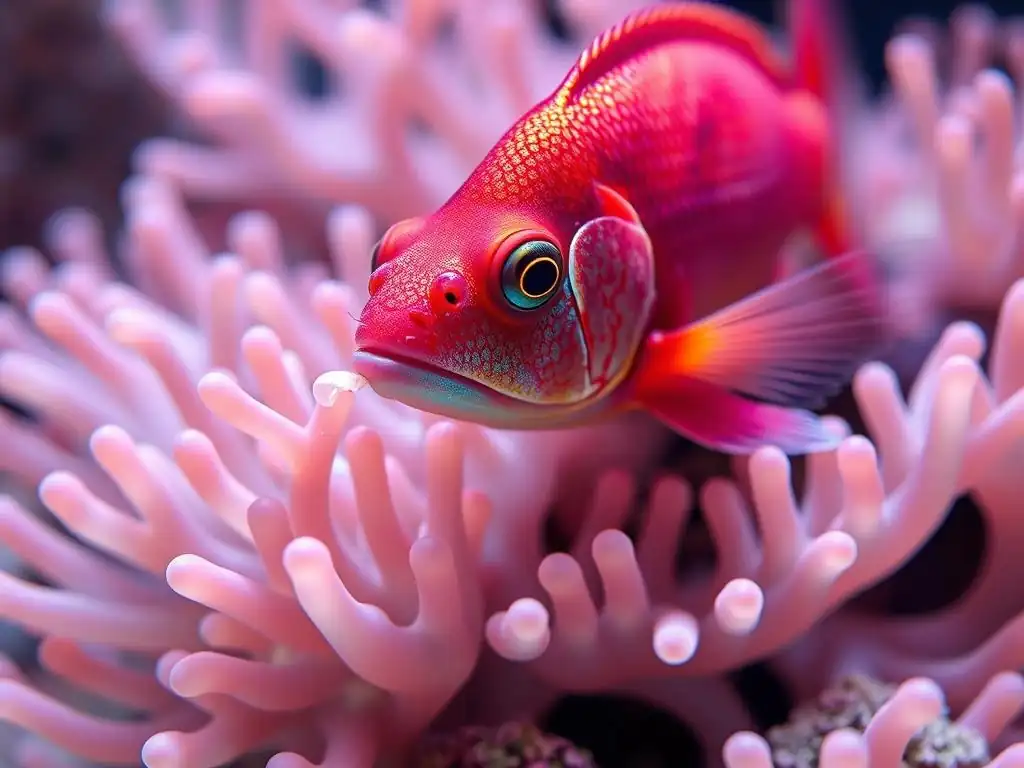
Proper feeding is a cornerstone of maintaining wrasse anemone tank compatibility, as a well-fed wrasse is less likely to opportunistically pick at an anemone. Wrasses are active fish with high metabolisms, requiring multiple small feedings throughout the day (2-3 times) to prevent them from becoming overly hungry. Their diet should be varied and rich in marine proteins, including high-quality frozen mysis shrimp, brine shrimp (preferably enriched), finely chopped seafood, and quality pellets or flakes specifically formulated for marine fish.
A diet rich in essential fatty acids and vitamins supports wrasse vitality, enhances their immune system, and reduces the likelihood of them seeking alternative food sources, such as anemone tentacles, out of hunger or nutritional deficiency. Consistent and appropriate feeding prevents the wrasse from becoming stressed or exhibiting undesirable behaviors, thereby contributing significantly to overall wrasse anemone tank compatibility.
Targeted Feeding for Anemones: Preventing Wrasse Competition
Anemones also require specific nutritional support, and targeted feeding is essential to ensure they receive adequate food without inviting competition or aggression from wrasses. Anemones, particularly larger species, benefit from meaty foods like chopped shrimp, silversides, or krill, typically offered 2-3 times per week. Delivering food directly to the anemone's oral disc using a feeding stick or turkey baster minimizes dispersal into the water column.
This targeted approach prevents wrasses or other tank inhabitants from snatching the food, which could lead to an undernourished anemone. Anemones that are not adequately fed may extend their tentacles more aggressively in search of food, potentially attracting unwanted wrasse attention or making them more vulnerable to nipping if they appear weakened. Ensuring the anemone is well-nourished contributes to its resilience and overall wrasse anemone tank compatibility.
Avoiding Overfeeding: Maintaining Water Quality
While ensuring adequate nutrition for both wrasses and anemones is vital, overfeeding can rapidly degrade water quality, creating a cascade of problems that undermine wrasse anemone tank compatibility. Excess uneaten food breaks down, leading to elevated levels of nitrates and phosphates, which can fuel nuisance algae growth and stress all tank inhabitants. For example, a nitrate level consistently above 20 ppm can stress both wrasses and anemones, increasing their susceptibility to disease and making a peaceful coexistence more challenging.
Poor water quality weakens the immune systems of both wrasses and anemones, making wrasses more prone to illness and anemones more vulnerable to damage from nipping or less able to recover from stings. Regular water changes (e.g., 10-20% bi-weekly) and efficient protein skimming are crucial to export excess nutrients and maintain pristine water conditions. This commitment to water quality is as important as feeding strategies for ensuring long-term wrasse anemone tank compatibility.
Monitoring Wrasse and Anemone Health: Signs of Incompatibility
Recognizing Stress in Wrasses: Identifying Potential Issues
Vigilant monitoring of your wrasse's health and behavior is crucial for detecting early signs of incompatibility with an anemone. A stressed wrasse may exhibit clamped fins, rapid gilling (respiration rate exceeding 60 breaths per minute), or a dulling of its vibrant coloration. Persistent hiding, especially during feeding times, is a strong indicator of stress, potentially due to an anemone's presence or stings. Observe for any physical damage such as abrasions, tears, or white patches on the wrasse's body, which could indicate repeated exposure to anemone stings.
Changes in feeding habits, such as refusal to eat or a significant reduction in appetite, are also red flags. If a wrasse, typically an active feeder, becomes lethargic or loses interest in food, it could be suffering from stress or injury related to anemone interaction. Early detection and intervention are key to preventing severe injury or death, and maintaining optimal wrasse anemone tank compatibility.
Anemone Health Indicators: Watching for Damage or Retreating
Similarly, the health of the anemone must be meticulously monitored for signs of stress or damage caused by wrasse interaction. A healthy anemone should be fully inflated with extended tentacles, vibrant in color, and firmly attached to its substrate. Signs of distress include prolonged deflation, a shrunken oral disc, or a pale, bleached appearance, which can be caused by constant nipping from wrasses or poor water quality. Anemones that appear excessively slimy or that are expelling white, stringy waste may also be under severe stress.
If an anemone repeatedly detaches and drifts around the tank, or if it retracts its tentacles for extended periods, it often indicates significant stress or physical damage, likely from persistent wrasse harassment. This is a critical sign that wrasse anemone tank compatibility is failing, and immediate action, such as separating the animals, may be necessary to save the anemone.
Quarantine Procedures for New Wrasses: Preventing Introduction of Disease
Implementing a strict quarantine procedure for all new wrasse additions is a non-negotiable best practice that indirectly supports wrasse anemone tank compatibility. Quarantining new fish for at least 4-6 weeks in a separate tank allows for observation of behavior, treatment of potential parasites (e.g., marine ich, velvet), and ensures the wrasse is healthy and feeding well before introduction to the main display tank. This prevents the introduction of diseases that could stress the entire system, including the anemone.
A quarantine period also provides an invaluable opportunity to observe the wrasse's temperament and feeding habits in isolation. This insight can help predict its potential wrasse anemone tank compatibility before it's placed with sensitive invertebrates. A healthy, stress-free wrasse is less likely to exhibit aggressive or problematic behaviors towards an anemone, making a successful integration far more probable.
Alternatives to Anemones for Wrasse Tankmates
Safe and Compatible Invertebrates for Wrasse Aquariums
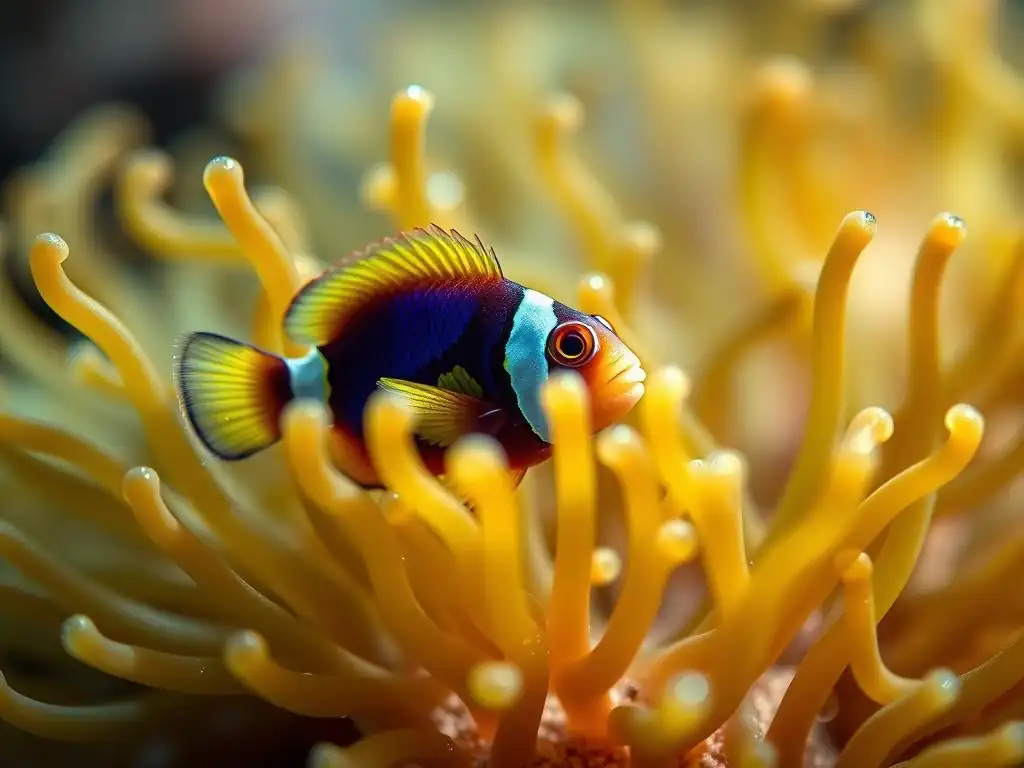
For aquarists prioritizing wrasse health and avoiding potential wrasse anemone tank compatibility issues, numerous safe and compatible invertebrates can serve as excellent tankmates. Most wrasse species coexist peacefully with a wide variety of reef-safe corals. Common choices include Large Polyp Stony (LPS) corals like Euphyllia (Hammer, Frogspawn, Torch corals), Acanthastrea, and Blastomussa, as well as many Small Polyp Stony (SPS) corals such as Montipora and Acropora. These corals offer diverse textures and colors without the stinging potency of anemones.
Beyond corals, various cleaner shrimp species ( Lysmata amboinensis, Lysmata debelius) and numerous snails ( Trochus, Nassarius, Turban) and hermit crabs ( Paguristes cadenati) generally coexist peacefully with most wrasses. These invertebrates contribute significantly to the tank's biodiversity and act as a natural cleanup crew, enhancing the overall health and aesthetic appeal of the aquarium without the inherent risks associated with anemones.
Reef-Safe Fish That Complement Wrasses
Expanding the fish community with other reef-safe species that complement wrasses can create a vibrant and diverse ecosystem without the need for anemones. Many popular reef-safe fish species are excellent tankmates for wrasses, enhancing the overall dynamism of the aquarium. Ocellaris or Percula Clownfish (without an anemone host) are often compatible, as are various species of gobies ( Gobiodon sp., Valenciennea sp., Stonogobiops sp.) and blennies ( Salarias fasciatus, Ecsenius sp. ).
When selecting fish, it's crucial to prioritize species with similar temperament and dietary needs to ensure harmonious interactions. Tangs (e.g., Yellow Tang, Blue Tang), if tank size permits, can also be excellent additions, providing grazing benefits and additional visual interest. By focusing on proven reef-safe fish, aquarists can create a thriving and engaging display that highlights the beauty of wrasses without the complexities of wrasse anemone tank compatibility.
Creating a Diverse and Thriving Reef Ecosystem
Ultimately, creating a diverse and thriving reef ecosystem is about achieving ecological balance and stability, rather than forcing potentially risky wrasse anemone tank compatibility. A robust reef aquarium is characterized by a variety of compatible inhabitants that naturally complement each other, each fulfilling a unique niche within the system. This approach reduces stress on all inhabitants, minimizes potential conflicts, and results in a more stable and aesthetically pleasing environment.
By carefully selecting fish and invertebrate species known for their peaceful coexistence and similar environmental requirements, aquarists can cultivate a vibrant community where each organism thrives. This focus on natural compatibility and biodiversity often leads to a more resilient and rewarding aquarium experience, showcasing the beauty of the marine world in a sustainable manner.
Case Studies: Successful (and Unsuccessful) Wrasse-Anemone Tanks
Analyzing Real-World Examples of Wrasse and Anemone Combinations
Analyzing real-world examples from experienced aquarists provides invaluable insights into the nuances of wrasse anemone tank compatibility. These case studies highlight that success often hinges on meticulous planning, species selection, and vigilant observation, rather than simply hoping for the best. They demonstrate that even with careful planning, individual fish personalities can vary, meaning a combination that works for one aquarist might not for another. This underscores the need for adaptability and preparedness to intervene if issues arise.
Examining both successful and unsuccessful attempts offers a practical understanding of the factors at play, from tank size and aquascaping to feeding regimens and the specific temperaments of the species involved. These real-world scenarios provide a realistic perspective on the challenges and potential rewards of combining wrasses and anemones, guiding aquarists to make more informed decisions.
Learning from Common Mistakes: Avoiding Potential Pitfalls
Many unsuccessful attempts at wrasse anemone tank compatibility stem from common mistakes that can be easily avoided with proper knowledge and patience. One frequent pitfall is the impulse purchase of a wrasse or anemone without adequate research into its adult size, temperament, and specific compatibility needs. Another common error involves underestimating the growth size of both wrasses and anemones, leading to overcrowding in tanks that were initially thought to be sufficiently large.
Failing to provide sufficient space, hiding spots for wrasses, or stable attachment points for anemones also contributes to stress and conflict. For instance, many unsuccessful attempts stem from placing a known anemone-nipper like a Six-Line Wrasse into a smaller tank (e.g., 20-30 gallons) with a large Bubble Tip Anemone, creating an unavoidable interaction zone. Rushing the introduction of new livestock or neglecting regular water parameter checks further exacerbates these issues, often leading to stressed animals and failed wrasse anemone tank compatibility.
Case Study 1: Melanurus Wrasse and Bubble Tip Anemone: A Success Story
In a 120-gallon reef tank, a 4-inch Melanurus Wrasse ( Halichoeres melanurus) was introduced after a 6-week quarantine period. The tank already housed a well-established 8-inch Bubble Tip Anemone ( Entacmaea quadricolor) secured to a stable rock structure in a moderate flow area, receiving ample light. The Melanurus Wrasse, known for its pest control abilities and generally peaceful nature towards most invertebrates, initially showed curiosity towards the anemone. However, after a few brief investigative approaches, it quickly learned to avoid the anemone's stinging tentacles.
Over 18 months, there have been no reported instances of the wrasse nipping the anemone, and both species thrive. The wrasse actively hunts for copepods and other microfauna in the rockwork and sand, while the anemone remains fully inflated and healthy. This success story highlights the importance of selecting a compatible wrasse species, providing ample space, and ensuring the anemone is well-established before introducing potential tankmates, demonstrating successful wrasse anemone tank compatibility.
Case Study 2: Yellow Coris Wrasse and Carpet Anemone: A Cautionary Tale
A hobbyist introduced a 3-inch Yellow Coris Wrasse ( Halichoeres chrysus) into a 75-gallon tank containing a 10-inch Carpet Anemone ( Stichodactyla gigantea). The Yellow Coris Wrasse was chosen for its vibrant color, but its known tendency to pick at various sessile invertebrates was not fully considered. Despite initial hopes for a peaceful coexistence, within 48 hours of introduction, the wrasse was observed repeatedly picking at the anemone's tentacles, causing it to deflate and retract significantly.
Over the next week, the anemone showed clear signs of severe stress, including bleaching, a shrunken oral disc, and an inability to fully inflate, indicating tissue damage. The wrasse's persistent nipping led to a rapid decline in the anemone's health, and ultimately, the anemone had to be removed and rehomed to prevent its demise and potential water quality issues from its death. This case serves as a cautionary tale, illustrating a challenging wrasse anemone tank compatibility scenario due to the selection of a wrasse species known for nipping and a highly sensitive, potently stinging anemone.
Best Practices for Wrasse Anemone Tank Compatibility
Researching Species Before Introduction
The bedrock of successful wrasse anemone tank compatibility is thorough research conducted before acquiring any livestock. Meticulously investigate the adult size, dietary requirements, natural behaviors, and documented compatibility of both the wrasse and anemone species you intend to house. Pay close attention to species profiles that indicate "reef safe with caution" or "not reef safe" for wrasses, as these often highlight potential issues with invertebrates.
Consult reliable sources such as comprehensive species databases, scientific journals, and reputable aquarium forums. Understanding the specific needs and potential interactions of each species will empower you to make informed decisions, significantly reducing the risk of conflict and ensuring a higher chance of long-term wrasse anemone tank compatibility. This proactive approach saves both time and potential heartache.
Gradual Acclimation Process for New Additions
A slow, deliberate acclimation process is vital for any new fish, especially when introducing a wrasse to a tank with an existing anemone. A drip acclimation process, lasting at least 1-2 hours, allows the wrasse to gradually adjust to the aquarium's temperature, salinity, and pH. This minimizes shock and stress, making the fish more resilient upon introduction and less likely to exhibit erratic behavior or stress-induced aggression.
Introducing new wrasses when the tank lights are dim or off can also reduce initial stress. This provides them with a less intimidating environment to explore and find hiding spots without being immediately scrutinized by existing inhabitants or the anemone. A calm introduction is crucial for setting a positive tone for wrasse anemone tank compatibility.
Regular Observation and Monitoring: The Key to Success
Even after successful introduction, continuous and diligent observation is paramount for maintaining wrasse anemone tank compatibility. Spend at least 15-30 minutes daily observing the interactions between your wrasses and anemones, paying close attention during feeding times when competition or curiosity might be heightened. Look for any subtle changes in behavior from either animal, such as prolonged hiding, unusual swimming patterns, or signs of stress like clamped fins or retraction.
Be prepared to intervene at the first sign of stress, nipping, or damage. This may include adjusting feeding routines, modifying the aquascape to create more separation, or, if necessary, separating the animals into different tanks. Proactive monitoring and a willingness to adapt are the ultimate keys to ensuring the long-term health and stability of your aquarium and fostering harmonious wrasse anemone tank compatibility.
Frequently Asked Questions
How compatible are wrasses and anemones in a reef tank environment?
Wrasses and anemones can have a complex relationship. Some wrasse species are reef safe and will ignore anemones, while others may nip at them, causing stress or damage. Researching specific species is crucial.
Which wrasse species are generally considered safer to keep with anemones?
Smaller, more peaceful wrasses like the Fairy Wrasse Cirrhilabrus genus or the Flashers Wrasse Paracheilinus genus are generally considered safer choices. Avoid larger, more aggressive species.
What are the potential risks of keeping wrasses and anemones together?
The main risk is that certain wrasses may prey on or harass anemones, leading to the anemone retracting, becoming stressed, or even dying. This can disrupt the entire tank ecosystem.
What should I consider when choosing a wrasse for an anemone tank?
Consider the wrasse's adult size, temperament, and natural diet. Thoroughly research the specific species and read accounts from other aquarists who have kept them with anemones.
How can I minimize the risk of incompatibility between wrasses and anemones?
Provide a well-established tank with plenty of hiding places and a diverse food source. Observe the wrasse's behavior closely after introduction and be prepared to rehome the fish if problems arise.
Final Reflection: Harmony in the Reef
The delicate balance of a reef aquarium, as we've explored, hinges on understanding the intricate relationships between its inhabitants. The compatibility of wrasses and anemones, often perceived as a risky endeavor, demands careful consideration and informed decision-making. This isn't merely about avoiding immediate conflict; it's about fostering a thriving ecosystem where each creature can flourish.
The allure of a vibrant reef, teeming with diverse life, is undeniable. My own fascination with these underwater worlds stems from the profound interconnectedness they represent, a microcosm of the larger natural world. The success of a wrasse and anemone tank, therefore, becomes a testament to our ability to understand and respect these complex interactions. In nature, nothing exists alone.
- Rachel Carson. This quote perfectly encapsulates the essence of reef keeping, reminding us that every choice we make has ripple effects throughout the entire system.
Ultimately, the decision to combine wrasses and anemones in a single aquarium is a personal one, guided by knowledge, observation, and a deep respect for the animals in our care. Let us all strive to be responsible reef keepers, prioritizing the well-being of our aquatic companions and creating environments where harmony, not conflict, reigns supreme. Consider the information presented here, observe your own tank meticulously, and choose wisely, for the beauty and longevity of your reef depend on it.
Unleash the Vibrant Depths: Continue Your Aquarium Journey!
Thank you for exploring the fascinating world of wrasses and anemones with us! We hope you've gained valuable insights into creating a thriving and harmonious aquarium ecosystem. Now, let's dive into some exciting next steps to enhance your aquarium experience.
- Carefully evaluate your current tank inhabitants and their compatibility with both wrasses and anemones. Remember to prioritize the safety and well-being of all your aquatic life. This is your primary action towards a harmonious setup.
- Delve deeper into the specific care requirements of different wrasse and anemone species. Consider researching less common pairings for a truly unique and stunning display.
- Share your newfound knowledge and experiences with fellow aquarium enthusiasts. Start a thread on an aquarium forum or social media group to discuss your plans and gather valuable feedback from the community.
What specific wrasse and anemone pairing are you most excited to research, and what initial challenges do you anticipate facing in creating a successful environment for them?