
Nocturnal Cardinals & Diurnal Anthias: A Full Day of Reef Tank Activity and Interest

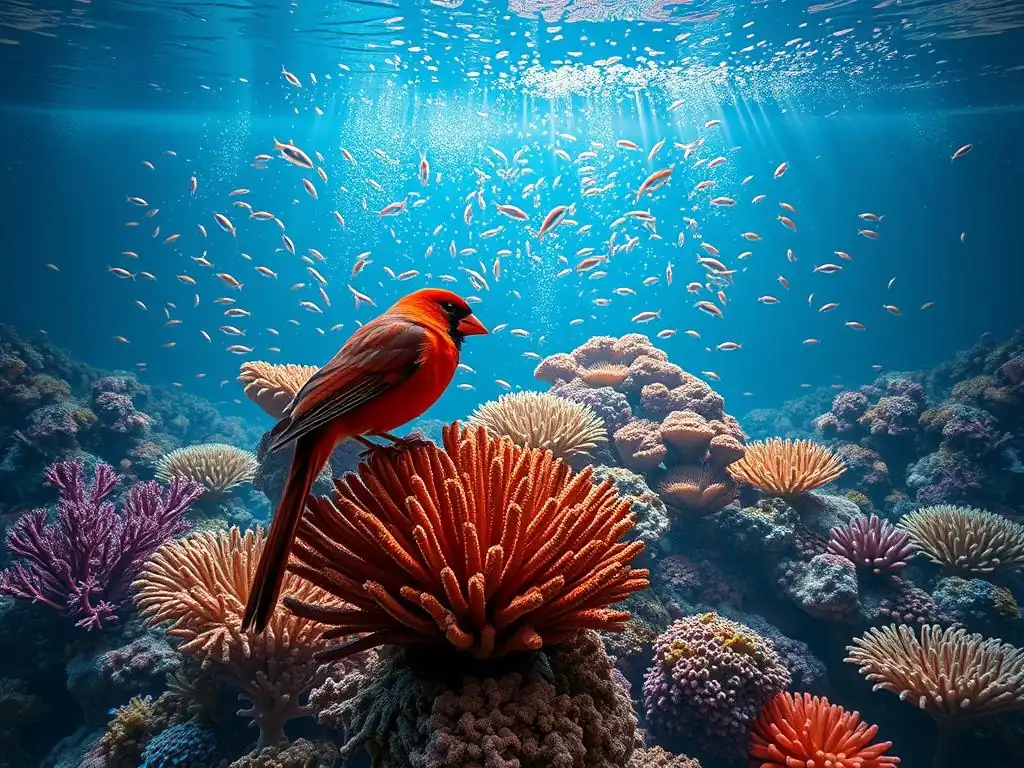
Welcome to Aquarium Mastery!
Ever wondered what your reef tank really gets up to when the lights go down? Dive in and discover the fascinating world of reef tank diurnal activity, and learn how to create a thriving environment that keeps your aquatic companions happy and healthy, from the first glimmer of dawn to the deepest depths of night. Ready to unlock the secrets of a 24/7 reef ecosystem?
- Understanding Reef Tank Diurnal Activity Cycles
- Spotlight on Cardinalfish: Nocturnal Stars of the Reef Tank
- Anthias: Diurnal Beauties for a Vibrant Reef
- Combining Cardinalfish and Anthias: A Symbiotic Reef Tank
-
Achieving a Full Day of Reef Tank Activity: A Step-by-Step Guide
- Step 1: Choosing Compatible Cardinalfish and Anthias Species
- Step 2: Establishing a Proper Day/Night Cycle with Lighting
- Step 3: Providing Varied Feeding Schedules for Diurnal and Nocturnal Feeders
- Step 4: Aquascaping for Both Day and Night Activities
- Step 5: Monitoring Water Parameters and Adjusting as Needed
- Troubleshooting Common Issues in Reef Tanks with Cardinalfish and Anthias
- Enhancing Reef Tank Diurnal Activity: Beyond Fish Selection
- The Benefits of a Balanced Reef Tank Ecosystem
- Conclusion: Mastering Reef Tank Diurnal Activity for a Stunning Aquarium
-
Frequently Asked Questions
- What does "Reef tank diurnal activity" mean?
- Why is understanding "Reef tank diurnal activity" important for aquarists?
- How does the selection of fish like nocturnal Cardinals and diurnal Anthias contribute to a "full day of Reef tank activity and interest"?
- What other factors besides fish selection influence "Reef tank diurnal activity"?
- Are there any potential problems associated with mixing diurnal and nocturnal species in a reef tank?
- Final Reflection: Embracing the Rhythms of the Reef
- Ignite Your Reef: Start Building Your Dream Day-Night Reef!
Understanding Reef Tank Diurnal Activity Cycles
The Importance of Varied Activity in Reef Aquariums
A thriving reef aquarium is more than just a collection of fish and corals; it's a dynamic ecosystem that should offer continuous visual engagement and ecological balance. Incorporating species with distinct activity cycles, such as nocturnal cardinalfish and diurnal anthias, ensures that the reef tank is always bustling with life.
This continuous display of activity, from the vibrant darting of anthias during the day to the subtle emergence of cardinalfish at night, transforms the aquarium into a captivating spectacle that mimics the natural ebb and flow of a real coral reef. It creates a sense of depth and realism, drawing the observer into a living, breathing underwater world.
Beyond mere aesthetics, varied activity patterns contribute significantly to the overall health and stability of the reef environment. By having different species active at different times, competition for resources like food and prime real estate within the aquascape is naturally reduced. For instance, diurnal feeders like anthias will consume food primarily during the lit hours, while nocturnal cardinalfish forage after the main lights dim. This temporal separation minimizes stress among inhabitants and allows for more efficient nutrient cycling within the closed system, promoting a more resilient and sustainable reef tank diurnal activity cycle.
Creating a Dynamic Reef Ecosystem with Fish Selection
The deliberate selection of fish species with complementary diurnal and nocturnal habits is fundamental to cultivating a truly dynamic reef ecosystem. This approach goes beyond simply filling the tank; it involves thoughtful consideration of how each species interacts with its environment and with other inhabitants across a 24-hour period. A well-planned selection ensures that all ecological niches, from the open water column to the deepest crevices, are utilized throughout the day and night, fostering a more complete and naturalistic representation of a coral reef.
Such a diverse fish population, exhibiting varied activity patterns, directly impacts the overall health and behavioral richness of the aquarium. When fish are not constantly competing for the same resources or space, stress levels decrease, leading to stronger immune systems and more natural behaviors. For example, a tank featuring both active, mid-water anthias and cryptic, cave-dwelling cardinalfish provides a constant visual interest, highlighting the intricate daily reef tank activity patterns that make a reef aquarium so fascinating. This strategic stocking not only enhances the viewing experience but also contributes to a more balanced and thriving aquatic environment.
Spotlight on Cardinalfish: Nocturnal Stars of the Reef Tank
Identifying Popular Cardinalfish Species for Reef Tanks
Cardinalfish (family Apogonidae) are renowned for their peaceful temperament and striking nocturnal habits, making them excellent candidates for a mixed reef tank that aims for round-the-clock activity. Among the most popular choices for home aquariums are the Banggai Cardinalfish ( Pterapogon kauderni) and the Pajama Cardinalfish ( Sphaeramia nematoptera). The Banggai Cardinalfish, reaching about 3 inches in length, is instantly recognizable by its distinctive black and white striped body and elongated fins, often seen schooling loosely among long-spined urchins or branching corals in the wild.
Another favored species is the Pajama Cardinalfish, which typically grows to 3.5 to 4 inches. It features a unique pattern of a bright yellow face, a broad black band across its midsection, and a spotted rear half, giving it its namesake "pajama" appearance.
Other less common but equally captivating species include various Apogon species, such as the Blue-eye Cardinalfish ( Apogon compressus) or the Ringtail Cardinalfish ( Apogon cyanosoma), which often display more subdued but equally attractive colorations. These species generally exhibit similar nocturnal behaviors, preferring to emerge and forage primarily after the main aquarium lights have dimmed, contributing significantly to a vibrant reef tank diurnal activity cycle that extends into the night.
Cardinalfish Care Requirements: Essential Guidelines
Providing optimal care for cardinalfish ensures their health and encourages their natural behaviors within the reef environment. Most cardinalfish species thrive in stable water parameters typical of a well-maintained reef tank: a temperature range of 74-80°F (23-27°C), specific gravity between 1.023 and 1.026, and a pH level of 8.1-8.4. While relatively small, a group of Banggai Cardinalfish (typically 3-5 individuals) benefits from a minimum tank size of 20-30 gallons to allow for adequate swimming and schooling space, although larger tanks are always preferable for stability.
Crucially, cardinalfish require ample hiding spots and shaded areas within the aquascape to feel secure during their inactive diurnal period and to emerge comfortably at night. Live rock structures with numerous caves, crevices, and overhangs are ideal, providing the necessary retreats. Their peaceful nature makes them excellent tank mates for a wide variety of other reef inhabitants, though caution should be exercised with very aggressive species that might outcompete them for food or stress them during their resting phase.
Best Practices for Feeding Nocturnal Cardinalfish
Feeding nocturnal cardinalfish effectively requires a strategic approach to ensure they receive adequate nutrition without direct competition from more aggressive, diurnal tank mates. The most effective method is to feed them after the main aquarium lights have been turned off for the night, or during the dim twilight period when actinic or moonlight settings are active. This timing allows them to emerge from their hiding spots and forage comfortably without feeling threatened by daytime feeders.
Their diet should primarily consist of small, meaty frozen foods, such as enriched mysis shrimp, brine shrimp, and finely chopped seafood. These foods mimic their natural prey, which often includes small crustaceans and zooplankton. Feeding once or twice a day is generally sufficient, but it's important to observe their behavior to ensure they are actively consuming the food.
Target feeding with a long pipette can be beneficial to ensure food reaches them directly, especially in tanks with strong flow or numerous diurnal competitors. This approach ensures they maintain their health and vibrant appearance, contributing to the full spectrum of reef tank diurnal activity.
Creating a Nocturnal Habitat for Cardinalfish: Lighting and Aquascaping
Designing an aquascape that caters to the nocturnal habits of cardinalfish is crucial for their well-being and for observing their unique behaviors. The primary focus should be on providing abundant dark retreats, caves, and sheltered areas within the rockwork where they can rest undisturbed during the day. Overhangs, deep crevices, and stacked rock structures create the perfect environment for them to feel secure, mimicking the natural reef structures where they would hide from predators.
Lighting plays a significant role in encouraging their nocturnal activity. While a standard daylight cycle is essential for diurnal inhabitants and corals, incorporating a blue actinic or moonlight phase after the main lights dim is highly beneficial for cardinalfish. This low-intensity blue light simulates natural moonlight, allowing them to emerge and become active without being fully exposed.
This subtle illumination not only makes them visible for observation but also helps them navigate and forage. A fine sand or crushed coral substrate can also be beneficial, allowing them to sift through it for any missed food particles, further enhancing their contribution to the overall reef tank diurnal activity.
Anthias: Diurnal Beauties for a Vibrant Reef
Exploring the Diversity of Anthias Species
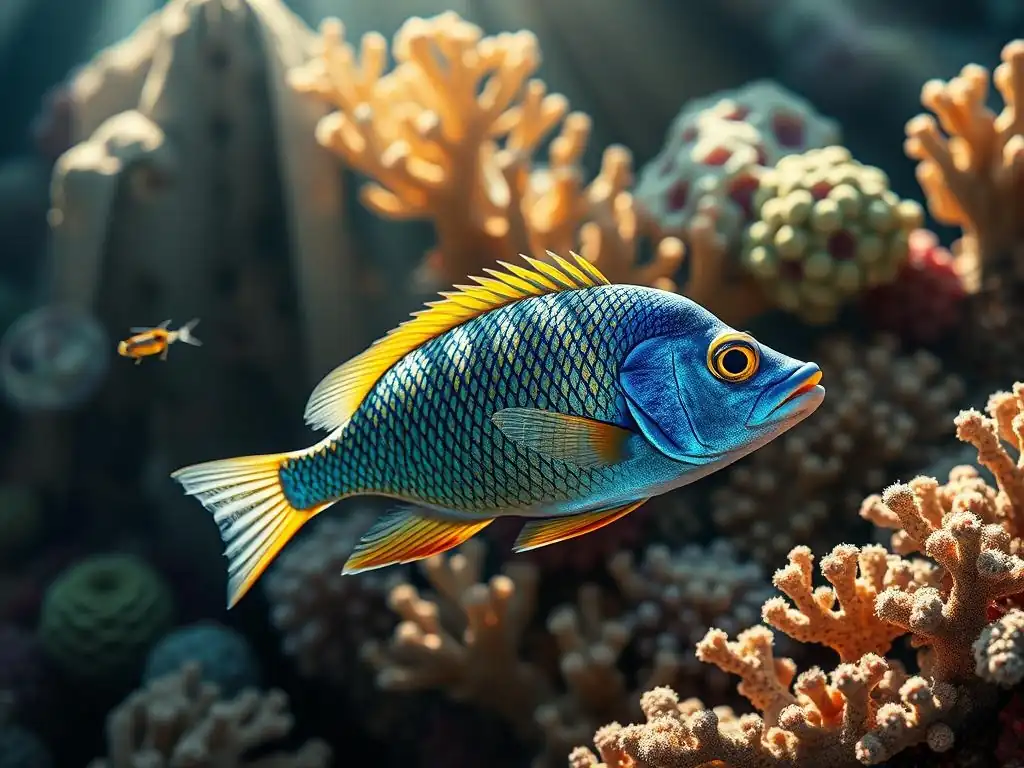
Anthias (subfamily Anthiinae) are among the most visually stunning and active fish for a reef aquarium, renowned for their vibrant colors and constant movement in the water column during daylight hours. They represent a significant portion of the reef tank diurnal activity. One of the most popular and readily available species is the Lyretail Anthias ( Pseudanthias squamipinnis), with males displaying striking purples, oranges, and reds, and females typically a vibrant orange. They can reach up to 5 inches in length and are known for their graceful schooling behavior.
Another highly sought-after species is Bartletts Anthias ( Pseudanthias bartlettorum), a smaller species growing to about 3-4 inches, characterized by its beautiful lavender body transitioning to yellow on the caudal fin. Dispar Anthias ( Pseudanthias dispar) are also popular, reaching around 3 inches, and are known for their bright orange bodies with a distinctive red-orange caudal fin, often seen in large, active schools.
These species, along with others like the Sunburst Anthias ( Serranocirrhitus latus), contribute immensely to the daytime vibrancy of a reef tank, constantly darting and picking at zooplankton, making them quintessential examples of reef tank diurnal activity.
Anthias Care and Feeding: Meeting Their Demands
Anthias are generally robust but have specific care requirements due to their high metabolism and active lifestyle. They require stable water parameters similar to cardinalfish: temperature 74-80°F (23-27°C), specific gravity 1.023-1.026, and pH 8.1-8.4. However, they are often more sensitive to fluctuations in water quality than some other reef fish. Given their active nature and schooling tendencies, a minimum tank size of 75 gallons is recommended for a small harem (one male and 3-5 females), with larger tanks always being superior for stability and space.
Their most critical care aspect is frequent feeding. In the wild, anthias constantly graze on zooplankton throughout the day. In an aquarium, this translates to multiple small feedings daily, ideally 3-5 times, to sustain their high energy levels. Their diet should consist of high-quality frozen foods such as enriched mysis shrimp, brine shrimp, finely chopped seafood, and copepods. Some anthias may also accept high-quality pellet or flake foods formulated for marine fish. Consistent and varied feeding is key to maintaining their vibrant colors and overall health, ensuring they remain active participants in the reef tank diurnal activity.
Maintaining Water Quality for Anthias Health and Color
Maintaining pristine and stable water quality is paramount for the health, vibrant coloration, and longevity of anthias in a reef aquarium. These active, open-water swimmers are particularly sensitive to fluctuations in parameters and elevated nutrient levels. Regular water changes, typically 10-20% bi-weekly, are essential to replenish trace elements and remove accumulated nitrates and phosphates. A robust filtration system, including protein skimming, activated carbon, and potentially a refugium, is highly recommended to keep the water crystal clear and nutrient levels low.
Consistent monitoring of key water parameters—ammonia, nitrite, nitrate, pH, alkalinity, calcium, and magnesium—is crucial. Anthias thrive in an environment where these parameters remain within optimal reef ranges, minimizing stress and bolstering their immune systems. A healthy environment directly translates to more vibrant colors and active swimming, showcasing their full contribution to the reef tank diurnal activity. Any significant deviation can quickly lead to stress, faded colors, and susceptibility to disease, highlighting the importance of diligent water quality management.
Anthias exhibit fascinating social dynamics, typically forming harems with one dominant male and multiple females. In many species, if the dominant male dies or is removed, the largest female will undergo a sex change to become the new male. This protogynous hermaphroditism is a remarkable adaptation. To ensure harmony in the aquarium, it is best to introduce anthias simultaneously or to introduce females first, followed by a male. A common recommended ratio is one male to three to five or more females; too few females can lead to aggression being concentrated on one individual.
Their active, mid-water presence makes them excellent tank mates for many peaceful to semi-aggressive reef inhabitants. They generally ignore bottom-dwellers and corals. However, care must be taken to avoid housing them with overly aggressive or predatory fish that might intimidate or consume them. Compatible tank mates include cardinalfish, tangs, chromis, and most clownfish. Providing ample open swimming space along with some rockwork for retreats is beneficial for their schooling behavior and overall well-being, allowing them to fully express their natural reef tank diurnal activity.
Combining Cardinalfish and Anthias: A Symbiotic Reef Tank
Planning for Nocturnal and Diurnal Activity Harmony
The strategic combination of nocturnal cardinalfish and diurnal anthias creates a truly symbiotic reef tank, offering continuous visual interest and a more balanced ecosystem. The key to this harmony lies in their opposing activity cycles. During the day, anthias dominate the water column, actively swimming and feeding, providing a dynamic and colorful display. As dusk settles and the main lights dim, the anthias retreat to their resting spots, and the cardinalfish emerge from their daytime hiding places, becoming the primary active inhabitants.
This temporal separation minimizes direct competition for food and space during their respective active periods. While anthias consume planktonic foods during the day, cardinalfish forage for small invertebrates and detritus during the night. This natural partitioning of resources reduces stress on both species and allows for a more efficient utilization of the tank's bioload. The result is a reef tank that is never "empty" of activity, providing a constant source of fascination and a complete picture of reef tank diurnal activity transitioning into nocturnal behaviors.
Ensuring Adequate Space and Resources for Both Species
Successfully combining cardinalfish and anthias requires careful planning regarding tank size and aquascaping to ensure both species have adequate space and resources. While cardinalfish are relatively small (around 3-4 inches) and anthias typically range from 3-5 inches, their combined bioload and behavioral needs necessitate a larger aquarium. A minimum tank size of 90-120 gallons is generally recommended for a modest group of each, allowing for sufficient open swimming areas for anthias and extensive rockwork with numerous caves and crevices for cardinalfish.
The aquascape should be designed with both species in mind. Anthias require ample open water in the mid-to-upper levels for their schooling and active swimming. This means avoiding overly dense rock structures that might impede their movement. Conversely, cardinalfish need intricate rock formations with plenty of shaded retreats where they can feel secure during the day. Providing distinct zones within the tank helps minimize any potential overlap in territorial needs, ensuring both the diurnal anthias and the nocturnal cardinalfish can thrive and contribute to the holistic reef tank diurnal activity.
Minimizing Competition Between Cardinalfish and Anthias
Although cardinalfish and anthias occupy different temporal niches, careful management is still required to minimize any potential indirect competition or stress. The most critical aspect is feeding. Anthias, with their high metabolism, require multiple small feedings throughout the day. Cardinalfish, being nocturnal, should be fed after the main lights have been turned off or during the blue light phase. This targeted feeding strategy ensures that each group receives sufficient nutrition without one species outcompeting the other.
Aquascaping also plays a role in reducing competition. By providing distinct areas—open water for anthias and complex, cave-rich rockwork for cardinalfish—you delineate their territories and reduce instances of accidental encroachment. Monitoring their behavior during transition periods (dawn and dusk) can also provide insights into how well they are adapting. Generally, their differing activity cycles naturally mitigate most direct competition, but ensuring an abundance of resources and appropriate habitat structures is key to their long-term harmony and the overall success of the reef tank diurnal activity display.
Achieving a Full Day of Reef Tank Activity: A Step-by-Step Guide
Step 1: Choosing Compatible Cardinalfish and Anthias Species
The foundation of a dynamic reef tank with round-the-clock activity begins with selecting compatible species. For cardinalfish, popular choices like the Banggai Cardinalfish ( Pterapogon kauderni) and Pajama Cardinalfish ( Sphaeramia nematoptera) are excellent due to their peaceful nature and clear nocturnal habits. For anthias, consider species such as Lyretail Anthias ( Pseudanthias squamipinnis) or Bartletts Anthias ( Pseudanthias bartlettorum), which are known for their vibrant colors and active daytime schooling.
Ensure that the adult size and temperament of your chosen species are suitable for your tank size and existing inhabitants. For instance, a small group of Banggais (3-5 individuals) paired with a harem of Lyretails (1 male, 3-5 females) can thrive in a 90-gallon tank or larger, providing continuous reef tank diurnal activity and nocturnal displays.
Step 2: Establishing a Proper Day/Night Cycle with Lighting
A sophisticated lighting system is crucial for simulating a natural 24-hour cycle and encouraging the distinct activity patterns of your fish. Implement an automated lighting schedule that includes a gradual dawn and dusk transition. A typical cycle might involve 10-12 hours of full spectrum daylight, preceded and followed by 1-2 hours of blue actinic lighting.
After the main lights are off, a very dim blue moonlight phase (perhaps 1-2% intensity) can be maintained for cardinalfish to emerge and for subtle nighttime viewing. This gradual change minimizes stress on all inhabitants and signals the shift between diurnal and nocturnal periods, enhancing the natural rhythm of reef tank diurnal activity.
Step 3: Providing Varied Feeding Schedules for Diurnal and Nocturnal Feeders
To ensure both anthias and cardinalfish receive adequate nutrition, implement a feeding schedule tailored to their activity times. Anthias, with their high metabolism, benefit from 3-5 small feedings of high-quality frozen foods (e.g., enriched mysis shrimp, brine shrimp, finely chopped seafood) spread throughout the day during their active period. For cardinalfish, conduct their primary feeding session after the main lights have extinguished or during the blue moonlight phase. This ensures the more timid, nocturnal species can forage without competition from the more aggressive diurnal feeders, contributing to a balanced reef tank diurnal activity and nocturnal foraging.
Step 4: Aquascaping for Both Day and Night Activities
The physical layout of your reef tank should cater to the specific needs of both groups. Create ample open swimming space in the mid to upper water column for anthias to school and dart freely. Simultaneously, design intricate rockwork with numerous caves, overhangs, and shaded crevices to provide secure resting spots for cardinalfish during the day and safe havens for them to emerge from at night.
Incorporate both live rock and dry rock to build diverse structures. For instance, a large central rock island with multiple tunnels and overhangs can serve as a daytime retreat for cardinalfish while leaving the surrounding water column open for anthias. This dual-purpose aquascaping is vital for supporting robust reef tank diurnal activity and nocturnal exploration.
Step 5: Monitoring Water Parameters and Adjusting as Needed
Consistent monitoring of water parameters is paramount for a heavily stocked reef tank supporting diverse species. Regularly test for ammonia, nitrite, nitrate, pH, alkalinity, calcium, and magnesium. Aim for stable parameters within typical reef ranges (e.g., salinity 1.025 SG, pH 8.1-8.4, alkalinity 7-12 dKH, calcium 400-450 ppm).
Implement a routine of regular water changes (e.g., 10-20% bi-weekly) and ensure robust filtration, including a protein skimmer, to manage the increased bioload from frequent feedings. Proactive adjustments based on test results will prevent stress and disease, ensuring a healthy environment for both diurnal anthias and nocturnal cardinalfish, and thus maintaining consistent reef tank diurnal activity.
Troubleshooting Common Issues in Reef Tanks with Cardinalfish and Anthias
Addressing Cardinalfish Shyness and Feeding Problems
Cardinalfish, by nature, can be shy, especially when first introduced to a new environment or if they feel threatened. If your cardinalfish are constantly hiding or not eating, several factors could be at play. Insufficient hiding spots is a common cause; ensure your aquascape provides ample caves and shaded areas where they can feel secure during the day.
Overly aggressive tank mates can also stress them, leading to prolonged hiding; consider re-evaluating tank mate compatibility if aggression is observed. For feeding issues, ensure you are feeding them after the main lights are off or during the dim blue light phase, as they are nocturnal feeders.
Target feeding using a turkey baster or pipette can help deliver food directly to their hiding spots, ensuring they receive nutrition. Patience is key, as they often become more comfortable over several weeks as they acclimate to their new surroundings and establish their contribution to the reef tank diurnal activity cycle.
Managing Aggression Issues Among Anthias
While generally peaceful, anthias can exhibit aggression, particularly among males or if housed in insufficient numbers or tank size. Aggression often manifests as chasing, fin nipping, or constant harassment, especially towards weaker or newly introduced individuals. The most common cause is an improper male-to-female ratio, where one male is housed with too few females (ideally, a harem should consist of one male and three to five or more females).
Introducing all anthias simultaneously can help them establish a pecking order with less aggression. If aggression persists, especially with a single dominant male, increasing the number of females or providing a larger tank with more visual breaks in the rockwork can help disperse aggression. In severe cases, separating the aggressive individual may be necessary to maintain harmony and ensure the vibrant reef tank diurnal activity is not disrupted.
Preventing Disease Outbreaks in a Mixed Reef Tank
A mixed reef tank with both cardinalfish and anthias, especially with frequent feedings, requires diligent disease prevention strategies. The cornerstone of prevention is a robust quarantine protocol for all new fish introductions. Quarantining new arrivals for 4-6 weeks in a separate tank allows you to observe for signs of disease (e.g., Ich, Velvet, bacterial infections) and treat them before introducing them to your main display, preventing widespread outbreaks.
Maintaining pristine and stable water quality is also critical; fluctuating parameters or elevated nutrients stress fish, making them more susceptible to pathogens. Consistent water changes, proper filtration, and a balanced diet boost their immune systems.
Regularly observe your fish for any changes in behavior, appearance, or feeding habits, such as clamped fins, rapid breathing (gasping), white spots, or lethargy. Early detection and intervention are vital to prevent minor issues from escalating into major disease outbreaks that could devastate your reef tank diurnal activity.
Enhancing Reef Tank Diurnal Activity: Beyond Fish Selection
Corals that Thrive in Diurnal and Nocturnal Environments
To fully enhance the reef tank diurnal activity, consider corals that exhibit distinct behaviors during both day and night. During daylight hours, many Small Polyp Stony (SPS) corals like Acropora and Montipora, and Large Polyp Stony (LPS) corals such as Euphyllia (Torch, Hammer, Frogspawn) and Blastomussa, extend their polyps for photosynthesis and nutrient absorption, displaying vibrant colors under full spectrum lighting. These corals are integral to the daytime visual appeal.
As the lights dim and the nocturnal phase begins, other corals and invertebrates become more active. Many LPS corals, including Favia, Favites, and some Scolymia, extend long feeding tentacles to capture particulate matter from the water column. Zoanthids and Palythoas, while primarily diurnal, may show subtle feeding responses at night, retracting slightly. Some soft corals, like certain types of leather corals, might also display different polyp extension patterns. This interplay of coral activity, alongside the fish, creates a truly dynamic and immersive reef environment, showcasing the full spectrum of reef tank diurnal activity and its nocturnal counterparts.
Invertebrates that Complement a Dynamic Reef Ecosystem
Beyond fish and corals, a diverse array of invertebrates can significantly contribute to and complement the full day of reef tank diurnal activity. During the day, cleaner shrimp ( Lysmata amboinensis), such as the Skunk Cleaner Shrimp, are highly active, often perching on rockwork, waiting to clean fish, or sifting through sand. Various snail species, like Trochus, Nassarius, and Turbo snails, are busy grazing on algae across rocks and glass surfaces, while hermit crabs scavenge detritus, adding constant movement.
As night falls, a new cast of characters emerges. Brittle stars and serpent stars become more active, extending their arms to scavenge for food. Some species of sea cucumbers, valuable detritivores, will become more mobile. Certain crabs, like emerald crabs, may also become more active in their foraging. These nocturnal invertebrates, along with the cardinalfish, ensure that the reef tank remains a lively and engaging ecosystem even after the main lights are off, completing the picture of a constantly active reef environment and bolstering the overall reef tank diurnal activity.
Utilizing Refugiums to Support a Balanced Reef Environment
A refugium is an invaluable addition to a reef tank aiming for a full day of activity, as it significantly enhances the overall ecosystem balance and provides natural food sources. A refugium is typically a separate chamber or sump area plumbed into the main display, often lit on a reverse photoperiod (lights on at night, off during the day). Its primary purpose is to grow macroalgae, particularly Chaetomorpha, which effectively absorbs nitrates and phosphates, acting as a natural nutrient export system. This helps maintain pristine water quality, crucial for both anthias and cardinalfish.
Beyond nutrient export, a refugium also serves as a breeding ground for beneficial microfauna, such as copepods and amphipods. These small crustaceans reproduce prolifically in the refugium's sheltered environment, periodically entering the main display tank through the overflow. This continuous supply of live, natural food is particularly beneficial for nocturnal cardinalfish, which can forage for these organisms during their active hours, and also supplements the diet of diurnal anthias. By fostering a healthier, more stable environment and providing a consistent food source, a refugiums directly supports and enhances the vibrancy of reef tank diurnal activity and its nocturnal extension.
The Benefits of a Balanced Reef Tank Ecosystem
Increased Visual Appeal and Interest
A reef tank that encompasses both diurnal and nocturnal activity cycles offers an unparalleled level of visual appeal and continuous interest. Unlike tanks focused solely on daytime inhabitants, a balanced ecosystem with cardinalfish and anthias ensures that there is always something captivating to observe. During the day, the vibrant, schooling anthias provide a lively, colorful spectacle, darting through the water column.
As the lights dim, the subtle emergence of cardinalfish from their hiding spots, their reflective eyes glimmering in the moonlight, offers a serene yet equally engaging display. This constant shift in activity transforms the aquarium into a living, dynamic art piece that mimics the natural ebb and flow of a real coral reef. The consistent reef tank diurnal activity, extended into the night, makes the tank feel truly alive and perpetually fascinating.
Improved Water Quality and Stability
A well-planned reef ecosystem with a diverse range of active species, including both diurnal and nocturnal fish, inherently contributes to improved water quality and overall system stability. By having different species active at different times, the biological load on the filtration system is more evenly distributed throughout the 24-hour cycle. For instance, diurnal feeders contribute waste during the day, while nocturnal feeders do so at night.
This prevents spikes in nutrient levels that might occur if all feeding and metabolic activity were concentrated within a single period. Furthermore, the varied foraging behaviors of both fish types, coupled with the presence of detritivore invertebrates, aid in the natural processing of uneaten food and detritus, leading to cleaner water and more stable parameters. This holistic approach to stocking supports a robust and resilient reef tank diurnal activity cycle that naturally promotes a healthier environment.
A Healthier and More Thriving Reef Environment
Ultimately, the goal of creating a reef tank with comprehensive diurnal and nocturnal activity is to foster a healthier and more thriving ecosystem. When fish are housed in an environment that caters to their natural activity patterns, their stress levels are significantly reduced. They are not constantly competing for food or space, and they have designated periods for rest and foraging.
This reduction in stress translates directly to stronger immune systems, making the fish less susceptible to common diseases. Moreover, a diverse population that utilizes all parts of the tank, both day and night, leads to a more balanced nutrient cycle and a more robust microfauna population, especially if a refugium is employed. This comprehensive approach mimics the complexity and resilience of natural coral reefs, resulting in a more vibrant, stable, and truly thriving reef tank diurnal activity, where all inhabitants can flourish.
Conclusion: Mastering Reef Tank Diurnal Activity for a Stunning Aquarium
Mastering the art of integrating nocturnal cardinalfish with diurnal anthias offers an unparalleled opportunity to create a stunning and continuously engaging reef aquarium. By understanding and catering to the distinct activity cycles of these fascinating fish, aquarists can achieve a dynamic ecosystem that truly comes alive around the clock. From the vibrant schooling and active feeding of anthias during the day to the subtle emergence and foraging of cardinalfish under the moonlight, the reef tank remains a captivating spectacle, showcasing the full spectrum of reef tank diurnal activity.
The benefits extend far beyond visual appeal, encompassing improved water quality, reduced stress for inhabitants, and a healthier, more stable environment. Through careful species selection, strategic aquascaping, precise feeding schedules, and diligent water parameter monitoring, any dedicated aquarist can cultivate a symbiotic reef where both day and night reveal unique wonders. The effort invested in planning for this comprehensive activity will be richly rewarded with a thriving, naturalistic, and perpetually interesting marine display, truly mastering the art of reef tank diurnal activity.
Frequently Asked Questions
What does "Reef tank diurnal activity" mean?
It refers to the activity patterns of reef tank inhabitants that are most active during the daytime hours. This includes fish, invertebrates, and even corals that exhibit heightened feeding, movement, or other behaviors when the sun is up.
Why is understanding "Reef tank diurnal activity" important for aquarists?
Understanding diurnal activity allows aquarists to select compatible species that occupy different ecological niches, preventing competition and ensuring a more balanced and vibrant reef ecosystem. It also helps with feeding schedules and lighting adjustments.
How does the selection of fish like nocturnal Cardinals and diurnal Anthias contribute to a "full day of Reef tank activity and interest"?
By including both nocturnal and diurnal species, you ensure that there's always something interesting happening in your reef tank. Nocturnal Cardinals provide activity during the night, while diurnal Anthias are active during the day.
What other factors besides fish selection influence "Reef tank diurnal activity"?
Lighting is a crucial factor, as it dictates the activity of photosynthetic organisms like corals and algae. Water parameters, such as temperature and oxygen levels, also affect the behavior of reef inhabitants throughout the day.
Are there any potential problems associated with mixing diurnal and nocturnal species in a reef tank?
Yes, certain species can become stressed if their activity cycles are disrupted. It's crucial to research the specific needs of each species to ensure compatibility and minimize any potential conflicts.
Final Reflection: Embracing the Rhythms of the Reef
The vibrant tapestry of life within a reef tank, as explored in this article, underscores the importance of understanding and appreciating the diverse activity cycles that govern its inhabitants. By recognizing the distinct roles of nocturnal cardinals and diurnal anthias, we gain a deeper insight into the delicate balance required to cultivate a thriving ecosystem within our own homes. This understanding is more crucial than ever as reef keeping becomes increasingly popular and the responsibility to mimic natural environments falls squarely on our shoulders.
The interplay between day and night within a reef tank isn't merely a visual spectacle; it's a fundamental aspect of the health and well-being of its inhabitants. Witnessing this daily dance firsthand has profoundly shifted my perspective on reef keeping, moving beyond simple aesthetics to a deeper appreciation for the intricate biological processes at play. In nature, nothing exists alone.
- Rachel Carson. This quote perfectly encapsulates the interconnectedness of the reef environment, reminding us that each creature, whether active during the day or night, plays a vital role in the overall harmony.
As you consider the information presented in this article, I encourage you to reflect on your own approach to reef keeping. Are you actively observing the nocturnal activities within your tank? Are you providing adequate opportunities for both diurnal and nocturnal species to thrive? By embracing the full spectrum of activity within your reef, you can unlock a new level of appreciation for the beauty and complexity of these miniature ecosystems, and contribute to a more sustainable and enriching experience for all.
Ignite Your Reef: Start Building Your Dream Day-Night Reef!
Thank you for exploring the fascinating world of diurnal and nocturnal reef inhabitants! Now that you're armed with the knowledge to create a dynamic and captivating aquarium, it's time to put that learning into action.
Here are a few steps you can take to elevate your reef tank experience:
- Begin researching specific species of nocturnal fish and corals that are compatible with your current setup and water parameters.
- Explore the possibility of adding a dedicated moonlight LED to enhance the beauty and activity of your nocturnal inhabitants.
- Share your current reef tank setup and future plans in the Aquarium Mastery community forum and get personalized advice from fellow reef keepers.
What new nocturnal creature are you most excited to potentially introduce to your reef, and why?