
Are Triggerfish Reef Safe? A Comprehensive Compatibility Guide for Coral Tanks

Welcome to Aquarium Mastery!
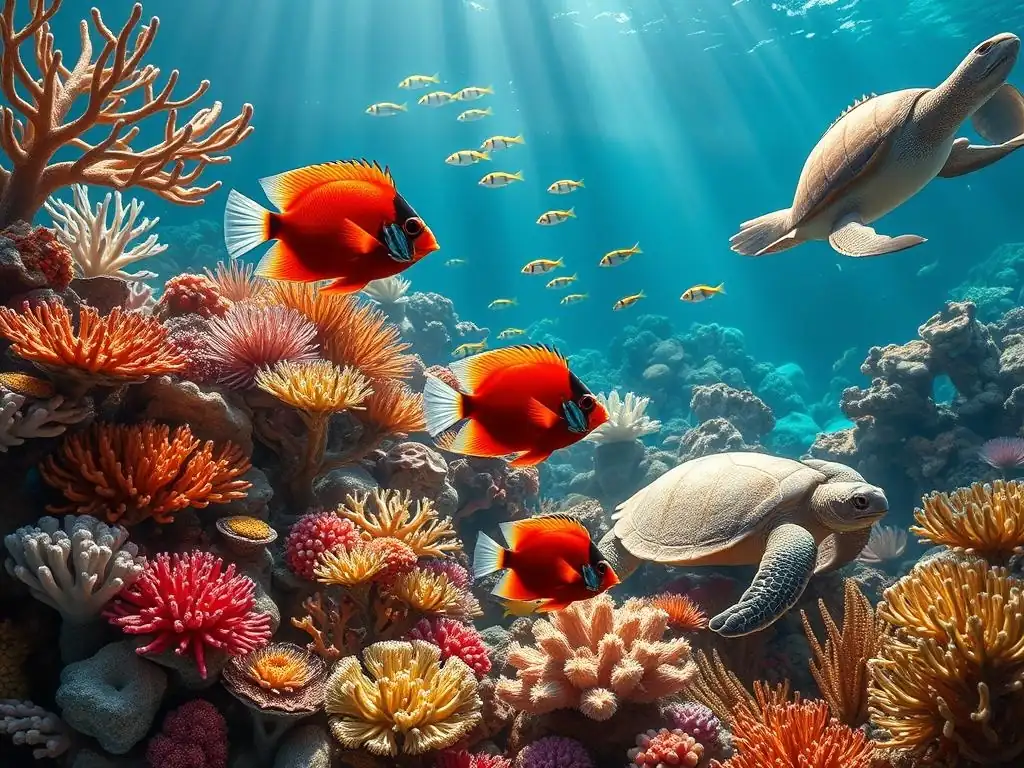
Dive into the fascinating world of aquariums! Ever wondered if the strikingly beautiful, yet often misunderstood, Triggerfish can truly thrive in a reef environment? Our in-depth Triggerfish Reef Compatibility Guide unravels the complexities of introducing these captivating creatures into your coral kingdom. Discover which species play well with corals, and which might turn your reef tank into their personal all-you-can-eat buffet. Ready to unlock the secrets to a harmonious reef tank? Let's explore!
- Understanding Triggerfish and Reef Aquariums
- Triggerfish Reef Compatibility: A Matter of Species
- Triggerfish Species and Their Reef Compatibility: A Detailed Breakdown
- Factors Affecting Triggerfish Reef Compatibility
- Identifying Signs of Incompatibility: Protecting Your Corals
- Managing Triggerfish in a Reef Tank: Solutions and Strategies
- Choosing the Right Tank Mates for Triggerfish in a Reef Setting
- Building a Successful Triggerfish Reef Tank: Expert Tips
- Conclusion: Making Informed Decisions About Triggerfish and Reefs
-
Frequently Asked Questions
- Are all Triggerfish inherently unsafe for reef tanks?
- What factors determine a Triggerfish's reef compatibility?
- What are some examples of Triggerfish that might be reef-safe?
- What types of corals are most vulnerable to Triggerfish damage?
- What should I do if I suspect my Triggerfish is damaging my reef?
- Final Reflection: Navigating the Reef's Delicate Balance
- Unlock a Thriving Reef: Decide Your Next Step!
Understanding Triggerfish and Reef Aquariums
What Makes a Reef Aquarium Unique?
A reef aquarium is a complex, living ecosystem designed to mimic natural coral reefs, housing live corals, diverse invertebrates, and specialized fish species. Unlike traditional fish-only tanks, reef systems demand precise environmental stability to support the delicate balance required by corals. Key parameters such as salinity, temperature, alkalinity, calcium, and magnesium must be meticulously maintained. For instance, a typical reef tank aims for a specific gravity of 1.025-1.026, a temperature range of 75-82°F (24-28°C), alkalinity between 8-12 dKH, calcium levels from 400-450 ppm, and magnesium around 1200-1350 ppm.
The unique challenge of a reef aquarium lies in its extreme sensitivity. Corals, whether small polyp stony (SPS), large polyp stony (LPS), or soft corals, are living organisms susceptible to predation, fluctuating water parameters, and aggression from tank mates. Introducing a fish that might view corals or other invertebrates as food can quickly devastate years of growth and investment. Therefore, the selection of every inhabitant, especially those with strong jaws or predatory instincts, requires careful consideration to maintain the health and integrity of the reef environment.
The Allure and Challenges of Keeping Triggerfish
Triggerfish captivate aquarists with their vibrant colors, distinctive personalities, and intelligent behavior. Species like the Queen Triggerfish ( Balistes vetula) or the Picasso Triggerfish ( Rhinecanthus aculeatus) are renowned for their striking patterns and active swimming habits, making them highly desirable additions for many saltwater enthusiasts. Their unique ability to "lock" themselves into crevices using a dorsal spine, hence the name "trigger," further adds to their intriguing nature.
However, the very characteristics that make triggerfish so appealing also present significant challenges, particularly in a reef setting. These fish are known for their aggression, territoriality, and strong predatory instincts. Equipped with powerful jaws and sharp teeth, triggerfish are naturally adapted to crushing the shells of crustaceans and mollusks, their primary food source in the wild. This dental structure, while fascinating, poses a direct threat to the delicate structure of corals and the soft bodies of invertebrates commonly found in a reef tank, making Triggerfish reef compatibility a complex and often debated topic among aquarists.
Triggerfish Reef Compatibility: A Matter of Species
Aggression Levels in Triggerfish: A Key Factor
The aggression level of a triggerfish is arguably the most critical factor in determining its Triggerfish reef compatibility. Some species, such as the Clown Triggerfish ( Balistoides conspicillum), are notoriously aggressive, not only towards other fish but also towards invertebrates and even the aquarist's hand during tank maintenance. Their territorial nature means they will often claim a large section of the tank as their own, relentlessly harassing any tank mate that infringes on their perceived space. This constant stress can lead to disease, injury, or even death for less assertive inhabitants.
Conversely, other triggerfish species exhibit significantly milder temperaments. The Blue Jaw Triggerfish ( Xanthichthys auromarginatus), for example, is generally considered one of the more peaceful triggers, often coexisting with a wider range of tank mates without undue aggression. Even within species, individual personalities can vary, but understanding the typical aggression profile of a species is paramount. A highly aggressive triggerfish can turn a thriving reef into a battleground, destroying corals and stressing or killing other fish, thus undermining the entire purpose of a harmonious reef aquarium.
Dietary Habits of Triggerfish: Corals at Risk?
The natural dietary habits of triggerfish are a primary concern when assessing their Triggerfish reef compatibility guide. Most triggerfish are carnivores, with a wild diet consisting predominantly of crustaceans, mollusks, echinoderms (like sea urchins and starfish), and small fish. Their powerful, often protruding teeth are perfectly designed for crushing hard shells and skeletons. This predatory adaptation means that many species will readily view the diverse invertebrate life in a reef tank – including ornamental shrimp, crabs, snails, and even the polyps of corals – as potential food.
While some triggerfish are primarily planktivores, feeding on zooplankton in the water column and posing less direct threat to sessile invertebrates, many are opportunistic feeders. A hungry or bored triggerfish might nip at fleshy LPS corals like Euphyllia or Blastomussa, or even attempt to pick at the polyps of SPS corals like Acropora or Montipora. This behavior, even if not leading to immediate consumption, can cause significant stress, tissue recession, and ultimately the death of corals. Therefore, a thorough understanding of the specific dietary preferences of any triggerfish considered for a reef tank is crucial to prevent coral damage.
Triggerfish Species and Their Reef Compatibility: A Detailed Breakdown
Reef-Safe Triggerfish: Species that Can Coexist
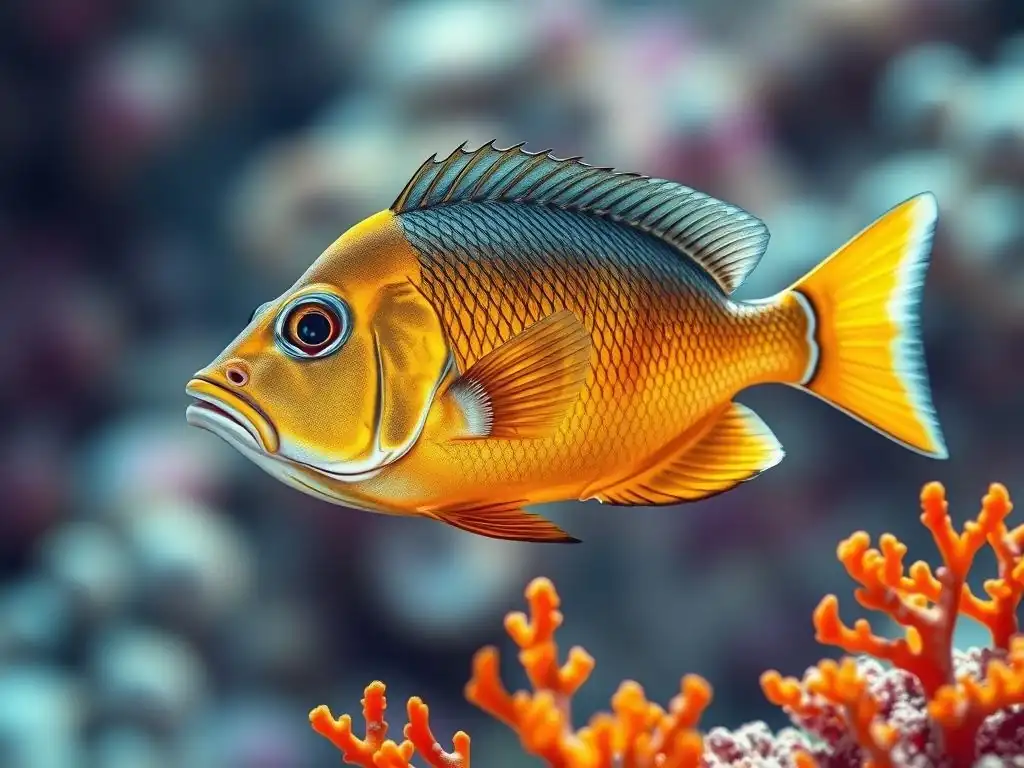
The Blue Jaw Triggerfish (Xanthichthys auromarginatus): A Relatively Peaceful Choice
The Blue Jaw Triggerfish, also known as the Gilded Triggerfish, is often cited as one of the most reef-compatible triggerfish species available to aquarists. This species is characterized by its distinctive blue lower jaw and vibrant yellow or orange markings on its fins, growing to an adult size of approximately 8-10 inches. Unlike many of its more aggressive relatives, the Blue Jaw Triggerfish exhibits a generally more peaceful temperament, especially if introduced as a juvenile into a sufficiently large aquarium, typically a minimum of 75 gallons for a single specimen.
Its diet in the wild primarily consists of zooplankton and small benthic invertebrates, making it far less prone to preying on corals. While it may occasionally show interest in very small, delicate ornamental shrimp or snails, it is significantly less likely to actively pick at coral polyps compared to other triggerfish. This makes it a viable option for a mixed reef tank, particularly one with robust LPS and SPS corals, as long as careful observation is maintained and appropriate tank mates are chosen.
The Sargassum Triggerfish (Xanthichthys ringens): A Smaller, Planktivorous Option
The Sargassum Triggerfish, sometimes referred to as the Rough Triggerfish, is another promising candidate for a reef aquarium due to its smaller adult size and predominantly planktivorous diet. This species typically reaches a maximum length of about 6 inches, making it suitable for reef tanks as small as 50-70 gallons, provided ample swimming space and hiding spots are available. Its coloration is generally dark with lighter spots and stripes, allowing it to blend into its natural Sargassum seaweed environment.
Like the Blue Jaw Triggerfish, the Sargassum Triggerfish primarily feeds on zooplankton and small invertebrates found in the water column. This dietary preference significantly reduces its inclination to nip at corals or large sessile invertebrates. While no triggerfish is entirely risk-free in a reef setting, the Sargassum Triggerfish presents a lower threat profile compared to larger, more aggressive, or more invertivorous species. It can be a shy fish initially, requiring a well-aquascaped tank with plenty of rockwork for security.
Triggerfish to Avoid in Reef Tanks: Known Coral Predators
The Clown Triggerfish (Balistoides conspicillum): A Beautiful but Destructive Choice
The Clown Triggerfish is undeniably one of the most stunning fish in the marine aquarium hobby, with its bold black body adorned with large white spots and a striking yellow-orange mouth. However, its beauty belies an extremely aggressive and predatory nature, making it one of the absolute worst choices for a reef aquarium. This species can grow quite large, reaching up to 20 inches in length, and requires an immense tank of 300 gallons or more to thrive as an adult.
Its diet in the wild consists of crabs, shrimp, snails, and other hard-shelled invertebrates, which it can easily crush with its powerful jaws. In a reef tank, this translates to systematic destruction of valuable corals and other desirable invertebrates. Clown Triggerfish are known to pick at coral polyps, bite off pieces of coral skeletons, and actively hunt down shrimp, crabs, and snails. Their territorial aggression also extends to other fish, often leading to severe injury or death for tank mates, thus making their Triggerfish reef compatibility virtually non-existent.
The Niger Triggerfish (Odonus niger): Potential for Nipping at Invertebrates
The Niger Triggerfish, also known as the Red-toothed Triggerfish, is a popular choice due to its iridescent blue-purple coloration and distinctive lyre-shaped tail. While not as outright destructive as the Clown Triggerfish, the Niger Triggerfish still poses a significant risk to a reef aquarium, particularly to soft corals and large polyp stony (LPS) corals. This species typically grows to an adult size of about 12 inches and requires a tank of at least 125 gallons.
Its natural diet includes zooplankton, tunicates, and small crustaceans. However, in captivity, Niger Triggerfish are notorious for their opportunistic feeding habits and curiosity. They are frequently observed nipping at the fleshy polyps of LPS corals like Duncanopsammia, Favia, or Acanthastrea, and can also harass soft corals such as Zoanthids or Ricordea. While they may not consume entire corals, the constant nipping causes stress, retraction, and eventual tissue necrosis, compromising the health and aesthetic appeal of the reef. Therefore, despite their beauty, they are generally not recommended for delicate reef systems.
Factors Affecting Triggerfish Reef Compatibility
Tank Size and Aquascaping: Creating a Suitable Environment
The size of the aquarium plays a pivotal role in Triggerfish reef compatibility. A larger tank, typically 180 gallons or more for most triggerfish species (and significantly larger for highly aggressive ones like the Clown Triggerfish), provides ample swimming space and helps to dilute aggression. In a confined environment, triggerfish are more likely to become territorial and aggressive towards tank mates, including corals. More space means more defined territories for each fish, reducing direct conflict.
Effective aquascaping is equally crucial. Creating a complex environment with numerous caves, overhangs, and swim-throughs using live rock provides essential hiding spots and visual barriers. These structures allow less dominant fish to escape aggression and offer the triggerfish its own secure territory, minimizing the chances of it feeling threatened or bored. Securely stacking rockwork is also vital, as powerful triggerfish can sometimes dislodge loose rocks, potentially causing damage to the tank or its inhabitants.
Feeding Practices: Minimizing Coral Predation
Proper feeding practices are essential for minimizing the likelihood of a triggerfish preying on corals or other invertebrates. Triggerfish are naturally driven by hunger and curiosity. If they are underfed or bored, they are far more likely to explore their environment for alternative food sources, which often includes picking at corals. It is recommended to feed triggerfish frequently, typically 2-3 times per day, with small, varied meals.
A diverse diet of high-quality frozen foods such as Mysis shrimp, krill, silversides, and marine-based pellets can keep them well-nourished and less inclined to forage on your reef. For instance, offering a mix of Hikari Bio-Pure Frozen Mysis Shrimp and Ocean Nutrition Prime Reef Flakes can provide a balanced nutritional profile. Consistent and adequate feeding helps to satiate their predatory instincts, making them less of a threat to the delicate ecosystem of a reef tank.
Introducing Triggerfish to an Established Reef Tank: A Gradual Approach
Introducing a new triggerfish to an already established reef tank requires a cautious and gradual approach to maximize Triggerfish reef compatibility. The first step should always be a thorough quarantine period of at least 3-4 weeks in a separate quarantine tank. This allows you to observe the triggerfish's health, ensure it is eating well, and assess its initial temperament without risking the main display tank. During this period, you can also begin acclimating it to your feeding regimen.
When it's time to introduce the triggerfish to the main display, consider doing so after lights out or when other fish are less active. Some aquarists even suggest rearranging a portion of the aquascaping slightly to disrupt existing territories, giving the new triggerfish a chance to establish itself without immediately being challenged by established tank mates. Close observation for the first few days is critical to detect any signs of aggression towards corals or other fish, allowing for prompt intervention if issues arise.
Identifying Signs of Incompatibility: Protecting Your Corals
Coral Damage: Recognizing the Warning Signs
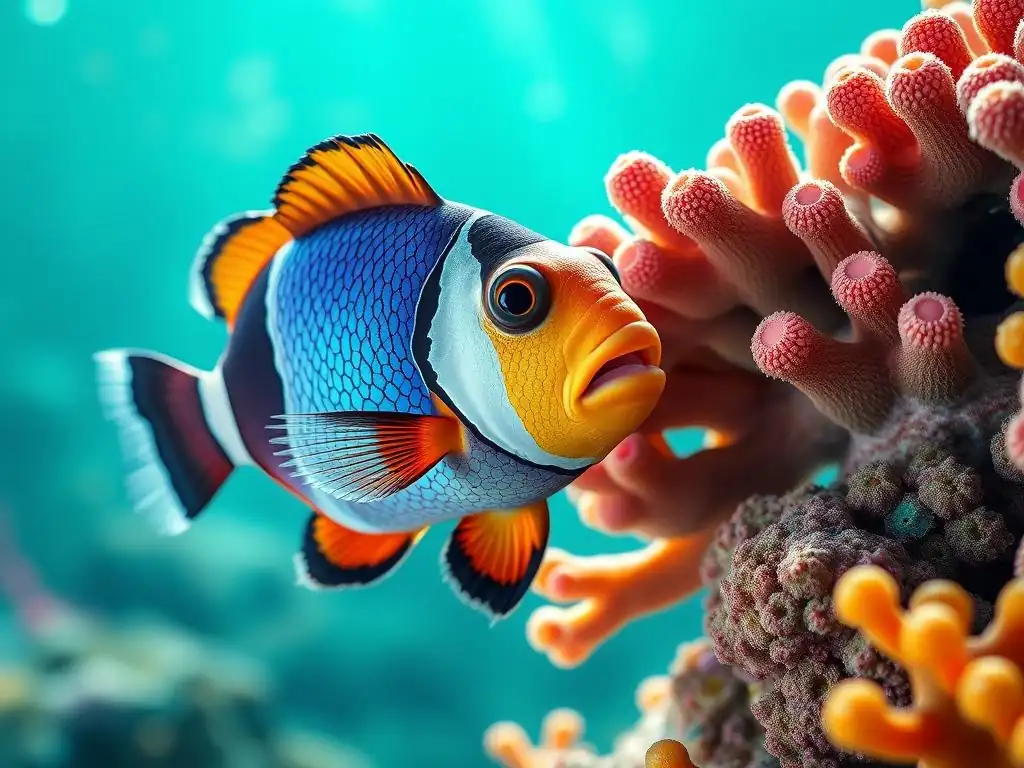
Recognizing the early warning signs of coral damage is crucial for protecting your reef when housing a triggerfish. One of the most obvious indicators is the presence of bite marks or torn polyps on your corals. This is particularly noticeable on fleshy LPS corals such as Blastomussa, Acanthastrea, or Favia, where the triggerfish might take chunks out of the polyps. Soft corals like Zoanthids, Ricordea, or Mushrooms may also appear retracted, shriveled, or have missing sections.
Another sign is consistent retraction of polyps, even when water parameters are optimal and other corals are extended. If a specific coral or group of corals is constantly stressed, shrinking, or showing signs of tissue recession, it could be a target for the triggerfish. Observing the triggerfish's behavior around the corals is also key; if it's repeatedly swimming close to, inspecting, or making quick darting motions towards corals, it's likely testing them for a potential meal.
Triggerfish Behavior: Observing for Aggression
Beyond direct coral damage, observing the triggerfish's general behavior provides critical insights into its Triggerfish reef compatibility. Look for signs of aggression directed not only at corals but also at other tank mates. A triggerfish that is constantly chasing, nipping at fins, or cornering other fish is a clear sign of incompatibility. This aggression can cause severe stress, leading to weakened immune systems, fin rot, and ultimately death for the targeted fish.
Territorial displays are also common. A triggerfish might actively defend a specific cave or section of the tank, flaring its fins or making rapid movements towards any fish that enters its perceived territory. While some territoriality is normal for many species, excessive or relentless aggression indicates a problem. Even if direct coral damage isn't immediately apparent, a highly stressed environment created by an aggressive triggerfish can indirectly harm corals by affecting water quality or causing other fish to behave erratically, potentially bumping into or damaging corals.
Managing Triggerfish in a Reef Tank: Solutions and Strategies
Quarantine and Observation: Before Introducing New Fish
Implementing a strict quarantine protocol is paramount for any new fish, especially when considering Triggerfish reef compatibility. Before introducing a triggerfish to your main display tank, it should be quarantined in a separate tank for a minimum of 3-4 weeks. This period serves multiple purposes: it allows you to observe the fish for any signs of disease, ensure it is eating well and adapting to prepared foods, and critically, to assess its temperament.
During quarantine, you can monitor how the triggerfish interacts with its environment and any temporary tank mates (if applicable). An overly aggressive triggerfish that constantly paces or tries to attack the sides of the tank or even inanimate objects might be a poor candidate for a peaceful reef. This observation period provides a crucial opportunity to make an informed decision about its suitability before risking the established ecosystem of your main reef tank.
Rehoming a Problematic Triggerfish: Finding a Suitable Alternative
Despite careful planning and observation, a triggerfish that was initially deemed reef-safe might develop problematic behaviors, or its aggression might escalate as it matures. When a triggerfish begins to consistently damage corals, harass tank mates, or otherwise disrupt the harmony of the reef, rehoming is often the most humane and practical solution. Attempting to force compatibility in an unsuitable environment will ultimately lead to stress for the fish and damage to your valuable corals.
Several options exist for rehoming. Local fish stores often accept healthy fish, sometimes in exchange for store credit, provided they have the appropriate facilities. Online aquarium forums and local fish club chapters are excellent resources for finding other hobbyists who might have a more suitable tank setup (e.g., a fish-only with aggressive fish tank) for the triggerfish. In some cases, dedicated fish rescues or larger public aquariums might also be an option. Prioritizing the welfare of the triggerfish and the health of your reef should guide this decision.
Choosing the Right Tank Mates for Triggerfish in a Reef Setting
Compatible Fish Species: Creating a Balanced Ecosystem
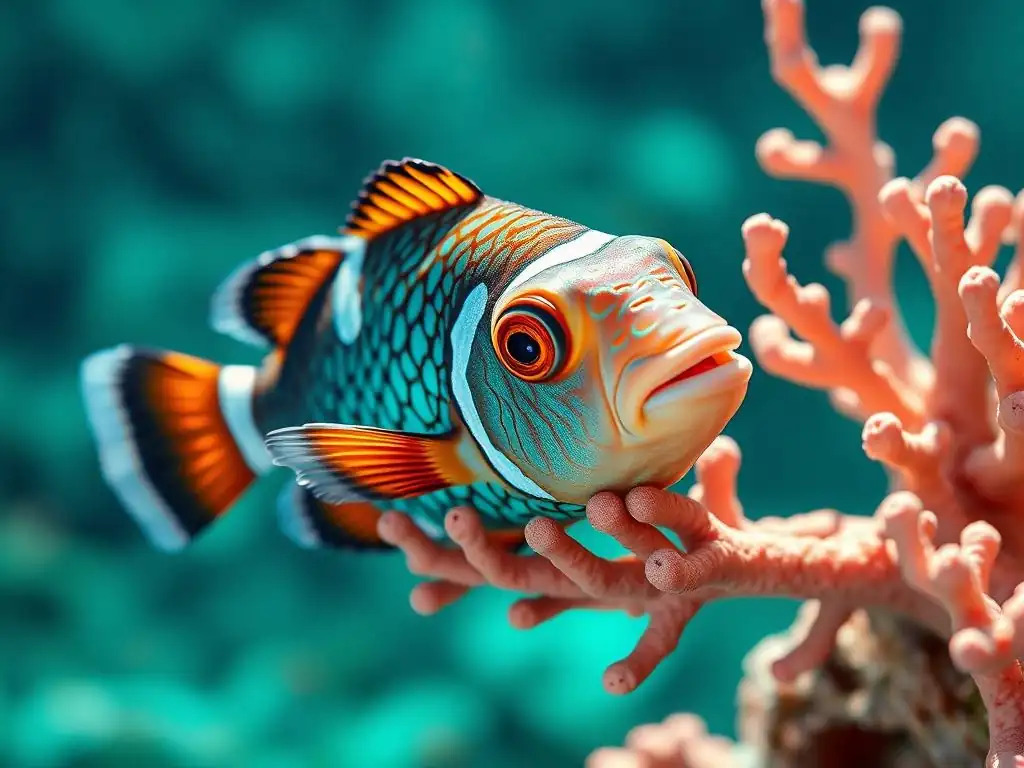
When aiming for successful Triggerfish reef compatibility, selecting appropriate tank mates is as crucial as choosing the right triggerfish species itself. The ideal companions are robust, semi-aggressive to aggressive fish that can either hold their own against a triggerfish or are fast enough to evade potential aggression. Large tangs, such as the Yellow Tang ( Zebrasoma flavescens), Purple Tang ( Zebrasoma xanthurum), or Emperor Angelfish ( Pomacanthus imperator), are often good choices due to their size, speed, and generally assertive nature.
Other suitable tank mates might include certain large angelfish species, puffers (depending on the specific puffer and trigger species), and other triggers of a similar size and temperament, provided the tank is sufficiently large to allow for multiple territories. Avoid small, docile, or slow-moving fish, as they will almost certainly become targets for harassment or predation. The goal is to create a balanced ecosystem where each fish can thrive without undue stress or harm from the triggerfish.
Invertebrates and Triggerfish: Proceed with Caution
The decision to include invertebrates alongside a triggerfish in a reef tank requires extreme caution, as most triggerfish view crustaceans, mollusks, and echinoderms as food. Ornamental shrimp, such as Peppermint Shrimp or Cleaner Shrimp, are particularly vulnerable due to their soft bodies. Snails, including Trochus or Nassarius snails, will likely be crushed and consumed, as will hermit crabs and starfish. Even the "reef-safe" triggerfish species can be opportunistic hunters when it comes to these creatures.
While some aquarists report success with very large, venomous, or unpalatable invertebrates (e.g., a large Bubble Tip Anemone or Maxi-Mini Anemone might be tolerated by some individuals), it is always a significant risk. The general rule of thumb is that if a triggerfish can fit an invertebrate in its mouth or crush its shell, it will eventually try to eat it. Therefore, for a diverse invertebrate clean-up crew or ornamental crustaceans, a triggerfish is generally an incompatible choice.
Building a Successful Triggerfish Reef Tank: Expert Tips
Water Quality: Maintaining Optimal Conditions
Maintaining pristine water quality is paramount for any reef tank, and this becomes even more critical when housing a triggerfish, especially concerning Triggerfish reef compatibility. Triggerfish, like all fish, contribute to the bioload, and their active feeding habits can sometimes lead to more waste production. Regular water changes are essential; a 10-20% bi-weekly water change schedule is often recommended to replenish trace elements vital for coral health and to remove accumulating nitrates and phosphates.
Consistent monitoring of key water parameters is also non-negotiable. Salinity should be stable at 1.025-1.026, pH maintained between 8.1-8.4, alkalinity at 8-12 dKH, calcium at 400-450 ppm, and magnesium at 1200-1350 ppm. Using a high-quality salt mix and purified RO/DI water for all top-offs and water changes will help ensure these parameters remain stable and within optimal ranges, directly supporting the health of both your triggerfish and your corals.
Filtration and Circulation: Essential for a Healthy Reef
Robust filtration and strong water circulation are essential components for building a successful reef tank that can house a triggerfish. A high-capacity filtration system, typically involving a large sump, a powerful protein skimmer, and ample live rock, is necessary to efficiently process the bioload of the triggerfish and other inhabitants. A good protein skimmer can remove dissolved organic compounds before they break down into nitrates, which is crucial for maintaining low nutrient levels in a reef environment.
Adequate water circulation is equally vital for coral health and to prevent dead spots where detritus can accumulate. Most reef tanks aim for a flow rate of 20-40 times the tank volume per hour, achieved through strategically placed powerheads. Strong flow ensures that corals receive essential nutrients and that waste is transported to the filtration system. It's also important to securely mount powerheads, as powerful triggerfish can sometimes dislodge poorly secured equipment, potentially causing damage or disrupting flow.
Conclusion: Making Informed Decisions About Triggerfish and Reefs
Triggerfish and Reefs: Striking a Balance
The question of "Are Triggerfish Reef Safe?" does not have a simple yes or no answer. As this comprehensive Triggerfish reef compatibility guide illustrates, striking a balance between the allure of keeping these fascinating fish and the delicate requirements of a coral reef is challenging but achievable with careful planning and species selection. While some triggerfish are notorious coral predators, a select few species, such as the Blue Jaw Triggerfish ( Xanthichthys auromarginatus) and the Sargassum Triggerfish ( Xanthichthys ringens), demonstrate a significantly lower risk profile due to their diet and temperament.
Success hinges on understanding the specific needs and typical behaviors of the chosen triggerfish species, providing an appropriately sized and aquascaped environment, and implementing diligent feeding and observation practices. Even with the "safer" species, there is always an inherent risk, and aquarists must be prepared for the possibility that a triggerfish may develop undesirable habits as it matures.
Final Thoughts on Triggerfish Reef Compatibility
Ultimately, the decision to introduce a triggerfish into a reef aquarium requires thorough research, realistic expectations, and a willingness to adapt. While the vibrant colors and engaging personalities of triggerfish are highly appealing, the potential for aggression and coral predation must be weighed against the desire for a thriving, harmonious reef ecosystem. Always prioritize the health and safety of your corals and other tank inhabitants.
For those determined to house a triggerfish in a reef setting, selecting a genuinely reef-compatible species, providing an adequately sized tank (often 75 gallons or more for the safer species), and maintaining impeccable water quality are non-negotiable. Even then, continuous observation for signs of incompatibility or coral damage is crucial. By making informed decisions and being prepared to intervene if necessary, aquarists can navigate the complexities of Triggerfish reef compatibility and potentially enjoy these magnificent fish in their coral tanks.
Frequently Asked Questions
Are all Triggerfish inherently unsafe for reef tanks?
No, not all triggerfish are inherently unsafe. While many are known to be aggressive and destructive, some species are considered relatively reef-safe with careful consideration.
What factors determine a Triggerfish's reef compatibility?
Several factors play a role, including the specific species, the size of the tank, and the individual temperament of the fish. Larger, more aggressive species are generally less suitable.
What are some examples of Triggerfish that might be reef-safe?
The Blue Throat Triggerfish is often cited as a potentially reef-safe option, provided the tank is large enough and there are no small invertebrates it can easily prey on. However, individual behavior can vary.
What types of corals are most vulnerable to Triggerfish damage?
Soft corals and LPS (Large Polyp Stony) corals are often more susceptible to damage from triggerfish nipping or rearranging. SPS (Small Polyp Stony) corals are generally less likely to be targeted.
What should I do if I suspect my Triggerfish is damaging my reef?
Immediately monitor the fish's behavior closely. If damage is confirmed, you may need to rehome the triggerfish or separate it within the tank using an aquarium divider.
Okay, here's a final reflection crafted to fit your article "Are Triggerfish Reef Safe? A Comprehensive Compatibility Guide for Coral Tanks," aiming to rank for the keyword "Triggerfish reef compatibility guide." It follows the structure you outlined and aims for an inspiring and reflective tone.
The information presented throughout this guide highlights the crucial importance of informed decision-making in reef keeping, particularly when considering the addition of a triggerfish. Understanding the nuances of their behavior and compatibility is not just about maintaining a beautiful aquarium; it's about respecting the complex ecosystem we strive to replicate.
This journey into the world of triggerfish and reef compatibility underscores the delicate balance within a coral tank. My own experiences, and those of countless other reef keepers, have shown me that careful research and planning are paramount to success. In the end, we will conserve only what we love; we will love only what we understand; and we will understand only what we are taught.
- Baba Dioum. This quote perfectly encapsulates our responsibility to understand the creatures we bring into our care.
Now, armed with this comprehensive guide, I encourage you to reflect on your own reef keeping goals. Consider the long-term implications of your choices and strive to create a thriving, harmonious environment for all its inhabitants. Let this knowledge empower you to make responsible decisions, ensuring the beauty and health of your reef for years to come.
Unlock a Thriving Reef: Decide Your Next Step!
Thank you for diving into the world of triggerfish compatibility! We hope this guide has equipped you with the knowledge to make informed decisions for your reef tank. Now, let’s put that knowledge into action.
Here are some steps you can take:
- Plan your tank's future and make an informed decision whether a triggerfish is right for your reef tank or not.
- Share this article with other reefing enthusiasts to help them navigate the complexities of triggerfish compatibility.
- Research alternative, reef-safe fish that could thrive in your existing environment, broadening your aquascaping horizons.
What triggerfish species are you considering, and what specific concerns do you have about its compatibility with your current reef inhabitants?