
The Allure of the Lionfish: Why Aquarists Love These Venomous Predators

Welcome to Aquarium Mastery!
Ever been captivated by the mesmerizing beauty of a creature that commands both respect and awe? Dive into the world of the lionfish! These stunning, yet venomous, predators are becoming increasingly popular in the aquarium hobby, but caring for them requires a unique understanding. Curious about the secrets to successfully maintaining a venomous lionfish aquarium and ensuring the health and well-being of these captivating fish? Let's unravel the mysteries together and discover if these regal hunters are right for your saltwater sanctuary.
- Understanding the Appeal of Lionfish in Home Aquariums
- Venomous Lionfish Aquarium Care: A Comprehensive Guide
- Lionfish Tank Mates: Choosing Compatible Species
- Safety Precautions When Handling Venomous Lionfish
- The Ethics of Keeping Lionfish in Aquariums
-
Frequently Asked Questions
- What makes lionfish so appealing to aquarists despite being venomous?
- What are the primary risks associated with keeping lionfish in a home aquarium?
- What specific safety precautions should aquarists take when handling lionfish or working in their tanks?
- What are the dietary needs of lionfish, and how does that impact their tank environment?
- What are the key differences in care requirements between keeping lionfish in a freshwater versus a saltwater aquarium?
- Final Reflection: Embracing the Wild Within Walls
- Dive Deeper: Unlock the Secrets of Lionfish Keeping!
Understanding the Appeal of Lionfish in Home Aquariums
The Unique Beauty and Grace of Lionfish
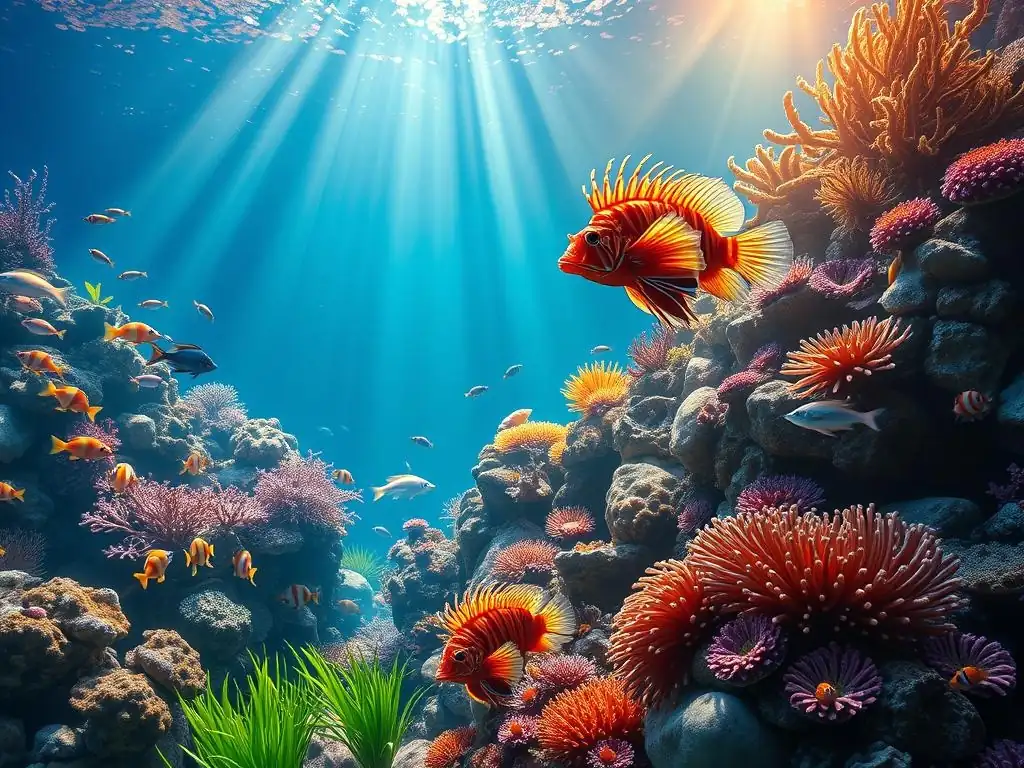
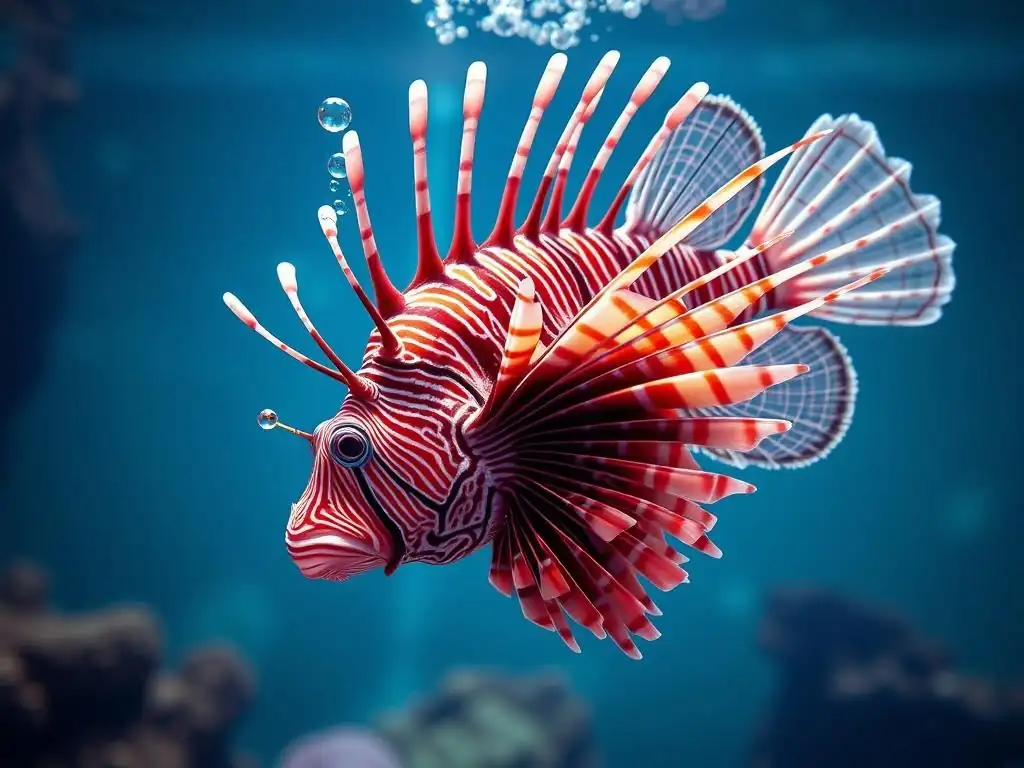
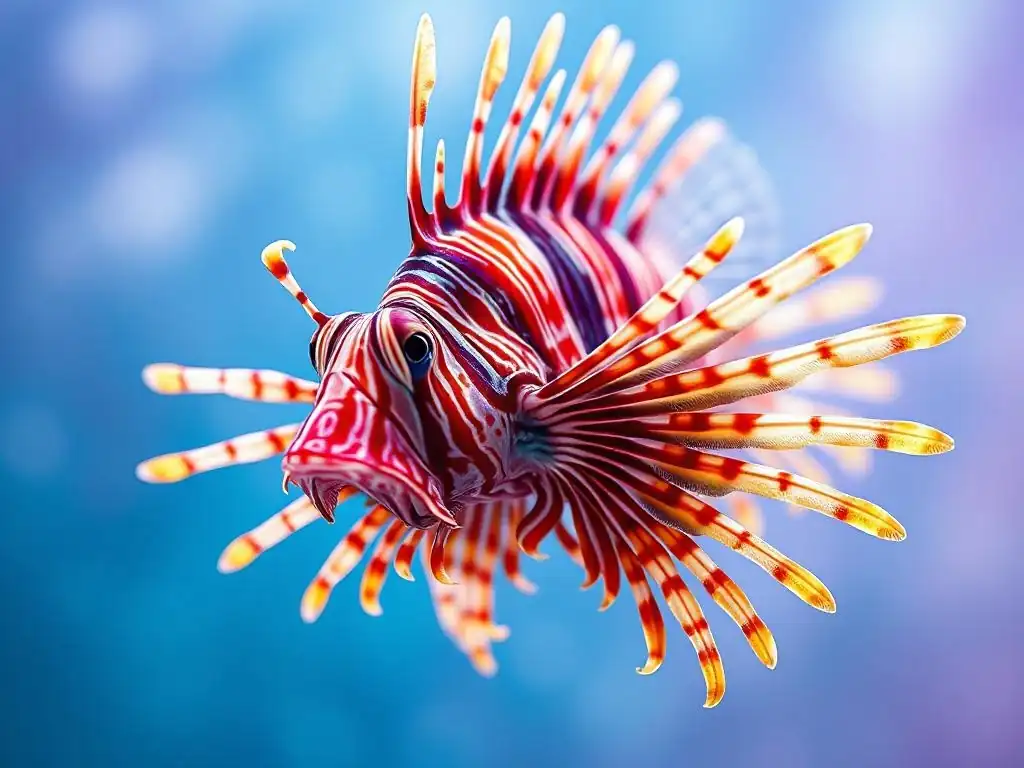
Lionfish, particularly species like the Volitan Lionfish ( Pterois volitans) or the Dwarf Lionfish ( Dendrochirus brachypterus), are renowned for their extraordinarily striking appearance. Their elaborate, fan-like pectoral fins, elongated dorsal spines, and distinctive striped patterns of red, white, and black create a mesmerizing visual spectacle in any aquarium.
These venomous predators do not swim with frantic energy but rather glide with an almost ethereal grace, using their expansive fins to maneuver slowly and deliberately, captivating observers with every subtle movement. This elegant, almost balletic, motion makes them a focal point, drawing the eye and adding a dynamic yet serene element to a well-established marine display.
Beyond their captivating fins, the intricate patterns on their bodies serve as both camouflage and a warning, especially in their natural coral reef habitats. In an aquarium setting, these vibrant markings are amplified by proper lighting, transforming the lionfish into a living work of art. Aquarists often report spending significant time simply observing their lionfish, enchanted by their unique silhouette and the way they subtly change position, often perching on rockwork or hovering in open water, creating a tranquil yet powerful presence that few other marine inhabitants can match.
The Challenge and Reward of Keeping Predatory Fish
For many seasoned aquarists, the appeal of keeping lionfish stems from the inherent challenge and the profound sense of accomplishment that comes with successfully maintaining a predatory species. Unlike many common, docile aquarium inhabitants, lionfish require specific care, including a specialized diet, precise water parameters, and careful consideration of tank mates.
This elevated level of responsibility transforms the hobby from a simple display into a dedicated commitment to understanding and replicating a complex marine ecosystem. The initial hurdle of training a wild-caught lionfish to accept frozen foods, for instance, can be a demanding process, sometimes taking several weeks, but its successful outcome is incredibly rewarding.
The reward extends beyond mere maintenance; it lies in observing the lionfish thrive, exhibit natural behaviors, and grow within a carefully curated environment. Witnessing their slow, deliberate hunting instincts, their interaction with the tank landscape, and their overall robust health provides a deep satisfaction. For those who embrace the intricacies of venomous lionfish aquarium care, the journey of mastering their specific needs offers a unique and gratifying experience, distinguishing their hobby from more conventional setups.
Debunking Myths: Addressing Concerns About Lionfish Aquarium Keeping
Despite their popularity, lionfish are often subject to misconceptions, primarily due to their venomous nature and predatory reputation. A common myth is that they are excessively dangerous or overly aggressive, posing a constant threat to the aquarist. In reality, lionfish venom is purely defensive; they will only sting if they feel threatened or are mishandled. With proper safety protocols, such as using appropriate gloves and tools during tank maintenance, the risk of a sting is significantly minimized. Statistics from public aquariums show that while stings do occur, severe reactions are rare, and fatalities are virtually unheard of.
Another prevalent concern is that lionfish are extremely difficult to keep or require a constant supply of live feeder fish. While they are indeed carnivores, most lionfish can be successfully trained to accept frozen, vitamin-enriched marine foods like silversides, krill, and various seafood pieces. This eliminates the need for live feeders, which often carry disease and lack proper nutrition. With adequate tank size, stable water conditions, and a consistent feeding regimen, venomous lionfish aquarium care is well within the capabilities of a dedicated intermediate to advanced aquarist, proving that their perceived difficulty is often exaggerated.
Venomous Lionfish Aquarium Care: A Comprehensive Guide
Selecting the Right Lionfish Species for Your Tank
Choosing the appropriate lionfish species is the foundational step in successful venomous lionfish aquarium care. The genus Pterois comprises the larger, more iconic species, while Dendrochirus includes the smaller, often called "dwarf," lionfish. Each species has distinct size, temperament, and tank requirement profiles, making it crucial to match the fish to your aquarium's capacity and your experience level. Understanding these differences ensures a healthier, more comfortable life for your lionfish and a more manageable experience for you.
Dwarf Lionfish ( Dendrochirus brachypterus): A Beginner-Friendly Option
The Dwarf Lionfish, also known as the Fuzzy Dwarf Lionfish, is an excellent choice for aquarists new to the world of venomous lionfish aquarium care. Growing to a maximum size of about 6-7 inches (approximately 15-18 cm), they require a significantly smaller tank footprint than their larger cousins, with a minimum recommended tank size of 30-50 gallons (113-189 liters). Their smaller stature and generally more docile temperament make them less intimidating to manage, and they adapt well to captivity.
These smaller predators are also typically easier to train onto frozen foods, accepting a varied diet of mysis shrimp, krill, and small silversides. Their manageable size and relatively robust nature make them a popular and sustainable option for aquarists looking to experience the allure of lionfish without committing to a very large system. They are often observed perching on rockwork, patiently waiting for food, showcasing their characteristic ambush predatory behavior on a smaller scale.
Volitan Lionfish ( Pterois volitans): The Classic Choice
The Volitan Lionfish, often simply called the Red Lionfish, is perhaps the most recognized and widely kept species, embodying the classic image of a lionfish with its large, flamboyant fins and striking coloration. These impressive fish can grow quite large, reaching lengths of up to 15-18 inches (approximately 38-46 cm) in a well-maintained aquarium. Due to their substantial adult size and active predatory nature, a minimum tank size of 100-125 gallons (378-473 liters) is essential to provide adequate swimming space and ensure stable water parameters for long-term venomous lionfish aquarium care.
Volitan Lionfish demand a significant commitment regarding tank size, filtration, and diet. While they can be trained to accept frozen foods, they require larger prey items like whole silversides or pieces of squid, and their feeding response can be quite dramatic. Their majestic presence and commanding size make them a truly spectacular centerpiece for a large, predatory-themed marine aquarium, captivating viewers with their slow, deliberate movements and sudden, explosive strikes during feeding.
Radiata Lionfish ( Pterois radiata): A Striking Beauty for Experienced Aquarists
The Radiata Lionfish stands out with its distinctive white horizontal stripes against a darker reddish-brown body, lacking the spots found on other Pterois species. Growing to about 9-10 inches (approximately 23-25 cm), they are intermediate in size between the dwarf and Volitan lionfish, typically requiring a tank of at least 75 gallons (284 liters). While undeniably beautiful, Radiata Lionfish are often considered more delicate and sensitive to water quality fluctuations compared to their hardier relatives, making them a choice better suited for aquarists with substantial experience in marine fish keeping.
Their care demands meticulous attention to water stability and pristine conditions. They can be more finicky eaters initially, sometimes preferring live ghost shrimp before transitioning to frozen foods. The subtle elegance and unique patterning of the Radiata Lionfish offer a rewarding challenge for those prepared to provide the precise and consistent venomous lionfish aquarium care they require, showcasing a different facet of lionfish beauty.
Setting Up the Ideal Lionfish Aquarium Environment
Establishing the right environment is paramount for the health and longevity of your lionfish. These fish, being apex predators, require specific conditions that cater to their size, predatory nature, and delicate fins. A well-designed habitat reduces stress, prevents injuries, and facilitates optimal water quality, which is a cornerstone of responsible venomous lionfish aquarium care.
Tank Size and Dimensions: Ensuring Adequate Swimming Space
The most critical factor in setting up a lionfish aquarium is providing an appropriately sized tank. As mentioned, Dwarf Lionfish can thrive in a 30-50 gallon tank, while Volitan Lionfish necessitate a minimum of 100-125 gallons. However, simply focusing on volume isn't enough; the tank's dimensions, particularly its width and depth, are equally important.
Lionfish need ample floor space and open water for graceful movement and turning, rather than just height. A tank with a footprint of at least 48 inches by 18 inches (approximately 122 cm x 46 cm) is generally recommended for a single adult Volitan lionfish, allowing it to navigate comfortably without constantly bumping into decorations.
Larger tanks also offer greater stability in water parameters, as a larger volume of water dilutes waste products more effectively, reducing the impact of ammonia and nitrite spikes. This buffering capacity is crucial for maintaining the consistent, high-quality water that lionfish demand, directly contributing to their overall well-being and reducing susceptibility to stress-related ailments. Investing in a generously sized aquarium from the outset is a wise decision for long-term venomous lionfish aquarium care.
Water Parameters: Maintaining Optimal Conditions for Lionfish Health
Maintaining stable and optimal water parameters is non-negotiable for the health of any marine fish, and lionfish are no exception. The ideal temperature range for lionfish is between 75-80°F (24-27°C), with a specific gravity of 1.020-1.025 and a pH level of 8.1-8.4. Fluctuations in these parameters can cause significant stress, weakening the fish's immune system and making it susceptible to disease. Regular testing with reliable kits is essential to monitor ammonia, nitrite, and nitrate levels, ensuring ammonia and nitrite remain at zero parts per million (ppm), and nitrates are kept below 20 ppm.
Robust filtration is key to achieving these pristine conditions. A well-designed sump with a powerful protein skimmer is highly recommended to remove organic waste before it breaks down into harmful compounds. Additionally, ample live rock (approximately 1-1.5 pounds per gallon) provides natural biological filtration and contributes to water stability by buffering pH and processing nitrates. Consistent pristine water quality is arguably the most important aspect of successful venomous lionfish aquarium care, preventing the onset of common ailments like Ich and Marine Velvet.
Substrate and Decoration: Creating a Natural and Secure Habitat
The choice of substrate and decoration plays a significant role in creating a comfortable and secure environment for your lionfish. A fine sand substrate is generally preferred, as it is soft and allows for easy cleaning, preventing the accumulation of detritus. More importantly, the aquarium should be aquascaped with plenty of live rock formations that provide caves, overhangs, and crevices. Lionfish are ambush predators that appreciate having secure hiding spots where they can retreat, rest, and observe their surroundings without feeling exposed.
These structural elements not only offer security but also reduce stress, allowing the lionfish to exhibit more natural behaviors. When arranging rockwork, ensure there are no sharp edges or narrow gaps that could potentially injure the lionfish's delicate fins or spines. Creating a visually appealing yet functional habitat that mimics their natural reef environment contributes significantly to the overall success and aesthetic appeal of your venomous lionfish aquarium care setup.
Lionfish Diet and Feeding Strategies
Understanding and fulfilling the dietary needs of lionfish is crucial for their long-term health and vitality. As obligate carnivores and opportunistic predators, their feeding strategies in captivity must accurately reflect their natural instincts while providing complete nutrition.
What Do Lionfish Eat? Understanding Their Predatory Nature
In their natural habitat, lionfish primarily consume small fish and crustaceans, using their expansive fins to herd prey into a corner or to simply engulf unsuspecting victims with a swift, explosive strike. Their predatory nature means they require a diet rich in protein and essential fatty acids. In the aquarium, this translates to offering appropriately sized meaty foods.
Due to their slow metabolism, lionfish do not need to be fed daily; typically, feeding them two to three times a week with a substantial meal is sufficient. Overfeeding can lead to obesity and poor water quality, which are detrimental to their health.
Their unique hunting method involves slowly approaching prey, often using their pectoral fins to "corral" smaller fish, before a sudden lunge. This fascinating behavior, while natural, underscores the importance of carefully selecting tank mates that are too large to be considered prey. Providing a varied diet that mimics the nutritional diversity of their natural diet is key to preventing nutritional deficiencies in venomous lionfish aquarium care.
Live vs. Frozen Food: Nutritional Considerations for Lionfish
While lionfish readily accept live feeder fish, relying solely on them is highly discouraged for several reasons. Live feeder fish, such as guppies or goldfish, are often nutritionally deficient for marine predators and can introduce diseases or parasites into your aquarium. A much healthier and safer alternative is to train lionfish to accept high-quality frozen foods. Excellent choices include silversides, krill, Mysis shrimp, pieces of squid, and various marine fish flesh.
These frozen foods should be thawed completely before feeding and can be gut-loaded or enriched with vitamin supplements like Selcon or Vita-Chem to boost their nutritional value. A varied diet of different frozen marine foods ensures a balanced intake of essential nutrients, crucial for maintaining vibrant coloration, strong immunity, and overall health in your lionfish. This practice is a cornerstone of responsible venomous lionfish aquarium care.
Training Lionfish to Accept Prepared Foods
Training a lionfish to accept frozen foods can require patience but is a rewarding and necessary step for sustainable venomous lionfish aquarium care. Many newly acquired lionfish, especially wild-caught specimens, may initially only respond to live food. A common technique involves dangling a piece of frozen food on a feeding stick or tongs, wiggling it to simulate live prey. Some aquarists find success by turning off pumps during feeding to reduce water flow, making it easier for the lionfish to target the food.
Another effective method is to initially offer live ghost shrimp that have been gut-loaded with nutritious flakes, and gradually introduce frozen foods alongside them. Over time, the lionfish will associate the feeding stick with food and learn to accept the non-living offerings. This transition period can range from a few days to several weeks. Persistence and consistency are key; once a lionfish is accustomed to frozen foods, feeding becomes much simpler and healthier for the fish.
Maintaining a Healthy Lionfish Aquarium
Consistent maintenance is the backbone of successful venomous lionfish aquarium care. Beyond initial setup, ongoing efforts to preserve water quality and monitor fish health are critical for preventing disease and ensuring your lionfish thrives for many years.
Regular Water Changes: Preventing the Buildup of Harmful Nitrates
Regular water changes are fundamental to maintaining pristine water quality in a lionfish aquarium. As large, predatory fish, lionfish produce a significant bio-load, leading to the accumulation of nitrates over time, even with robust filtration. Performing a 15-20% water change bi-weekly, or 10% weekly, helps to dilute nitrates, replenish essential trace elements, and remove other dissolved organic compounds that can stress fish. Using high-quality salt mix and dechlorinated, purified water (e.g., RO/DI water) is crucial to avoid introducing contaminants.
Consistent water changes directly contribute to the overall health and vitality of your lionfish by preventing chronic exposure to elevated nitrate levels, which can suppress the immune system and lead to various health issues. This routine maintenance practice is a simple yet highly effective way to ensure the long-term well-being of your venomous lionfish in their aquarium environment.
Monitoring Water Chemistry: Testing for Ammonia, Nitrite, and pH
Beyond regular water changes, consistent monitoring of water chemistry is indispensable. Weekly or bi-weekly testing for ammonia, nitrite, and pH provides early warnings of potential issues. Ammonia and nitrite should always read 0 ppm, indicating a healthy nitrogen cycle. Elevated levels are highly toxic to fish and require immediate attention, such as large water changes and checking filtration. The pH should remain stable within the 8.1-8.4 range, as fluctuations can stress fish.
Maintaining stable parameters prevents the stress that often precedes disease outbreaks. For instance, a sudden drop in pH or a spike in nitrates can weaken a lionfish's natural defenses, making it susceptible to common marine ailments. Thorough and regular water testing is a proactive measure that empowers aquarists to identify and correct problems before they escalate, forming an essential component of expert venomous lionfish aquarium care.
Preventing and Treating Common Lionfish Diseases
Lionfish, like all aquarium inhabitants, can be susceptible to common marine diseases, particularly if stressed by poor water quality or improper diet. Ich ( Cryptocaryon irritans) and Marine Velvet ( Amyloodinium ocellatum) are two of the most prevalent parasitic infections. Prevention is always better than cure: maintaining excellent water quality, providing a nutritious diet, and quarantining new fish for at least four weeks before introducing them to the main display tank significantly reduces the risk of disease transmission.
If a lionfish does contract a disease, prompt diagnosis and treatment are critical. However, it's important to note that lionfish can be sensitive to certain medications, particularly copper-based treatments. Always research the specific medication's compatibility with lionfish before use. For instance, while copper is effective against Ich, precise dosing is crucial to avoid harming the fish. Consulting with a marine veterinarian or experienced aquarist is advisable when dealing with sick lionfish to ensure the most effective and safest treatment approach for comprehensive venomous lionfish aquarium care.
Lionfish Tank Mates: Choosing Compatible Species
Understanding Lionfish Temperament and Predatory Behavior
Lionfish are generally peaceful towards fish too large to be considered prey, but their predatory instincts are formidable. They are ambush predators with a remarkably fast strike, capable of consuming any fish or invertebrate that can fit into their surprisingly expandable mouths. While they are not typically aggressive in a territorial sense, their primary concern is feeding. An adult Volitan Lionfish, for example, can easily swallow a fish up to 4-5 inches (10-13 cm) in length. This means that tank mate selection is not just about avoiding aggression, but crucially about preventing predation.
Their slow, deliberate movements often belie their quick predatory strike. They rely on camouflage and patience, waiting for an opportune moment to engulf their prey. Therefore, when planning a venomous lionfish aquarium care setup, it's paramount to consider not only the current size of potential tank mates but also their adult size and swimming speed. Any fish that is small enough to be eaten, regardless of its temperament, will eventually become a meal.
Compatible Tank Mates for Lionfish Aquariums
Selecting appropriate tank mates for lionfish requires careful consideration of size, temperament, and feeding habits. The golden rule is to choose fish that are too large for the lionfish to swallow and are not overly aggressive fin-nippers.
Larger, Semi-Aggressive Fish: Triggerfish, Groupers, Eels
Suitable tank mates often include larger, robust marine fish that can hold their own. Examples include certain species of Triggerfish (e.g., undulated or queen triggers), Groupers, Moray Eels, large Angelfish, Tangs, and some species of large Wrasses. For instance, a Humu Humu Triggerfish, while semi-aggressive, typically grows too large for a lionfish to eat and is generally not bothered by the lionfish's spines. Similarly, a robust Panther Grouper or a Green Moray Eel can coexist peacefully, provided they are well-fed and introduced at an appropriate size relative to the lionfish.
It's vital to introduce all tank mates at a size that ensures the lionfish cannot consume them. As a general guideline for venomous lionfish aquarium care, tank mates should be at least 1.5 to 2 times the length of the lionfish's mouth opening. Even with "compatible" species, constant observation is necessary, as individual fish temperaments can vary, and unexpected predation can occur.
Invertebrates and Lionfish: A Risky Combination?
The combination of lionfish and most invertebrates is highly risky and generally not recommended. Lionfish are natural predators of crustaceans, and even ornamental shrimp (such as skunk cleaner shrimp or peppermint shrimp) and crabs, regardless of their size, are viewed as potential food items. A lionfish's mouth is remarkably expandable, allowing it to ingest surprisingly large prey. For example, a 10-inch Volitan Lionfish has been observed consuming a 3-inch ornamental shrimp.
While some very large, aggressive crabs (e.g., certain decorator crabs) or specific types of anemones might survive due to their size or stinging capabilities, the vast majority of desirable aquarium invertebrates, including snails, hermit crabs, and smaller shrimp, will inevitably become expensive snacks. Therefore, for a dedicated venomous lionfish aquarium care setup, it is best to assume that most invertebrates are incompatible and should be avoided.
Fish to Avoid: Preventing Predation and Aggression
When stocking a lionfish aquarium, it's equally important to know which fish to absolutely avoid. Any fish that can fit into the lionfish's mouth, regardless of its species, is a potential meal. This includes virtually all small-bodied fish such as Damsels, Clownfish, Gobies, Cardinalfish, and even smaller Tangs or Angelfish. Introducing these species is not only a waste of money but also puts the smaller fish at severe risk.
Furthermore, extremely aggressive or fin-nipping species should also be avoided. While lionfish are venomous, their long, flowing fins can be tempting targets for nippy fish like certain Pufferfish, large Triggerfish (if not carefully selected), or even some large Wrasses. Damage to the lionfish's fins can lead to stress, secondary infections, and compromise their ability to hunt effectively. Therefore, meticulous research into the adult size and temperament of any potential tank mate is essential for successful venomous lionfish aquarium care.
Safety Precautions When Handling Venomous Lionfish
Handling lionfish requires extreme caution due to their venomous spines. Understanding the nature of their venom and having proper safety protocols in place is not just recommended, but absolutely essential for any aquarist engaging in venomous lionfish aquarium care.
Understanding Lionfish Venom: Composition and Effects
Lionfish possess venom glands at the base of their dorsal, anal, and pelvic spines. When these spines puncture skin, venom is injected through grooves along the spine. The venom itself is a complex protein-based neurotoxin and cytotoxin. This means it affects both nerve tissue and causes cellular damage. While lionfish venom is rarely fatal to humans, it is intensely painful and can cause significant localized symptoms.
Upon being stung, individuals typically experience immediate, excruciating pain that can radiate from the sting site. This is often followed by swelling, redness, numbness, and blistering. More severe systemic symptoms can include nausea, vomiting, fever, muscle weakness, and, in rare cases, anaphylaxis (a severe allergic reaction) requiring immediate medical attention. The intensity of the reaction depends on the amount of venom injected, the number of stings, and the individual's sensitivity.
Essential Safety Equipment: Gloves, Nets, and First Aid Kits
To minimize the risk of a lionfish sting, specific safety equipment should always be used when performing any maintenance in a tank containing these fish. Thick, puncture-resistant gloves, such as those made from Kevlar or heavy-duty neoprene, are indispensable. Standard aquarium gloves are often not sufficient to prevent a spine from penetrating. When transferring a lionfish, using two nets—one to guide and one to scoop—or a clear plastic container is far safer than attempting to handle them with bare hands.
Furthermore, a well-stocked first aid kit should always be readily accessible near the aquarium. This kit should include items like pain relievers (e.g., ibuprofen), antiseptic wipes, and, most importantly, a reliable method for providing hot water. Having these tools prepared beforehand is a critical aspect of responsible venomous lionfish aquarium care.
What to Do in Case of a Lionfish Sting: First Aid Procedures
In the unfortunate event of a lionfish sting, immediate first aid is crucial to mitigate the effects of the venom. The primary treatment involves immersing the affected area in hot water. The protein-based venom is thermolabile, meaning it breaks down and becomes inactive when exposed to heat. The water should be as hot as the stung person can comfortably tolerate, typically between 110-115°F (43-46°C), for 30-90 minutes. Test the water temperature to avoid scalding.
While the affected area is submerged, carefully remove any visible spine remnants from the wound using tweezers. After the hot water treatment, clean the wound thoroughly with soap and water, apply an antiseptic, and monitor for signs of infection. It is highly advisable to seek medical attention, especially if pain persists, swelling worsens, or if systemic symptoms like nausea, dizziness, or difficulty breathing develop. Inform medical personnel that it was a lionfish sting.
The Ethics of Keeping Lionfish in Aquariums
The presence of lionfish in the aquarium hobby carries significant ethical considerations, particularly given their status as an invasive species in certain parts of the world. Responsible aquarists play a vital role in addressing these concerns through informed choices and adherence to best practices.
The Invasive Species Issue: Responsible Sourcing and Containment
Lionfish are a severe invasive species in the Atlantic Ocean and Caribbean Sea, where their population has exploded, devastating native reef ecosystems. A significant factor contributing to this invasion is believed to be the irresponsible release of aquarium specimens into the wild. Therefore, a primary ethical responsibility for any aquarist considering venomous lionfish aquarium care is an absolute commitment to never releasing these fish into non-native waters. This means ensuring secure tank lids to prevent accidental escapes and having a clear plan for the fish's long-term care, including rehoming if necessary, rather than disposal into local waterways.
Furthermore, responsible sourcing plays a role. While some lionfish are collected from invasive populations to aid in control efforts, ensuring that any lionfish acquired is from a reputable dealer who practices sustainable collection or, ideally, offers captive-bred specimens, helps mitigate pressure on wild, non-invasive populations in their native Indo-Pacific range.
Supporting Sustainable Aquarium Practices: Choosing Reputable Breeders
Supporting sustainable practices is paramount in the aquarium hobby. When acquiring a lionfish, choosing a reputable dealer or, even better, a breeder who offers captive-bred lionfish, contributes to a more ethical and environmentally conscious hobby. Captive breeding reduces the demand for wild-caught specimens, thereby lessening the impact on natural marine ecosystems. While captive breeding of lionfish is still relatively uncommon compared to other species, its development represents a positive step.
Reputable suppliers often adhere to strict collection quotas, use environmentally friendly collection methods, and prioritize the health and welfare of the fish during transit. By consciously supporting these businesses, aquarists contribute to the long-term health of coral reefs and promote practices that ensure the hobby remains sustainable and responsible, enhancing the integrity of venomous lionfish aquarium care.
The Future of Lionfish in the Aquarium Hobby: Conservation and Education
Despite the invasive species challenge, lionfish have a place in the aquarium hobby, particularly as educational ambassadors. By keeping lionfish responsibly, aquarists gain firsthand knowledge of these fascinating predators, their biology, and the complex issues surrounding invasive species. This understanding can then be shared with others, raising awareness about marine conservation and the importance of responsible pet ownership. Public aquariums often feature lionfish, using them to educate visitors about their natural history and the ecological impact of their invasive populations.
The future of venomous lionfish aquarium care lies in continued education, responsible husbandry, and the potential for increased captive breeding. As research into lionfish biology progresses, and breeding techniques become more refined, the hobby can shift towards a more sustainable model, reducing reliance on wild collection and mitigating ecological risks. Through informed choices and dedicated care, aquarists can transform the act of keeping a lionfish into a positive contribution to marine conservation and education.
Frequently Asked Questions
What makes lionfish so appealing to aquarists despite being venomous?
Lionfish possess a unique and striking appearance, making them highly desirable for experienced aquarists. Their bold personality and predatory behavior also add to their allure.
What are the primary risks associated with keeping lionfish in a home aquarium?
The main risk is the potential for envenomation from their spines. Aquarists must exercise extreme caution during tank maintenance and handling. Also, lionfish can be aggressive feeders which may cause issues with tank mates.
What specific safety precautions should aquarists take when handling lionfish or working in their tanks?
Always wear protective gloves and use long-handled tools when performing tank maintenance. In case of envenomation, seek immediate medical attention.
What are the dietary needs of lionfish, and how does that impact their tank environment?
Lionfish are primarily carnivores and require a diet of live or frozen meaty foods. This can lead to increased waste production, necessitating a robust filtration system and frequent water changes to maintain water quality.
What are the key differences in care requirements between keeping lionfish in a freshwater versus a saltwater aquarium?
Lionfish are strictly saltwater fish, so they cannot be kept in freshwater tanks. Their care requirements focus on maintaining stable saltwater parameters, including salinity, temperature, and pH.
Final Reflection: Embracing the Wild Within Walls
The journey into venomous lionfish aquarium care reveals more than just the technicalities of maintaining a thriving ecosystem; it underscores our enduring fascination with the wild, even within the controlled environment of our homes. The allure of these striking predators lies not only in their beauty but also in the responsibility we undertake to understand and respect their unique needs, a responsibility that mirrors our relationship with the natural world at large.
The presence of a lionfish in an aquarium serves as a constant reminder of the delicate balance of nature and the power of observation. This experience fosters a deeper appreciation for marine biodiversity and the ethical considerations involved in keeping exotic species. In the end, we will conserve only what we love; we will love only what we understand; and we will understand only what we are taught.
- Baba Dioum. This quote perfectly encapsulates the transformative potential of responsible lionfish keeping, turning hobbyists into advocates for ocean conservation.
Now, consider the lessons learned from mastering venomous lionfish aquarium care. How can you apply this dedication to understanding complex systems and respecting the power of nature in other aspects of your life? Let the vibrant beauty and inherent danger of the lionfish inspire you to approach challenges with curiosity, responsibility, and a profound respect for the delicate balance that sustains us all.
Dive Deeper: Unlock the Secrets of Lionfish Keeping!
Thank you for exploring the fascinating world of lionfish with us! Now that you're equipped with knowledge about these captivating creatures, it's time to take your passion a step further.
Here are some actions you can take:
- Start planning your own lionfish aquarium! Research tank sizes, compatible species, and specific care requirements to bring these majestic predators into your home responsibly.
- Share this article with fellow aquarium enthusiasts and spark a conversation about the pros and cons of lionfish keeping in a responsible community.
- Delve into rare lionfish color morphs and discover the incredible diversity within the Pterois genus – you might just find your dream fish!
What's the first step you'll take to bring the allure of the lionfish to life in your own aquarium journey?