
Fisher's Angelfish (Centropyge fisheri): The Subtle Charm of a Rare Dwarf

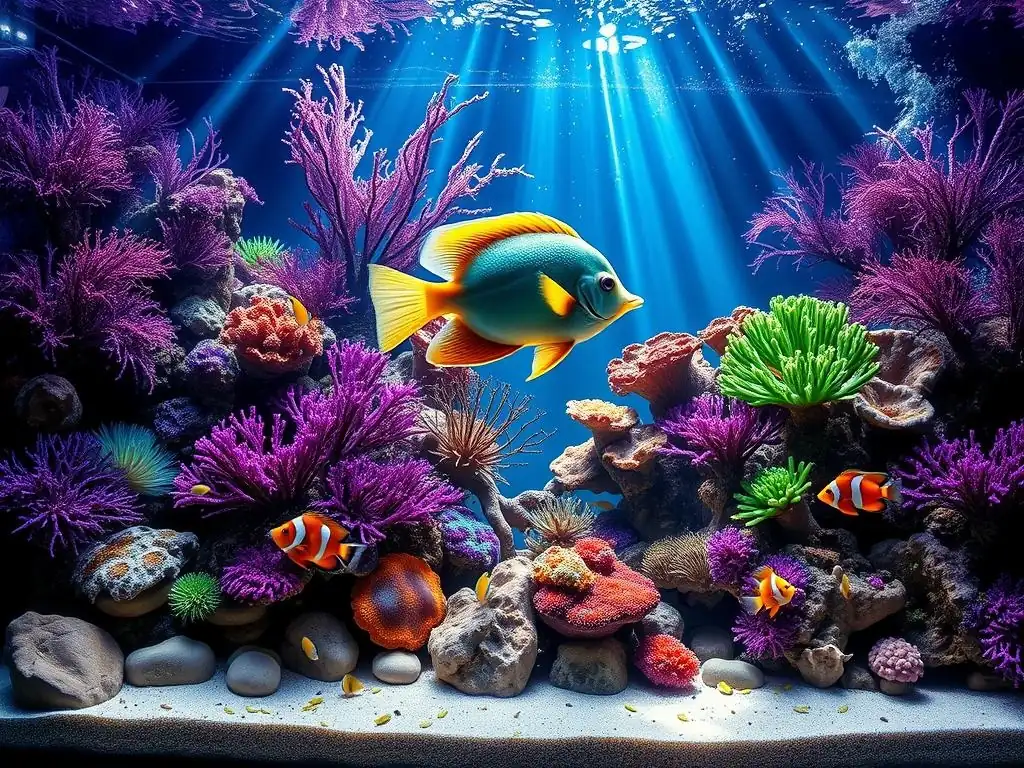
Welcome to Aquarium Mastery, your ultimate resource for all things aquatic!
Ever wondered about the secrets to successfully keeping the elusive and captivating Fisher's Angelfish? These rare dwarf angelfish possess a subtle charm that sets them apart. Dive in to uncover expert tips and tricks for their care, ensuring a thriving environment for these miniature marvels. This is just the beginning; explore our saltwater fish profiles and unlock the secrets to a truly breathtaking aquarium!
- Introduction to Fisher's Angelfish: A Jewel for the Reef Aquarium
- Understanding Fisher's Angelfish: Origins and Natural Habitat
- Identifying Fisher's Angelfish: Key Characteristics and Appearance
- Caring for Fisher's Angelfish: Essential Requirements for a Thriving Specimen
- Fisher's Angelfish and Reef Compatibility: A Delicate Balance
- Tank Mates for Fisher's Angelfish: Choosing Compatible Species
- Health and Disease in Fisher's Angelfish: Prevention and Treatment
- Acquiring a Fisher's Angelfish: Ethical Sourcing and Considerations
- Breeding Fisher's Angelfish: Challenges and Possibilities
- The Allure of Centropyge fisheri: Why This Rare Dwarf Angelfish Captivates Aquarists
-
Frequently Asked Questions
- What makes Fisher's Angelfish ( Centropyge fisheri) a "rare dwarf" angelfish?
- What are the key considerations for setting up an aquarium suitable for Fisher's Angelfish?
- What is the best diet to ensure the health and vibrant coloration of a Fisher's Angelfish?
- What are some common health issues that Fisher's Angelfish are susceptible to, and how can they be prevented?
- Are Fisher's Angelfish reef safe, and what should be considered when introducing them to a reef tank?
- Final Reflection: Appreciating the Miniature Marvels
- Unveil Your Reef's Hidden Gem!
Introduction to Fisher's Angelfish: A Jewel for the Reef Aquarium
Unveiling the Mystery of Centropyge fisheri: A Sought-After Species
The Fisher's Angelfish, scientifically known as Centropyge fisheri, stands as one of the most enigmatic and highly coveted dwarf angelfish in the marine aquarium hobby. Unlike its more commonly seen relatives, this species hails from deeper waters, primarily around the Hawaiian Islands, making its collection challenging and its availability limited. Its elusive nature and understated beauty contribute to its mystique, drawing in experienced aquarists looking for a unique and rewarding challenge in rare dwarf angelfish care.
Successfully keeping Centropyge fisheri is a testament to an aquarist's dedication and skill. Its specific needs regarding water parameters, diet, and environment demand careful attention, distinguishing it from other, more readily available dwarf angelfish. The journey of understanding and providing optimal rare dwarf angelfish care for this species is deeply satisfying, culminating in the vibrant display of a truly special inhabitant.
Why Choose a Fisher's Angelfish for Your Saltwater Tank?
Despite its rarity and the specialized rare dwarf angelfish care it requires, the Fisher's Angelfish offers a unique aesthetic appeal that captivates many. Its coloration, often described as a subtle blend of muted yellow, orange, and brown with iridescent blue or purple margins on its fins, provides an understated elegance that contrasts beautifully with the vibrant hues of corals and other reef inhabitants. Its compact size, typically reaching only 2.5 to 3 inches (6 to 7.5 cm), makes it a suitable candidate for smaller reef systems, though adequate space is still crucial.
Beyond its visual charm, Centropyge fisheri exhibits a generally peaceful demeanor, making it a good community fish when housed with appropriate tank mates. It spends its days actively foraging among live rock, displaying intriguing natural behaviors that add dynamic interest to the aquarium. For aquarists seeking to elevate their reef tank with a rare, intelligent, and visually distinct species, the Fisher's Angelfish presents an unparalleled opportunity to showcase advanced rare dwarf angelfish care.
Understanding Fisher's Angelfish: Origins and Natural Habitat
Native Range of Centropyge fisheri: The Hawaiian Islands
The Fisher's Angelfish is endemic to the waters surrounding the Hawaiian Islands, making it one of the few marine species exclusively found in this region. This dwarf angelfish typically inhabits deeper reef slopes, rocky rubble zones, and the outer edges of coral formations at depths ranging from approximately 60 to 180 feet (18 to 55 meters), though some individuals have been observed at even greater depths, sometimes down to 300 feet (90 meters). These specific deep-water preferences contribute significantly to its rarity in the aquarium trade.
The unique geological and oceanographic conditions of the Hawaiian Islands, characterized by clear, warm waters and abundant live rock structures, define the natural environment of Centropyge fisheri. Understanding these conditions is crucial for replicating a suitable habitat in a home aquarium, which is a foundational aspect of successful rare dwarf angelfish care. The challenges of collecting fish from such depths also mean that specimens are often more expensive and require careful decompression and acclimatization upon capture.
Fisher's Angelfish in the Wild: Behavior and Ecology
In its natural Hawaiian habitat, Centropyge fisheri primarily subsists on a diet of microalgae, detritus, and small benthic invertebrates, meticulously foraging across rock surfaces and within crevices. This continuous grazing behavior is a key aspect of its ecology and is reflected in its aquarium feeding habits. They are typically found solitary or in small pairs, exhibiting a territorial but generally non-aggressive nature towards other species, unless confronted by a congener or a very similar-looking dwarf angelfish.
Their deep-water origins mean they are accustomed to more subdued lighting and stable environmental conditions. When threatened, they quickly retreat into the labyrinthine network of live rock, utilizing the abundant hiding spots available in their natural reef environment. Replicating these behavioral and ecological aspects through appropriate aquascaping and diet is paramount for providing optimal rare dwarf angelfish care and ensuring the well-being of the fish in captivity.
Identifying Fisher's Angelfish: Key Characteristics and Appearance
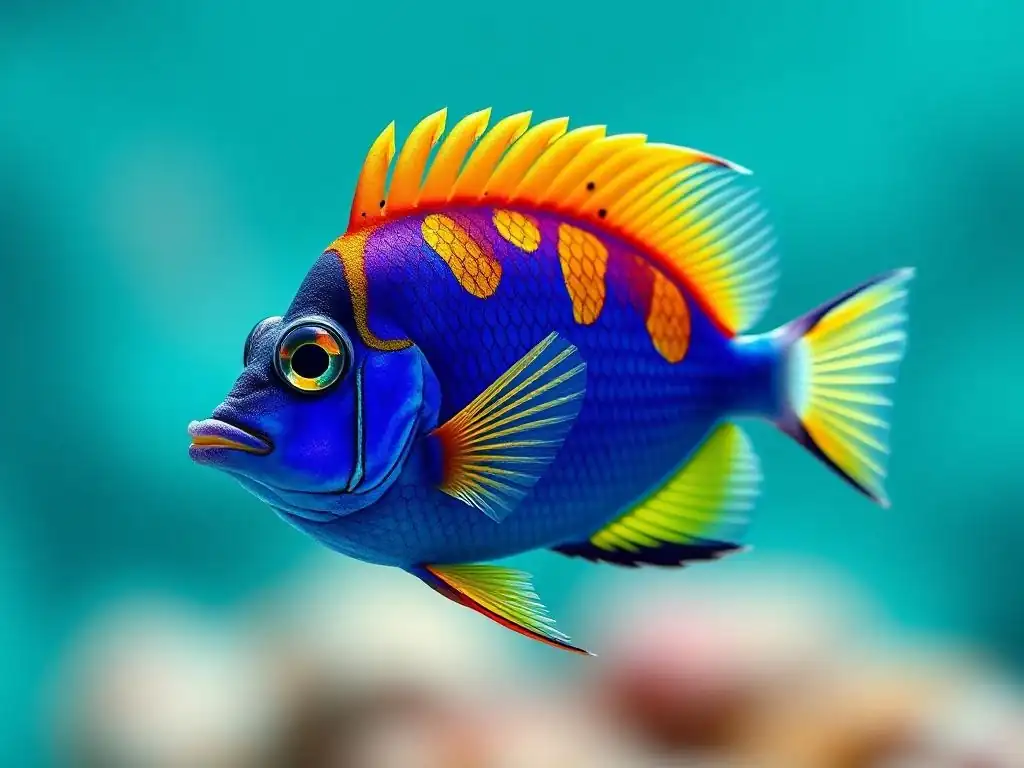
Distinguishing Features: Coloration and Markings of Centropyge fisheri
The Fisher's Angelfish is recognized by its subtle yet distinctive coloration, which often leads to it being admired for its understated elegance. The main body color typically ranges from a muted yellowish-brown to an orange-brown, often appearing more intense under specific lighting. A prominent identifying feature is the iridescent blue or purple outlining the dorsal, anal, and caudal fins, creating a delicate glow that enhances its profile.
Some specimens may also display a faint dark spot on the upper part of the body near the caudal peduncle, or subtle vertical banding, though these markings can vary in prominence. Unlike some other Centropyge species that boast vibrant, contrasting patterns, Centropyge fisheri's beauty lies in its harmonious blend of earthy tones and delicate fin accents, making it a truly unique and aesthetically pleasing addition for those committed to rare dwarf angelfish care.
Size and Lifespan: What to Expect from a Fisher's Angelfish
As a dwarf angelfish, Centropyge fisheri remains relatively small, typically reaching an adult size of about 2.5 to 3 inches (6 to 7.5 cm) in length. This compact size makes it suitable for smaller reef aquariums, provided that the tank offers adequate swimming space and a stable environment. Despite its diminutive stature, it requires careful consideration regarding tank volume to ensure proper territoriality and water quality.
With optimal rare dwarf angelfish care, including pristine water conditions, a balanced diet, and a low-stress environment, a Fisher's Angelfish can enjoy a healthy lifespan of 5 to 7 years, and sometimes even longer in a well-established aquarium. Longevity is directly correlated with the quality of husbandry provided, highlighting the importance of consistent attention to detail in their ongoing care.
Caring for Fisher's Angelfish: Essential Requirements for a Thriving Specimen
Aquarium Setup for Centropyge fisheri: Recreating Their Natural Environment
To ensure the well-being of a Fisher's Angelfish, replicating its natural deep-water reef environment is paramount. A minimum aquarium size of 30 gallons (approximately 115 liters) is often recommended for a single specimen, though a 50-gallon (190-liter) or larger tank is preferable to provide more stable water parameters and ample swimming space. The tank should be mature, ideally having run for at least six months, to ensure a stable biological filter and established microfauna for foraging.
Aquascaping should include a generous amount of live rock, creating numerous caves, crevices, and hiding spots. This not only provides security for the fish but also offers surfaces for natural grazing, mimicking its wild behavior. Moderate water flow is ideal, avoiding overly turbulent areas while ensuring adequate oxygenation and waste removal. Lighting should be moderate, reflecting their deeper water origins, and intense, direct light should be avoided, especially during initial acclimatization.
Water Parameters: Maintaining Optimal Conditions for Rare Dwarf Angelfish
Maintaining stable and pristine water parameters is the cornerstone of successful rare dwarf angelfish care for Centropyge fisheri. The ideal temperature range is 74-78°F (23-26°C), with minimal fluctuations. Salinity should be kept consistently between 1.023 and 1.026 specific gravity, mirroring natural reef conditions. A stable pH level of 8.1-8.4 is also essential for their health and well-being.
Beyond these primary parameters, it is crucial to keep nitrates below 10 ppm and phosphates below 0.03 ppm to prevent algae outbreaks and maintain water quality suitable for a delicate species. Regular small water changes, typically 10-15% weekly, are highly recommended to replenish trace elements and remove accumulated pollutants. Consistent monitoring with reliable test kits is vital to ensure these parameters remain within optimal ranges, preventing stress and disease.
Diet and Feeding: Ensuring Proper Nutrition for Your Fisher's Angelfish
Recommended Foods for Centropyge fisheri: A Balanced Diet
A comprehensive and varied diet is critical for the long-term health and vibrant coloration of the Fisher's Angelfish. Their natural diet consists of microalgae, detritus, and small invertebrates, so their captive diet should reflect this. High-quality marine-based flakes and pellets fortified with spirulina and marine algae should form the staple. Brands known for high nutritional content, such as Hikari Marine S or New Life Spectrum Thera-A, are excellent choices.
Supplement this with a variety of frozen foods, including enriched Mysis shrimp, finely chopped marine clams, and specialized angelfish preparations that contain sponges and other marine ingredients. Offering sheets of dried Nori or marine algae clipped to a rock provides essential plant matter and encourages their natural grazing behavior. A varied diet not only ensures complete nutrition but also enhances their immune system, which is a vital component of rare dwarf angelfish care.
Feeding Frequency and Techniques: Avoiding Overfeeding
Fisher's Angelfish are constant grazers in the wild, so in the aquarium, it's best to feed them small amounts multiple times a day—typically 2 to 3 times. This approach mimics their natural feeding behavior and helps prevent large nutrient spikes in the water column. It is crucial to offer only what the fish can consume within a few minutes to avoid overfeeding, which can lead to rapid water quality degradation and potential health issues like fatty liver disease.
Observe your Fisher's Angelfish closely during feeding times to ensure it is actively eating and not being outcompeted by more aggressive tank mates. If the fish is shy or new to the tank, target feeding with a pipette can be beneficial to ensure it receives adequate nutrition. Consistent, measured feeding is key to maintaining both the fish's health and the overall water quality, central tenets of effective rare dwarf angelfish care.
Fisher's Angelfish and Reef Compatibility: A Delicate Balance
Reef-Safe Considerations: Protecting Your Corals
Among dwarf angelfish, Centropyge fisheri is generally considered one of the more "reef-safe" species, making it a desirable choice for mixed reef aquariums. Their primary diet of microalgae and detritus in the wild means they are less inclined to nip at corals compared to some other angelfish species, which might develop a taste for stony coral polyps or fleshy soft corals. Many aquarists have successfully kept Fisher's Angelfish in tanks teeming with various SPS (Small Polyp Stony) corals, zoanthids, and even some LPS (Large Polyp Stony) corals without issues.
However, it is important to remember that individual fish personalities can vary, and no angelfish is 100% reef-safe. There is always a slight potential for an individual Centropyge fisheri to occasionally nip at certain corals, particularly if it is underfed or if natural food sources (like detritus on live rock) are scarce. Monitoring their behavior closely after introduction, especially around LPS corals like Euphyllia or Trachyphyllia, is a wise precaution in rare dwarf angelfish care.
Potential Risks: Nipping Behavior and Mitigation Strategies
While generally well-behaved, a Fisher's Angelfish might occasionally exhibit nipping behavior, often characterized as exploratory pecking rather than destructive feeding. This behavior is more likely to occur if the fish is not receiving adequate nutrition from its prepared diet or if the aquarium lacks sufficient live rock for natural foraging. Corals with large, fleshy polyps, such as certain Sarcophyton (leather corals) or Goniopora (flowerpot corals), might be more susceptible to this exploratory nipping.
To mitigate this risk, ensure the Fisher's Angelfish is consistently well-fed with a varied diet rich in spirulina and marine algae, as detailed previously. Providing plenty of mature live rock allows for continuous natural grazing, satisfying their innate need to forage. If nipping is observed, increasing feeding frequency slightly and ensuring the fish has ample access to Nori or other seaweed sheets can often curb the behavior. Removing the fish should only be considered as a last resort if persistent, damaging nipping occurs, which is rare for this species.
Tank Mates for Fisher's Angelfish: Choosing Compatible Species
Ideal Tank Mates: Creating a Harmonious Community
Choosing appropriate tank mates is crucial for the long-term well-being of Centropyge fisheri and contributes significantly to successful rare dwarf angelfish care. Ideal companions are peaceful, similarly sized fish that will not outcompete the angelfish for food or territory. Good choices include various species of gobies (e.g., watchman gobies, pistol gobies), blennies (e.g., Midas blenny, two-spot blenny), and many types of peaceful wrasses (e.g., small fairy wrasses, flasher wrasses).
Cardinalfish, such as Banggai cardinals or pajamas cardinals, also make excellent tank mates due to their calm demeanor and mid-water swimming habits. Other small, non-aggressive species like clownfish (if not overly territorial) or firefish can also coexist peacefully. The key is to select species that will complement the Fisher's Angelfish's temperament and not cause undue stress or competition in the aquarium environment.
Species to Avoid: Preventing Aggression and Competition
To prevent aggression, stress, and competition, certain species should be avoided as tank mates for the Fisher's Angelfish. Large, aggressive, or overtly predatory fish, such as groupers, lionfish, or large triggerfish, pose a significant threat and will likely intimidate or consume the smaller angelfish. Similarly, highly aggressive damselfish species can bully and stress Centropyge fisheri, leading to health decline.
Introducing other angelfish species, especially other dwarf angelfish (genus Centropyge), should be approached with extreme caution. While some aquarists successfully keep multiple Centropyge in very large aquariums (100+ gallons) with simultaneous introduction and ample hiding spots, it often leads to territorial disputes and aggression. Species that are direct food competitors or are significantly faster eaters should also be avoided to ensure the Fisher's Angelfish receives adequate nutrition.
Health and Disease in Fisher's Angelfish: Prevention and Treatment
Common Diseases Affecting Centropyge fisheri
Like many marine aquarium fish, Centropyge fisheri can be susceptible to common parasitic diseases such as marine ich ( Cryptocaryon irritans) and velvet ( Amyloodinium ocellatum), particularly if stressed during transport or acclimatization. These diseases often manifest as white spots or a dusty appearance on the body and fins. Bacterial infections, often secondary to stress or poor water quality, can lead to fin rot or cloudy eyes. Lymphocystis, a viral infection, can also occur, appearing as cauliflower-like growths, though it is generally self-limiting.
Preventative rare dwarf angelfish care is paramount. Maintaining pristine water quality, providing a stable environment, and offering a nutritious diet significantly bolster their immune system, making them less vulnerable to these ailments. Stress, often caused by poor water conditions, incompatible tank mates, or inadequate hiding spots, is a major predisposing factor for disease in Centropyge fisheri.
Quarantine Procedures: Protecting Your Existing Aquarium Inhabitants
The single most effective measure to prevent the introduction and spread of diseases in your main display tank, especially for a valuable specimen like Centropyge fisheri, is to implement a strict quarantine procedure. Any new fish should be housed in a separate quarantine tank for a minimum of 3 to 4 weeks before being introduced to the main aquarium. This allows for close observation, stress reduction, and proactive treatment if signs of illness appear.
A quarantine tank setup should be simple: a bare bottom tank (10-20 gallons is sufficient for a dwarf angelfish), PVC pipes or inert decor for hiding spots, and a dedicated filter. During this period, monitor the fish for symptoms, ensure it is eating well, and consider preventative treatments for common parasites if deemed necessary. This diligent approach to rare dwarf angelfish care safeguards your existing inhabitants and ensures the new fish is healthy before joining the community.
Recognizing Symptoms of Illness: Early Detection is Key
Vigilant daily observation is crucial for early detection of illness in your Fisher's Angelfish. Key symptoms to watch for include:
- Clamped fins: Fins held close to the body, indicating stress or discomfort.
- Rapid breathing (gilling): Increased respiration rate, often a sign of gill parasites or poor water quality.
- White spots: Small, salt-like spots on the body and fins (ich) or a more powdery, dusty appearance (velvet).
- Loss of appetite: Refusal to eat, a significant indicator of distress or illness.
- Lethargy or unusual swimming patterns: Hiding excessively, hovering near the surface, or swimming erratically.
- Body lesions or fin erosion: Visible sores, frayed fins, or cloudy eyes.
Any deviation from normal behavior or appearance warrants immediate investigation. Prompt identification of symptoms allows for timely intervention and treatment, significantly increasing the chances of recovery and preventing the spread of disease to other tank inhabitants. Early detection is a critical component of proactive rare dwarf angelfish care.
Acquiring a Fisher's Angelfish: Ethical Sourcing and Considerations
Finding Reputable Breeders and Suppliers of Rare Dwarf Angelfish
Due to its deep-water habitat and the complexities of its life cycle, Centropyge fisheri is not commonly captive-bred. The vast majority of Fisher's Angelfish available in the hobby are wild-caught specimens. Therefore, finding a reputable supplier is paramount for ethical sourcing and ensuring the health of the fish. Look for vendors who are transparent about their collection methods, ideally those who partner with sustainable collection operations that prioritize fish welfare and reef health.
Reputable suppliers will typically have established quarantine protocols for their incoming fish and will have held the Centropyge fisheri for a period, ensuring it is eating and stable before sale. Online forums and local aquarium clubs can be excellent resources for recommendations. Always ask detailed questions about the fish's origin, how long it has been in their care, and its feeding habits. Avoid impulse purchases, as a healthy, well-acclimated rare dwarf angelfish is an investment.
Assessing the Health of a Potential Purchase
When considering purchasing a Fisher's Angelfish, a thorough visual inspection is essential. Look for key indicators of good health:
- Clear eyes: Eyes should be bright, not cloudy or sunken.
- Intact fins: Fins should be fully extended, not clamped, torn, or eroded.
- Full belly: The fish should have a rounded, not pinched or sunken, abdomen, indicating it is eating well.
- Active swimming: The fish should be alert and swimming actively, though it may hide occasionally if shy. Avoid fish that are lethargic or listless.
- No visible spots or lesions: Check for any signs of ich, velvet, bacterial infections, or physical damage.
Observe the fish's behavior in the dealer's tank. Is it eating when food is offered? Is it interacting normally with other tank mates, if present? A fish that is actively eating and exhibiting natural behaviors in the store is much more likely to adapt successfully to your home aquarium, reflecting the initial success of its rare dwarf angelfish care journey.
Breeding Fisher's Angelfish: Challenges and Possibilities
Understanding the Breeding Behavior of Centropyge fisheri
Captive breeding of Centropyge fisheri is extremely challenging and remains largely the domain of specialized research facilities rather than general hobbyists. Like many other Centropyge species, they are broadcast spawners, releasing eggs and sperm into the water column, typically at dusk. The eggs are pelagic, floating in the open water, and hatch into tiny, fragile larvae.
The primary hurdle in breeding Centropyge fisheri in captivity lies in the successful rearing of these larvae. They require extremely specific environmental conditions, including precise water parameters, gentle flow, and, most critically, a continuous supply of microscopic live foods that are challenging to culture in sufficient quantities. While there have been a few documented successes with other Centropyge species in highly controlled environments, successful breeding of Centropyge fisheri by hobbyists is exceptionally rare, making wild-caught specimens the primary source for the foreseeable future.
The Allure of Centropyge fisheri: Why This Rare Dwarf Angelfish Captivates Aquarists
The Reward of Keeping a Healthy and Vibrant Fisher's Angelfish.
The Fisher's Angelfish, Centropyge fisheri, holds a unique allure for dedicated marine aquarists. Its subtle yet captivating beauty, combined with its rarity and the specialized rare dwarf angelfish care it demands, transforms its successful keeping into a deeply rewarding experience. Witnessing this exquisite dwarf angelfish thrive in a meticulously maintained aquarium, displaying its natural behaviors and understated coloration, offers a profound sense of accomplishment. It stands as a testament to the aquarist's commitment to providing an optimal environment and understanding the nuanced needs of such a unique marine inhabitant.
Beyond the challenge, the Fisher's Angelfish brings an unparalleled sense of prestige and a unique focal point to a reef aquarium. Its presence signifies an aquarist's advanced skills and dedication to the art of marine husbandry. For those who seek to push the boundaries of their hobby and cherish the opportunity to care for a truly special and somewhat mysterious creature, the healthy and vibrant Centropyge fisheri is an unparalleled reward, enriching the aquarium experience in ways few other species can.
Frequently Asked Questions
What makes Fisher's Angelfish ( Centropyge fisheri) a "rare dwarf" angelfish?
Fisher's Angelfish is considered rare due to its limited distribution in the wild, primarily found in the Central Pacific. Its "dwarf" status stems from its small size, typically reaching only about 2 inches in length, making it ideal for smaller aquariums.
What are the key considerations for setting up an aquarium suitable for Fisher's Angelfish?
A stable and well-established aquarium is crucial. Key considerations include excellent water quality, a minimum tank size of 30 gallons, and ample hiding places among live rock for the angelfish to feel secure.
What is the best diet to ensure the health and vibrant coloration of a Fisher's Angelfish?
A varied diet is essential. This should include high-quality marine flakes or pellets, supplemented with frozen or live foods like mysis shrimp, brine shrimp, and spirulina. Regular feeding with algae is also beneficial for their health and coloration.
What are some common health issues that Fisher's Angelfish are susceptible to, and how can they be prevented?
Like other angelfish, they can be susceptible to diseases like ich (white spot disease) and marine velvet. Prevention involves maintaining pristine water conditions, quarantining new arrivals, and avoiding sudden changes in water parameters.
Are Fisher's Angelfish reef safe, and what should be considered when introducing them to a reef tank?
They are generally considered not reef safe. Fisher's Angelfish may nip at corals, especially smaller polyp stony (SPS) corals and zoanthids. Careful observation and providing ample food can sometimes mitigate this behavior, but it's a risk.
Final Reflection: Appreciating the Miniature Marvels
The journey into the world of Centropyge fisheri reveals more than just the intricacies of rare dwarf angelfish care; it unveils a profound appreciation for the delicate balance within our planet's ecosystems. Understanding the specific needs of these miniature marvels underscores the broader responsibility we have to protect the fragile coral reefs they call home, a responsibility that resonates even more powerfully in an era of increasing environmental challenges.
This exploration of the Fisher's Angelfish has undoubtedly influenced my perspective on the aquarium hobby, shifting the focus from mere ownership to active stewardship. It's a reminder that even the smallest creatures can hold immense value, and their survival hinges on our informed actions. In the end, we will conserve only what we love; we will love only what we understand; and we will understand only what we are taught.
- Baba Dioum's words echo the sentiment that education and understanding are the cornerstones of conservation.
Now, as you close this article, I invite you to reflect on your own role in preserving the beauty and biodiversity of our oceans. Consider how you can contribute, whether through responsible aquarium keeping, supporting conservation efforts, or simply spreading awareness. Let the subtle charm of the Fisher's Angelfish inspire you to become an advocate for the delicate ecosystems that sustain them, ensuring that future generations can marvel at these miniature wonders.
Thanks for diving deep into the world of the Fisher's Angelfish! We hope you've discovered the unique charm and subtle beauty this rare dwarf angelfish can bring to a reef aquarium. Ready to take the next step?
Here are a few actions you can take now:
- Reach out to specialized breeders or ethical aquarium stores to inquire about sourcing a captive-bred Fisher's Angelfish, ensuring its health and sustainability.
- Start planning a dedicated biotope aquarium, researching the specific water parameters, lighting, and tank mates that will allow this shy angelfish to thrive.
- Share this article with fellow reef enthusiasts and spark a conversation about the importance of responsible sourcing and the unique appeal of dwarf angelfish.
What are your biggest concerns or excitements about the prospect of keeping a Fisher's Angelfish in your reef aquarium?