
The Importance of a Consistent Betta Care Routine

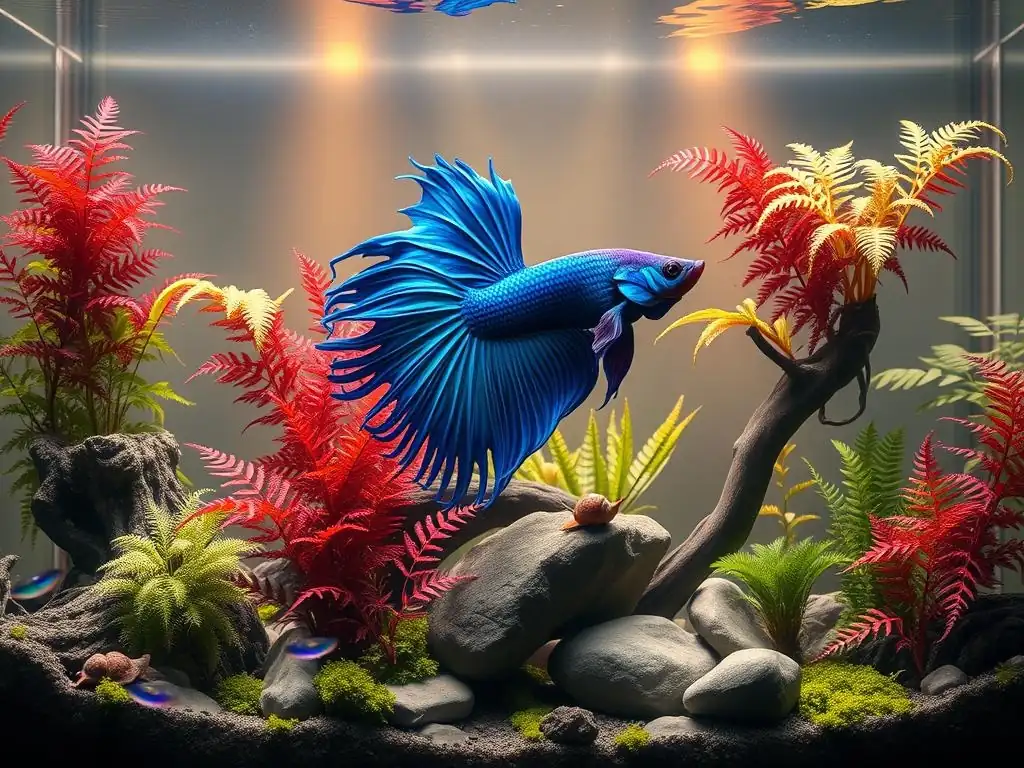
Welcome to Aquarium Mastery!
Ever wondered how to unlock the secret to a thriving, happy betta fish? Dive in and discover the importance of a consistent betta care routine – the key to preventing illness and maximizing your betta's lifespan. We'll guide you through creating a schedule that works for you and your finned friend, ensuring a vibrant and healthy life. Ready to learn more? Let's get started!
- Understanding the Foundations of Betta Health: Why Consistency Matters
- Establishing a Daily Betta Care Schedule
- Weekly Betta Tank Maintenance: The Cornerstone of a Healthy Environment
- Monthly Betta Care Tasks: Deep Cleaning and Equipment Checks
- Maintaining Optimal Water Parameters for Betta Fish
- Preventing Common Betta Diseases Through Consistent Care
- The Long-Term Benefits of a Structured Betta Care Approach
- Troubleshooting Common Betta Care Challenges
- Advanced Betta Care Techniques for Experienced Aquarists
-
Frequently Asked Questions
- What are the key benefits of a consistent betta care routine?
- How often should I perform water changes for my betta's tank?
- What are some signs that my betta's care routine needs adjusting?
- What temperature range is ideal for a betta fish?
- What type of food and feeding schedule is recommended for bettas?
- Final Reflection: The Enduring Ripple of Responsible Betta Keeping
- Ignite Your Betta's Spark: Begin Your Thriving Care Routine Now!
Understanding the Foundations of Betta Health: Why Consistency Matters
The Link Between Routine and Betta Well-being
A stable and predictable environment is paramount for the well-being of a Betta fish, often referred to as a Siamese fighting fish. In their natural habitats, such as the slow-moving waters of rice paddies and floodplains in Southeast Asia, Betta fish experience relatively stable conditions regarding water temperature, pH, and nutrient levels. Replicating this stability in an aquarium through a consistent betta care routine significantly reduces stress, which is a leading cause of illness in captive fish. When a Betta's environment is consistent, its physiological systems operate optimally, leading to a stronger immune response and overall vitality.
Furthermore, a consistent environment prevents the sudden shocks that can severely impact a Betta's delicate system. For instance, maintaining stable water parameters through regular, scheduled water changes prevents the build-up of toxins and keeps the osmotic balance within the fish's body steady. This proactive approach ensures that the Betta spends less energy adapting to fluctuating conditions and more energy on thriving, displaying vibrant colors, active swimming, and engaging behavior, which are all hallmarks of a healthy fish.
How Inconsistent Care Impacts Betta Fish
Inconsistent care can have immediate and severe detrimental effects on Betta fish. Rapid fluctuations in water temperature, for example, even by just a few degrees over a short period, can lead to temperature shock, weakening the fish's immune system and making it highly susceptible to parasitic infections like Ich (white spot disease). Similarly, erratic changes in pH levels can cause severe stress, leading to gill damage and making the fish more vulnerable to bacterial or fungal infections. Studies have shown that fish exposed to unstable environments exhibit higher levels of stress hormones, which suppress immunity.
Beyond water parameters, inconsistent feeding can also lead to significant problems. Overfeeding, even occasionally, can quickly foul the water, leading to dangerous ammonia and nitrite spikes that are highly toxic to Betta fish. Conversely, underfeeding can lead to malnourishment, stunted growth, and a weakened immune system.
Irregular tank maintenance, such as skipping weekly water changes, allows harmful nitrates to accumulate to dangerous levels, potentially causing chronic stress, fin erosion, and general lethargy. These issues underscore why a consistent betta care routine is not merely beneficial but absolutely essential for preventing common health issues and ensuring the longevity of your aquatic companion.
Establishing a Daily Betta Care Schedule
Consistent Feeding Practices for Betta Fish
Choosing High-Quality Betta Pellets and Occasional Treats
The foundation of a healthy Betta diet lies in selecting high-quality, species-specific food. Premium Betta pellets are formulated to meet their carnivorous needs, typically containing 35-45% protein derived from fish meal or other aquatic sources. These pellets provide essential nutrients, vitamins, and minerals crucial for vibrant coloration, strong fins, and overall health.
While pellets should form the bulk of their diet, offering occasional treats like freeze-dried or frozen bloodworms, brine shrimp, or daphnia can provide dietary variety and essential enrichment. These treats should be offered sparingly, perhaps 2-3 times per week, as an addition to, not a replacement for, their staple diet.
It's equally important to avoid overfeeding. A common guideline is to feed only what your Betta can consume within 2-3 minutes, typically 2-3 pellets per feeding, once or twice a day. Overfeeding is a primary cause of poor water quality, as uneaten food decomposes and releases harmful ammonia into the tank. This not only pollifies the water but can also lead to swim bladder issues in the Betta due to excessive food intake. Adhering to these consistent betta care routine tips for feeding ensures optimal nutrition without compromising water quality.
The Importance of a Regular Feeding Time
Establishing a regular feeding time is a key component of a consistent betta care routine. Betta fish are intelligent and quickly learn to associate specific times with food. This predictability helps to reduce stress for the fish, as they know when to expect their next meal, leading to more relaxed and natural behavior. A fixed feeding schedule also aids in managing their metabolism and digestive health, preventing the digestive upset that can occur with erratic meal times.
Moreover, a consistent feeding time allows the aquarist to closely monitor their Betta's appetite. A sudden refusal to eat, or a significant decrease in appetite, is often one of the first indicators of illness or stress. By observing your Betta during these regular feeding windows, you can quickly detect subtle changes in their behavior or eating habits, enabling prompt intervention if a problem arises. This daily ritual becomes a crucial diagnostic tool, reinforcing the value of a structured, consistent betta care routine.
Daily Observation: Monitoring Your Betta's Behavior and Appearance
Detecting Early Signs of Betta Illness or Stress
Daily observation is a critical, yet often overlooked, aspect of a consistent betta care routine. Spending a few minutes each day watching your Betta can provide invaluable insights into its health. Look for changes in swimming patterns, such as listlessness, erratic darting, or rubbing against objects, which can indicate irritation or parasitic infection. Observe their fins: are they clamped close to the body, frayed, or showing signs of discoloration? Healthy Betta fins should be open and flowing. Also, pay attention to their coloration; a healthy Betta displays vibrant hues, while faded or dull colors often signal stress or illness.
Beyond physical appearance, monitor their breathing and appetite. Rapid gill movement can indicate respiratory distress or poor water quality. A sudden refusal to eat or spitting out food is a strong sign that something is amiss. Early detection of these subtle changes allows for timely intervention, whether it's a quick water parameter check, a partial water change, or considering medication. This proactive approach, embedded in your daily routine, significantly improves the chances of successful treatment and recovery.
Checking Water Temperature and Filter Function Daily
As part of your daily consistent betta care routine, a quick check of the water temperature and filter functionality is essential. Betta fish thrive in stable temperatures between 76-82°F (24-28°C). Use a reliable aquarium thermometer to confirm the heater is maintaining this range. Sudden temperature drops or spikes can severely stress your Betta and make them vulnerable to diseases like Ich. Ensuring the heater is working correctly prevents these harmful fluctuations.
Simultaneously, visually inspect your filter. Confirm that water is flowing freely and that the filter intake is not clogged with debris or plant matter. Listen for any unusual noises that might indicate a problem with the motor or impeller. A properly functioning filter is crucial for mechanical filtration (removing particles) and biological filtration (converting harmful ammonia and nitrite). A clogged or malfunctioning filter can quickly lead to a build-up of toxins, compromising water quality and your Betta's health. These quick daily checks are simple yet highly effective components of maintaining a pristine and stable environment.
Weekly Betta Tank Maintenance: The Cornerstone of a Healthy Environment
Performing Partial Water Changes: A Step-by-Step Guide
Siphoning Gravel and Removing Debris
Weekly partial water changes are arguably the most critical aspect of a consistent betta care routine. The primary goal is to remove accumulated nitrates, uneaten food, and waste products that settle in the substrate, while replenishing essential minerals. For a 5-gallon Betta tank, a 25-30% weekly water change is generally recommended.
Begin by gently siphoning the gravel, focusing on areas where food tends to accumulate and where waste is visible. A gravel vacuum allows you to suck up detritus without removing too much beneficial bacteria from the substrate. This process removes a significant amount of organic waste before it can decompose and elevate nitrate levels, which can stress your Betta over time.
While siphoning, be mindful of your Betta's location to avoid causing stress or injury. Gently move decorations if necessary to access all areas. The water removed during this process will contain dissolved organic compounds and nitrates, which are harmful in high concentrations. Regularly removing these ensures a cleaner, healthier environment. This consistent betta care routine tip is fundamental to preventing the chronic water quality issues that can lead to fin rot and other bacterial infections.
Maintaining Proper Water Parameters: Temperature and pH
After siphoning out the old water, it's crucial to refill the tank with dechlorinated water that matches the existing tank temperature as closely as possible. A sudden temperature change of even a few degrees can induce shock in your Betta, weakening its immune system. Use a reliable water conditioner to neutralize chlorine and chloramines, which are toxic to fish. Many conditioners also detoxify ammonia and nitrite for a short period, adding an extra layer of safety.
While less frequently adjusted than temperature, pH should also be monitored weekly, ideally remaining stable between 6.5 and 7.5 for Betta fish. Drastic pH swings are far more harmful than a slightly off but stable pH. If your tap water pH is consistently outside this range, consider natural buffers like Indian almond leaves or driftwood, which can gently lower pH over time. Avoid chemical pH adjusters unless absolutely necessary, as they can cause rapid, stressful fluctuations. Consistent monitoring and careful adjustment of these parameters are vital to a successful consistent betta care routine.
Cleaning Betta Tank Decorations and Substrate
As part of your weekly maintenance, cleaning tank decorations and lightly cleaning the substrate contributes to overall tank hygiene. Over time, algae and biofilm can accumulate on decorations, which can look unsightly and potentially harbor unwanted bacteria. Gently remove decorations and rinse them thoroughly in old tank water that you've siphoned out, or in dechlorinated tap water. Avoid using soap, detergents, or any household cleaners, as these are highly toxic to fish. A soft brush or sponge can be used to remove stubborn algae.
For the substrate, beyond the weekly gravel vacuuming, avoid performing a complete deep clean of the entire substrate at once. This is because a significant portion of beneficial nitrifying bacteria resides within the gravel. Disrupting too much of it simultaneously can trigger a mini-cycle, leading to ammonia or nitrite spikes. Instead, during your weekly water change, focus on siphoning about 50-70% of the substrate area, alternating which sections you clean each week. This approach ensures that a healthy bacterial colony remains intact, supporting the biological filtration necessary for a stable and consistent betta care routine.
Monthly Betta Care Tasks: Deep Cleaning and Equipment Checks
Thoroughly Cleaning the Betta Tank (Without Disrupting the Ecosystem)
Once a month, a more thorough cleaning of your Betta tank is beneficial, but it's crucial to perform this without completely disrupting the established ecosystem. This isn't about stripping the tank bare, but rather conducting a more extensive version of your weekly maintenance. For instance, instead of just spot-siphoning, you might vacuum a larger portion of the substrate, perhaps 70-80% of the tank floor. You can also gently wipe down the inside glass walls to remove any stubborn algae or mineral deposits that your daily scraper might miss.
When performing this monthly deeper clean, remember to still use dechlorinated water for refills and match the temperature precisely. If you have live plants, gently prune any decaying leaves. The key is to manage the cleaning in stages. For example, if you have a heavily planted tank, you might clean one side of the substrate one month and the other side the next, ensuring that a significant portion of beneficial bacteria always remains undisturbed. This thoughtful approach to a consistent betta care routine prevents crashing the nitrogen cycle.
Replacing Filter Media and Checking Equipment Functionality
Monthly is also a good time to address filter media and conduct a thorough check of all aquarium equipment. Carbon filter media, if used, typically becomes exhausted after 3-4 weeks and should be replaced to maintain its chemical filtration capabilities (removing odors, discolorations, and some toxins). However, never replace all filter media (especially sponges or bio-rings where beneficial bacteria reside) at once.
Instead, rinse mechanical filter sponges gently in old tank water during a water change to preserve the bacterial colonies. If you must replace a biological filter component, do it in stages or seed the new media with old media to avoid a mini-cycle.
Beyond the filter, inspect your heater for cracks, fraying wires, or signs of malfunction. Ensure your thermometer is accurate. If you use an air pump, check air lines and air stones for blockages or wear. Examine the aquarium light to ensure it's functioning properly and that its timer (if used) is set correctly. Check all power cords for damage and ensure they are properly plugged in and dry. A consistent betta care routine includes these monthly equipment checks to prevent unforeseen failures that could compromise your Betta's environment.
Reviewing and Adjusting Your Betta Care Routine as Needed
A truly effective consistent betta care routine is not rigid; it evolves with your Betta's needs and the tank's dynamics. Monthly is an excellent time to review your routine. Are water parameters consistently stable? Is your Betta showing any subtle signs of stress or illness that might indicate a need for more frequent water changes or a diet adjustment? For example, if your nitrates are consistently above 20 ppm even with weekly 25% water changes, you might need to increase the frequency to twice a week or perform larger changes (e.g., 30-35%).
Consider keeping a simple log of water test results, feeding amounts, and any notable observations about your Betta's behavior or health. This data can reveal patterns and help you identify areas where your routine might need tweaking. Perhaps your Betta seems to prefer a particular type of treat, or you notice a slight fin clamp after a specific interval. Being proactive and adaptable ensures that your consistent betta care routine remains optimal, providing the best possible environment for your fish throughout its life.
Maintaining Optimal Water Parameters for Betta Fish
The Significance of Water Temperature for Betta Health
Water temperature is arguably one of the most critical parameters for Betta fish health. As tropical fish, Betta splendens thrive in warm, stable water, ideally between 76-82°F (24-28°C). Maintaining this consistent temperature is vital because it directly impacts their metabolism, immune system, and susceptibility to disease. Temperatures below this range can slow a Betta's metabolism, making them sluggish, prone to digestive issues, and highly susceptible to parasitic infections like Ich, which proliferates in cooler conditions.
Conversely, temperatures significantly above this range can increase their metabolism too much, leading to rapid aging and reduced oxygen levels in the water, causing stress and potentially organ damage. A reliable, properly sized heater and an accurate thermometer are indispensable tools in any consistent betta care routine. Daily monitoring ensures that the temperature remains steady, preventing the dangerous fluctuations that can compromise your Betta's well-being and longevity.
Understanding and Managing pH Levels in Your Betta Tank
pH measures the acidity or alkalinity of your aquarium water, with a scale ranging from 0 to 14. Betta fish generally prefer slightly acidic to neutral water, with an ideal pH range of 6.5 to 7.5. While it's important to be aware of your tank's pH, stability is far more crucial than hitting an exact number.
Wild Betta habitats often have slightly acidic water due to tannins from decaying leaves and wood. However, if your tap water is consistently outside this range but stable, it's often better to acclimate your Betta to that stable pH rather than constantly trying to adjust it with chemicals.
Rapid or drastic changes in pH can cause severe stress and even chemical burns to a Betta's gills, leading to pH shock. If minor adjustments are needed, consider natural methods like adding Indian almond leaves or driftwood, which slowly release tannins and can gently lower pH over time. Avoid using harsh chemical pH adjusters unless absolutely necessary, as they can cause unpredictable swings. Regular weekly testing as part of your consistent betta care routine helps you understand your baseline pH and detect any concerning trends.
Dealing with Ammonia, Nitrite, and Nitrate Levels
Understanding and managing the nitrogen cycle is fundamental to a healthy Betta tank. Ammonia (NH3/NH4+) and nitrite (NO2-) are highly toxic compounds produced from fish waste, uneaten food, and decaying organic matter. In a properly cycled aquarium, beneficial bacteria convert ammonia into nitrite, and then nitrite into nitrate (NO3-). Ammonia and nitrite levels should always be zero in an established tank. Even trace amounts can cause severe gill damage, stress, and eventually death.
Nitrates, while less toxic than ammonia and nitrite, can still be harmful in high concentrations, typically above 20 ppm, causing chronic stress, fin erosion, and suppressed immunity. The primary method for controlling nitrate levels is through regular partial water changes.
Weekly 25-30% water changes are usually sufficient for a single Betta in a 5-gallon tank to keep nitrates below harmful levels. Regular testing with a liquid test kit (not test strips, which can be less accurate) for ammonia, nitrite, and nitrate is a cornerstone of a consistent betta care routine, allowing you to identify and address issues before they compromise your fish's health.
Preventing Common Betta Diseases Through Consistent Care
Identifying and Treating Common Betta Illnesses
Fin Rot Prevention and Treatment
Fin rot is one of the most common ailments affecting Betta fish, characterized by the gradual deterioration of the fins, which may appear frayed, ragged, or discolored (darkening at the edges). It is almost exclusively caused by poor water quality, often due to infrequent water changes or overfeeding leading to high ammonia or nitrite levels. Therefore, the best prevention is a rigorous consistent betta care routine focused on pristine water parameters.
Treatment typically involves aggressive daily partial water changes (25-50% for several days) to improve water quality immediately. In mild cases, this alone can be sufficient. For more severe infections, where the body is affected, a broad-spectrum antibiotic designed for aquarium use may be necessary, following product instructions carefully. Adding aquarium salt (non-iodized) at a low concentration (e.g., 1 teaspoon per gallon) can also aid healing and reduce stress, but ensure it's dissolved properly.
Ich (White Spot Disease) Prevention and Treatment
Ichthyophthirius multifiliis, commonly known as Ich or white spot disease, is a highly contagious parasitic infection that manifests as small, white, salt-like spots on the Betta's body and fins. It is often triggered by sudden temperature fluctuations, stress, or the introduction of infected new fish or plants without proper quarantine. Prevention is key: maintain stable water temperatures (76-82°F) and always quarantine new fish for 2-4 weeks before adding them to your main tank.
Treatment for Ich typically involves slowly raising the tank temperature to 82-84°F (28-29°C) over 24 hours (if compatible with tank mates and plants) and maintaining it for 7-10 days. This speeds up the parasite's life cycle, making it vulnerable to treatment. Adding aquarium salt (1 tablespoon per 5 gallons) can also be effective, or using over-the-counter Ich medications, which often contain malachite green or formalin. Ensure adequate aeration during treatment, as warmer water holds less oxygen.
Velvet Disease Prevention and Treatment
Velvet disease (Oodinium) is another parasitic infection that presents as a fine, dusty, yellowish or brownish coating on the Betta's skin, often resembling velvet. Affected fish may also show rapid gill movements, clamped fins, lethargy, and scratching against objects. It's highly contagious and often introduced through new fish or poor water conditions. Like Ich, prevention relies on maintaining stable, high-quality water and quarantining new tank inhabitants.
Treatment for Velvet usually involves darkening the tank by turning off lights for several days, as the parasite is photosynthetic. Increasing the water temperature slightly (to 80-82°F / 27-28°C) can also help. Copper-based medications or specific anti-parasitic treatments (e.g., containing acriflavine or methylene blue) are often effective. Always remove carbon filter media during medication to ensure the treatment is not absorbed. Consistent monitoring and immediate action are crucial for successful recovery.
The Role of a Consistent Routine in Boosting Betta Immunity
The adage "prevention is better than cure" holds immense truth in Betta fish keeping. A consistent betta care routine is the single most effective strategy for boosting your Betta's natural immunity. When a Betta lives in a stable, clean, and appropriately heated environment with a consistent feeding schedule, its stress levels are significantly reduced. Chronic stress is a powerful immunosuppressant in fish, making them highly vulnerable to opportunistic pathogens that are always present in the environment.
By diligently performing regular water changes, maintaining stable parameters, providing a nutritious diet, and offering appropriate enrichment, you are creating an environment where your Betta's immune system can function at its peak. A robust immune system means the fish is better equipped to fight off potential infections, recover more quickly from minor stressors, and resist diseases even when exposed to low levels of pathogens. This proactive approach, embodying the essence of consistent betta care routine tips, is the most powerful tool in ensuring your Betta lives a long, healthy, and vibrant life.
The Long-Term Benefits of a Structured Betta Care Approach
Increased Lifespan and Overall Health
The most significant long-term benefit of adhering to a consistent betta care routine is a dramatically increased lifespan and superior overall health for your fish. While the average lifespan of a Betta fish in captivity is often cited as 2-3 years, many well-cared-for Bettas, especially those receiving consistent, high-quality maintenance, regularly live for 4-5 years, and some even surpass this. This extended longevity is a direct result of minimizing stress, preventing disease, and providing optimal physiological conditions throughout their lives.
Beyond just living longer, a Betta under consistent care will experience a higher quality of life. This means fewer instances of illness, less need for medication, and a more robust, resilient fish. They are less likely to suffer from chronic fin erosion, organ damage from poor water quality, or the debilitating effects of parasitic infections. Investing in a structured care approach pays dividends in the form of a healthy, active, and long-lived aquatic companion.
Reduced Stress Levels for Your Betta
A consistent betta care routine provides a predictable and stable environment, which inherently leads to significantly reduced stress levels for your Betta. Fish, like all living creatures, are sensitive to their surroundings. Erratic water parameters, irregular feeding, sudden changes in lighting, or an unclean tank all contribute to chronic stress. This constant state of anxiety can manifest as clamped fins, faded coloration, lethargy, or even aggressive behavior towards their own reflection.
Conversely, a predictable routine allows your Betta to feel secure and comfortable in its habitat. Knowing when to expect food, experiencing stable water temperatures, and residing in a consistently clean environment minimizes the release of stress hormones. Reduced stress directly translates to a stronger immune system, better appetite, and a more natural display of their vibrant colors and active behaviors. This calm demeanor is a clear indicator that your consistent betta care routine is working effectively.
A Thriving and Vibrant Betta Fish
Ultimately, the goal of any dedicated aquarist is to have a thriving and vibrant fish, and this is precisely what a consistent betta care routine delivers. A Betta that receives regular water changes, a high-quality, consistent diet, and lives in stable, pristine water conditions will display its full genetic potential. This means brilliant, deep coloration, flowing and undamaged fins, and an active, curious personality.
A thriving Betta will be inquisitive, exploring its tank, interacting with its environment (and sometimes with its owner), and exhibiting natural behaviors like flaring its gills when excited or building bubble nests if male. This level of vitality and beauty is a direct reflection of the meticulous and structured care it receives. The satisfaction of observing a healthy, happy Betta is the most rewarding outcome of committing to a consistent betta care routine.
Troubleshooting Common Betta Care Challenges
Addressing Algae Blooms in Your Betta Tank
Algae blooms are a common and often frustrating challenge in Betta tanks, manifesting as green film on glass, brown diatoms on substrate, or even green water. While some algae is natural, excessive growth usually indicates an imbalance, primarily excess light and/or excess nutrients. The most common causes include leaving lights on for too long (over 8-10 hours daily), direct sunlight exposure, or high nitrate/phosphate levels due to overfeeding or infrequent water changes.
To address an algae bloom, first, reduce light exposure to 6-8 hours a day. Physically remove as much algae as possible during your weekly water change by scraping the glass and gently wiping decorations. Increase the frequency or volume of partial water changes to reduce nutrient levels. Ensure you are not overfeeding and that all uneaten food is removed promptly.
Introducing live plants can also help, as they compete with algae for nutrients. Chemical algaecides should be a last resort, as they can sometimes be stressful for fish and often don't address the underlying cause. A consistent betta care routine helps prevent the nutrient imbalance that fuels algae.
Dealing with Cloudy Water Issues
Cloudy water can be alarming, but its cause often points to a solvable issue within your consistent betta care routine. The most common reasons include a bacterial bloom (often seen in new tanks undergoing the nitrogen cycle, or in established tanks due to a sudden increase in organic waste from overfeeding or decaying matter), suspended particles (from unrinsed substrate or disturbed gravel), or an algae bloom (green cloudiness).
If the cloudiness is milky white or grey, it's likely a bacterial bloom. Test your water parameters for ammonia and nitrite; if they are high, perform a 25-30% partial water change daily until levels normalize. Reduce feeding significantly. Ensure your filter is running correctly and not clogged. If the cloudiness is green, it's a green water algae bloom, addressed as described above. If it's particulate, ensure new substrate is thoroughly rinsed, and avoid vigorous stirring of the gravel. Patience and consistent, small water changes are often the best remedy, allowing the filter and beneficial bacteria to catch up.
Resolving Aggression Problems in Community Betta Tanks
While Betta fish are known for their solitary nature and aggression, some experienced aquarists attempt community tanks. However, aggression can still arise, primarily due to insufficient tank size, incompatible tank mates, or a lack of hiding spots. A small tank (e.g., less than 15-20 gallons for a community setup) can lead to territorial disputes, as the Betta feels crowded. Similarly, tank mates with long, flowing fins or bright colors (like guppies, other male Bettas, or certain tetras) can trigger aggression, as they are perceived as rivals.
To resolve aggression, first ensure your tank is adequately sized, providing ample swimming space and territory. Provide numerous hiding spots and visual breaks using live plants, caves, and decorations, allowing the Betta to retreat and feel secure. Choose peaceful, fast-moving, and non-fin-nipping tank mates such as Otocinclus catfish, Corydoras catfish, or small schooling tetras (e.g., Neon Tetras) that are not brightly colored or finned. If aggression persists despite these measures, the safest solution is to separate the Betta into its own dedicated tank. This ensures the well-being of all fish and maintains a harmonious environment.
Advanced Betta Care Techniques for Experienced Aquarists
Implementing a Planted Betta Tank Ecosystem
For experienced aquarists seeking to elevate their consistent betta care routine, implementing a planted Betta tank ecosystem offers significant benefits. Live plants act as natural filters, absorbing nitrates and other pollutants, thereby contributing to cleaner, healthier water and reducing the frequency of extensive water changes. They also oxygenate the water during the day, provide natural hiding spots and security for the Betta, and significantly enhance the aesthetic appeal of the aquarium.
When setting up a planted Betta tank, consider low-light, easy-care plants that thrive in Betta-appropriate temperatures, such as Anubias species, Java Fern, Java Moss, and Amazon Swords. These plants are hardy and don't require complex CO2 injection systems or intense lighting, making them suitable for a Betta's needs. Ensure you use a nutrient-rich substrate or supplement with root tabs for rooted plants. A thriving planted tank creates a more natural and stimulating environment, mirroring the Betta's wild habitat and contributing to its overall well-being.
Conditioning Betta for Breeding
Conditioning Betta fish for breeding is an advanced technique that requires meticulous attention to a consistent betta care routine, specifically focused on diet and water quality. The goal is to bring both the male and female Betta into peak physical condition to encourage spawning. This typically involves feeding a high-protein, varied diet, often including live or frozen foods such as bloodworms, brine shrimp, and daphnia, several times a day for 1-2 weeks. This rich diet provides the necessary energy and nutrients for egg production in females and robust bubble nest building in males.
During the conditioning phase, maintaining pristine water quality is paramount. Daily partial water changes (10-20%) are often performed to keep nitrates extremely low and ensure the fish are in optimal health, free from any stress or illness that could hinder breeding success. The male and female are usually housed separately but within sight of each other, in tanks with appropriate heaters and filters, to stimulate their breeding instincts without allowing premature aggression. This careful, consistent approach to diet and environment is critical for successful Betta breeding.
Frequently Asked Questions
What are the key benefits of a consistent betta care routine?
A consistent routine significantly reduces stress for your betta, leading to a healthier and longer life. It also helps in maintaining stable water parameters, crucial for their well-being.
How often should I perform water changes for my betta's tank?
Generally, a 25% water change should be performed weekly for a well-established, appropriately sized tank. This removes accumulated toxins and keeps the water clean.
What are some signs that my betta's care routine needs adjusting?
Signs include lethargy, loss of appetite, fin rot, or unusual behavior. These could indicate water quality issues or other stressors requiring immediate attention.
What temperature range is ideal for a betta fish?
Bettas thrive in a stable temperature range of 78-82°F (25-28°C). Maintain this using a reliable aquarium heater to prevent temperature fluctuations.
What type of food and feeding schedule is recommended for bettas?
Offer a high-quality betta pellet or frozen/live food like bloodworms. Feed them only what they can consume in 2-3 minutes, once or twice a day, to avoid overfeeding.
Final Reflection: The Enduring Ripple of Responsible Betta Keeping
The principles of a consistent betta care routine, as explored throughout this article, extend far beyond the confines of a glass tank. They represent a commitment to responsible pet ownership and a deeper understanding of the delicate ecosystems we choose to bring into our lives. Neglecting these routines, even for a short period, can have devastating consequences, highlighting the importance of dedication and informed action in every aspect of betta keeping.
The impact of responsible betta care resonates deeply, influencing not only the well-being of these vibrant fish but also shaping our own character. Learning to anticipate their needs, maintain a stable environment, and observe subtle changes in their behavior fosters patience, empathy, and a heightened awareness of the interconnectedness of life. The greatness of a nation and its moral progress can be judged by the way its animals are treated.
- Mahatma Gandhi. This quote, though broad, perfectly encapsulates the spirit of responsible pet ownership, reminding us that our actions, no matter how small, have far-reaching consequences.
As you close this article, consider the lessons learned about the importance of a consistent betta care routine. Reflect on how these principles can be applied to other areas of your life, fostering a greater sense of responsibility, dedication, and compassion. Embrace the challenge of providing the best possible life for your betta, and in doing so, discover the profound rewards of responsible pet ownership and the enduring ripple effect of kindness and care.
Ignite Your Betta's Spark: Begin Your Thriving Care Routine Now!
Thank you for diving into the world of Betta care with us! We hope this article has empowered you with the knowledge to create a vibrant and healthy environment for your finned friend. Now it's time to put that knowledge into action!
Here's how you can take the next step:
- Commit to establishing a consistent weekly water change schedule to keep your Betta's environment pristine.
- Explore different Betta-safe enrichment items like floating logs or leaf hammocks to stimulate their natural behaviors.
- Share your Betta care journey and connect with fellow enthusiasts in our Aquarium Mastery community forums to learn and inspire!
What small, sustainable change will you implement this week to drastically improve your Betta's quality of life?