
Saving Guppy Fry: Expert Tactics to Protect Your Tiny Treasures

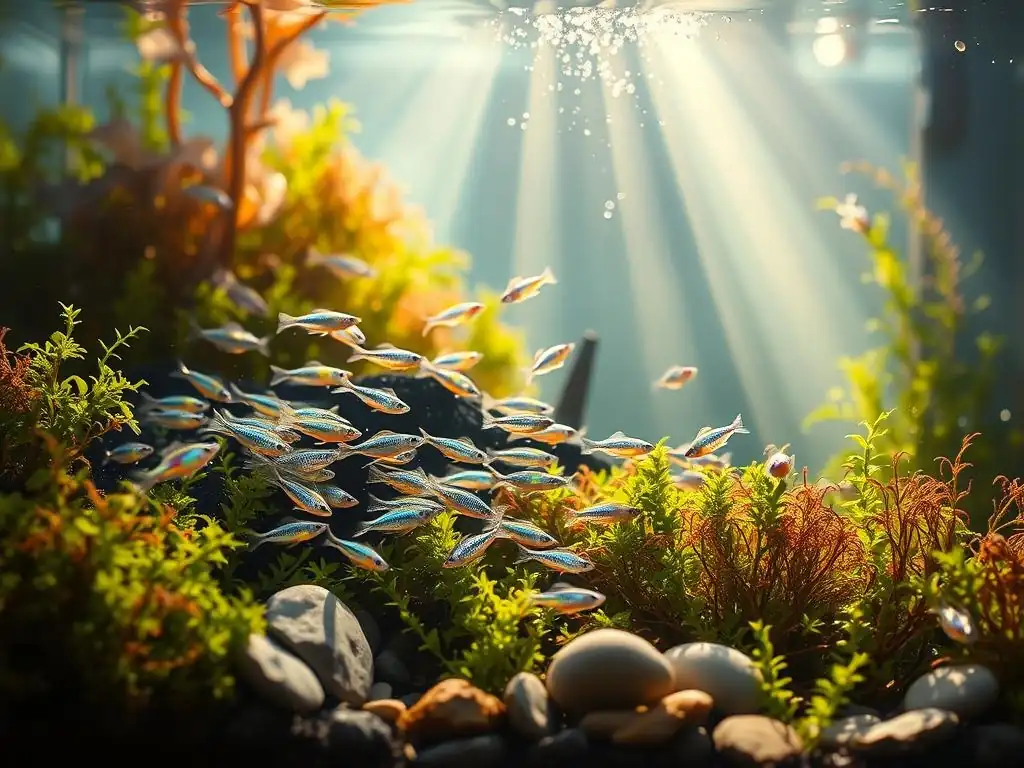
Welcome to Aquarium Mastery, fellow aquarist!
Ever wondered how to maximize your guppy fry survival rate? You're in the right place! Discover expert tactics to protect your tiny treasures and watch your guppy population thrive. Ready to unlock the secrets to raising healthy, vibrant guppy fry? Let's dive in!
- Understanding the Guppy Fry Predicament: Why Baby Guppies Need Protection
- Essential Guppy Fry Survival Tips: Maximizing Their Chances
- The Importance of Guppy Fry Nutrition: Promoting Growth and Health
- Maintaining Water Quality for Guppy Fry: A Crucial Factor for Survival
- Protecting Guppy Fry From Adult Guppies: Ensuring a Safe Coexistence
- Addressing Common Guppy Fry Problems: Troubleshooting Challenges
- Advanced Techniques for Raising Guppy Fry: Taking Your Breeding to the Next Level
-
Frequently Asked Questions
- How can I improve the chances of Guppy fry survival in a community tank?
- What's the ideal water temperature for Guppy fry development?
- How often should I feed Guppy fry, and what type of food is best?
- What are the signs that my Guppy fry are not thriving?
- When is it safe to introduce Guppy fry back into the main aquarium?
- Final Reflection: Nurturing New Beginnings
- Safeguard Your Fry: Embrace the Guppy Guardian Within!
Understanding the Guppy Fry Predicament: Why Baby Guppies Need Protection
The Vulnerability of Newborn Guppies: A Predator's Perspective
Newborn guppy fry are incredibly small, often measuring just a few millimeters at birth, making them exceptionally vulnerable. Lacking any natural defense mechanisms, their primary instinct is to hide immediately after being born. In a typical community aquarium, the mortality rate for guppy fry can be alarmingly high, often exceeding 80-90% within the first 24-48 hours if no protective measures are in place. Their translucent bodies and diminutive size make them almost invisible to the casual observer, yet perfectly visible targets for larger tank inhabitants.
The aquatic environment, even a seemingly peaceful one, harbors numerous threats to these miniature fish. The most significant predators are often the adult guppies themselves, including the mother, who may consume her offspring due to instinct or opportunistic feeding. Other common tank mates like mollies, platies, or even larger tetras and gouramis will readily prey on the tiny fry. Furthermore, the powerful intake tubes of many standard aquarium filters pose a mechanical threat, easily sucking in and trapping the delicate fry, highlighting why effective guppy fry survival tips are crucial.
Identifying Pregnant Guppies: Recognizing the Signs of Imminent Birth
Recognizing the signs of a pregnant guppy is the first critical step in implementing effective guppy fry survival tips. The most noticeable physical indicator is the development of a dark "gravid spot" near the anal fin. This spot, which is essentially the transparent tissue covering the developing embryos, darkens and expands significantly as the female approaches birth, becoming almost black in darker-colored females. Concurrently, the female's belly will swell, often taking on a noticeably "boxy" or square shape in the days leading up to delivery, rather than a round curve.
Beyond physical changes, behavioral cues can also signal imminent birth. A pregnant guppy may become more reclusive, seeking out quiet, secluded areas of the tank, often near plants or decorations. She might exhibit signs of discomfort, such as shivering or twitching, and her appetite may decrease. Guppies typically have a gestation period of 21 to 30 days, so observing these signs and noting when they become pronounced – usually in the last few days – allows aquarists to prepare appropriately for the arrival of new guppy fry.
Essential Guppy Fry Survival Tips: Maximizing Their Chances
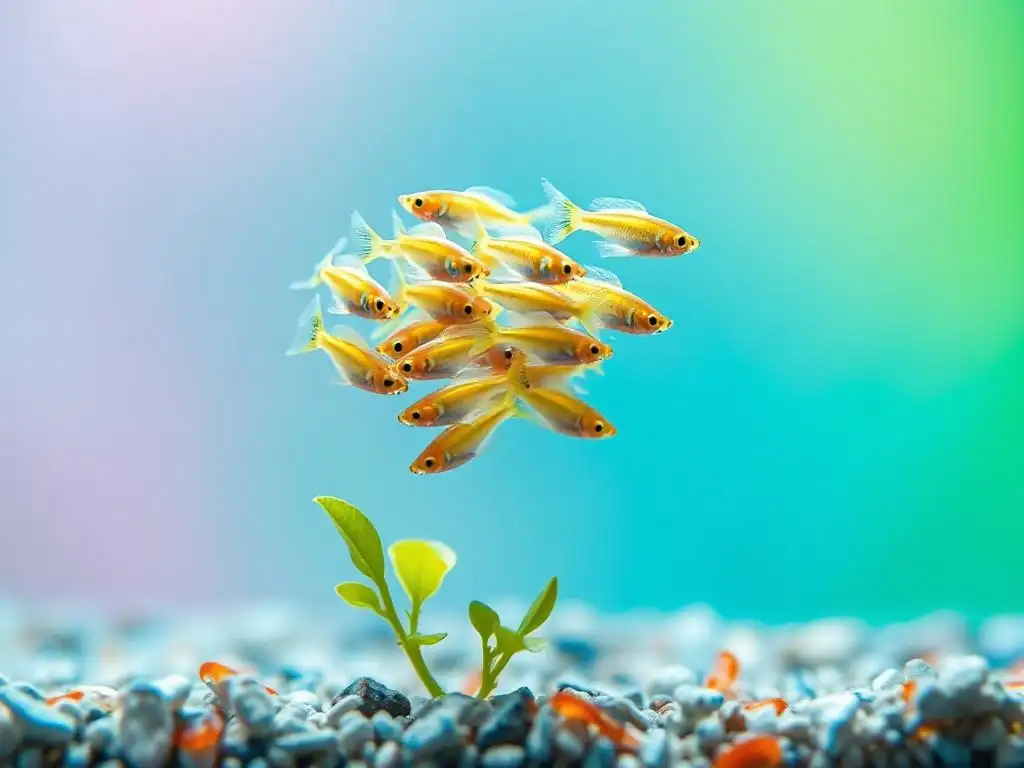
Separate Housing for Pregnant Guppies: Establishing a Breeding Tank
One of the most effective guppy fry survival tips involves isolating the pregnant female in a dedicated breeding tank. This strategy completely removes the threat of predation from other tank inhabitants, including the male guppies and even the mother herself once the fry are born. A separate tank allows the aquarist to control the environment precisely, ensuring optimal conditions for both the mother during birth and the subsequent development of the fry without competition or stress from a larger community.
The timing of this transfer is crucial. It is best to move the pregnant female when her gravid spot is very dark and her belly appears distinctly square, indicating that birth is imminent, typically within 24-48 hours. Transferring her too early can cause unnecessary stress from prolonged isolation. A breeding tank also simplifies the process of removing the mother immediately after birth, preventing her from consuming her own offspring, which is a common occurrence even among otherwise peaceful guppies.
Choosing the Right Breeding Tank: Size and Setup Considerations
For a single pregnant guppy, a small breeding tank of 5 to 10 gallons is generally sufficient. The key is to provide enough space for the female to feel comfortable without being overwhelmed, and for the fry to have ample room to grow in their initial weeks. A bare-bottom tank or one with a very fine, smooth substrate is often preferred, as it simplifies cleaning and prevents uneaten food or waste from accumulating, which can rapidly degrade water quality.
The setup should be minimalist but functional. Essential equipment includes a small, reliable heater to maintain stable temperatures and a gentle sponge filter, which provides biological filtration without creating strong currents or posing a risk of sucking in delicate fry. Crucially, the tank should be furnished with plenty of floating plants, such as guppy grass or hornwort, which serve as immediate hiding places for the fry as soon as they are born, offering vital early protection.
Water Parameters for Breeding Guppies: Maintaining Optimal Conditions
Maintaining precise and stable water parameters in the breeding tank is paramount for the health and successful delivery of guppy fry. Guppies thrive in slightly alkaline to neutral water with a pH range of 7.0 to 8.0. Water hardness (GH) should ideally be between 8 and 12 dGH (degrees of General Hardness). Consistent water temperature is also vital; keeping the breeding tank between 75-80°F (24-27°C) can help ensure a smoother birthing process and promote healthy development of the fry.
Stability is more important than hitting exact numbers, as fluctuating parameters cause significant stress. Frequent, small water changes – typically 10-15% every 2-3 days – are highly recommended to keep nitrate levels low and maintain pristine water quality. This regular maintenance schedule helps prevent stress for the pregnant female and provides the best possible environment for the newly born guppy fry, significantly contributing to their initial survival rates.
Utilizing Breeding Boxes or Nets: Temporary Safe Havens for Fry
Breeding boxes or nets offer a convenient, temporary solution for protecting guppy fry without needing an entirely separate tank. These are typically small, clear plastic or mesh containers that hang inside the main aquarium, allowing water circulation from the main tank while keeping the mother and fry isolated from other fish. Many designs feature a V-shaped bottom or a grate that allows the newly born fry to fall through into a lower compartment, separating them from the mother immediately after birth.
These devices are particularly useful for aquarists with limited space or those who only occasionally breed guppies. They provide an immediate, secure environment for the fry during their most vulnerable period. However, their small volume necessitates extremely diligent water quality management, as waste can accumulate rapidly.
Once the fry are a few days old, or as soon as they are strong enough, it's advisable to move them to a larger grow-out tank or a densely planted section of the main tank to prevent stunting and ensure adequate space for development. This is a common guppy fry survival tip for those without dedicated breeding setups.
Advantages and Disadvantages of Breeding Boxes/Nets
Breeding boxes and nets present several advantages, making them a popular choice for many guppy breeders. They are relatively inexpensive and easy to set up, requiring no additional equipment beyond the existing main tank. They offer immediate protection for guppy fry from predation, as the newborn fish are isolated from all other tank inhabitants, including their parents. This direct separation ensures a high initial survival rate for the first few days after birth.
However, these temporary shelters also come with significant disadvantages. Their confined space can be highly stressful for the pregnant female, potentially leading to premature birth or even death if she is kept in one for too long. The limited water volume within the box means water quality can degrade rapidly, leading to dangerous ammonia and nitrite spikes unless daily water changes are meticulously performed. Furthermore, keeping fry in such small spaces for extended periods can stunt their growth and lead to deformities due to overcrowding and poor conditions, limiting their long-term guppy fry survival tips.
Maintaining Water Quality in Breeding Boxes/Nets
Due to their small volume and the high metabolic rate of developing fry, maintaining impeccable water quality in breeding boxes or nets is an absolute necessity. Waste from uneaten food and fry excretions can quickly pollute the confined space, leading to rapid spikes in ammonia and nitrite, which are highly toxic to delicate guppy fry. Daily partial water changes, often as much as 25-50% of the box's volume, are crucial. It's best to use water siphoned directly from the main tank to ensure consistent parameters.
Beyond daily water changes, regular siphoning of the bottom of the breeding box is essential to remove any uneaten food or accumulated detritus. This prevents organic matter from decomposing and further fouling the water. While water circulates through the mesh or slotted sides, ensuring adequate flow from the main tank into the breeding box helps dilute waste and maintain oxygen levels. Neglecting water quality in these small environments is a common pitfall that can drastically reduce guppy fry survival tips.
Live Plants as Natural Refuges: Creating a Safe Environment
Incorporating live plants into the aquarium is one of the most effective and aesthetically pleasing guppy fry survival tips. Densely planted areas provide a natural, intricate network of hiding spots that are inaccessible to larger fish. The fine leaves and stems of certain plant species offer perfect camouflage and physical barriers, allowing the tiny guppy fry to navigate and shelter themselves from potential predators without constant human intervention.
Beyond just providing physical cover, live plants contribute significantly to the overall health and stability of the aquarium ecosystem. They absorb harmful nitrates, help oxygenate the water through photosynthesis, and can even host beneficial infusoria – microscopic organisms that serve as an excellent first food source for newly hatched fry. This natural approach reduces stress on both adult fish and fry, creating a more harmonious and self-sustaining environment.
Best Plants for Guppy Fry Protection: Dense Foliage and Cover
When selecting plants specifically for guppy fry protection, prioritize species with dense, fine foliage or a bushy growth habit that offers abundant hiding spots. Guppy Grass (Najas guadalupensis) is perhaps the quintessential choice, living up to its name by forming thick, bushy underwater forests where fry can easily disappear. Hornwort (Ceratophyllum demersum) is another excellent option; it grows quickly, can be floated or planted, and develops dense feathery fronds ideal for hiding.
Java Moss (Taxiphyllum barbieri) is highly versatile, forming intricate mats that provide countless crevices for tiny fry. Water Sprite (Ceratopteris thalictroides) with its broad, lacy leaves, also offers good cover. For surface cover, which is where fry often gravitate immediately after birth, consider floating plants like Water Lettuce (Pistia stratiotes) or Dwarf Water Hyacinth (Eichhornia crassipes). These plants not only provide overhead protection but also create a sense of security, significantly enhancing guppy fry survival tips.
Planting Strategies to Enhance Fry Survival Rates
Effective planting strategies go beyond simply adding plants; they involve creating specific zones and structures that maximize guppy fry survival rates. One key strategy is to establish extremely dense thickets of fine-leaved plants in specific areas of the tank, particularly in corners or along the back wall. These areas become designated "fry zones" where the young fish can retreat and remain relatively undisturbed by adult tank mates.
Another effective technique is to use tall, bushy plants that reach the surface, providing vertical cover. Fry often swim near the surface to seek safety, and dense floating plants or plants with leaves that spread across the water's surface offer crucial overhead protection. While creating these safe havens, ensure there is still ample open swimming space for adult fish to prevent overcrowding and maintain the overall aesthetic and functionality of the tank.
Substrate and Decorations: Minimizing Stress and Providing Hiding Places
The choice of substrate and decorations, while seemingly secondary to plants or separate tanks, plays a subtle yet important role in minimizing stress and providing additional hiding places for guppy fry. A well-designed aquascape that includes appropriate substrate and strategically placed decorations contributes to the overall security and comfort of the tank inhabitants, including the most vulnerable fry. These elements can offer immediate shelter for fry that stray from dense plant cover or provide psychological comfort to the mother during birth.
Stress reduction is a significant benefit. In a barren tank, fish have no sense of security, leading to chronic stress which can weaken their immune systems and make them more susceptible to disease. Conversely, a tank with varied terrain, including hiding spots created by decorations, allows fish to establish territories and feel more secure. For guppy fry, this means more options to escape perceived threats, whether from adult fish or even strong currents, enhancing overall guppy fry survival tips.
Selecting Safe Substrates for Guppy Fry
When selecting a substrate for a tank housing guppy fry, safety and practicality are paramount. Fine gravel or sand is generally preferred over larger, coarser gravel. Large gravel pieces can trap uneaten food and waste, leading to anaerobic pockets and poor water quality, which is detrimental to delicate fry. More importantly, very young fry can sometimes get stuck between larger substrate pieces, or their delicate fins can be damaged by sharp edges.
A bare-bottom tank is often chosen for dedicated fry grow-out tanks due to its ease of cleaning and maintenance, which is crucial for maintaining pristine water quality. However, a bare bottom offers no natural hiding spots. If using a substrate in a breeding or grow-out tank, ensure it is clean, inert, and smooth. A thin layer of fine sand, for instance, provides a natural feel without posing significant risks to the fry, contributing to better guppy fry survival tips.
Decorating the Tank for Optimal Fry Comfort
Decorating the tank for optimal fry comfort involves creating a landscape with numerous nooks, crannies, and visual barriers that tiny guppy fry can utilize for hiding. Smooth, non-porous decorations are ideal, such as ceramic caves, smooth driftwood pieces, or specially designed aquarium rocks. Avoid any decorations with sharp edges or small, tight holes where fry could get trapped or injured.
Arrange these decorations to form intricate pathways and secluded corners. For instance, stacking smooth rocks to create small caves or placing driftwood to form overhangs can provide excellent temporary shelters. While the primary hiding spots should come from dense planting, well-chosen and arranged decorations offer additional layers of security, reducing the likelihood of predation and contributing to a less stressful environment for the growing guppy fry.
The Importance of Guppy Fry Nutrition: Promoting Growth and Health
Feeding Guppy Fry: Nutritional Needs and Dietary Requirements
The rapid growth rate of guppy fry necessitates a diet that is both highly nutritious and easily digestible. Unlike adult guppies, fry require a higher protein content to fuel their rapid development, alongside essential vitamins and minerals. Their mouths are incredibly tiny, meaning food particles must be microscopic initially, gradually increasing in size as the fry grow. Providing the correct nutrition from day one is one of the most fundamental guppy fry survival tips.
In the first few days, newly hatched fry often benefit from infusoria – microscopic organisms naturally present in established, planted tanks. As they grow, they transition to more substantial foods. A varied diet is crucial to ensure they receive all necessary nutrients, promoting strong growth, vibrant coloration, and robust health, which are vital for long-term guppy fry survival.
Ideal First Foods for Baby Guppies: Microscopic and Highly Nutritious Options
For the first few days, the ideal first foods for guppy fry are microscopic and packed with nutrients. Newly hatched brine shrimp nauplii are widely considered the gold standard. They are live, highly nutritious, and small enough for even the smallest fry to consume. Brine shrimp stimulate the fry's hunting instincts, promoting active feeding. Another excellent option for the initial 24-48 hours is infusoria, which can be cultured or are often present in established, densely planted tanks.
Beyond live options, high-quality, specialized dry fry foods are available, often in powdered or liquid forms. Finely crushed spirulina flakes or high-protein flake food, ground into a near-powder consistency, can also be offered. It is crucial that any dry food is truly microscopic to ensure the fry can ingest it. A combination of these foods provides a well-rounded diet that supports the rapid growth and development crucial for guppy fry survival tips.
Preparing Homemade Guppy Fry Food: Recipes and Techniques
For aquarists keen on providing highly customized nutrition, preparing homemade guppy fry food can be a rewarding endeavor. One common and effective recipe involves taking high-quality adult fish flakes (rich in protein and spirulina), blending them into a fine powder. A small amount of fish oil (like cod liver oil) can be added for essential fatty acids, and the mixture can be lightly dried before being crushed again to an even finer consistency. This ensures a nutrient-dense, easily digestible powder.
Another option, though requiring extreme caution due to its potential to foul water, is cooked egg yolk. A tiny piece of hard-boiled egg yolk can be mashed into a paste with a few drops of tank water, then strained through a fine mesh or cloth to create a microscopic suspension. Only an absolute speck should be offered at a time. Alternatively, pureed, strained vegetables (like peas) can be used sparingly as a supplementary food. The key to all homemade fry foods is extremely small particle size and impeccable water quality management to prevent pollution.
Feeding Frequency and Portion Control: Preventing Overfeeding and Water Pollution
Guppy fry have incredibly high metabolisms and grow at an astonishing rate, requiring frequent access to food. To support their rapid development, feeding them 3 to 5 times a day is generally recommended. This consistent supply of nutrients ensures they are constantly fueling their growth, which is a critical aspect of guppy fry survival tips. However, while frequency is important, portion control is equally, if not more, vital.
Overfeeding is one of the quickest ways to crash a fry tank's water quality. Uneaten food quickly decays, leading to dangerous spikes in ammonia and nitrite, which are lethal to delicate fry. Therefore, only offer an amount of food that the fry can consume entirely within 2-3 minutes. Observe them closely during feeding to gauge the correct portion size. If food remains after a few minutes, you are feeding too much. Regular siphoning of the tank bottom after feeding sessions will also help remove any residual uneaten food, maintaining a clean and healthy environment.
Maintaining Water Quality for Guppy Fry: A Crucial Factor for Survival
Regular Water Changes: Diluting Nitrates and Maintaining Stability
Maintaining pristine water quality is arguably the single most crucial factor for guppy fry survival. Fry are highly sensitive to fluctuating water parameters and elevated levels of nitrates, nitrites, and ammonia. Their small size means they are more susceptible to the adverse effects of poor water conditions. Therefore, small, frequent water changes are paramount. A schedule of 10-20% water changes daily or every other day is often recommended for fry tanks, especially during their initial weeks of rapid growth and heavy feeding.
These regular water changes serve multiple purposes: they dilute accumulating nitrates, replenish essential minerals, and help maintain stable pH and temperature. It is vital to use dechlorinated water that is temperature-matched to the tank water to prevent thermal shock. When performing water changes, gently siphon the bottom of the tank to remove any uneaten food, waste, and detritus. This diligent approach to water changes is the cornerstone of effective guppy fry survival tips.
Filtration for Guppy Fry Tanks: Choosing a Fry-Safe Filter
Selecting the right filtration system for a guppy fry tank is critical to their survival. Standard hang-on-back (HOB) or canister filters, while effective for adult tanks, pose a significant danger to tiny guppy fry. Their powerful intake tubes can easily suck in and trap the delicate fish, leading to injury or death. Furthermore, strong currents generated by these filters can exhaust weak-swimming fry, preventing them from feeding or even harming them by pinning them against tank surfaces.
The primary goal for fry tank filtration is to provide gentle biological filtration and adequate water movement without endangering the fry. This means avoiding exposed filter intakes and high flow rates. The ideal filter for a guppy fry tank will support beneficial bacteria to process ammonia and nitrite while ensuring the safety and well-being of the fragile inhabitants.
Sponge Filters: The Preferred Choice for Fry Tanks
Sponge filters are overwhelmingly the preferred choice for guppy fry tanks, and for very good reason. They operate by using an air pump to draw water through a porous sponge, which provides an exceptionally large surface area for beneficial nitrifying bacteria to colonize. This allows for excellent biological filtration, effectively breaking down harmful ammonia and nitrite into less toxic nitrates.
Crucially, sponge filters have no exposed intake tubes that could suck in tiny fry. The water flow they generate is gentle and diffused, creating minimal current that won't stress or harm the delicate fish. They are also inexpensive, easy to set up, and simple to maintain; cleaning involves gently squeezing the sponge in a bucket of old tank water every few weeks. This combination of safety, effectiveness, and ease of use makes sponge filters a top guppy fry survival tip.
Avoiding Strong Currents: Protecting Delicate Fry
Guppy fry are inherently weak swimmers during their initial weeks of life. Their small size and undeveloped fins make them highly susceptible to strong water currents, which can have detrimental effects on their health and survival. Powerful currents can exhaust the fry as they struggle to swim against them, preventing them from accessing food or even injuring them by pushing them against tank walls, decorations, or the substrate.
When setting up a fry tank, ensure that any filtration or aeration devices are positioned to create the most minimal and dispersed flow possible. If using an air stone, place it in a corner or near a sponge filter to gently circulate water. Regularly observe the guppy fry's behavior: if they appear to be struggling to swim or are constantly being pushed around, the current is too strong and needs to be reduced. Providing a calm environment is a key aspect of successful guppy fry survival tips.
Protecting Guppy Fry From Adult Guppies: Ensuring a Safe Coexistence
Removing Adult Guppies After Birth: Timing and Considerations
If a pregnant guppy has been isolated in a dedicated breeding tank, the most effective way to protect her newly born guppy fry is to remove the mother immediately after she has given birth. Guppies, like many livebearers, do not exhibit parental care and will often consume their own offspring if given the opportunity.
Observing the mother carefully during birth is essential; once she appears to have delivered all her fry (typically indicated by her belly returning to a more normal size and her resuming regular swimming behavior), she should be gently netted and returned to the main community tank.
In a communal tank setting where a dedicated breeding tank isn't used, removing the mother after birth is often impractical or highly stressful for the fish and the aquarist. In such scenarios, the emphasis shifts to providing abundant natural hiding places within the main tank, such as dense live plants or breeding boxes, to give the fry an immediate chance at survival. This highlights the varying approaches to guppy fry survival tips depending on the tank setup.
Monitoring Fry Growth and Development: Identifying Potential Problems
Consistent monitoring of guppy fry growth and development is crucial for identifying any potential problems early on, allowing for timely intervention. Regularly observe the fry for signs of active swimming, healthy appetites, and consistent growth. Healthy fry will be energetic, constantly searching for food, and will show a steady increase in size day by day. Pay attention to their fin development and overall body shape, looking for any deformities or signs of stunting.
Conversely, signs of trouble include lethargy, clamped fins, rapid gill movement, lack of interest in food, or any visible spots or growths, which could indicate disease. Stunted growth, where fry remain significantly smaller than their siblings, often points to issues with water quality, insufficient feeding, or overcrowding. Early detection of these issues allows the aquarist to adjust water change schedules, feeding regimens, or tank density, thereby significantly improving the overall guppy fry survival tips and outcomes.
Introducing Fry Back to the Main Tank: Gradual Acclimation for Survival
Introducing guppy fry back into the main community tank from a breeding or grow-out tank is a critical step that requires careful planning and gradual acclimation. This process is essential to prevent shock and stress, which can severely compromise the fry's health and lead to fatalities. The primary goal is to ensure the fry are robust enough to withstand the dynamics of the main tank and are no longer perceived as a food source by larger fish.
Before attempting the transfer, ensure the fry are of an adequate size and have developed sufficient swimming capabilities to navigate the main tank's currents and compete for food. Rushing this step can negate all previous guppy fry survival tips. Proper acclimation techniques will minimize the physiological stress associated with changes in water parameters, temperature, and social environment.
When is it Safe to Introduce Guppy Fry to the Main Tank?
Determining the safe time to introduce guppy fry to the main tank is a crucial judgment call that directly impacts their survival. Generally, it is considered safe when the fry are at least 4 to 6 weeks old, and more importantly, when they are visibly too large to fit into the mouths of the adult guppies and other potential predators in the main tank. This typically means they should be around 0.5 to 0.75 inches (approximately 1.5 to 2 cm) in length.
At this size, their swimming abilities are also significantly stronger, allowing them to navigate currents and compete more effectively for food. They should appear robust, active, and have well-developed fins. Introducing them too early, even if the main tank is heavily planted, risks high mortality rates. Patience in waiting for the fry to reach this critical size is a key guppy fry survival tip.
Acclimation Techniques to Minimize Stress
Minimizing stress during the transfer of guppy fry to the main tank is paramount to their continued survival. The most recommended method is drip acclimation. This involves slowly adding water from the main tank into the fry's current grow-out tank or container over an extended period, typically 1 to 2 hours. A simple airline tube with a knot or valve can be used to create a slow drip, gradually equalizing the water parameters (pH, temperature, hardness) between the two environments.
Alternatively, if drip acclimation is not feasible, the "float and add" method can be used, though it is less precise. Place the fry in a bag or small container with their current water, float it in the main tank for 15-20 minutes to equalize temperature, then slowly add small amounts of main tank water to the container every 5-10 minutes over a period of 30-60 minutes before gently releasing the fry. Regardless of the method, the goal is to prevent sudden shocks that can lead to illness or death, reinforcing crucial guppy fry survival tips.
Addressing Common Guppy Fry Problems: Troubleshooting Challenges
Preventing and Treating Diseases in Guppy Fry
Guppy fry are highly susceptible to diseases due to their delicate immune systems and the stress of rapid growth. Prevention is always the best approach and revolves around maintaining pristine water quality, stable parameters, and providing consistent, high-quality nutrition. Regular, small water changes are fundamental in preventing the buildup of toxins that can weaken fry and make them vulnerable to pathogens like Ich (white spot disease) or various bacterial infections.
Treating diseases in guppy fry can be challenging due to their small size and sensitivity to many aquarium medications. Many common medications are too strong for fry and can cause more harm than good. If a disease outbreak occurs, the first line of defense should always be immediate, large partial water changes (e.g., 50%) and a thorough cleaning of the tank to reduce the pathogen load.
For specific diseases, consult a veterinarian or experienced aquarist for fry-safe treatment options, as some mild medications or natural remedies might be applicable. Quarantine of new fish before introduction to any tank is also a critical preventative measure for all guppy fry survival tips.
Dealing with Stunted Growth in Guppy Fry
Stunted growth in guppy fry is a common problem that can arise from several factors, preventing them from reaching their full genetic potential. The primary culprits are typically poor water quality, insufficient or infrequent feeding, and overcrowding. High levels of nitrates, in particular, have been shown to inhibit growth, as the fry expend energy detoxifying their bodies rather than growing. Similarly, if food is scarce or not provided frequently enough, the fry simply won't get the necessary calories and protein for rapid development.
To address stunted growth, immediate action is required. Increase the frequency and volume of water changes (e.g., daily 20-30% changes) to drastically reduce nitrate levels. Ensure you are feeding high-quality, protein-rich foods 3-5 times a day, providing only what they can consume in a few minutes. If the tank is overcrowded, consider moving some fry to another grow-out tank to provide more space per individual. Consistent application of these guppy fry survival tips will help them reach their optimal size.
Recognizing and Addressing Water Quality Issues Affecting Fry
Water quality issues are the most frequent cause of problems and mortality in guppy fry tanks. Recognizing the signs quickly is essential for timely intervention. Symptoms of poor water quality often include lethargy, gasping at the surface (indicating low oxygen or high ammonia/nitrite), rapid gill movement, clamped fins, loss of appetite, or sudden, inexplicable deaths. The moment these signs appear, it is crucial to test your water parameters immediately, specifically for ammonia, nitrite, nitrate, pH, and temperature.
If ammonia or nitrite are present, or nitrates are excessively high (e.g., over 20 ppm for fry), immediate action is required. Perform a large partial water change (e.g., 50%) with temperature-matched, dechlorinated water to dilute the toxins. Review your filtration system to ensure it's adequate and functioning correctly. Reduce feeding portions to prevent uneaten food from decaying and contributing to pollution. Consistent application of these core guppy fry survival tips is the best defense against water quality crises.
Advanced Techniques for Raising Guppy Fry: Taking Your Breeding to the Next Level
Selective Breeding for Desired Traits: Enhancing Color and Finnage
For aquarists looking to move beyond basic guppy fry survival tips, selective breeding is an advanced technique aimed at enhancing specific desired traits, such as vibrant colors, intricate finnage patterns, or robust body shapes. This involves carefully choosing parent fish that exhibit the most desirable characteristics and breeding them in isolation, with the goal of passing those traits on to their offspring. It often requires maintaining multiple breeding lines and meticulous record-keeping to track genetic inheritance.
The process involves identifying the best male and female specimens from your existing stock that possess the traits you wish to intensify. These selected fish are then paired in a dedicated breeding tank. Once the fry are born and grow, the best of the next generation are again selected for further breeding. This iterative process, over several generations, can lead to the development of unique and stunning guppy strains, far exceeding the appearance of typical pet store guppies.
Optimizing Water Parameters for Maximum Growth and Coloration
While general water parameters are sufficient for guppy fry survival, advanced breeders often optimize specific parameters to push for maximum growth rates and enhance coloration. For instance, maintaining the water temperature at the upper end of their preferred range, around 78-80°F (25.5-27°C), can accelerate metabolism and growth, leading to larger fish in a shorter timeframe. This consistency is more important than extreme heat.
Beyond temperature, some breeders experiment with slightly harder water or specific trace mineral supplements, believing these can contribute to better fin development and more intense coloration, particularly for certain genetic lines. However, any adjustments must be made gradually and consistently, as stability remains paramount. Regular testing and a deep understanding of guppy physiology allow for these fine-tuned adjustments, taking guppy fry survival tips to an expert level.
Documenting Your Guppy Fry Breeding Success: Keeping Records and Learning From Experience
Documenting your guppy fry breeding success is an advanced practice that transforms casual breeding into a more scientific and effective endeavor. Detailed records should include birth dates, the number of fry born from each female, the parentage (identifying the specific male and female involved), feeding schedules, and precise water parameters (pH, temperature, hardness, nitrates) maintained throughout the fry's development.
These comprehensive records serve as an invaluable learning tool. By reviewing past breeding attempts, you can identify which pairings produced the healthiest and most vibrant fry, which feeding regimens yielded the best growth, and what water parameters were most conducive to success. This data allows for continuous refinement of your breeding techniques, helping you troubleshoot problems more effectively and consistently improve your guppy fry survival tips and overall breeding outcomes over time.
Frequently Asked Questions
How can I improve the chances of Guppy fry survival in a community tank?
The best way to improve Guppy fry survival in a community tank is to provide plenty of hiding places. Dense plants like Java moss and hornwort offer crucial refuge, shielding the fry from hungry adult fish.
What's the ideal water temperature for Guppy fry development?
Maintaining a stable water temperature between 78-82°F (25.5-28°C) is crucial for optimal Guppy fry development. This temperature range supports their metabolism and immune system.
How often should I feed Guppy fry, and what type of food is best?
Feed Guppy fry small amounts of food 2-3 times per day. Ideal foods include baby brine shrimp, microworms, and finely crushed flake food specifically formulated for fry.
What are the signs that my Guppy fry are not thriving?
Signs of unhealthy Guppy fry include lethargy, loss of appetite, and clamped fins. These symptoms often indicate poor water quality or underlying disease. Immediate water changes are often needed.
When is it safe to introduce Guppy fry back into the main aquarium?
Guppy fry can typically be introduced back into the main aquarium when they are large enough to avoid being eaten by the adults, usually around 1 inch in length. Monitor them closely after introduction.
Final Reflection: Nurturing New Beginnings
The journey of raising guppy fry, as we've explored, is a delicate dance between providing optimal conditions and allowing nature to take its course. The survival of these tiny creatures hinges on understanding their needs and proactively mitigating potential threats. This understanding, however, extends beyond the aquarium; it mirrors our responsibility to nurture new beginnings in all aspects of life, fostering environments where growth and resilience can flourish.
This article, focused on guppy fry survival, highlights the importance of careful observation and proactive care. It reminds us that even the smallest lives deserve our attention and protection, and that our actions can have a profound impact on their well-being. The greatness of a nation and its moral progress can be judged by the way its animals are treated.
- Mahatma Gandhi. This quote, though often applied to larger animals, resonates deeply with the dedication required to ensure the survival of guppy fry, reflecting a broader commitment to compassion and responsible stewardship.
Now, consider the lessons learned in this miniature world. How can you apply the principles of careful observation, proactive protection, and nurturing environments to other areas of your life? Are there "fry" – new ideas, nascent projects, or vulnerable individuals – that could benefit from your attention and care? Let the dedication you've shown, or will show, to these tiny guppies inspire you to cultivate growth and resilience wherever you find it.
Safeguard Your Fry: Embrace the Guppy Guardian Within!
Thank you for diving into the world of guppy fry care! We hope you’ve gained valuable insights to protect those tiny treasures and ensure a thriving guppy population. Now, it's time to put your newfound knowledge into action!
Here’s how you can further champion the survival of your guppy fry:
- Implement a Fry-Safe Zone: Immediately set up a dedicated breeding box or nursery tank, ensuring the adult guppies can’t reach the vulnerable fry. Consider using a fine-mesh divider to prevent any accidental snacking.
- Document Your Successes: Share your guppy fry journey on social media using #AquariumMastery and inspire other guppy enthusiasts. Document the growth of your guppies every week.
- Explore Advanced Feeding Techniques: Research and experiment with different live food options, such as microworms or baby brine shrimp, to provide optimal nutrition for rapid growth.
What innovative strategies will you adopt to create the ultimate fry-friendly haven?