
Troubleshooting Common Issues with Danios: Loss of Color, Lethargy, and More

Welcome to Aquarium Mastery!
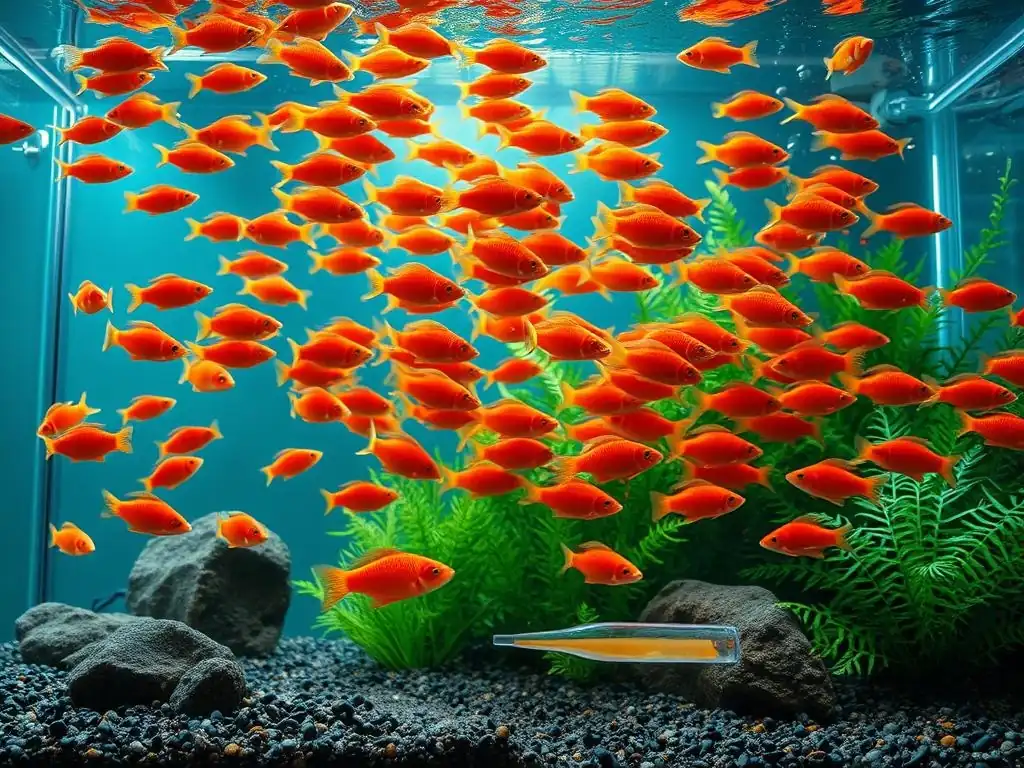
Ever noticed your Danios looking a little… less vibrant? Fishkeeping can be tricky, especially when your finned friends aren't showing their true colors. This guide dives deep into Danio color loss treatment and other common ailments, so you can quickly identify the problem and get your Danios back to their dazzling selves. Curious to learn how to diagnose and treat these issues? Let's explore the world of Danio health!
- Understanding Danios: A Quick Overview for Aquarium Keepers
- Danios Color Loss Treatment: Identifying and Addressing Fading Colors
- Lethargy in Danios: Recognizing and Responding to Inactivity
- Other Common Danio Health Problems and Their Solutions
- Preventing Health Problems in Danios: Proactive Aquarium Management
- Conclusion: Ensuring a Healthy and Thriving Danio Aquarium
-
Frequently Asked Questions
- What are the most common reasons for Danios losing their color?
- How does water chemistry impact the color of my Danios?
- What kind of diet is best to maintain the vibrant colors of Danios?
- Besides color loss, what other symptoms might indicate a problem with my Danios?
- What steps can I take to treat color loss in Danios?
- Final Reflection: Restoring Radiance and Vitality to Your Danios
- Ignite Your Danio Care Journey!
Understanding Danios: A Quick Overview for Aquarium Keepers
Danios as Popular Freshwater Fish for Beginners
Danios, particularly the Zebra Danio ( Danio rerio), are a cornerstone species for many freshwater aquarium enthusiasts, especially beginners. Their robust nature, active schooling behavior, and relatively small size make them an excellent choice for a wide range of tank setups. These fish are known for their hardiness and adaptability to varying water conditions, making them more forgiving than many other species when it comes to minor fluctuations in tank parameters.
Beyond their resilience, Danios offer constant activity and visual interest to an aquarium. They are fast swimmers that typically occupy the upper and middle levels of the tank, darting around in cohesive schools. This energetic behavior, combined with their generally peaceful temperament, allows them to coexist well with many other community fish, provided tank mates are not overly aggressive or large enough to perceive them as prey.
Key Characteristics of Healthy Danios
A healthy Danio exhibits several distinct characteristics that are crucial for aquarists to recognize. Their coloration should be vibrant and consistent; for a Zebra Danio, this means crisp, dark blue or black stripes against a silvery-gold body. Their fins should be fully intact, clear, and free of any fraying, spots, or discoloration.
Behaviorally, healthy Danios are highly active and typically swim together in a cohesive school, exploring the tank with purpose. They should respond quickly to food, displaying a strong appetite and competing for flakes or pellets. Their breathing should be calm and regular, with gill covers moving smoothly and not rapidly. Any deviation from these norms, such as a dull appearance or erratic swimming, can be an early indicator of an underlying health issue.
Importance of Recognizing Early Signs of Illness in Danios
Early detection of health problems in Danios is paramount for successful intervention and preventing the spread of disease within the aquarium. Fish, by nature, are adept at hiding signs of illness until their condition is advanced, making daily observation a critical component of fishkeeping. Subtle changes in appearance, behavior, or appetite can signify the onset of stress, disease, or inadequate environmental conditions.
Prompt recognition allows aquarists to address issues before they become severe, significantly increasing the chances of a positive outcome. For instance, noticing slight fading in color or a minor reduction in activity can prompt immediate water testing and a small water change, potentially averting a full-blown crisis. Delaying intervention, even for a day or two, can lead to rapid deterioration of the fish's health and potentially impact the entire tank population.
Danios Color Loss Treatment: Identifying and Addressing Fading Colors
Why Are My Danios Losing Color? Common Causes Explained
When your vibrant Danios begin to lose their characteristic coloration, it's a significant indicator that something is amiss in their environment or health. Danios color loss treatment often begins with a thorough investigation into the potential stressors. This fading can range from a slight dullness in their stripes to a complete washing out of their hues, transforming them from striking to nearly translucent. Understanding the root cause is the first critical step toward restoring their natural vibrancy.
The causes of color loss are varied and can sometimes be interconnected, making a systematic approach essential. Factors such as environmental stress, suboptimal water parameters, nutritional deficiencies, and the presence of diseases or parasites all contribute to a decline in pigmentation. For example, a Danio experiencing chronic stress due to an overcrowded tank might also suffer from a weakened immune system, making it more susceptible to infections that further impact its color.
Stress as a Primary Factor in Danio Color Fading
Stress is arguably the most common culprit behind fading colors in Danios. When fish are stressed, their bodies divert energy from non-essential functions, like pigment production, towards survival mechanisms. Sources of stress are numerous and include sudden changes in tank conditions, aggressive tank mates, inadequate hiding spots, or even excessive noise and vibration around the tank. A Danio that is constantly being chased or harassed by another fish will likely show signs of fading as a direct result of this chronic anxiety.
For instance, if a group of five Danios is housed in a 5-gallon tank, the lack of space and appropriate schooling numbers (Danios thrive in groups of 6 or more) will induce significant stress, leading to dull colors. Similarly, a sudden drop in water temperature by 5°F or more within a few hours can shock the fish's system, causing their colors to recede as a stress response. Recognizing and mitigating these stressors is a fundamental aspect of any effective Danios color loss treatment.
Poor Water Quality and Its Impact on Danio Pigmentation
Suboptimal water quality is a pervasive issue that severely impacts a Danio's health and, consequently, its color. High levels of ammonia, nitrite, or nitrate, along with incorrect pH or temperature fluctuations, create a toxic environment that directly stresses the fish's physiological systems. For example, ammonia poisoning, even at levels as low as 0.25 ppm, can cause internal organ damage and visibly dull a Danio's skin and fins.
Danios thrive in clean, well-oxygenated water with stable parameters. Ideal conditions include a pH between 6.5 and 7.5, temperatures ranging from 70-78°F (21-26°C), and undetectable levels of ammonia and nitrite ( 0 ppm). Nitrate levels should ideally be kept below 20 ppm. When these parameters deviate significantly, the fish's metabolic processes are compromised, leading to a visible loss of their characteristic vibrant stripes. Addressing water quality issues is a critical component of Danios color loss treatment.
Dietary Deficiencies Affecting Danio Coloration
A diet lacking essential nutrients, particularly carotenoids and other pigments, can directly lead to a fading of a Danio's natural colors. In the wild, Danios consume a varied diet of small insects, larvae, and plant matter, which provide the necessary building blocks for vibrant pigmentation. In an aquarium setting, if they are fed only a basic flake food without supplementation, they may not receive these vital compounds.
For example, a Danio fed exclusively on generic fish flakes for several months might develop duller stripes compared to one receiving a diet supplemented with spirulina flakes, brine shrimp, or bloodworms. These supplementary foods are rich in natural color enhancers. A lack of protein, vitamins (especially A and E), and omega fatty acids can also contribute to overall poor health, which manifests as faded coloration. A comprehensive Danios color loss treatment strategy must include dietary enrichment.
Disease and Parasites Linked to Color Loss in Danios
Certain diseases and parasitic infestations can cause Danios to lose their color as a symptom of their deteriorating health. When a fish is battling an infection, its immune system is working overtime, and its body is under immense strain. This physiological stress often results in a loss of vibrancy, as the fish's energy is redirected to fighting off the pathogen rather than maintaining pigmentation.
For instance, a Danio suffering from Columnaris (Cottonmouth disease) might exhibit not only fuzzy white patches but also a significant dulling of its body color due to systemic infection. Similarly, internal parasites, such as nematodes, can deplete the fish's nutrients, leading to emaciation and a washed-out appearance. If other symptoms like clamped fins, rapid breathing, or abnormal growths accompany color loss, it strongly suggests a disease is at play, requiring specific medical Danios color loss treatment.
Danio Color Loss Treatment Options: Restoring Vibrant Hues
Restoring the vibrant hues of your Danios requires a multi-faceted approach that addresses the underlying causes of their color loss. Effective Danios color loss treatment focuses on optimizing their environment, enhancing their nutrition, and, if necessary, administering appropriate medications. Patience and consistent monitoring are key, as recovery may not be instantaneous.
The first step in any treatment plan should always be a thorough assessment of the aquarium setup and the fish's overall condition. Jumping directly to medication without understanding the root cause can be ineffective or even harmful. Instead, a systematic approach, starting with environmental adjustments, typically yields the best results for a successful Danios color loss treatment.
Water Quality Improvement: The First Step in Danio Color Recovery
Improving water quality is often the most immediate and impactful action for Danios color loss treatment. Perform a significant water change, typically 25-50% of the tank volume, using dechlorinated water that matches the tank's temperature as closely as possible. This helps dilute harmful toxins like ammonia and nitrites and reduces nitrate levels.
Regular maintenance, including weekly 25% water changes and thorough gravel vacuuming, is crucial for long-term prevention. Ensure your filtration system is adequately sized for your tank and fish load, and that filter media are cleaned or replaced as recommended by the manufacturer, typically every 2-4 weeks for mechanical media. Optimal water quality provides a clean slate for the fish to recover and regain their natural colors.
Optimizing Tank Parameters for Danio Health
Beyond basic water quality, maintaining stable and optimal tank parameters is vital for the long-term health and color of your Danios. Ensure the water temperature is consistently within their preferred range of 70-78°F (21-26°C), using a reliable aquarium heater. Fluctuations of more than 2°F within a day can cause stress and impact color.
The pH level should be stable between 6.5 and 7.5. While Danios are adaptable, rapid pH shifts are highly detrimental. Test your tap water's pH and aim to match it to the tank's, or gradually adjust it using appropriate aquarium products if necessary. Adequate lighting, mimicking a natural day-night cycle (e.g., 8-10 hours of light per day), also plays a role in their overall well-being and natural color display.
Nutritional Support: Enhancing Danio Diet for Color Restoration
A well-rounded and varied diet is essential for restoring and maintaining vibrant Danio colors. Incorporate high-quality flake or micro-pellet foods specifically designed for small omnivores, ensuring they contain spirulina or other natural color enhancers. Supplement their diet with live or frozen foods such as brine shrimp, daphnia, or bloodworms two to three times a week.
For example, enriching their diet with Hikari Micro Pellets or Omega One Super Color Flakes can provide the necessary carotenoids. Overfeeding should be avoided; feed small amounts two to three times a day, only what they can consume within 2-3 minutes. A consistent and nutritious diet is a cornerstone of effective Danios color loss treatment.
Medications and Treatments for Diseases Causing Color Loss in Danios
If color loss is accompanied by other specific symptoms indicating a disease or parasitic infection, targeted medication may be necessary. For bacterial infections (e.g., Columnaris), broad-spectrum antibacterial treatments like Furan-2 or API Melafix can be considered, following manufacturer instructions carefully. Always treat in a quarantine tank if possible to avoid medicating the entire display tank.
For internal parasites, which can cause emaciation and color fading, medications containing active ingredients like praziquantel or metronidazole may be effective. It is crucial to accurately diagnose the specific disease before administering any medication, as incorrect treatment can be ineffective or even harmful. Consulting with an experienced aquarist or aquatic veterinarian can provide guidance on the most appropriate Danios color loss treatment for a confirmed illness.
Lethargy in Danios: Recognizing and Responding to Inactivity
Identifying Lethargic Behavior in Danios: What to Look For
Lethargy in Danios is a significant deviation from their naturally active and energetic behavior, signaling a potential health issue. Healthy Danios are constantly on the move, darting around the tank, and exploring their environment. When they become lethargic, this vibrant activity sharply declines, often indicating stress, illness, or inappropriate tank conditions.
Observing your Danios closely for a few minutes each day can help you quickly spot these changes. It's not just about a lack of movement; it's about the type of inactivity and how it contrasts with their usual behavior. Recognizing these specific signs is crucial for early intervention.
Reduced Activity and Swimming
One of the most obvious signs of lethargy in Danios is a noticeable reduction in their typical swimming activity. Instead of zipping through the water, they might hover listlessly in one spot, often near the bottom or in a corner of the tank. They may also exhibit very slow, deliberate movements, or simply drift with the current rather than actively swimming against it.
For instance, a healthy group of Zebra Danios will typically swim at a speed of approximately 0.5-1 body length per second when active, but a lethargic individual might remain almost stationary for minutes. This stark contrast in movement patterns is a primary indicator that the fish is unwell and requires attention.
Isolation from the School
Danios are schooling fish, finding comfort and security in numbers. A healthy Danio will almost always be found swimming with its peers. Therefore, a key sign of lethargy or illness is when an individual Danio separates itself from the school. This isolated behavior often indicates that the fish is feeling vulnerable or too weak to keep up with the group.
If you observe a Danio consistently hiding behind decorations, resting alone near the heater, or simply not participating in the group's activities, it's a strong red flag. While a brief moment of solo exploration might occur, prolonged isolation, especially over several hours or a day, points towards a significant problem.
Lack of Appetite and Interest in Food
A healthy Danio exhibits a strong feeding response, eagerly darting towards food introduced into the tank. A sudden lack of appetite or disinterest in food is a critical symptom of lethargy and illness. A Danio that ignores food floating nearby, or only takes a few tentative nibbles before swimming away, is likely unwell.
This symptom is particularly concerning because a fish that isn't eating is rapidly losing energy and becoming more susceptible to other complications. If you notice uneaten food accumulating at the bottom of the tank after feeding time, and your Danios are not exhibiting their usual enthusiastic feeding frenzy, investigate further.
Causes of Lethargy in Danios: Determining the Underlying Issue
Pinpointing the cause of lethargy in Danios is essential for effective treatment. Lethargy is a general symptom that can stem from a variety of problems, ranging from environmental stressors to serious diseases. A systematic approach to diagnosis, starting with an assessment of the environment, is crucial.
Understanding the potential underlying issues allows aquarists to target their interventions more precisely. For example, lethargy caused by poor water quality requires different actions than lethargy caused by a specific bacterial infection, though both may lead to similar outward symptoms.
Environmental Stressors Leading to Danio Lethargy
Environmental stressors are a frequent cause of lethargy in Danios. Poor water quality, including elevated ammonia ( >0 ppm), nitrite ( >0 ppm), or nitrate ( >40 ppm) levels, directly poisons the fish, making them weak and inactive. Inconsistent water temperature, such as daily swings of 3°F or more, can also physically stress them, leading to lethargy.
Other stressors include inadequate tank size (e.g., more than 6 Danios in a tank smaller than 10 gallons), aggressive tank mates, or a lack of appropriate hiding spots. Even prolonged exposure to bright lights or excessive noise can contribute to chronic stress, manifesting as reduced activity and a dull appearance. Addressing these environmental factors is often the first and most effective step in treating lethargy.
Bacterial Infections Affecting Danio Energy Levels
Bacterial infections, both external and internal, can significantly deplete a Danio's energy, causing profound lethargy. Common external bacterial issues like fin rot or columnaris can make swimming painful or difficult, leading to inactivity. Internally, systemic bacterial infections can cause organ damage and overall malaise.
For example, a Danio with a bacterial infection might not only be lethargic but also exhibit clamped fins, ragged fins, or a general dullness in color. These infections can be caused by opportunistic bacteria thriving in poor water conditions or introduced by new, infected fish. If water quality is optimal and other stressors are ruled out, bacterial infection should be considered as a cause for persistent lethargy.
Internal Parasites Causing Weakness in Danios
Internal parasites, though often unseen, can be a major cause of chronic weakness and lethargy in Danios. These parasites, such as nematodes (roundworms) or tapeworms, live within the fish's digestive tract or other organs, slowly siphoning off nutrients and causing internal damage. This nutrient depletion leads to emaciation, weakness, and a noticeable decrease in activity.
A Danio suffering from internal parasites might appear thin despite eating, or it might have stringy white feces. The constant drain on their resources leaves them with little energy for normal schooling and swimming behaviors. Diagnosis often requires careful observation of secondary symptoms, and treatment involves specific antiparasitic medications.
Overcrowding and Its Impact on Danio Activity
Overcrowding in an aquarium places significant stress on all inhabitants, leading to a cascade of problems, including lethargy in Danios. When too many fish are housed in a confined space, several issues arise:
- Increased Waste Production: Leads to rapid deterioration of water quality (high ammonia, nitrite, nitrate).
- Reduced Oxygen Levels: More fish consume more oxygen, potentially leading to oxygen deprivation.
- Territorial Stress: Even generally peaceful Danios can become stressed by constant proximity to others, leading to aggression or submission.
A tank with, for example, 15 Zebra Danios in a 10-gallon aquarium is severely overcrowded. The resulting poor water quality and chronic stress will inevitably manifest as lethargy, clamped fins, and a general lack of vibrancy. Proper stocking levels, generally aiming for at least 2 gallons per adult Danio in a group of 6 or more, are crucial to prevent these issues.
Treating Lethargy in Danios: Restoring Energy and Vitality
Treating lethargy in Danios requires a targeted approach based on the identified cause. Since lethargy is a symptom rather than a disease itself, the goal is to eliminate the underlying problem. Prompt action is crucial to prevent the condition from worsening and to restore the fish's energy and vitality.
The treatment strategy will vary significantly depending on whether the cause is environmental, nutritional, or pathological. However, some initial steps are universally beneficial for any lethargic fish, providing a stable foundation for recovery.
Quarantine and Observation of Lethargic Danios
When a Danio exhibits persistent lethargy, the first crucial step is to move the affected fish to a dedicated quarantine tank, if available. A quarantine tank, typically a 5-10 gallon setup with a heater, sponge filter, and air stone, allows for isolated observation and treatment without impacting the main display tank. This prevents potential spread of disease and reduces competition for food.
In the quarantine tank, observe the Danio closely for additional symptoms (e.g., spots, growths, clamped fins, labored breathing). This isolated environment also reduces stress from tank mates and allows you to precisely control water parameters and administer medication without affecting other inhabitants or beneficial bacteria in your main filter. Continue monitoring for several days to a week.
Water Changes and Improved Filtration for Lethargy
Regardless of the suspected cause of lethargy, performing a substantial water change in the main tank (e.g., 30-50%) is almost always beneficial. This immediately reduces the concentration of nitrates and other accumulated toxins that could be stressing the fish. Ensure the new water is dechlorinated and temperature-matched.
Simultaneously, assess your filtration system. Is it adequately sized for your tank? Is it clean and functioning efficiently? Clogged filters reduce water flow and biological filtration, leading to poor water quality. Clean filter media (rinse in old tank water) and ensure proper aeration with an air stone if oxygen levels seem low. Consistent clean water is fundamental to reversing lethargy.
Antibiotic Treatments for Bacterial Infections in Danios
If lethargy is accompanied by symptoms indicative of a bacterial infection (e.g., fin rot, red streaks, body sores, or general malaise after ruling out environmental issues), antibiotic treatment may be necessary. Broad-spectrum antibiotics designed for aquarium use, such as those containing Furan-2 (nitrofurazone) or Maracyn (erythromycin), are often effective.
Always follow the manufacturer's instructions for dosage and duration precisely. It's best to administer antibiotics in a quarantine tank to protect the beneficial bacteria in your main tank's filter. Continue treatment for the full recommended course, even if symptoms improve, to prevent recurrence.
Antiparasitic Medications for Internal Parasites in Danios
If lethargy is coupled with other signs of internal parasites, such as emaciation despite eating, stringy white feces, or a swollen abdomen, antiparasitic medications are required. Common active ingredients include metronidazole (effective against flagellates) or praziquantel (effective against tapeworms and flukes).
These medications are typically added to the water or, more effectively, mixed with food if the fish is still eating. For example, Seachem Metronidazole or API General Cure are commonly available treatments. As with antibiotics, follow dosage instructions carefully and consider treating in a quarantine tank. A successful Danios color loss treatment can also depend on eradicating internal parasites that cause overall weakness and dullness.
Other Common Danio Health Problems and Their Solutions
Fin Rot in Danios: Identification and Treatment
Fin rot is a common bacterial infection that affects aquarium fish, including Danios. It is primarily caused by poor water quality, overcrowding, or injury, which allow opportunistic bacteria (like Aeromonas or Pseudomonas) to attack weakened fins. If left untreated, it can spread to the body and be fatal.
Early identification and prompt treatment are crucial to prevent permanent fin damage or the infection spreading to the fish's body. Maintaining excellent water quality is the best preventative measure against this pervasive issue.
Symptoms of Fin Rot in Danios
The most apparent symptom of fin rot in Danios is the deterioration of their fins. The edges of the fins, particularly the caudal (tail) fin, pectoral, and dorsal fins, will appear ragged, frayed, or shredded. The clear, healthy fin tissue will become opaque, often with white, milky, or reddish edges, indicating bacterial activity and inflammation.
In more severe cases, the fin rays may become exposed, and the infection can progress to the body, causing ulcers or red sores. The affected Danio may also become lethargic, lose its appetite, and exhibit clamped fins, holding them close to its body rather than splaying them naturally.
Treating Fin Rot with Antibacterial Medications
The primary treatment for fin rot involves improving water quality and administering antibacterial medications. Begin with a 25-50% water change and thoroughly vacuum the gravel to remove decaying organic matter. Ensure your filtration is adequate and functioning properly.
For mild cases, daily small water changes (e.g., 10-20%) and adding a general aquarium salt (e.g., 1 teaspoon per 5 gallons) can sometimes be sufficient. For more advanced cases, a broad-spectrum antibacterial medication such as API Melafix, Seachem KanaPlex (kanamycin), or API Furan-2 (nitrofurazone) is recommended. Always treat in a quarantine tank if possible and follow the medication's instructions precisely, completing the full course to prevent recurrence.
Bloating in Danios: Causes and Remedies
Bloating in Danios is a condition where the fish's abdomen appears distended and swollen. It's a symptom that can indicate a variety of underlying issues, ranging from simple overfeeding to severe internal infections or organ failure. Recognizing the cause is key to successful treatment.
Left unaddressed, severe bloating can lead to internal organ damage and even death. Therefore, prompt attention and appropriate remedies are necessary to alleviate the discomfort and address the root problem.
Identifying Bloating in Danios
A bloated Danio will have a noticeably swollen abdomen, often appearing rounded or bulging compared to its normal streamlined body shape. The scales may sometimes protrude, giving the fish a "pinecone" appearance, which is a symptom of severe fluid retention (dropsy), often indicative of internal organ failure.
Other symptoms that may accompany bloating include lethargy, loss of appetite, difficulty swimming (especially maintaining buoyancy), clamped fins, or labored breathing. The fish may also isolate itself from the school and exhibit unusual swimming patterns, such as swimming erratically or staying at the surface or bottom.
Addressing Bloating Through Diet and Medication
The approach to treating bloating depends on the suspected cause. If the bloating is mild and the Danio is otherwise active and eating, it's often due to constipation or overfeeding. In this case, fast the fish for 2-3 days to allow its digestive system to clear. After fasting, feed blanched deshelled peas (a natural laxative) for a few days, ensuring they are cut into tiny, digestible pieces.
If bloating is severe, accompanied by pineconing scales, or if the fish is lethargic and not eating, it may indicate a bacterial infection or organ failure. In such cases, antibacterial medications like those containing metronidazole (e.g., Seachem Metronidazole) or a broad-spectrum antibiotic may be considered. Always treat in a quarantine tank and follow directions. Unfortunately, severe dropsy often has a poor prognosis.
Ich (White Spot Disease) in Danios: Recognizing and Eradicating the Parasite
Ich ( Ichthyophthirius multifiliis), commonly known as White Spot Disease, is one of the most prevalent and recognizable parasitic infections in freshwater aquariums. It is caused by an external protozoan parasite that burrows into the fish's skin, gills, and fins, causing significant irritation and stress. Danios are susceptible, especially if stressed by poor water quality or temperature fluctuations.
Ich is highly contagious and can rapidly spread throughout an entire aquarium, making prompt identification and aggressive treatment essential to prevent widespread fatalities. The life cycle of the Ich parasite involves stages both on the fish and free-swimming in the water, which impacts treatment strategies.
Recognizing Ich Symptoms on Danios
The most distinctive symptom of Ich on Danios is the appearance of small, salt-grain-sized white spots scattered across the fish's body, fins, and gills. These spots are encapsulated parasites that appear as raised white dots. Initially, there might only be a few spots, but they can quickly multiply over 24-48 hours.
Other symptoms include increased respiration (rapid gill movement), flashing (rubbing against tank decorations or gravel to relieve itching), clamped fins, lethargy, and a loss of appetite. The fish may also isolate itself and appear generally stressed. If you notice even one or two white spots, assume it's Ich and initiate treatment immediately.
Treatment Options for Ich in Danios
Effective treatment for Ich involves either heat therapy, medication, or a combination of both. For tanks without sensitive plants or invertebrates, gradually increasing the water temperature to 82-86°F (28-30°C) over 24 hours can accelerate the parasite's life cycle, making it more vulnerable to treatment. Maintain this temperature for 7-10 days while also performing daily gravel vacuums to remove free-swimming parasites.
Medications containing malachite green and formalin (e.g., API Super Ick Cure, Seachem Paraguard) are highly effective against Ich. Follow the product instructions carefully, as these medications can be harsh on some fish or plants. Continue treatment for the full recommended duration, usually 3-7 days, even if spots disappear, to ensure all stages of the parasite are eradicated. Always remove carbon filtration during treatment.
Preventing Health Problems in Danios: Proactive Aquarium Management
Maintaining Optimal Water Parameters for Danio Health
Proactive aquarium management is the cornerstone of preventing health issues in Danios, significantly reducing the likelihood of problems like Danios color loss treatment needs or lethargy. The most critical aspect of this is maintaining consistently optimal water parameters. Danios are hardy, but chronic exposure to suboptimal conditions will inevitably lead to stress and disease.
A stable environment minimizes physiological stress on the fish, allowing their immune systems to function effectively and their natural vibrant colors to flourish. This preventative approach is far more effective and less stressful for both the fish and the aquarist than reacting to a full-blown health crisis.
Regular Water Testing and Adjustments
Regular and consistent water testing is non-negotiable for maintaining a healthy Danio aquarium. At a minimum, test for ammonia, nitrite, nitrate, and pH weekly. Ammonia and nitrite should always be 0 ppm. Nitrate levels should ideally be below 20 ppm, with 40 ppm being an absolute maximum before a water change is warranted. The pH should be stable between 6.5 and 7.5.
If test results indicate undesirable levels, prompt action is required. For example, if ammonia or nitrite are detected, perform an immediate 25-50% water change and investigate the cause (e.g., overfeeding, insufficient filtration, new tank syndrome). Minor pH adjustments should be done gradually over several days to avoid shocking the fish. Consistent testing allows for early detection and correction of potential problems.
Proper Filtration and Aeration
An efficient filtration system is vital for maintaining pristine water quality and preventing the buildup of toxins. For Danios, a hang-on-back (HOB) filter or an internal filter with mechanical, biological, and chemical media is usually sufficient. Ensure the filter is rated for your tank size or slightly larger. Mechanical filtration (filter floss, sponges) removes particulate matter, biological filtration (ceramic rings, bio-balls) converts toxic ammonia and nitrite, and chemical filtration (activated carbon) removes dissolved organic compounds and odors.
Adequate aeration is also crucial, as Danios are active fish that require good oxygen levels. An air pump with an air stone can provide additional oxygenation and improve water circulation, especially in warmer temperatures where oxygen solubility is lower. A well-filtered and aerated tank contributes significantly to the overall health and vibrancy of Danios.
Providing a Balanced Diet for Vibrant and Healthy Danios
A balanced and varied diet is fundamental not only for a Danio's growth and energy but also for maintaining its vibrant coloration and strong immune system. Nutritional deficiencies can lead to faded colors, weakened immune responses, and overall poor health, increasing susceptibility to diseases that require intensive Danios color loss treatment.
Feeding your Danios a diverse range of high-quality foods ensures they receive all the necessary vitamins, minerals, proteins, and pigments required for optimal health. This proactive approach supports their natural defenses and promotes their inherent beauty.
Variety of Food Options for Danios
To ensure a balanced diet, offer your Danios a variety of food types. A high-quality flake or micro-pellet food should form the staple of their diet, providing essential proteins, carbohydrates, and vitamins. Look for brands that list fish meal, spirulina, or other plant-based proteins as primary ingredients.
Supplement the staple diet with live or frozen foods several times a week. Options like brine shrimp, daphnia, bloodworms, or mosquito larvae provide additional protein, fats, and natural pigments that enhance their colors. For example, feeding freeze-dried bloodworms twice a week can significantly boost their red and orange hues. Crushed spirulina flakes can also provide essential plant-based nutrients and color enhancers.
Avoiding Overfeeding
While providing a varied diet is important, avoiding overfeeding is equally critical. Overfeeding is a common mistake that leads to numerous problems in an aquarium. Excess food decays, rapidly polluting the water with ammonia and nitrites, which are highly toxic to fish and can cause stress, disease, and fading colors.
Feed your Danios small amounts two to three times a day, only what they can consume completely within 2-3 minutes. If there's uneaten food after this time, you're feeding too much. Remove any leftover food to prevent water quality degradation. A good rule of thumb is to err on the side of underfeeding rather than overfeeding, as fish can go without food for a day or two without issue.
Quarantine Procedures for New Danios
Implementing a strict quarantine procedure for all new Danios (or any new fish) before introducing them to your main display tank is one of the most effective preventative measures against disease. Many common aquarium diseases, including Ich, fin rot, and various bacterial infections, are introduced into established tanks by new, seemingly healthy, but infected fish.
A proper quarantine period allows you to observe new arrivals for signs of illness and treat them in isolation, preventing the spread of pathogens to your existing fish. This simple practice can save you significant time, money, and heartache in the long run.
Importance of Quarantine Before Introducing New Fish
New fish, even from reputable sources, can carry dormant diseases or parasites that may only manifest under the stress of a new environment. Introducing an infected fish directly into your main tank can quickly lead to an outbreak that affects all your existing inhabitants, potentially causing widespread illness and fatalities. This is particularly true for highly contagious issues like Ich, which can spread rapidly.
A quarantine period allows these hidden diseases to surface in a controlled environment. It also gives the new Danios time to acclimate to your water parameters without the added stress of competition from existing tank mates. This reduces the likelihood of them becoming sick and requiring intensive Danios color loss treatment or other medical interventions later.
Quarantine Tank Setup and Observation Period
A dedicated quarantine tank doesn't need to be elaborate. A 5-10 gallon tank equipped with a heater to maintain stable temperatures (e.g., 75°F), a simple sponge filter (pre-cycled if possible, or seeded with media from an established tank), and an air stone is sufficient. Avoid substrate or elaborate decorations, as this makes cleaning and observation easier.
The recommended quarantine period is typically 2-4 weeks. During this time, observe the new Danios daily for any signs of illness:
- Behavioral changes: Lethargy, isolation, flashing, gasping at the surface.
- Physical symptoms: White spots (Ich), clamped fins, fin rot, bloating, faded colors, sores, growths.
- Appetite changes: Refusal to eat or unusual feeding behavior.
Perform regular water changes ( 25% every 2-3 days) and keep the tank clean. If any signs of disease appear, treat the fish in the quarantine tank. Only when the fish has been healthy and symptom-free for the entire 2-4 week period should it be slowly introduced to the main aquarium.
Regular Observation and Early Intervention: Key to Danio Well-being
Beyond scheduled maintenance, the most powerful tool an aquarist has for preventing and managing health problems in Danios is consistent, daily observation. Spending a few minutes each day simply watching your fish can reveal subtle changes that are early indicators of stress or illness. This proactive vigilance allows for early intervention, which is often the difference between a minor issue and a severe outbreak.
By being attuned to your Danios' normal behaviors and appearances, you can quickly identify deviations such as slight color fading, a single fish isolating itself, or a minor increase in respiration. Addressing these issues promptly, whether through a water change, diet adjustment, or targeted treatment, can often resolve the problem before it escalates and requires more drastic measures like extensive Danios color loss treatment.
Conclusion: Ensuring a Healthy and Thriving Danio Aquarium
Maintaining a healthy and thriving Danio aquarium is a rewarding experience that hinges on proactive care and keen observation. While Danios are celebrated for their hardiness, they are not immune to health challenges such as color loss, lethargy, fin rot, or parasitic infections like Ich. The key to preventing and effectively managing these issues lies in a comprehensive approach that prioritizes water quality, nutrition, and environmental stability.
By consistently monitoring water parameters, providing a varied and high-quality diet, implementing strict quarantine procedures for new additions, and diligently observing your fish for any subtle changes, you significantly reduce the risk of disease. Early intervention, whether it's a simple water change to address Danios color loss treatment needs or a targeted medication for a confirmed infection, dramatically improves the prognosis for your fish. A well-managed aquarium fosters not just survival, but the vibrant health and engaging activity that make Danios such beloved inhabitants.
Frequently Asked Questions
What are the most common reasons for Danios losing their color?
Several factors can cause Danios to lose color, including poor water quality, stress from tank mates, and nutritional deficiencies. Addressing these issues is crucial for restoring their vibrant hues.
How does water chemistry impact the color of my Danios?
Improper water parameters, such as high ammonia or nitrite levels, can severely stress Danios, leading to faded or washed-out colors. Regular water testing and changes are essential.
What kind of diet is best to maintain the vibrant colors of Danios?
A varied diet rich in high-quality flake food, supplemented with live or frozen foods, helps ensure Danios receive the nutrients they need to maintain their vibrant colors.
Besides color loss, what other symptoms might indicate a problem with my Danios?
Look for other signs like lethargy, loss of appetite, fin clamping, or erratic swimming. These can indicate underlying health issues contributing to color loss.
What steps can I take to treat color loss in Danios?
First, test and adjust your water parameters. Second, improve their diet. Finally, observe for any signs of disease or bullying, and treat accordingly.
Final Reflection: Restoring Radiance and Vitality to Your Danios
The challenges of maintaining a thriving aquarium, particularly when faced with issues like Danios color loss and lethargy, highlight the delicate balance within these miniature ecosystems. Understanding the root causes and implementing effective treatments, as we've explored, is not just about fixing a problem; it's about fostering a deeper connection with the living creatures under our care and ensuring their well-being.
This journey into the world of Danio health has underscored the profound impact of our actions on these vibrant fish. Witnessing a Danio regain its color and energy after treatment is a testament to the power of informed and compassionate care. The greatness of a nation and its moral progress can be judged by the way its animals are treated.
- Mahatma Gandhi. This quote resonates deeply, reminding us that even the smallest creatures deserve our respect and attention.
Now, armed with this knowledge, I encourage you to reflect on your own role in creating a healthy environment for your Danios. Consider the subtle cues they offer, learn from your experiences, and strive to provide the optimal conditions for them to flourish. By doing so, you not only enhance their lives but also enrich your own, fostering a deeper appreciation for the beauty and fragility of the natural world.
Ignite Your Danio Care Journey!
Thanks for diving into the world of Danios with us! We hope you found valuable insights to keep your finned friends happy and healthy. Now, let's put that knowledge into action!
Here are a few next steps to ensure your Danios thrive:
- Prioritize water quality: Perform a partial water change to refresh their environment.
- Share this article with fellow fish keepers and discuss your Danio experiences.
- Explore our "Danios Health and Prevention" section on Aquarium Mastery for advanced tips.
What's one small change you can make today to significantly improve your Danios' well-being?