
Why Are My Barbs Losing Color? Diagnosing and Fixing Faded Hues

Welcome to Aquarium Mastery!
Ever wondered why your barbs aren't quite as vibrant as they used to be? Faded barbs color can be a sign of underlying issues, and understanding the causes is crucial for their well-being. Dive into our comprehensive guide to diagnosing and fixing faded hues, ensuring your barbs regain their dazzling colors and thrive in your freshwater aquarium. Curious to learn more? Let's get started!
- Understanding Barb Color Loss: An Overview
- Identifying Potential Causes of Faded Barbs Color
- Diagnosing the Specific Cause of Your Barb's Faded Color
- Solutions and Treatments to Restore Barb Color
- Preventing Future Color Loss in Barbs
- Conclusion: Restoring and Maintaining Vibrant Barb Colors
-
Frequently Asked Questions
- Why are my barbs suddenly losing their vibrant color?
- What specific water parameters should I check if my barbs are fading?
- Could the food I'm feeding be contributing to my barbs' color loss?
- How does the type of lighting in my aquarium affect my barbs' color?
- What if I've checked the water parameters, changed the food, and adjusted the lighting, but my barbs are still losing color?
- Final Reflection: Embracing the Vibrant Potential Within
- Ignite Your Barbs' Brilliance!
Understanding Barb Color Loss: An Overview
The Vibrant Appeal of Barbs and the Concern of Fading Colors
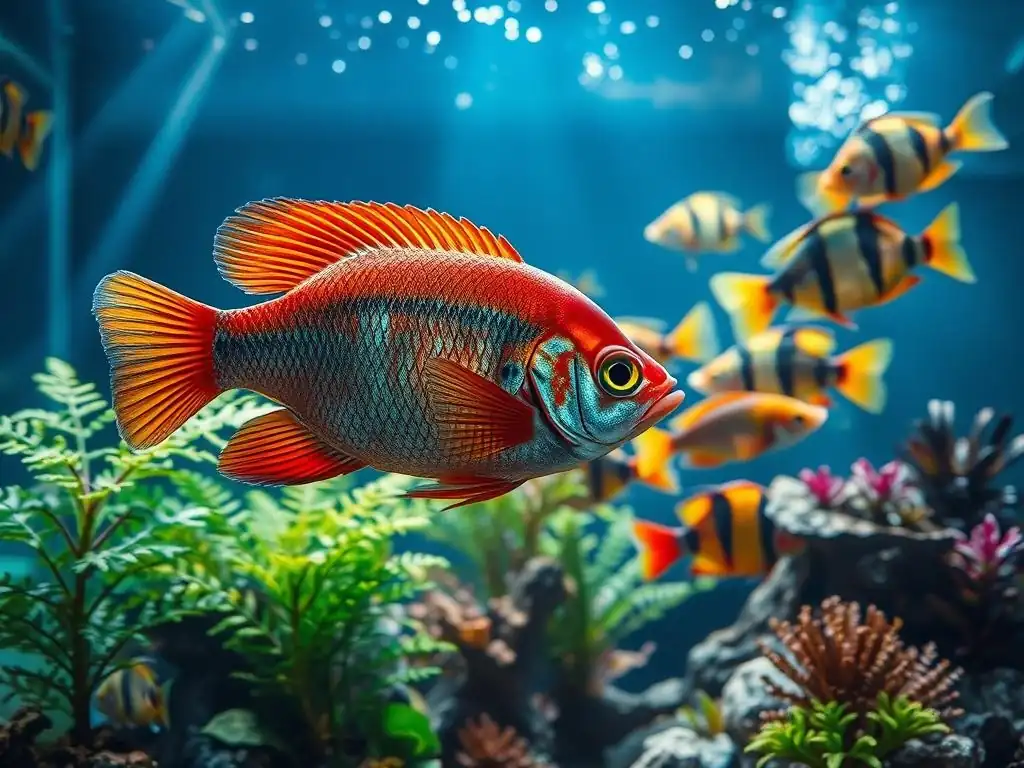
Barbs are a beloved group of freshwater fish in the aquarium hobby, widely appreciated for their energetic schooling behaviors and, most notably, their dazzling array of colors. Species like the Tiger Barb, Cherry Barb, and Denison Barb add dynamic visual appeal to any tank, transforming it into a living kaleidoscope. Their natural, vivid pigmentation is a primary reason aquarists choose them, making a healthy, brightly colored barb a true centerpiece. The brilliance of their scales is often a direct indicator of their overall well-being and a testament to a thriving aquatic environment.
However, when these vibrant hues begin to diminish, leading to what aquarists often describe as "faded barbs color," it becomes a significant source of concern. This loss of intensity or dulling of their natural shades is rarely just an aesthetic issue; it frequently signals underlying problems with the fish's health, diet, or environment. Recognizing faded barbs color causes early is critical for intervention, as addressing these issues promptly can prevent further decline and help restore the fish to its former glory.
Common Barb Species and Their Natural Coloration (Tiger Barbs, Cherry Barbs, Denison Barbs)
Tiger Barbs (Puntigrus tetrazona) are perhaps the most iconic, known for their striking orange-gold bodies adorned with four distinct vertical black stripes. A healthy Tiger Barb’s base color should be rich and luminous, with the black stripes sharply defined. Cherry Barbs (Puntius titteya), on the other hand, captivate with their deep, ruby-red coloration, especially pronounced in mature males.
Females typically exhibit a softer, more subdued orange or brownish-red hue. Any significant departure from these characteristic vibrant tones, such as a dull orange in a male Cherry Barb or faded, greyish stripes on a Tiger Barb, clearly indicates faded barbs color causes that need investigation.
Denison Barbs (Sahyadria denisonii), also known as Roseline Sharks, boast an elegant, streamlined silver body accented by a prominent black stripe running from snout to tail, often accompanied by a vibrant red stripe above it, extending from the head to mid-body. A healthy Denison Barb exhibits a shimmering, almost metallic silver, with the black and red stripes appearing crisp and intense. If a Denison Barb's silver becomes dull or its red stripe appears washed out, it's a strong sign of faded barbs color, prompting aquarists to look for the specific faded barbs color causes impacting their fish's health.
Identifying Potential Causes of Faded Barbs Color
Poor Water Quality as a Primary Cause of Color Loss in Barbs
Poor water quality is arguably the most prevalent and damaging faded barbs color cause. Fish live in their own waste, and without proper filtration and maintenance, toxins can quickly accumulate, leading to severe stress and health deterioration. When water parameters deviate significantly from optimal levels, barbs expend a tremendous amount of energy trying to cope, diverting resources away from maintaining vibrant coloration. This constant physiological strain manifests visually as dull, faded barbs color, often accompanied by other signs of distress.
Maintaining pristine water conditions is not merely about clarity; it's about the chemical balance that supports aquatic life. For barbs, consistently high levels of harmful compounds act as chronic stressors, directly impacting their metabolic functions and immune systems. This weakens their ability to produce and display their natural pigments effectively, making water quality a fundamental factor when diagnosing faded barbs color causes. Addressing these issues is often the first and most effective step in restoring their former brilliance.
High Ammonia and Nitrite Levels: Impact on Barb Health and Color
Ammonia (NH3/NH4+) and nitrite (NO2-) are highly toxic compounds that are byproducts of fish waste and decaying organic matter. In a healthy, cycled aquarium, beneficial bacteria convert ammonia into nitrite, and then nitrite into less harmful nitrate (NO3-). However, in new tanks, overstocked tanks, or those with inadequate filtration, ammonia and nitrite can quickly accumulate to dangerous levels. Even concentrations as low as 0.25 ppm for ammonia or nitrite can cause significant stress in barbs, leading to gill damage, lethargy, and a severe reduction in color vibrancy.
Exposure to elevated ammonia and nitrite directly impairs a barb's respiratory system, making it difficult for the fish to absorb oxygen. This oxygen deprivation stresses the fish's entire system, causing it to appear listless and, critically, to lose its vibrant coloration as a direct symptom of physiological distress. Long-term exposure to these toxins, even at sub-lethal levels, is a major faded barbs color cause, gradually eroding the fish's health and ability to display its natural hues. Regular testing and immediate action to reduce these levels are paramount for barb health and color.
Inadequate Water Changes and Their Role in Color Degradation
Regular partial water changes are fundamental to aquarium maintenance, primarily serving to dilute accumulated nitrates and replenish essential minerals. While nitrates are less toxic than ammonia or nitrite, persistently high levels (above 20-40 ppm for most barbs) can still contribute to chronic stress, weakened immune systems, and, consequently, faded barbs color. Many aquarists aim for weekly or bi-weekly water changes, replacing 25-50% of the tank volume, depending on stocking levels and filtration efficiency. Neglecting this routine allows nitrates and other dissolved organic compounds to build up.
When water changes are infrequent or insufficient, the water quality slowly degrades, creating a suboptimal environment for barbs. This gradual decline in water parameters means the fish are constantly living in water that is not ideal, putting continuous stress on their systems. Over time, this chronic stress directly impacts their pigmentation, serving as a common faded barbs color cause. Furthermore, the lack of fresh, mineral-rich water can deprive barbs of trace elements vital for metabolic processes, including those responsible for maintaining vibrant coloration.
Stress as a Factor in Barb Color Fading
Stress is a significant, often underestimated, faded barbs color cause. Just like humans, fish react to stressful conditions by altering their physiology, and one of the most visible signs of this internal turmoil is a loss of color vibrancy. When barbs are stressed, their bodies release hormones that can constrict capillaries in the skin, reducing blood flow to the pigment cells (chromatophores) and causing their colors to dull or fade. This is often an immediate, noticeable change, indicating that something in their environment is causing distress.
Multiple factors can contribute to stress in an aquarium, ranging from physical discomfort to psychological pressure. Identifying the specific source of stress is crucial for effective intervention. A barb that is constantly stressed will not only exhibit faded barbs color but also be more susceptible to diseases, have a weaker appetite, and potentially display abnormal behavior, such as hiding excessively or erratic swimming. Addressing the root cause of stress is paramount for both their coloration and overall longevity.
Overcrowding and its Effect on Barb Stress Levels
Overcrowding is a widespread issue in the aquarium hobby and a significant faded barbs color cause. When a tank is too small for its inhabitants, it leads to several problems: increased waste production, rapid decline in water quality, and heightened aggression among fish.
For schooling fish like barbs, adequate space is crucial for them to establish territories, escape aggressive encounters, and swim freely. A common guideline suggests at least 2 gallons per inch of adult fish for species like Tiger Barbs, meaning a school of six 2.5-inch Tiger Barbs would ideally need a 30-gallon tank or larger to thrive without undue stress.
In an overcrowded tank, barbs experience constant low-level stress due to limited space, insufficient oxygen, and poor water conditions. This chronic stress weakens their immune systems and directly impacts their ability to maintain vibrant coloration. They may appear pale, lethargic, and less active than usual. Overcrowding also exacerbates aggression, as fish cannot escape dominant individuals, leading to constant harassment and further stress, all contributing to faded barbs color and overall poor health.
Aggressive Tank Mates and Their Influence on Barb Coloration
The choice of tank mates is critical for barbs, especially species like Tiger Barbs which can be nippy. Housing barbs with fish that are overly aggressive, significantly larger, or very timid can lead to constant stress and a noticeable faded barbs color.
Aggressive tank mates may chase, nip fins, or monopolize food resources, preventing barbs from feeding adequately or feeling secure. For example, housing Tiger Barbs with slow-moving, long-finned fish like Angelfish or Bettas often results in fin nipping and high stress levels for both parties, with the barbs potentially becoming stressed from the constant conflict or the targeted fish becoming stressed.
Even if direct physical harm isn't evident, the constant psychological pressure of being in a threatening environment can cause barbs to become highly stressed. This ongoing stress response directly impacts their coloration, leading to duller hues as their bodies divert energy away from pigment production. Providing a peaceful environment with compatible tank mates is essential to prevent this significant faded barbs color cause and ensure your barbs can display their full, natural brilliance.
Inconsistent Lighting and Its Impact on Barb Stress and Color
Lighting plays a surprisingly vital role in the health and coloration of aquarium fish, including barbs. While fish don't require light for photosynthesis like plants, consistent and appropriate lighting cycles mimic their natural environment and support their circadian rhythms. An ideal lighting schedule for most freshwater aquariums is 8-12 hours per day, followed by a period of darkness. Inconsistent lighting, such as very long periods of light, short periods, or erratic on/off cycles, can disrupt a barb's natural rhythms, leading to stress.
Constant exposure to bright light without a dark period can prevent barbs from resting properly, leading to chronic fatigue and stress. Conversely, too little light can also disrupt their natural behaviors. This stress response can directly impact their chromatophores, the cells responsible for color, causing them to retract and resulting in faded barbs color. Furthermore, proper lighting helps fish display their best colors by stimulating their pigment cells. Therefore, maintaining a stable and appropriate lighting schedule is a simple yet effective way to prevent a common faded barbs color cause.
Dietary Deficiencies and Their Impact on Barb Color
Just like any living creature, the health and vibrancy of barbs are intrinsically linked to their diet. A lack of essential nutrients, particularly specific vitamins and carotenoids, is a common faded barbs color cause. While many commercial fish foods claim to be "complete," some may lack the optimal balance or concentration of nutrients required for long-term vibrant coloration, especially if not supplemented with other food types.
A barb's diet directly influences its ability to produce and maintain its natural pigments. If the building blocks for these pigments are missing or insufficient, the fish cannot display its full, intended color. This often results in a gradual but noticeable dulling of their scales, making them appear pale or washed out. Addressing dietary deficiencies is a straightforward yet crucial step in restoring and enhancing the brilliant hues of your barbs.
Lack of Essential Nutrients for Color Enhancement
For barbs to display their most vibrant colors, their diet must include specific nutrients, particularly carotenoids. These are natural pigments found in various foods that fish consume, such as spirulina, krill, and certain algae. Fish cannot synthesize carotenoids on their own; they must obtain them through their diet. If a barb's staple food lacks sufficient amounts of these color-enhancing compounds, their natural pigments will gradually fade. For instance, the deep reds and oranges of Cherry and Tiger Barbs heavily rely on dietary carotenoids.
Beyond carotenoids, a balanced diet providing adequate protein, fats, vitamins (especially A, C, and E), and minerals is crucial for overall health, which indirectly supports vibrant coloration. A deficiency in any of these essential nutrients can lead to a weakened immune system, poor metabolism, and a general lack of vitality, all of which contribute to faded barbs color. Ensuring a nutrient-rich diet is therefore a primary strategy in preventing and reversing color loss.
Importance of a Varied Diet for Vibrant Barb Colors
Relying solely on a single type of fish food, even a high-quality flake or pellet, can lead to subtle nutritional imbalances over time. Barbs, being omnivores, benefit immensely from a varied diet that mimics their natural feeding habits. Incorporating a mix of flakes, pellets, frozen foods (like bloodworms, brine shrimp, daphnia), and live foods (such as small insects or cultured worms) provides a broader spectrum of nutrients and essential amino acids. For example, frozen bloodworms are rich in protein and iron, while spirulina flakes are packed with carotenoids.
A varied diet not only ensures a comprehensive nutritional intake, covering all the bases for growth and health, but also stimulates their natural foraging instincts, reducing boredom and stress. This holistic approach to nutrition directly translates into more robust health and, critically, more vibrant and stable coloration, preventing faded barbs color by providing all the necessary building blocks for pigment production. Offering a diverse menu is one of the most effective ways to support your barbs' long-term brilliance.
Diseases and Parasites Affecting Barb Coloration
While often less immediate than water quality issues, the presence of diseases or parasites can be a significant faded barbs color cause. When a fish is battling an illness, its body's resources are diverted to fighting the infection, leading to a general decline in health and vitality. One of the early and common symptoms of many fish ailments is a noticeable dulling or fading of their natural coloration. This color loss is often accompanied by other specific symptoms that can help diagnose the underlying problem.
Fish diseases can range from bacterial and fungal infections to viral illnesses and parasitic infestations. Each type of affliction places a different kind of stress on the fish's system, but the common thread is that a sick fish rarely maintains its vibrant hues. Observing faded barbs color in conjunction with other behavioral or physical changes is a strong indicator that a disease or parasite might be the root cause, necessitating prompt identification and treatment.
Identifying Common Barb Diseases That Cause Color Loss
Several common fish diseases can manifest with faded barbs color as a symptom. Ich (Ichthyophthirius multifiliis), for instance, causes small white spots resembling salt grains on the body and fins, but before these spots become obvious, fish may appear dull or pale due to stress and irritation. Bacterial infections, such as fin rot or columnaris (cottonmouth), can also lead to faded colors, often accompanied by ragged fins, lesions, or white patches on the body. A barb suffering from internal parasites might appear emaciated despite eating, and its colors can become subdued as the parasites leach nutrients.
Another example is Velvet disease (Oodinium), which creates a dusty, yellowish-brown coating on the fish's skin, making them appear dull and contributing to faded barbs color. Dropsy, characterized by a swollen body and protruding scales, is often a symptom of underlying organ failure or severe bacterial infection, and affected fish invariably lose their vibrant coloration. Recognizing these accompanying symptoms alongside color loss is vital for accurate diagnosis and effective treatment.
Treating Diseases and Parasites to Restore Barb Color
Once a disease or parasite is identified as the faded barbs color cause, prompt and appropriate treatment is essential. Treatment protocols vary widely depending on the specific ailment. For Ich, increasing the water temperature gradually (if compatible with tank mates) and using an Ich-specific medication like malachite green or formalin can be effective. Bacterial infections often require broad-spectrum antibiotics, either administered directly to the water or via medicated food. It's crucial to follow dosage instructions precisely and complete the full course of treatment, even if symptoms improve quickly, to prevent recurrence.
For parasitic infestations like internal worms, deworming medications administered through food are typically necessary. During any treatment, it's advisable to remove activated carbon from the filter as it can absorb medications. After treatment, performing a significant water change (e.g., 50%) and re-adding fresh activated carbon can help remove residual medication. Restoring excellent water quality and providing a nutritious diet post-treatment will aid the barb's recovery and help restore its vibrant coloration.
Age and Genetics as Natural Factors in Color Change
While most instances of faded barbs color point to environmental or health issues, it's also important to acknowledge that age and genetics can play a natural, non-alarming role in a barb's coloration. Not all color changes indicate distress; some are simply part of the fish's natural life cycle or inherent genetic makeup. Understanding these natural factors helps distinguish between a problem that needs intervention and a normal physiological change.
Recognizing the difference is key to avoiding unnecessary stress for both the fish and the aquarist. While significant fading should always prompt an investigation into environmental factors, a slight dulling in an older fish or a less intense hue in certain genetic strains might simply be part of their natural progression or inherent characteristics.
Understanding Natural Color Fading in Older Barbs
As barbs age, it is natural for their colors to slightly diminish in intensity. Just like many other animals, older fish may not exhibit the same vibrant hues as their younger, more energetic counterparts. For example, a Tiger Barb that has lived for 4-5 years (which is a good lifespan for them) might have slightly less pronounced stripes or a duller orange base color compared to a 1-year-old specimen. This gradual fading is usually not accompanied by other signs of distress, such as lethargy, clamped fins, or loss of appetite.
This age-related fading is a normal physiological process where the production or density of pigment cells (chromatophores) might decrease over time. It's distinct from the rapid or severe faded barbs color caused by stress, disease, or poor water quality. If an older barb is otherwise healthy, active, and feeding well, a minor dulling of color should not be a major cause for concern, but rather a sign of a well-lived life in a good environment.
Genetic Predisposition to Faded Colors in Some Barb Strains
Genetics also plays a significant role in the natural coloration of barbs. Within the same species, there can be genetic variations that result in slightly different color intensities or patterns. For example, some bloodlines of Cherry Barbs might naturally exhibit a deeper red, while others from a different lineage might be a more muted orange-red, even when perfectly healthy. Similarly, "albino" or "gold" variations of Tiger Barbs are selectively bred for their lack of dark pigmentation, resulting in lighter, often cream or gold bodies with faint stripes.
These genetic predispositions mean that some barbs may never achieve the intense coloration seen in others, regardless of tank conditions or diet. If a barb has always had a slightly less vibrant hue compared to typical examples of its species, and it shows no other signs of ill health, its coloration is likely due to its genetic makeup rather than an underlying problem. Understanding these genetic variations helps in accurately assessing faded barbs color causes and avoids unnecessary interventions.
Diagnosing the Specific Cause of Your Barb's Faded Color
Observing Barb Behavior and Physical Symptoms
When faced with faded barbs color, the first and most crucial step in diagnosis is diligent observation. Your barbs' behavior and any accompanying physical symptoms can provide invaluable clues about the underlying problem. A change in color is rarely an isolated symptom; it's often a distress signal linked to other visible signs. Taking the time to watch your fish closely, noting any deviations from their normal patterns, is far more effective than immediately reaching for a medication.
This observational phase should be systematic, looking for specific indicators that point towards stress, disease, or environmental issues. A comprehensive assessment of their overall demeanor, swimming patterns, and physical appearance will significantly narrow down the potential faded barbs color causes, guiding you toward the most appropriate course of action.
Changes in Behavior That Indicate Underlying Issues
Behavioral changes are often the earliest indicators of stress or illness in barbs, preceding or accompanying faded barbs color. Healthy barbs are typically active, schooling fish, constantly swimming and interacting. If you notice your barbs becoming lethargic, spending an unusual amount of time hiding, or hovering listlessly near the surface or bottom, it's a red flag. Erratic swimming, darting, or rubbing against objects (flashing) can indicate irritation from parasites or poor water quality.
Additionally, a significant decrease in appetite or refusal to eat is a strong sign of distress or illness. While a healthy barb will eagerly approach food, a sick or stressed one may ignore it. Changes in schooling behavior, such as individuals breaking away from the group or increased aggression within the school, can also point to underlying stress factors like overcrowding or inappropriate tank mates. These behavioral cues, when combined with faded barbs color, provide a clearer picture of the problem.
Physical Signs of Illness or Stress Contributing to Color Loss
Beyond behavioral changes, specific physical symptoms often accompany faded barbs color, helping to pinpoint the exact issue. Inspect your barbs closely for any visible signs of disease or physical distress. Look for clamped fins, where the fins are held close to the body instead of being spread normally, indicating general discomfort. Labored breathing, characterized by rapid gill movements, suggests poor water quality or gill parasites.
Other physical signs include visible spots (white spots for Ich, velvet-like dust for Velvet disease), fungal growths (cottony patches), ulcers, red streaks, or frayed fins (fin rot). Swelling of the body, particularly if scales are protruding (pineconing), indicates severe internal issues. Any of these physical manifestations, when present alongside faded barbs color, provide concrete evidence of the specific faded barbs color causes and necessitate targeted treatment.
Testing Water Parameters to Identify Water Quality Problems
After observing your barbs, the next critical step in diagnosing faded barbs color is to test your aquarium water parameters. Water quality issues are so fundamental to fish health that they should always be among the first suspects. Visual inspection alone is insufficient; crystal clear water can still harbor dangerous levels of invisible toxins. Accurate testing provides concrete data that will either confirm or rule out water quality as a primary faded barbs color cause.
Regular and precise water testing empowers you to understand the chemical environment your barbs are living in. It allows for proactive adjustments and helps identify imbalances before they lead to severe health problems. This step is non-negotiable for any aquarist serious about the well-being and vibrant coloration of their fish.
Using Test Kits to Measure Ammonia, Nitrite, and Nitrate
To accurately assess water quality, you will need reliable test kits. Liquid reagent test kits are generally more accurate and reliable than test strips for measuring ammonia, nitrite, and nitrate. Start by testing for ammonia (NH3/NH4+). Any reading above 0 ppm is a red flag and a significant faded barbs color cause. Next, test for nitrite (NO2-); again, 0 ppm is the ideal. Elevated nitrite indicates an incomplete nitrogen cycle or a stressed biofilter.
Finally, test for nitrate (NO3-). While less toxic, levels above 20 ppm (or 40 ppm for very hardy fish) can contribute to chronic stress and faded barbs color. Consistent readings above this threshold indicate a need for more frequent or larger water changes. Beyond these three, testing pH (for barbs, typically 6.0-7.5 depending on species) and water hardness (GH/KH) can also provide valuable insights into water stability and suitability for your specific barb species.
Maintaining Optimal Water Parameters for Barb Health and Color
Once you've identified any deviations in water parameters, the goal is to bring them back to optimal levels and maintain them consistently. For ammonia and nitrite, any detectable level requires immediate action, such as a large water change (e.g., 50%) and potentially adding a beneficial bacteria supplement to boost the biological filter. For high nitrates, increasing the frequency or volume of partial water changes is the primary solution. For example, if nitrates are consistently at 40 ppm with weekly 25% changes, consider increasing to 50% weekly or doing two 25% changes per week.
Optimizing filtration systems is also key. Ensure your filter is adequately sized for your tank and stocking level, and perform regular, but gentle, filter maintenance to prevent clogs without destroying beneficial bacteria. Consistent water parameters, within the species-specific ideal ranges (e.g., pH 6.5-7.0, soft to medium hard water for Tiger Barbs), create a stable and healthy environment where barbs can thrive and display their most vibrant colors, effectively preventing faded barbs color caused by poor water conditions.
Evaluating Diet and Supplementation Needs
Once water quality and immediate stress factors have been assessed, the next diagnostic step for faded barbs color is to critically evaluate your barbs' diet. A deficiency in key nutrients, particularly those responsible for pigment production, can be a subtle yet significant long-term faded barbs color cause. This evaluation should go beyond simply noting if the fish are eating; it should assess the nutritional completeness and variety of their food.
A thorough review of their feeding regimen will help determine if they are receiving all the necessary vitamins, minerals, and carotenoids essential for vibrant coloration and overall health. This step is crucial for ensuring that your barbs have the internal resources to maintain their brilliant hues.
Assessing the Nutritional Value of Current Food
Take a close look at the primary food you are offering your barbs. Is it a reputable brand? Check the ingredient list: higher quality foods will list fish meal or other animal proteins as the first ingredient, followed by a variety of plant-based ingredients, vitamins, and minerals. Avoid foods with excessive fillers or artificial colors. For barbs, look for foods that explicitly mention spirulina, astaxanthin, or other carotenoids in their ingredients, as these are vital for enhancing reds, oranges, and yellows.
Consider the age of the food as well; opened fish food loses nutritional value over time, especially after 3-6 months. Stale food can have degraded vitamins, making it less effective in providing the necessary nutrients for vibrant colors. If your current food seems generic or old, it's a strong candidate for being a faded barbs color cause due to inadequate nutrition.
Supplementing with Color-Enhancing Foods and Vitamins
If your assessment indicates a potential dietary deficiency, the solution is to supplement their diet with color-enhancing foods and potentially liquid vitamins. High-quality flakes or pellets specifically formulated for color enhancement often contain higher concentrations of carotenoids like astaxanthin, canthaxanthin, and beta-carotene. Brands like Hikari, Omega One, and New Life Spectrum offer such specialized diets. Incorporating these into their daily feeding regimen can make a noticeable difference in their coloration over several weeks.
Beyond specialized flakes, integrating frozen foods like bloodworms, brine shrimp (especially those enriched with spirulina), and daphnia offers diverse nutrient profiles. Live foods, when safely sourced, also provide excellent nutritional boosts. For a more direct approach, liquid vitamin supplements designed for aquarium fish can be added to the water or soaked into dry foods before feeding, providing a broad spectrum of essential vitamins that might be lacking, thus helping to reverse faded barbs color.
Solutions and Treatments to Restore Barb Color
Improving Water Quality for Enhanced Barb Color
Once water quality issues are identified as a faded barbs color cause, immediate and consistent action is required. Restoring pristine water conditions is the most fundamental and often the most effective step in bringing back your barbs' vibrant hues. This involves not only reactive measures to correct current imbalances but also proactive strategies to maintain a stable and healthy environment long-term.
A clean, stable aquatic environment reduces stress, supports the fish's immune system, and allows their natural metabolic processes, including pigment production, to function optimally. Prioritizing water quality will visibly improve your barbs' coloration and overall health.
Implementing a Regular Water Change Schedule
The cornerstone of excellent water quality is a consistent and appropriate water change schedule. If your barbs are showing faded colors due to high nitrates or general water degradation, increase the frequency and volume of your water changes. For a typical community tank with barbs, a weekly 25-30% water change is often sufficient to keep nitrates below 20 ppm and replenish essential minerals. In cases of severe faded barbs color or high toxin levels, an immediate 50% water change, followed by daily 25% changes for a few days, might be necessary.
Always use a reliable dechlorinator to treat tap water before adding it to the tank, as chlorine and chloramines are highly toxic to fish. Ensure the temperature of the new water is as close as possible to the tank water to prevent temperature shock, which can further stress barbs and worsen faded barbs color. Consistent water changes dilute pollutants, remove accumulated organic waste, and provide a fresh, healthy environment for your barbs to regain their color.
Optimizing Filtration Systems to Maintain Water Clarity
An efficient filtration system is crucial for breaking down waste and maintaining clear, healthy water, thereby preventing faded barbs color. Ensure your filter is appropriately sized for your tank's volume and stocking density; a filter rated for a larger tank is always better. Mechanical filtration (e.g., filter floss, sponges) physically removes particulate matter, while biological filtration (e.g., ceramic rings, bio-balls) provides surface area for beneficial bacteria to convert ammonia and nitrite into nitrate. Chemical filtration (e.g., activated carbon) can remove dissolved organic compounds and odors.
Regularly clean your filter media, but do so gently and in old tank water to preserve the beneficial bacteria. Replace mechanical media as needed, usually every 2-4 weeks, and chemical media (like carbon) monthly. Never clean all filter media at once, as this can crash your biological filter. An optimized filtration system works continuously to keep the water pristine, reducing stress on your barbs and allowing them to dedicate energy to maintaining their brilliant coloration.
Reducing Stress in the Aquarium Environment
Stress is a pervasive faded barbs color cause, and mitigating it is paramount for restoring your barbs' vibrant hues and overall well-being. A calm, secure environment allows barbs to thrive, express natural behaviors, and allocate energy towards health and color maintenance rather than coping with constant threats. Addressing sources of stress requires a holistic look at the tank setup and its inhabitants.
Creating a low-stress habitat fosters healthy, happy fish that are more resilient to disease and display their most intense coloration. This involves thoughtful planning of tank mates and providing appropriate sanctuary within the aquarium.
Re-evaluating Tank Mates and Tank Size
If aggression or overcrowding is suspected as a faded barbs color cause, a re-evaluation of your tank mates and tank size is essential. For nippy species like Tiger Barbs, ensure they are kept in sufficiently large schools (at least 6-8 individuals) to spread out aggression among themselves rather than focusing on other fish. Avoid housing them with slow-moving, long-finned fish. If incompatibility persists, consider rehoming certain fish to a more suitable environment.
Furthermore, ensure your tank is large enough for your barb species and their adult size. For example, a school of 6-8 Tiger Barbs typically requires a minimum of a 30-gallon tank, while a group of Denison Barbs needs at least a 55-gallon tank due to their larger adult size (up to 6 inches) and active swimming nature. Providing ample swimming space and appropriate social dynamics significantly reduces stress, allowing barbs to regain their vibrant colors.
Providing Adequate Hiding Places and Plants
A lack of hiding places can significantly contribute to stress and faded barbs color, especially for barbs that are lower in the pecking order or feel exposed. Providing dense planting, rock caves, driftwood, or artificial decorations offers secure retreats where barbs can escape perceived threats or simply rest. For schooling barbs, having plenty of visual breaks in the tank layout allows them to feel safer and reduces constant visual contact with dominant individuals or other tank inhabitants.
Live plants, in particular, offer numerous benefits: they absorb nitrates, provide oxygen, and create a natural, calming environment. Species like Java Fern, Anubias, and various stem plants are excellent choices. A well-scaped tank with ample cover mimics their natural habitat, reducing anxiety and allowing barbs to feel secure enough to display their full, vibrant coloration. This sense of security is a powerful antidote to stress-induced faded barbs color.
Optimizing Diet and Nutritional Intake
A robust, varied, and nutrient-rich diet is fundamental for restoring and maintaining vibrant barb colors once dietary deficiencies are identified as a faded barbs color cause. Fish, like all living organisms, require a balanced intake of proteins, fats, carbohydrates, vitamins, and minerals to thrive. Specifically, certain pigments and their precursors must be obtained through food.
By carefully selecting and diversifying the food offered, you can directly influence the intensity and brilliance of your barbs' coloration, ensuring they receive all the building blocks for healthy, vivid hues. This proactive approach to nutrition is a powerful tool in color enhancement.
Selecting High-Quality Fish Food for Barbs
When aiming to optimize barb color, choose high-quality commercial fish foods specifically formulated for tropical omnivores or color enhancement. Look for products that list whole fish meal, shrimp, or spirulina as primary ingredients. Spirulina, a blue-green algae, is particularly rich in carotenoids and essential amino acids vital for vibrant reds and oranges. For example, some premium flake foods contain astaxanthin, a powerful antioxidant and red pigment found in crustaceans, which can significantly boost red and orange hues in barbs like Cherries and Tigers.
Avoid generic "fish food" or those with excessive fillers (like cornmeal) as the main ingredients. These often lack the concentrated nutrients needed for optimal health and color. Investing in a reputable brand of high-quality flakes or pellets ensures a solid nutritional base, directly addressing dietary faded barbs color causes.
Incorporating Live or Frozen Foods for Color Enhancement
To truly unlock your barbs' full color potential and combat faded barbs color, supplement their staple diet with live or frozen foods several times a week. These foods are often richer in natural pigments, proteins, and essential fatty acids than dry foods. Frozen bloodworms, for instance, are packed with protein and iron, beneficial for overall vitality and color. Frozen brine shrimp, especially those enriched with spirulina or highly nutritious marine algae, are excellent sources of carotenoids.
Daphnia, whether live or frozen, are also good for gut health and provide additional nutrients. Live foods, such as blackworms or small insects, can stimulate natural hunting instincts and provide peak nutritional value. Ensure any live food is sourced from reputable suppliers to avoid introducing diseases. This variety not only provides a broader spectrum of nutrients for color enhancement but also keeps your barbs engaged and active, contributing to their overall well-being.
Treating Diseases and Parasites Effectively
If disease or parasitic infection is determined to be the faded barbs color cause, prompt and accurate treatment is crucial. Ignoring symptoms can lead to the spread of the illness, further decline in the affected fish's health, and potentially fatalities. Effective treatment involves correctly identifying the pathogen and applying the appropriate medication or therapy.
Successful treatment not only eradicates the disease but also alleviates the stress on the fish, allowing its body to recover and restore its natural, vibrant coloration. Always prioritize accurate diagnosis before administering any medication.
Identifying the Specific Disease or Parasite
Accurate identification of the disease or parasite is the first and most critical step in effective treatment. Observe all symptoms carefully: Are there white spots (Ich)? A dusty film (Velvet)? Frayed fins or body sores (bacterial infection)? Swelling (Dropsy)? Are fish scratching or gasping at the surface? Compare these observations with reliable fish disease guides or consult with experienced aquarists or aquatic veterinarians. Misdiagnosis can lead to ineffective treatment, wasted medication, and prolonged suffering for your barbs.
It's also important to consider if the faded barbs color is accompanied by any behavioral changes, such as lethargy, loss of appetite, or abnormal swimming. A combination of symptoms provides a clearer picture. For example, faded color with white spots points strongly to Ich, while faded color with labored breathing and a dusty appearance suggests Velvet disease.
Using Appropriate Medications and Treatments
Once the disease or parasite is identified, select an appropriate medication. Always read and follow the manufacturer's instructions for dosage, duration, and water change requirements precisely. Many medications require removing activated carbon from the filter during treatment as it can absorb the medication, making it ineffective. Some treatments may also require increased aeration or specific water parameters (e.g., higher temperature for Ich).
For Ich, common treatments include malachite green or formalin-based medications, often combined with a gradual increase in tank temperature (e.g., to 82-84°F / 28-29°C, if compatible with all tank inhabitants and adequate aeration is provided). Bacterial infections might require broad-spectrum antibiotics, which can be dosed into the water or mixed with food for internal infections. After completing the treatment course, perform a large water change (e.g., 50%) and replace the activated carbon to remove residual medication. Monitor your barbs closely during and after treatment for signs of recovery, including the return of their vibrant colors.
Preventing Future Color Loss in Barbs
Prevention is always better than cure, especially when it comes to maintaining the vibrant colors of your barbs. By proactively addressing the common faded barbs color causes, you can create a stable, healthy environment that promotes long-term vitality and brilliant coloration. This involves consistent attention to water quality, stress reduction, and optimal nutrition.
Establishing a routine of best practices minimizes the chances of your barbs experiencing color loss due to preventable issues. A well-maintained tank fosters robust health, allowing your barbs to display their natural beauty consistently.
Maintaining Consistent Water Parameters
The single most important preventative measure against faded barbs color is maintaining consistent and optimal water parameters. This means establishing a regular water change schedule – typically 25-30% weekly for most barb tanks – to keep nitrates low (below 20 ppm) and replenish essential minerals. Test your water regularly (e.g., weekly or bi-weekly) for ammonia, nitrite, and nitrate to catch any imbalances early.
Ensure your biological filter is well-established and efficient. Avoid overfeeding, which can quickly foul water. Using a reliable dechlorinator with every water change is non-negotiable. Consistent water temperature and pH, within the recommended range for your specific barb species, also reduce stress. A stable and clean aquatic environment is the bedrock for vibrant, healthy barbs.
Providing a Stress-Free Environment
Minimizing stress is crucial for preventing faded barbs color. This involves several aspects:
- Appropriate Tank Size: Ensure your aquarium is large enough for the adult size and schooling needs of your barbs (e.g., 30+ gallons for a school of Tiger Barbs).
- Compatible Tank Mates: Research and choose tank mates carefully to avoid aggression or bullying. Keep barbs in schools of at least 6-8 individuals to help diffuse aggression among themselves.
- Adequate Hiding Places: Provide plenty of live plants, driftwood, or rock caves where barbs can retreat if they feel threatened or need to rest.
- Stable Lighting: Maintain a consistent light cycle, typically 8-12 hours of light per day, followed by a dark period to support their natural rhythms. Avoid sudden changes or prolonged periods of darkness or light.
By creating a secure and harmonious environment, you significantly reduce the physiological burden on your barbs, allowing them to channel energy into maintaining their health and brilliant colors.
Offering a Balanced and Nutritious Diet
A diverse and high-quality diet is essential for preventing faded barbs color in the long run. Don't rely on a single type of food. Offer a variety of flakes and pellets, ensuring they are specifically formulated for tropical fish and contain color-enhancing ingredients like spirulina or astaxanthin. Brands known for quality fish food are a good starting point.
Supplement their diet with frozen foods (e.g., bloodworms, brine shrimp, daphnia) 2-3 times a week. These provide natural pigments, proteins, and essential fatty acids that are vital for vibrant coloration. Occasionally, offer live foods if safely sourced. Avoid overfeeding, as uneaten food can pollute the water. A varied and nutrient-rich diet directly supplies the building blocks for healthy, intense pigments, keeping your barbs looking their best.
Regular Observation and Early Intervention
One of the most powerful preventative tools is diligent and regular observation of your barbs. Spend a few minutes each day watching their behavior, swimming patterns, and overall appearance. Look for subtle changes in color intensity, appetite, or activity levels. Early detection of any issues, even minor ones, allows for prompt intervention before problems escalate and become more difficult to resolve.
If you notice even slight fading, lethargy, or unusual behavior, immediately test your water parameters. This proactive approach allows you to address potential faded barbs color causes like rising nitrates or minor stress before they significantly impact your fish's health and vibrancy. Early intervention is key to maintaining a healthy, colorful barb population.
Conclusion: Restoring and Maintaining Vibrant Barb Colors
Frequently Asked Questions
Why are my barbs suddenly losing their vibrant color?
Color loss in barbs can stem from several factors, primarily stress and poor water quality. Examine your tank parameters and look for signs of bullying or disease.
What specific water parameters should I check if my barbs are fading?
Focus on testing for ammonia, nitrite, and nitrate levels. Elevated levels of these chemicals are toxic and a leading cause of stress, impacting color.
Could the food I'm feeding be contributing to my barbs' color loss?
Absolutely. A low-quality diet lacking essential nutrients can cause fading. Ensure you're providing a varied diet rich in vitamins and minerals, specifically those that enhance color.
How does the type of lighting in my aquarium affect my barbs' color?
While not always a direct cause of fading, inadequate lighting can make their colors appear less vibrant. Consider brighter, full-spectrum lighting to enhance their natural hues.
What if I've checked the water parameters, changed the food, and adjusted the lighting, but my barbs are still losing color?
In this case, investigate for potential diseases or internal parasites. Observe their behavior for other symptoms and consult with an experienced aquarist or veterinarian for diagnosis and treatment options.
Final Reflection: Embracing the Vibrant Potential Within
The journey to understanding faded barbs color causes is more than just a technical diagnosis; it's a reminder that even the most vibrant life can lose its luster under adverse conditions. Just as we meticulously examine the water parameters and diet of our fish, we must also be mindful of the environments we cultivate, both for ourselves and for those around us. The health and vibrancy of our barbs serve as a potent metaphor for the delicate balance required to thrive.
This exploration has highlighted the interconnectedness of environment, nutrition, and overall well-being. It's a powerful reminder that even seemingly small changes can have a profound impact on the vibrancy of life, both within the aquarium and beyond. The best and most beautiful things in the world cannot be seen or even touched - they must be felt with the heart.
- Helen Keller. This sentiment resonates deeply when considering the delicate ecosystem within our aquariums and the care required to maintain its beauty.
Now, consider the lessons learned from diagnosing and fixing faded hues in your barbs. What aspects of your own life might be lacking the essential elements for vibrant growth? Just as you've taken the initiative to restore color to your fish, I invite you to reflect on the areas where you can cultivate a more nourishing and supportive environment for yourself and those you cherish. Embrace the potential for renewal and remember that even the faintest colors can be brought back to life with mindful care and attention.
Ignite Your Barbs' Brilliance!
Thank you for diving into the vibrant world of barb coloration! We hope you've gained valuable insights into why your barbs might be losing their luster. Now it's time to take action and restore their dazzling hues.
Here are a few steps you can take right now:
- Prioritize Water Quality: Immediately test your water parameters! Adjust ammonia, nitrite, and nitrate levels to optimal conditions. This is the single most crucial step to revive their color.
- Research a plant-based food supplement. Barbs love their greens, and these sometimes provide the extra boost.
- Share your experiences and insights! Engage with fellow aquarists in online forums or local clubs to exchange tips and tricks on maintaining vibrant barb colors.
What specific action will you take first to bring back the brilliance of your barbs?