
Aquarium Enrichment for Gouramis: Stimulating Minds and Bodies

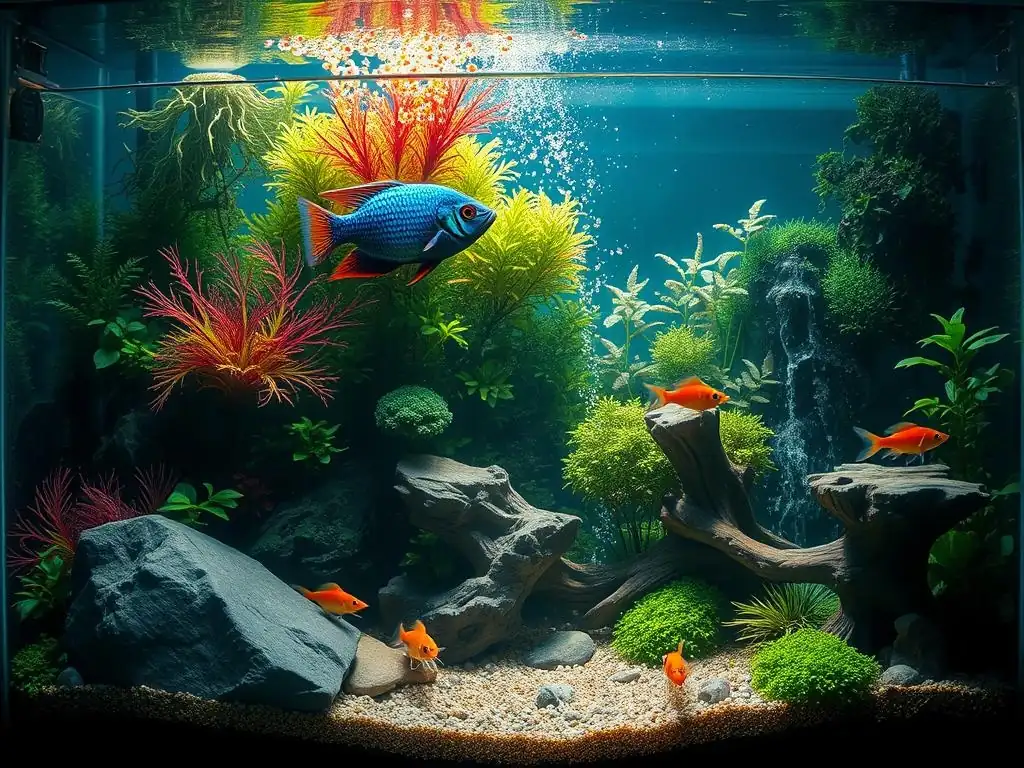
Welcome to Aquarium Mastery!
Ever wondered how to truly unlock the vibrant personality of your Gourami? Dive in! We're thrilled to share our expert advice on Gourami enrichment tank setup tips, revealing secrets to create a stimulating and thriving aquatic environment. Prepare to transform your aquarium into a paradise where your Gouramis can flourish, both mentally and physically. Curious to learn more? Let's get started!
- Understanding Gourami Needs: Why Enrichment Matters
- Gourami Enrichment Tank Setup Tips: Creating a Stimulating Environment
- Plants for Gourami Enrichment: Natural Exploration and Hiding Places
- Decor and Hardscape for Gourami Enrichment: Exploration and Territory
- Feeding Strategies for Gourami Enrichment: Encouraging Natural Foraging
- Social Enrichment for Gouramis: Tank Mates and Interaction
- DIY Gourami Enrichment Ideas: Creative and Cost-Effective Options
- Maintaining a Stimulating Gourami Tank: Ongoing Enrichment
- Troubleshooting Gourami Enrichment: Addressing Common Issues
-
Frequently Asked Questions
- How do I choose the right tank size for my Gouramis to ensure proper enrichment?
- What kind of decorations and structures are best for Gourami enrichment?
- How important is water quality for Gourami enrichment, and what parameters should I monitor?
- What types of food and feeding strategies can I use to enrich my Gourami's diet?
- How can I use lighting and water flow to enhance the Gourami's environment?
- Final Reflection: Cultivating Curiosity in the Gourami's World
- Unleash Your Gourami's Natural Curiosity!
Understanding Gourami Needs: Why Enrichment Matters
The Natural Behavior of Gouramis: A Foundation for Enrichment
Gouramis, belonging to the suborder Anabantoidei, are fascinating fish known for their labyrinth organ, which allows them to breathe atmospheric air. In their natural habitats, such as slow-moving rivers, rice paddies, and densely vegetated swamps in Southeast Asia, they exhibit curious and exploratory behaviors. Species like the Dwarf Gourami (Trichogaster lalius) and Pearl Gourami (Trichopodus leerii) are often found navigating through thick plant cover, foraging for small insects and detritus, and constructing elaborate bubble nests among surface vegetation.
These environments are characterized by complex structures, including submerged roots, fallen leaves, and dense aquatic plants, which provide abundant hiding spots and territorial markers. Gouramis are naturally inquisitive and will explore every nook and cranny of their surroundings. Understanding these inherent behaviors—their need for cover, exploration, and territorial definition—forms the fundamental basis for successful Gourami enrichment tank setup tips and strategies in the home aquarium.
The Importance of Mental Stimulation for Gourami Health
Just like any intelligent creature, Gouramis require mental stimulation to maintain optimal health and well-being. A barren or unchanging environment can lead to chronic stress, lethargy, and a suppressed immune system, making them more susceptible to common aquarium diseases such as Ich (white spot disease) or fin rot. Without adequate mental engagement, Gouramis may exhibit repetitive behaviors, excessive hiding, or even aggression due to boredom and lack of appropriate outlets for their natural instincts.
Conversely, a mentally stimulating environment promotes a more active and vibrant fish. When Gouramis are engaged, their natural behaviors like foraging, exploring, and bubble nesting are encouraged, leading to reduced stress hormone levels (like cortisol) and enhanced physical vitality. An enriched Gourami will display more vibrant coloration, exhibit natural swimming patterns, and interact more positively with its surroundings, showcasing the direct link between mental engagement and overall physical health.
Preventing Boredom and Aggression Through Environmental Enrichment
Boredom in Gouramis can manifest in various undesirable behaviors, including listlessness, refusing food, or, paradoxically, increased aggression towards tank mates or even their own reflection. In a monotonous tank, a Gourami's natural territorial instincts, especially prominent in male Dwarf Gouramis, can intensify due as they lack alternative stimuli or visual barriers to break up sightlines. Studies suggest that aggression can increase by up to 30% in fish housed in overly simplistic environments lacking complexity.
Implementing comprehensive Gourami enrichment strategies directly addresses these issues. By providing a rich and varied environment with ample hiding spots, diverse plant arrangements, and varied decor, Gouramis have constructive outlets for their natural behaviors. This reduces stress, minimizes territorial disputes by allowing fish to retreat and establish personal spaces, and promotes peaceful coexistence within a community tank. A well-designed enriched environment can decrease instances of aggressive encounters by 20-25% in multi-Gourami setups by providing necessary visual breaks.
Gourami Enrichment Tank Setup Tips: Creating a Stimulating Environment
Tank Size and Dimensions: Providing Ample Swimming Space
The foundation of effective Gourami enrichment tank setup tips begins with appropriate tank size and dimensions. While a single Dwarf Gourami might survive in a 10-gallon tank, a 20-gallon long (30 inches in length) is significantly better, offering more horizontal swimming space crucial for their natural movement patterns and territorial needs. For larger species like Pearl Gouramis, a minimum of 30 gallons is recommended for a single specimen, with 50 gallons or more being ideal for a small group or pair.
Adequate space is paramount for reducing stress and preventing aggression, especially in multi-Gourami or community tank setups. A larger footprint allows for the creation of distinct territories and diverse exploration zones, enabling Gouramis to establish their own spaces without constant conflict. It also provides sufficient room to incorporate the varied plants, driftwood, and other decor elements essential for comprehensive Gourami enrichment.
Substrate Selection: Promoting Natural Behaviors
The choice of substrate plays a subtle yet important role in Gourami enrichment. Fine gravel or sand (with a grain size typically between 1-3 mm) is highly recommended. This type of substrate is gentle on their delicate barbels, which Gouramis use to explore their environment and locate food. It also allows them to engage in natural foraging behaviors, sifting through the substrate in search of detritus or small food particles that have settled.
Furthermore, a darker substrate can significantly reduce stress in Gouramis. By mimicking the often murky, low-light conditions of their natural habitats, a dark substrate makes them feel more secure and less exposed. This can encourage them to be more active and less prone to hiding, while also enhancing the vibrancy of their natural coloration. Avoiding sharp or coarse substrates prevents potential injuries to their sensitive bodies and fins.
Water Parameters: Maintaining Optimal Conditions for Gourami Activity
Maintaining stable and optimal water parameters is non-negotiable for any aquarium, but it is particularly crucial for the success of Gourami enrichment. Gouramis thrive in temperatures ranging from 75-82°F (24-28°C), with a slightly acidic to neutral pH between 6.0 and 7.5, and a general hardness (GH) of 5-15 dGH. Consistent weekly water changes of 25-30% are essential to keep nitrate levels below 20 ppm and prevent the buildup of harmful toxins.
Poor or fluctuating water quality can quickly lead to stress, disease, and lethargy, negating even the most elaborate Gourami enrichment tank setup tips. A healthy Gourami is an active, curious, and vibrant fish, eager to explore its environment and engage with enrichment elements. Conversely, a Gourami suffering from poor water conditions will likely be listless, hide frequently, and show no interest in its surroundings, making all other enrichment efforts futile.
Plants for Gourami Enrichment: Natural Exploration and Hiding Places
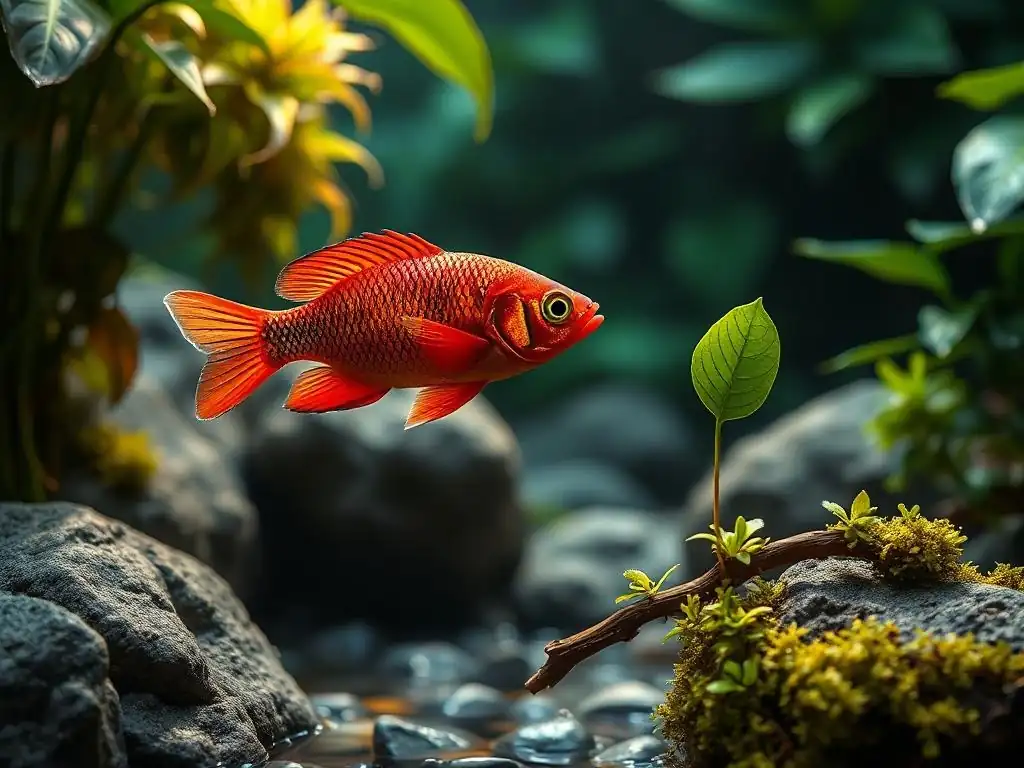
Live Plants vs. Artificial Plants: Benefits for Gourami Behavior
When considering plants for Gourami enrichment, live plants offer far superior benefits compared to their artificial counterparts. Live plants contribute to the ecosystem by performing natural filtration, absorbing nitrates, and oxygenating the water. More importantly, they provide dynamic, ever-changing structures that Gouramis can explore, hide within, and interact with on a daily basis. They also offer a natural surface for beneficial biofilm and micro-organisms, which Gouramis may graze upon.
While artificial plants can provide visual cover, they lack the biological benefits and natural feel that live plants offer. If artificial plants are used, it is crucial to select high-quality silk or soft plastic varieties to prevent any potential damage to the Gouramis' delicate fins and barbels. For comprehensive Gourami enrichment, the naturalistic movement and biological activity of live plants are invaluable for stimulating natural behaviors.
Plant Species for Gourami Tanks: Enhancing the Environment
A diverse selection of plant species is key to creating an enriching Gourami habitat.
- Floating plants such as Dwarf Water Lettuce (Pistia stratiotes), Frogbit (Limnobium laevigatum), or Salvinia minima are essential. They dim overhead lighting, providing a sense of security, and offer ideal anchor points for male Gouramis constructing their bubble nests, often reaching 2-3 inches in diameter.
- Tall background plants like Vallisneria (Vallisneria spiralis) or various Amazon Sword plants (Echinodorus species) create vertical interest and crucial visual barriers.
- Mid-ground and foreground plants with broad leaves, such as Cryptocoryne species or Anubias (Anubias barteri), provide resting spots and additional cover for exploration.
These plant types cater specifically to Gourami behavior. Floating plants are vital for bubble nesters, offering the security and structure they instinctively seek. Dense background plants provide retreat zones from perceived threats or dominant tank mates, while broad-leaved plants offer comfortable resting spots near the surface, which Gouramis frequently utilize due to their labyrinth organ.
Creating a Planted Landscape: Encouraging Natural Foraging Behaviors
Effective Gourami enrichment tank setup tips involve creating a varied and intricate planted landscape. Instead of planting in sparse, linear arrangements, focus on creating dense clusters or "jungle" zones using a mix of tall, mid-ground, and floating plants. Interspersed with these dense areas, provide open swimming spaces to allow for free movement. This combination encourages exploration and helps define natural territories.
Planting in dense groups, particularly in corners or along the back of the tank, offers more effective cover and visual breaks, reducing stress and potential aggression among Gouramis. Furthermore, a naturalistic planted landscape encourages Gouramis to "browse" through the foliage, mimicking their wild foraging behavior as they search for microscopic food particles or small organisms clinging to the plant leaves. This active searching provides continuous mental and physical stimulation.
Decor and Hardscape for Gourami Enrichment: Exploration and Territory
Driftwood and Rocks: Creating Caves and Territories
Driftwood and smooth, non-porous rocks are indispensable elements for Gourami enrichment. These hardscape materials provide structural complexity, offering numerous hiding spots, overhangs, and swim-throughs that Gouramis instinctively seek out. Driftwood, such as Mopani wood or Malaysian driftwood, can also gradually release beneficial tannins, which slightly lower the pH and tint the water a tea-like color, mimicking the natural blackwater conditions of many Gourami habitats and further reducing stress.
Arrange these elements to form natural-looking caves and defined territories. For instance, a large, branching piece of driftwood can provide multiple crevices and visual breaks, allowing different Gouramis to establish their own perceived safe zones. This is particularly crucial for territorial species or when housing multiple Gouramis, as it reduces conflict by providing clear boundaries and numerous options for retreat, directly contributing to a peaceful and enriched environment.
Leaf Litter: Mimicking the Natural Habitat and Providing Hiding Spots
Adding aquarium-safe leaf litter, such as Indian Almond Leaves (Terminalia catappa) or Guava Leaves, is an excellent Gourami enrichment strategy that closely mimics their natural environment. As these leaves slowly decompose, they release beneficial tannins, which can have mild anti-bacterial and anti-fungal properties, contributing to fish health. They also create a naturalistic substrate, enhancing the aesthetic appeal of the tank.
Beyond the water chemistry benefits, leaf litter provides additional layers of hiding spots and foraging opportunities. Gouramis will often sift through or pick at the decaying leaves, searching for detritus or micro-organisms. This provides continuous, low-level stimulation and encourages natural behaviors. The dark, sheltered areas created by the leaf litter also make Gouramis feel more secure, encouraging them to be more active and display their natural colors.
Safe and Non-Toxic Decorations: Prioritizing Gourami Health and Safety
When selecting any decor for a Gourami tank, prioritizing safety and non-toxicity is paramount. Only use items specifically designed for aquariums. Avoid any decorations that are not labeled as aquarium-safe, as they may leach harmful chemicals (e.g., certain plastics, painted items) or have sharp edges that could tear delicate fins or injure their sensitive barbels. Items like unglazed ceramic pots or thoroughly cleaned PVC pipes can be safe, cost-effective additions.
Always rinse new decor thoroughly before introducing it to the tank. For driftwood, it is advisable to pre-soak it for several days to a week, changing the water daily, to help remove excess tannins and ensure it becomes waterlogged enough to sink. This diligence in Gourami enrichment tank setup tips prevents potential health issues and ensures that all enrichment elements contribute positively to your Gourami's environment.
Feeding Strategies for Gourami Enrichment: Encouraging Natural Foraging
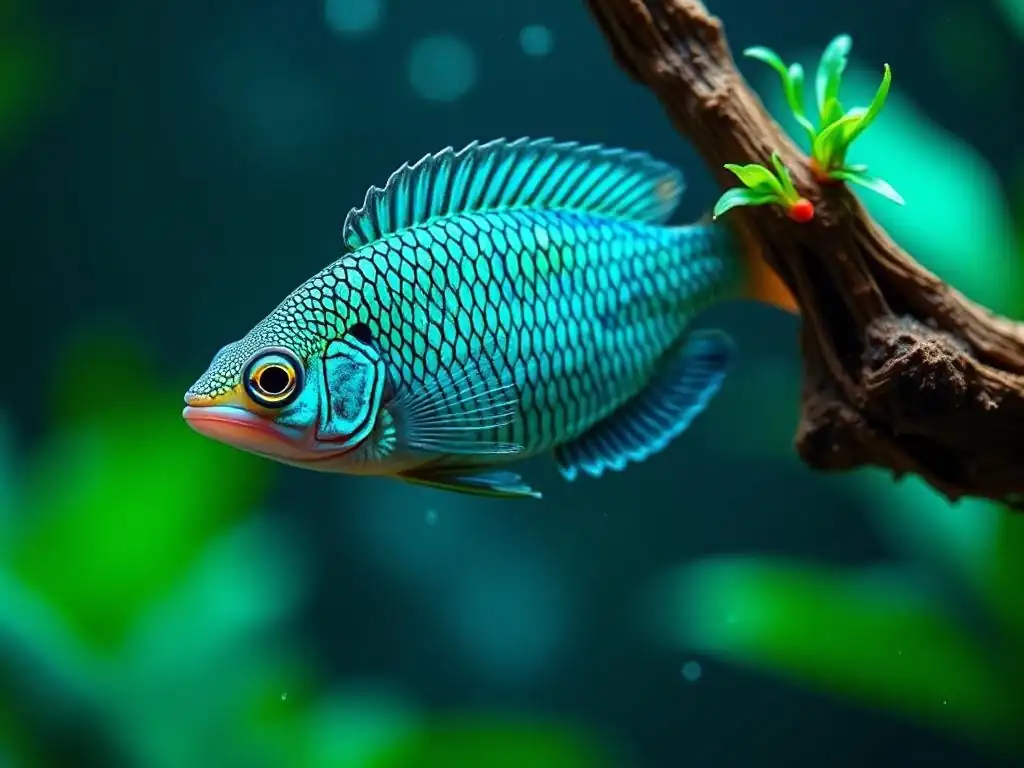
Live Foods: Stimulating Hunting Instincts
Incorporating live foods into a Gourami's diet is a powerful enrichment method that directly stimulates their natural hunting instincts. Small live foods such as brine shrimp, daphnia, or blackworms provide not only excellent nutrition but also an engaging challenge. Watching a Gourami actively pursue and capture live prey is a testament to the success of this enrichment, offering significant physical exercise and mental engagement that dry flakes simply cannot replicate.
Offering live food occasionally, perhaps 1-2 times per week, mimics the inconsistent availability of prey in their natural habitat. This encourages Gouramis to actively search and explore their tank, turning feeding time into an interactive and stimulating activity rather than a passive event. This type of Gourami enrichment can drastically reduce lethargy and encourage more active and exploratory behavior throughout the day.
Frozen Foods: Varying the Diet for Nutritional Enrichment
While live foods are excellent for stimulation, a varied diet is crucial for comprehensive Gourami enrichment and optimal health. Frozen foods like bloodworms, mysis shrimp, and spirulina-enriched brine shrimp offer a broad spectrum of nutrients that might be lacking in a staple flake or pellet diet. These foods are generally well-accepted by Gouramis and can be thawed and fed easily.
Varying the types of food offered prevents nutritional deficiencies and keeps Gouramis interested in their meals. It also provides different textures and scents, further engaging their senses. Always ensure frozen foods are thoroughly thawed before feeding to prevent potential internal chills or digestive issues. This simple change in diet strategy can significantly enhance a Gourami's overall well-being and engagement with its environment.
Feeding Techniques: Scattering Food to Encourage Exploration
The way food is offered can also be a form of Gourami enrichment. Instead of simply dumping all food in one concentrated spot, try scattering flakes or pellets across the surface of the water, allowing them to drift. For sinking foods, gently push some into plant clusters or let them settle among decor elements. This encourages Gouramis to search and forage throughout the tank, mimicking how they would naturally find food in their wild environment.
This technique prompts Gouramis to explore all levels of the tank – from the surface to the mid-water column and even the substrate – engaging different muscles and senses. It transforms feeding from a quick, passive event into an extended, interactive activity. This subtle but effective Gourami enrichment tank setup tip makes feeding time more stimulating and contributes to a more active and inquisitive fish.
Choosing Compatible Tank Mates: Avoiding Aggression and Competition
Social enrichment for Gouramis hinges on carefully selecting compatible tank mates to avoid aggression and undue competition. While Gouramis are generally peaceful, males of certain species (e.g., Dwarf Gouramis) can be territorial, especially towards other male Gouramis or similar-looking fish. Ideal tank mates are peaceful, similarly sized community fish that do not nip fins or are overly boisterous.
Excellent choices include smaller schooling fish like Neon Tetras (Paracheirodon innesi), Ember Tetras (Hyphessobrycon amandae), Harlequin Rasboras (Trigonostigma heteromorpha), and various species of Corydoras catfish. For example, a 20-gallon tank housing a single male Dwarf Gourami could comfortably accommodate a school of 6-8 Ember Tetras. A larger 50-gallon tank with a pair of Pearl Gouramis could host a group of 10-12 Harlequin Rasboras and 4-5 Corydoras. This careful selection ensures that social interaction is a positive form of Gourami enrichment, rather than a source of stress.
Continuous observation of Gourami interactions with their tank mates is crucial for understanding social dynamics and ensuring ongoing Gourami enrichment. Look for signs of stress or aggression, such as clamped fins, excessive hiding, rapid breathing, or persistent chasing and nipping. Positive interactions typically involve peaceful cohabitation, ignoring other fish, or occasional curious glances without any signs of stress.
If aggression persists despite careful tank mate selection and sufficient space, it may indicate that the social environment is not suitable for your specific Gourami. In such cases, consider re-evaluating the stocking density, adding more visual barriers, or, if necessary, re-homing the aggressive fish or the incompatible tank mates. Early detection of negative interactions allows for timely intervention, preventing chronic stress and ensuring the well-being of all tank inhabitants.
Providing Visual Barriers: Creating Retreats and Reducing Stress
Even with compatible tank mates, Gouramis greatly benefit from the presence of visual barriers created by dense planting and strategically placed decor. These barriers break up lines of sight across the tank, preventing dominant fish from constantly seeing and potentially harassing submissive ones, and allowing all fish to retreat when they feel threatened or simply desire solitude. This is a vital Gourami enrichment tank setup tip for any community tank.
For instance, a large, tall Amazon Sword plant placed centrally or a well-arranged piece of driftwood can effectively divide the tank visually, reducing perceived threats by up to 40% in a community setup. This allows Gouramis to establish their own temporary territories and provides them with a sense of security, significantly reducing stress levels and promoting more natural, confident behavior within the aquarium environment.
DIY Gourami Enrichment Ideas: Creative and Cost-Effective Options
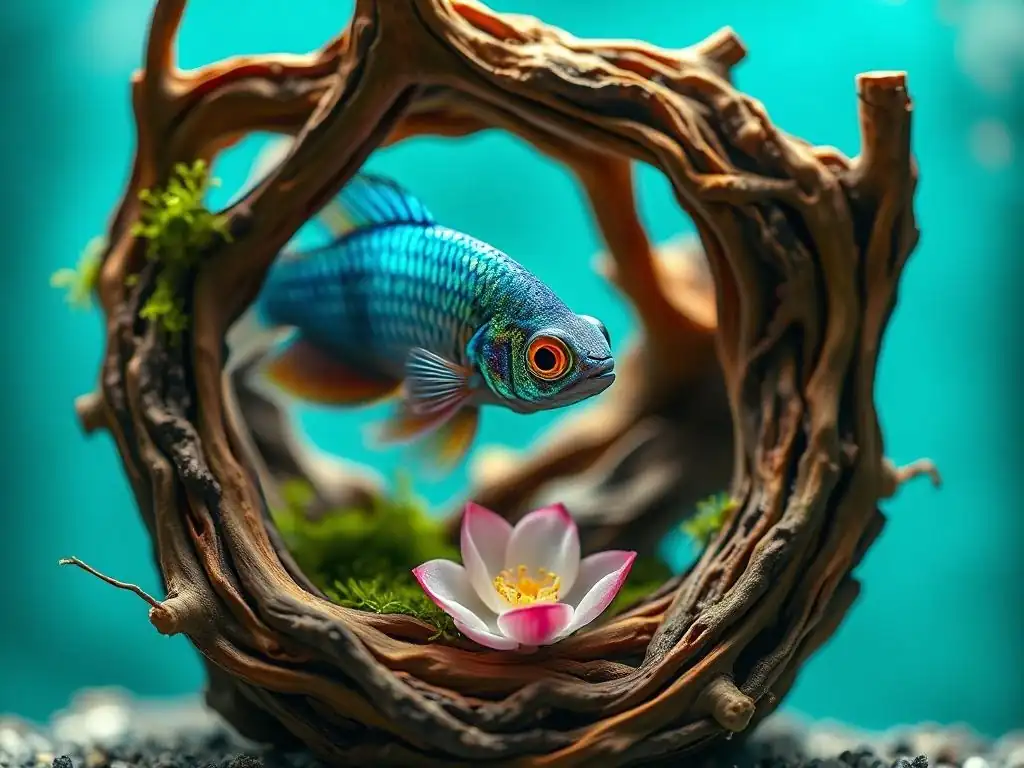
Homemade Hiding Places: Fostering Security and Exploration
Creative and cost-effective DIY solutions can significantly enhance Gourami enrichment. Simple items like thoroughly cleaned, aquarium-safe PVC pipes (cut into short sections, typically 2-4 inches long), small unglazed ceramic pots, or even half coconut shells can be transformed into excellent hiding places and tunnels. Ensure all edges are smooth to prevent any injury to your Gourami's delicate fins.
These homemade additions, when strategically placed within the tank's aquascape, offer new exploration opportunities and secure retreats. They are particularly beneficial for shy Gouramis or those that are establishing territories, providing them with a sense of security and encouraging more active exploration of their environment. Regularly rearranging these elements can also introduce novelty, keeping the tank stimulating.
Puzzle Feeders: Engaging Gouramis in Problem-Solving
Puzzle feeders are an innovative way to provide mental Gourami enrichment and extend feeding times. A simple DIY puzzle feeder can be made from a small, clean plastic bottle (e.g., a water bottle cap) with tiny holes drilled into it. Fill it with a few sinking pellets or small pieces of frozen food (like bloodworms), weight it down slightly, and place it in the tank. Your Gourami will need to nudge, push, or explore the feeder to release the food.
This method challenges their cognitive abilities and provides sustained engagement beyond typical feeding times, tapping into their natural foraging instincts. Start with easier puzzles and gradually increase complexity as your Gourami adapts to this form of enrichment, encouraging problem-solving skills and keeping them mentally sharp.
Training and Interaction: Building Bonds and Enhancing Activity
Believe it or not, Gouramis can be target-trained, offering a unique form of Gourami enrichment and interaction. With patience and consistency, Gouramis can learn to associate a specific finger, stick, or even a small target with food. By holding a small piece of food at the surface near the target, and only rewarding when the Gourami approaches or touches it, they can learn to come to you for feeding.
This daily interaction not only builds a unique bond between you and your fish but also provides significant mental stimulation and encourages physical activity. It allows for close observation of their health and behavior, making it a personalized and highly engaging form of Gourami enrichment. Start with short, consistent sessions and always end on a positive note.
Maintaining a Stimulating Gourami Tank: Ongoing Enrichment
Regular Tank Maintenance: Preserving a Healthy and Engaging Environment
The cornerstone of ongoing Gourami enrichment is consistent and thorough tank maintenance. Regular weekly water changes of 25-30%, gravel vacuuming to remove detritus, and appropriate filter cleaning are essential. These practices ensure optimal water quality by keeping ammonia and nitrite at zero and nitrates below 20 ppm, which is the absolute foundation for any successful enrichment strategy.
A clean, healthy, and stable aquatic environment reduces stress on Gouramis, making them more receptive to and able to engage with enrichment efforts. Conversely, poor maintenance can lead to chronic stress, weakened immune systems, and susceptibility to disease, causing Gouramis to become lethargic and disinterested in their surroundings, thereby negating all other enrichment efforts.
Rotating Decorations: Introducing Novelty to Prevent Boredom
To prevent the tank from becoming stagnant and to continuously stimulate your Gourami's curious nature, periodically rotate or rearrange existing decorations. This could involve simply moving a piece of driftwood, relocating a plant cluster, or introducing a new, safe aquarium-specific ornament. Aim to do this perhaps monthly or bi-monthly, or whenever you notice a decline in exploratory behavior.
This simple act of introducing novelty encourages Gouramis to re-explore their familiar territory with renewed interest, searching for new hiding spots, potential food sources, or changes in their environment. This keeps the Gourami enrichment tank setup tips dynamic and prevents boredom, ensuring that the tank remains a continuously engaging space for your fish.
Observing Gourami Behavior: Monitoring the Effectiveness of Enrichment Strategies
Ongoing observation of your Gourami's behavior is paramount to monitoring the effectiveness of your enrichment strategies. Look for clear indicators of successful enrichment: active exploration of all tank levels, vibrant coloration, engaging in natural behaviors like bubble nesting or foraging, and positive interactions with tank mates (or peaceful indifference). These signs indicate a healthy and stimulated fish.
Conversely, signs such as lethargy, clamped fins, excessive hiding, loss of appetite, or increased aggression may signal that the current enrichment strategies are insufficient or that other underlying issues (like poor water quality or illness) need to be addressed. This adaptive approach, where you observe, assess, and adjust, ensures that your Gourami's environment is continuously optimized for their well-being and thriving.
Troubleshooting Gourami Enrichment: Addressing Common Issues
Gourami Disinterest: Identifying and Correcting Enrichment Deficiencies
If your Gourami shows disinterest in the provided enrichment elements, it's crucial to identify the root cause. This could stem from incorrect water parameters (temperature, pH, or high nitrates), an underlying illness, or simply insufficient variety or complexity in the enrichment itself. Begin by thoroughly checking all water parameters and observing your Gourami for any physical signs of disease, such as clamped fins, faded color, or labored breathing.
Once basic health and water quality are confirmed, consider enhancing the complexity of the environment. This might involve adding more dense plant cover, introducing new types of decor, varying feeding techniques (e.g., scattering food or using a puzzle feeder), or incorporating live foods if they haven't been offered previously. Sometimes, simply dimming intense tank lighting can make a shy Gourami more comfortable and active, encouraging it to explore its environment more readily.
Aggression and Stress: Modifying the Environment to Reduce Conflict
Aggression and stress in Gouramis are often direct indicators that the environment is not adequately supporting their needs. Common causes include insufficient space for their territorial nature, a lack of visual barriers, or incompatible tank mates. For instance, attempting to keep two male Dwarf Gouramis in a tank smaller than 20-30 gallons will almost inevitably lead to severe aggression and stress for both fish.
To mitigate aggression, consider increasing the tank size if possible. Crucially, add more dense planting and strategically placed decor (like driftwood or rocks) to break up lines of sight and create numerous hiding spots and individual territories. Increasing the number of effective hiding spots by 30-40% can significantly reduce territorial disputes. If aggression persists, re-evaluating and potentially re-homing aggressive or incompatible fish may be necessary to ensure a peaceful and enriched environment for all inhabitants.
Ensuring a Balanced and Healthy Environment for Gouramis
Gourami enrichment is not a one-time setup but an ongoing, dynamic process that requires a holistic approach. It involves balancing pristine water parameters, an appropriately sized and structured tank, a varied and stimulating diet, and carefully chosen social interactions. Every element, from the substrate to the feeding technique, plays a role in fostering a truly enriched habitat.
Ultimately, a truly enriched environment is one that continuously adapts to the Gourami's evolving needs and behaviors. This comprehensive and attentive approach goes beyond mere survival, promoting thriving, vibrant coloration, natural activity, and longevity. By committing to these Gourami enrichment tank setup tips and ongoing strategies, aquarists can enjoy healthier, more engaging, and incredibly rewarding fish for years to come.
Frequently Asked Questions
How do I choose the right tank size for my Gouramis to ensure proper enrichment?
A larger tank is always better! Aim for at least a 20-gallon tank for a single Gourami and increase the size for multiple fish. This provides ample space for exploration and establishing territories, crucial for their well-being.
What kind of decorations and structures are best for Gourami enrichment?
Gouramis thrive in environments with plenty of hiding places. Incorporate driftwood, caves, and dense plant life. These provide security and opportunities for exploration, reducing stress and promoting natural behaviors.
How important is water quality for Gourami enrichment, and what parameters should I monitor?
Maintaining excellent water quality is paramount. Monitor ammonia, nitrite, and nitrate levels regularly. Poor water quality stresses Gouramis, hindering their ability to engage in natural behaviors and explore their environment.
What types of food and feeding strategies can I use to enrich my Gourami's diet?
Offer a varied diet, including high-quality flakes, frozen foods, and live foods. Feeding in multiple locations or using a feeding ring can also stimulate their hunting instincts and provide mental enrichment.
How can I use lighting and water flow to enhance the Gourami's environment?
Use a dimmer light to simulate natural conditions and use a gentle filter flow. Avoid strong currents and bright lights which can stress gouramis.
Final Reflection: Cultivating Curiosity in the Gourami's World
The journey into understanding and implementing Gourami enrichment is not merely about decorating a tank; it's about fostering a thriving ecosystem that caters to the complex needs of these intelligent fish. By understanding their natural behaviors and providing stimulating environments, we move beyond simple fishkeeping and embrace a more holistic approach to animal care, one that prioritizes mental and physical well-being.
This exploration has profoundly influenced my perspective on aquarium keeping, highlighting the importance of actively engaging with our aquatic companions. It's a reminder that even in the seemingly simple act of setting up a tank, we have the power to significantly impact the lives of the creatures we choose to share our homes with. The greatness of a nation and its moral progress can be judged by the way its animals are treated.
- Mahatma Gandhi. This quote resonates deeply, urging us to consider the ethical implications of our choices and strive for a higher standard of care.
Now, I invite you to reflect on your own aquarium practices. Consider how you can incorporate these Gourami enrichment tank setup tips into your own aquariums. Let's commit to creating environments that not only sustain life but also stimulate curiosity, encourage exploration, and ultimately, enrich the lives of our Gouramis. Let's build a future where every aquarium is a testament to our dedication to responsible and compassionate fishkeeping.
Unleash Your Gourami's Natural Curiosity!
Thanks for diving into the fascinating world of gourami enrichment! We hope you've gained valuable insights to create a more stimulating and fulfilling environment for your finned friends. Now, let's put that knowledge into action.
Here are a few things you can do right now:
- Start small: Introduce one new enrichment item this week, like a floating ping pong ball or a new plant species, and observe your gourami's reaction.
- Join the Aquarium Mastery community forum and share your gourami enrichment ideas and experiences with other enthusiasts.
- Experiment with creating a DIY foraging toy using a plastic bottle and some gourami-safe treats.
What's one unique enrichment idea you're excited to try with your gouramis, and how do you think it will impact their behavior?