
Minimum School Size for Danios, Rasboras, and White Clouds: The Magic Number for Happiness

Welcome to Aquarium Mastery!
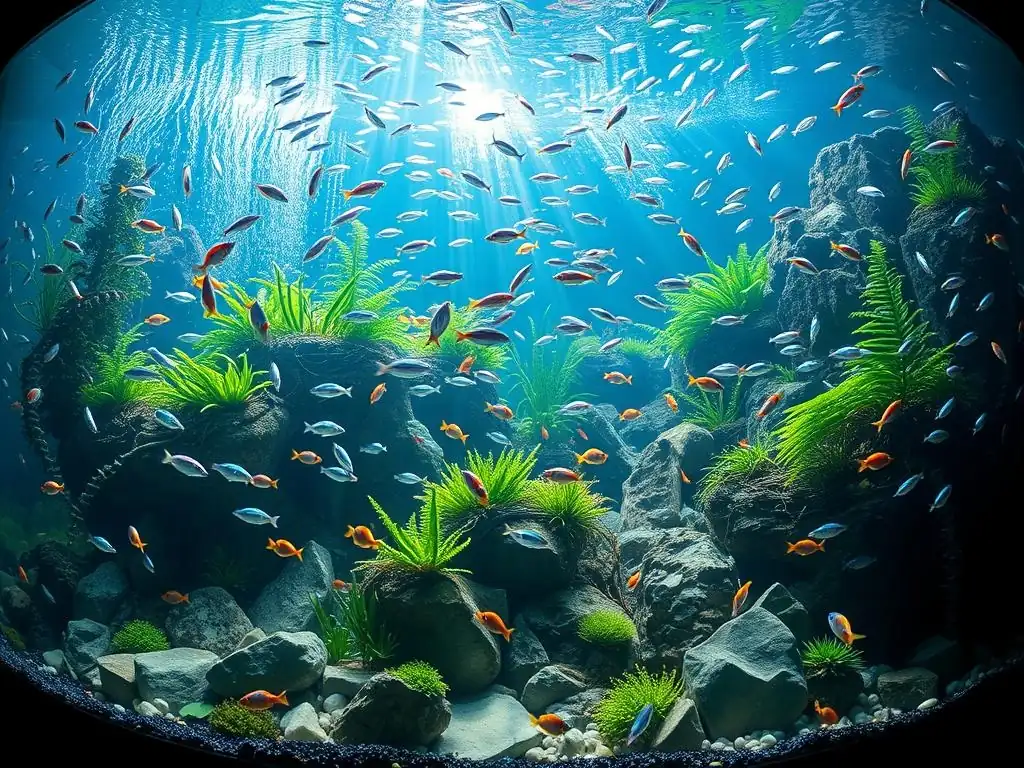
Ever wondered if your shimmering school of danios is truly happy? Discover the secret to a thriving aquarium community in our latest article, where we reveal the ideal school size for fish like danios, rasboras, and white clouds. Uncover the magic number that unlocks their natural behaviors and vibrant health – and learn why a small change can make a huge difference in your freshwater paradise. Keep reading to unlock the secrets to happy, healthy schooling fish!
- Understanding the Importance of Schooling Fish in Aquariums
- Determining the Ideal School Size for Fish: A Species-Specific Guide
- Factors Influencing Ideal School Size
- The Consequences of Insufficient School Size
- Creating the Perfect Schooling Environment
- Beyond the Minimum: Optimizing School Size for Enrichment
- Troubleshooting Schooling Issues: When Things Go Wrong
- Conclusion: The Key to Thriving Danios, Rasboras, and White Clouds: Prioritizing Correct School Size
-
Frequently Asked Questions
- What is considered the ideal school size for small schooling fish like Danios, Rasboras, and White Clouds?
- Why is keeping these fish in a school so important?
- What happens if I keep Danios, Rasboras, or White Clouds in too small of a group?
- How does school size affect the overall aquarium environment?
- Will different species of schooling fish school together?
- Final Reflection: The Ripples of Community
- Ignite Your School: Elevate Your Fish's Life!
Understanding the Importance of Schooling Fish in Aquariums
Why Schooling Matters for Fish Wellbeing
Schooling is a fundamental natural behavior for many fish species, serving as a primary survival mechanism in the wild. This instinct drives fish to congregate in groups, offering collective protection against predators, enhancing foraging efficiency, and facilitating reproductive success. When fish are denied the opportunity to school properly in an aquarium, this deeply ingrained behavior is suppressed, leading to significant stress and a diminished quality of life.
The absence of an ideal school size for fish can manifest in various negative ways, from perpetual shyness and hiding to erratic, darting movements indicative of anxiety. Conversely, a properly schooled group exhibits confident, natural behaviors, displaying their full coloration and engaging in active exploration of their environment. Understanding and respecting this innate need is paramount for any aquarist aiming to provide a thriving home for their aquatic inhabitants.
Danios, Rasboras, and White Cloud Mountain Minnows are prime examples of small cyprinids that exhibit strong schooling behaviors, both in their native habitats and within the confines of an aquarium. These species rely on the presence of conspecifics to feel secure, establish social hierarchies, and engage in complex group interactions. Within a well-sized school, individual fish display confidence, participate in collective foraging, and often present more vibrant colors.
Unlike solitary fish, these species are not designed to live alone and will suffer both physically and psychologically without the companionship of their own kind. Their social structure is vital for their overall health, activity levels, and natural displays. Providing the ideal school size for fish like these ensures they can express their inherent social dynamics, leading to a much more engaging and healthy aquarium environment for both the fish and the observer.
Determining the Ideal School Size for Fish: A Species-Specific Guide
Minimum School Size for Danios: Ensuring a Happy and Healthy Group
Danios are renowned for their energetic and active swimming, making them popular choices for community tanks. While hardy, their schooling instinct is strong, and providing an appropriate minimum school size is crucial for their well-being and to mitigate potential fin-nipping issues.
Zebra Danios: The Minimum Number for Thriving
For Zebra Danios ( Danio rerio), a common and robust species, the generally accepted minimum school size for fish is around 6 to 8 individuals. Keeping them in this number helps to distribute their naturally boisterous energy and any minor squabbles across the group, preventing a single fish from becoming a target. In smaller numbers, Zebra Danios can become stressed, timid, or, conversely, overly aggressive towards tank mates or even each other.
To truly see Zebra Danios thrive and display their impressive schooling patterns, a group of 10 or more is often recommended, especially in tanks of 20 gallons or larger. This larger ideal school size for fish allows them to form more cohesive groups, swim more confidently in open water, and exhibit their full range of social behaviors, leading to a more harmonious and active display.
Leopard Danios: School Size Considerations
Leopard Danios ( Danio rerio 'Leopard') are a color morph of the Zebra Danio and share identical schooling needs and temperament. Therefore, the minimum school size for Leopard Danios is also 6 to 8 individuals. Their energetic nature means they require ample swimming space, and a proper school ensures their activity is channeled into natural group movements rather than stress-induced darting.
While individual aggression is rare among Leopard Danios, keeping fewer than the recommended minimum can lead to shyness or a lack of the vibrant activity for which they are known. A good minimum school size helps them feel secure and encourages them to display their striking spotted patterns and lively behavior, making them a captivating addition to a community aquarium.
Pearl Danios: Schooling Requirements
Pearl Danios ( Danio albolineatus) are generally a bit more placid than their Zebra or Leopard cousins but are still strong schoolers. A minimum school size of 6, ideally 8 or more, is recommended for these elegant fish. Their schooling behavior might be less frantic, but it is equally important for their sense of security and overall health.
In groups smaller than the recommended minimum, Pearl Danios can become withdrawn and lose their beautiful iridescent sheen. A well-established ideal school size for fish like Pearl Danios allows them to feel safe, display their subtle social interactions, and confidently explore their environment, often showing off their best colors against a planted backdrop.
Rasbora School Size: Finding the Sweet Spot
Rasboras are a diverse group of small, peaceful schooling fish, popular for their vibrant colors and calm demeanor. Their ideal school size for fish varies slightly depending on the specific species, particularly due to differences in adult size and natural behavior.
Harlequin Rasboras: How Many are Enough?
Harlequin Rasboras ( Trigonostigma heteromorpha) are one of the most popular species, known for their distinctive triangular patch. A minimum school size of 6 to 8 individuals is essential for their well-being. However, to truly witness their natural schooling behavior and vibrant coloration, a larger group of 10 to 12, or even more, is highly recommended for an ideal school size for fish.
In larger groups, Harlequin Rasboras exhibit more cohesive schooling patterns, show less shyness, and their colors become more pronounced. Insufficient numbers can lead to stress, causing them to become withdrawn or prone to hiding. A robust school allows them to feel secure and display their full charm within the aquarium.
Chili Rasboras (Mosquito Rasboras): The Importance of a Large School
Chili Rasboras ( Boraras brigittae), also known as Mosquito Rasboras, are among the smallest fish in the aquarium hobby, typically reaching only about 0.8 inches (2 cm) in length. Due to their minute size, they require a significantly larger school to feel secure and display their stunning red hues. A minimum of 8-10 individuals is advised, but a group of 15-20 or even more is truly ideal for a nano tank setup.
In smaller numbers, Chili Rasboras are extremely shy, often hiding amongst plants or décor. A large ideal school size for fish like these provides the safety in numbers they inherently seek, encouraging them to forage confidently in open water and showcase their brilliant colors. This creates a mesmerizing display and significantly reduces their stress levels.
Espei Rasboras: Schooling Needs and Tank Size
Espei Rasboras ( Trigonostigma espei), often confused with Harlequins, are slightly smaller and possess a more defined copper-orange coloration. Like their relatives, they are strong schoolers. A recommended minimum of 6-8 individuals is crucial for their well-being, with groups of 10-12 being ideal to observe their best behavior and coloration.
Despite their small size, Espei Rasboras are quite active and appreciate horizontal swimming space. An adequate ideal school size for fish like Espeis ensures they are not stressed, interact naturally within their group, and confidently explore the tank, contributing to their overall health and vitality.
White Cloud Mountain Minnows: Schooling in Cooler Waters
White Cloud Mountain Minnows ( Tanichthys albonubes) are renowned for their hardiness and ability to thrive in cooler, unheated aquariums, making them an excellent choice for a wide range of aquarists. Despite their adaptability, they are undeniably schooling fish with social needs.
Optimal School Size for White Clouds in Unheated Tanks
For White Cloud Mountain Minnows, a minimum school size of 6 to 8 individuals is recommended to ensure their social needs are met. While they are incredibly hardy and can survive in smaller numbers, they truly thrive and display their best behaviors when kept in a proper group. In unheated setups, where water temperatures might be lower, their activity levels can be slightly reduced, but their schooling instinct remains strong.
A larger group of 10 to 12 or more White Clouds will enhance their schooling patterns, making them more active, confident, and visually appealing. This ideal school size for fish allows them to interact naturally, display their subtle social dynamics, and feel secure in their environment, particularly in community tanks with other peaceful, cool-water species.
White Clouds and Their Social Behavior: A Closer Look
White Cloud Mountain Minnows are generally peaceful and inquisitive fish. When kept in an appropriate school, they exhibit fascinating collective movements, darting together in unison or foraging as a group. A lone White Cloud, or one kept in too small a group, can become withdrawn, stressed, and may not live as long.
Their social interactions within a group are key to their psychological well-being and longevity. A good minimum school size for fish like White Clouds also helps to deter potential fin-nipping from other species, as a larger group provides safety in numbers and diffuses any attention. Observing a thriving school of White Clouds is a testament to the importance of respecting their social needs.
Factors Influencing Ideal School Size
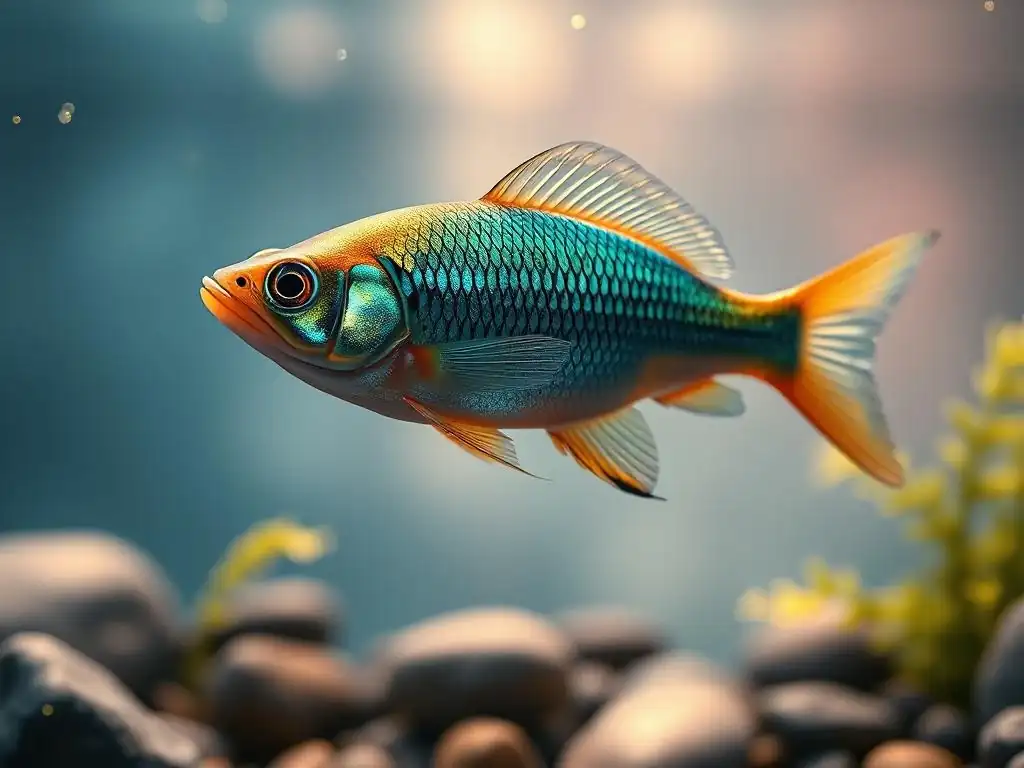
Beyond the species-specific minimums, several environmental factors play a crucial role in determining the truly ideal school size for fish within your aquarium. These elements ensure that the chosen number of fish can not only survive but genuinely thrive.
Tank Size and Capacity: Matching Fish Numbers to Aquarium Volume
The most fundamental factor influencing the ideal school size for fish is the physical dimensions and volume of your aquarium. While a species might have a minimum schooling requirement, overcrowding a tank, even with the correct school size, will lead to stress and poor water quality. For active schoolers like Danios, Rasboras, and White Clouds, horizontal swimming space is often more critical than vertical depth. For instance, a 20-gallon long tank (30x12x12 inches) offers more appropriate swimming lanes for a school of Danios than a 20-gallon high tank (24x12x16 inches), even though both hold the same volume.
A larger tank can comfortably accommodate a larger, more impactful school, allowing the fish to display more natural and complex schooling behaviors. It also provides a greater buffer against waste accumulation. For example, while 6 Zebra Danios might be the minimum for a 10-gallon tank, a 30-gallon tank could comfortably house 12-15, allowing for a more dynamic and less stressed ideal school size for fish. Always consider the adult size of the fish and their activity levels when calculating capacity, aiming for more space rather than less.
Filtration and Water Quality: Maintaining a Healthy Environment for Schooling Fish
Housing a larger ideal school size for fish directly correlates with an increased bioload on the aquarium's ecosystem. More fish produce more waste, which, if not properly managed, can rapidly degrade water quality, leading to elevated ammonia, nitrite, and nitrate levels. Therefore, robust and efficient filtration is paramount. This includes mechanical filtration to remove particulate matter, biological filtration to convert harmful ammonia and nitrite into less toxic nitrate, and potentially chemical filtration to absorb impurities.
Regular and consistent water changes are also non-negotiable when maintaining a healthy school. A general guideline of 25-30% weekly water changes helps to dilute nitrates and replenish essential minerals. A well-filtered and diligently maintained tank can support a larger ideal school size for fish without compromising the health of its inhabitants. Conversely, inadequate filtration or inconsistent maintenance will quickly lead to stress, disease, and even fatalities, regardless of how perfectly sized the school initially seemed.
Temperament and Tank Mates: Minimizing Stress and Aggression
The temperament of your chosen schooling fish, as well as the presence and nature of other tank mates, significantly influences the truly ideal school size for fish. Even within a species, individual fish can vary slightly in temperament, but the collective behavior is largely driven by their numbers. For instance, a small group of Danios might become nippy towards each other or other tank mates if they don't feel secure in their numbers, whereas a larger school will diffuse this aggression across many individuals.
When housing schooling fish with other species, especially those that are larger or possess a slightly more boisterous nature, a larger ideal school size for fish provides a greater sense of security. The "safety in numbers" principle becomes even more crucial, as it reduces the likelihood of any single fish being targeted or stressed by dominant tank mates. Conversely, if the tank mates are themselves very timid, a large, active school of Danios might overwhelm them. Careful research into compatibility and observing interactions is vital to ensure a harmonious community and a truly ideal school size for fish.
The Consequences of Insufficient School Size
Failing to provide the ideal school size for fish can have severe detrimental effects on their health, behavior, and overall lifespan. These consequences often go unnoticed by novice aquarists but are critical for the well-being of the fish.
Stress and Anxiety in Isolated Fish
Fish kept alone or in groups too small to constitute an ideal school size experience chronic stress and anxiety. This is a direct result of their innate schooling instinct being unfulfilled. Such fish often exhibit muted colors, clamped fins, and spend excessive time hiding or darting erratically, indicative of their constant state of fear and insecurity. They may refuse to come out and feed confidently, leading to malnourishment.
This perpetual state of stress significantly weakens their immune system, making them highly susceptible to common aquarium diseases. Unlike humans, fish cannot vocalize their distress, but their behavior and physical condition clearly communicate their suffering. Providing an insufficient ideal school size for fish means condemning them to a life of fear and diminished vitality.
Increased Aggression and Fin-Nipping Behavior
Paradoxically, keeping too few schooling fish can lead to increased aggression within the small group, rather than reducing it. When the ideal school size for fish is not met, the natural social hierarchy cannot be properly established, and any minor squabbles or territorial disputes cannot be diffused across a larger number of individuals. This often results in one or two fish becoming targets for constant harassment.
For species like Danios, which can be somewhat boisterous, an inadequate school size frequently leads to fin-nipping behavior. The dominant fish may relentlessly chase and nip at the fins of the weaker ones, causing physical injury, stress, and potentially leading to secondary bacterial infections. This highlights that a proper ideal school size for fish is not just about comfort, but also about managing intra-species aggression.
Reduced Lifespan and Increased Susceptibility to Disease
The cumulative effect of chronic stress, anxiety, and potential physical aggression due to an insufficient ideal school size for fish is a significantly reduced lifespan. A constantly stressed fish has a compromised immune system, making it highly vulnerable to a wide array of common aquarium ailments such as Ich (white spot disease), fin rot, fungal infections, and bacterial infections.
Even if the water parameters are pristine, the psychological stress of not being in a proper school can prevent fish from thriving. Instead of living out their natural lifespan (e.g., 3-5 years for many Danios or Rasboras), stressed fish may succumb to illness within months. Ultimately, failing to meet the ideal school size for fish is a direct pathway to a sickly, short-lived, and unhappy existence for these social creatures.
Creating the Perfect Schooling Environment
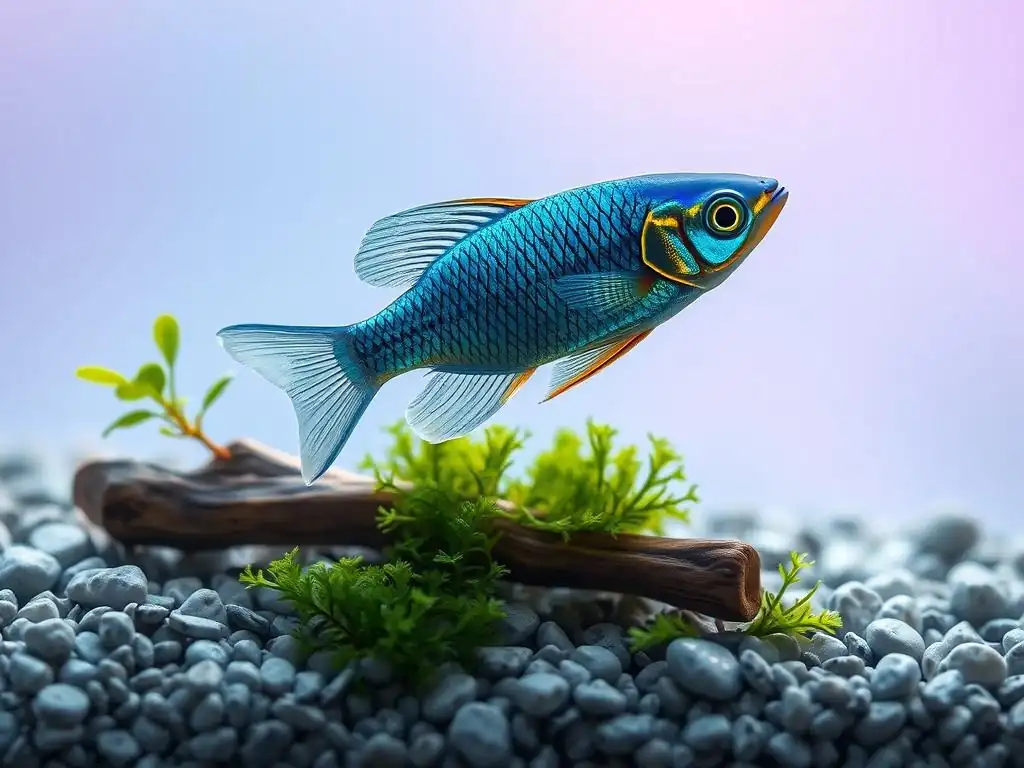
Beyond simply providing the correct number of fish, optimizing their physical environment is crucial to ensure your Danios, Rasboras, and White Clouds truly thrive in their ideal school size.
Providing Adequate Swimming Space
Schooling fish, by their very nature, require ample open swimming space to perform their characteristic collective movements. While hiding spots are important, large, unobstructed areas in the mid-to-upper levels of the tank are essential for species like Danios, which are particularly active. A longer tank (e.g., a 20-gallon long or a 40-gallon breeder) is often preferable to a taller one of the same volume, as it provides more horizontal "lanes" for the school to navigate.
Ensuring sufficient swimming space allows the fish to spread out, reduce perceived crowding, and engage in their natural schooling patterns without constantly bumping into obstacles or each other. This not only contributes to their physical health by allowing exercise but also significantly reduces stress, making the ideal school size for fish truly impactful.
Offering Hiding Places and Visual Barriers
While schooling fish enjoy open water, they also need access to secure hiding places where they can retreat if they feel threatened or need a break from group dynamics. Dense planting, particularly at the back and sides of the tank, driftwood, rock formations, or even artificial caves can serve this purpose. These areas provide a sense of security and reduce overall stress levels for the school.
Visual barriers created by strategically placed décor or tall plants can also be beneficial. These barriers break up lines of sight, which can help to diffuse minor aggression or territorial disputes even within a well-sized ideal school for fish. Knowing they have a safe haven to retreat to allows the fish to be more confident in the open areas of the tank, enhancing their overall well-being.
Maintaining Stable Water Parameters
The foundation of any healthy aquarium, and particularly one housing a vibrant school of fish, is the consistent maintenance of stable water parameters. Fluctuations in temperature, pH, or hardness can be highly stressful for fish, weakening their immune systems and making them susceptible to disease. Danios, Rasboras, and White Clouds, while generally hardy, are no exception and benefit greatly from stability.
Regular water testing for ammonia, nitrite, and nitrate is crucial, along with consistent temperature monitoring. Performing routine water changes and ensuring your filtration system is adequately sized and maintained are key practices. A stable and pristine aquatic environment minimizes stress, allowing the fish in your ideal school size to channel their energy into natural behaviors, foraging, and social interaction, rather than simply coping with environmental stressors.
Beyond the Minimum: Optimizing School Size for Enrichment
While meeting the minimum ideal school size for fish is crucial for their survival and basic well-being, going beyond these numbers, within the limits of your tank, can unlock a level of enrichment that truly allows these species to flourish.
Observing Fish Behavior: Signs of a Happy and Healthy School
A truly happy and healthy school of Danios, Rasboras, or White Clouds displays specific behaviors that indicate their well-being. They will exhibit vibrant, rich coloration, actively explore all levels of the tank, and forage confidently. Their schooling patterns will be cohesive and fluid, with individuals moving together in a coordinated fashion, rather than darting erratically or hiding. Their fins will be erect and undamaged, and their bodies plump.
Conversely, signs of stress or an inadequate ideal school size for fish include faded colors, clamped fins, constant hiding, erratic swimming, or aggressive fin-nipping among group members. Aquarists should make it a habit to observe their fish closely. Subtle changes in behavior can often be the first indicator that the current school size, or other environmental factors, might not be truly optimal for their specific tank setup and fish.
Gradually Increasing School Size: A Step-by-Step Approach
When aiming to increase your school size beyond the minimum, it's crucial to do so gradually rather than adding a large number of fish all at once. Introducing too many new fish simultaneously can cause a sudden spike in bioload, potentially overwhelming your beneficial bacteria colony and leading to dangerous ammonia or nitrite spikes. It can also stress the existing fish.
A recommended approach is to add a small group of 3-5 new individuals every few weeks, allowing the aquarium's biological filter to adjust to the increased bioload. Always quarantine new fish in a separate tank for at least 2-4 weeks before introducing them to the main display. This critical step helps prevent the introduction of diseases that could devastate your established, healthy ideal school size for fish. Patience in this process will yield a more stable and thriving ecosystem.
While minimums are important, exceeding them (within the constraints of tank size and filtration) often leads to the most rewarding experience for both the fish and the aquarist. A larger ideal school size for fish like Danios, Rasboras, and White Clouds allows for more complex and visually stunning schooling patterns. The fish become more confident, active, and display their full range of natural behaviors, including elaborate courtship rituals or nuanced social interactions.
Increased numbers can also significantly diffuse any potential aggression, as individual fish are less likely to be singled out. This leads to a more peaceful and harmonious environment for the entire school. Ultimately, providing a generously sized ideal school size for fish enhances their social interaction, reduces stress, and allows them to truly thrive, transforming your aquarium into a captivating natural display.
Troubleshooting Schooling Issues: When Things Go Wrong
Even with the best intentions, issues can sometimes arise within a school of fish. Recognizing the signs and knowing how to respond is key to maintaining a healthy and happy aquarium.
Identifying Signs of Stress or Aggression within the School
It's crucial for aquarists to be vigilant and identify signs that their schooling fish are not thriving. Common indicators of stress or aggression within the school include:
- Faded colors: Fish losing their vibrant hues and appearing dull.
- Clamped fins: Fins held close to the body, rather than fanned out naturally.
- Constant hiding: Fish spending most of their time in cover, avoiding open water.
- Erratic swimming: Jerky, uncoordinated movements or constant darting.
- Nipped fins or body injuries: Physical damage, often from aggressive tank mates or conspecifics.
- Lethargy: Fish remaining unusually still or resting at the bottom/surface.
- Excessive chasing: One or more fish constantly harassing others.
Observing these signs indicates that the current ideal school size for fish, or the tank environment, is causing distress and requires immediate attention to prevent further deterioration of their health.
Adjusting School Size or Tank Environment to Resolve Problems
Once signs of stress or aggression are identified, several steps can be taken to resolve the issues:
- Increase School Size: If the school is below the recommended minimum, adding more individuals (after proper quarantine) can significantly reduce stress and diffuse aggression by providing safety in numbers.
- Add Hiding Places/Visual Barriers: Introduce more dense planting, driftwood, or rock formations to provide security and break up lines of sight. This allows fish to retreat and reduces direct confrontations.
- Rearrange Decor: Sometimes, simply rearranging the tank decor can disrupt established territories and create new, neutral spaces, which can alleviate aggression.
- Evaluate Tank Mates: If the aggression is from other species, consider their compatibility. It might be necessary to rehome overly aggressive tank mates.
- Check Water Parameters: Re-test all water parameters (ammonia, nitrite, nitrate, pH, temperature). Poor water quality is a major stressor and can exacerbate behavioral issues. Perform water changes if necessary.
- Reduce Overcrowding: If the tank is clearly overstocked, even with an ideal school size for fish, reducing the overall number of inhabitants might be necessary.
Consulting with Experienced Aquarists or Veterinarians
If you have attempted to troubleshoot schooling issues by adjusting the environment or school size and the problems persist, it's wise to seek external advice. Many local fish stores have experienced staff who can offer insights based on your specific setup. Online aquarium forums and hobbyist groups are also excellent resources where you can describe your situation and receive advice from a wide community of experienced aquarists.
For health-related concerns, especially if fish are showing signs of disease, consulting with an aquatic veterinarian is the best course of action. They can accurately diagnose illnesses and recommend appropriate treatments, ensuring the well-being of your entire school. Don't hesitate to seek professional help when the health of your fish is at stake.
Conclusion: The Key to Thriving Danios, Rasboras, and White Clouds: Prioritizing Correct School Size
The well-being of Danios, Rasboras, and White Cloud Mountain Minnows in an aquarium hinges significantly on providing them with the ideal school size for fish. It's not merely about meeting a minimum number for survival, but about creating an environment where these social creatures can truly thrive, display their natural behaviors, and live a full, vibrant life. Understanding their innate schooling instincts and fulfilling this fundamental need is paramount.
By carefully considering species-specific requirements, tank capacity, water quality, and tank mate compatibility, aquarists can establish an optimal school that is both healthy and captivating. Prioritizing the correct ideal school size for fish in your aquarium ensures a harmonious environment, reduces stress and aggression, and ultimately leads to a more rewarding and beautiful aquatic display for years to come.
Frequently Asked Questions
What is considered the ideal school size for small schooling fish like Danios, Rasboras, and White Clouds?
The minimum recommended school size is generally six, but larger groups of 8-10 or more are often preferable for optimal behavior and well-being. This helps them feel secure and exhibit natural schooling behaviors.
Why is keeping these fish in a school so important?
Schooling provides a sense of security and reduces stress in these naturally social fish. Solitary or small groups can lead to increased aggression and shyness, impacting their overall health.
What happens if I keep Danios, Rasboras, or White Clouds in too small of a group?
Fish kept in groups smaller than recommended may become stressed, aggressive, or withdrawn. They might also be more susceptible to diseases due to a weakened immune system.
How does school size affect the overall aquarium environment?
A properly sized school of fish contributes to a more balanced and natural aquarium environment. Observing their interactions and behaviors is much more rewarding, and it reduces the likelihood of problem behaviors.
Will different species of schooling fish school together?
While some species might loosely school together, it's generally best to keep each species in its own dedicated school. Mixing species can lead to competition and stress if their social needs aren't met.
Final Reflection: The Ripples of Community
The exploration of ideal school size for fish transcends mere aquarium keeping; it reflects a fundamental understanding of social dynamics and the profound impact of community on well-being, even in the seemingly simple world of Danios, Rasboras, and White Clouds. The insights gained are not just about creating a thriving aquatic environment, but about recognizing the interconnectedness of all living beings and the importance of belonging.
This journey into the social lives of these small fish has underscored the powerful influence of community on individual happiness and survival. It's a reminder that even in our own lives, the quality of our relationships and the sense of belonging we experience profoundly shapes our well-being. The strength of the pack is the wolf, and the strength of the wolf is the pack.
This proverb, though not about fish, perfectly encapsulates the essence of what we've discovered: collective strength and individual flourishing are inextricably linked.
Now, consider the lessons learned about the ideal school size for fish and apply them to your own life. Are you fostering a community that allows you and those around you to thrive? Are you providing the necessary support and connection for everyone to flourish? Let this exploration of the aquatic world inspire you to cultivate stronger, more supportive communities, both for yourself and for those around you, creating ripples of happiness that extend far beyond the confines of an aquarium.
Ignite Your School: Elevate Your Fish's Life!
Thanks for diving into the world of schooling fish and learning how to create the happiest environment for your danios, rasboras, and white clouds! Now that you understand the magic number for a thriving school, let's put that knowledge into action.
- Take the plunge: expand your school!: Aim for at least eight fish of the same species to unlock their natural, captivating behaviors.
- Observe: Spend some time simply watching your fish after expanding the school. Note any changes in behavior and social interaction.
- Share the joy: Introduce a friend to the wonders of schooling fish and what you learned today.
Ready to witness the vibrant transformations a properly sized school brings to your aquarium?