
Are Danios Good Dither Fish? Their Role in a Peaceful Community Aquarium

Welcome to Aquarium Mastery!
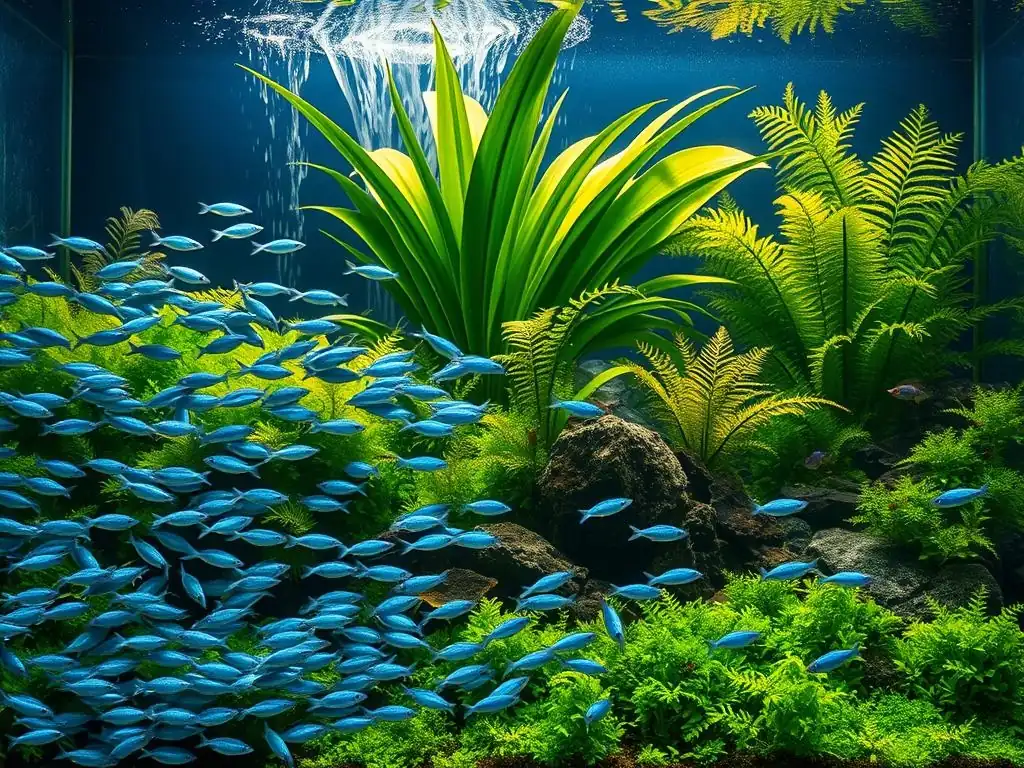
Ever wondered if those vibrant, energetic Danios could be the secret ingredient to a truly peaceful community tank? Dive into our comprehensive guide, " Are Danios Good Dither Fish? Their Role in a Peaceful Community Aquarium," to uncover their fascinating behavior, compatibility, and everything you need to know about making them thrive in your freshwater setup. Ready to discover if Danios are the perfect addition to your aquatic family? Let's explore!
- Understanding Dither Fish and Their Importance in Aquarium Communities
- Danios as Potential Dither Fish: An Overview
- Assessing Danios' Suitability for a Peaceful Community Tank
- Choosing the Right Danio Species for Your Community Aquarium
- Tank Setup and Water Parameters for Happy Danios
- Feeding and Nutrition for Danios in a Community Tank
- Potential Problems and Considerations When Using Danios as Dither Fish
- Alternative Dither Fish Options for Peaceful Community Aquariums
- Conclusion: Danios as Effective Dither Fish for a Balanced Aquarium
-
Frequently Asked Questions
- Are Danios truly peaceful fish suitable for a community tank?
- Why are Danios considered good "dither fish"?
- What tank size is generally recommended for keeping a school of Danios?
- What are some ideal tank mates for Danios in a community aquarium?
- What water parameters are ideal for keeping Danios healthy in a community tank?
- Final Reflection: The Ripple Effect of Harmony
- Dive Deeper into Dither Fish Dynamics!
Understanding Dither Fish and Their Importance in Aquarium Communities
What are Dither Fish and Why are They Needed?
Dither fish are active, non-aggressive fish species that swim openly and confidently in an aquarium, signaling to more timid or shy tank mates that the environment is safe. Their presence indicates that there are no immediate predators and that it's secure to venture out from hiding spots. These fish act as a visual cue, essentially calming the nerves of more reclusive species and encouraging them to display their natural behaviors and feeding patterns.
The need for dither fish arises in community aquariums where certain species, particularly those from wild environments, possess inherent instincts to hide when they perceive danger. Without the reassuring presence of dither fish, these shy inhabitants might remain perpetually stressed, leading to poor health, faded coloration, reduced activity, and even refusal to eat. Dither fish therefore play a crucial role in fostering a more natural, dynamic, and ultimately healthier aquatic ecosystem.
The Role of Dither Fish in Reducing Stress for Shy Fish
The primary function of dither fish is to alleviate stress in more retiring aquarium inhabitants. When a shy fish sees other fish, especially active ones like Danios, swimming freely and openly, it interprets this behavior as a sign that the coast is clear. This constant reassurance helps to lower the stress hormone cortisol in timid species, which in turn boosts their immune system, improves their appetite, and encourages them to explore their environment more readily.
For instance, many dwarf cichlids, such as Apistogramma species, or even some delicate Rasboras, can be quite reclusive. Introducing a school of appropriate dither fish can dramatically change their behavior, transforming them from perpetually hidden creatures into active, visible members of the community. This not only benefits the shy fish by reducing chronic stress but also enhances the aquarist's enjoyment by allowing them to observe their entire collection thriving.
Dither Fish as Indicators of Tank Health
Beyond their role in stress reduction, dither fish also serve as valuable early warning systems for the aquarist regarding the overall health and stability of the aquarium environment. Because they are typically active and swim openly, any sudden change in their behavior is often a strong indicator that something is amiss within the tank.
If dither fish, normally energetic and visible, begin to hide, become listless, gasp at the surface, or show signs of labored breathing, it can signal problems such as deteriorating water quality (e.g., elevated ammonia, nitrite, or nitrate levels), insufficient oxygen, or the onset of disease. For example, a sudden drop in temperature or a spike in ammonia might cause a school of Danios to become unusually lethargic or gather near the filter output.
Observing these changes promptly allows the aquarist to investigate and rectify issues before they severely impact the entire aquarium ecosystem, proving the utility of Danios good peaceful community tank inhabitants.
Danios as Potential Dither Fish: An Overview
Danios: A Profile of These Active Cyprinids
Danios are a popular group of small, active, schooling freshwater fish belonging to the family Cyprinidae, native to various parts of South Asia, including India, Bangladesh, and Myanmar. They are characterized by their sleek, elongated bodies, often adorned with vibrant stripes or spots, and their continuous, energetic swimming patterns. The most common species include the Zebra Danio ( Danio rerio), Leopard Danio ( Danio frankei), and the larger Giant Danio ( Devario aequipinnatus), along with the popular, smaller Celestial Pearl Danio ( Danio margaritatus).
These hardy fish are known for their adaptability to a range of water conditions and their relatively peaceful temperament, making them a staple in many community aquariums. Danios typically inhabit the mid to upper levels of the water column, constantly darting and weaving, which contributes significantly to their effectiveness as dither fish. Their robust nature means they can withstand minor fluctuations in water parameters better than some more sensitive species, further enhancing their appeal to both novice and experienced aquarists looking for reliable dither fish.
Why Danios Are Often Considered for Dither Fish
Danios are frequently recommended as dither fish due to several key attributes that align perfectly with the role. Their consistent, open-water swimming behavior provides the visual reassurance that shy fish need, signaling a safe environment. Unlike some other schooling fish that might retreat to cover when startled, Danios tend to remain active and visible, even in slightly less than ideal conditions, making them dependable indicators of tank safety.
Furthermore, their general hardiness and broad temperature tolerance (often comfortable between 64-74°F or 18-24°C) mean they can thrive in a wide variety of community tank setups, compatible with many popular tropical species. Their relatively small size, with most common species remaining under 2.5 inches, ensures they don't overwhelm or intimidate smaller tank mates, making them a suitable choice for a Danios good peaceful community tank.
Key Characteristics That Make Danios Suitable for a Community Tank
Several distinct characteristics make Danios particularly well-suited for inclusion in a diverse community aquarium, especially when functioning as dither fish. Firstly, their high activity level ensures constant motion in the mid to upper water column, which is precisely where shy fish will look for signs of safety. This constant movement is a powerful signal that the area is free from danger.
Secondly, Danios are obligate schoolers, meaning they thrive and exhibit their natural behaviors when kept in groups of six or more. A tight, active school of Danios provides a strong, unified visual cue that helps to relax more timid species. This schooling behavior also minimizes individual aggression and fin-nipping tendencies, reinforcing their reputation as a Danios good peaceful community tank inhabitant. Lastly, their omnivorous diet is easily managed with high-quality flakes and small pellets, simplifying feeding in a multi-species tank.
Assessing Danios' Suitability for a Peaceful Community Tank
Danios Temperament and Compatibility with Other Fish Species
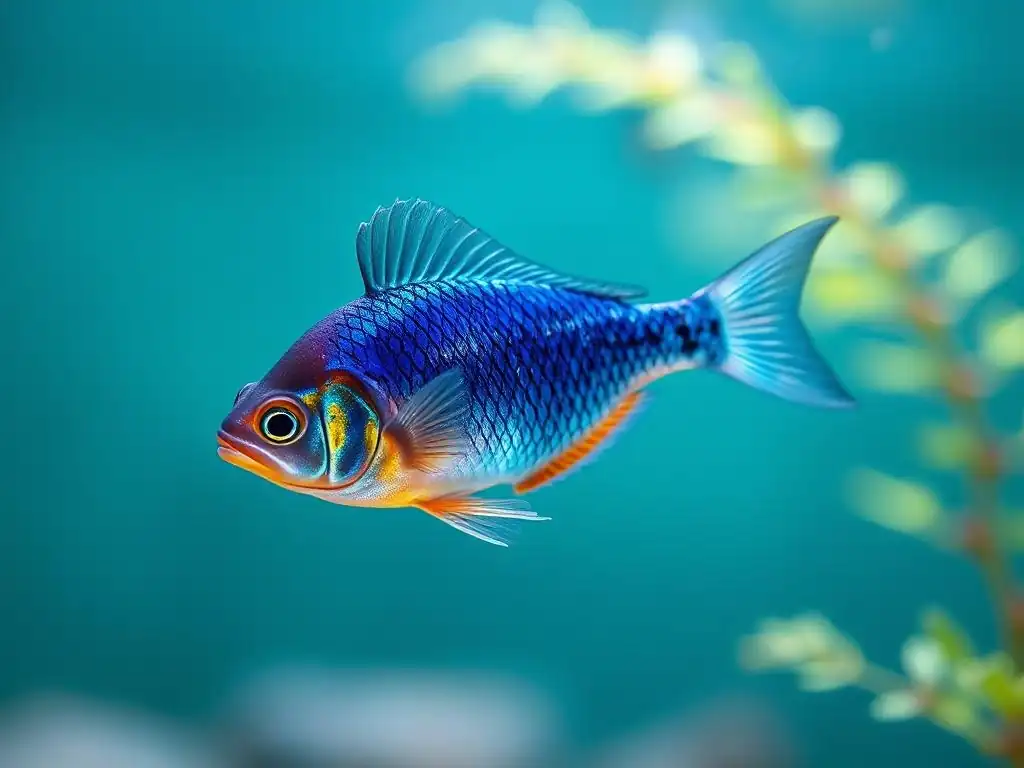
Danios are generally considered peaceful fish, making them a popular choice for community aquariums. Their temperament is typically non-aggressive towards tank mates of similar size or larger. However, their high activity levels and fast swimming can occasionally be misinterpreted as aggression by very slow-moving or extremely timid species. It is crucial to keep Danios in a sufficiently large school, ideally 8-10 individuals, to diffuse any potential fin-nipping tendencies, which can occur if they are stressed or kept in too small numbers.
When properly schooled, Danios coexist well with a wide array of fish, including other peaceful tetras (e.g., Neon Tetras, Cardinal Tetras), Rasboras (e.g., Harlequin Rasboras), Corydoras catfish, Otocinclus catfish, and many peaceful dwarf cichlids. They are generally not recommended with very long-finned or slow-moving fish like Bettas or Angelfish, as their quick movements might lead to fin nipping or stress for these more delicate species. For a truly Danios good peaceful community tank, careful consideration of tank mates is essential.
Activity Levels: How Danios' Energy Affects Tank Mates
Danios are renowned for their relentless energy and constant movement, typically occupying the middle and upper strata of the aquarium. This high activity level is precisely what makes them effective dither fish, as their continuous presence signals safety to more reclusive species. Shy fish, observing the Danios swimming freely and openly, are encouraged to emerge from their hiding spots and participate more actively in the tank environment.
However, this very energy can be a double-edged sword. In smaller tanks (e.g., under 20 gallons) or with extremely sedentary tank mates, the constant darting of Danios might inadvertently create stress rather than alleviate it. For instance, a small, very shy fish that prefers a calm, unhurried environment might find the ceaseless motion of Danios overwhelming. Therefore, providing ample swimming space and plenty of hiding spots for other fish is crucial to ensure that the Danios' activity contributes positively to a peaceful community setting.
Danios Schooling Behavior and Its Impact on Shy Fish
The schooling behavior of Danios is one of their most significant assets as dither fish. When kept in appropriate numbers (a minimum of six, but preferably eight to ten or more), Danios form a cohesive, active school that moves together throughout the aquarium. This unified movement is a powerful visual cue for other fish, signaling safety and confidence in the environment. A tight school of fish indicates that no immediate threats are present, as fish typically school more tightly when predators are near.
For shy or reclusive species, seeing a large, relaxed school of Danios can dramatically reduce their anxiety. It encourages them to come out from behind plants or decorations, explore the tank, and feed more readily. The presence of a vibrant, healthy school of Danios can transform a quiet, static aquarium into a lively, dynamic ecosystem, reinforcing their role in creating a Danios good peaceful community tank.
Choosing the Right Danio Species for Your Community Aquarium
Zebra Danios (Danio rerio) as Dither Fish: Pros and Cons
Zebra Danios ( Danio rerio) are perhaps the most iconic and widely available Danio species, characterized by their distinctive horizontal stripes. As dither fish, they offer numerous advantages: they are incredibly hardy, adapting to a wide range of water parameters, and their constant, active swimming provides excellent visual reassurance for shy tank mates. They are also strong schoolers, which enhances their effectiveness in signaling safety. Furthermore, their relatively small size (typically 2-2.5 inches) makes them suitable for many medium-sized community aquariums (20 gallons and up).
However, Zebra Danios do have some considerations. Their extreme speed and high energy can occasionally overwhelm very slow-moving or easily stressed fish. If kept in insufficient numbers (fewer than 6-8), they can sometimes exhibit fin-nipping behavior towards long-finned species, such as Bettas or Angelfish. Therefore, while excellent, their integration requires careful consideration of tank size and specific tank mate compatibility to ensure a Danios good peaceful community tank.
Leopard Danios (Danio frankei) and Their Dither Fish Potential
Leopard Danios ( Danio frankei) are often considered a spotted variant of the Zebra Danio, sharing many of the same behavioral and care characteristics. They exhibit the same high activity levels, robust nature, and strong schooling instinct that make Zebra Danios effective dither fish. Their constant motion throughout the middle and upper water columns serves as a clear indicator of safety for more timid species.
Like Zebra Danios, Leopard Danios are very hardy and adaptable to various water conditions, thriving in temperatures between 64-74°F (18-24°C) and a pH range of 6.0-8.0. They typically grow to about 2-2.5 inches, making them suitable for community tanks of 20 gallons or larger. Their dither fish potential is nearly identical to that of the Zebra Danio, offering a visually distinct alternative for aquarists seeking a Danios good peaceful community tank with a spotted aesthetic.
Giant Danios (Devario aequipinnatus): Are They Suitable?
Giant Danios ( Devario aequipinnatus) are significantly larger than their Zebra or Leopard cousins, reaching lengths of up to 4-5 inches. Their impressive size and incredibly energetic swimming patterns make them highly effective dither fish in appropriately large aquariums. They form strong, active schools that dominate the upper water column, providing an undeniable sense of security for other inhabitants.
However, their suitability is limited by tank size. Due to their adult size and need for ample swimming space, Giant Danios require a minimum tank size of 50-75 gallons for a proper school of 6-8 individuals. In smaller tanks, their large size and relentless activity can be overwhelming for smaller, more delicate tank mates. While excellent dither fish, they are only appropriate for larger community setups where they have plenty of room to roam without stressing other inhabitants.
Celestial Pearl Danios (Danio margaritatus) as Dither Fish: Considerations
Celestial Pearl Danios ( Danio margaritatus), often referred to as CPDs, are tiny, exquisitely beautiful fish reaching only about 0.75-1 inch in length. While peaceful and schooling, their effectiveness as dither fish is quite different from their larger relatives. Due to their diminutive size and sometimes shy nature, they are best suited as dither fish for other very small, peaceful nano fish in smaller aquariums.
CPDs are generally too small and can be too timid themselves to effectively signal safety to larger or more reclusive species that require a more prominent dither fish presence. They thrive in heavily planted nano tanks (5-10 gallons for a school) where they feel secure. For a Danios good peaceful community tank featuring average-sized tropical fish, a larger Danio species would typically be a more impactful choice.
Tank Setup and Water Parameters for Happy Danios
Ideal Tank Size for a Danio School in a Community Setting
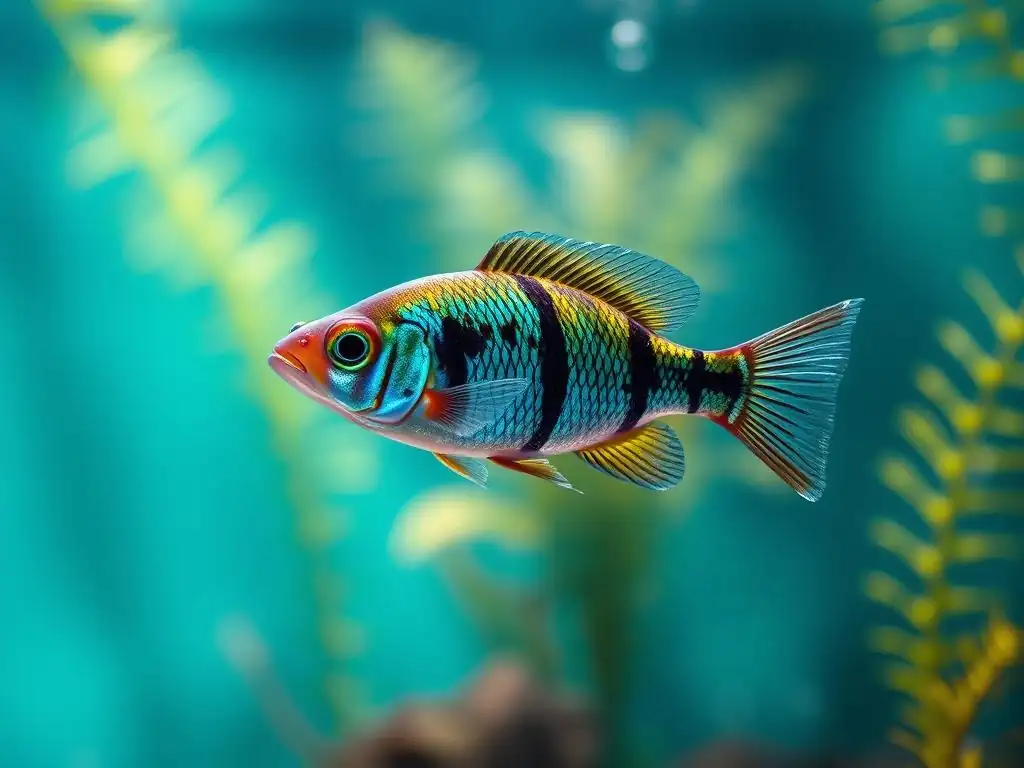
The ideal tank size for a school of Danios in a community setting largely depends on the specific Danio species chosen and the other fish intended for the aquarium. For common species like Zebra or Leopard Danios, a minimum of a 20-gallon long tank is recommended for a school of 6-8 individuals. This tank size provides sufficient horizontal swimming space for their active nature and allows for the establishment of a stable nitrogen cycle.
For a more robust community aquarium that includes other peaceful species, a 30-gallon or larger tank is often preferred. This additional volume helps dilute waste products, provides more room for diverse tank mates, and allows the Danios to exhibit their natural schooling behaviors more freely. Giant Danios, due to their larger size, require a minimum of a 50-gallon tank for a school. Providing adequate space is crucial for keeping Danios healthy and effective in a Danios good peaceful community tank.
Water Chemistry: Maintaining Optimal Conditions for Danios and Tank Mates
Maintaining stable and appropriate water chemistry is paramount for the health of Danios and all their tank mates. Most common Danio species are quite adaptable, thriving in a temperature range of 64-74°F (18-24°C), though they can tolerate slightly warmer or cooler temperatures for short periods. The ideal pH range is broad, typically between 6.0 and 8.0, with water hardness from soft to moderately hard (5-19 dGH).
Consistency is more important than hitting exact numbers. Regular water changes, typically 25% weekly, are essential to keep nitrate levels low and replenish essential minerals. Monitoring water parameters (ammonia, nitrite, nitrate, pH, temperature) with a reliable test kit is crucial. Ensuring optimal water conditions not only keeps Danios healthy but also prevents stress and disease in the entire Danios good peaceful community tank.
Plants and Decorations: Creating a Suitable Environment for Danios to Thrive
While Danios are primarily open-water swimmers, a well-structured aquarium with appropriate plants and decorations enhances their well-being and the overall tank ecosystem. Providing open swimming space in the front and middle of the tank is crucial for Danios to exhibit their natural schooling behavior and serve as effective dither fish. They need ample room to dart and chase without constantly bumping into obstacles.
However, dense planting along the back and sides, or strategically placed driftwood and rocks, offers vital hiding spots and security for more timid tank mates. This balance allows shy fish to retreat when needed, while the visible Danios provide reassurance. Live plants also contribute to water quality by absorbing nitrates and providing oxygen. A thoughtfully aquascaped tank with both open areas and sheltered zones creates a comfortable environment for all inhabitants, including a Danios good peaceful community tank.
Feeding and Nutrition for Danios in a Community Tank
What to Feed Danios to Keep Them Healthy and Active
Danios are omnivorous and have a hearty appetite, making them relatively easy to feed in a community aquarium. Their primary diet should consist of a high-quality flake food or small pellets, which provide a balanced nutritional foundation. Look for foods that list fish meal, spirulina, and various vitamins as key ingredients.
To ensure optimal health and vibrancy, their diet should be supplemented regularly with frozen or live foods. Excellent choices include frozen bloodworms, brine shrimp, and daphnia, which provide essential proteins and fats. For very small species like Celestial Pearl Danios, micro-pellets, crushed flakes, or even infusoria and baby brine shrimp are more appropriate. Feeding a varied diet ensures they receive all necessary nutrients to remain active and colorful, contributing to a thriving Danios good peaceful community tank.
Preventing Overfeeding in a Community Aquarium with Danios
Overfeeding is a common pitfall in community aquariums and can lead to serious water quality issues, such as elevated ammonia and nitrate levels, which are detrimental to all fish. Danios are fast and enthusiastic eaters, often darting to the surface as soon as food is introduced, which can make it challenging to ensure all tank mates receive their share without overfeeding the Danios.
To prevent overfeeding, offer small amounts of food two to three times a day, feeding only what the fish can consume within 2-3 minutes. Observe how quickly the food is eaten and adjust quantities accordingly. For tanks with both fast-eating Danios and slower, bottom-dwelling species like Corydoras, consider feeding sinking pellets or wafers after the Danios have had their fill, or distributing food widely across the surface to allow slower eaters a chance. Consistent portion control is key to maintaining a healthy Danios good peaceful community tank.
Supplementing Danios' Diet for Optimal Health
While a staple diet of high-quality flakes is a good start, supplementing Danios' diet is crucial for their long-term health, vibrant coloration, and robust immune system. Incorporating a variety of foods mimics their natural diet and provides a broader spectrum of nutrients. Frozen foods such as bloodworms, brine shrimp, and daphnia should be offered 2-3 times per week. These provide essential proteins and fats that contribute to overall vigor.
Live foods, when available and safe (e.g., from reputable sources or home-cultured), can be an excellent treat, stimulating natural hunting behaviors. Additionally, some aquarists opt for vitamin supplements, which can be soaked into dry foods before feeding, to further boost their nutritional intake. A well-rounded diet not only keeps Danios healthy but also ensures they remain active and visually appealing, enhancing the entire Danios good peaceful community tank.
Potential Problems and Considerations When Using Danios as Dither Fish
Danios Fin Nipping: Preventing Aggression
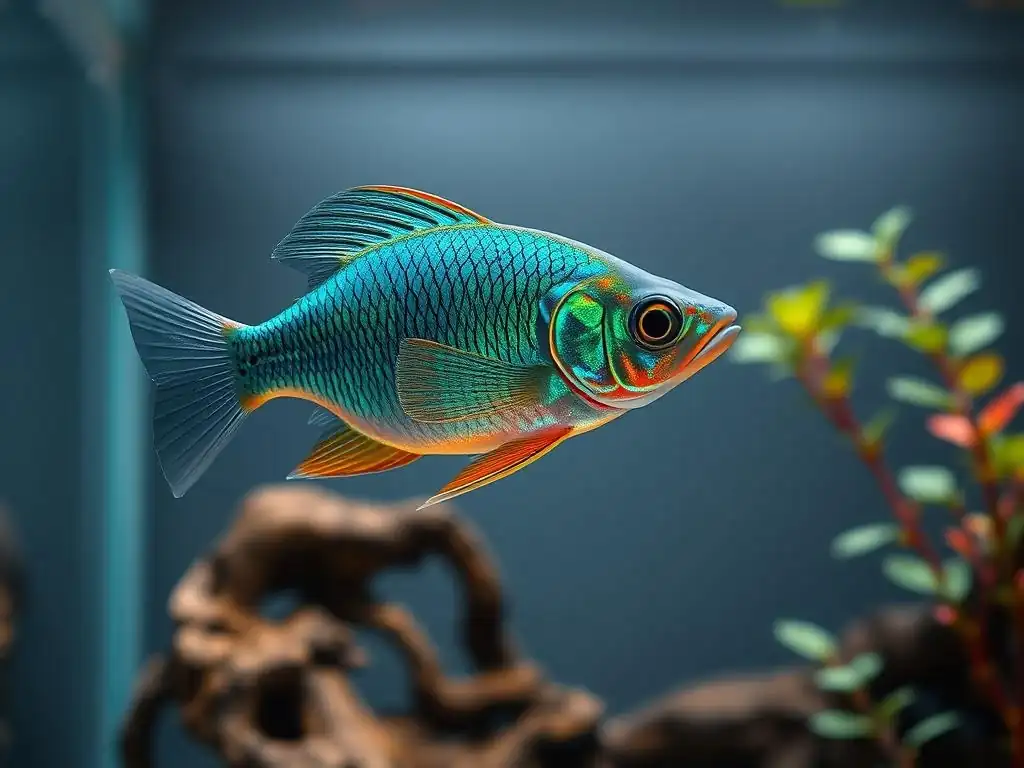
While generally peaceful, Danios can occasionally exhibit fin-nipping behavior, particularly if they are not kept in a sufficiently large school. When kept in small numbers (e.g., fewer than 6 individuals), Danios can become stressed or bored, sometimes leading them to nip at the fins of slower-moving or long-finned tank mates. Species like Betta fish, Angelfish, or Gouramis with their flowing fins are particularly susceptible to this.
The primary solution to prevent fin nipping is to ensure Danios are kept in a robust school of at least 8-10 individuals. This allows them to focus their interactions on their own kind and feel more secure, reducing stress-induced aggression. Additionally, carefully selecting tank mates that are either fast-moving, fin-nipping resistant, or do not possess long, flowing fins is crucial. Providing ample space in the aquarium also helps disperse any potential tension, making for a more harmonious Danios good peaceful community tank.
Danios Outcompeting Other Fish for Food
One common challenge when keeping Danios in a community tank is their speed and enthusiasm during feeding times. Danios are incredibly quick eaters, often darting to the surface and consuming food rapidly, which can lead to slower or shyer tank mates not getting enough to eat. This is especially true for bottom-dwelling species like Corydoras or more reclusive fish that might hesitate to come out into the open during feeding.
To mitigate this, employ strategic feeding methods. Distribute food widely across the surface of the water so that the Danios cannot monopolize it all. Alternatively, feed the Danios a small portion first to satisfy their initial hunger, and then introduce sinking pellets or wafers for bottom dwellers. Feeding at multiple points or using different types of food simultaneously can also help ensure all inhabitants of your Danios good peaceful community tank receive adequate nutrition.
Disease Prevention and Quarantine for New Danios
Introducing new fish into an established aquarium always carries the risk of introducing diseases, even if the new fish appear healthy. Danios, despite their hardiness, are no exception. Common diseases like Ich (white spot disease), fin rot, or bacterial infections can quickly spread throughout an entire tank, jeopardizing the health of all inhabitants.
To prevent this, a strict quarantine protocol is essential. All new Danios, or any new fish for that matter, should be placed in a separate quarantine tank for a period of 2-4 weeks before being introduced to the main display tank. This allows time to observe them for any signs of illness, treat any emerging diseases without affecting the main aquarium, and ensure they are eating well. A proper quarantine process significantly reduces the risk of disease outbreaks, safeguarding your Danios good peaceful community tank.
Alternative Dither Fish Options for Peaceful Community Aquariums
Harlequin Rasboras as an Alternative Dither Fish
Harlequin Rasboras ( Trigonostigma heteromorpha) are an excellent alternative to Danios as dither fish, especially for community aquariums housing very peaceful or slightly more sensitive species. They are known for their calm demeanor, beautiful copper coloration, and strong schooling behavior. Unlike the frenetic energy of Danios, Harlequin Rasboras swim with a more graceful, deliberate pace, which can be less intimidating for extremely timid fish.
They are generally very peaceful, less prone to fin nipping than some Danios, and thrive in similar temperature ranges (72-79°F or 22-26°C), though they prefer slightly softer, more acidic water (pH 6.0-7.0). While perhaps not as overtly "dithering" as a hyperactive Danio, their consistent, calm schooling presence provides a reassuring visual cue that the environment is safe. For a truly serene and Danios good peaceful community tank, Harlequin Rasboras are a top contender.
Comparing Danios to Other Popular Dither Fish Choices
When considering dither fish, Danios are often compared to other popular choices like Neon Tetras or various livebearers. Neon Tetras ( Paracheirodon innesi) are beautiful schoolers, but they can be more sensitive to water parameters and are generally less active and more prone to shyness themselves than Danios, making them less effective as dither fish for very timid species. While they signal safety, they don't have the same robust, open-water presence.
Livebearers such as Guppies ( Poecilia reticulata) or Platies ( Xiphophorus maculatus) can also serve as dither fish due to their activity and willingness to swim openly. However, their prolific breeding can quickly lead to overpopulation, and some strains might be less consistently active in the mid-water column compared to Danios. Danios generally offer a more reliable, hardy, and consistent dither fish performance without the worry of fry.
When Danios Might Not Be the Best Choice: Alternative Strategies
While Danios are highly effective dither fish for many scenarios, there are specific situations where they might not be the optimal choice. For very small nano tanks (under 10 gallons), even small Danios can be too active and require too much swimming space, potentially stressing other nano fish. Similarly, for tanks primarily housing extremely delicate, slow-moving, or long-finned species (e.g., certain wild Bettas, fancy Guppies), the high activity or potential for fin nipping from Danios could be detrimental.
In such cases, alternative strategies or dither fish are preferable. For nano tanks, very small, peaceful schooling fish like Chili Rasboras ( Boraras brigittae) or Ember Tetras ( Hyphessobrycon amandae) can provide a more appropriate level of dither. For tanks with extremely shy fish, simply providing very dense planting and ample hiding spots can sometimes be more effective than introducing a dither fish that might inadvertently cause stress. Understanding the specific needs of your aquarium and its inhabitants is key to creating a truly Danios good peaceful community tank.
Conclusion: Danios as Effective Dither Fish for a Balanced Aquarium
Summary of Danios' Strengths and Weaknesses as Dither Fish
Danios possess a compelling set of attributes that make them highly effective dither fish for many community aquariums. Their primary strengths include their exceptional hardiness, active and consistent swimming behavior, strong schooling instinct, and general adaptability to a wide range of water parameters. These qualities allow them to reliably signal safety to more timid tank mates, encouraging them to emerge and thrive. They are also readily available and relatively inexpensive, making them accessible to most aquarists aiming for a Danios good peaceful community tank.
However, Danios are not without their weaknesses. Their high energy can sometimes be overwhelming for extremely sedentary or sensitive fish. If kept in insufficient numbers, their natural activity can manifest as fin-nipping behavior, particularly towards long-finned species. Their quick feeding habits also mean aquarists must be mindful to ensure slower tank mates receive adequate nutrition. Careful planning and observation are necessary to leverage their strengths while mitigating their potential drawbacks.
Tips for Successfully Integrating Danios into Your Community Tank
Successfully integrating Danios as dither fish into your community aquarium requires thoughtful planning and ongoing observation. Firstly, always start with a robust school of at least 8-10 Danios; this is crucial for their well-being and to minimize any potential aggression. If possible, introduce the Danios to the tank before adding more timid or shy species, allowing them to establish their presence and signal safety from the outset.
Ensure your tank provides ample open swimming space, especially in the mid to upper water column, which is their preferred zone. Simultaneously, provide plenty of dense plant cover or decorations at the back and sides of the tank where shy fish can retreat if needed. Monitor feeding closely to ensure all fish receive enough food, perhaps using multiple feeding points or types of food. Finally, always quarantine new Danios for 2-4 weeks to prevent disease introduction, safeguarding your entire Danios good peaceful community tank.
Final Thoughts on Creating a Peaceful and Thriving Aquarium with Danios
Danios can indeed be an excellent choice as dither fish, playing a vital role in fostering a peaceful and thriving community aquarium. Their constant activity and schooling behavior provide invaluable reassurance to shy or reclusive species, helping to reduce stress and encourage natural behaviors. Furthermore, their role as early indicators of tank health offers an additional layer of security for the aquarist, signaling potential issues before they escalate.
By understanding the specific needs of Danios, choosing the appropriate species for your tank size, and carefully selecting compatible tank mates, aquarists can harness the many benefits these energetic cyprinids offer. With proper care, a well-planned setup, and diligent observation, Danios can be the cornerstone of a vibrant, healthy, and truly Danios good peaceful community tank, allowing all inhabitants to flourish.
Frequently Asked Questions
Are Danios truly peaceful fish suitable for a community tank?
Yes, Danios are generally considered peaceful and make excellent additions to a peaceful community tank. They are known for their active swimming and non-aggressive behavior towards other fish species.
Why are Danios considered good "dither fish"?
Danios are excellent dither fish because their active and outgoing behavior encourages shy or timid fish to come out of hiding. Their presence signals that the environment is safe, promoting a more relaxed tank environment.
What tank size is generally recommended for keeping a school of Danios?
A minimum tank size of 20 gallons is recommended, especially for a school of 6 or more Danios. This provides them with ample space to swim and display their natural schooling behavior without stressing other tank inhabitants.
What are some ideal tank mates for Danios in a community aquarium?
Suitable tank mates include other peaceful fish of similar size and temperament, such as tetras, rasboras, and peaceful bottom dwellers like Corydoras catfish. Avoid keeping them with aggressive or fin-nipping species.
What water parameters are ideal for keeping Danios healthy in a community tank?
Danios are relatively hardy but thrive in water temperatures between 72-78°F (22-26°C), a pH of 6.5-7.5, and good water quality. Regular water changes are essential to maintain a healthy aquarium environment.
Final Reflection: The Ripple Effect of Harmony
The exploration of danios as dither fish underscores a crucial principle in aquascaping and beyond: the profound impact of seemingly small choices on the overall well-being of a community. Just as danios can transform a potentially anxious aquarium into a thriving ecosystem, so too can our individual actions contribute to a more harmonious world.
The delicate balance within a community aquarium mirrors the complexities of our own social structures. Understanding and appreciating the role of each member, even the seemingly insignificant, is paramount to fostering a healthy and vibrant environment. As the renowned aquarist Takashi Amano once said: To create a miniature nature, you must first understand the laws of nature.
This understanding, applied to our aquariums and our lives, allows us to cultivate spaces where everyone can flourish.
Now, consider the lessons learned from the humble danio. How can you, in your own sphere of influence, create a more peaceful and supportive environment? Reflect on the small acts of kindness, the conscious choices to alleviate anxiety, and the intentional efforts to foster a sense of community. Embrace the "dither fish" within you, and let your presence bring a sense of calm and confidence to those around you.
Dive Deeper into Dither Fish Dynamics!
Thanks for exploring the fascinating world of danios and their dither fish abilities! We hope this article has given you insights into creating a more balanced and thriving aquarium. Now it's time to put your knowledge into action.
Here are some things you can do right now:
- Carefully assess your aquarium's current inhabitants. Observe their behavior for signs of stress or aggression that could be mitigated by introducing dither fish.
- Consider researching less common dither fish species that might be even more suitable for your specific community tank setup. Maybe a school of Emerald Eye Rasboras would fit the bill?
- Share this article with fellow aquarium enthusiasts! Help others create happier, healthier aquatic environments.
What subtle behavioral change in your fish makes you think they may need dither fish to thrive?