
LongTerm Maintenance for a Stunning Angelfish Display Tank

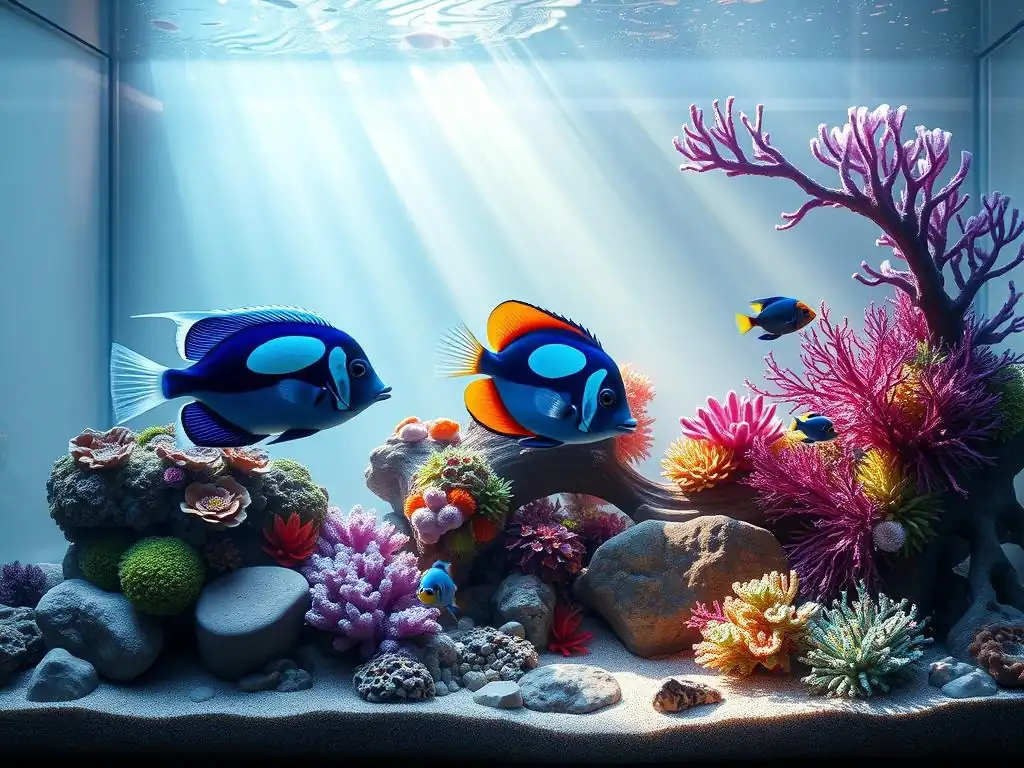
Welcome to Aquarium Mastery!
Ever dreamt of a thriving Angelfish display that captivates for years to come? Imagine the vibrant colors and graceful movements of your Angelfish in a perfectly balanced ecosystem. This article dives deep into the secrets of Angelfish tank longterm maintenance, revealing the key steps to ensuring a healthy and stunning aquarium. Ready to unlock the longevity of your Angelfish paradise? Let's get started!
- Understanding Angelfish Tank Ecosystems for Longevity
- Angelfish Tank Water Quality: Key Parameters and Long-Term Stability
- Filtration Strategies for Angelfish Aquariums: Ensuring Long-Term Clarity
- Angelfish Tank Substrate and Decor: Long-Term Considerations
- Lighting for Angelfish Tanks: Promoting Coral Growth and Fish Health
- Feeding Angelfish for Optimal Health and Longevity
- Angelfish Tank Disease Prevention and Management: A Long-Term Approach
- Controlling Algae in Your Angelfish Display: Long-Term Strategies
- Regular Maintenance Schedule for a Thriving Angelfish Tank
- Troubleshooting Common Angelfish Tank Problems: A Proactive Approach
- Ensuring Long-Term Success with Your Angelfish Display Tank
-
Frequently Asked Questions
- How often should I perform water changes in my angelfish tank for longterm health?
- What specific water parameters are most important to monitor for long-term angelfish health?
- What type of filtration system is recommended for a long-term angelfish tank setup?
- Besides water changes, what other routine maintenance tasks should I perform to keep my angelfish tank thriving?
- How do I prevent common diseases in my angelfish tank to ensure their long-term health and longevity?
- Final Reflection: Sustaining Aquatic Harmony
- Dive Deeper: Cultivate Your Angelfish Paradise!
Understanding Angelfish Tank Ecosystems for Longevity
The Importance of a Stable Environment for Angelfish Health
Maintaining a consistently stable environment is paramount for the long-term health and vibrancy of Angelfish in a display tank. These magnificent fish, whether larger species like the Emperor Angelfish (Pomacanthus imperator) or smaller dwarf varieties such as the Flame Angelfish (Centropyge loriculus), are highly sensitive to fluctuations in water parameters.
Sudden shifts in salinity, temperature, pH, or ammonia levels can induce severe stress, leading to a compromised immune system and increased susceptibility to common marine ailments like marine ich (Cryptocaryon irritans) or velvet disease (Amyloodinium ocellatum). A stable environment ensures that the Angelfish can thrive, exhibiting natural behaviors and vibrant coloration, which is a core objective of Angelfish tank long-term maintenance.
Furthermore, a stable aquarium environment reduces chronic stress, which can lead to issues such as fin erosion, loss of appetite, and stunted growth over time. For example, a pH swing of more than 0.2 units within a 24-hour period can significantly stress most Angelfish species, making them vulnerable to secondary infections. By minimizing these environmental stressors through consistent monitoring and proactive adjustments, aquarists can significantly extend the lifespan of their Angelfish, with some species known to live over 15 years in well-maintained home aquariums. This dedication to environmental stability forms the bedrock of successful Angelfish tank long-term maintenance.
Establishing a Balanced Biological Filter in Your Angelfish Aquarium
The cornerstone of any successful Angelfish tank long-term maintenance strategy is a robust and balanced biological filtration system. This system relies on beneficial nitrifying bacteria, primarily Nitrosomonas and Nitrobacter, to convert toxic ammonia (produced by fish waste and decaying food) into less toxic nitrite, and then into relatively harmless nitrate.
For a new aquarium, establishing this cycle typically takes 4 to 6 weeks, during which ammonia and nitrite levels will peak before eventually dropping to zero as the bacterial colonies proliferate. Without a fully established biological filter, Angelfish are constantly exposed to lethal compounds, leading to gill damage, organ failure, and ultimately, death.
To ensure the long-term efficacy of the biological filter, it's crucial to provide ample surface area for bacterial colonization, such as high-quality live rock (typically 1-1.5 pounds per gallon for a reef or FOWLR tank), bio-balls, or ceramic rings. Overstocking the Angelfish tank should be avoided, as it can overwhelm the biological filter, leading to persistent high nitrate levels or even ammonia/nitrite spikes. Regular, but not overly aggressive, cleaning of mechanical filtration media (like filter socks) helps prevent detritus buildup without disturbing the delicate biological colonies within the main filter media, thus supporting continuous Angelfish tank long-term maintenance.
Angelfish Tank Water Quality: Key Parameters and Long-Term Stability
Maintaining Ideal Water Chemistry for Angelfish Species
Maintaining precise water chemistry is critical for the long-term health and well-being of Angelfish. Key parameters include salinity, which should be kept stable between 1.023 and 1.025 specific gravity, mirroring their natural marine habitats. Temperature is also vital, ideally maintained within a narrow range of 74-78°F (23-26°C) to prevent thermal stress.
The pH level should consistently hover between 8.1 and 8.4, as fluctuations outside this range can inhibit vital biological processes and stress the fish. Furthermore, for tanks with corals or coralline algae alongside reef-safe Angelfish, maintaining alkalinity (8-12 dKH), calcium (400-450 ppm), and magnesium (1250-1350 ppm) is crucial for skeletal growth and overall system stability, all contributing to effective Angelfish tank long-term maintenance.
Deviations from these ideal parameters can have significant consequences. For example, low alkalinity can lead to dangerous pH swings, destabilizing the entire system. Chronically high nitrate levels (above 20 ppm) can suppress the immune systems of Angelfish, making them more prone to disease, and also fuel nuisance algae growth. Conversely, overly low calcium or magnesium levels can hinder the growth of beneficial coralline algae and stony corals, if present, impacting the overall aesthetic and ecological balance of the display. Consistent monitoring and targeted adjustments are therefore indispensable for successful Angelfish tank long-term maintenance, ensuring these complex ecosystems remain balanced.
Regular Water Testing and Adjustment Protocols for Saltwater Angelfish
Regular and accurate water testing forms the backbone of any effective Angelfish tank long-term maintenance plan. It is recommended to perform weekly tests for ammonia, nitrite, nitrate, pH, and salinity using reliable test kits (e.g., titration-based kits or digital meters). For alkalinity, calcium, and magnesium, bi-weekly or monthly testing is typically sufficient unless a dosing regimen is in place.
These consistent measurements provide a clear picture of the tank's health and allow aquarists to proactively identify and address imbalances before they become critical. For instance, a persistent rise in nitrates might indicate overfeeding or insufficient water changes, prompting immediate corrective action.
Based on testing results, precise adjustments can be made to maintain optimal water chemistry. If salinity is low, a small amount of pre-mixed saltwater can be added; if high, top-offs with RO/DI water can correct it. pH can be buffered using alkalinity supplements, while calcium and magnesium levels are adjusted with specific additives.
It is crucial to make all adjustments slowly and incrementally to avoid shocking the Angelfish. For instance, a salinity change of no more than 0.001-0.002 specific gravity per day is generally considered safe. This diligent approach to testing and adjustment is fundamental to the Angelfish tank long-term maintenance process, ensuring the environment remains conducive to fish health.
Effective Water Change Strategies for Mature Angelfish Tanks
Water changes are a cornerstone of Angelfish tank long-term maintenance, serving multiple vital purposes in a mature system. They effectively dilute accumulated nitrates, remove dissolved organic compounds that can build up over time, and replenish essential trace elements that are consumed by corals, invertebrates, and the fish themselves.
For a well-established Angelfish display tank, a weekly or bi-weekly water change of 10-20% of the total tank volume is often recommended to maintain nitrate levels below 10-20 ppm, which is generally considered safe for most marine Angelfish and reef inhabitants. This frequency helps prevent the gradual degradation of water quality that can lead to chronic stress and disease.
The process of performing water changes must be meticulously executed. Always use high-quality reverse osmosis/deionized (RO/DI) water mixed with a reputable marine salt mix, ensuring the new saltwater is precisely matched in terms of salinity and temperature to the existing tank water. Siphoning detritus from the substrate and around rockwork during the water change further aids in removing organic waste.
Consistent water changes have been shown to significantly reduce the incidence of parasitic infections and improve overall fish vitality. For example, a study on captive marine fish health indicated that tanks receiving regular 15% weekly water changes had a demonstrably lower occurrence of common skin flukes compared to those with less frequent maintenance. This proactive approach is indispensable for robust Angelfish tank long-term maintenance.
Filtration Strategies for Angelfish Aquariums: Ensuring Long-Term Clarity
Choosing the Right Filtration System for Your Angelfish Setup
Selecting an appropriate and robust filtration system is paramount for successful Angelfish tank long-term maintenance, ensuring optimal water quality and clarity. A comprehensive filtration strategy for a marine Angelfish aquarium typically integrates mechanical, chemical, and biological filtration components. The choice of specific equipment will depend on the tank size, stocking density, and whether the tank is fish-only with live rock (FOWLR) or a mixed reef. For larger Angelfish species, a sump-based system is often preferred, allowing for greater volume, easier integration of equipment like protein skimmers and refugiums, and superior overall filtration capacity compared to hang-on-back filters.
A well-designed filtration system should be oversized rather than undersized, providing ample capacity to handle the bioload of the Angelfish and any tank mates. For example, a 180-gallon Angelfish display tank might utilize a 40-gallon sump, a protein skimmer rated for a 200-gallon tank, and a substantial amount of live rock (e.g., 180-270 lbs). This redundancy provides a buffer against sudden increases in waste production and contributes significantly to the long-term stability and health of the Angelfish environment. Investing in high-quality, efficient filtration is a key component of effective Angelfish tank long-term maintenance.
Mechanical Filtration: Removing Particulate Matter in Angelfish Tanks
Mechanical filtration is the first line of defense in maintaining water clarity and is crucial for Angelfish tank long-term maintenance. Its primary function is to physically remove suspended particulate matter from the water column, such as uneaten food, fish waste, and detritus. Common mechanical filtration media include filter socks, filter floss, sponges, and filter pads. These media trap larger particles, preventing them from breaking down and contributing to the dissolved organic load in the water, which can lead to increased nitrates and phosphates.
Regular cleaning or replacement of mechanical filter media is essential. For instance, filter socks should ideally be swapped out and cleaned every 2-3 days, or even daily in heavily stocked tanks. Allowing mechanical media to become saturated with detritus will cause it to become a nitrate factory, releasing trapped pollutants back into the water as they decompose. Neglecting this aspect of filtration can quickly lead to cloudy water and degraded water quality, undermining all other efforts in Angelfish tank long-term maintenance.
Chemical Filtration: Controlling Dissolved Organics in Angelfish Aquariums
Chemical filtration plays a vital role in Angelfish tank long-term maintenance by removing dissolved organic compounds, toxins, and pollutants that mechanical and biological filtration cannot address. The most common and effective chemical filtration media include activated carbon, granular ferric oxide (GFO), and various ion-exchange resins. Activated carbon is excellent for removing yellowing agents, odors, and some toxins, improving water clarity and light penetration. GFO is specifically designed to adsorb phosphates, a primary nutrient for nuisance algae.
These media should be used in a reactor or media bag with good water flow for optimal efficiency. The lifespan of chemical media varies; activated carbon typically needs replacement every 2-4 weeks, while GFO can last 1-3 months depending on the phosphate load. Failing to regularly replace chemical media renders it ineffective and, in the case of activated carbon, can even begin to leach adsorbed pollutants back into the water. Integrating robust chemical filtration significantly contributes to maintaining pristine water quality and a healthy environment for Angelfish over the long term.
Biological Filtration: Maintaining a Healthy Nitrogen Cycle for Angelfish
Biological filtration is the absolute bedrock of Angelfish tank long-term maintenance, directly responsible for detoxifying the highly toxic waste products of the nitrogen cycle. This process, carried out by specialized nitrifying bacteria, converts ammonia (NH3) to nitrite (NO2-), and then nitrite to nitrate (NO3-). In saltwater aquariums, the primary biological filter is typically live rock, which provides an enormous amount of porous surface area for these beneficial bacteria to colonize. A general rule of thumb is to have 1 to 1.5 pounds of live rock per gallon of tank volume for effective biological filtration.
Maintaining the integrity of the biological filter requires avoiding practices that could harm these bacterial colonies, such as using medications that are toxic to beneficial bacteria or allowing prolonged power outages that starve them of oxygen. Furthermore, ensuring consistent water flow through the live rock and other biological media is crucial for delivering oxygen and waste products to the bacteria. A well-established and stable biological filter is the primary defense against ammonia and nitrite poisoning, ensuring the long-term survival and health of your Angelfish.
Angelfish Tank Substrate and Decor: Long-Term Considerations
Selecting Angelfish-Safe Substrate Materials
The choice of substrate material for an Angelfish display tank is a critical long-term consideration, impacting both water chemistry and the well-being of the fish. For marine Angelfish, crushed coral or aragonite sand are popular choices due to their ability to naturally buffer pH and alkalinity, helping to maintain stable water parameters crucial for Angelfish tank long-term maintenance.
A fine to medium grain size (e.g., 0.5-2 mm) is generally preferred as it is less likely to scratch delicate Angelfish bodies if they occasionally browse the bottom, and it is easier to keep clean than very fine sand which can compact or blow around excessively.
Avoid substrates that are inert and provide no buffering capacity, such as silica sand, as they can lead to pH instability in a marine environment. Also, consider the depth of the substrate; a shallow bed (1-2 inches) is easier to keep clean and less prone to developing anaerobic pockets, which can release harmful hydrogen sulfide gas over time. For example, a 1-inch deep bed of aragonite sand in a 100-gallon tank would require approximately 50-60 pounds of sand. Proper substrate selection is a foundational element in creating a stable and healthy habitat for successful Angelfish tank long-term maintenance.
Decorating Your Angelfish Tank for Aesthetics and Functionality
Decorating an Angelfish tank involves a balance between aesthetic appeal and providing a functional environment that meets the fish's needs for shelter, territory, and exploration. Live rock is the most common and beneficial decor, offering not only a natural aesthetic but also serving as the primary biological filtration medium. Aquascaping with live rock should create caves, overhangs, and swim-throughs, providing ample hiding spots and territories for the Angelfish, which can reduce stress and aggression, especially in multi-fish setups. This thoughtful arrangement contributes significantly to the success of Angelfish tank long-term maintenance.
When positioning live rock, ensure stability to prevent collapses that could injure fish or damage the tank. Use rock-scaping epoxy or plastic rods to secure larger structures. Additionally, consider the adult size of your Angelfish species; larger species like the Blueface Angelfish (Pomacanthus xanthometopon) require more open swimming space than smaller dwarf species. Avoid sharp or abrasive decorations that could injure delicate fins. Over time, coralline algae will grow on live rock, enhancing its natural beauty and contributing to the tank's calcium consumption, necessitating consistent monitoring of water parameters as part of Angelfish tank long-term maintenance.
Minimizing Algae Growth on Decorations in Angelfish Aquariums
Minimizing nuisance algae growth on decorations is a continuous challenge in Angelfish tank long-term maintenance. Algae blooms are typically indicative of excess nutrients (nitrates and phosphates) in the water column and/or improper lighting. While some algae are natural and even beneficial, excessive growth can detract from the tank's aesthetics and, in severe cases, smother corals or block light. Regularly siphoning detritus from the substrate and off decorations helps remove nutrient sources.
Manual removal is often necessary for persistent algae. For example, using a stiff brush or an old toothbrush to scrub algae off live rock and other decor during water changes can be highly effective.
Introducing certain algae-eating invertebrates, such as various species of snails (e.g., Turbo snails, Trochus snails) or hermit crabs (e.g., Blue Leg Hermit Crabs), can also help graze on algae, though they are not a substitute for addressing the root cause of nutrient imbalance. Consistent water quality management, proper feeding, and controlled lighting are the most effective long-term strategies for keeping decorations clean and vibrant in an Angelfish display.
Lighting for Angelfish Tanks: Promoting Coral Growth and Fish Health
Selecting Appropriate Lighting for Your Angelfish Tank Setup
Selecting the correct lighting system is a crucial aspect of Angelfish tank long-term maintenance, influencing both the aesthetic appeal of the display and the health of its inhabitants. For a Fish-Only-With-Live-Rock (FOWLR) Angelfish tank, the primary purpose of lighting is to enhance the fish's vibrant colors and allow for visual enjoyment.
In this scenario, less intense lighting, such as T5 fluorescent fixtures or lower-wattage LED units, often suffices. However, if the Angelfish tank is a mixed reef with photosynthetic corals, the lighting requirements become far more stringent, necessitating high-intensity LED or T5HO (High Output) fixtures capable of providing the necessary Photosynthetically Active Radiation (PAR) for coral growth.
The color temperature (Kelvin, K) of the light also plays a role. For marine tanks, a color temperature between 10,000K and 20,000K is generally preferred, mimicking the deeper blue light found in natural reef environments and accentuating the blues and greens of marine fish and corals. For instance, a combination of 10,000K white and actinic blue bulbs is a common choice for reef tanks. Over-lighting a FOWLR tank can lead to excessive nuisance algae growth, while under-lighting a reef tank will result in coral recession and poor health, underscoring the importance of careful selection for Angelfish tank long-term maintenance.
Maintaining Optimal Light Spectrum and Intensity for Angelfish and Corals
Maintaining an optimal light spectrum and intensity is an ongoing task in Angelfish tank long-term maintenance, especially in reef setups. The spectrum refers to the range of colors emitted by the light, with marine tanks typically favoring blue (actinic) light for coral photosynthesis and enhanced fish coloration. Intensity, measured in PAR, dictates the amount of light energy available for corals. LED fixtures often allow for precise control over both spectrum and intensity, enabling aquarists to fine-tune settings as corals grow or as the tank matures.
For example, many aquarists start with lower intensity settings for new corals (e.g., 100-200 PAR) and gradually increase them over several weeks to avoid shocking the corals. Regular monitoring of coral health and growth is key; bleaching or browning can indicate too much or too little light, respectively. For Angelfish, consistent lighting cycles (e.g., 10-12 hours on, 12-14 hours off) are important for establishing natural day-night rhythms and reducing stress. Neglecting these parameters can lead to poor coral health, algae outbreaks, and stressed Angelfish, highlighting their importance in Angelfish tank long-term maintenance.
Controlling Algae Blooms Through Proper Lighting Management
Proper lighting management is a critical strategy for controlling nuisance algae blooms, a common challenge in Angelfish tank long-term maintenance. Excessive light intensity or duration, particularly in tanks with high nutrient levels, provides ideal conditions for rapid algae proliferation. For instance, leaving tank lights on for more than 12 hours a day can significantly contribute to green hair algae or diatom outbreaks, even if nutrient levels are moderate.
To mitigate this, establish a consistent lighting schedule, typically 8-10 hours for FOWLR tanks and 10-12 hours for reef tanks, and adhere to it strictly, perhaps using a timer. If algae is a persistent problem, consider reducing the light intensity or duration incrementally. For example, if you have a severe outbreak, you might reduce the photo period by 1-2 hours for a week or two.
Additionally, ensure that your light fixtures are not aging out; older T5 bulbs, for instance, can shift their spectrum and intensity, potentially contributing to algae issues. By carefully managing light, you can significantly reduce the potential for unsightly algae and ensure the long-term aesthetic appeal of your Angelfish display.
Feeding Angelfish for Optimal Health and Longevity
Creating a Balanced Diet for Angelfish Species
Creating a balanced and varied diet is fundamental for the long-term health and vibrant coloration of Angelfish. Angelfish are omnivores, with their dietary needs varying slightly by species. Larger Angelfish like the Queen Angelfish (Holacanthus ciliaris) or Emperor Angelfish often consume sponges and tunicates in the wild, while smaller dwarf species like the Flame Angelfish are more prone to grazing on algae and small invertebrates. A captive diet should therefore include high-quality marine flakes or pellets designed for omnivores, supplemented with a variety of frozen foods.
Frozen foods should include mysis shrimp, brine shrimp (enriched), spirulina-based foods, and specialized Angelfish formulas that often contain sponge matter or tunicates. Offering a diverse diet ensures that all necessary vitamins, minerals, and fatty acids are provided, preventing nutritional deficiencies that can lead to faded colors, stunted growth, and a weakened immune system over time. For example, a diet lacking in Vitamin C can lead to lateral line erosion (LLE) in some marine fish, a common issue in Angelfish. This comprehensive dietary approach is a critical aspect of Angelfish tank long-term maintenance.
Feeding Frequency and Portion Control for Angelfish
Proper feeding frequency and portion control are crucial for maintaining water quality and the long-term health of Angelfish. Overfeeding is one of the most common causes of poor water quality in aquariums, leading to elevated nitrates and phosphates, which fuel nuisance algae growth. For most adult Angelfish, feeding 2-3 times per day is sufficient, offering small amounts that can be consumed within 2-3 minutes. Juvenile Angelfish, which have higher metabolic rates, may benefit from 3-4 smaller feedings per day.
The key is to avoid excess food decaying in the tank. If food is consistently left over after a few minutes, reduce the portion size. For instance, if you're currently feeding a quarter-teaspoon of flakes, try reducing it to an eighth. Over time, excess nutrients from overfeeding can also contribute to issues like cyanobacteria outbreaks, which are notoriously difficult to eradicate. By adhering to strict portion control, aquarists can significantly reduce the bioload on the filtration system, making Angelfish tank long-term maintenance more manageable and effective.
Supplementing Angelfish Diets with Vitamins and Minerals
While high-quality prepared foods provide a baseline of nutrition, supplementing Angelfish diets with additional vitamins and minerals can significantly enhance their health, immune response, and coloration over the long term. Many frozen foods can be soaked in liquid vitamin supplements (e.g., Selcon, Vita-Chem) for 10-15 minutes prior to feeding. This is particularly beneficial for Angelfish that may be stressed, recovering from illness, or exhibiting signs of nutritional deficiency, such as faded coloration or lethargy.
For example, supplementing with Vitamin A and D is crucial for proper bone development and vision, while Vitamin E acts as an antioxidant. Trace elements, often depleted in captive environments even with regular water changes, can also be replenished through fortified foods or direct dosing if the tank houses sensitive corals. Ensuring a complete nutritional profile through supplementation is a proactive measure that supports robust immune function and overall vitality, contributing significantly to the success of Angelfish tank long-term maintenance.
Angelfish Tank Disease Prevention and Management: A Long-Term Approach
Quarantine Procedures for New Angelfish Arrivals
Implementing strict quarantine procedures for all new Angelfish arrivals is the single most critical step in long-term disease prevention for your display tank. Introducing even one infected fish can decimate an entire established population, particularly with highly contagious diseases like marine ich (Cryptocaryon irritans). A dedicated quarantine tank (QT) of at least 20-30 gallons, equipped with its own heater, powerhead, and sponge filter, is essential. New Angelfish should be housed in the QT for a minimum of 4-6 weeks.
During this quarantine period, the fish can be observed for signs of disease, treated if necessary (e.g., with copper-based medications for ich or praziquantel for flukes), and slowly acclimated to prepared foods. For instance, a common protocol involves a 14-day observation period, followed by a prophylactic copper treatment if no overt signs of disease are present, or a full treatment if symptoms appear. This proactive approach, though requiring patience, vastly reduces the risk of introducing pathogens to your main display, making it an indispensable part of Angelfish tank long-term maintenance.
Recognizing and Treating Common Angelfish Diseases
Prompt recognition and appropriate treatment of common Angelfish diseases are vital for limiting their spread and ensuring the long-term survival of your fish. Marine Angelfish are susceptible to a range of ailments, including external parasites (e.g., marine ich, velvet, flukes), bacterial infections (e.g., fin rot, bacterial infections), and internal parasites. Symptoms can include white spots, cloudy eyes, rapid breathing, clamped fins, loss of appetite, changes in coloration, or visible lesions. Regular observation of your Angelfish's behavior and physical appearance is key to early detection.
Upon detecting symptoms, it's often best to move the affected Angelfish to a separate hospital tank for treatment, to avoid medicating the main display or stressing other inhabitants. For example, a fish exhibiting white spots and scratching behavior might be treated with a copper-based medication (e.g., Cupramine) in a hospital tank for 14-21 days, while simultaneously allowing the main tank to go fallow for 76 days to break the parasite's life cycle. Accurate diagnosis, often aided by resources like online forums or experienced aquarists, is crucial for selecting the correct treatment and ensuring successful Angelfish tank long-term maintenance.
Maintaining a Healthy Immune System in Your Angelfish Population
Beyond direct disease treatment, a proactive approach to Angelfish tank long-term maintenance involves continuously supporting the fish's natural immune system. A strong immune system is the best defense against pathogens and helps Angelfish resist infections even when exposed to low levels of bacteria or parasites. Key factors contributing to a robust immune system include a stable, pristine water environment, a balanced and nutritious diet, and minimal stress.
Providing a varied diet rich in essential vitamins (like Vitamin C and E) and omega-3 fatty acids significantly enhances immune function. Maintaining ideal water parameters (salinity, temperature, pH, low nitrates) and avoiding sudden fluctuations reduces environmental stress, which can suppress the immune response.
For example, a tank with consistently low nitrates (below 10 ppm) and stable pH will generally have healthier Angelfish with stronger immune systems than a tank experiencing frequent parameter swings or high nutrient loads. Adequate hiding spots and appropriate tank mates also reduce social stress, further bolstering the fish's natural defenses, which is integral to successful Angelfish tank long-term maintenance.
Controlling Algae in Your Angelfish Display: Long-Term Strategies
Understanding the Causes of Algae Blooms in Angelfish Tanks
Understanding the root causes of algae blooms is the first step in effective Angelfish tank long-term maintenance for algae control. Nuisance algae, such as green hair algae, diatoms, and cyanobacteria, primarily proliferate due to an excess of nutrients in the water column, specifically nitrates and phosphates, combined with sufficient light. Common sources of these excess nutrients include overfeeding, insufficient water changes, decaying organic matter (uneaten food, fish waste), tap water high in phosphates, or old filter media.
For example, if your tap water contains phosphates (even at levels below 0.1 ppm), using it for top-offs or water changes without proper filtration (like an RO/DI unit) will continuously introduce nutrients that fuel algae growth. Similarly, feeding excessive amounts of food that isn't fully consumed by the Angelfish will break down, releasing nitrates and phosphates into the water. Identifying and mitigating these underlying causes, rather than just treating the symptoms, is crucial for achieving long-term algae control in your Angelfish display.
Manual Algae Removal Techniques for Angelfish Aquariums
While addressing the root causes of algae is paramount, manual algae removal techniques are an indispensable part of Angelfish tank long-term maintenance. Regular physical removal helps to immediately reduce the biomass of algae in the tank and removes the nutrients locked within its structure. For glass or acrylic surfaces, magnetic algae cleaners or dedicated scrapers with razor blades (for glass) or plastic blades (for acrylic) are highly effective and should be used daily or every few days.
For algae on live rock or decorations, a stiff-bristled brush (like an old toothbrush) or a specialized aquarium brush can be used during water changes. Siphoning up the dislodged algae immediately prevents it from settling elsewhere or breaking down and releasing nutrients back into the water. For instance, a 10-minute scrubbing session weekly during a water change can significantly reduce the build-up of unsightly green hair algae. Consistent manual removal, combined with nutrient control, is key to maintaining a visually stunning Angelfish display.
Introducing Algae-Eating Invertebrates to Your Angelfish Tank (Considerations)
Introducing certain algae-eating invertebrates can be a helpful supplementary strategy for Angelfish tank long-term maintenance, though they are not a substitute for addressing underlying nutrient issues. Various species of snails, such as Turbo snails, Trochus snails, Nassarius snails, and Nerite snails, are excellent grazers on diatoms, film algae, and some types of green algae on glass and rockwork. Hermit crabs, particularly Blue Leg and Scarlet Hermit Crabs, also contribute by foraging for detritus and nuisance algae.
However, careful consideration is required when adding invertebrates to an Angelfish tank. Some larger Angelfish species, particularly those from the genus Pomacanthus or Holacanthus, may occasionally nip at or even consume smaller snails and hermit crabs. Therefore, it is crucial to research the compatibility of your specific Angelfish species with potential clean-up crew members. A general guideline is to add a variety of species and monitor their interaction carefully, ensuring that the invertebrates are not being harassed or preyed upon, thus ensuring a harmonious and effective clean-up crew for your Angelfish tank long-term maintenance.
Regular Maintenance Schedule for a Thriving Angelfish Tank
Daily Angelfish Tank Maintenance Tasks
Daily attention to your Angelfish tank is crucial for early detection of issues and maintaining optimal conditions, forming the foundation of Angelfish tank long-term maintenance. Each day, spend a few minutes observing your Angelfish for any signs of stress, disease, or unusual behavior (e.g., clamped fins, rapid breathing, faded colors, scratching against decor). Check that all equipment, such as heaters, pumps, and protein skimmers, are functioning correctly.
Feed your Angelfish small, multiple meals, ensuring all food is consumed within a few minutes to prevent excess from decaying. Wipe down the front glass or acrylic with an algae magnet or scraper to remove any film algae, maintaining visual clarity. These brief daily checks are vital for a proactive approach to Angelfish tank long-term maintenance, allowing you to address minor issues before they escalate into major problems. For example, catching a slight discoloration early can prevent a full-blown disease outbreak.
Weekly Angelfish Tank Maintenance Procedures
Weekly maintenance tasks are critical for sustaining water quality and overall tank health, making them a core component of Angelfish tank long-term maintenance. The most important weekly task is a partial water change, typically 10-20% of the tank volume, using properly mixed and temperature-matched saltwater. During this process, siphon detritus from the substrate and around live rock to remove accumulated organic waste.
Perform comprehensive water tests for ammonia, nitrite, nitrate, pH, and salinity. Clean or replace mechanical filter media, such as filter socks or sponges, to prevent them from becoming nitrate factories. Scrape any stubborn algae from the glass or acrylic. These weekly efforts are instrumental in keeping nutrient levels low and replenishing essential trace elements, directly contributing to the long-term vitality of your Angelfish and the stability of their environment. For instance, consistent weekly water changes of 15% can keep nitrates below 10 ppm in a moderately stocked tank.
Monthly Angelfish Tank Maintenance Checklist
Monthly maintenance tasks delve deeper into system checks and cleaning, ensuring the continued efficiency of your filtration and equipment, which is vital for Angelfish tank long-term maintenance. This includes cleaning the protein skimmer collection cup and neck thoroughly, as a clean skimmer operates more efficiently at removing dissolved organics. Replace chemical filtration media, such as activated carbon or GFO, as their effectiveness diminishes over time (typically 2-4 weeks for carbon, 1-3 months for GFO).
Inspect all pumps (return pump, powerheads) for debris buildup and clean as necessary to maintain optimal flow. Check and calibrate refractometers or hydrometers to ensure accurate salinity readings. Test alkalinity, calcium, and magnesium levels, and dose supplements if necessary, especially in a reef-integrated Angelfish tank. These monthly procedures contribute significantly to preventing long-term issues arising from equipment inefficiency or parameter creep.
Quarterly Angelfish Tank Maintenance and Inspection
Quarterly maintenance involves more extensive cleaning and inspection, providing a holistic review of your Angelfish tank's health and infrastructure, crucial for Angelfish tank long-term maintenance. This includes a more thorough cleaning of internal plumbing, powerheads, and the return pump to remove stubborn algae or calcification buildup. Check and clean heater elements for scale buildup. Consider a deep clean of the sump, if applicable, to remove accumulated detritus.
Inspect all silicone seams for any signs of wear or leaks. Evaluate the condition of all electrical cords and connections. Assess the overall health of your live rock and substrate, looking for any signs of compaction or anaerobic areas. These less frequent but more intensive tasks help address long-term wear and tear, ensuring the structural integrity and optimal performance of your Angelfish display tank for years to come. For instance, a thorough sump cleaning can remove several cups of sludge, preventing a significant nutrient load from leaching into the display.
Troubleshooting Common Angelfish Tank Problems: A Proactive Approach
Addressing Cloudy Water in Your Angelfish Aquarium
Cloudy water is a common issue that can detract from the beauty of an Angelfish display and often signals an underlying problem in water quality, requiring a proactive approach in Angelfish tank long-term maintenance. The causes can vary: a bacterial bloom (often milky white), fine particulate matter (hazy), or an algae bloom (greenish tint). A bacterial bloom usually occurs in new tanks during cycling or in established tanks due to a sudden increase in bioload (e.g., overfeeding, adding too many fish). Fine particulate matter suggests inefficient mechanical filtration or substrate disturbance.
To address cloudy water, first, test ammonia, nitrite, and nitrate levels. If ammonia or nitrite are present, reduce feeding, perform a small water change (e.g., 10-15%), and ensure biological filtration is robust. For particulate matter, increase mechanical filtration (e.g., add filter socks, use finer filter floss) and ensure regular cleaning. For a green tint, review lighting duration and intensity, and check for high nitrates/phosphates. For example, a 20% water change combined with replacing filter socks daily can often clear particulate cloudiness within 24-48 hours. Consistent Angelfish tank long-term maintenance practices, particularly proper feeding and filtration, are the best prevention.
Resolving Algae Overgrowth Issues in Angelfish Tanks
Resolving persistent algae overgrowth is a key challenge in Angelfish tank long-term maintenance, as it indicates an imbalance in the ecosystem. As previously discussed, the primary culprits are excess nutrients (nitrates and phosphates) and/or excessive light. Common types include green hair algae, diatoms (brown film), and cyanobacteria (red slime algae). Simply removing the algae manually provides temporary relief; addressing the root cause is essential for long-term success.
Start by meticulously testing for nitrates and phosphates; levels above 10 ppm for nitrates and 0.03 ppm for phosphates can fuel significant algae growth. Reduce feeding, ensure all food is consumed, and increase the frequency or volume of water changes (e.g., 20% twice a week). Implement or increase the use of phosphate-removing media like GFO in a reactor.
Review your lighting schedule and intensity, potentially reducing the photoperiod to 8-9 hours if it's currently longer. For instance, a combination of reducing feeding by 20%, performing a 20% weekly water change, and running GFO in a reactor can significantly reduce green hair algae within 3-4 weeks. Patience and consistency are vital for effective Angelfish tank long-term maintenance against algae.
Dealing with Parasites and Diseases in Angelfish Populations
Dealing with parasites and diseases is an unfortunate but sometimes inevitable part of Angelfish tank long-term maintenance, requiring prompt and decisive action. Early detection is crucial, so daily observation of your Angelfish for symptoms like white spots (ich), velvet-like dust (velvet), labored breathing, clamped fins, or refusal to eat is paramount. Once symptoms are observed, a swift diagnosis is necessary.
For external parasites like marine ich, the most effective long-term strategy is to remove all fish from the display tank and treat them in a separate hospital tank using appropriate medications (e.g., copper sulfate, Chloroquine Phosphate), while allowing the main display tank to remain fallow for at least 76 days to break the parasite's life cycle. For bacterial infections, broad-spectrum antibiotics may be required, again, ideally in a hospital tank.
Never medicate the main display unless absolutely necessary, as many medications can harm beneficial bacteria, corals, or invertebrates. Proactive measures, particularly thorough quarantine procedures for new fish, are the best defense against introducing diseases, making them a cornerstone of responsible Angelfish tank long-term maintenance.
Ensuring Long-Term Success with Your Angelfish Display Tank
Monitoring Angelfish Behavior and Health
Consistent monitoring of your Angelfish's behavior and health is arguably the most important, yet often overlooked, aspect of Angelfish tank long-term maintenance. Healthy Angelfish should exhibit vibrant coloration, clear eyes, full fins, and active swimming behavior. They should also show a strong appetite and interact normally with their environment and tank mates. Any deviation from these norms can be an early indicator of stress, disease, or an issue with water quality.
For example, an Angelfish hiding more than usual, refusing food, or showing rapid gill movement might be experiencing stress or the onset of illness. Faded colors or frayed fins could point to nutritional deficiencies or poor water quality. By spending a few minutes each day observing these subtle cues, you can often identify problems before they become severe, allowing for quicker intervention. This proactive vigilance is a powerful tool in ensuring the long-term well-being and stunning appearance of your Angelfish display.
Adapting Your Maintenance Routine as Your Angelfish Tank Matures
As an Angelfish tank matures, its needs and dynamics evolve, necessitating adaptations to your Angelfish tank long-term maintenance routine. A newly established tank requires intensive monitoring of the nitrogen cycle, while a mature tank focuses more on nutrient export and trace element replenishment. Over time, live rock becomes more colonized, potentially increasing biological filtration capacity, but also accumulating detritus within its pores.
For example, a tank that initially required 20% weekly water changes to keep nitrates low might, after two years with a well-established refugium, only need 10-15% bi-weekly changes. Conversely, if corals grow significantly in a mixed reef Angelfish tank, the demand for calcium, alkalinity, and magnesium will increase, requiring more frequent testing and potentially automated dosing. Regularly assessing the tank's bioload, the growth of inhabitants, and the efficiency of your equipment allows for a dynamic and responsive maintenance schedule, ensuring continued success in your Angelfish tank long-term maintenance journey.
The Future of Your Angelfish Tank: Planning for Continued Success
Planning for the long-term future of your Angelfish tank involves a commitment to ongoing learning, adaptation, and proactive management. A stunning Angelfish display tank is not a static entity but a dynamic ecosystem that requires continuous attention. This includes staying informed about new advancements in aquarium technology, nutrition, and disease management. Consider upgrading equipment as your tank matures or as new, more efficient solutions become available.
Think about the long-term growth of your Angelfish species; a juvenile Emperor Angelfish, for instance, will eventually require a tank of 180 gallons or more. Planning for this eventual size ensures the fish has adequate space throughout its life. Maintaining detailed logs of water parameters, feeding schedules, and any observed issues can provide invaluable data for troubleshooting and optimizing your Angelfish tank long-term maintenance strategy. By embracing a mindset of continuous improvement and dedication, you can ensure your Angelfish display remains a vibrant, healthy, and captivating centerpiece for many years to come.
Frequently Asked Questions
How often should I perform water changes in my angelfish tank for longterm health?
Regular water changes are crucial. Aim for 25-50% water changes every 1-2 weeks to maintain stable water parameters and remove accumulated nitrates. Consistent water quality is vital for angelfish wellbeing.
What specific water parameters are most important to monitor for long-term angelfish health?
Keep a close eye on ammonia, nitrite, and nitrate levels. Also, ensure a stable pH between 6.0 and 7.5 and a water temperature appropriate for angelfish.
What type of filtration system is recommended for a long-term angelfish tank setup?
A robust filtration system is essential. Consider a combination of mechanical, chemical, and biological filtration to effectively remove waste and maintain optimal water clarity.
Besides water changes, what other routine maintenance tasks should I perform to keep my angelfish tank thriving?
Regularly vacuum the substrate to remove debris and uneaten food. Also, clean the filter and check the equipment for any signs of wear and tear to ensure its longterm functionality.
How do I prevent common diseases in my angelfish tank to ensure their long-term health and longevity?
Maintain excellent water quality and provide a balanced diet to boost their immune system. Quarantine new fish before introducing them to the main tank to prevent disease outbreaks, supporting their longterm health.
Final Reflection: Sustaining Aquatic Harmony
The principles outlined in this guide, focusing on Angelfish tank longterm maintenance, are not merely about keeping fish alive; they're about fostering thriving ecosystems within our homes. In a world increasingly disconnected from nature, the dedication required to maintain a healthy Angelfish tank offers a powerful reminder of the interconnectedness of life and the responsibility we bear as custodians of these miniature aquatic worlds.
The journey of maintaining an Angelfish tank is a continuous learning experience, a dance between observation, adaptation, and unwavering commitment. It's a journey that has profoundly shaped my understanding of patience and the delicate balance required to nurture life. As the renowned marine biologist Sylvia Earle eloquently stated: No water, no life. No blue, no green.
This simple truth underscores the profound impact our actions have on the health of our planet, reflected even in the microcosm of our Angelfish tanks.
Now, consider the long-term implications of your commitment. The dedication you invest in your Angelfish tank is not just about the fish; it's about cultivating a deeper appreciation for the natural world and fostering a sense of responsibility towards all living things. Let the beauty and tranquility of your Angelfish tank serve as a constant reminder of the power of dedication and the profound rewards of nurturing life. Embrace the challenge, and watch as your aquatic haven flourishes for years to come.
Dive Deeper: Cultivate Your Angelfish Paradise!
Thank you for exploring the secrets to maintaining a vibrant and thriving angelfish aquarium. We hope you've gained valuable insights into creating a long-lasting aquatic haven. Now, let's turn that knowledge into action!
- Immediately reassess your tank's current filtration system. Is it truly equipped to handle the bioload of your angelfish, both now and as they grow? Consider adding a secondary filter or upgrading to a more robust model.
- Share your newfound wisdom! Tag us on social media with a picture of your angelfish setup and a key takeaway from this article.
- Experiment with unconventional angelfish treats! Research and try offering small portions of blanched spinach or frozen mosquito larvae, observing your fish's reactions carefully.
What unique plant species are you considering adding to your angelfish tank to create a more natural and enriching environment?