
Will My Angelfish Eat My Cleaner Shrimp? The Surprising Truth

Welcome to Aquarium Mastery!
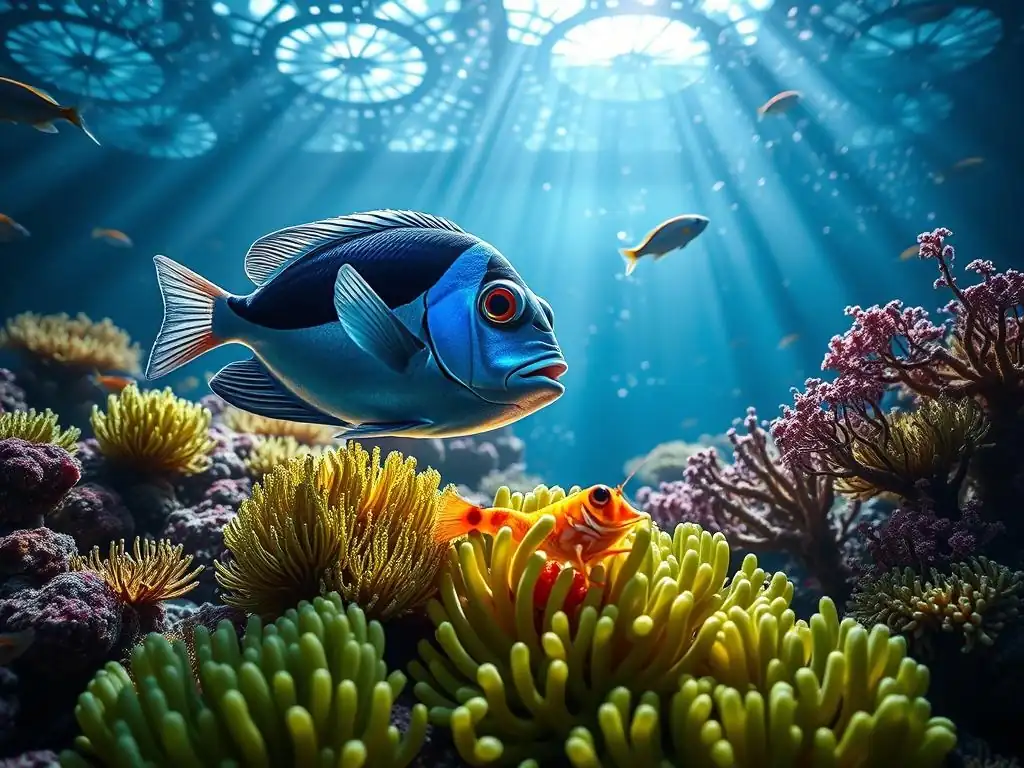
Ever wondered if your majestic Angelfish and helpful Cleaner Shrimp can truly coexist in your saltwater aquarium, or if a fishy feud is brewing beneath the surface? The answer might surprise you! Dive into our latest article, " Will My Angelfish Eat My Cleaner Shrimp? The Surprising Truth," to uncover the delicate balance (or potential imbalance!) of your underwater ecosystem. Discover the secrets to harmonious tank mates and keep your aquarium thriving! Read on and let's explore this fascinating topic together!
- Angelfish and Cleaner Shrimp: A Reef Tank Compatibility Guide
- Introduction: Assessing the Risks and Rewards of Combining Angelfish and Cleaner Shrimp
- Understanding Angelfish Behavior in Reef Aquariums
- Cleaner Shrimp Profile: Benefits and Vulnerabilities
- Angelfish Species Compatibility with Cleaner Shrimp
- Minimizing Predation Risk: Strategies for Coexistence
- Real-World Experiences: Successes and Failures in the Reef Tank
- Alternatives for Reef Tank Cleaning
- Conclusion: Making Informed Decisions for Reef Tank Harmony
-
Frequently Asked Questions
- Will my Angelfish definitely eat my cleaner shrimp?
- What size cleaner shrimp is least likely to be eaten by an Angelfish?
- Can I do anything to reduce the chances of my Angelfish eating the cleaner shrimp?
- What are the risks of introducing cleaner shrimp to an Angelfish tank?
- What are the benefits of having cleaner shrimp in an Angelfish aquarium?
- Final Reflection: The Delicate Balance of the Aquarium
- Dive Deeper: Unlock a Thriving Angelfish & Shrimp Aquarium!
Angelfish and Cleaner Shrimp: A Reef Tank Compatibility Guide
Introduction: Assessing the Risks and Rewards of Combining Angelfish and Cleaner Shrimp
Combining the vibrant beauty of angelfish with the beneficial services of cleaner shrimp is a common aspiration for many reef aquarists. Cleaner shrimp are renowned for their symbiotic relationship with fish, offering invaluable parasite removal and detritus consumption. However, a frequently asked question, and a significant concern, is: "Will my Angelfish eat cleaner shrimp?" The answer is complex, varying greatly depending on the specific angelfish species, tank conditions, and the individual temperament of the fish. This guide aims to unravel the intricacies of this compatibility, helping aquarists make informed decisions to foster a harmonious reef environment.
Understanding Angelfish Behavior in Reef Aquariums
Natural Diet of Angelfish: Omnivorous Tendencies
Angelfish, particularly those from the genera Pomacanthus, Holacanthus, and Centropyge, exhibit diverse feeding habits in their natural habitats. While many large angelfish are primarily spongivores, relying heavily on sponges and tunicates, their diet is often more omnivorous than strictly specialized. For instance, a considerable portion of their natural intake, sometimes up to 70% for species like the Queen Angelfish (Holacanthus ciliaris), consists of sponges.
However, they also consume algae, detritus, and small benthic invertebrates, including crustaceans. This broad dietary spectrum means that while a cleaner shrimp might not be their primary food source, it certainly falls within the realm of potential prey, especially if other food options are scarce or the angelfish's predatory instincts are triggered.
Their foraging behavior often involves picking at surfaces, which can extend to examining and potentially consuming small, slow-moving organisms. This inherent omnivorous tendency suggests that a cleaner shrimp, particularly a vulnerable one, could be perceived as a food item rather than a tank mate. Therefore, when considering if an Angelfish will eat cleaner shrimp, it's crucial to acknowledge their natural inclination to consume a variety of small organisms found within their environment.
Predatory Instincts: Evaluating the Threat to Small Invertebrates
Even angelfish species typically labeled as "reef-safe with caution" can exhibit predatory instincts towards small invertebrates. These instincts are deeply ingrained, stemming from their natural foraging behavior in the wild. A newly introduced cleaner shrimp, or one that is molting and therefore immobile and soft-bodied, presents an easy target.
The movement of a shrimp can trigger a chase response, and their relatively small size, especially for juvenile shrimp, makes them a palatable snack for larger angelfish. While an adult angelfish might coexist with a mature cleaner shrimp for a period, the risk of predation remains, particularly during vulnerable moments like molting.
The threat level is directly proportional to the angelfish's size and species-specific predatory tendencies. Larger angelfish, such as those from the Pomacanthus genus, possess mouths large enough to easily engulf a cleaner shrimp. Even if they don't actively hunt, their exploratory nipping can severely injure or kill a shrimp. Understanding that these are wild animals with natural predatory drives, rather than domesticated pets, is key to assessing the true risk.
Factors Influencing Aggression: Tank Size, Environment, and Species
Several critical factors influence an angelfish's aggression levels and its likelihood of preying on cleaner shrimp. Tank size is paramount; in smaller aquariums, territorial disputes are more frequent, and stress levels rise, potentially leading to increased aggression and predatory behavior. For example, housing a large angelfish like an Emperor Angelfish (Pomacanthus imperator), which can reach 15 inches, in a tank smaller than 180 gallons can induce significant stress, making it more prone to aggression towards tank mates, including cleaner shrimp. Conversely, a spacious 250-gallon tank provides ample room for territories and reduces direct confrontations.
The aquatic environment, including the aquascape and water quality, also plays a crucial role. A lack of sufficient hiding places for cleaner shrimp or poor water parameters can stress both the angelfish and the shrimp, exacerbating predatory instincts. Furthermore, the angelfish species itself is a primary determinant. Some genera, like Genicanthus (Swallowtail Angelfish), are generally planktivores and rarely bother invertebrates, making them safer choices. In contrast, species within Holacanthus and Pomacanthus are notoriously less reef-safe and have a high propensity to prey on cleaner shrimp.
Cleaner Shrimp Profile: Benefits and Vulnerabilities
Benefits of Cleaner Shrimp: Parasite Removal and Detritus Control
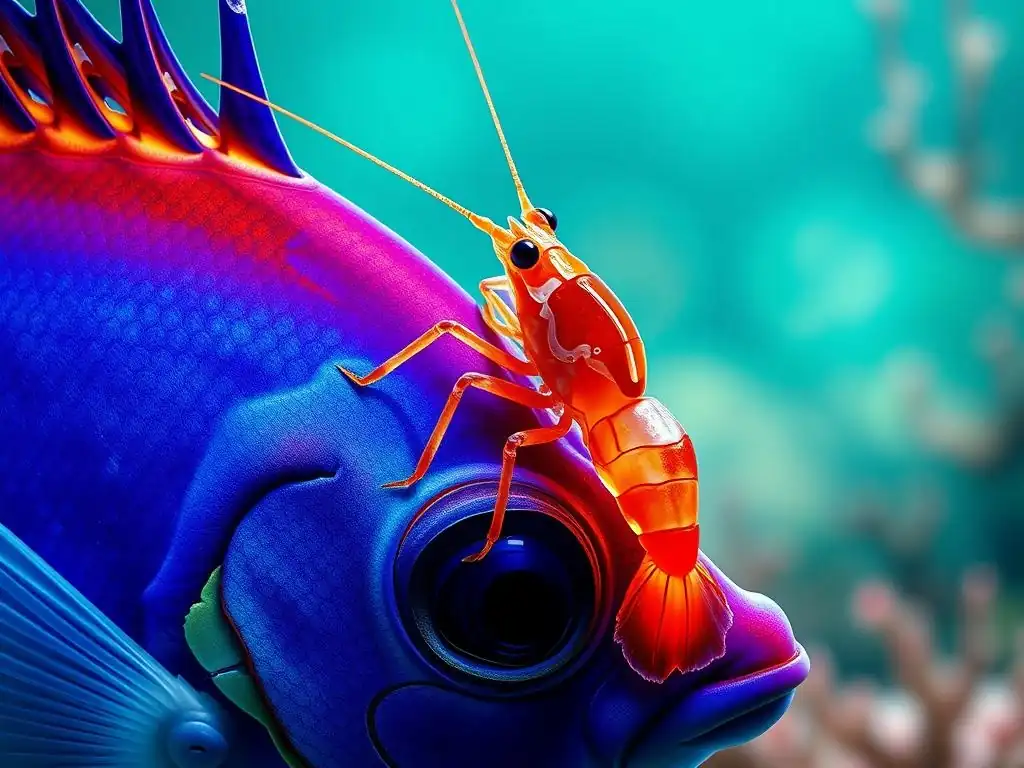
Cleaner shrimp are highly valued in reef aquariums for their remarkable symbiotic behaviors and their role as diligent scavengers. Species like the Skunk Cleaner Shrimp (Lysmata amboinensis) and Blood Red Fire Shrimp (Lysmata debelius) are well-known for setting up "cleaning stations" where fish will present themselves to have external parasites, such as marine Ich (Cryptocaryon irritans) and flukes, removed from their bodies, gills, and mouths. This natural pest control can significantly contribute to the overall health and well-being of the fish population in a closed system.
Beyond their parasitic removal services, cleaner shrimp are also excellent detritivores. They actively scavenge the aquarium for uneaten food, decaying organic matter, and other detritus, helping to maintain water quality and reduce the accumulation of harmful substances. A single adult Skunk Cleaner Shrimp can process a surprising amount of detritus daily, contributing to a cleaner substrate and healthier water parameters, thereby reducing the workload on filtration systems. Their dual role as health aids and sanitation crew makes them highly desirable tank inhabitants, provided they can coexist safely with other species.
Vulnerability of Cleaner Shrimp: Molting and Size Disparity
Despite their beneficial roles, cleaner shrimp possess inherent vulnerabilities that make them susceptible to predation, particularly from larger or more aggressive fish like angelfish. The most critical period of vulnerability occurs during molting. To grow, shrimp must shed their hard outer exoskeleton, leaving them temporarily soft-bodied, immobile, and defenseless. This process, which can take several hours, makes them an easy target for any opportunistic predator, including an Angelfish that might otherwise ignore them. A shrimp that typically hides might be forced into the open during molting, becoming exposed.
Furthermore, size disparity is a significant factor. A small, juvenile cleaner shrimp, perhaps only an inch long, is far more vulnerable to a 6-inch angelfish than a fully grown 3-inch cleaner shrimp. Even if an angelfish is not typically predatory towards adult shrimp, a smaller, easier-to-swallow individual might be too tempting to resist. The risk increases significantly when a large angelfish is introduced to a tank already housing smaller or juvenile cleaner shrimp, as the angelfish may immediately perceive them as food.
Cleaner Shrimp Species: Identifying Hardier Varieties
While many cleaner shrimp species share similar vulnerabilities during molting, some are generally more robust or attain sizes that offer a slight advantage against smaller predators. The Skunk Cleaner Shrimp ( Lysmata amboinensis) is arguably the most popular and widely available, known for its hardiness and active cleaning behavior. They typically grow to about 2.5 to 3 inches in length, making them a substantial meal for a large angelfish but potentially too large for smaller dwarf angelfish to easily consume, especially when fully grown.
The Blood Red Fire Shrimp ( Lysmata debelius) is another hardy and popular choice, known for its striking coloration and similar cleaning habits. They reach a comparable size to Skunk Cleaners, offering similar resistance to predation. Peppermint Shrimp ( Lysmata wurdemanni), while also cleaner shrimp (often used for Aiptasia control), are generally smaller, usually reaching only 1.5 to 2 inches.
Their smaller stature can make them more vulnerable to predation, particularly by large angelfish, compared to their larger Lysmata cousins. While "hardiness" often refers to their resilience to tank conditions, it does not necessarily equate to improved defense against a determined Angelfish that wants to eat cleaner shrimp.
Angelfish Species Compatibility with Cleaner Shrimp
Reef-Safe Angelfish: The Genicanthus and Centropyge Genera
When considering the question "Will my Angelfish eat cleaner shrimp? ", the angelfish genus is a crucial factor. The Genicanthus genus, often referred to as Swallowtail Angelfish (e.g., Genicanthus watanabei, Genicanthus lamarcki), are generally considered among the safest angelfish for reef tanks, including those with cleaner shrimp. These species are primarily planktivores, feeding on zooplankton in the water column rather than picking at rocks or corals. Their dietary preference means they rarely show interest in benthic invertebrates like cleaner shrimp, making them highly compatible. A 5-inch Genicanthus watanabei is highly unlikely to bother a 2-inch Lysmata amboinensis.
The Centropyge genus, or Dwarf Angelfish (e.g., Flame Angelfish - Centropyge loriculus, Coral Beauty - Centropyge bispinosa), are often labeled "reef-safe with caution." While some individuals may nip at corals, their smaller size (typically 3-5 inches) and less aggressive predatory nature reduce the risk to adult cleaner shrimp. A 3.5-inch Flame Angelfish, for instance, might ignore a 2.5-inch Skunk Cleaner Shrimp. However, juvenile or molting shrimp can still be at risk, as even dwarf angelfish are opportunistic feeders. Their smaller mouthparts also limit their ability to consume larger prey.
Angelfish Known to Prey on Invertebrates: Holacanthus and Pomacanthus Genera
Conversely, many angelfish from the Holacanthus (e.g., Queen Angelfish - Holacanthus ciliaris, Blue Angelfish - Holacanthus bermudensis) and Pomacanthus (e.g., Emperor Angelfish - Pomacanthus imperator, French Angelfish - Pomacanthus paru) genera are notoriously aggressive towards invertebrates and are highly likely to prey on cleaner shrimp. These large angelfish, which can grow to 12-18 inches, have diets that naturally include sponges, tunicates, and a variety of small crustaceans. Their size and powerful jaws make short work of even adult cleaner shrimp.
For example, a 10-inch Emperor Angelfish is almost certain to consume a 2-inch cleaner shrimp. These species are not considered reef-safe and are generally not recommended for tanks housing invertebrates that they might see as food. The predatory nature of these angelfish is a significant consideration, and aquarists should assume that if they introduce a cleaner shrimp with a large Holacanthus or Pomacanthus angelfish, the Angelfish will eat cleaner shrimp eventually.
Dwarf vs. Large Angelfish: Assessing Risk Levels
The distinction between dwarf and large angelfish is paramount when assessing the risk to cleaner shrimp. Dwarf angelfish ( Centropyge spp.) generally pose a lower risk due to their smaller adult size (typically 3-5 inches) and relatively smaller mouths. While they might occasionally nip at a very small or molting shrimp, their capacity to consume a full-grown cleaner shrimp is limited. Many aquarists successfully keep dwarf angelfish with cleaner shrimp, especially if the shrimp are introduced first and are of adult size. For instance, a 4-inch Coral Beauty Angelfish often coexists peacefully with a 2.5-inch Skunk Cleaner Shrimp.
In stark contrast, large angelfish (e.g., Pomacanthus, Holacanthus, Chaetodontoplus spp.) present a very high risk. Their substantial size (often exceeding 10 inches), robust build, and natural diet, which frequently includes small crustaceans and sessile invertebrates, make them formidable predators. A 12-inch Queen Angelfish (Holacanthus ciliaris) will almost certainly view a cleaner shrimp as a food item. The general consensus among experienced aquarists is that it is a matter of "when," not "if," a large Angelfish will eat cleaner shrimp. The risk factor increases exponentially with the angelfish's adult size and specific dietary tendencies.
Minimizing Predation Risk: Strategies for Coexistence
Tank Size and Aquascaping: Providing Hiding Places
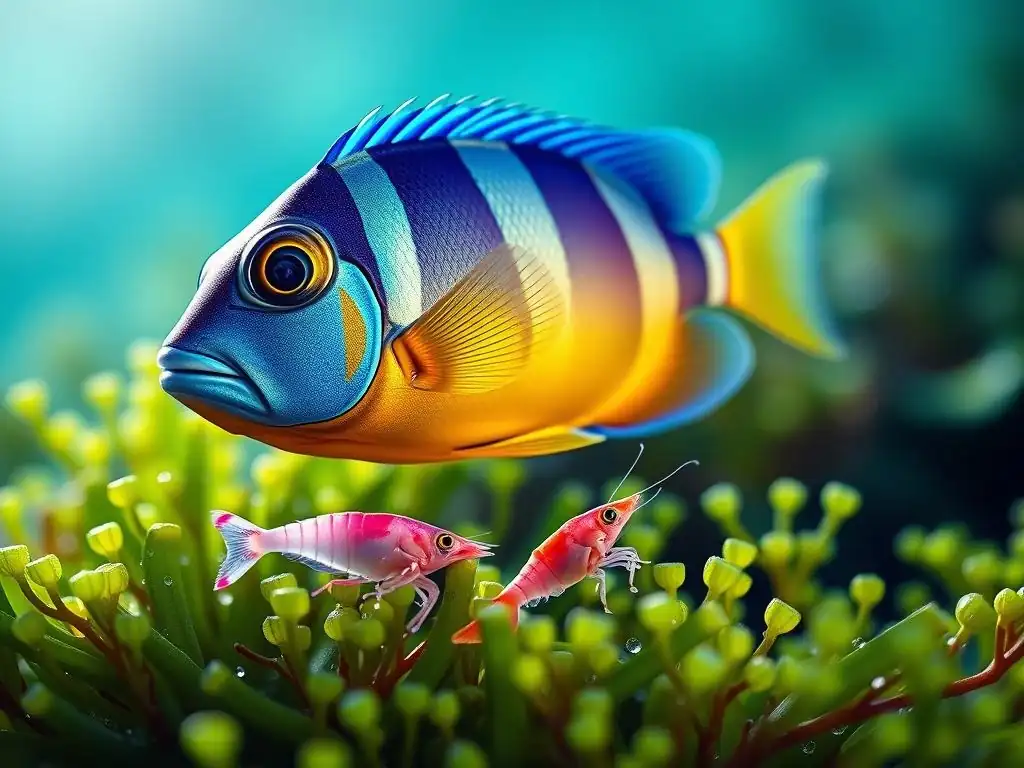
To minimize the risk of an Angelfish eating cleaner shrimp, providing ample space and suitable hiding places is crucial. Larger aquariums, typically 100 gallons or more for dwarf angelfish and significantly larger (200+ gallons) for large angelfish, reduce territorial aggression and allow cleaner shrimp to establish safe zones. In a 150-gallon tank, for example, a dwarf angelfish might have enough personal space to not constantly harass a shrimp.
Aquascaping with abundant live rock structures, caves, and crevices is vital. These formations offer natural refuges where cleaner shrimp can retreat, especially during vulnerable periods like molting. Creating multiple small bolt holes and overhangs ensures that even if an Angelfish attempts to pursue a shrimp, there are immediate and secure hiding spots available. This not only protects the shrimp but also reduces stress for both species by providing a sense of security.
Introducing Shrimp First: Establishing Territory and Biofilm
A common strategy to improve the chances of coexistence is to introduce the cleaner shrimp into the aquarium before the angelfish. This allows the shrimp sufficient time, typically several weeks, to acclimate to the environment, establish its territory, and identify preferred hiding spots. An established shrimp that knows its way around the rockwork is much more likely to evade a newly introduced angelfish than one added simultaneously.
Furthermore, when shrimp are introduced first, they develop a natural biofilm on their bodies. This biofilm, composed of beneficial bacteria and micro-organisms, can sometimes make them less appealing as "novel" prey compared to a shrimp that is added at the same time or after the angelfish. This subtle difference can be just enough to deter an angelfish from immediately perceiving the shrimp as food, particularly for the "reef-safe with caution" angelfish species.
Consistent Feeding: Reducing Hunger-Driven Predation
A well-fed angelfish is generally less likely to actively hunt or prey on its tank mates, including cleaner shrimp. Consistent and varied feeding routines can significantly reduce hunger-driven predation. It is recommended to feed angelfish high-quality, nutritious foods multiple times a day. This includes a mix of frozen foods (like mysis shrimp, brine shrimp, and spirulina-enriched preparations), high-quality marine pellets, and dried nori sheets.
For instance, feeding an angelfish 2-3 times a day with a balanced diet ensures its nutritional needs are met, reducing its incentive to seek out live food. If an Angelfish is regularly satiated, its predatory instincts towards a cleaner shrimp are less likely to be triggered out of hunger. Overfeeding, however, should be avoided as it can lead to poor water quality. The goal is to provide adequate nutrition without creating excess waste.
Selecting Compatible Tank Mates: Avoiding Triggering Aggression
The overall community of the reef tank can significantly influence the compatibility between angelfish and cleaner shrimp. Introducing other highly aggressive or predatory fish can elevate stress levels in the aquarium, potentially triggering or exacerbating the angelfish's predatory instincts. For example, if an angelfish is housed with other aggressive species that compete for food or territory, it might become more prone to lashing out at smaller, vulnerable tank mates like cleaner shrimp.
Careful research into the compatibility of all intended tank inhabitants is essential. Avoid pairing angelfish with species known for extreme aggression or those that might naturally prey on similar invertebrates, as this can create a cascade effect of stress and predation. Opting for peaceful or semi-aggressive tank mates that do not compete directly with either the angelfish or the shrimp for resources can foster a more harmonious environment, improving the chances that an Angelfish will not eat cleaner shrimp.
Real-World Experiences: Successes and Failures in the Reef Tank
Case Study 1: Genicanthus watanabei and Lysmata amboinensis
In a well-established 150-gallon reef aquarium, a 5-inch Watanabe's Angelfish ( Genicanthus watanabei) coexisted peacefully for over three years with three 2-inch Skunk Cleaner Shrimp ( Lysmata amboinensis). The tank was aquascaped with extensive live rock providing numerous caves and crevices. The angelfish, being a planktivore, showed no direct interest in the shrimp, focusing instead on consuming frozen mysis shrimp and other prepared foods offered twice daily. The cleaner shrimp were observed regularly cleaning other fish in the tank, including tangs and clownfish, and actively scavenging detritus from the substrate.
This success highlights the importance of choosing a truly reef-safe angelfish species and providing an adequately sized, well-structured environment. The Genicanthus genus, with its planktivorous diet, rarely poses a threat to cleaner shrimp, making this a common and often successful pairing in the reefkeeping hobby. The shrimps' ability to retreat into established hiding spots, coupled with the angelfish's lack of predatory drive towards benthic invertebrates, contributed to their long-term coexistence.
A contrasting scenario unfolded in a 100-gallon mixed reef tank where a 6-inch Majestic Angelfish ( Pomacanthus navarchus) was introduced after a 2.5-inch Blood Red Fire Shrimp ( Lysmata debelius) had been established for approximately six months. Despite the shrimp being well-acclimated and having several hiding spots, the Majestic Angelfish, known for its invertebrate-picking habits, began to harass the shrimp within 24 hours of its introduction. The angelfish was observed repeatedly nipping at the shrimp, causing it to retreat deeper into the rockwork.
Within 48 hours, the Blood Red Fire Shrimp was no longer seen. While direct consumption was not witnessed, the shrimp's sudden disappearance after sustained harassment from the angelfish strongly suggested predation. This outcome is typical for large angelfish from the Pomacanthus genus, which often view cleaner shrimp as a food source, regardless of the shrimp's size or establishment within the tank. This case underscores the high risk associated with pairing large, non-reef-safe angelfish with cleaner shrimp, illustrating that an Angelfish will eat cleaner shrimp in many such instances.
Community Insights: Aquarist Experiences and Best Practices
The collective experience within the reefkeeping community offers valuable insights into angelfish and cleaner shrimp compatibility. Generally, aquarists report a high success rate when pairing dwarf angelfish ( Centropyge spp.) with cleaner shrimp, provided the tank is sufficiently large (e.g., 50 gallons or more for a single dwarf angelfish) and offers ample hiding spots. Many hobbyists have successfully kept Flame Angelfish or Coral Beauties with Skunk Cleaner Shrimp for years without incident.
However, the consensus shifts dramatically when it comes to larger angelfish ( Pomacanthus, Holacanthus, etc.). The overwhelming majority of aquarists who attempt to house these large angelfish with cleaner shrimp report eventual predation. The common anecdote is that the cleaner shrimp either disappears suddenly or is observed being harassed until it perishes.
This leads to the widely accepted "reef-safe with caution" label for many angelfish being interpreted as "not reef-safe for mobile invertebrates" by experienced hobbyists. The prevailing best practice is to avoid combining large angelfish with cleaner shrimp unless the aquarist is prepared for the high likelihood of the Angelfish eating cleaner shrimp.
Alternatives for Reef Tank Cleaning
Other Invertebrates for Algae Control: Snails and Hermit Crabs
For reef tank maintenance, especially algae and detritus control, several invertebrate alternatives can be safely housed even with angelfish that might pose a threat to cleaner shrimp. Various snail species are excellent for keeping algae in check. Turbo snails (e.g., Turbo fluctuosa), Trochus snails ( Trochus niloticus), and Nassarius snails ( Nassarius vibex) are highly effective. A typical 50-gallon reef tank might benefit from 5-10 active Turbo snails to manage diatom and hair algae. Nassarius snails are particularly good at sifting sand and consuming uneaten food, preventing detritus buildup.
Hermit crabs, such as Blue Leg Hermit Crabs ( Clibanarius tricolor) and Red Leg Hermit Crabs ( Paguristes cadenati), are also valuable scavengers. They consume detritus, uneaten food, and some types of algae. While some hermit crabs might occasionally harass snails or other slow-moving invertebrates, they are generally less vulnerable to angelfish predation due to their hard shells and ability to retract completely. These alternatives provide essential cleaning services without the high risk of becoming a meal for an Angelfish that might eat cleaner shrimp.
Fish for Detritus Control: Gobies and Blennies
Beyond invertebrates, certain fish species can contribute significantly to detritus and algae control, offering another layer of tank maintenance without posing a risk to cleaner shrimp (if cleaner shrimp are present) or being at risk from angelfish. Sand-sifting gobies are excellent for maintaining a clean sand bed. The Diamond Watchman Goby ( Valenciennea puellaris), for example, constantly sifts through the substrate, consuming detritus and uneaten food, which helps prevent anaerobic pockets and nutrient buildup. A single Diamond Watchman Goby can effectively clean a sand bed in a 75-gallon tank.
Blennies are primarily known for their algae-eating capabilities. The Lawnmower Blenny ( Salarias fasciatus) is a popular choice for controlling various forms of nuisance algae, including diatoms and some types of hair algae. They graze continuously on rockwork and glass, keeping surfaces clean. Other blennies, like the Tailspot Blenny ( Ecsenius stigmatura), are also detritivores and microfauna grazers. These fish provide natural cleaning services, often coexisting well with angelfish, and do not present the same predation concerns as cleaner shrimp.
Conclusion: Making Informed Decisions for Reef Tank Harmony
Weighing the Risks and Benefits: Responsible Stocking
The decision to house angelfish and cleaner shrimp together requires a careful assessment of the inherent risks versus the perceived benefits. While cleaner shrimp offer invaluable services in parasite removal and detritus control, the question "Will my Angelfish eat cleaner shrimp?" carries a significant potential for a "yes" answer, especially with larger angelfish species.
The risk is directly proportional to the angelfish's size, genus, and individual temperament. For large angelfish such as Emperors or Queens, the risk of predation is extremely high, bordering on certainty. For dwarf angelfish, the risk is considerably lower but not entirely absent, particularly for juvenile or molting shrimp.
Responsible stocking dictates prioritizing the well-being and long-term survival of all tank inhabitants. Aquarists must consider not only the immediate compatibility but also the potential for future conflicts as fish grow and establish territories. If the primary goal is to maintain a thriving cleaner shrimp population, then pairing them with angelfish known for their predatory nature is generally ill-advised.
Recommendations for a Thriving Reef Tank: Prioritizing Invertebrate Health
For aquarists aiming for a harmonious reef tank where cleaner shrimp can thrive, careful planning is paramount. The strongest recommendation is to thoroughly research the specific angelfish species before purchase, focusing on their adult size, natural diet, and documented compatibility with invertebrates. If a large angelfish species is desired, it is often best to forgo cleaner shrimp entirely or accept the very high likelihood of predation.
For those determined to attempt coexistence, particularly with dwarf angelfish, strategies such as introducing the shrimp first, providing ample hiding places (at least 100 gallons for a dwarf angelfish with shrimp), and maintaining a consistent feeding schedule can significantly improve the chances of success. Ultimately, the goal is to create an environment where all inhabitants can flourish without unnecessary stress or predation. Prioritizing the health and safety of cleaner shrimp means making informed choices that align with the known behaviors and needs of both the angelfish and the shrimp, ensuring a balanced and stable reef ecosystem.
Frequently Asked Questions
Will my Angelfish definitely eat my cleaner shrimp?
No, it's not a guarantee. It depends on the individual Angelfish, the size of the shrimp, and the aquarium environment. Some Angelfish will coexist peacefully, while others will see cleaner shrimp as a food source.
What size cleaner shrimp is least likely to be eaten by an Angelfish?
Larger cleaner shrimp are generally safer. A fully grown cleaner shrimp is less likely to become a meal than a juvenile. However, even a large shrimp can be harassed.
Can I do anything to reduce the chances of my Angelfish eating the cleaner shrimp?
Yes, providing plenty of hiding places for the shrimp is crucial. Also, ensure the Angelfish is well-fed to reduce its hunting instincts. Introducing the shrimp before the Angelfish might also help.
What are the risks of introducing cleaner shrimp to an Angelfish tank?
The biggest risk is that the Angelfish will prey on the shrimp, either killing it outright or stressing it to death. This can also impact water quality if the shrimp dies and isn't removed.
What are the benefits of having cleaner shrimp in an Angelfish aquarium?
Cleaner shrimp can help remove parasites from the Angelfish, improving its health. They also contribute to a cleaner tank environment by eating leftover food and algae.
Final Reflection: The Delicate Balance of the Aquarium
The question of whether angelfish will eat cleaner shrimp is more than just a practical concern for aquarists; it highlights the delicate balance within a closed ecosystem and the responsibility we bear as its custodians. Understanding the potential for predation, and the nuances of individual fish personalities, is crucial for creating a thriving and harmonious underwater world.
This topic has profoundly influenced how I approach aquarium keeping, shifting my perspective from simply collecting beautiful creatures to fostering a community where each member can flourish. The potential for conflict, even in a seemingly peaceful environment, underscores the importance of careful planning and observation. The best aquarium is not just a collection of fish, but a carefully curated ecosystem where each species contributes to the overall health and beauty of the whole.
As you consider adding cleaner shrimp to your angelfish tank, I encourage you to reflect on the broader implications of your choices. Will you prioritize the aesthetic appeal of a diverse community, or the safety and well-being of each individual creature? The answer lies not just in research, but in empathy and a commitment to creating a truly balanced and sustainable environment for all.
Dive Deeper: Unlock a Thriving Angelfish & Shrimp Aquarium!
Thank you for exploring the fascinating world of angelfish and cleaner shrimp! We hope you’ve gained valuable insights to create a balanced aquarium ecosystem. Now, let’s take those insights and turn them into action.
Here are a few things you can do next:
- Immediately evaluate your angelfish! Carefully observe your angelfish's behavior towards other tank inhabitants, especially smaller invertebrates, to assess its temperament and compatibility.
- Share your newfound knowledge! Discuss this article with fellow aquarium enthusiasts to exchange experiences and insights on angelfish and shrimp compatibility.
- Consider adding a colorful backdrop to your tank to add depth.
What specific strategies will you implement to ensure the safety and well-being of your cleaner shrimp in your angelfish aquarium?