
Breeding Pearl Gouramis: Unlocking the Secrets to Their Delicate Spawning

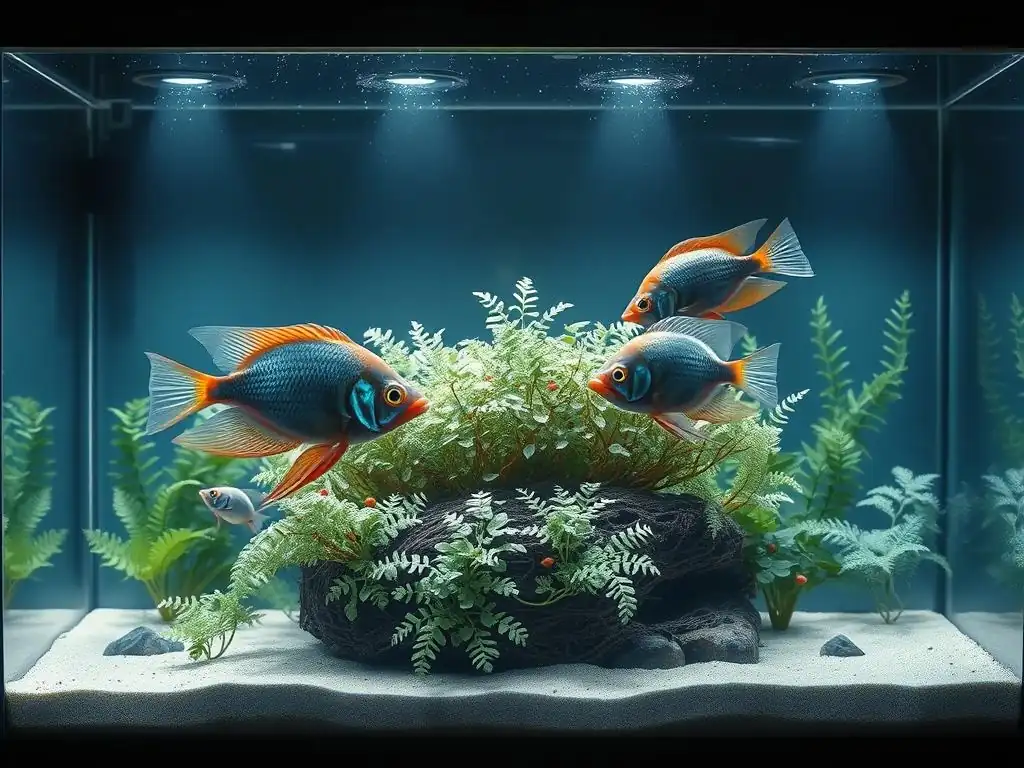
Welcome to Aquarium Mastery, where we dive deep into the fascinating world of aquariums!
Ever wondered how to unlock the secrets of successfully breeding those shimmering, ethereal Pearl Gouramis? We're thrilled to share expert insights and practical advice in this article, offering a comprehensive guide to their delicate spawning process. Discover everything you need to know to create the perfect environment and witness this captivating natural wonder in your own freshwater haven. Ready to embark on this rewarding journey? Let's explore the intricacies of Pearl Gourami breeding together!
- Understanding Pearl Gourami Breeding Behavior
- Setting Up a Pearl Gourami Breeding Tank
- The Pearl Gourami Spawning Process: A Step-by-Step Guide
- Caring for Pearl Gourami Eggs and Fry
- Pearl Gourami Breeding Challenges and Solutions
- Advanced Pearl Gourami Breeding Techniques
- Tips for Successful Pearl Gourami Breeding: A Summary
-
Frequently Asked Questions
- How do I create the ideal environment for Pearl Gourami breeding?
- What are the key differences between male and female Pearl Gouramis during breeding season?
- What is the significance of a bubble nest for Pearl Gouramis?
- What should I feed Pearl Gourami fry after they hatch?
- How can I prevent the parents from eating their fry?
- Final Reflection: The Enduring Allure of Life's Beginnings
- Ignite Your Gourami Breeding Journey!
Understanding Pearl Gourami Breeding Behavior
Identifying Sexually Mature Pearl Gouramis
Recognizing sexually mature Pearl Gouramis is the foundational step for successful breeding. Males typically develop a more elongated and pointed dorsal fin that often extends well past the caudal peduncle, a feature distinctly different from the female's shorter, more rounded dorsal fin. Furthermore, a breeding-ready male will exhibit a striking, vibrant reddish-orange coloration on his throat and ventral fins, intensifying significantly during courtship. This vivid display is a clear indicator of his readiness to participate in Pearl Gourami breeding.
Females, in contrast, generally retain a more subdued coloration, though their bodies will appear noticeably plumper and rounder when gravid with eggs. They tend to have a less pronounced ventral fin coloration compared to males. Both sexes typically reach sexual maturity around 6 to 8 months of age, or when they achieve a body length of approximately 2.5 to 3 inches (6-7.5 cm). Observing these physical distinctions and ensuring they are of adequate size and age are crucial initial Pearl Gourami breeding tips.
Ideal Water Parameters for Pearl Gourami Spawning
Achieving and maintaining precise water parameters is paramount for encouraging Pearl Gourami spawning success. These anabantoids thrive in warmer temperatures for breeding, with an optimal range typically falling between 78°F and 82°F (25.5°C to 27.8°C). Consistent temperature within this range signals to the fish that conditions are favorable for reproduction, stimulating their natural breeding instincts and ensuring proper egg development. Fluctuations should be avoided to prevent stress.
Beyond temperature, the chemical composition of the water plays a significant role. Pearl Gouramis prefer slightly acidic to neutral water with a pH range of 6.0 to 7.5. The water should also be soft to moderately hard, ideally within 4-8 dGH (degrees of General Hardness) and 3-6 dKH (degrees of Carbonate Hardness). These parameters closely mimic their natural habitat in Southeast Asia, promoting egg viability and the healthy development of fry. Maintaining stability in these conditions through regular, small water changes is a key element of effective Pearl Gourami breeding tips.
Setting Up a Pearl Gourami Breeding Tank
Tank Size and Location Considerations
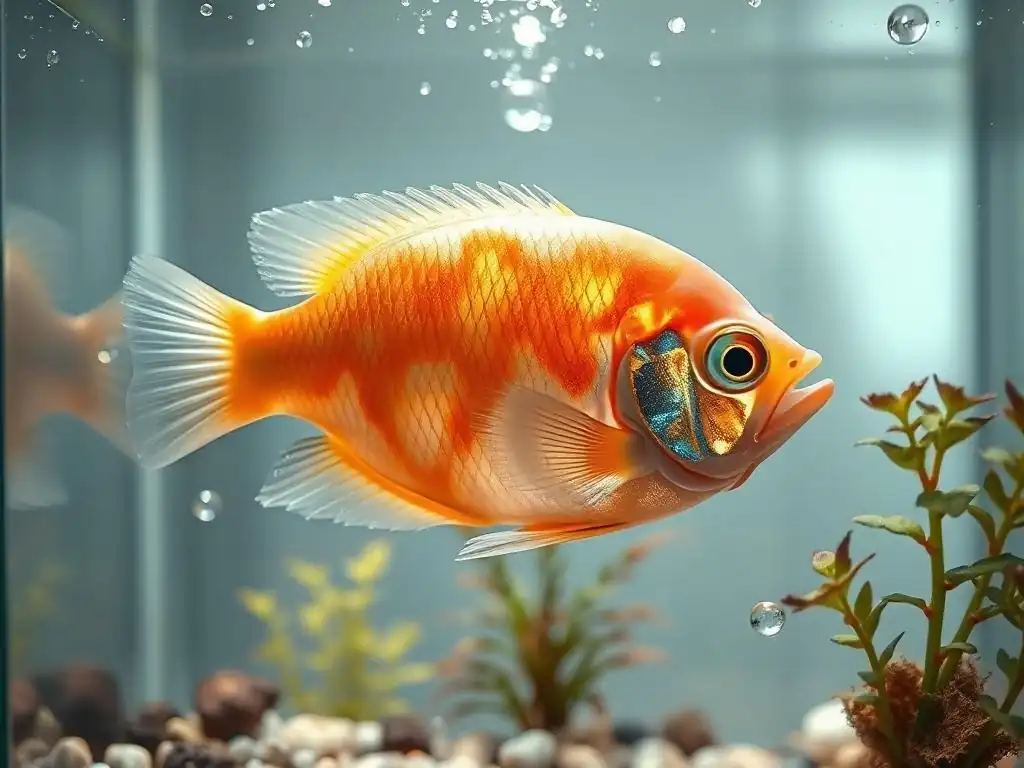
For successful Pearl Gourami breeding, a dedicated breeding tank is highly recommended. A 10-gallon (approximately 38 liters) to 20-gallon (approximately 76 liters) aquarium is generally sufficient for a single breeding pair. The smaller volume makes it easier for the male to manage and protect his bubble nest, and for the tiny fry to locate food once they are free-swimming. This focused environment minimizes stress and competition, maximizing the chances of a successful spawn.
The location of the breeding tank is equally important. Choose a quiet, low-traffic area of your home to minimize disturbances and stress on the breeding pair. Avoid areas with direct sunlight, which can cause rapid temperature fluctuations and encourage undesirable algae blooms. A stable, peaceful environment contributes significantly to the fish's comfort and readiness to engage in the delicate process of Pearl Gourami spawning.
Essential Equipment for a Successful Breeding Setup
A few key pieces of equipment are indispensable for a successful Pearl Gourami breeding setup. A reliable, adjustable heater is crucial to maintain the consistent warm temperatures required for spawning and egg development, typically between 78-82°F. Coupled with a accurate thermometer, you can ensure the water temperature remains stable, which is vital for the health of both parents and future fry.
For filtration, a gentle sponge filter powered by an air pump is ideal. Sponge filters provide biological filtration without creating strong currents that could disrupt the male's bubble nest or harm delicate fry. They also foster the growth of infusoria, microscopic organisms that serve as a natural first food source for newly hatched Pearl Gourami fry. Adequate, but not overpowering, lighting (e.g., a low-wattage LED on a timer) can simulate natural day/night cycles without stressing the fish.
Water Preparation: Achieving Optimal Spawning Conditions
Careful water preparation is a cornerstone of effective Pearl Gourami breeding tips. Begin with dechlorinated water, ideally aged for 24-48 hours to ensure chlorine and chloramines have dissipated. To further mimic their natural soft, slightly acidic blackwater environments, consider adding a small amount of blackwater extract or using peat filtration, which can help lower pH and soften the water gently. Aim for a pH of 6.0-7.5 and a GH of 4-8 dGH.
Maintaining pristine water quality throughout the breeding process is critical. Perform small, frequent water changes (e.g., 10-15% every other day) using aged, temperature-matched water. This proactive approach prevents the buildup of nitrates and other pollutants that can stress the fish, inhibit spawning, or harm sensitive eggs and fry. Stability in water parameters, rather than drastic changes, is key to encouraging Pearl Gourami spawning.
Plants and Decorations to Encourage Spawning and Provide Cover
The strategic placement of plants and decorations is vital for encouraging Pearl Gourami spawning and providing necessary cover. Floating plants are absolutely essential for Pearl Gourami breeding. Species like Water Sprite ( Ceratopteris thalictroides), Frogbit ( Limnobium laevigatum), or even a dense patch of Riccia ( Riccia fluitans) provide excellent anchorage for the male's bubble nest. The male will often weave bits of these plants into his nest for added stability and camouflage.
In addition to floating plants, include some fine-leaved submerged plants such as Java Moss ( Taxiphyllum barbieri) or Anacharis ( Egeria densa). These, along with a few smooth pieces of driftwood or small caves, offer crucial hiding spots for the female. This allows her to retreat and escape potential aggression from the male during courtship, which can be intense. Providing these secure havens reduces stress and significantly increases the likelihood of a successful Pearl Gourami breeding attempt.
The Pearl Gourami Spawning Process: A Step-by-Step Guide
Introducing the Male and Female Pearl Gouramis to the Breeding Tank
Before introducing the pair, it is highly beneficial to condition the male and female separately for one to two weeks. During this period, feed them a high-quality, protein-rich diet consisting of live or frozen foods such as bloodworms, brine shrimp, and daphnia. This conditioning enhances their health, vitality, and readiness to breed. Once conditioned, introduce the female to the breeding tank first, allowing her a few hours to acclimate to her new surroundings before adding the male.
Upon introducing the male, observe their behavior closely. The male will typically begin to display interest, flaring his fins and showing off his vibrant coloration. It is crucial to ensure the female has ample hiding spots, such as dense plant cover, to retreat if the male becomes overly aggressive. A successful introduction sets the stage for the intricate courtship rituals of Pearl Gourami spawning.
Courtship Rituals: Recognizing Signs of Readiness
The courtship of Pearl Gouramis is a fascinating display, indicative of their readiness to spawn. The male will initiate the process by meticulously constructing a bubble nest at the water surface, often anchored to floating plants or in a corner of the tank. This nest, composed of saliva-coated bubbles, signifies his commitment and preparedness. Simultaneously, he will intensify his coloration, particularly the orange-red on his throat and ventral fins, and begin to "shimmy" or dance around the female, attempting to entice her towards his nest.
A receptive female will respond by approaching the nest, often nudging or rubbing against the male, signaling her willingness to participate in the spawning. If she is not ready, she will typically hide or ignore his advances. Spawning usually commences within 24 to 48 hours after the male has completed his bubble nest and the female shows clear signs of receptiveness, making patient observation a key aspect of Pearl Gourami breeding tips.
Bubble Nest Construction: The Male's Role
The male Pearl Gourami's role in bubble nest construction is a pivotal part of the breeding process. He meticulously blows bubbles to create a buoyant raft on the water surface, often incorporating bits of floating plant material to add structure and stability. This nest can range from a few inches to over half a foot in diameter and may be an inch or more thick, depending on the male's dedication and the available materials.
The purpose of this carefully crafted bubble nest is multifaceted. Primarily, it serves as a safe and stable repository for the eggs, which are lighter than water and will float upwards. The male's constant tending of the nest, adding new bubbles and maintaining its integrity, also demonstrates his health and commitment to fatherhood. A robust, well-maintained bubble nest is a strong indicator of an impending successful Pearl Gourami spawning.
Spawning: Egg Deposition and Fertilization
Once the male's bubble nest is complete and the female is receptive, the actual spawning begins. The male will gently guide the female under the bubble nest. He then wraps his body around hers in a unique "nuptial embrace," turning her upside down. During this embrace, the female releases her eggs, which are immediately fertilized by the male as they float upwards into the bubble nest.
A single spawning session can yield a significant number of eggs, typically ranging from 100 to 500, though larger clutches are not uncommon. After each embrace, the male will release the female and meticulously collect any eggs that have drifted away, carefully returning them to the bubble nest with his mouth. This process can be repeated multiple times over several hours until the female has released all her eggs, marking the completion of the Pearl Gourami breeding phase.
Caring for Pearl Gourami Eggs and Fry
Removing the Parents Post-Spawning
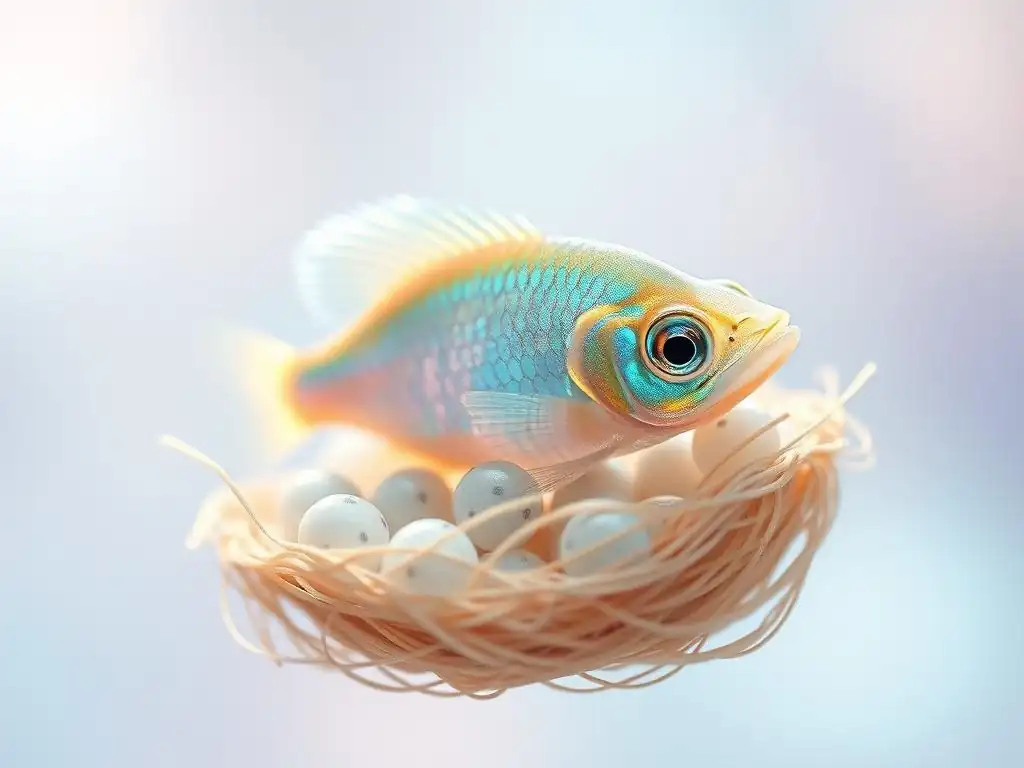
Once the Pearl Gourami spawning is complete, and the female has released all her eggs (often evidenced by her moving away from the nest and appearing less gravid), it is crucial to remove her from the breeding tank immediately. While the male will diligently guard the eggs, the female may view them as a food source, potentially consuming them. Her presence can also cause undue stress to the male as he tries to protect the nest.
The male's role as a guardian typically lasts throughout the incubation period. He will continue to tend the bubble nest, fanning the eggs and retrieving any that fall out. Once the fry become free-swimming, usually within 3 to 5 days post-hatch, the male should also be removed. Although some breeders leave him for a short period to observe the fry, removing him prevents any accidental predation of the tiny, vulnerable fry, ensuring a higher survival rate in your Pearl Gourami breeding efforts.
Maintaining Optimal Water Quality for Fry Development
Pristine water quality is absolutely paramount for the survival and healthy development of Pearl Gourami fry. These tiny fish are highly susceptible to even minute amounts of pollutants. Therefore, perform small, daily water changes, typically 10-15% of the tank volume, using aged, temperature-matched, and parameter-matched water. Use a small-diameter airline tubing or a turkey baster for siphoning to avoid accidentally sucking up the delicate fry.
Maintain the water temperature consistently between 78°F and 80°F (25.5°C to 26.7°C) for optimal growth. Gentle aeration from the sponge filter is usually sufficient; avoid any strong currents that could exhaust the minuscule fry. Stable and clean water conditions are the most critical Pearl Gourami breeding tips for successful fry rearing.
Feeding Pearl Gourami Fry: Infusoria, Liquid Fry Food, and Baby Brine Shrimp
Pearl Gourami fry are incredibly tiny upon hatching and require microscopic food for their first few days. Infusoria, which can be cultured or naturally develop in a mature sponge filter, is the ideal first food for the first 1-3 days. Alternatively, high-quality liquid fry food designed for egg-laying fish can be used, administered in very small amounts multiple times a day (3-5 times).
As the fry grow, typically around day 4 to 7 post-hatch, they will be large enough to consume newly hatched baby brine shrimp ( Artemia nauplii). This transition is vital for their rapid growth and development due to the high nutritional content of brine shrimp. Continue feeding multiple small meals throughout the day to ensure all fry get enough to eat. As they develop further, finely crushed flake food can be gradually introduced. Overfeeding should be avoided as it quickly fouls the water, posing a significant risk to the delicate fry.
Preventing and Treating Common Fry Diseases
Preventing common fry diseases is primarily about maintaining an impeccable environment. The most effective defense against ailments in Pearl Gourami fry is pristine water quality, coupled with a stable and consistent environment. Overfeeding, which leads to decaying food and elevated waste products, is a major contributor to poor water conditions and subsequent disease outbreaks. Regular, small water changes are therefore not just beneficial but absolutely essential.
Despite best efforts, fry can still be susceptible to bacterial infections and fungal issues, often manifesting as a fuzzy, cotton-like growth on dead eggs or lethargic, clamped-fin behavior in the fry themselves. If an outbreak occurs, the first step is to identify and rectify the underlying cause, which is almost always related to water quality.
Mild salt baths (e.g., 1 teaspoon of aquarium salt per 5 gallons) can sometimes offer a gentle treatment, but medication should be approached with extreme caution, as fry are exceptionally sensitive to chemicals. Focus on prevention as the primary strategy in Pearl Gourami breeding tips.
Pearl Gourami Breeding Challenges and Solutions
Addressing Low Hatch Rates and Infertile Eggs
Low hatch rates or a high number of infertile eggs are common frustrations in Pearl Gourami breeding. This can often be attributed to several factors, including suboptimal water parameters (such as pH or hardness outside the ideal range, or significant temperature fluctuations), insufficient conditioning of the breeding pair, or a male that is infertile or too young/old. When a large percentage of eggs turn opaque or develop fungus shortly after spawning, it usually indicates infertility or poor water quality.
To address these issues, first, meticulously re-check and stabilize all water parameters to their ideal ranges (pH 6.0-7.5, GH 4-8 dGH, temperature 78-82°F). Ensure the breeding pair has been conditioned with a rich, varied diet for at least two weeks prior to the attempt. If the problem persists across multiple attempts with the same male, consider trying a different male, as some individuals may simply be infertile. Persistence and careful observation are vital Pearl Gourami breeding tips for overcoming these hurdles.
Managing Male Aggression During Courtship
Male Pearl Gouramis, while generally peaceful, can become quite territorial and aggressive during courtship, especially if the female is not ready to spawn or if there is insufficient cover. This aggression can manifest as relentless chasing, nipping, or cornering the female, potentially leading to stress, injury, or even death if not addressed promptly. The male's intense drive to reproduce can sometimes override his otherwise docile nature.
To mitigate male aggression, provide abundant floating plants and dense submerged decor, offering the female numerous secure hiding spots where she can retreat and escape. If the aggression is severe and persistent, it may be necessary to separate the pair temporarily using a tank divider for a day or two, or even remove the female to a separate tank to allow her to recover and recondition. Only reintroduce her when she appears gravid and the male is actively building a bubble nest, indicating his readiness for Pearl Gourami spawning.
Preventing and Treating Fungal Infections
Fungal infections represent a significant threat to Pearl Gourami eggs and fry. These infections typically appear as a white, cotton-like growth on unfertilized or dead eggs, and can rapidly spread to healthy eggs and even newly hatched fry. Poor water quality, particularly the presence of decaying organic matter from unfertilized eggs or uneaten food, is a primary contributing factor to fungal outbreaks.
The most effective strategy for preventing fungal infections is maintaining impeccable water quality through regular, small water changes. Promptly remove any unfertilized or dead eggs, which can be identified by their opaque appearance, to prevent them from becoming a breeding ground for fungus. If fungus does appear on fry, a very mild salt bath (e.g., 1 teaspoon of aquarium salt per 10 gallons) can sometimes help, but it should be used cautiously as fry are sensitive. Prevention through cleanliness is paramount in these Pearl Gourami breeding tips.
Advanced Pearl Gourami Breeding Techniques
Selective Breeding for Coloration and Fin Development
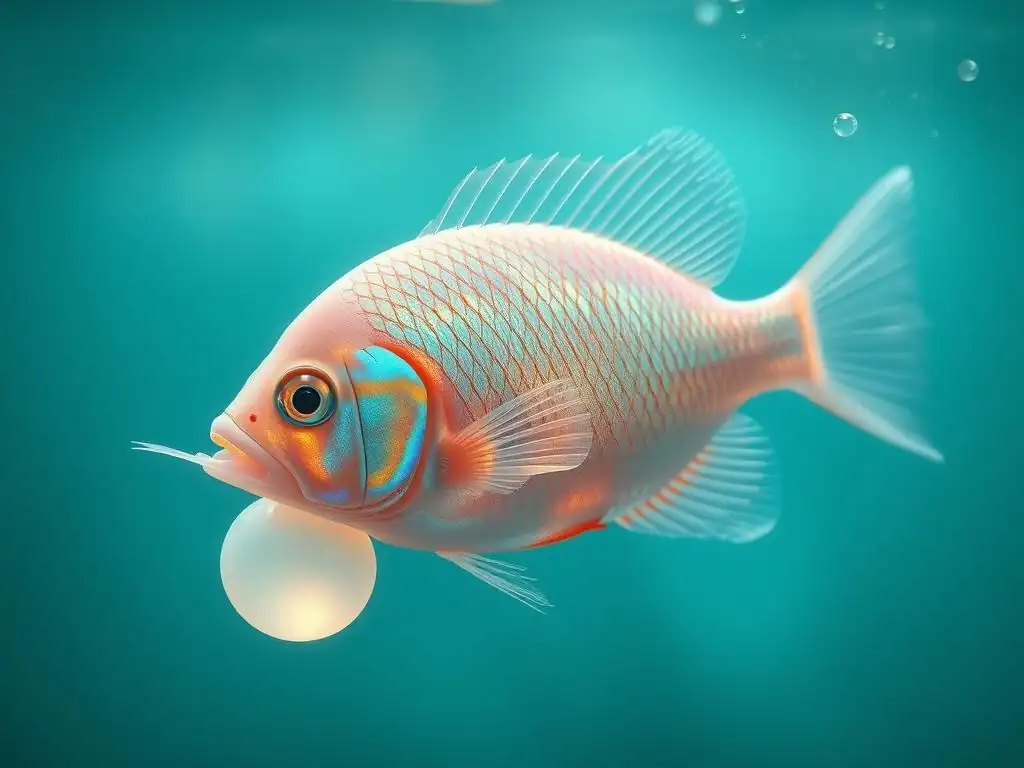
For experienced aquarists looking to refine their Pearl Gourami breeding efforts, selective breeding offers an exciting challenge. This technique involves carefully choosing breeding pairs that exhibit the most desirable traits, such as exceptionally vibrant coloration, extended fin development, or specific patterns. By consistently selecting and breeding individuals with superior characteristics over multiple generations, you can gradually enhance these traits within your line of Pearl Gouramis.
Implementing selective breeding requires meticulous record-keeping of parentage, offspring numbers, and the expression of desired traits in each generation. It also often involves culling fry that do not meet the desired standards to prevent the dilution of the gene pool. This long-term commitment can lead to the development of truly stunning and unique Pearl Gourami strains, showcasing the pinnacle of dedicated Pearl Gourami breeding tips.
Optimizing Fry Growth Rates
Optimizing the growth rate of Pearl Gourami fry is a goal for many breeders aiming for robust and healthy fish. The primary factors influencing rapid growth are a consistent supply of high-quality, protein-rich food, stable warm temperatures, and impeccable water quality. Newly hatched baby brine shrimp are particularly effective for accelerating growth due to their excellent nutritional profile. Feeding multiple small meals throughout the day ensures constant nutrient availability for the rapidly developing fry.
As the fry grow, their space requirements also increase. Overcrowding in the breeding tank can stunt growth and increase susceptibility to disease. Therefore, be prepared to move larger batches of fry to bigger grow-out tanks as they develop, ensuring adequate space per fish. Maintaining a consistent temperature around 80°F (26.7°C) further boosts their metabolism and growth. These combined Pearl Gourami breeding tips lead to larger, healthier, and more vibrant young fish.
Tips for Successful Pearl Gourami Breeding: A Summary
Key Factors for Breeding Healthy Pearl Gouramis
Successful Pearl Gourami breeding hinges on a few critical factors. Firstly, ensure you have well-conditioned, sexually mature parents that have been fed a high-protein diet for at least a week or two prior to spawning. Secondly, provide optimal and stable water parameters in a dedicated breeding tank: temperatures between 78-82°F (25.5-27.8°C), a pH of 6.0-7.5, and soft to moderately hard water (4-8 dGH).
Furthermore, the breeding tank must be equipped with ample floating plants for the male to anchor his bubble nest, as well as submerged plants and decor to provide the female with essential hiding spots from male aggression. A gentle sponge filter is crucial for maintaining pristine water quality without creating disruptive currents. Consistent observation of fish behavior and water parameters, coupled with patience, are the fundamental Pearl Gourami breeding tips for raising healthy fry.
Troubleshooting Checklist for Common Breeding Problems
When encountering challenges in Pearl Gourami breeding, a systematic troubleshooting approach can be highly effective. If fish are not spawning, check if both parents are truly sexually mature and well-conditioned; verify water parameters are within the ideal range and stable. For low hatch rates, review water quality, check for fungal growth on eggs (indicating infertility or poor water), and reassess parent conditioning.
If you observe male aggression, ensure there are sufficient hiding spots for the female. If aggression is severe, consider temporary separation. For fry mortality, immediately check water quality for ammonia, nitrite, and nitrate spikes, ensure appropriate feeding (infusoria then baby brine shrimp), and verify the temperature is stable. This checklist helps pinpoint issues, making your Pearl Gourami breeding efforts more efficient.
Pearl Gourami Breeding Timeline: From Setup to Fry Independence
Understanding the typical Pearl Gourami breeding timeline helps manage expectations and plan care.
- Parent Conditioning: 1-2 weeks prior to introduction.
- Spawning: Usually occurs within 24-48 hours of introducing a conditioned pair to the breeding tank, assuming conditions are optimal and the male has built a nest.
- Egg Incubation: Eggs typically hatch within 24-36 hours after spawning.
- Fry Free-Swimming: Fry become free-swimming and absorb their yolk sacs within 3-5 days post-hatch, at which point they need to be fed infusoria or liquid fry food.
- Male Removal: The male should be removed from the tank 3-5 days after the eggs hatch, once the fry are free-swimming.
- Transition to Baby Brine Shrimp: Introduce newly hatched baby brine shrimp around day 4-7 post-hatch.
- Fry Independence: Fry are generally considered independent and can be moved to a larger grow-out tank around 3-4 weeks old, when they are large enough to consume finely crushed flake food and are less vulnerable to predation by adults.
Adhering to this general timeline and adapting to your specific fish's needs are essential Pearl Gourami breeding tips for success.
Frequently Asked Questions
How do I create the ideal environment for Pearl Gourami breeding?
To encourage spawning, provide a suitable breeding tank with soft, acidic water and plenty of floating plants like Indian Almond Leaves to create a bubble nest. The temperature should be around 82-86°F (28-30°C).
What are the key differences between male and female Pearl Gouramis during breeding season?
Males display more vibrant colors and develop elongated dorsal and anal fins during breeding season. Females become noticeably rounder with eggs and show a less intense coloration.
What is the significance of a bubble nest for Pearl Gouramis?
The bubble nest serves as a safe haven for the Pearl Gourami eggs and fry. The male diligently builds and maintains it, protecting the developing offspring.
What should I feed Pearl Gourami fry after they hatch?
Newly hatched fry require infusoria or commercially available liquid fry food initially. Gradually transition them to baby brine shrimp and finely crushed flake food as they grow.
How can I prevent the parents from eating their fry?
After the fry hatch, it's crucial to remove the parents to a separate tank. This prevents them from consuming their offspring and ensures a higher survival rate for the fry.
Final Reflection: The Enduring Allure of Life's Beginnings
The intricate dance of life, particularly the delicate spawning process of the Pearl Gourami, resonates deeply even in our increasingly digital world. Understanding and replicating this natural wonder in our own aquariums connects us to the fundamental cycles of nature, offering a tangible reminder of the beauty and fragility of life itself. This pursuit, far from being a mere hobby, becomes a profound exercise in patience, observation, and respect for the natural world.
The journey of breeding Pearl Gouramis, as we've explored, is more than just following a set of instructions; it's about fostering an environment where life can flourish. This experience has profoundly shaped my understanding of the interconnectedness of all living things, highlighting the importance of creating harmonious ecosystems, both within our tanks and in the wider world. In the spring, at the end of the day, you should smell like dirt.
- Margaret Atwood. This quote encapsulates the essence of the Pearl Gourami breeding experience: a return to the earth, a connection to the primal forces that drive life forward.
Now, armed with these Pearl Gourami breeding tips, I invite you to embark on your own journey of discovery. Observe, learn, and adapt. Let the delicate dance of the Pearl Gourami inspire you to cultivate patience, appreciate the intricacies of life, and become stewards of the natural world, one shimmering bubble nest at a time.
Ignite Your Gourami Breeding Journey!
Thanks for diving into the fascinating world of pearl gourami breeding! Now that you're equipped with the knowledge, it's time to translate understanding into action and witness the miracle of life unfold in your aquarium.
- Prepare Your Breeding Tank: Dedicate a separate tank and meticulously recreate their ideal spawning environment. This is the crucial first step!
- Observe: Record your observations for the next 30 days. What works? What doesn't?
- Share your experiences: Join our Aquarium Mastery community forum and share your challenges, successes, and photos. Let's learn from each other!
What innovative approach will you take to mimic the natural spawning environment of pearl gouramis and enhance their breeding success?