
Managing Kissing Gourami Aggression: Tips for a Harmonious Tank

Welcome to Aquarium Mastery!
Ever wondered if your Kissing Gourami is really kissing, or something else entirely? Dive in to discover the truth behind Kissing Gourami tank aggression and unlock the secrets to creating a peaceful and thriving freshwater aquarium. We'll explore proven strategies to manage their behavior, ensuring a harmonious environment for all your aquatic companions. Curious to learn more? Let's get started!
- Understanding Betta Tank Aggression
- Preventing Betta Tank Aggression: Proactive Strategies
- Choosing Compatible Tank Mates for Bettas
- Managing Existing Aggression in Your Betta Tank
- Long-Term Solutions for Betta Tank Harmony
- The Role of Diet in Betta Behavior
- Conclusion: Creating a Peaceful Aquarium Environment for Bettas
-
Frequently Asked Questions
- How aggressive are Kissing Gouramis typically?
- What size tank is recommended to minimize Kissing Gourami tank aggression?
- What tank mates are best suited to live with Kissing Gouramis to minimize aggression?
- How can I aquascape my tank to reduce Kissing Gourami aggression?
- What are some warning signs of escalating Kissing Gourami aggression I should watch for?
- Final Reflection: Cultivating Harmony in the Aquarium
- Transform Your Tank: Embrace Peaceful Gourami Keeping!
Understanding Betta Tank Aggression
Why Bettas Fight: Identifying the Root Causes of Aggression
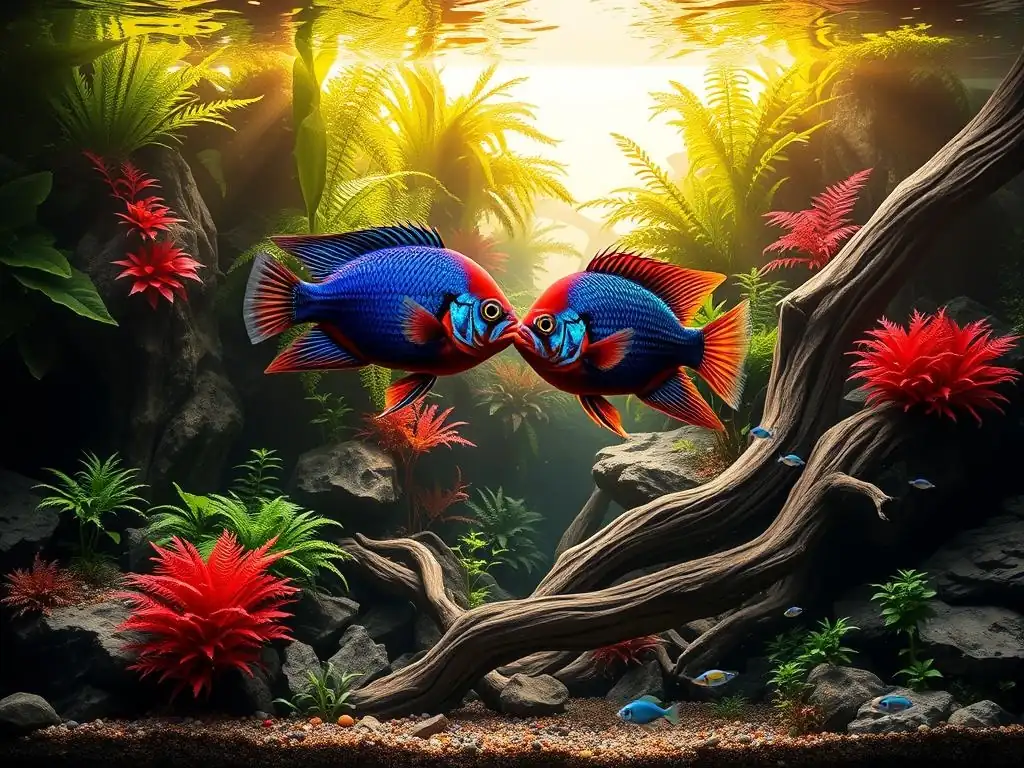
Kissing gouramis (Helostoma temminckii) are often perceived as peaceful fish due to their iconic "kissing" behavior, but this action is frequently a display of dominance or aggression, particularly between males or in overcrowded tanks. The root causes of Kissing gourami tank aggression often stem from territorial disputes, competition for resources like food and space, and stress induced by improper tank conditions. While their aggression is generally not as lethal as that of a Betta, it can lead to constant harassment, fin nipping, and significant stress for other tank inhabitants, making a harmonious environment challenging.
Beyond simple dominance displays, Kissing gourami aggression can also be triggered by the breeding instinct, where males become more territorial and assertive in establishing a nesting site or attracting a mate. Furthermore, an imbalanced male-to-female ratio, especially an excess of males, can intensify rivalry. Understanding these underlying triggers is crucial for aquarists aiming to mitigate aggressive behaviors and ensure the well-being of their Kissing gouramis and their tank mates.
The Myth of Betta Personalities: Decoding Betta Behavior
While the provided header refers to Bettas, it's essential to decode the behavior of Kissing Gouramis, which are often misunderstood. The "myth of their peaceful personality" is prevalent; many aquarists assume their "kissing" is benign, failing to recognize it as a direct challenge or assertion of dominance. This behavior, where two gouramis lock mouths and push, is a classic example of intraspecific aggression within the species, used to establish a pecking order or claim territory.
Kissing gouramis, reaching up to 12 inches (30 cm) in length, are semi-aggressive by nature, especially as they mature. Their territorial instincts become more pronounced with age and size. Failure to acknowledge this inherent behavioral trait, assuming all gouramis are uniformly docile, often leads to unexpected Kissing gourami tank aggression incidents and stress in the aquarium. Recognizing that their "personalities" are driven by instinctual behaviors, rather than individual quirks, helps aquarists anticipate and manage potential conflicts.
Recognizing Signs of Aggression in Bettas: Early Detection is Key
Identifying the early signs of aggression in Kissing gouramis is paramount for preventing escalation and maintaining a healthy tank. Unlike the flamboyant displays of a Betta, Kissing gourami aggression might start subtly. Keep an eye out for frequent "kissing" bouts, especially if one fish consistently backs down or shows signs of stress afterward. Other indicators include persistent chasing, fin nipping, or body slamming directed at specific tank mates.
Beyond direct physical confrontations, observe changes in the gourami's general behavior. An aggressive Kissing gourami might claim a large portion of the tank, actively herding other fish away from it. Stressed or bullied fish may exhibit clamped fins, faded coloration, rapid breathing, or excessive hiding. Early detection of these signs, such as a dominant gourami constantly patrolling a specific area or a smaller gourami showing signs of stress-induced illness, allows for timely intervention before serious injury or chronic stress impacts the entire aquarium ecosystem, leading to severe Kissing gourami tank aggression.
Preventing Betta Tank Aggression: Proactive Strategies
Tank Size Matters: Providing Adequate Space for Bettas
For Kissing gouramis, tank size is a critical factor in preventing Kissing gourami tank aggression. Given their potential adult size of up to 12 inches (30 cm), a minimum tank size of 55 gallons (approximately 208 liters) is often recommended for a single adult or a small group. However, for a community tank with multiple Kissing gouramis or other large fish, a 75-gallon (284 liters) or even 100-gallon (378 liters) tank is significantly more appropriate. Insufficient space intensifies territorial disputes, as each fish struggles to establish its own area, leading to increased stress and aggressive encounters.
Studies and anecdotal evidence from experienced aquarists consistently show that larger tanks dilute territorial instincts by providing ample room for each fish to establish a personal zone without constant encroachment. In tanks smaller than 55 gallons, Kissing gouramis are far more likely to exhibit heightened aggression, often leading to harassment of smaller, more docile tank mates. Providing generous swimming space not only reduces the likelihood of conflict but also promotes overall health and natural behavior for these impressive fish.
Overcrowding and Aggression: The Importance of Proper Stocking Levels
Overcrowding is a primary catalyst for Kissing gourami tank aggression. When too many fish are crammed into a limited volume of water, stress levels soar due to competition for space, food, and even oxygen. For Kissing gouramis, which are semi-aggressive and grow large, proper stocking levels mean keeping fewer fish than one might for smaller, more docile species. A common guideline is to allow at least 10-15 gallons per adult Kissing gourami, beyond the initial minimum tank size.
For instance, housing three adult Kissing gouramis would ideally require a tank of 75 gallons or more, ensuring each has sufficient personal space. High stocking densities also lead to rapid accumulation of waste, deteriorating water quality, which further exacerbates stress and can directly trigger aggressive behaviors. Maintaining appropriate stocking levels is not just about preventing physical altercations but also about fostering a healthy, low-stress environment where fish can thrive rather than merely survive.
Decor and Hiding Places: Creating a Secure Environment to Reduce Stress
Strategic placement of decor and provision of ample hiding places are essential proactive strategies to minimize Kissing gourami tank aggression. Kissing gouramis, like many territorial fish, benefit from visual barriers that break up sightlines and establish distinct zones within the aquarium. Tall plants, driftwood, rock formations, and even ceramic caves can serve this purpose, allowing less dominant fish to retreat and de-stress when confronted.
For example, arranging driftwood to create several distinct "rooms" or planting dense thickets of Amazon swords or Java fern can effectively partition the tank. This reduces the likelihood of constant encounters between fish and provides secure refuges for bullied individuals. While Kissing gouramis are not typically cave dwellers, having shaded areas or dense plant cover offers security and reduces the feeling of exposure, which can otherwise contribute to chronic stress and lead to aggressive outbursts.
Maintaining Water Quality: The Link Between Water Parameters and Behavior
Pristine water quality is intrinsically linked to the behavior and overall well-being of Kissing gouramis, directly impacting the potential for Kissing gourami tank aggression. Poor water parameters, such as elevated ammonia, nitrite, or nitrate levels, cause significant stress to fish, weakening their immune systems and often leading to erratic or aggressive behaviors. A stressed Kissing gourami is more likely to lash out at tank mates, as its natural coping mechanisms are overwhelmed.
Regular water changes, typically 25-30% weekly, and robust filtration are non-negotiable for Kissing gouramis. Ideal water parameters include a temperature range of 72-82°F (22-28°C), a pH of 6.0-8.0, and hardness between 5-19 dGH. For instance, a persistent ammonia spike above 0.25 ppm can quickly lead to listlessness, faded colors, and increased irritability, manifesting as aggression. Consistent monitoring with a reliable test kit and prompt corrective actions are vital to prevent water quality-induced stress and maintain peaceful interactions within the tank.
Choosing Compatible Tank Mates for Bettas
Best Tank Mates for Bettas: Minimizing Conflict
When selecting tank mates for Kissing gouramis, the goal is to choose species that are large enough not to be intimidated, yet not so aggressive that they challenge the gourami. Ideal companions are generally peaceful, robust, and occupy different levels of the water column to avoid direct competition for space. Good examples include larger, peaceful schooling fish like Giant Danios (up to 4 inches), larger Rainbowfish species (e.g., Boeseman's Rainbowfish, up to 4.5 inches), or certain types of peaceful, bottom-dwelling catfish like Corydoras (e.g., Bronze Corydoras, up to 2.5 inches) or Bristlenose Plecos (up to 5 inches).
These species are typically fast enough to evade any occasional chasing and have different behavioral patterns that minimize direct interaction. For instance, a school of 6-8 Giant Danios will primarily swim in the upper and middle levels, while a Kissing gourami often cruises the mid-water. Selecting tank mates that can tolerate a wide range of water parameters similar to the gourami's is also crucial, ensuring a stable environment for all inhabitants and reducing the likelihood of Kissing gourami tank aggression arising from stress.
Fish to Avoid: Incompatible Tank Mates That Trigger Aggression
Certain fish species are highly incompatible with Kissing gouramis and should be avoided to prevent triggering Kissing gourami tank aggression. This includes very small, delicate, or slow-moving fish like Neon Tetras (1.5 inches), Guppies (2 inches), or Angelfish (6 inches, but slow-moving fins are targets). Their small size makes them easy targets for harassment, and their flowing fins can be irresistible targets for nipping.
Similarly, other semi-aggressive or highly territorial cichlids, unless in very large tanks with specific setups, can lead to constant conflict. Even other species of gouramis, especially those with similar body shapes or colors, can be targets of aggression due to perceived competition. For example, housing a Kissing gourami with Dwarf Gouramis can result in the larger Kissing gourami bullying the smaller species. It's also wise to avoid fish that require vastly different water parameters, as trying to accommodate both will stress one or both species, leading to increased irritability and aggression.
Introducing New Fish: A Gradual Approach to Integrate New Tank Mates
Introducing new fish to a tank housing Kissing gouramis requires a careful, gradual approach to minimize the potential for Kissing gourami tank aggression. Rushing the introduction can lead to immediate stress and conflict. A proven method involves dimming the tank lights before adding the new fish, which can reduce the resident gourami's territorial instincts during the initial period.
Acclimation should be slow, typically using the drip method over 30-60 minutes, to gently adjust the new fish to the tank's water parameters. Once introduced, observe interactions closely for the first few hours and days. If possible, rearrange some of the tank decor before introducing new fish; this disrupts the resident gourami's established territories, making it less likely to view the new arrivals as immediate threats to its domain. For example, moving a large piece of driftwood to a new spot can "reset" territorial claims, giving new fish a better chance to settle in without being instantly targeted.
Managing Existing Aggression in Your Betta Tank
Observing and Documenting Aggressive Behavior: Identifying Patterns
When Kissing gourami tank aggression becomes apparent, the first step is meticulous observation and documentation. Simply noting "aggression" isn't enough; you need to identify patterns. Keep a log of when the aggression occurs (e.g., during feeding, after lights come on), where in the tank it happens (e.g., specific corners, near decor), who is the aggressor, and who is the target. Is it constant harassment, or are there specific trigger moments?
For instance, you might observe that a particular Kissing gourami consistently chases a specific Rainbowfish only during feeding times, or that "kissing" bouts intensify after a water change. Documenting these details helps pinpoint the root cause—be it food competition, territorial disputes, or stress from environmental changes. This data-driven approach allows for targeted interventions rather than random adjustments, increasing the likelihood of successfully mitigating the aggression.
Separating Aggressors: Quarantine and Reintroduction Strategies
If aggression persists and leads to injury or severe stress, temporarily separating the aggressive Kissing gourami is a necessary intervention. A dedicated quarantine tank of at least 20 gallons (75 liters) is ideal for this purpose. The isolation period, typically 1-2 weeks, allows the bullied fish in the main tank to recover and de-stress, while the aggressor's territorial claims in the main tank diminish.
When reintroducing the gourami, do so carefully. Consider rearranging the main tank decor extensively while the gourami is still in quarantine. This "resets" the tank's layout, making the returning fish feel less like it's reclaiming its old territory and more like it's entering a new environment. Introduce the gourami last, perhaps after a partial water change, and observe vigilantly. Sometimes, a temporary separation is enough to break the cycle of Kissing gourami tank aggression, allowing for a more peaceful reintegration.
Re-arranging the Tank: Disrupting Established Territories
A highly effective strategy for managing existing Kissing gourami tank aggression is to significantly re-arrange the aquarium's decor. Kissing gouramis, like many fish, establish territories based on the existing layout. By moving plants, rocks, driftwood, and other decorations, you disrupt these established boundaries, forcing all fish—including the aggressor—to re-evaluate and re-establish their claims.
This 'reset' can be particularly useful if one Kissing gourami has become overly dominant in a specific area. For example, if aggression is centered around a large piece of driftwood, moving or removing it can disorient the aggressor and give other fish a chance to spread out. While temporary confusion might occur, this method often leads to a more balanced distribution of territories and a reduction in conflict over the long term, as the old "hot spots" for aggression no longer exist.
Using a Tank Divider: A Temporary Solution for Severe Aggression
In cases of severe and persistent Kissing gourami tank aggression where other methods have failed, a tank divider can serve as a temporary, albeit less ideal, solution. A divider physically separates the aggressive Kissing gourami from its targets while allowing them to remain in the same water volume and filtration system. This prevents physical harm and allows the bullied fish to recover from stress.
Tank dividers are typically made of plastic mesh or perforated acrylic and can be custom-fit to the aquarium. While effective at preventing direct conflict, it's important to remember this is a short-term fix. It doesn't address the underlying cause of the aggression, and the aggressive fish may still display stress behaviors or try to breach the divider. It's best used as a bridge while you plan a more permanent solution, such as rehoming or a significant tank upgrade.
Long-Term Solutions for Betta Tank Harmony
Considering a Single Betta: The Solitary Option
While the header refers to Bettas, the concept of a solitary setup is a valid long-term solution for managing severe Kissing gourami tank aggression. If an individual Kissing gourami consistently exhibits extreme aggression towards tank mates, despite all mitigation efforts, keeping it as the sole occupant of a large species-specific tank (55 gallons or more) can be the most humane and effective solution. This eliminates the triggers of inter-species or intra-species conflict entirely.
A solitary Kissing gourami can thrive in a well-maintained, spacious environment, demonstrating natural behaviors without the stress of competition or the need to assert dominance. This option is particularly relevant for aquarists who cherish their aggressive gourami but cannot provide a community setting that ensures harmony. It ensures the gourami lives a full, stress-free life, free from the constant need to defend territory or engage in "kissing" dominance displays.
Rehoming Aggressive Fish: When to Admit Defeat
Sometimes, despite all efforts, a specific Kissing gourami may simply be too aggressive for a community setting, or for the size of the tank available. Recognizing when to admit defeat and rehome an aggressive fish is a responsible long-term solution to prevent chronic stress and potential harm to other aquarium inhabitants. This decision is not a failure but a commitment to the well-being of all your fish.
Options for rehoming include contacting local fish stores, aquatic clubs, or reputable online forums where experienced aquarists might be willing to take on a challenging fish. For example, a local fish store might accept the fish as a trade-in or for display in a large, species-only tank. Rehoming ensures the aggressive gourami finds a suitable environment where its natural behaviors can be accommodated without causing harm, resolving persistent Kissing gourami tank aggression in your home setup.
Monitoring and Adjusting: Continuous Assessment of Tank Dynamics
Achieving long-term harmony in a Kissing gourami tank requires continuous monitoring and a willingness to adjust strategies as needed. Fish behavior can change over time, influenced by growth, maturity, breeding cycles, or subtle shifts in tank parameters. What worked yesterday might not work tomorrow, especially as Kissing gouramis mature and their territorial instincts strengthen.
Regular observation for signs of stress or renewed aggression is crucial. This includes daily checks for fin damage, hiding behavior, or increased "kissing" bouts. Be prepared to make small adjustments, such as adding more hiding spots, slightly altering feeding routines, or even reconsidering tank mates if new issues arise. For instance, if a young, relatively peaceful Kissing gourami suddenly becomes aggressive at 8 months old, it might be maturing, signaling a need for more space or a different stocking approach to prevent severe Kissing gourami tank aggression.
The Role of Diet in Betta Behavior
Nutritional Needs and Aggression: Ensuring a Balanced Diet
A balanced and nutritious diet plays a significant, though often overlooked, role in mitigating Kissing gourami tank aggression. Malnutrition or dietary deficiencies can lead to stress, weakened immune systems, and irritability, which can manifest as aggressive behaviors. Kissing gouramis are omnivores and require a varied diet rich in both plant and animal matter.
Their diet should include high-quality flake or pellet food as a staple, supplemented with live or frozen foods such as bloodworms, brine shrimp, and daphnia. Incorporating vegetable matter, like blanched spinach or spirulina flakes, is also crucial. For example, a diet lacking sufficient protein might leave them feeling constantly hungry, leading to increased competition for food resources. Ensuring all fish receive adequate, appropriate nutrition reduces stress and can contribute to a more peaceful tank environment.
Avoiding Overfeeding: The Impact of Food Availability on Dominance
While providing a balanced diet is important, avoiding overfeeding is equally critical in managing Kissing gourami tank aggression. Overfeeding can lead to a rapid decline in water quality, which as discussed, is a major stressor and aggression trigger. More directly, inconsistent or insufficient food distribution can intensify competition, especially in a tank with multiple Kissing gouramis.
If food is scarce or unevenly distributed, more dominant gouramis will assert their control, often aggressively preventing smaller or less assertive tank mates from accessing enough food. This can lead to malnutrition and chronic stress for the bullied fish. Feeding small amounts multiple times a day, ensuring all fish get access to food, rather than a single large meal, can help mitigate this. For instance, feeding a pea-sized amount of flakes twice daily, rather than a large pinch once, reduces the intensity of feeding-time competition and helps maintain a more harmonious environment.
Conclusion: Creating a Peaceful Aquarium Environment for Bettas
Creating a peaceful aquarium environment for Kissing gouramis, despite their potential for Kissing gourami tank aggression, is an achievable goal with careful planning and consistent management. Understanding their natural behaviors, providing ample space with appropriate tank size and decor, and maintaining pristine water quality are foundational steps. Thoughtful selection of compatible tank mates and proactive strategies for introducing new fish are equally vital.
When aggression does arise, prompt observation, temporary separation, and strategic tank re-arrangements can help de-escalate conflicts. Ultimately, long-term harmony hinges on continuous monitoring, a balanced diet, and the willingness to adjust or rehome if necessary. By implementing these comprehensive strategies, aquarists can transform their Kissing gourami tank from a potential battleground into a thriving, harmonious aquatic display.
Frequently Asked Questions
How aggressive are Kissing Gouramis typically?
Kissing Gouramis can be territorial and aggressive, especially as they mature. Their "kissing" behavior is often a sign of dominance rather than affection, particularly between males.
What size tank is recommended to minimize Kissing Gourami tank aggression?
A larger tank is crucial. At a minimum, a 75-gallon tank is recommended for a single Kissing Gourami, and even larger for multiple fish to provide enough space and reduce territorial disputes.
What tank mates are best suited to live with Kissing Gouramis to minimize aggression?
Choose robust and similarly sized fish that can hold their own. Avoid slow-moving or easily intimidated species. Examples include larger tetras, danios, or some peaceful cichlids.
How can I aquascape my tank to reduce Kissing Gourami aggression?
Provide plenty of hiding places and visual barriers using rocks, driftwood, and dense plants. This helps break up sightlines and allows fish to establish their own territories.
What are some warning signs of escalating Kissing Gourami aggression I should watch for?
Look for persistent chasing, nipping, or constant "kissing" behavior. Also watch for fish that are constantly hiding or display signs of stress, like clamped fins or loss of appetite.
Final Reflection: Cultivating Harmony in the Aquarium
The insights shared throughout this article underscore the critical need for proactive management when keeping Kissing Gouramis. Understanding and mitigating Kissing Gourami tank aggression is not merely about maintaining a visually appealing aquarium; it's about ensuring the well-being of every creature within that delicate ecosystem. Ignoring the potential for conflict can quickly transform a peaceful community into a stressful and even deadly environment.
This exploration of Kissing Gourami behavior has highlighted the importance of responsible fishkeeping, a practice that extends far beyond simply providing food and water. It's a commitment to understanding the needs of each species and creating an environment where they can thrive. The greatness of a nation and its moral progress can be judged by the way its animals are treated.
- Mahatma Gandhi. This quote, while often applied to larger animals, resonates deeply with the responsibility we bear towards our aquatic companions.
Now, armed with this knowledge, consider the impact you can have on the lives of your Kissing Gouramis and their tankmates. Reflect on the principles of proper tank size, appropriate stocking levels, and the importance of providing ample hiding places. Embrace the challenge of creating a truly harmonious aquarium, one where beauty and tranquility coexist, and where every fish can flourish. Your dedication to responsible fishkeeping will not only benefit your aquatic friends but also enrich your own life with the joy of observing a thriving and balanced ecosystem.
Transform Your Tank: Embrace Peaceful Gourami Keeping!
Thanks for diving into the world of Kissing Gourami! Now that you're equipped with the knowledge to understand and manage their aggression, it's time to put those insights into action and create a truly harmonious aquarium environment.
Here are a few ways to deepen your understanding and ensure your gouramis thrive:
- Implement the "Rule of Six": Carefully consider adding at least six Kissing Gouramis to your tank, reducing individual bullying and spreading out aggression.
- Observe and document: Start a tank journal where you record your gouramis' behavior, noting any changes after implementing new strategies. This will help you refine your approach over time.
- Share your success (and struggles!): Join the Aquarium Mastery community forum and discuss your experiences with other gourami keepers.
What's the first step you'll take today to improve the peace in your Kissing Gourami tank?