
Bare Bottom vs. Substrate in Tetra Breeding Tanks: An Aquarium Mastery Analysis

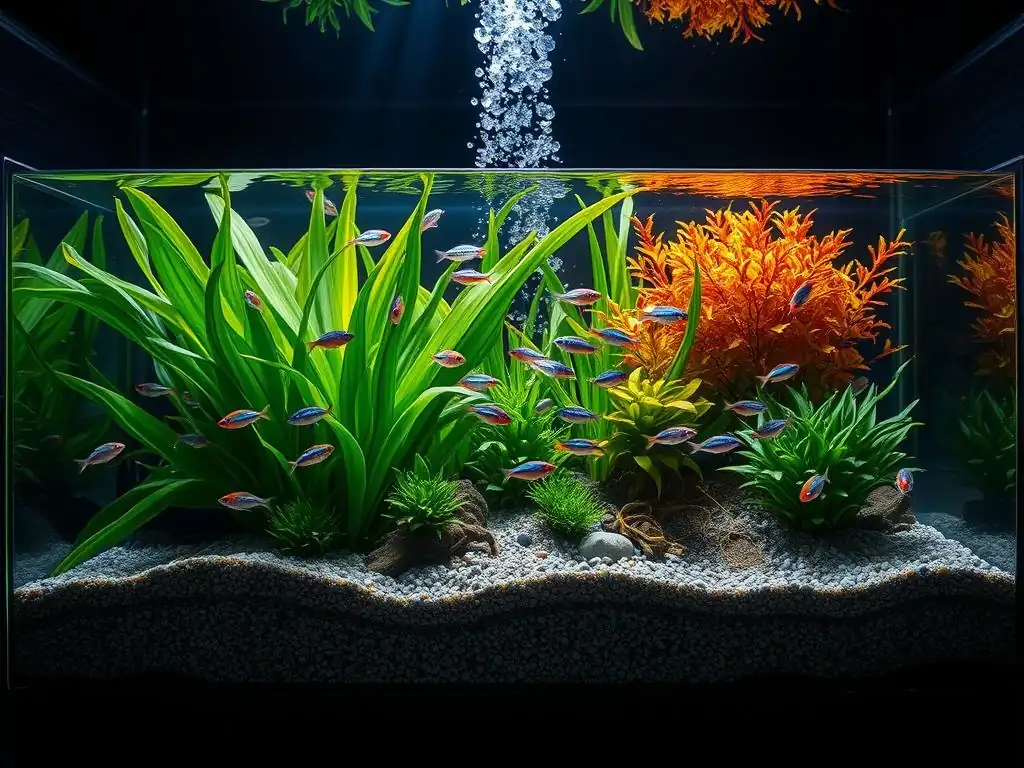
Welcome to Aquarium Mastery!
Ever wondered if the secret to successful Tetra breeding lies beneath the surface? Dive into our in-depth analysis of bare bottom versus substrate in Tetra breeding tanks and discover which setup truly unlocks the potential for a thriving aquatic family. Could the key to more fry be simpler than you think? Let's explore!
- Bare Bottom vs. Substrate in Cardinal Tetra Breeding Tanks: An Aquarium Mastery Analysis
- Introduction: Optimizing Cardinal Tetra Breeding with Substrate Choices
- Bare Bottom Cardinal Tetra Breeding Tanks: Advantages and Disadvantages
- Substrate in Cardinal Tetra Breeding Tanks: Types, Benefits, and Drawbacks
- Comparing Bare Bottom and Substrate for Cardinal Tetra Breeding: A Detailed Analysis
- Best Practices for Maintaining Cardinal Tetra Breeding Tanks: Substrate and Bare Bottom
- Case Studies: Successful Cardinal Tetra Breeding with and without Substrate
- Expert Recommendations: Choosing the Ideal Setup for Your Cardinal Tetra Species
- Conclusion: Mastering Cardinal Tetra Breeding Through Informed Substrate Decisions
-
Frequently Asked Questions
- What are the primary differences between using a bare bottom tank and a substrate-covered tank for breeding Tetras?
- Why is cleanliness so important in a Tetra breeding tank?
- What types of substrates are not recommended for Tetra breeding tanks?
- Can using a substrate improve the success rate of Tetra breeding?
- How does the choice of substrate impact water chemistry in a Tetra breeding tank?
- Final Reflection: The Clarity of New Beginnings
- Unlock Your Tetra Breeding Potential
Bare Bottom vs. Substrate in Cardinal Tetra Breeding Tanks: An Aquarium Mastery Analysis
Introduction: Optimizing Cardinal Tetra Breeding with Substrate Choices
The Importance of Tank Setup for Successful Cardinal Tetra Breeding
Successful breeding of Cardinal Tetras ( Paracheirodon axelrodi) hinges significantly on the precise setup of their breeding tank. These small, vibrant fish originate from the soft, acidic blackwater rivers of the Rio Negro basin in South America, where conditions are vastly different from typical community aquariums. Replicating these specific environmental parameters, including water chemistry, lighting, and physical structure, is paramount for triggering spawning behavior and ensuring the survival of their delicate eggs and fry. Without an optimized environment, Cardinal Tetras may refuse to spawn, or their eggs may succumb to fungus or predation.
The breeding environment directly influences stress levels in the breeding pair, their willingness to engage in courtship rituals, and the viability of the eggs. For instance, Cardinal Tetras are known to be easily startled; a secure, dim environment with appropriate hiding spots can significantly reduce stress, encouraging natural behavior.
Water parameters, particularly a low pH (typically between 5.0 and 6.0) and very low hardness (GH 1-4 dGH, KH 0-1 dKH), are critical for egg fertilization and preventing egg desiccation. Therefore, every element, from filtration to the choice of Tetra breeding tank substrate, must be meticulously planned to mimic their natural spawning grounds.
Understanding the Role of Substrate in the Cardinal Tetra Breeding Environment
The choice of Tetra breeding tank substrate is one of the most debated topics among aquarists aiming to breed Cardinal Tetras. Substrate, or the lack thereof, profoundly impacts water chemistry, provides spawning surfaces, and influences the overall stress level of the fish. In their natural habitat, Cardinal Tetras typically scatter their eggs among fine-leaved plants, roots, or leaf litter on the riverbed, often in very shallow, slow-moving water. This natural behavior provides camouflage for the eggs and protection from adult fish.
The role of Tetra breeding tank substrate extends beyond just providing a spawning site. Certain substrates, like leaf litter, can naturally release tannins, contributing to the desired blackwater conditions and slightly lowering pH and KH, which are crucial for egg development. Furthermore, these natural elements can foster the growth of infusoria – microscopic organisms that serve as an essential first food source for newly hatched fry.
Conversely, a bare bottom tank offers distinct advantages in terms of hygiene and egg visibility, but may lack the natural cues and protection that a substrate provides. Understanding these dynamics is key to making an informed decision for a successful breeding program.
Bare Bottom Cardinal Tetra Breeding Tanks: Advantages and Disadvantages
Advantages of Bare Bottom Tanks for Cardinal Tetra Breeding
Easier Cleaning and Maintenance in Bare Bottom Setups
One of the most significant advantages of a bare bottom Tetra breeding tank substrate setup is the unparalleled ease of cleaning and maintenance. Without a layer of gravel or other media, detritus, uneaten food, and fish waste are easily visible and can be siphoned out quickly and thoroughly. This significantly reduces the accumulation of organic matter, which can otherwise decompose and lead to spikes in ammonia and nitrites, jeopardizing the delicate water parameters required for Cardinal Tetra eggs and fry.
Aquarists can typically perform a comprehensive cleaning in a bare bottom tank in under 5 minutes daily, compared to potentially 15-20 minutes for a tank with substrate that requires careful gravel vacuuming. This efficiency is critical in breeding setups where pristine water quality is a non-negotiable requirement.
The simplified cleaning process also minimizes disturbance to the breeding pair or any newly hatched fry. Regular, swift water changes (often 50-75% daily) are crucial for Cardinal Tetra breeding, and a bare bottom allows for rapid draining and refilling without stirring up sediment. This reduces stress on the fish and helps maintain the incredibly soft and acidic water conditions that Cardinal Tetra eggs require to hatch successfully. The absence of substrate also means there are fewer surfaces for undesirable bacteria or algae to establish themselves, further contributing to a healthier environment for sensitive fry.
Enhanced Observation of Cardinal Tetra Eggs and Fry
A bare bottom setup provides an unobstructed view of the tank floor, which is invaluable for monitoring the delicate Cardinal Tetra eggs and newly hatched fry. After spawning, Cardinal Tetra eggs are tiny, clear, and highly susceptible to fungus. In a bare bottom tank, their presence is immediately noticeable, allowing the breeder to promptly remove the adult fish and any unfertilized or fungused eggs. This proactive approach can significantly increase the hatch rate of viable eggs, as fungused eggs can quickly spread infection to healthy ones.
This enhanced visibility also extends to the fry. Once hatched, Cardinal Tetra fry are minuscule, often less than 2mm in length, and initially remain largely motionless on the tank bottom. In a bare tank, their location is easily pinpointed, which is crucial for targeted feeding of infusoria or micro worms. Breeders can accurately assess fry numbers and their activity levels, allowing for immediate adjustments to feeding schedules or environmental conditions. This level of precise observation is exceptionally difficult, if not impossible, in a tank with any form of Tetra breeding tank substrate that offers hiding spots.
Reduced Risk of Fungus in Unfertilized Eggs
The absence of Tetra breeding tank substrate inherently reduces the risk of fungal infections impacting Cardinal Tetra eggs. Substrates, especially if not perfectly clean, can harbor bacteria and fungal spores that thrive on organic matter. When Cardinal Tetra eggs are scattered, unfertilized eggs quickly become a target for these opportunistic organisms. In a bare bottom tank, there is no substrate for these spores to cling to or for detritus to accumulate and fuel their growth. This sterile environment makes it much harder for fungus to establish itself.
Furthermore, the easy visibility in bare bottom tanks allows for the immediate siphoning out of any eggs that appear white and opaque, indicating they are unfertilized or infected. This swift removal prevents the fungal spread to healthy, fertilized eggs. While a methylene blue bath can be used as an antifungal agent for eggs, preventing the initial fungal growth through a clean, bare environment is always preferable. Breeders often report a higher percentage of healthy, non-fungused eggs in bare bottom setups compared to those with conventional substrates, contributing to a better overall yield of fry.
Lack of Natural Environment and Spawning Cues
Despite the maintenance benefits, a bare bottom Tetra breeding tank substrate setup significantly deviates from the natural habitat of Cardinal Tetras, potentially leading to reduced spawning success. In the wild, these fish are accustomed to soft, acidic blackwater environments with an abundance of leaf litter, submerged roots, and dense vegetation. This provides them with a sense of security and specific surfaces on which to scatter their adhesive eggs. A completely bare tank, while sterile, can appear stark and exposed to the fish, lacking the visual and tactile cues that trigger natural breeding behavior.
This unnatural environment can induce stress in the breeding pair, making them less inclined to spawn. Cardinal Tetras are known to be shy, and a lack of cover can make them feel vulnerable, leading to inhibited behavior. Anecdotal evidence from experienced breeders suggests that while spawning can occur in bare tanks, the frequency and egg yield might be lower compared to setups that offer more natural spawning surfaces. Without the complexity of a natural environment, the breeding pair may not feel comfortable enough to engage in the intricate courtship rituals that precede spawning, impacting overall productivity.
Increased Stress Levels in Cardinal Tetra Breeding Pairs
The exposed nature of a bare bottom Tetra breeding tank substrate can lead to elevated stress levels in Cardinal Tetra breeding pairs. In their natural riverine habitats, these fish seek refuge among dense aquatic plants and submerged structures. A tank without any substrate or decor offers no such visual barriers or hiding spots, leaving the fish feeling perpetually exposed and vulnerable. This constant feeling of insecurity can manifest as darting movements, refusal to eat, or even aggression between the breeding pair, all of which are detrimental to successful reproduction.
Stress directly impacts the physiological state of the fish, potentially suppressing hormone production necessary for spawning. When fish are stressed, their immune systems can also be compromised, making them more susceptible to disease.
While the goal of a bare tank is often hygiene, the psychological well-being of the fish cannot be overlooked. Breeders often observe that Cardinal Tetras are more active, display brighter coloration, and exhibit more natural schooling and courtship behaviors when provided with elements that offer cover, even if it's just a spawning mop or a few leaves, suggesting a significant reduction in stress compared to a completely barren environment.
Potential for Egg Damage from Impact
One often-overlooked disadvantage of a bare bottom Tetra breeding tank substrate setup is the potential for physical damage to the delicate Cardinal Tetra eggs. Cardinal Tetras are egg scatterers, releasing their eggs freely into the water column. In a natural or planted tank, these eggs would typically fall onto soft leaves, fine roots, or a soft substrate like leaf litter, cushioning their descent. However, in a bare bottom tank, the eggs fall directly onto the hard glass bottom.
This impact, even from a short distance, can potentially rupture the delicate egg membrane or damage the developing embryo. While not all eggs will be damaged, a percentage of them might become unviable due to the force of hitting a hard surface.
This is particularly relevant given the small size of Cardinal Tetra eggs, which are typically less than 1mm in diameter. Although precise figures are difficult to obtain, some breeders have anecdotally reported slightly lower hatch rates in bare bottom tanks, attributing some of the loss to physical damage upon impact, especially when compared to setups utilizing a soft Tetra breeding tank substrate like Java moss or fine leaf litter that provides a cushioning effect.
Substrate in Cardinal Tetra Breeding Tanks: Types, Benefits, and Drawbacks
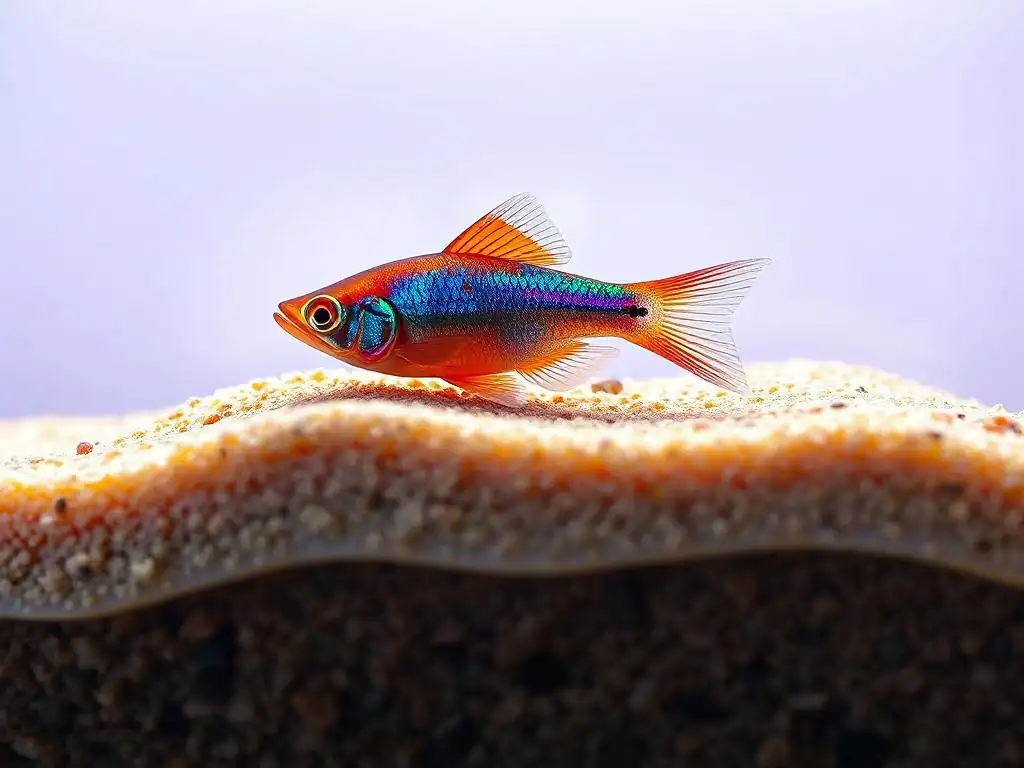
Choosing the Right Substrate for Cardinal Tetra Breeding
Fine Leaf Litter: Providing a Natural Spawning Surface and Infusoria
Fine leaf litter, such as Indian almond leaves ( Terminalia catappa), alder cones, or dried oak leaves, is an excellent choice for Tetra breeding tank substrate when aiming to replicate the Cardinal Tetra's natural blackwater habitat. These leaves slowly release tannins into the water, naturally lowering the pH and KH, which are crucial for Cardinal Tetra egg development and hatching success. A pH range of 5.0-6.0 and very low hardness (GH 1-4 dGH, KH 0-1 dKH) are ideal. The leaves also provide a soft, natural surface for the Cardinal Tetras to scatter their eggs, mimicking their wild spawning sites.
Beyond providing a spawning medium, leaf litter serves as a natural breeding ground for infusoria. As the leaves decompose, they cultivate a microscopic ecosystem of protozoa and other microorganisms. These tiny organisms are the perfect size and nutritional profile for newly hatched Cardinal Tetra fry, which are too small to consume newly hatched brine shrimp or microworms initially.
A well-established leaf litter bed can provide a continuous, self-sustaining food source for the first few days of the fry's life, significantly boosting early survival rates without constant manual feeding. Approximately 3-5 medium-sized Indian almond leaves per 10 gallons can establish a suitable environment.
Spawning Mops: Protecting Eggs from Adult Cardinal Tetras
Spawning mops, typically constructed from synthetic fibers like nylon or acrylic yarn, are a highly effective and easily manageable form of Tetra breeding tank substrate specifically designed to protect eggs from predation by adult fish. Cardinal Tetras are notorious egg eaters, and without adequate protection, a significant portion of their scattered eggs will be consumed shortly after spawning. Spawning mops feature numerous fine strands that provide a dense, intricate structure where eggs can fall and become lodged, making them inaccessible to the larger adult fish.
These mops are often weighted and placed directly on the tank bottom or floated just below the surface. After spawning, the mop can be easily removed, gently rinsed in tank water to dislodge any remaining debris, and then transferred to a separate hatching tank. This method allows for precise control over egg collection and significantly increases the number of eggs that can be safely removed for hatching.
A single breeding tank might utilize 2-3 spawning mops, each approximately 4-6 inches in length, to maximize egg collection efficiency. Their reusability and ease of sterilization make them a practical choice for dedicated breeders.
Java Moss: Creating a Soft and Safe Substrate
Java moss ( Taxiphyllum barbieri) is another popular and effective choice for Tetra breeding tank substrate, offering a natural and safe environment for egg scattering. Its dense, fine structure provides an ideal soft landing and hiding place for the tiny, adhesive Cardinal Tetra eggs, cushioning them from impact and concealing them from hungry adult fish. Unlike loose leaf litter, Java moss can be anchored to small rocks or driftwood, creating a stable and manageable "carpet" on the tank floor or in specific areas.
Beyond its protective qualities for eggs, Java moss also contributes to the overall health of the breeding tank. It helps to oxygenate the water, absorbs excess nitrates, and, like leaf litter, can host a microfauna of infusoria. This natural food source is invaluable for the initial feeding of Cardinal Tetra fry.
Furthermore, Java moss can contribute to the aesthetic appeal of the breeding tank, making it appear more natural and potentially reducing stress in the breeding pair. While it requires occasional trimming to prevent it from becoming too dense, a well-maintained Java moss bed (covering at least 50% of the tank floor) can significantly boost the success rate of Cardinal Tetra breeding by providing both egg protection and early fry food.
Benefits of Using Substrate in Cardinal Tetra Breeding Tanks
Mimicking the Natural Cardinal Tetra Habitat (Blackwater)
Utilizing certain types of Tetra breeding tank substrate, particularly fine leaf litter and botanicals, allows aquarists to closely mimic the Cardinal Tetra's natural blackwater habitat found in the Amazon basin. This includes recreating the characteristic soft, acidic water conditions (pH 5.0-6.0, GH 1-4 dGH) that are essential for successful spawning and egg viability. The tannins released from decaying leaves, such as Indian almond leaves or dried oak leaves, stain the water a tea-like color, reduce pH and KH naturally, and possess mild antifungal and antibacterial properties that can benefit egg health.
This naturalistic approach goes beyond just water chemistry; it also provides the visual and tactile environment that Cardinal Tetras are evolutionarily accustomed to for breeding. The dim, tannin-stained water and the presence of natural elements like leaves and roots can reduce stress, encourage natural schooling behavior, and ultimately trigger spawning. Breeders often observe more vigorous courtship and higher egg yields when the breeding tank closely resembles their wild environment, compared to a sterile, bare setup. This holistic approach to replicating natural conditions is a cornerstone of successful natural breeding methods.
Providing Spawning Sites and Cover for Eggs
A key benefit of incorporating Tetra breeding tank substrate elements like spawning mops, Java moss, or fine leaf litter is their ability to provide ample and appropriate spawning sites for Cardinal Tetras. These fish are egg scatterers and prefer to deposit their eggs on fine-leaved plants or other intricate structures. Without such surfaces, eggs might be scattered haphazardly, potentially damaged by impact on a hard bottom, or immediately consumed by the parents. Spawning mops, with their dense threads, allow eggs to fall deep within the fibers, making them inaccessible to adult fish.
Similarly, the intricate network of leaves and stems in Java moss or the layered structure of leaf litter offers numerous crevices and protected spaces where eggs can adhere and remain safe. This cover is crucial because adult Cardinal Tetras have a strong instinct to consume their own eggs. By providing these specific spawning media, breeders can significantly increase the number of eggs that survive the immediate post-spawning period. This strategic provision of spawning sites directly translates to higher egg yields and, consequently, more fry.
Supporting Infusoria Growth as First Food for Fry
One of the most critical advantages of using certain types of Tetra breeding tank substrate, particularly natural elements like leaf litter or established Java moss, is their capacity to support the growth of infusoria. Infusoria are microscopic organisms that are an indispensable first food source for newly hatched Cardinal Tetra fry. These fry are exceptionally small, typically less than 2mm upon hatching, and their mouths are too tiny to consume larger foods like newly hatched brine shrimp or microworms for the first 3-5 days of their lives.
Leaf litter, as it slowly decomposes, creates a rich microbial environment that naturally cultivates various infusoria species. Similarly, established Java moss provides a large surface area for the colonization of these microscopic organisms. By introducing these natural substrates, breeders can establish a self-sustaining food culture directly within the breeding tank, ensuring that the delicate fry have immediate access to appropriately sized nutrition from the moment they become free-swimming. This significantly boosts their initial survival rates and reduces the burden of constantly culturing and feeding external infusoria, making the early stages of fry rearing much more manageable.
Drawbacks of Using Substrate in Cardinal Tetra Breeding Tanks
Increased Cleaning Requirements and Maintenance
While beneficial in many ways, the use of Tetra breeding tank substrate generally leads to increased cleaning requirements and more complex maintenance routines compared to bare bottom setups. Substrates, especially fine ones like leaf litter or dense moss, can trap detritus, uneaten food, and fish waste. If not diligently cleaned, this accumulated organic matter will decompose, leading to a build-up of nitrates and potentially ammonia and nitrites, which are detrimental to the sensitive water parameters required for Cardinal Tetra breeding (pH 5.0-6.0, GH 1-4 dGH).
Regular gravel vacuuming or careful siphoning around and through the substrate becomes necessary, which can be more time-consuming and disruptive than simply siphoning a bare tank. For instance, a thorough cleaning of a substrate-based breeding tank might take 15-20 minutes every other day, whereas a bare bottom tank can be cleaned in under 5 minutes daily. The presence of substrate also makes it harder to identify and remove all waste, potentially leading to less pristine water quality over time, which can stress breeding fish and impact egg viability.
Difficulty in Locating and Removing Cardinal Tetra Eggs
A significant drawback of using Tetra breeding tank substrate for Cardinal Tetra breeding is the inherent difficulty in locating and removing the tiny, transparent eggs. Cardinal Tetras are egg scatterers, and their eggs are typically less than 1mm in diameter, making them incredibly hard to spot even on a bare surface. When these eggs are scattered among the dense strands of a spawning mop, the intricate leaves of Java moss, or nestled within layers of leaf litter, they become virtually invisible.
This difficulty in egg retrieval presents a challenge for breeders who wish to separate eggs from the adult fish to prevent predation. While the substrate protects the eggs, it also makes it nearly impossible to count them accurately or remove unfertilized, fungused eggs promptly. This can lead to a lower perceived yield, or the spread of fungus if infected eggs are not removed. Breeders often resort to removing the entire substrate (e.g., the spawning mop or a clump of moss) to a separate hatching tank, which can still result in some eggs being lost during transfer.
Potential for Detritus Buildup
The presence of Tetra breeding tank substrate creates numerous surfaces and crevices where detritus can accumulate, leading to potential water quality issues. Detritus includes uneaten food, fish waste, and decaying plant matter (especially with leaf litter). In a substrate-filled tank, these organic materials can settle deep within the substrate layer, often out of reach of routine siphoning. As this detritus decomposes, it releases ammonia, nitrites, and nitrates, which can cause dangerous spikes in water parameters, particularly in a small breeding tank with sensitive fish.
Even with diligent cleaning, complete removal of detritus from a substrate is challenging. This accumulation can also foster the growth of undesirable bacteria or fungi, which can then pose a threat to delicate Cardinal Tetra eggs and fry. While beneficial bacteria colonize substrate, the balance can be easily upset by excessive organic load. This necessitates very frequent water changes and careful monitoring of water parameters (e.g., daily ammonia and nitrite tests) to counteract the effects of detritus buildup, adding an extra layer of complexity to the breeding process compared to the relatively sterile environment of a bare bottom tank.
Comparing Bare Bottom and Substrate for Cardinal Tetra Breeding: A Detailed Analysis
Water Parameters: Bare Bottom vs. Substrate Influence (pH, KH)
The choice of Tetra breeding tank substrate significantly influences the stability and target values of crucial water parameters, particularly pH and KH (carbonate hardness), which are vital for Cardinal Tetra breeding. Bare bottom tanks offer the greatest control over water chemistry. Since there is no buffering capacity or chemical release from a substrate, the pH and KH are solely determined by the source water and any added buffering agents (e.g., RO water, peat filtration, or specific acids).
This allows breeders to precisely achieve the soft, acidic conditions required (pH 5.0-6.0, KH 0-1 dKH) and maintain them with consistent water changes. Daily 50-75% water changes in a bare bottom tank can keep parameters incredibly stable.
In contrast, a Tetra breeding tank substrate such as leaf litter actively influences water parameters. Indian almond leaves, for example, slowly release humic acids and tannins, which naturally lower pH and KH over time, creating the desirable blackwater conditions. While this mimics their natural habitat, it can also lead to more gradual, and sometimes less predictable, fluctuations compared to the controlled stability of a bare tank.
For instance, a tank with a heavy leaf litter bed might see pH drop from 6.0 to 5.5 over 24 hours, whereas a bare tank with RO water might maintain 5.8 consistently. Monitoring is crucial in both, but bare bottom generally allows for more rapid and precise adjustments.
Fry Survival Rates: Which Setup Offers Better Protection?
The impact of Tetra breeding tank substrate on fry survival rates is a complex factor, with both bare bottom and substrate setups offering distinct advantages and disadvantages. In bare bottom tanks, the immediate advantage is the ease of egg collection and transfer to a separate, controlled hatching tank, effectively removing them from parental predation. Once hatched, the fry are highly visible, allowing for precise, targeted feeding with cultured infusoria or micro worms.
However, the lack of hiding spots can make fry feel exposed and potentially more stressed. Without natural infusoria sources, the breeder must be diligent in providing appropriate first foods, as a missed feeding can be fatal.
Conversely, a Tetra breeding tank substrate like Java moss or leaf litter provides crucial hiding spots for newly hatched fry, protecting them from any remaining adults or even larger, more developed siblings. More importantly, these natural substrates cultivate infusoria, offering a continuous, self-sustaining food source for the first few critical days of the fry's life. This "set-and-forget" aspect of initial feeding can significantly boost early survival rates, especially for novice breeders.
While egg collection might be harder, the natural protection and food supply often lead to a higher overall number of fry surviving past the critical first week in well-managed substrate tanks. For example, a bare bottom tank might yield 50 fry from 100 eggs due to precise feeding, while a substrate tank might yield 70 fry from 100 eggs due to continuous infusoria availability, despite some eggs being lost to visibility issues.
Ease of Maintenance and Long-Term Tank Health
The ease of maintenance and long-term tank health are significantly influenced by the choice of Tetra breeding tank substrate. Bare bottom tanks are undeniably simpler to clean and maintain on a daily basis. Waste is easily visible and siphoned out, allowing for rapid and thorough removal of organic matter.
This minimizes the risk of ammonia and nitrite spikes, contributing to excellent long-term water quality and overall tank health, provided consistent water changes are performed. A bare bottom setup allows for quick intervention if any issues arise, like a sudden bacterial bloom or a dying fish, making it a preferred choice for breeders prioritizing cleanliness and rapid response.
However, substrate tanks, particularly those utilizing natural elements like leaf litter, can also contribute to long-term tank health in a different way. While initial cleaning might be more involved, a well-established substrate can create a more stable, mature ecosystem. The substrate provides a large surface area for beneficial nitrifying bacteria, contributing to biological filtration.
Leaf litter also releases tannins, which have mild antiseptic properties, potentially reducing the prevalence of certain pathogens. While requiring more effort for routine substrate cleaning, a balanced substrate system can offer a more robust and self-regulating environment over extended periods, potentially reducing the frequency of major water parameter crashes if managed correctly. The trade-off often boils down to daily effort versus ecosystem resilience.
Best Practices for Maintaining Cardinal Tetra Breeding Tanks: Substrate and Bare Bottom
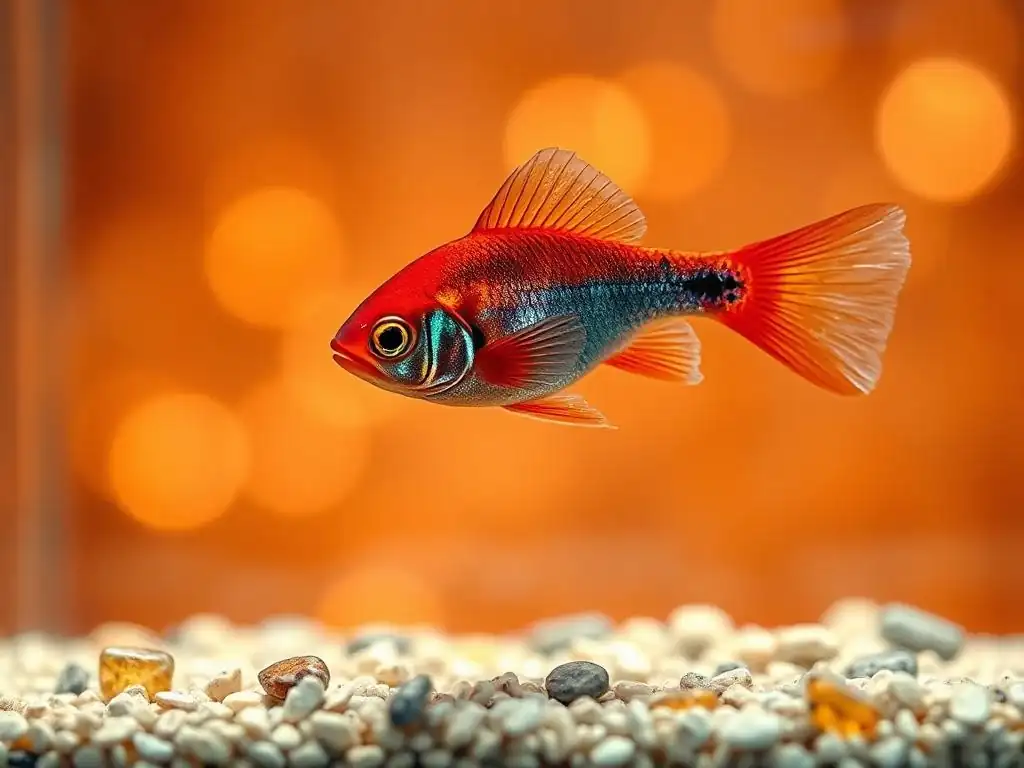
Water Quality Management in Cardinal Tetra Breeding Setups (Soft, Acidic Water)
Maintaining pristine and specific water quality is paramount for successful Cardinal Tetra breeding, regardless of whether a bare bottom or Tetra breeding tank substrate is used. Cardinal Tetras require very soft, acidic water, mimicking their natural blackwater habitats.
The ideal parameters are typically a pH between 5.0 and 6.0, a general hardness (GH) of 1-4 dGH (20-70 ppm), and a carbonate hardness (KH) of 0-1 dKH (0-18 ppm). Achieving and maintaining these parameters often necessitates the use of reverse osmosis (RO) water, sometimes blended with a small amount of dechlorinated tap water or remineralized with specific salts to reach the target GH without increasing KH.
Daily water changes, often as much as 50-75% of the tank volume, are critical to remove metabolic waste and refresh the water, ensuring stable parameters. For bare bottom tanks, this is straightforward; for tanks with Tetra breeding tank substrate, careful siphoning around and through the substrate is required to remove detritus.
Peat filtration (using peat moss in a filter bag) can also be employed to naturally lower pH and soften water, adding beneficial humic substances. Regular testing with reliable liquid test kits for pH, GH, KH, ammonia, nitrite, and nitrate is indispensable to monitor parameters and make timely adjustments, ensuring the water remains perfect for delicate eggs and fry.
Feeding Strategies for Cardinal Tetra Fry in Different Tank Environments (Infusoria, Micro Worms)
Feeding Cardinal Tetra fry is one of the most challenging aspects of their breeding, and the choice of Tetra breeding tank substrate can influence the initial feeding strategy. Regardless of the setup, the first food for newly hatched fry must be microscopic. For the first 3-5 days post-hatch, the fry are too small to consume anything larger than infusoria.
In tanks with a natural Tetra breeding tank substrate like leaf litter or established Java moss, infusoria will naturally culture within the tank, providing a continuous, self-sustaining food source. This can be a significant advantage, reducing the immediate need for external infusoria cultures.
For bare bottom tanks or tanks with insufficient natural infusoria, breeders must manually culture infusoria (e.g., using banana peels, rice water, or commercial cultures) and feed them several times a day. After the first few days, as the fry grow slightly (to about 3-4mm), they can transition to larger micro-foods such as micro worms ( Panagrellus redivivus) or vinegar eels ( Turbatrix aceti). By 7-10 days, they can typically consume newly hatched brine shrimp ( Artemia salina nauplii).
Feeding should be frequent (4-6 times daily) and in small amounts to prevent water fouling. Regular water changes are essential to remove uneaten food and maintain water quality, especially with the high feeding frequency required for rapid fry growth.
Preventing Diseases and Parasites in Cardinal Tetra Breeding Tanks
Preventing diseases and parasites is crucial in Cardinal Tetra breeding tanks, as young fry are highly susceptible to pathogens. The primary defense against disease, whether in a bare bottom or Tetra breeding tank substrate setup, is maintaining impeccable water quality. Pristine, soft, acidic water (pH 5.0-6.0, GH 1-4 dGH) with zero ammonia and nitrite, and very low nitrates, significantly reduces stress on the fish and prevents the proliferation of many common pathogens. Daily water changes (50-75%) are the cornerstone of this strategy.
Beyond water quality, strict quarantine protocols for all new fish introduced to the breeding program (e.g., a 4-6 week quarantine period in a separate tank) are essential to prevent the introduction of diseases. For substrate-based tanks, careful cleaning of the substrate to prevent detritus buildup is important, as decaying organic matter can harbor harmful bacteria and parasites. In bare bottom tanks, the ease of cleaning helps maintain a sterile environment.
Additionally, ensuring a stable temperature (around 78-82°F or 25.5-27.8°C) and providing a balanced diet for the breeding adults and fry further strengthens their immune systems. Any signs of illness, such as clamped fins, lethargy, or discoloration, should be addressed immediately, often through increased water changes or, if necessary, specific medications, though caution is advised with medications around delicate fry.
Case Studies: Successful Cardinal Tetra Breeding with and without Substrate
Case Study 1: Cardinal Tetra Breeding in a Bare Bottom Tank with Spawning Mops
A prominent example of successful Cardinal Tetra breeding in a bare bottom setup involves a dedicated breeder in the Netherlands who consistently produces hundreds of fry each month. Their setup typically consists of 10-gallon (approx. 38-liter) bare glass tanks, each equipped with an air-driven sponge filter for gentle filtration and aeration. The water parameters are meticulously maintained at pH 5.5, GH 2 dGH, and KH 0 dKH, achieved using 100% reverse osmosis (RO) water remineralized with a few drops of a GH booster. Lighting is kept very dim, often just ambient room light or a very low-wattage LED.
For spawning, two to three acrylic spawning mops are placed on the tank floor. A conditioned breeding pair (fed heavily on live foods like blackworms and daphnia for 1-2 weeks prior) is introduced in the evening. Spawning typically occurs the following morning, with eggs scattered among the mop fibers.
Within an hour of spawning, the mops are carefully removed and transferred to a separate, identical 5-gallon (approx. 19-liter) bare bottom hatching tank, which also contains a small amount of methylene blue to prevent fungus. The ease of removing the mops and the clear visibility of the bare hatching tank allow for precise removal of unfertilized eggs.
Fry hatch within 24-36 hours and are initially fed cultured infusoria (from banana peel cultures) for 3-4 days, transitioning to microworms and then newly hatched brine shrimp. This method consistently yields 50-150 fry per spawn, demonstrating the efficacy of a clean, controlled bare bottom Tetra breeding tank substrate approach combined with spawning mops.
Case Study 2: Cardinal Tetra Breeding with a Leaf Litter and Java Moss Setup
Another successful approach to Cardinal Tetra breeding utilizes a more naturalistic Tetra breeding tank substrate of leaf litter and Java moss. A notable breeder in Germany, focusing on natural methods, employs 15-gallon (approx. 57-liter) tanks with a thin layer (approx. 1-2 inches) of clean, boiled Indian almond leaves and a dense mat of Java moss covering about 70% of the tank floor. The water is soft and acidic, typically pH 5.2-5.8, GH 3 dGH, and KH 0-1 dKH, achieved through peat filtration and weekly 50% water changes with RO water. Dim lighting and no strong water flow are maintained.
A breeding group of 4-6 Cardinal Tetras is housed in the tank. Spawning occurs naturally within the leaf litter and Java moss. The adults are usually left in the tank for 24-48 hours after spawning is observed, as the dense substrate provides significant protection for the eggs.
The beauty of this setup lies in its self-sustaining nature for initial fry food: the decaying leaf litter and established Java moss naturally cultivate a thriving population of infusoria. Newly hatched fry, which are very difficult to spot due to their size and the substrate, immediately have access to this food source.
After 5-7 days, once the fry are slightly larger and free-swimming above the substrate, they are gently siphoned out into a separate grow-out tank and then transitioned to microworms and newly hatched brine shrimp. While it's harder to get an exact egg count, this method often results in 30-80 robust fry per spawn, highlighting the benefits of a naturally supportive Tetra breeding tank substrate environment.
Expert Recommendations: Choosing the Ideal Setup for Your Cardinal Tetra Species
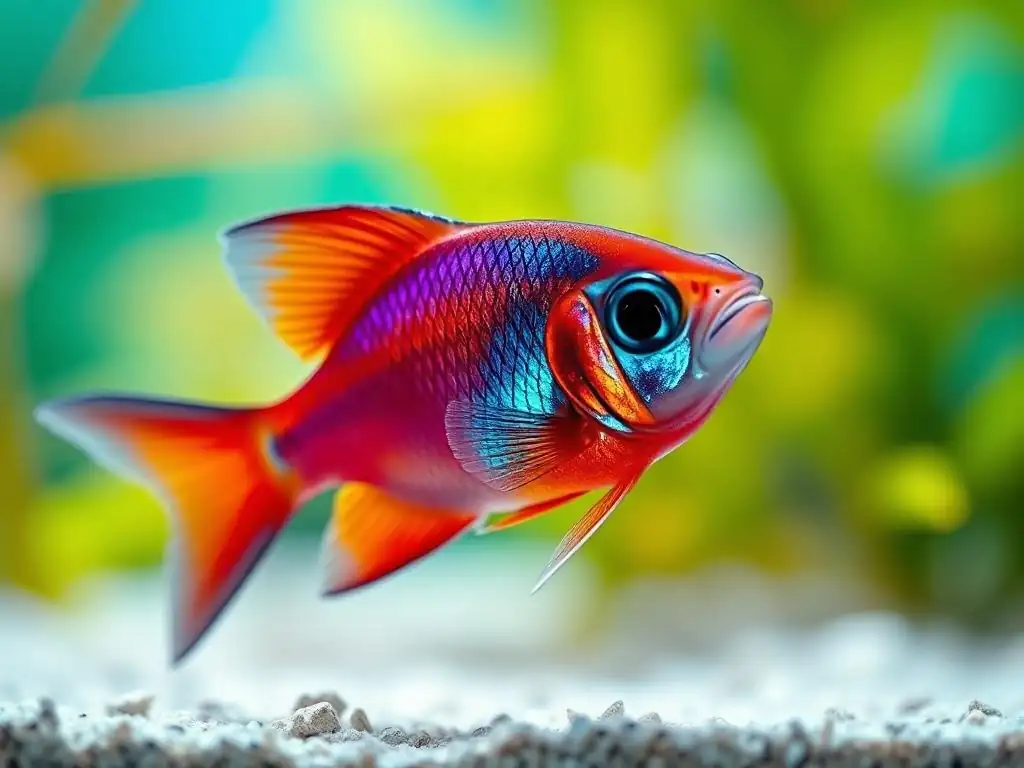
Factors to Consider When Selecting a Cardinal Tetra Breeding Tank Setup (Tank Size, Filtration)
When selecting the ideal Tetra breeding tank substrate setup for Cardinal Tetras, several critical factors must be carefully considered, as they directly impact breeding success and ease of management. Firstly, tank size is important. While Cardinal Tetras are small, a breeding tank of 5-10 gallons (approx. 19-38 liters) is generally recommended for a single pair or a small group (e.g., 2 males, 3 females). This size allows for stable water parameters and sufficient space for courtship without being excessively large for daily water changes. Larger tanks, while offering more stability, can make egg retrieval challenging.
Secondly, filtration must be gentle. Air-driven sponge filters are almost universally recommended for Cardinal Tetra breeding tanks, regardless of the Tetra breeding tank substrate choice. Their gentle flow prevents delicate eggs and fry from being sucked in or buffeted by strong currents. They also provide excellent biological filtration without creating turbulent water movement.
High-flow power filters are entirely unsuitable. Other considerations include lighting (dim to no direct light), temperature stability (78-82°F or 25.5-27.8°C), and the breeder's own experience level. Bare bottom tanks with spawning mops are often recommended for beginners due to their simplicity in egg collection and hygiene, while natural substrate setups might suit more experienced aquarists seeking a hands-off initial fry feeding approach.
Tailoring Your Approach to Specific Cardinal Tetra Requirements (Water Chemistry)
Tailoring your approach to the specific requirements of Cardinal Tetras, particularly their stringent water chemistry needs, is paramount for successful breeding, regardless of the chosen Tetra breeding tank substrate. Cardinal Tetras demand very soft, acidic water, with a pH typically between 5.0 and 6.0, a general hardness (GH) of 1-4 dGH, and virtually no carbonate hardness (KH 0-1 dKH). These parameters are vital for egg fertilization and preventing fungal growth. Deviations can lead to unfertilized eggs, eggs that fail to develop, or fry deformities.
To achieve these parameters, most breeders rely on reverse osmosis (RO) water, often remineralized to the target GH. Peat filtration or Indian almond leaves can further aid in lowering pH and adding beneficial humic substances, especially if using a natural Tetra breeding tank substrate. Regardless of whether you opt for a bare bottom or a substrate-based tank, daily monitoring of pH, GH, and KH with accurate liquid test kits is non-negotiable.
Consistent, large daily water changes (e.g., 50-75%) are then employed to maintain these precise conditions and remove waste. The choice of substrate primarily influences how these parameters are maintained (e.g., active buffering by leaves vs. external control with RO water), but the target parameters remain constant and absolute for this delicate species.
Conclusion: Mastering Cardinal Tetra Breeding Through Informed Substrate Decisions
Key Takeaways for Successful Cardinal Tetra Breeding
Mastering Cardinal Tetra breeding is a rewarding challenge that largely hinges on meticulous attention to environmental detail, with the choice of Tetra breeding tank substrate being a pivotal decision. The primary key takeaways for successful breeding include the absolute necessity for pristine, soft, and acidic water conditions (pH 5.0-6.0, GH 1-4 dGH, KH 0-1 dKH), regardless of the tank setup.
Consistent, large daily water changes and accurate parameter monitoring are non-negotiable. Secondly, reducing stress on the breeding pair is critical; this involves dim lighting, minimal disturbances, and providing a sense of security, whether through spawning mops or natural plant cover.
Finally, the decision between a bare bottom and a substrate-based tank for your Tetra breeding tank substrate should be an informed one, weighing the trade-offs. Bare bottom setups excel in hygiene, egg visibility, and precise water parameter control, making them ideal for beginners focused on maximizing egg collection.
Substrate setups, particularly with leaf litter and Java moss, mimic natural conditions, provide excellent egg protection, and naturally cultivate infusoria for initial fry feeding, often leading to more natural spawning behaviors and potentially higher initial fry survival due to continuous food. Ultimately, success lies in understanding your goals, managing the specific challenges of each setup, and adapting your methods to the delicate requirements of Cardinal Tetras.
Further Resources for Advanced Cardinal Tetra Care and Breeding
For aquarists looking to delve deeper into the intricate world of Cardinal Tetra care and advanced breeding techniques, a wealth of resources exists beyond the foundational knowledge of Tetra breeding tank substrate choices. Exploring specialized forums and online communities dedicated to South American cichlids and characins can provide access to experienced breeders who share detailed methodologies and troubleshooting tips. Many academic papers and scientific journals also offer insights into the natural habitats and reproductive behaviors of Paracheirodon axelrodi, providing a deeper understanding of their biological needs.
Furthermore, specific books on freshwater fish breeding, particularly those focusing on egg-laying characins, often contain invaluable information on conditioning adult fish, managing fry stages, and addressing common challenges like fungal infections or fry deformities. Video tutorials from reputable aquarists can offer visual guidance on setting up tanks, siphoning eggs, and culturing live foods like infusoria and microworms, which are essential for fry development.
Consulting these diverse resources will enable aquarists to refine their techniques, troubleshoot issues, and ultimately achieve greater success in their Cardinal Tetra breeding endeavors, moving beyond basic Tetra breeding tank substrate considerations to a holistic mastery of this captivating species.
Frequently Asked Questions
What are the primary differences between using a bare bottom tank and a substrate-covered tank for breeding Tetras?
A bare bottom tank is easier to clean and allows for better visibility of eggs. A substrate-covered tank can provide a more natural environment and potentially some beneficial bacteria.
Why is cleanliness so important in a Tetra breeding tank?
Cleanliness is crucial because Tetra eggs and fry are highly susceptible to fungal infections and poor water quality. A clean environment minimizes the risk of these problems and increases survival rates.
What types of substrates are not recommended for Tetra breeding tanks?
Avoid substrates that significantly alter water parameters, such as those containing crushed coral or dolomite, which raise pH. Also, substrates with sharp edges could harm delicate eggs or fry.
Can using a substrate improve the success rate of Tetra breeding?
Potentially, yes. Some substrates, like fine-leaved plants or spawning mops, can provide hiding places for eggs and fry, protecting them from the parents. This can increase the number of fry that survive.
How does the choice of substrate impact water chemistry in a Tetra breeding tank?
Certain substrates can leach chemicals into the water, affecting pH, hardness, and other parameters. It's crucial to choose a substrate that is inert or has a minimal impact on water chemistry to maintain stable conditions ideal for Tetra breeding.
Final Reflection: The Clarity of New Beginnings
The exploration of bare bottom versus substrate in tetra breeding tanks, while seemingly niche, speaks to a broader truth: the power of informed choices in fostering life and growth. What began as a technical analysis of aquarium management transcends the confines of glass tanks, resonating with the fundamental principles of nurturing environments, whether in our homes, communities, or even within ourselves. The meticulous consideration of factors like hygiene, fry survival rates, and parental behavior underscores the importance of intentional design in achieving desired outcomes.
This journey into the world of tetra breeding has profoundly illuminated the delicate balance between control and natural processes. It reminds us that sometimes, the most effective approach is to strip away the unnecessary, allowing the essential elements to flourish. The best and most beautiful things in the world cannot be seen or even touched - they must be felt with the heart.
This quote, often attributed to Helen Keller, resonates deeply here, highlighting the intuitive understanding required to truly connect with and nurture life, be it in a breeding tank or beyond.
Now, as you consider the implications of bare bottom versus substrate, I invite you to reflect on the environments you cultivate in your own life. Are there areas where simplifying, removing clutter, and focusing on the essentials could lead to greater clarity, growth, and success? Embrace the lessons learned from the tetra breeding tank, and dare to create spaces, both internal and external, where new beginnings can thrive.
Unlock Your Tetra Breeding Potential
Thank you for exploring the nuances of tetra breeding with us! We hope this article has provided valuable insights into optimizing your aquarium setup for successful spawning. Now, let's put that knowledge into action.
- Start experimenting! Set up two identical tanks, one bare-bottom and one with a fine-sand substrate, and carefully monitor tetra breeding behavior in each.
- Share your experiences! Join the Aquarium Mastery community forum and post photos of your breeding setups and results. Let's learn together!
- Dive deeper! Research specific tetra species requirements and adapt your approach for maximum breeding success.
What unique substrate combinations are you considering for your next tetra breeding project, and why?