
Dwarf Gourami vs. Honey Gourami: Which Peaceful Anabantoid Suits You?

Welcome to Aquarium Mastery!
Ever wondered if the vibrant Dwarf Gourami or the gentle Honey Gourami is the perfect addition to your freshwater aquarium? This comprehensive guide dives deep into the nuances of Dwarf Gourami care, exploring everything you need to know about these captivating anabantoids. Get ready to discover which of these peaceful beauties will thrive in your aquatic world and unlock the secrets to a flourishing aquarium!
-
Dwarf Gourami Care Guide: Essential Information for Beginners
- Understanding the Dwarf Gourami (Trichogaster lalius)
- Ideal Tank Conditions for Dwarf Gouramis: Water Parameters and Setup
- Dwarf Gourami Diet and Feeding Habits: What to Feed Your Lalius Gourami
- Dwarf Gourami Temperament and Tank Mates: Building a Peaceful Community
- Common Dwarf Gourami Diseases and Prevention: Maintaining a Healthy Environment
-
Frequently Asked Questions
- How do I decide between a Dwarf Gourami and a Honey Gourami for my aquarium?
- What are the key differences in care requirements between Dwarf and Honey Gouramis?
- What water parameters are ideal for keeping Dwarf Gouramis healthy?
- What should I feed my Dwarf Gourami to ensure proper nutrition?
- What are some common health problems to watch out for in Dwarf Gouramis?
- Final Reflection: Choosing Harmony in Your Aquarium
- Embrace the Beauty: Start Your Gourami Journey Today!
Dwarf Gourami Care Guide: Essential Information for Beginners
Understanding the Dwarf Gourami (Trichogaster lalius)
The Dwarf Gourami, scientifically known as Trichogaster lalius (formerly Colisa lalia), is a highly popular and visually striking freshwater fish originating from South Asia, specifically the slow-moving waters of India, Bangladesh, and Pakistan. These labyrinth fish are renowned for their ability to breathe atmospheric air, thanks to a specialized organ, which allows them to thrive in oxygen-depleted environments.
Typically, a healthy Dwarf Gourami reaches an adult size of about 2 to 2.5 inches (5 to 6.3 cm), making it an ideal inhabitant for smaller to medium-sized aquariums. Their relatively compact size and vibrant coloration contribute significantly to their appeal in the aquarium hobby.
Beyond their unique breathing apparatus, Dwarf Gouramis are celebrated for their diverse and stunning color morphs, which have been selectively bred over time. The most common varieties include the "Powder Blue," a uniform iridescent blue; the "Flame" or "Neon Red," showcasing brilliant red and orange hues; and the "Rainbow," which exhibits a striking blend of blue, red, and orange stripes.
A comprehensive Dwarf gourami care guide emphasizes that these vibrant colors are often more pronounced in healthy, well-cared-for males, especially during breeding periods. Their average lifespan in a well-maintained home aquarium typically ranges from 3 to 4 years, though some individuals have been known to live slightly longer under optimal conditions.
Ideal Tank Conditions for Dwarf Gouramis: Water Parameters and Setup
Providing the correct environment is paramount for a thriving Dwarf Gourami. For a single Dwarf Gourami or a male-female pair, a minimum tank size of 10 gallons (approximately 38 liters) is often recommended, though a 20-gallon (75-liter) long tank is significantly more beneficial as it offers more swimming space and helps dilute waste. Larger tanks are always preferable, especially if you plan to keep multiple Dwarf Gouramis or a community setup.
The water temperature should be maintained within a consistent range of 72-82°F (22-28°C), with a pH level between 6.0 and 7.5. Water hardness (kH) should ideally be soft to medium, around 4-8 dKH. Stable water parameters are crucial, as fluctuations can stress these sensitive fish.
The physical setup of the aquarium plays a critical role in the well-being of Dwarf Gouramis. These fish appreciate a heavily planted tank, which mimics their natural habitat and provides ample hiding spots and territories. Live plants such as Java Fern, Anubias, Amazon Swords, and especially floating plants like Water Lettuce or Frogbit, are highly recommended as they diffuse light and create a sense of security.
Driftwood and small caves or ceramic decorations can also be added to enhance shelter options. A gentle water flow is preferred, as strong currents can be stressful for their delicate fins. Ensuring a stable environment is a cornerstone of any effective Dwarf gourami care guide, minimizing stress and promoting vibrant health.
Dwarf Gourami Diet and Feeding Habits: What to Feed Your Lalius Gourami
Dwarf Gouramis are omnivorous, meaning their natural diet consists of both plant matter and small invertebrates. In an aquarium setting, a varied and balanced diet is essential for their health, color vibrancy, and longevity. The cornerstone of their diet should be a high-quality flake or small pellet food specifically formulated for omnivorous tropical fish.
These staple foods provide the necessary vitamins, minerals, and proteins. It is crucial to select a brand that uses high-quality ingredients, as poor nutrition can lead to dull colors and weakened immune systems. For instance, many aquarists recommend flakes with a crude protein content of at least 35-40%.
To supplement their staple diet and ensure they receive a full spectrum of nutrients, Dwarf Gouramis should be offered a variety of frozen and live foods several times a week. Excellent choices include frozen bloodworms, brine shrimp, and daphnia, which are rich in protein and stimulate their natural hunting instincts. Live foods, such as blackworms or small feeder insects, can also be offered periodically but should be sourced from reliable suppliers to avoid introducing diseases.
Additionally, incorporating some vegetable matter, like blanched spinach or spirulina flakes, can aid digestion. Feed small amounts 2-3 times a day, only what they can consume within a few minutes, to prevent overfeeding and maintain water quality, a key aspect of any comprehensive Dwarf gourami care guide.
Dwarf Gourami Temperament and Tank Mates: Building a Peaceful Community
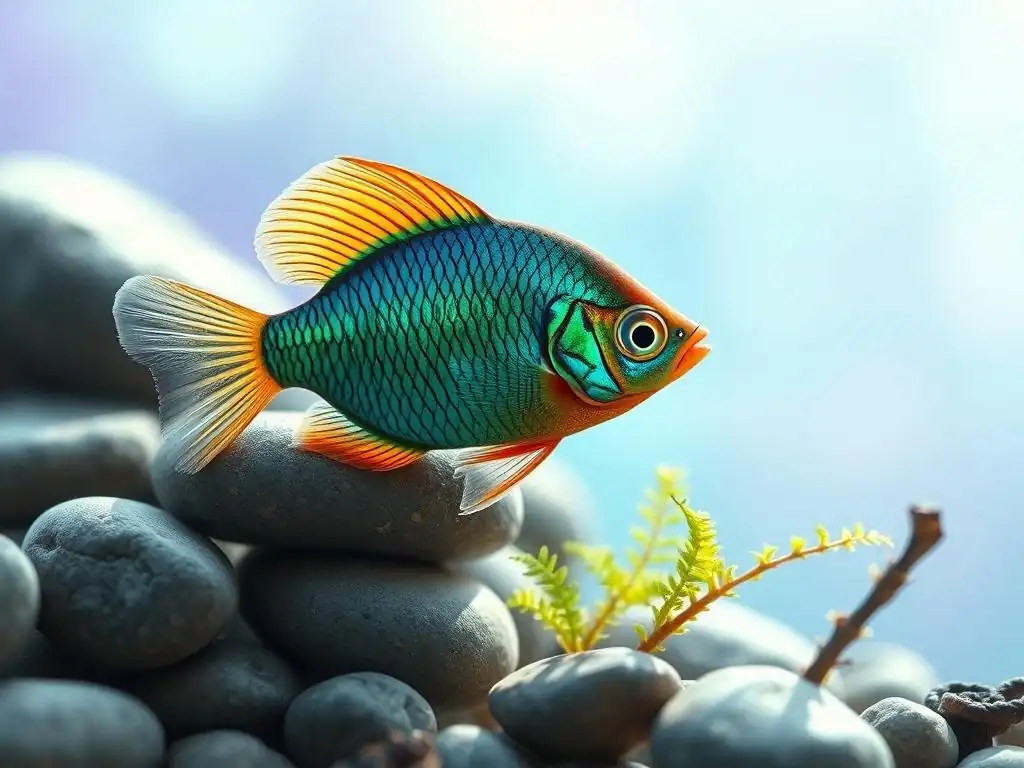
The temperament of Dwarf Gouramis is generally peaceful, making them excellent candidates for community aquariums. However, males can exhibit territorial behavior, especially towards other male Dwarf Gouramis or similar-looking labyrinth fish.
It is generally advisable to keep only one male Dwarf Gourami per tank, or if the tank is sufficiently large (e.g., 30 gallons or more), a single male with multiple females (a "harem") can work, provided there are ample hiding spots to break lines of sight. Introducing a new male to an established male's territory will almost invariably lead to aggression and stress, potentially resulting in injury or even death for one of the fish.
When selecting tank mates for your Dwarf Gourami, the focus should be on small, peaceful, and non-fin-nipping species. Ideal companions include schooling fish like Neon Tetras, Cardinal Tetras, Harlequin Rasboras, and various species of peaceful Corydoras catfish, which occupy the bottom layer of the tank. Otocinclus catfish are also excellent choices for algae control and are completely non-aggressive.
Avoid any large, aggressive, or boisterous fish that might intimidate or nip at the Dwarf Gourami's delicate ventral fins, which are used as feelers. Species such as Tiger Barbs or certain types of Cichlids are unsuitable. A well-planned community tank, as detailed in any good Dwarf gourami care guide, minimizes stress and promotes harmonious cohabitation.
Common Dwarf Gourami Diseases and Prevention: Maintaining a Healthy Environment
Dwarf Gouramis, while generally hardy, can be susceptible to certain diseases, with Dwarf Gourami Iridovirus (DGIV) being a significant concern. DGIV is a highly contagious and often fatal viral disease unique to gouramis, characterized by symptoms like lethargy, loss of appetite, internal swelling, and skin lesions. Unfortunately, there is no known cure for DGIV, making prevention through strict biosecurity and excellent husbandry paramount.
Other common freshwater fish diseases, such as Ich (white spot disease), Fin Rot, and Dropsy, can also affect Dwarf Gouramis if water quality is poor or they are stressed. For instance, Ich, caused by Ichthyophthirius multifiliis, manifests as small white spots resembling salt grains on the body and fins.
Prevention is always the best approach in Dwarf Gourami care. Maintaining pristine water quality is the single most important factor. This involves performing regular partial water changes, typically 25% weekly for a moderately stocked tank, and ensuring proper filtration.
A robust Dwarf gourami care guide will emphasize the importance of using a reliable test kit to monitor parameters like ammonia, nitrite, and nitrate, ensuring they remain at safe levels (ammonia and nitrite at 0 ppm, nitrates below 20 ppm). Quarantining all new fish for 2-4 weeks in a separate tank before introducing them to the main aquarium is crucial to prevent the spread of diseases. Additionally, providing a balanced diet, maintaining stable water temperatures, and creating a stress-free environment with plenty of hiding spots will significantly boost their immune system and overall resilience against illness.
Frequently Asked Questions
How do I decide between a Dwarf Gourami and a Honey Gourami for my aquarium?
Consider the tank size and desired color. Dwarf Gouramis are larger and more vibrant, needing at least a 10-gallon tank, while Honey Gouramis are smaller and more peaceful, suitable for smaller setups.
What are the key differences in care requirements between Dwarf and Honey Gouramis?
Both species need warm, stable water and a planted aquarium, but Honey Gouramis are generally hardier and less prone to disease. Dwarf Gouramis are known for being susceptible to Dwarf Gourami Iridovirus (DGIV).
What water parameters are ideal for keeping Dwarf Gouramis healthy?
Maintain a temperature of 72-82°F, a pH between 6.0-7.5, and keep the water extremely clean through regular water changes. Avoid sudden changes in parameters, as this can stress them.
What should I feed my Dwarf Gourami to ensure proper nutrition?
Offer a varied diet of high-quality flake food, supplemented with live or frozen foods like daphnia, brine shrimp, and bloodworms. Ensure the food is small enough for them to consume.
What are some common health problems to watch out for in Dwarf Gouramis?
Be vigilant for signs of Dwarf Gourami Iridovirus (DGIV), such as lethargy, loss of color, and abdominal swelling. Quarantine any sick fish immediately to prevent spreading the disease.
Final Reflection: Choosing Harmony in Your Aquarium
The delicate balance of an aquarium ecosystem hinges on the careful selection of its inhabitants, and as we've explored the nuances between Dwarf Gouramis and Honey Gouramis, it's clear that informed choices are paramount to creating a thriving environment. Understanding their individual needs and temperaments isn't just about keeping fish alive; it's about fostering a miniature world where each creature can flourish.
This journey into the world of peaceful Anabantoids has underscored the importance of responsible fishkeeping and its lasting impact on the hobby. The joy of watching these vibrant fish interact and thrive is directly proportional to the effort we invest in understanding their needs. The best aquarium is not just a collection of fish, but a carefully curated ecosystem where each element contributes to the overall health and beauty of the whole.
This sentiment resonates deeply, reminding us that our role as aquarists extends beyond mere ownership to stewardship.
Now, consider the lessons learned. Think about the specific needs of these fascinating fish and how you can apply that knowledge to your own aquariums, or even to other areas of your life. Are you prepared to provide the right environment, the right food, and the right companionship? Let this guide be more than just information; let it be a catalyst for creating a more harmonious and beautiful underwater world, one carefully chosen fish at a time.
Embrace the Beauty: Start Your Gourami Journey Today!
Thank you for exploring the fascinating world of gouramis with us! We hope this comparison has illuminated the unique charms of both Dwarf and Honey Gouramis. Now, it's time to bring that knowledge to life!
Ready to take the next step? Here are a few ways you can dive deeper into the world of gouramis:
- Prioritize your tank: Plan your ideal habitat:. Considering tank size, water parameters, and compatible tank mates is crucial before acquiring your new gourami companion.
- Share your Gourami Vision: Inspire others by sharing your plans or experiences with gouramis on social media or in online aquarium communities!
- Discover hidden gems: Research less common Gourami species. You might find an even better fit for your aquarium.
What fascinating facts have you learned about Gourami, and which of these peaceful beauties are you most excited to consider for your aquarium? Share your thoughts below!