
Feeding Your Oscar: The Complete Diet Plan for a Healthy Predator

Welcome to Aquarium Mastery!
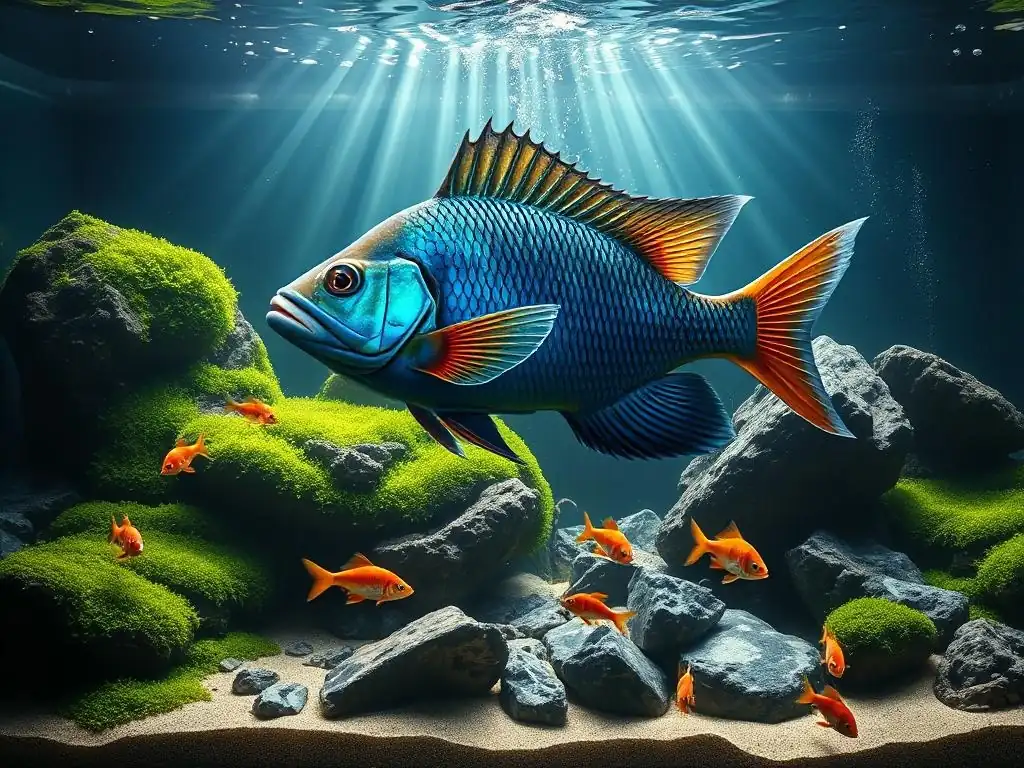
Ever wondered how to keep your Oscar fish thriving and vibrant? Unlocking the secrets to a perfect Oscar fish diet plan is easier than you think! Dive into our comprehensive guide and discover the right foods, feeding schedules, and nutritional needs to ensure your aquatic predator enjoys a long and healthy life. Ready to transform your Oscar into a true king of the aquarium? Let's get started!
- Understanding the Nutritional Needs of Oscar Fish
- Crafting the Perfect Oscar Fish Diet Plan
- Oscar Feeding Schedule and Portion Control
- Avoiding Common Oscar Feeding Mistakes
- Troubleshooting Oscar Feeding Problems
- Creating a Sample Oscar Fish Diet Plan: A Week-by-Week Guide
- Long-Term Oscar Fish Diet Maintenance
- Advanced Oscar Nutrition: Color Enhancing Diets
- Frequently Asked Questions
- Final Reflection: The Lifelong Commitment to Oscar Well-being
- Ignite Your Oscar's Vitality Now!
Understanding the Nutritional Needs of Oscar Fish
The Importance of a Balanced Diet for Oscar Health
A meticulously crafted Oscar fish diet plan is not merely about providing sustenance; it is the cornerstone of their overall well-being, vibrant coloration, and impressive longevity. Oscars (Astronotus ocellatus) are large, active New World cichlids known for their intelligence and robust personalities. Without a balanced nutritional intake, these magnificent fish can suffer from a myriad of health issues, including stunted growth, faded colors, compromised immune systems leading to susceptibility to diseases like fin rot or hole-in-the-head disease, and a significantly shortened lifespan.
Ensuring your Oscar receives a diverse and nutrient-rich diet directly impacts their ability to thrive, not just survive. A proper Oscar fish diet supports strong bone development, efficient organ function, and a resilient immune response, enabling them to resist common aquatic ailments. Furthermore, adequate nutrition contributes to their characteristic brilliant patterns and active behavior, reflecting their internal health and the quality of their care.
Key Nutrients for Thriving Oscars: Protein, Vitamins, and Minerals
For Oscars, protein is the absolute most critical nutrient, reflecting their carnivorous nature as predatory cichlids. High-quality animal protein, typically derived from fish meal, shrimp meal, or spirulina, should constitute a significant portion of their Oscar fish diet plan, often ranging from 40% to 50% for juveniles undergoing rapid growth, and slightly less, around 35-45%, for mature adults. This high protein content fuels muscle development and overall growth, which is essential for a fish that can grow up to 10-14 inches (25-35 cm) in captivity.
Beyond protein, a comprehensive Oscar fish diet must include essential fats (lipids) for energy and absorption of fat-soluble vitamins, crucial vitamins such as Vitamin A for vision and immune function, Vitamin C for stress reduction and tissue repair, and Vitamin E as an antioxidant. Minerals like calcium and phosphorus are vital for bone structure and metabolic processes. A well-rounded diet should also contain trace elements and fiber to aid digestion, ensuring that all bodily functions are optimally supported.
Oscar Fish Feeding Habits: What to Expect
Oscar fish exhibit highly enthusiastic and often aggressive feeding behaviors, reflecting their natural predatory instincts. In the wild, they are opportunistic feeders, ambushing smaller fish, insects, and crustaceans. This translates to a strong feeding response in the aquarium, where they will often rush to the surface, splash, and even jump when they anticipate food. Their intelligence allows them to quickly associate their owner with feeding time, leading to interactive and often entertaining begging behaviors.
When offering food, an Oscar will typically engulf it whole or tear off manageable pieces with surprising force. It's common to observe them chewing vigorously before swallowing, and sometimes they may spit out food that is too large or not to their liking before re-ingesting it. This natural feeding habit underscores the importance of selecting appropriately sized food items and observing their consumption to ensure they are actually ingesting the nutrients rather than just playing with the food.
Crafting the Perfect Oscar Fish Diet Plan
Staple Foods for Oscars: High-Quality Pellets and Flakes
High-quality commercial pellets or sticks should form the foundation of any comprehensive Oscar fish diet plan. Unlike flakes, which tend to dissolve quickly and pollute the water, pellets are denser, more nutrient-concentrated, and allow for better portion control. They are specifically formulated to meet the complex nutritional needs of large cichlids, often containing a balanced blend of proteins, fats, vitamins, and minerals.
Choosing a reputable brand that lists high-quality fish meal or shrimp meal as the primary ingredient is paramount. These staple foods provide consistent nutrition that might be harder to achieve through varied live or frozen foods alone. They are also convenient and reduce the risk of introducing parasites or diseases, which can be a concern with certain live food options.
Choosing the Right Pellet Size for Your Oscar
Selecting the correct pellet size is crucial for your Oscar's comfort and health. Feeding pellets that are too small can lead to them not consuming enough food or having to work harder to eat, while pellets that are too large can cause choking hazards or difficulty in digestion. For juvenile Oscars, typically 3-5 inches (7-12 cm), pellets ranging from 3-5 mm in diameter are usually appropriate.
As your Oscar grows, their mouth will enlarge significantly, necessitating an increase in pellet size. Adult Oscars, often reaching 10-14 inches (25-35 cm), can comfortably consume large pellets or sticks measuring 7-10 mm or more. Observing your Oscar during feeding will help you determine if the size is appropriate; they should be able to engulf the pellet without excessive struggle or spitting it out repeatedly.
Comparing Different Brands of Oscar Fish Food
When building an optimal Oscar fish diet plan, investing in premium brands specifically designed for cichlids is highly recommended. Brands like Hikari Cichlid Gold, New Life Spectrum Cichlid Formula, and Tetra Cichlid XL are widely recognized for their quality and effectiveness. Hikari Cichlid Gold, for instance, is known for its high protein content and inclusion of carotenoids that enhance color. New Life Spectrum emphasizes a broad spectrum of ingredients, often including krill and spirulina, promoting overall health and vibrant coloration.
When comparing, look beyond just the protein percentage. Examine the ingredient list: the first few ingredients should be high-quality animal proteins. Avoid brands with excessive fillers like corn meal or wheat flour as primary ingredients, as these offer little nutritional value for a carnivorous fish. Look for added vitamins, minerals, and natural color enhancers. Some brands also offer floating versus sinking pellets; Oscars generally prefer floating pellets, which align with their top-feeding tendencies.
Supplementing with Live Foods: A Natural Feeding Stimulant
While commercial pellets form the core of an Oscar fish diet plan, supplementing with live foods can provide valuable enrichment and stimulate natural hunting behaviors. The thrill of the chase and the act of capturing prey can significantly reduce boredom and encourage active engagement in your Oscar. Live foods offer a diverse range of nutrients and textures that can be highly beneficial for their overall vitality and mental stimulation.
However, the introduction of live foods requires careful consideration due to potential risks. Sourcing live food from reliable, disease-free suppliers is critical to prevent the introduction of pathogens into your aquarium. When incorporated thoughtfully, live foods can be an exciting and beneficial addition to your Oscar's varied diet.
The Benefits and Risks of Feeding Live Fish to Oscars
Feeding live fish to Oscars can provide immense benefits in terms of behavioral enrichment, allowing them to exhibit their natural predatory instincts. It stimulates their hunting drive, provides mental exercise, and can contribute to a more robust, active fish. From a nutritional standpoint, if the feeder fish are healthy and gut-loaded with nutritious food, they can offer a complete meal.
However, the risks often outweigh the benefits, especially with common feeder fish like goldfish or rosy reds. These fish are often raised in crowded, unsanitary conditions, making them carriers of parasites, bacteria, and diseases (e.g., Ich, internal worms) that can easily transfer to your Oscar. Furthermore, feeder goldfish contain thiaminase, an enzyme that destroys Vitamin B1 (thiamine), leading to nutritional deficiencies if fed exclusively. For these reasons, feeding live fish as a regular part of an Oscar fish diet plan is generally discouraged by experienced aquarists.
Safe Live Food Options: Earthworms, Crickets, and Dubia Roaches
For those looking to offer live food, safer and more nutritious options exist that mitigate the risks associated with feeder fish. Earthworms are an excellent choice; they are highly palatable, easily digestible, and packed with protein. Ensure they are sourced from a chemical-free environment, such as a garden that hasn't been treated with pesticides, or purchased from a reputable bait shop that sells them for fishing.
Insects like crickets and Dubia roaches, readily available from reptile supply stores, also make great occasional treats. These insects are less likely to carry fish-specific diseases and can be gut-loaded with nutritious foods (e.g., fresh vegetables, fish flakes) for 24-48 hours before feeding to enhance their nutritional value. Always choose live food that is appropriately sized for your Oscar to prevent choking.
Incorporating Frozen Foods: Variety and Nutritional Value
Frozen foods are an excellent compromise for providing variety and nutritional value without the risks associated with live feeder fish. They are convenient, typically pre-portioned, and retain much of their nutritional integrity during the freezing process. Incorporating a range of frozen foods into your Oscar fish diet plan can ensure a broader spectrum of vitamins, minerals, and amino acids that might not be present in a single type of pellet.
Many frozen foods are composed of ingredients that mimic an Oscar's natural diet, such as various types of shrimp or insect larvae. This variety stimulates appetite and can help prevent nutritional deficiencies that might arise from a monotonous diet. They are also a great way to tempt a finicky eater or provide a special treat.
Popular Frozen Food Choices: Bloodworms, Brine Shrimp, and Mysis Shrimp
Several types of frozen foods are highly popular and beneficial additions to an Oscar fish diet. Frozen bloodworms are a common favorite, rich in iron and protein, making them excellent for conditioning and promoting vibrant colors. While small, they are a good supplementary treat. Frozen brine shrimp, though less nutritionally dense unless enriched, are a good source of protein and highly palatable, often used to entice reluctant eaters.
Mysis shrimp are arguably one of the best frozen food options for Oscars. They are packed with protein, essential fatty acids (like Omega-3), and natural carotenoids, which significantly contribute to growth and color enhancement. Krill, another excellent choice, offers similar nutritional benefits. Always opt for high-quality frozen products from reputable aquarium brands to ensure cleanliness and nutritional value.
Proper Thawing Techniques for Frozen Foods
Proper thawing techniques are essential to ensure the safety and palatability of frozen foods for your Oscar. Never feed frozen food directly to your fish, as it can cause internal shock and digestive issues. The most recommended method is to place the desired portion (e.g., a cube) in a small container with a bit of tank water or dechlorinated water. Allow it to thaw completely, which usually takes 5-10 minutes.
Once thawed, gently swirl the water to separate the food particles, then strain out any excess liquid, as this can contain phosphates or other undesirable elements. You can then feed the thawed food to your Oscar using a turkey baster or by hand. It is crucial to only thaw the amount you plan to feed immediately and discard any uneaten thawed food promptly to prevent bacterial growth and water pollution.
The Role of Vegetables in an Oscar's Diet: Romaine Lettuce and Zucchini
While Oscars are primarily carnivorous, incorporating a small amount of plant matter can be beneficial for their digestive health and provide trace nutrients. In their natural habitat, they might occasionally consume plant material incidentally while hunting or foraging. For aquarium Oscars, certain vegetables can serve as a supplemental source of fiber and specific vitamins.
It's important to remember that vegetables should constitute a very minor part of their Oscar fish diet plan, not a staple. They are best offered occasionally as a treat or to provide variety. Always ensure any vegetable offered is organic and thoroughly washed to remove pesticides.
Oscar Feeding Schedule and Portion Control
Determining the Right Amount of Food for Your Oscar
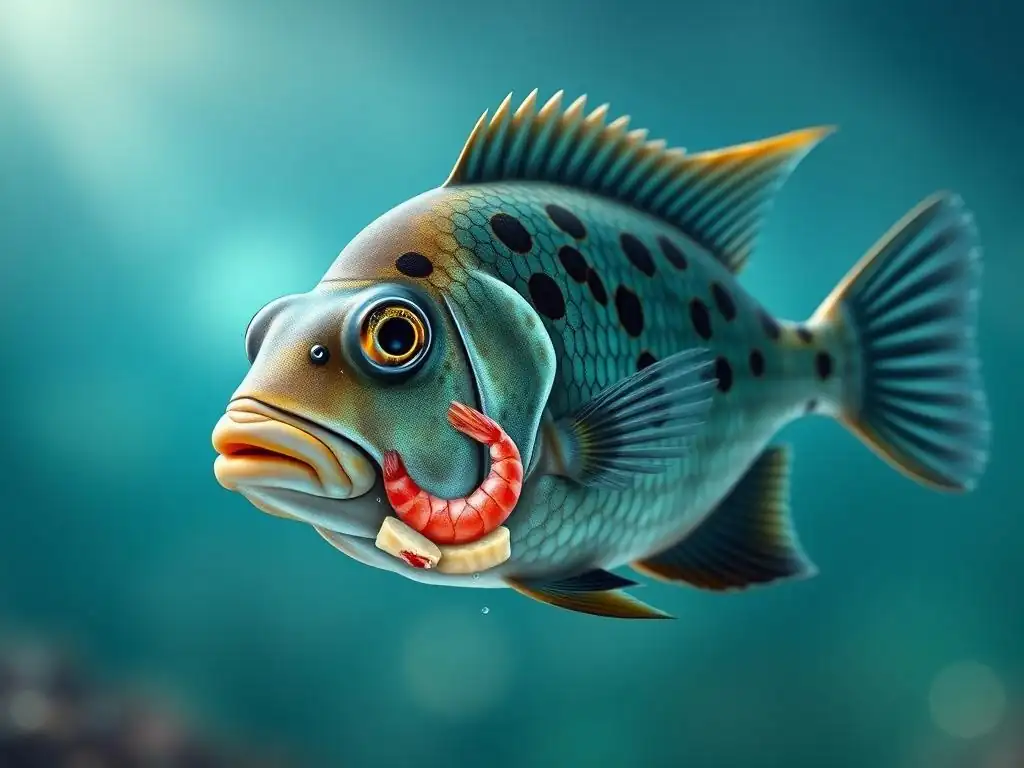
Determining the precise amount of food for your Oscar is more art than science, as it depends heavily on their size, age, activity level, and individual metabolism. A general rule of thumb is to feed only what your Oscar can consume within 1 to 2 minutes. This brief feeding window minimizes uneaten food, which rapidly decays and degrades water quality, leading to ammonia spikes and other harmful conditions.
For juvenile Oscars, who are growing rapidly, they will naturally require more food relative to their body size than adult Oscars. Observe your fish carefully after feeding: their belly should appear full but not bloated. If you notice food left on the substrate after the feeding window, you are likely overfeeding, and the amount should be reduced at the next meal. Conversely, if your Oscar appears thin or constantly seems ravenous immediately after feeding, a slight increase might be warranted.
Optimal Feeding Frequency: How Often to Feed Your Oscar
The optimal feeding frequency for Oscars varies significantly with their age. Young, rapidly growing juvenile Oscars (up to about 4-5 inches or 10-12 cm) benefit from more frequent feedings, typically 2 to 3 times a day, with small portions each time. This supports their accelerated growth rate and high metabolism.
As Oscars mature and their growth slows, their feeding frequency should be reduced. Adult Oscars generally thrive on being fed once or twice a day. For very large, mature specimens, some aquarists even opt for feeding every other day, especially if they are prone to being overweight or if their tank is heavily stocked. Consistency in the feeding schedule helps establish a routine and reduces stress for the fish.
Monitoring Your Oscar's Weight and Adjusting the Diet Accordingly
Regularly monitoring your Oscar's body condition is a critical aspect of maintaining a healthy Oscar fish diet plan. A healthy Oscar should have a well-rounded, muscular appearance without being overly plump or appearing gaunt. Look for a smooth, continuous line from their head to their tail, with no visible indentation behind the gills or along the spine.
If your Oscar consistently appears bloated after meals, it's a clear sign of overfeeding, or potentially digestive issues, and the portion size should be immediately reduced. Conversely, if your Oscar looks thin or shows signs of muscle wasting, you may need to increase the frequency or quantity of feeding, assuming water parameters are optimal and no underlying illness is present. Adjusting the diet based on these observations ensures your Oscar receives precisely the right amount of nutrition for their current life stage and activity level.
Avoiding Common Oscar Feeding Mistakes
Overfeeding: The Dangers of Excessive Food Intake
Overfeeding is arguably the most common and detrimental mistake made by Oscar owners. The dangers of excessive food intake extend far beyond just wasted food. Uneaten food quickly decomposes in the aquarium, leading to a rapid deterioration of water quality. This results in dangerous spikes in ammonia and nitrite, which are highly toxic to fish and can cause severe stress, gill damage, and even death.
Chronic overfeeding also directly impacts the Oscar's health, leading to digestive issues such as bloat, fatty liver disease, and obesity. An overweight Oscar is more susceptible to various health problems, has a compromised immune system, and will likely have a significantly shortened lifespan compared to a properly fed specimen. Adhering strictly to a controlled Oscar fish diet plan is paramount.
Feeding Low-Quality Foods: The Impact on Oscar Health
The allure of inexpensive, generic fish food can be tempting, but feeding low-quality foods to your Oscar is a grave mistake that directly compromises their health and vitality. These foods often contain excessive fillers like corn, wheat, or soy, which offer little nutritional value to a carnivorous fish like an Oscar. They are typically low in essential proteins, beneficial fats, and vital vitamins and minerals.
A diet primarily composed of low-quality foods will inevitably lead to nutritional deficiencies, manifesting as stunted growth, dull coloration, a weakened immune system, and increased susceptibility to diseases. The long-term consequences include poor organ function and a reduced lifespan. Investing in premium, species-appropriate foods as part of your Oscar fish diet plan is an investment in your fish's health and longevity.
Ignoring Dietary Variety: Preventing Nutritional Deficiencies
Relying solely on one type of food, even a high-quality pellet, can lead to nutritional imbalances over time. While premium pellets are formulated to be complete, no single food can perfectly replicate the complex array of nutrients an Oscar would encounter in its natural, diverse diet. Ignoring dietary variety is a common mistake that can result in subtle yet significant nutritional deficiencies.
A varied Oscar fish diet plan, incorporating high-quality pellets, various frozen foods, and occasional safe live treats, ensures a broader spectrum of amino acids, vitamins, and trace minerals. This diversity not only provides comprehensive nutrition but also keeps your Oscar engaged and stimulates their appetite, preventing boredom and potential refusal of food due to monotony.
Feeding Uneaten Food: Maintaining Water Quality
Leaving uneaten food to decompose in the aquarium is a critical error that directly undermines water quality. Any food that is not consumed within the recommended 1-2 minute feeding window will begin to break down, releasing ammonia into the water. Ammonia is highly toxic to fish, even in small concentrations, leading to gill damage, stress, and increased susceptibility to disease.
It is imperative to promptly remove any uneaten food from the tank using a net or a gravel vacuum. This simple practice is fundamental to maintaining stable and healthy water parameters, which are just as important as the food itself in your Oscar fish diet plan. Regular removal of uneaten food prevents harmful ammonia and nitrite spikes, ensuring a clean and safe environment for your Oscar.
Troubleshooting Oscar Feeding Problems
Oscar Fish Not Eating: Potential Causes and Solutions
An Oscar fish refusing to eat, especially when it's usually a voracious eater, is a significant cause for concern and indicates an underlying issue. Several factors can contribute to an Oscar's loss of appetite, ranging from environmental stress to serious health problems. It is crucial to systematically investigate the possible causes to provide an effective solution.
Common reasons include poor water quality, incorrect water temperature, stress from new tank mates or changes in their environment, or the onset of an illness. Less commonly, an Oscar might be picky or bored with its current Oscar fish diet plan. Prompt identification of the root cause is key to restoring your fish's appetite and health.
Identifying Underlying Health Issues
If your Oscar is not eating, the first step after checking water quality should be to closely observe the fish for any other signs of illness. Look for symptoms such as clamped fins, lethargy, abnormal swimming patterns, visible spots or lesions on the body, cloudy eyes, faded coloration, or rapid breathing. These accompanying signs often point to a bacterial infection, parasitic infestation, or other internal health problems.
If an illness is suspected, it is advisable to consult with an experienced aquarist or an aquatic veterinarian. Early diagnosis and appropriate treatment are critical for recovery. Do not force-feed an ill Oscar, as this can cause further stress and injury. Focus on treating the underlying condition, as a return to health will usually coincide with a return of appetite.
Improving Water Parameters to Stimulate Appetite
Poor water quality is one of the most frequent culprits behind an Oscar's refusal to eat. High levels of ammonia, nitrite, or nitrate, or an unstable pH, can quickly stress an Oscar and suppress its appetite. The first and most critical step in troubleshooting an Oscar not eating is to immediately test your aquarium's water parameters using a reliable liquid test kit.
Perform a significant water change (e.g., 25-50%) to dilute any harmful compounds. Ensure the water temperature is within the optimal range for Oscars (typically 74-81°F or 23-27°C) and stable. Proper filtration and consistent water changes are essential for maintaining pristine water conditions, which are fundamental to a healthy Oscar fish diet plan and overall well-being, often stimulating a reluctant fish to eat again.
Offering Different Food Options
If water parameters are optimal and there are no obvious signs of illness, a picky Oscar might simply be bored with its current Oscar fish diet plan or be reacting to a new batch of food that tastes different. Oscars, like many intelligent fish, can develop preferences or temporary dislikes for certain foods.
Try offering a variety of different food options to tempt their appetite. This could include a favorite frozen food like bloodworms or Mysis shrimp, a small, safe live treat like an earthworm, or a different brand of high-quality pellet. Sometimes, a change in texture, smell, or taste is all it takes to stimulate a reluctant Oscar to resume feeding. Be patient, and don't overfeed in an attempt to make them eat.
Oscar Fish Spitting Out Food: Possible Reasons and Remedies
It's not uncommon for Oscars to take food into their mouths only to spit it back out. While sometimes this is just part of their natural feeding process, especially with larger items, persistent spitting can indicate an issue. One common reason is that the food item is too large or too hard for them to comfortably chew and swallow. This is particularly true for very large or dense pellets.
Other reasons include a dislike for the taste or texture of a particular food, or even internal digestive discomfort. If an Oscar consistently spits out a specific food, try offering a different type or brand, or a smaller size. If they spit out all food types, it might point to an underlying health issue or internal parasites, warranting further investigation into their overall health and water parameters.
Oscar Fish Begging for Food Constantly: Managing Feeding Behavior
Oscar fish are highly intelligent and quickly learn to associate their owner with food, leading to persistent and often endearing "begging" behavior. They may follow your movements, splash at the surface, or even "play dead" to get your attention. While this shows their personality and connection with you, it's crucial to manage this behavior to prevent overfeeding.
Resist the urge to feed your Oscar every time it begs. Stick to your established Oscar fish diet plan and feeding schedule. Overfeeding, as previously discussed, leads to severe health and water quality issues. Instead, interact with your Oscar in other ways, such as observing their natural behaviors, or simply enjoying their presence, without necessarily providing food. This reinforces that interaction doesn't always equate to feeding time.
Creating a Sample Oscar Fish Diet Plan: A Week-by-Week Guide
A varied and consistent Oscar fish diet plan is key to long-term health. Here is a sample weekly guide to illustrate how different food types can be incorporated. Remember to adjust amounts based on your Oscar's size and age.
Monday: Hikari Cichlid Gold (Amount Based on Oscar Size)
Begin the week with a high-quality staple pellet like Hikari Cichlid Gold. This provides a solid nutritional base with excellent protein content and color-enhancing properties. Feed an amount that your Oscar can consume within 1-2 minutes.
Tuesday: Frozen Bloodworms and Mysis Shrimp
Offer a mix of frozen bloodworms and Mysis shrimp. These provide rich protein, essential fatty acids, and natural pigments that enhance coloration. Ensure they are properly thawed before feeding.
Wednesday: New Life Spectrum Cichlid Formula
Introduce another premium pellet brand, such as New Life Spectrum Cichlid Formula. This offers a different nutritional profile and helps prevent monotony in their Oscar fish diet.
Thursday: Live Earthworms
Provide a natural and enriching meal with live earthworms. Ensure they are chemical-free and appropriately sized. This stimulates hunting instincts and offers excellent protein.
Friday: Mixture of Pellets and Frozen Brine Shrimp
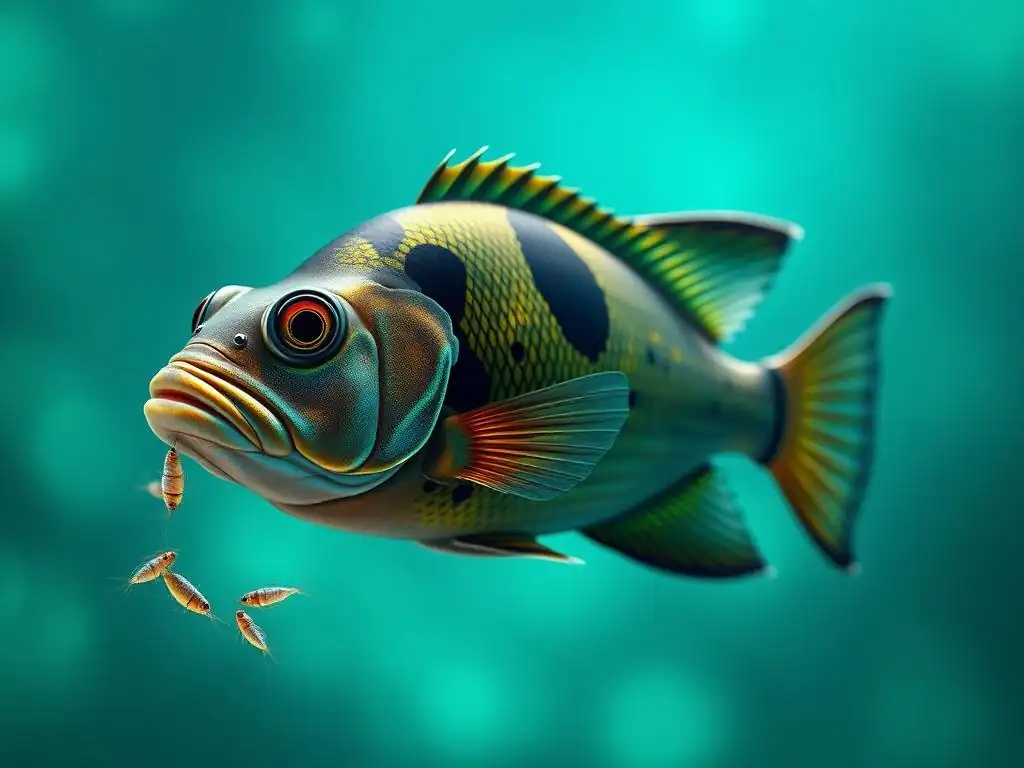
Combine your staple pellets with frozen brine shrimp for variety. Brine shrimp, while less nutrient-dense on their own, are highly palatable and a good source of protein when enriched.
Saturday: Sliced Zucchini
Offer a small, blanched slice of zucchini. This provides fiber and trace nutrients, contributing to a well-rounded Oscar fish diet, albeit in a very small proportion.
Sunday: Fasting Day or Light Feeding
Dedicate Sunday as a fasting day to allow your Oscar's digestive system to rest and aid in maintaining pristine water quality. Alternatively, if your Oscar is very young or you prefer, offer a very light feeding of their staple pellet.
Long-Term Oscar Fish Diet Maintenance
Adjusting the Diet as Your Oscar Grows
The nutritional requirements of an Oscar change significantly as it matures from a rapidly growing juvenile to a large, adult specimen. Young Oscars, typically under 6 inches (15 cm), have a higher metabolic rate and require more protein to support their rapid growth. Their Oscar fish diet plan should include more frequent feedings (2-3 times daily) of high-protein pellets and smaller, nutrient-dense frozen foods.
As your Oscar reaches adulthood (usually over 8-10 inches or 20-25 cm), its growth rate slows considerably. At this stage, the frequency of feeding can be reduced to once or twice daily, or even every other day for very large, mature fish, to prevent overfeeding and obesity. The size of food items should also increase to match their larger mouths, utilizing larger pellets or whole frozen krill, ensuring their Oscar fish diet remains appropriate for their life stage.
Seasonal Dietary Changes: Increased Feeding During Breeding Season
While not strictly seasonal for indoor aquarium Oscars, there are periods where their dietary needs might slightly increase, particularly during breeding season. If you are attempting to breed Oscars, the pair will expend significant energy on courtship, egg laying, and fry care. During this period, it is beneficial to slightly increase the quantity of food offered, focusing on high-protein, nutrient-rich options like quality pellets, frozen Mysis shrimp, or krill.
This additional nutrition supports egg production, sperm quality, and provides the necessary energy reserves for the demanding process of breeding and guarding their clutch. Once the breeding activity subsides, or if the eggs are removed for artificial rearing, their feeding should revert to the regular Oscar fish diet plan to prevent overfeeding.
The Importance of Water Quality in Relation to Feeding
The relationship between feeding and water quality is intrinsically linked and paramount for your Oscar's health. Every piece of food introduced into the aquarium, whether consumed or not, directly impacts the water chemistry. Overfeeding, or the use of low-quality foods that produce excessive waste, rapidly degrades water quality by increasing levels of ammonia, nitrite, and nitrate. These compounds are highly toxic and can cause severe stress, disease, and even death.
Therefore, maintaining excellent water quality through regular testing and consistent water changes is not merely a separate maintenance task but an integral part of a successful Oscar fish diet plan. Proper filtration, adequate tank size, and prompt removal of uneaten food are essential practices that complement a nutritious diet, ensuring a healthy and stable environment where your Oscar can truly thrive.
Advanced Oscar Nutrition: Color Enhancing Diets
Utilizing Astaxanthin-Rich Foods to Enhance Oscar Coloration
For Oscar owners keen on maximizing the vibrant reds, oranges, and yellows characteristic of these fish, incorporating color-enhancing foods into their Oscar fish diet plan is an advanced nutritional strategy. The key to enhancing these pigments lies in specific carotenoids, particularly astaxanthin. Astaxanthin is a powerful antioxidant and a natural pigment found abundantly in crustaceans like shrimp and krill.
When consumed by Oscars, astaxanthin is deposited in their skin cells, intensifying their natural red and orange hues. Many high-quality commercial cichlid foods are fortified with astaxanthin or natural sources like spirulina, krill meal, and shrimp meal. Supplementing their regular diet with frozen krill, Mysis shrimp, or pellets specifically labeled as "color-enhancing" can significantly improve and brighten your Oscar's natural coloration over time, making their already striking patterns even more pronounced.
Frequently Asked Questions
What is the best staple food to feed my Oscar fish?
A high-quality cichlid pellet is generally considered the best staple food. Look for pellets that are specifically formulated for carnivorous fish and contain a good balance of protein and essential nutrients.
How often should I feed my Oscar fish?
Young Oscar fish should be fed twice a day, while adults can be fed once a day. Avoid overfeeding, as this can lead to health problems and poor water quality.
What live food options are safe and beneficial for Oscar fish?
Safe options include earthworms, crickets, and mealworms. Ensure that live food is sourced from reputable suppliers to avoid introducing parasites or diseases to your aquarium.
Can I feed my Oscar fish feeder fish, and are there any risks?
While feeder fish are a natural food source, they can carry diseases and parasites. It's generally not recommended due to the potential health risks to your Oscar.
What supplements or treats can I add to my Oscar's diet for variety?
Occasional treats like frozen bloodworms or shrimp can add variety. Ensure that treats are given in moderation and don't replace the nutritional value of the staple food.
Okay, here's a final reflection tailored for your article "Feeding Your Oscar: The Complete Diet Plan for a Healthy Predator," designed to resonate with readers and reinforce the importance of responsible Oscar care:
Final Reflection: The Lifelong Commitment to Oscar Well-being
The journey of understanding and implementing the optimal Oscar fish diet plan is more than just a checklist of foods and feeding schedules; it's a testament to our dedication to providing the best possible life for these magnificent creatures. As we've explored the nuances of their nutritional needs, from the importance of protein to the dangers of overfeeding, it becomes clear that responsible Oscar ownership is a continuous learning process. The health and vitality of your Oscar directly reflects the effort and care you invest in their diet.
This commitment extends beyond the aquarium glass, influencing our understanding of animal welfare and the interconnectedness of ecosystems. The responsibility we undertake when bringing an Oscar into our homes highlights the profound impact we have on their well-being. The greatness of a nation and its moral progress can be judged by the way its animals are treated.
- Mahatma Gandhi. This quote resonates deeply when considering the meticulous care required to maintain a healthy Oscar, reminding us that even the smallest acts of kindness and informed decision-making contribute to a more compassionate world.
Now, armed with the knowledge of crafting a comprehensive Oscar fish diet plan, take a moment to reflect on your own practices. Are you truly providing your Oscar with the balanced nutrition they deserve? Consider revisiting your feeding schedule, re-evaluating your food choices, and observing your Oscar's behavior for any signs of dietary deficiencies. Let this article serve as a constant reminder to prioritize their health and happiness, ensuring a long and vibrant life for your aquatic companion.
Ignite Your Oscar's Vitality Now!
Thank you for diving into the world of Oscar nutrition! We hope you've gained a clearer understanding of how to keep your Oscar thriving. Now, let's put that knowledge into action.
Here are a few ways to ensure your Oscar enjoys a long and healthy life:
- Implement a varied feeding schedule this week based on the guidelines discussed. Don't just stick to pellets!
- Share this article with fellow Oscar enthusiasts – spread the word on how to provide optimal care!
- Try introducing a new, safe and unexpected food item to your Oscar's diet and observe their reaction – perhaps earthworms or gut-loaded insects?
What exciting new food will you introduce to your Oscar first?