
Signs of a Healthy Otocinclus: What to Look For Before You Buy

Welcome to Aquarium Mastery!
Are you ready to unlock the secrets to a thriving aquarium? Perhaps you're considering adding some algae-eating powerhouses to your clean-up crew? Then you're in the right place! This guide dives deep into Otocinclus fish health signs, giving you the insider knowledge to choose the best and brightest for your freshwater paradise. But spotting a healthy Oto is just the beginning... Keep reading to discover what to look for before you buy, and ensure your new additions flourish in their new home!
- Understanding Otocinclus Health: A Guide for Aquarium Keepers
- Key Physical Indicators of Otocinclus Fish Health
- Behavioral Signs of a Healthy Otocinclus
- Spotting Warning Signs: Indicators of Poor Otocinclus Health
- Before You Buy: Evaluating Otocinclus Health at the Store
- Maintaining Otocinclus Health in Your Home Aquarium
- Conclusion: Ensuring the Long-Term Health of Your Otocinclus
-
Frequently Asked Questions
- What are the key physical signs to look for when assessing the health of an Otocinclus fish?
- How does the behavior of a healthy Otocinclus differ from a sick one?
- What water parameters are crucial for maintaining Otocinclus fish health, and how do I monitor them?
- What are some common diseases that affect Otocinclus, and how can I prevent them?
- What should I feed my Otocinclus besides algae, and how often should I supplement their diet?
- Final Reflection: The Silent Guardians of Our Aquariums
- Nurture Your Aquatic World: Take Action Now!
Understanding Otocinclus Health: A Guide for Aquarium Keepers
Why Otocinclus Fish Health Matters for Your Aquarium
The health of your Otocinclus fish is paramount for the overall well-being and stability of your freshwater aquarium. These small, peaceful catfish are often introduced to tanks specifically for their exceptional ability to control algae, particularly diatoms and soft green algae. However, they are also known for their delicate nature and sensitivity to water quality fluctuations, making early detection of Otocinclus fish health signs crucial for their survival and the prevention of potential issues spreading to other tank inhabitants.
Furthermore, an unhealthy Otocinclus can quickly succumb to stress or disease, leading to a decline in water quality if the deceased fish is not promptly removed. Their role as natural algae controllers is significant, and a thriving group contributes to a cleaner, more balanced ecosystem. Understanding what constitutes good Otocinclus health allows aquarists to proactively address environmental stressors or potential illnesses, ensuring these beneficial creatures can perform their vital function within the tank.
Introduction to Otocinclus: The Ideal Algae Eaters
Otocinclus, often affectionately called "otos," are small, docile freshwater catfish belonging to the Loricariidae family, typically reaching an adult size of 1.5 to 2 inches (3.8 to 5 cm). Native to the clear, fast-flowing waters of South America, they are highly valued in the aquarium hobby for their continuous grazing habits, which effectively keep tank surfaces free of unwanted algal growth. Their sucker mouths are perfectly adapted for clinging to plants, rocks, and aquarium glass while they consume biofilm and various types of soft algae.
These active grazers are schooling fish by nature, preferring to live in groups of six or more to feel secure and exhibit their natural behaviors. While primarily known for their algae-eating prowess, they are also sensitive to environmental changes and require stable, well-maintained water conditions to thrive. Recognizing the subtle Otocinclus fish health signs is key to providing them with the optimal environment they need to flourish and become long-term residents of your planted tank or community aquarium.
Key Physical Indicators of Otocinclus Fish Health
Observing Otocinclus Body Condition: Is Your Oto Too Thin?
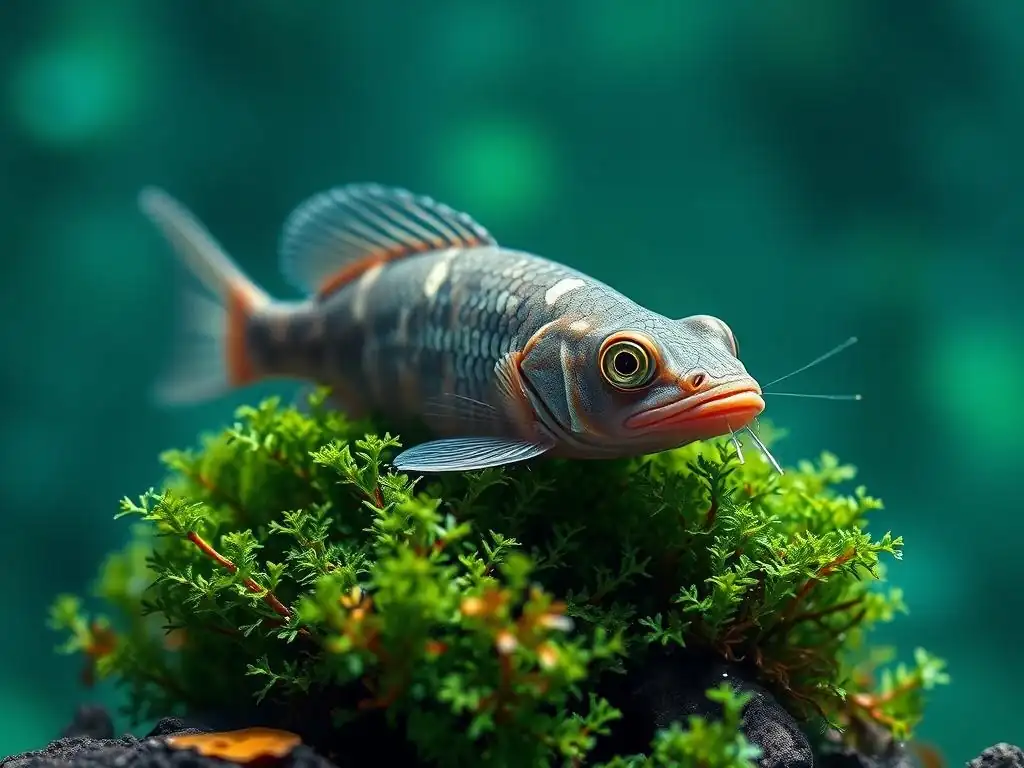
A primary indicator of good Otocinclus fish health is their body condition, specifically the appearance of their abdomen. Healthy Otocinclus should exhibit a rounded, plump belly, particularly after a period of grazing or supplementary feeding. This indicates they are actively consuming sufficient food and are well-nourished. Given their constant grazing nature, a healthy oto is rarely seen with a flat or sunken belly.
Conversely, a pinched or concave abdomen is a significant warning sign, often indicating malnourishment, internal parasites, or prolonged stress that prevents them from eating adequately. If you observe an Otocinclus with a visibly thin body or a sharp indentation where the belly should be, it suggests a serious underlying issue. Such Otocinclus fish health indicators warrant immediate attention, potentially requiring increased feeding, water parameter checks, or even quarantine for observation.
Healthy Otocinclus Coloration: Vibrant vs. Faded
The coloration of an Otocinclus can provide crucial clues about its health and stress levels. Healthy Otocinclus typically display a distinct, mottled pattern of brown, gray, or olive tones on their dorsal side, often accompanied by a prominent dark lateral stripe running from their gills to the base of their tail. This coloration should appear vibrant and well-defined, allowing them to blend effectively with their natural environment.
A significant deviation from this vibrant coloration, such as a faded, dull, or overly pale appearance, often signals stress, poor water quality, or the onset of disease. While temporary stress stripes (vertical bands) might appear during acclimation or brief disturbances, persistent paleness or a washed-out look indicates chronic issues impacting Otocinclus fish health. Similarly, any unusual spots, lesions, or discolored patches on their body are strong Otocinclus fish health signs of bacterial or parasitic infections.
Fin Condition and Appearance: Detecting Fin Rot and Damage
The condition of an Otocinclus's fins is another vital physical indicator of its overall health. Healthy Otocinclus should have clear, intact fins that are free of any fraying, tears, or opaque areas. Their fins, including the dorsal, caudal (tail), pectoral, and pelvic fins, should be fully extended and transparent, allowing for smooth and controlled movement through the water.
Any signs of damage, such as ragged edges, white or fuzzy patches, or a clamped appearance (fins held close to the body), are strong Otocinclus fish health signs of concern. Fin rot, a common bacterial infection, causes the edges of the fins to erode and become opaque, often with a white or reddish rim. Such damage can also result from poor water quality, especially high ammonia or nitrite levels, or physical injury. Regularly inspecting the fins provides an early warning system for potential health problems.
Otocinclus Eye Health: Clarity and Absence of Bulging
The eyes of an Otocinclus provide insight into their internal health and environmental well-being. Healthy Otocinclus should have clear, bright, and alert eyes that are proportional to their head size. Their eyes should appear free of any cloudiness, haziness, or film, allowing them to perceive their surroundings clearly and respond to stimuli.
Cloudy eyes or a general "hazy" appearance can be Otocinclus fish health signs of bacterial infections, internal parasites, or severe stress due to poor water quality. Even more concerning is the presence of bulging eyes, a condition commonly known as "Popeye." This symptom often indicates a severe bacterial infection, internal fluid buildup, or systemic issues, frequently stemming from prolonged exposure to unsuitable water conditions. Any deviation from clear, normal-looking eyes should prompt an immediate investigation into tank parameters and the fish's overall health.
Behavioral Signs of a Healthy Otocinclus
Active Algae Grazing: A Sign of a Healthy Oto
One of the most reliable behavioral Otocinclus fish health signs is their consistent and active grazing behavior. Healthy Otocinclus are almost constantly engaged in consuming biofilm, diatoms, and soft green algae from various surfaces within the aquarium, including glass, plant leaves, rocks, and driftwood. They use their specialized sucker mouths to cling and scrape, moving deliberately across surfaces as they feed.
If an Otocinclus is observed staying still for prolonged periods without grazing, or if it appears disinterested in the natural food sources available in the tank, it is a significant warning sign. While they may rest occasionally, a healthy oto's primary activity is feeding. A lack of active grazing often indicates illness, severe stress, or inadequate food availability, all of which compromise Otocinclus fish health and require prompt investigation.
Otocinclus are inherently social creatures and thrive when kept in groups. A healthy Otocinclus will typically exhibit schooling behavior, often seen loosely aggregated with other members of its species. While they may spread out to graze individually, they tend to remain within a comfortable proximity to their group, deriving security and comfort from their numbers.
Observing an Otocinclus isolating itself consistently, hiding excessively, or showing no interest in interacting with its group members can be a strong Otocinclus fish health sign of stress, fear, or illness. This withdrawal from the group dynamic often precedes more visible physical symptoms and suggests the fish is not feeling well. Ensuring they are kept in a group of at least six individuals is crucial for their psychological well-being and to observe their natural social behaviors.
Normal Swimming Patterns: Recognizing Signs of Distress
The swimming patterns of an Otocinclus provide critical insights into its neurological health and overall well-being. Healthy Otocinclus exhibit smooth, controlled, and purposeful movements as they navigate the tank, darting between grazing spots or resting briefly on surfaces. Their movements should appear effortless and balanced, with no signs of struggle or disorientation.
Erratic swimming, spiraling, or difficulty maintaining buoyancy are severe Otocinclus fish health signs that indicate significant distress, neurological issues, or severe poisoning (e.g., ammonia or nitrite toxicity). Similarly, an Otocinclus struggling to swim against the current, constantly resting on the bottom without grazing, or exhibiting uncontrolled spasms suggests a serious underlying problem. Any deviation from their typical calm and deliberate swimming pattern warrants immediate attention to water parameters and potential disease.
Response to Stimuli: Quick Reactions and Awareness
A healthy Otocinclus is generally alert and responsive to its environment. While they are not as skittish as some other fish, they should exhibit a quick, subtle reaction to external stimuli, such as sudden movements outside the tank, changes in lighting, or the presence of a hand near the water surface. They might briefly dart away or adjust their position before resuming their activities.
Conversely, a sluggish or unresponsive Otocinclus is a clear Otocinclus fish health sign of severe distress or illness. If an oto does not react to gentle nudges from a net (while being careful not to stress it further), or if it seems unaware of its surroundings, it suggests a significant decline in its health. This lack of awareness can indicate severe stress, advanced disease, or even impending mortality, making it a critical behavioral indicator to watch for.
Spotting Warning Signs: Indicators of Poor Otocinclus Health
Lethargy and Inactivity: When to Worry About Your Oto
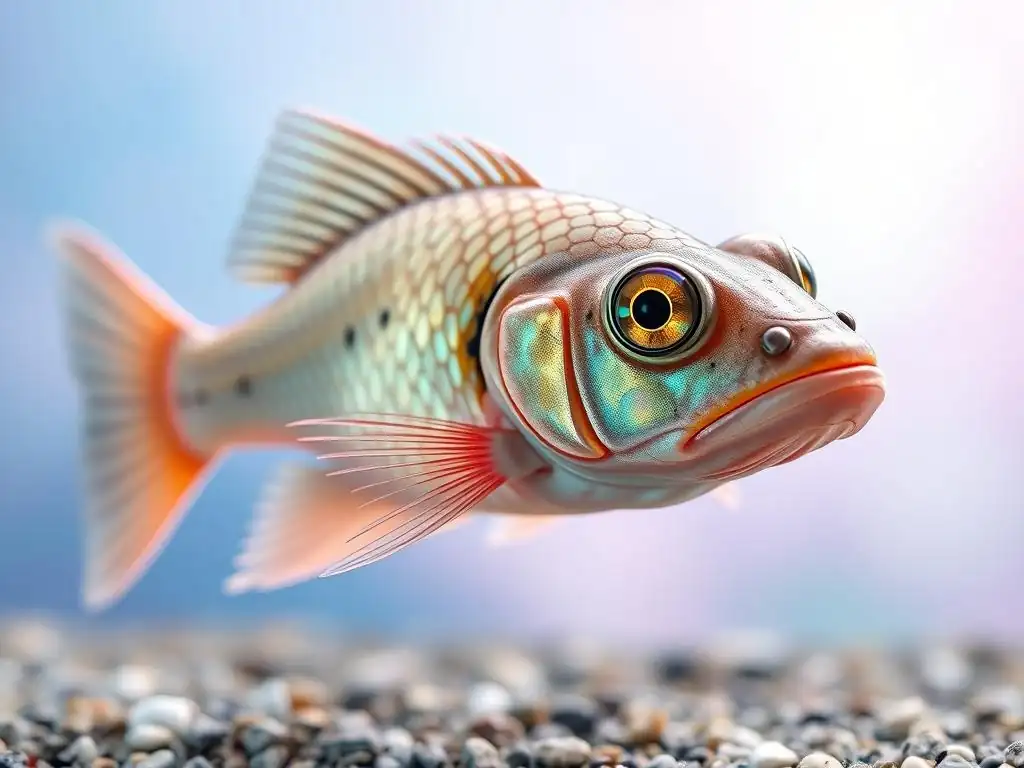
While Otocinclus do rest, particularly after lights out, prolonged periods of lethargy and inactivity during the day are significant warning signs. Healthy Otocinclus are almost constantly active, grazing on surfaces. If you observe an Otocinclus resting on the substrate, on a plant leaf, or clinging motionless to the glass for extended periods (e.g., over 30 minutes) without any active grazing or movement, it is a cause for concern.
This pervasive inactivity often points to severe stress, unsuitable water parameters, or the onset of a disease that saps their energy. Unlike occasional resting, true lethargy means the fish shows little to no interest in its surroundings or food. Recognizing this Otocinclus fish health sign early is crucial, as it often indicates a fish that is struggling to survive and requires immediate attention to its environment or a potential treatment plan.
Erratic Swimming or Gasping for Air: Signs of Respiratory Issues
Abnormal swimming patterns, particularly erratic, jerky movements, or constant gasping at the water surface, are critical Otocinclus fish health signs indicating severe distress or respiratory problems. Rapid gill movement, where the gill covers are flaring open and closing much faster than normal, suggests low oxygen levels in the water or irritation to the gills from toxins like ammonia or nitrite.
If an Otocinclus is seen frequently darting to the surface, gulping air, or exhibiting uncontrolled, disoriented swimming, it is a dire emergency. These behaviors often point to acute poisoning (e.g., ammonia spike), severe gill disease, or a lack of adequate aeration in the tank. Such symptoms require immediate action, including large water changes and checking all water parameters, as the fish's life is likely in immediate danger.
Loss of Appetite: A Major Red Flag for Otocinclus
As constant grazers, a healthy Otocinclus is rarely observed not eating. Their primary function and natural behavior revolve around continuously scraping algae and biofilm. Therefore, a complete loss of appetite or a significant reduction in grazing activity is one of the most critical Otocinclus fish health signs to watch for. If an oto ignores offered supplementary foods like blanched vegetables or algae wafers, or if it stops grazing on tank surfaces, it's a major red flag.
A lack of appetite can be attributed to various serious issues, including internal parasites, bacterial infections, or severe stress from inappropriate water conditions. Unlike some fish that can go a day or two without eating, Otocinclus rely on a continuous food supply. Prolonged refusal to eat will quickly lead to emaciation and a rapid decline in their health, making immediate intervention essential.
Isolating Themselves: When Otocinclus Avoid the Group
While Otocinclus will spread out to graze, they are schooling fish by nature and typically remain loosely associated with their group. An Otocinclus that consistently isolates itself from the rest of the group, hiding in corners, behind decor, or showing no interest in the social dynamics of the tank, is a strong indicator of poor Otocinclus fish health. This behavior often suggests the fish is feeling unwell, stressed, or is attempting to avoid potential aggression (though rare with otos, it can happen if tank mates are unsuitable).
This isolation can be a precursor to more visible physical symptoms of disease. If an oto is consistently observed alone, not participating in group grazing or resting spots, it suggests a compromised immune system or a significant level of stress. Monitoring such individuals closely and investigating potential stressors in the tank environment is crucial for their recovery.
Before You Buy: Evaluating Otocinclus Health at the Store
Observing the Tank Environment at the Fish Store
Before even looking at individual Otocinclus, take time to observe the overall condition of the tank they are housed in at the fish store. A clean, well-maintained tank with clear water and no visible debris or excessive algae suggests good husbandry practices. Conversely, a tank with cloudy water, dead fish, or a strong unpleasant odor should immediately raise concerns, as it indicates poor water quality and potential disease outbreaks.
Pay attention to the other fish in the tank as well. Are they active, alert, and free of visible signs of disease such as white spots (Ich), fin rot, or fungal growths? If a significant number of fish (e.g., 20% or more) in the same tank show signs of illness, it significantly increases the risk that the Otocinclus, even if they appear healthy, may be stressed or carrying pathogens. A healthy, clean environment is the first step in ensuring good Otocinclus fish health before purchase.
Examining Otocinclus Before Purchase: A Checklist
Once you've assessed the tank environment, it's time to closely examine the individual Otocinclus you intend to purchase. Look for all the positive Otocinclus fish health signs discussed previously: a plump, rounded belly, vibrant and consistent coloration (no paleness or stress stripes), clear and intact fins free of tears or fuzz, and clear, bright eyes without any cloudiness or bulging.
Observe their behavior: are they actively grazing on surfaces? Are they swimming smoothly and purposefully? Do they react quickly to movement outside the tank? Avoid any fish that are lethargic, hiding excessively, gasping at the surface, swimming erratically, or showing any visible spots, lesions, or clamped fins. It's always best to select Otocinclus that appear active, alert, and are exhibiting natural behaviors, as these are the strongest Otocinclus fish health indicators.
Questioning the Store About Otocinclus Origins and Care
Don't hesitate to ask the store staff specific questions about the Otocinclus. Inquire about their source – are they wild-caught or tank-bred? Most Otocinclus available in the hobby are wild-caught, which can mean they've endured significant stress during collection and transport. Ask how long they have been in the store's tanks; Otocinclus that have been stable and healthy in the store for at least a week (or even 2-3 weeks) are generally better acclimated and less prone to succumbing to stress in your home aquarium.
Additionally, ask about their feeding regimen and the water parameters they are currently kept in. A knowledgeable staff member who can provide specific information about pH, temperature, and what they feed the Otocinclus demonstrates a commitment to proper care. This information can help you prepare your tank to match their current conditions as closely as possible, minimizing stress during the transition and promoting good Otocinclus fish health from the start.
Maintaining Otocinclus Health in Your Home Aquarium
Proper Acclimation: Minimizing Stress for New Otos
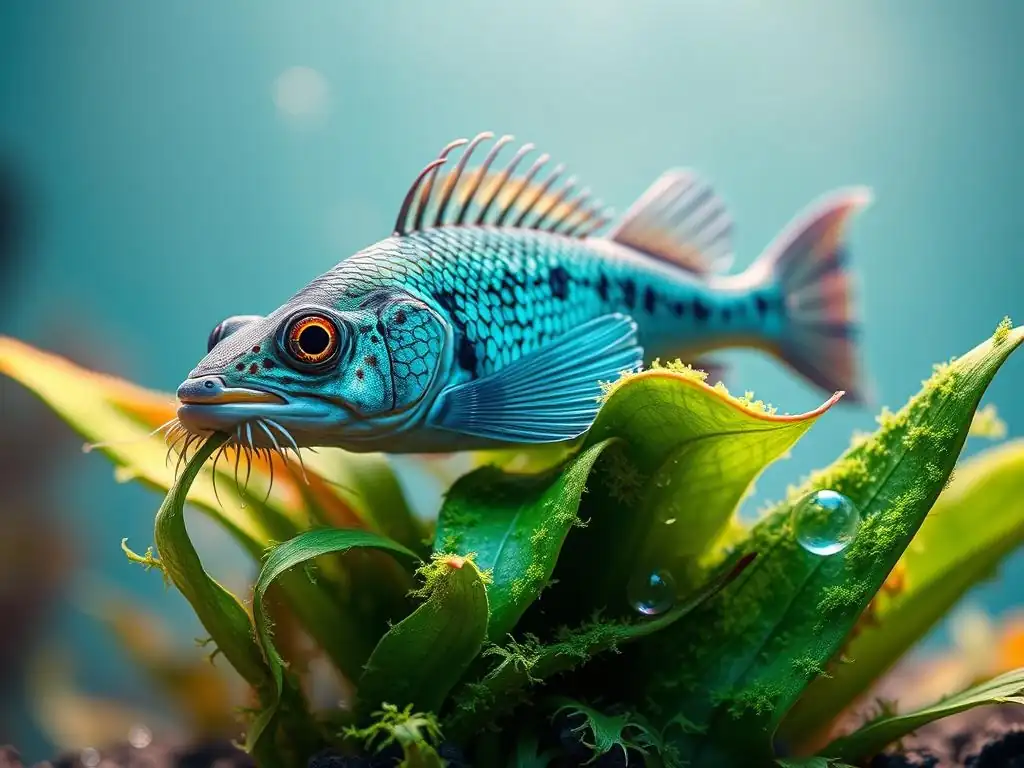
Proper acclimation is arguably the most critical step in ensuring the long-term Otocinclus fish health for newly acquired specimens. Otocinclus are exceptionally sensitive to sudden changes in water parameters, including pH, temperature, and hardness. Improper acclimation is a leading cause of new Otocinclus fatalities, often within the first 48 to 72 hours after introduction to a new tank.
The drip acclimation method is highly recommended for Otocinclus due to its gentle nature. This involves slowly introducing water from your aquarium into the bag containing the Otocinclus over a period of 1 to 2 hours. After floating the bag in your tank for about 15-20 minutes to equalize temperature, gradually add tank water using an airline tube and a drip valve. This gradual process allows the Otocinclus to slowly adjust to your water chemistry, significantly reducing stress and enhancing their chances of survival and long-term Otocinclus fish health.
Optimal Water Parameters: Essential for Otocinclus Well-being
Maintaining stable and appropriate water parameters is fundamental to Otocinclus fish health. These fish thrive in soft, slightly acidic to neutral water, with a pH range of 6.0-7.5, a general hardness (GH) of 3-10 dGH (50-175 ppm), and a carbonate hardness (KH) of 3-8 dKH (50-140 ppm). The ideal temperature range is 72-79°F (22-26°C).
Crucially, Otocinclus are extremely sensitive to nitrogenous waste products. Ammonia and nitrite levels must be zero, and nitrates should be kept below 20 ppm, ideally even lower. Regular water changes (e.g., 25% weekly or bi-weekly depending on stocking and plant mass) are essential to maintain pristine water quality. Consistent monitoring of these parameters with a reliable test kit is non-negotiable for preserving Otocinclus fish health and preventing stress-related illnesses.
Providing a Balanced Diet: Beyond Algae Control
While Otocinclus are renowned as efficient algae eaters, relying solely on natural algae growth in your tank is often insufficient for their long-term health, especially in mature or lightly-algae-covered aquariums. A balanced diet is crucial for sustaining Otocinclus fish health and vitality. They require supplementary feeding to ensure they receive adequate nutrition.
Offer blanched vegetables such as zucchini slices, cucumber, or spinach leaves, weighed down to sink. High-quality spirulina wafers, algae wafers, or specialized sinking foods designed for herbivorous catfish should also be part of their diet. It's often beneficial to offer these foods after the main tank lights are out, as Otocinclus are primarily nocturnal grazers. Ensuring a consistent and varied food supply prevents malnourishment, which is a common cause of Otocinclus decline.
Preventing Common Otocinclus Diseases: Ich and Columnaris
Otocinclus, like all fish, are susceptible to common aquarium diseases, with Ich (White Spot Disease) and Columnaris (Cotton Mouth Disease) being among the most prevalent. Ich manifests as small, white, salt-like spots on the fish's body and fins, while Columnaris appears as fuzzy white patches, often around the mouth or fins, resembling cotton. Both can rapidly spread and be fatal if not addressed.
Prevention is the best strategy for maintaining Otocinclus fish health. This includes consistently stable water parameters, a nutritious diet, avoiding overstocking, and minimizing stress. Quarantining new fish for 2-4 weeks in a separate tank before introducing them to the main aquarium is highly recommended to prevent the introduction of pathogens. If disease does occur, prompt identification and appropriate treatment are vital, though Otocinclus can be sensitive to certain medications, requiring careful dosing.
Conclusion: Ensuring the Long-Term Health of Your Otocinclus
Ensuring the long-term health of your Otocinclus is a rewarding endeavor that contributes significantly to the beauty and balance of your freshwater aquarium. By diligently observing both their physical attributes and behavioral patterns, you can become adept at identifying subtle Otocinclus fish health signs, allowing for early intervention before minor issues escalate. From their plump belly and vibrant coloration to their active grazing and social schooling, each indicator offers a window into their well-being.
Proactive care, including meticulous attention to proper acclimation, maintaining optimal and stable water parameters, and providing a varied and balanced diet beyond just algae, forms the cornerstone of preventing common ailments. The ability to spot warning signs—such as lethargy, erratic swimming, loss of appetite, or isolation—empowers you to address potential problems swiftly. Ultimately, a keen eye combined with consistent, high-quality care ensures your Otocinclus thrive, fulfilling their role as invaluable algae controllers and cherished inhabitants of your aquatic world for years to come.
Frequently Asked Questions
What are the key physical signs to look for when assessing the health of an Otocinclus fish?
Look for bright, clear eyes, a well-rounded belly indicating proper nutrition, and intact fins free from tears or fraying.
How does the behavior of a healthy Otocinclus differ from a sick one?
Healthy Otocinclus are typically active algae eaters, constantly grazing on surfaces. Sick ones often become lethargic and sedentary, hiding more than usual.
What water parameters are crucial for maintaining Otocinclus fish health, and how do I monitor them?
Maintaining stable water parameters is critical. Regularly test for ammonia, nitrite, and nitrate levels, aiming for zero ammonia and nitrite, and low nitrate.
What are some common diseases that affect Otocinclus, and how can I prevent them?
Otocinclus are susceptible to bacterial infections and parasitic infestations. Prevention involves quarantining new fish and maintaining excellent water quality.
What should I feed my Otocinclus besides algae, and how often should I supplement their diet?
Supplement their diet with algae wafers or blanched vegetables like zucchini. Offer supplemental food a few times a week to ensure they get enough nutrients.
Final Reflection: The Silent Guardians of Our Aquariums
The information presented here, detailing the vital signs of a healthy Otocinclus, resonates deeply in a world increasingly focused on responsible pet ownership and the delicate balance of aquatic ecosystems. Knowing what to look for before bringing these algae-eating heroes home isn't just about avoiding disappointment; it's about ensuring the well-being of a vulnerable creature and contributing to a more sustainable aquarium hobby.
The subtle indicators of health, from clear eyes to active grazing, speak volumes about the care and environment these fish have experienced. This understanding fosters a deeper appreciation for the interconnectedness of life within our aquariums and compels us to be more mindful consumers. The greatness of a nation and its moral progress can be judged by the way its animals are treated.
- Mahatma Gandhi. This quote, while broad, perfectly encapsulates the responsibility we bear towards these small, often overlooked, members of our aquatic communities.
As you consider adding Otocinclus to your aquarium, remember that your choices have a profound impact. Take the time to observe, to learn, and to demand ethical practices from breeders and retailers. By prioritizing Otocinclus fish health signs, you not only ensure the longevity of your own aquarium but also contribute to a future where all creatures, great and small, are treated with the respect and care they deserve.
Nurture Your Aquatic World: Take Action Now!
Thanks for diving into the world of Otocinclus with us! We hope you've found valuable insights into keeping these little algae eaters happy and healthy. Ready to make a difference in your aquarium's ecosystem?
Here are a few things you can do next:
- Commit to providing a stable environment: Regularly test your water parameters and maintain optimal conditions to ensure your Otocinclus thrive.
- Share your knowledge! Inspire other aquarists by sharing this article on social media or your favorite aquarium forum. Let’s build a community of informed Otocinclus keepers!
- Observe keenly. Take a closer look at your current tank inhabitants. Are they exhibiting unexpected behaviours that may need addressing?
What steps will you take today to create a better home for your Otocinclus or other aquarium inhabitants?