
Betta Flaring: Understanding This Fascinating Behavior

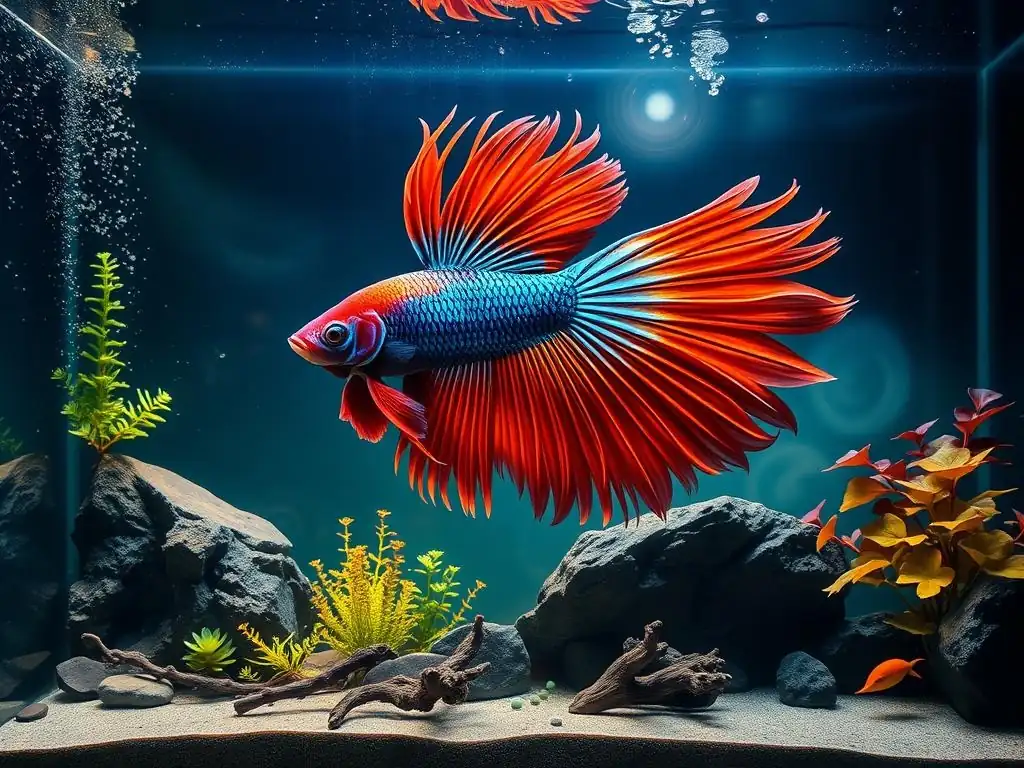
Welcome to Aquarium Mastery!
Ever wondered why your Betta is putting on such a show? Dive into our comprehensive guide, " Betta Flaring: Understanding This Fascinating Behavior," and uncover the secrets behind this often misunderstood display. Is it aggression, excitement, or something else entirely? Let's explore the fascinating world of Betta behavior and learn how to create a thriving, peaceful environment for your finned friend. Keep reading to discover the keys to a happy, healthy Betta!
- Understanding Betta Fish Aggressive Behavior: An Introduction to Flaring
- What is Betta Flaring? Deciphering the Display
- Why Do Betta Fish Flare? Common Triggers Explained
- Interpreting Betta Flaring: Is It Always a Sign of Aggression?
- Betta Flaring and Mirror Exposure: Is It Harmful?
- Managing Betta Fish Aggression: Strategies for a Peaceful Tank
- Identifying Signs of Excessive Aggression in Betta Fish
- The Role of Flaring in Betta Fish Health and Well-being
- Betta Flaring: A Comprehensive Guide to Understanding Your Fish's Behavior
-
Frequently Asked Questions
- How common is aggressive behavior in Betta fish?
- What triggers flaring in Betta fish, and is it always a sign of aggression?
- Can a Betta fish successfully live with other fish in a community tank?
- What are some signs that a Betta fish is excessively stressed or aggressive?
- How can I reduce aggressive behavior in my Betta fish?
- Final Reflection: Unveiling the Nuances of Betta Behavior
- Unleash Your Inner Betta Expert!
Understanding Betta Fish Aggressive Behavior: An Introduction to Flaring
Betta fish, often known as Siamese Fighting Fish, have earned a formidable reputation for their striking beauty and equally striking territorial nature. This inherent assertiveness is a defining characteristic of the species, making "Betta fish aggressive behavior" a common topic among aquarists. One of the most iconic manifestations of this behavior is flaring.
Flaring is a complex and visually dramatic display where a Betta fish expands its gill covers (operculum), extends its fins, and often intensifies its body coloration. While primarily associated with aggression and territorial defense, flaring is not always a negative sign. It serves multiple purposes, from communication to courtship, and understanding its nuances is key to providing optimal care for these captivating fish.
What is Betta Flaring? Deciphering the Display
Defining Betta Flaring: More Than Just Aggression
Betta flaring is a physiological response where the fish intentionally extends its operculum (gill covers) outwards, revealing the underlying membrane, and simultaneously spreads its dorsal, caudal, and anal fins to their fullest extent. This action significantly increases the fish's apparent size, making it look much larger and more intimidating to a perceived rival or threat. The coloration of the Betta often intensifies during this display, becoming more vibrant and striking.
While flaring is a primary component of Betta fish aggressive behavior, it is a complex behavioral repertoire that extends beyond simple hostility. It is a form of communication, a display of health and vitality, and a natural instinct rooted in their wild behaviors. Understanding the context in which flaring occurs is crucial for interpreting its true meaning.
The Purpose of Flaring: Communication and Defense
The most common purpose of flaring is territorial defense, particularly against other male Bettas. In their natural habitats, such as the rice paddies of Southeast Asia, male Bettas fiercely defend their small, personal territories. When another male encroaches, flaring serves as a warning, an attempt to intimidate the intruder without resorting to physical combat, which can be costly and dangerous. This display makes the Betta appear larger and more formidable, often deterring lesser rivals.
Beyond defense, flaring also plays a role in courtship rituals, although less frequently observed in typical home aquariums. During breeding, a male Betta may flare to impress a female, showcasing his health, vigor, and suitability as a mate. Furthermore, flaring can be a general warning to any perceived threat, including other fish species, reflections, or even a human hand, indicating discomfort or an assertion of space.
Why Do Betta Fish Flare? Common Triggers Explained
Visual Stimuli: Mirrors and Other Betta Fish
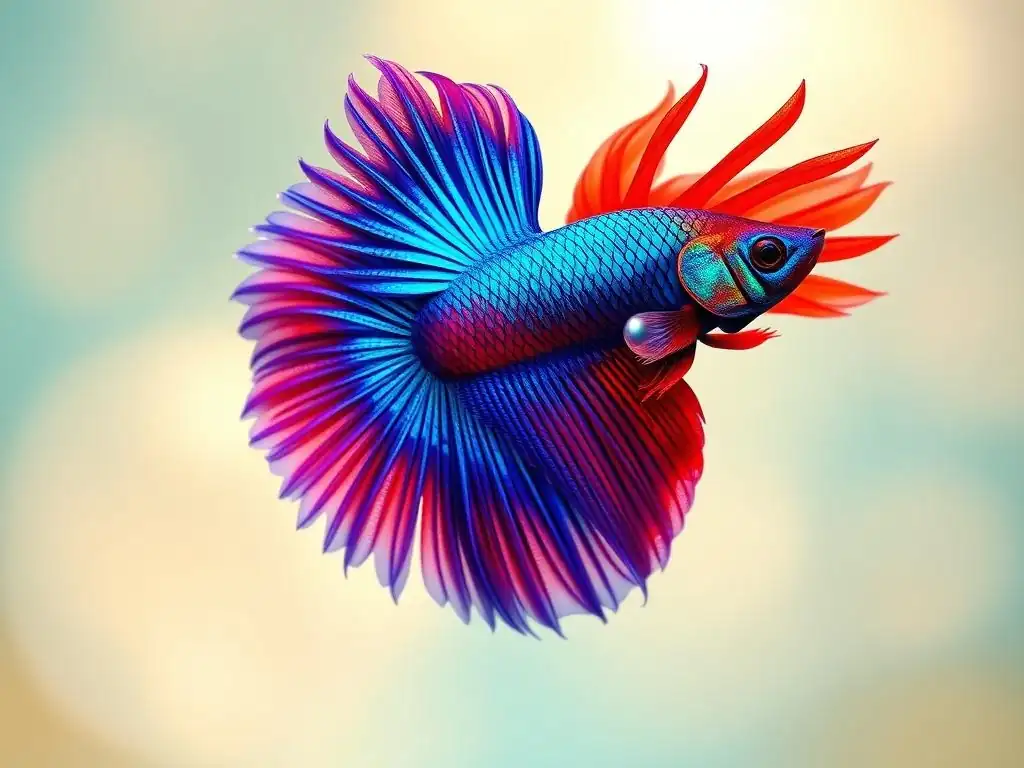
One of the most potent triggers for Betta flaring is the sight of another Betta fish, or even their own reflection. When a Betta sees its image in a mirror or the polished glass of the tank, it perceives it as a rival male encroaching on its territory. This triggers an immediate and intense Betta fish aggressive behavior response, leading to full-blown flaring as the fish attempts to assert dominance and chase away the perceived intruder.
This instinctual reaction is deeply ingrained in their predatory and territorial nature. Even if the reflection is clearly not a real fish, the Betta's primal instincts take over. For example, a male Betta housed in a 5-gallon tank might spend several minutes flaring vigorously at his own reflection if the tank is placed next to a window, demonstrating his readiness to defend his perceived territory against any "other" Betta.
Environmental Changes: Water Parameter Fluctuations and New Decorations
Sudden or significant changes in their aquatic environment can also induce flaring, often as a sign of stress or discomfort rather than direct Betta fish aggressive behavior. Fluctuations in water parameters, such as sudden shifts in pH, temperature, or the presence of ammonia or nitrites, can make a Betta feel unwell or threatened. In response, they might flare as a defensive mechanism, expressing their unease or attempting to ward off the perceived source of discomfort. For instance, an ammonia spike from 0 ppm to 0.25 ppm can cause stress-induced flaring.
Similarly, introducing new decorations, rearranging the tank layout, or even adding new tank mates can disrupt a Betta's established territory and sense of security. The fish may flare to reassert its dominance over the newly altered space or to warn off new inhabitants. A Betta might flare aggressively at a newly introduced large piece of driftwood, viewing it as an intrusion until it has had time to explore and integrate it into its territory.
Establishing Territory: Flaring as a Display of Dominance
Betta fish are highly territorial, and flaring is their primary tool for establishing and maintaining control over their chosen domain. Even a relatively small tank, such as a 5-gallon (approximately 19-liter) aquarium, is considered a significant territory by a single Betta. They will patrol their space, and any perceived intrusion, whether from another fish or an object, can prompt a flaring response.
This display of dominance is crucial for their survival in the wild, where prime territories offer better access to food and breeding opportunities. In an aquarium setting, this translates to defending their favorite hiding spot, a specific plant, or even just a corner of the tank. For example, if a Betta has a preferred resting leaf, it might flare at another fish that swims too close, signaling "this is my space," a clear demonstration of Betta fish aggressive behavior in action.
Interpreting Betta Flaring: Is It Always a Sign of Aggression?
The Nuances of Betta Body Language: Beyond the Flare
Interpreting Betta flaring requires observing the entire context of their body language. While a flare can be a clear sign of Betta fish aggressive behavior, it's not always an indicator of hostility. A quick, brief flare, perhaps lasting only a few seconds, might be a "stretch" of their fins after a period of inactivity, or a mild expression of curiosity. These short flares are often followed by the Betta returning to its normal behavior without any signs of stress.
Conversely, a sustained flare, where the fish remains expanded for several minutes, especially when accompanied by other signs like clamped fins (held tightly against the body, despite flaring), rapid breathing, or darting movements, indicates a higher level of stress, fear, or true aggression. For instance, a Betta constantly flaring at a tank mate while also exhibiting faded colors and rapid gill movements is likely under significant distress.
Recognizing Fear-Based Flaring: When Your Betta is Scared
Interestingly, flaring can also be a manifestation of fear rather than pure aggression. When a Betta feels threatened or overwhelmed, it may flare to make itself appear larger and more formidable, hoping to deter a perceived predator or a larger, more dominant fish. This is a defensive mechanism, an attempt to avoid a confrontation by appearing too challenging to engage with.
Examples include a Betta flaring intensely when a large, fast-moving hand approaches the tank too quickly, or when it is introduced to a new, much larger tank mate that it perceives as a threat. In these scenarios, the flaring is often accompanied by attempts to hide, dart away, or press itself against the tank glass, indicating it is scared rather than actively seeking to engage in Betta fish aggressive behavior.
Distinguishing Playful Flaring from True Aggression
Some Bettas might exhibit what appears to be "playful" flaring, particularly when they are young or in a very stimulating environment. This involves short, intermittent flares without any clear target or accompanying signs of stress. It can be akin to a fish "exercising" its fins or simply reacting to the general movement around its tank. These flares are usually brief, lasting less than 10-15 seconds, and the fish quickly returns to normal activity.
However, distinguishing this from true Betta fish aggressive behavior is crucial. True aggression involves sustained flaring directed at a specific target, often accompanied by chasing, nipping, or even physical attacks. If a Betta flares for extended periods (e.g., over 30 seconds repeatedly), especially if it's attempting to bite or chase another fish, it is a clear sign of aggression that requires intervention to prevent harm to itself or its tank mates.
Betta Flaring and Mirror Exposure: Is It Harmful?
The Debate: Mirror Time for Betta Fish
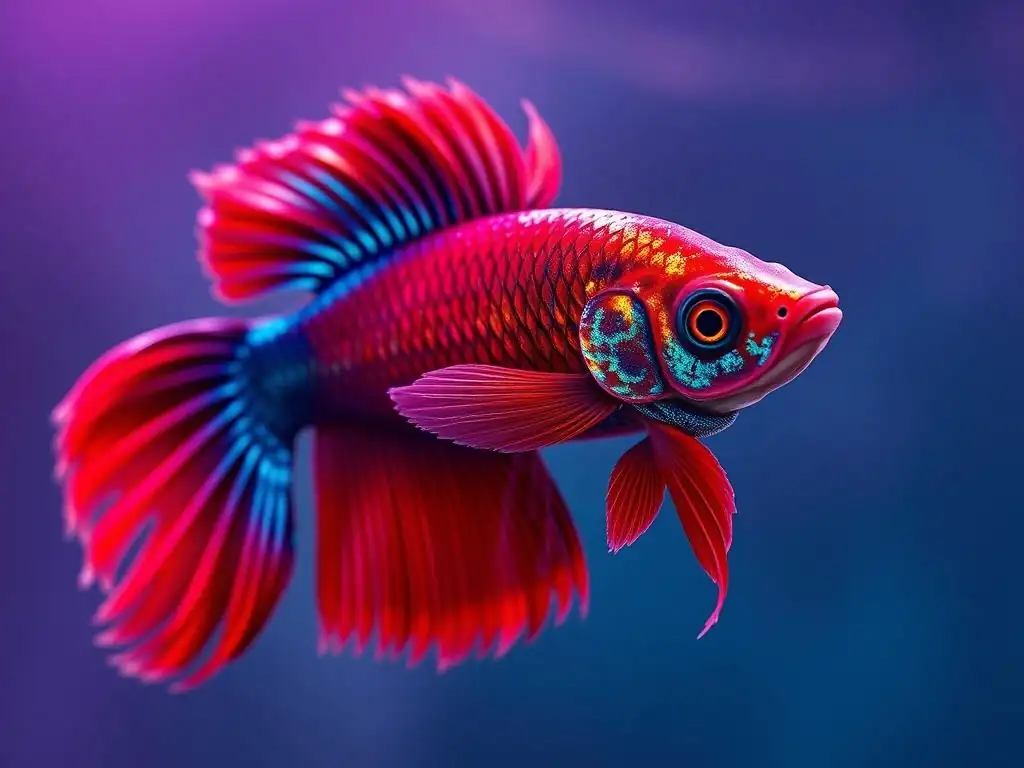
The practice of using mirrors to encourage Betta flaring is a contentious topic among aquarists. Proponents argue that brief mirror exposure (e.g., 5-10 minutes once or twice a day) can provide beneficial "exercise" for the Betta, strengthening their fins and muscles, and preventing lethargy. They believe it simulates natural encounters and keeps the fish active and engaged, contributing positively to their overall well-being.
However, a significant portion of the aquarist community views this practice as potentially harmful, emphasizing the stress it can inflict on the fish. They argue that while it might provide physical activity, the constant perception of a rival can lead to chronic stress, which outweighs any potential benefits. The core of the debate lies in balancing perceived enrichment with the inherent stress of Betta fish aggressive behavior.
Potential Stress and Overstimulation: The Downsides of Mirroring
The primary concern with mirror exposure is the potential for chronic stress and overstimulation. When a Betta flares at its reflection, it genuinely believes it is confronting a rival. This continuous state of perceived conflict triggers a physiological stress response, leading to elevated heart rate, increased cortisol levels (stress hormones), and exhaustion. Prolonged stress can suppress the Betta's immune system, making it more susceptible to common diseases like fin rot or ich.
Furthermore, constant flaring can lead to physical exhaustion. A Betta that spends too much time flaring may become lethargic, lose its appetite, and even damage its fins from rubbing them against the tank glass or decorations in its agitated state. For instance, a Betta exposed to a mirror for 30 minutes daily over a week might show signs of frayed fins or dull coloration, indicating the negative impact of sustained Betta fish aggressive behavior.
Alternatives to Mirrors: Providing Enrichment with Plants and Exploration
Instead of relying on mirrors for "exercise," aquarists can provide much healthier and less stressful forms of enrichment. A well-designed tank with abundant live or silk plants (like Anubias, Java Fern, or floating plants such as Frogbit), caves, driftwood, and varied substrate offers ample opportunities for natural exploration and physical activity. These elements provide hiding spots, territories to patrol, and visual stimulation without inducing the stress of perceived rivalry.
For example, a 5-gallon tank densely planted with tall plants and containing a small cave allows a Betta to swim through foliage, explore crevices, and claim various resting spots, promoting natural behaviors and physical conditioning. This kind of environment encourages natural patrolling and exploration, which is far more beneficial for a Betta's long-term health and reduces the likelihood of stress-induced Betta fish aggressive behavior.
Managing Betta Fish Aggression: Strategies for a Peaceful Tank
Tank Size and Setup: Minimizing Territorial Disputes
Proper tank size is paramount in managing Betta fish aggressive behavior. A minimum of 5 gallons (approximately 19 liters) is recommended for a single Betta to provide adequate personal space. For community tanks or Betta sororities (groups of female Bettas), significantly larger tanks, such as 20 gallons (approx. 76 liters) or more, are essential. Larger tanks dilute perceived threats and allow fish to establish distinct territories, reducing direct confrontations.
The tank's dimensions also play a role; a longer tank offers more horizontal swimming space and potential visual barriers than a tall, narrow one. For instance, a 10-gallon long tank (20"x10"x12") is generally preferred over a 10-gallon high tank (12"x8"x16") for a Betta community, as it provides more surface area and swimming lanes, which helps in minimizing territorial disputes.
Visual Barriers and Hiding Places: Creating a Sense of Security
Incorporating abundant visual barriers and hiding places is crucial for mitigating Betta fish aggressive behavior. Live plants (e.g., Amazon Swords, Cryptocoryne, or floating plants), driftwood, rocks, and artificial decorations can break up sightlines, allowing Bettas to retreat and feel secure. This reduces stress, as they know they have a safe haven from perceived threats.
For example, adding a dense cluster of Java Moss or a ceramic log can provide a perfect hiding spot for a Betta feeling overwhelmed, or a place for a female Betta to escape a more dominant one in a sorority. These barriers help in establishing natural boundaries within the tank, reducing the need for constant flaring and direct confrontation.
Choosing Compatible Tank Mates: Avoiding Aggressive Combinations
Careful selection of tank mates is vital to prevent Betta fish aggressive behavior from escalating. Avoid housing Bettas with fin-nipping species (e.g., Tiger Barbs, certain Tetras like Serpae Tetras) or other male Bettas. Even brightly colored or slow-moving fish can sometimes trigger a Betta's aggression, as they may be perceived as rivals or easy targets.
Ideal tank mates are peaceful, fast-moving, and do not have long, flowing fins. Good choices include Otocinclus catfish, small Corydoras catfish (e.g., Pygmy Corydoras), Nerite snails, or peaceful schooling fish like Neon Tetras (in sufficiently large tanks, 10+ gallons). Always introduce new tank mates cautiously and observe the Betta's reaction for the first 24-48 hours, having a separate tank ready as a contingency if Betta fish aggressive behavior becomes problematic.
Identifying Signs of Excessive Aggression in Betta Fish
Physical Injuries: Fin Nipping and Body Damage
The most obvious signs of excessive Betta fish aggressive behavior are physical injuries. These include ragged or torn fins, particularly the delicate caudal (tail) and anal fins, which can appear shredded or split. You might also observe missing scales, abrasions on the body, or visible bite marks. These injuries are often a direct result of physical altercations with other tank inhabitants.
For instance, if a Betta's caudal fin, which typically measures 1.5-2 inches (3.8-5 cm) in length, suddenly appears half its size with a jagged edge, it is a strong indicator of fin nipping. Such injuries not only cause pain but also leave the Betta vulnerable to secondary bacterial or fungal infections, emphasizing the need for immediate intervention.
Behavioral Changes: Lethargy and Loss of Appetite
Beyond physical harm, excessive Betta fish aggressive behavior (whether as the aggressor or the victim) can lead to significant behavioral changes. A Betta constantly engaged in conflict or under chronic stress may become lethargic, spending most of its time hiding, resting at the bottom of the tank, or showing little interest in its surroundings. Its vibrant colors may also fade, becoming dull or stressed.
Loss of appetite is another critical sign. A Betta experiencing high levels of stress from constant aggression may refuse food for extended periods. For example, a Betta that typically eats 3-5 pellets twice a day but refuses food for more than 48 hours, while also showing signs of fin damage, is likely suffering from the effects of excessive aggression and requires immediate attention.
Intervention Strategies: Separating Aggressive Bettas
When signs of excessive Betta fish aggressive behavior are observed, immediate intervention is necessary. The most effective strategy is to separate the aggressive Betta or the bullied tank mate into a separate, temporary tank or a breeder box within the main tank. This prevents further harm and allows both fish to de-stress and recover.
After separation, observe the aggressive Betta in isolation to determine if the aggression is personality-driven or a response to specific tank conditions. Sometimes, rearranging the main tank's decor to create new territories before reintroducing the Betta can help. However, if the aggression persists, permanent separation into individual tanks may be the only long-term solution to ensure the well-being of all fish involved.
The Role of Flaring in Betta Fish Health and Well-being
Normal Flaring vs. Excessive Flaring: Finding the Balance
Understanding the distinction between normal and excessive flaring is fundamental to assessing a Betta's health. Occasional flaring, perhaps for a few seconds when a human approaches the tank, during feeding time, or when exploring a new decoration, is considered normal and even healthy. It indicates that the Betta is alert, active, and expressing its natural behaviors. These brief displays are comparable to a stretch or a quick assessment of its surroundings.
In contrast, excessive flaring, which involves prolonged periods of display (e.g., more than 15-20 minutes at a time, multiple times a day without clear provocation), indicates chronic stress, fear, or an unhealthy level of Betta fish aggressive behavior. This constant state of alert drains the fish's energy, compromises its immune system, and ultimately diminishes its quality of life.
When to Be Concerned: Recognizing Signs of Distress
Several signs, when accompanying flaring, should raise concern. If your Betta is flaring persistently, especially at seemingly nothing or at an absent reflection, it may be a sign of chronic stress. Other red flags include faded or dull colors, clamped fins (where the fins are held close to the body, even during flaring), rapid breathing (gilling), lethargy, hiding excessively, or a complete loss of appetite.
For example, if a Betta typically vibrant red appears pale pink, flares constantly at an empty corner of the tank, and has not eaten for two days, these combined symptoms strongly indicate severe distress. These signs, particularly when observed together, signal that the Betta is under significant duress and requires immediate attention, whether it's adjusting water parameters, removing a perceived threat, or modifying its environment.
Consulting a Veterinarian: Seeking Professional Advice for Aggression Issues
While many Betta fish aggressive behavior issues can be resolved through environmental adjustments and careful tank mate selection, persistent, unexplained aggression or signs of illness following aggressive encounters warrant professional veterinary attention. An aquatic veterinarian can perform a thorough examination to rule out any underlying health issues, such as parasitic infections, bacterial diseases, or internal discomfort, that might be contributing to unusual or excessive aggression.
For instance, a Betta showing aggressive behavior combined with bloating or abnormal swimming might be suffering from an internal infection that makes it irritable. A veterinarian can provide an accurate diagnosis and recommend specific treatments or behavioral management strategies tailored to the individual fish's condition, offering expertise beyond standard aquarium care guides.
Betta Flaring: A Comprehensive Guide to Understanding Your Fish's Behavior
Frequently Asked Questions
How common is aggressive behavior in Betta fish?
Betta fish are naturally territorial, so aggression is quite common. It is especially prevalent between male Bettas. Keeping them in separate tanks is often the only solution.
What triggers flaring in Betta fish, and is it always a sign of aggression?
Flaring is triggered by perceived threats, like another Betta or even their own reflection. While it often signals aggression and defense, it can also be a display of territorial dominance or even curiosity.
Can a Betta fish successfully live with other fish in a community tank?
It's possible, but requires careful planning and research. Choose peaceful, non-aggressive tank mates that won't compete for resources. A large, well-planted tank with plenty of hiding places is crucial.
What are some signs that a Betta fish is excessively stressed or aggressive?
Signs include constant flaring, chasing other fish (if any), hiding excessively, and refusing to eat. These behaviors indicate an unsuitable environment or incompatible tank mates.
How can I reduce aggressive behavior in my Betta fish?
Ensure the tank is appropriately sized and well-decorated with plants and hiding places to reduce stress. If aggression is directed at a reflection, try adjusting the tank's lighting or background. Never house two male Bettas together.
Final Reflection: Unveiling the Nuances of Betta Behavior
The exploration of betta flaring, as we've seen, is far more than just identifying betta fish aggressive behavior. It's about understanding the complex communication and territorial instincts deeply ingrained within these captivating creatures, a relevance that extends beyond the aquarium and into our understanding of animal behavior as a whole. This understanding is crucial, especially as betta ownership continues to rise, ensuring responsible care and a deeper appreciation for their intricate lives.
My own fascination with betta fish began with a simple observation of their vibrant colors, but it quickly evolved into a profound respect for their intelligence and unique personalities. This journey of discovery highlights the importance of looking beyond surface appearances and delving into the underlying motivations behind animal actions. The greatness of a nation and its moral progress can be judged by the way its animals are treated.
- Mahatma Gandhi. This quote resonates deeply when considering the responsibility we have to understand and respect the needs of the animals in our care.
Now, consider this: How can you apply this newfound understanding of betta flaring to your own interactions with the world around you? Can you approach situations with a greater sense of empathy, seeking to understand the underlying motivations behind behaviors that might initially seem aggressive or confrontational? Let the lessons learned from the betta's flare inspire you to look deeper, communicate more effectively, and foster a greater sense of understanding in all your interactions, both within and beyond the aquarium.
Unleash Your Inner Betta Expert!
Thanks for diving into the fascinating world of Betta flaring! Now that you understand why these vibrant fish display this behavior, let's put that knowledge into action.
Here are some ways to further explore and understand Betta flaring:
- Observe and Record: Spend dedicated time observing your Betta's interactions and keep a journal of when and why they flare. This will help you identify specific triggers and tailor their environment accordingly.
- Introduce Novelty: Add a new, safe object to your Betta's tank (e.g., a ping pong ball, a floating leaf). Observe their reaction – does it trigger a flare? This can be a stimulating form of enrichment.
- Share Your Insights: Join the Aquarium Mastery community forum and post a video of your Betta flaring, describing the context. Help others learn by sharing your experiences!
What surprising thing did you learn about Betta flaring that you plan to share with other aquarists?