
Lemon Tetra Schooling: Observing Their Playful Interactions and Gentle Nature

Welcome to Aquarium Mastery!
Ever been mesmerized by the vibrant dance of a school of fish? Today, we dive deep into the captivating world of Lemon Tetras, exploring their fascinating schooling behavior and gentle nature. What secrets lie within their synchronized movements, and how can you create the perfect environment to witness this spectacle in your own aquarium? Get ready to uncover the beauty and intricacies of Lemon Tetra schooling behavior and unlock the secrets to a thriving freshwater community!
- Understanding Lemon Tetra Schooling Behavior
- Creating the Ideal Schooling Environment for Lemon Tetras
- Observing Playful Interactions Within a Lemon Tetra School
- The Gentle Nature of Lemon Tetras and Schooling Dynamics
- Troubleshooting Schooling Issues in Lemon Tetras
- The Benefits of Observing Lemon Tetra Schooling
-
Frequently Asked Questions
- What factors influence Lemon Tetra schooling behavior?
- How many Lemon Tetras are needed to encourage effective schooling?
- What tank size is optimal for Lemon Tetras to school comfortably?
- What are some signs that Lemon Tetras are not schooling properly?
- How can I improve Lemon Tetra schooling behavior in my aquarium?
- Final Reflection: The Dance of Connection
- Dive Deeper into the Tetra World!
Understanding Lemon Tetra Schooling Behavior
What is Schooling Behavior in Lemon Tetras?
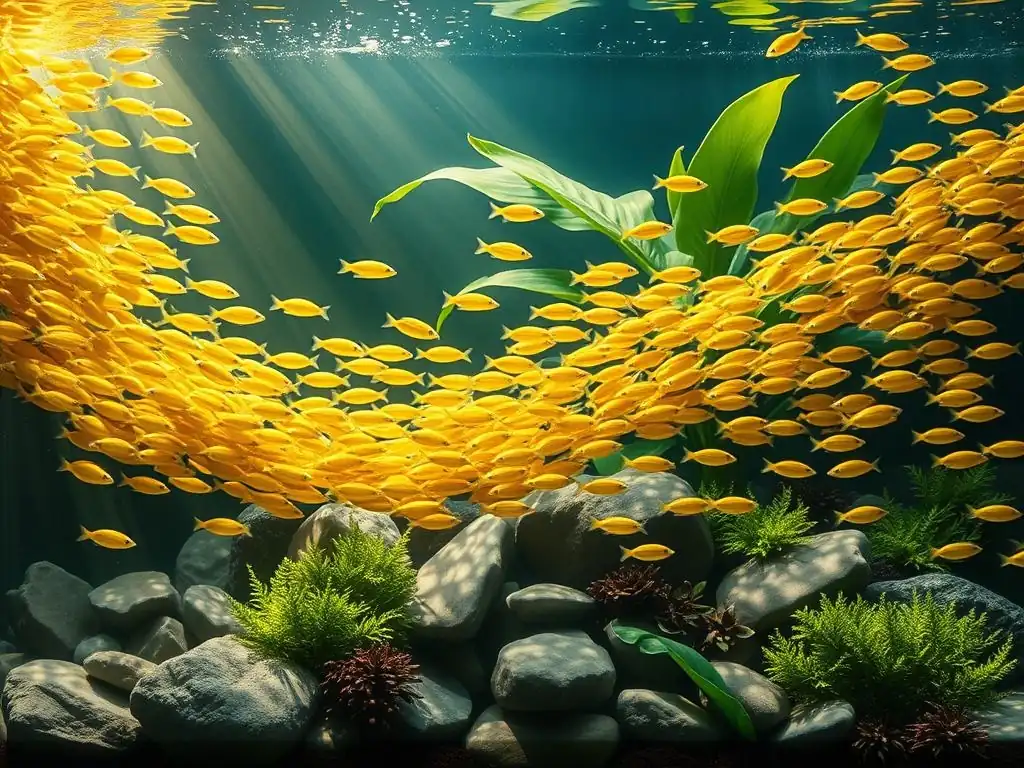
Schooling behavior in Lemon Tetras ( Hyphessobrycon pulchripinnis ) refers to the highly synchronized, coordinated swimming patterns these fish exhibit as a group. Unlike simple shoaling, where fish merely aggregate in the same area, schooling involves a collective, directional movement where individuals maintain specific distances from each other, reacting almost instantaneously to the movements of their neighbors. This innate behavior is a fundamental aspect of their natural ecology, providing a multitude of benefits in the wild.
For Lemon Tetras, schooling is not just a casual gathering; it's a vital survival strategy. In their native South American habitats, these small, peaceful fish face various predators, and moving as a cohesive unit offers safety in numbers, confusing potential threats and making it harder to single out an individual. Typically, an effective Lemon tetra schooling behavior involves a minimum of 6-8 individuals, though a group of 10 or more will display more pronounced and natural schooling patterns, creating a mesmerizing visual display in the aquarium.
The Importance of Schooling for Lemon Tetra Health and Wellbeing
The ability to school is paramount for the overall health and wellbeing of Lemon Tetras. When kept in appropriate group sizes, the stress levels of individual fish are significantly reduced. This reduction in stress translates directly into a stronger immune system, making the fish less susceptible to common aquarium diseases. A healthy school exhibits vibrant coloration and active, fluid movements, indicative of their comfort and security within the group.
Beyond stress reduction, Lemon tetra schooling behavior facilitates more effective foraging and social interaction. Within a school, fish can more efficiently locate food sources and communicate subtle cues about their environment. This collective intelligence contributes to their overall vitality and longevity in the aquarium. Furthermore, keeping them in adequate numbers discourages aggressive behaviors like fin nipping, which can occur if a Lemon Tetra feels isolated or stressed due to a lack of conspecifics.
Key Indicators of Healthy Schooling in Lemon Tetras
Observing the quality of Lemon tetra schooling behavior can provide valuable insights into the health and contentment of your fish. A healthy school will typically move in a tight, synchronized formation, especially when in open water or when sensing movement outside the tank. Their movements are fluid and coordinated, with individuals maintaining a consistent distance from one another, turning and darting as a single unit.
Another key indicator is the consistent cohesion of the group; healthy Lemon Tetras rarely stray far from their school for extended periods unless actively foraging in a dense plant area. Their colors will be bright and distinct, reflecting their good health and low stress levels. Conversely, a fragmented school, individuals hiding frequently, or signs of chasing and nipping among school members can signal underlying issues such as insufficient group size, poor water quality, or unsuitable tank mates, disrupting their natural lemon tetra schooling behavior.
Creating the Ideal Schooling Environment for Lemon Tetras
Tank Size and Dimensions for a Lemon Tetra School
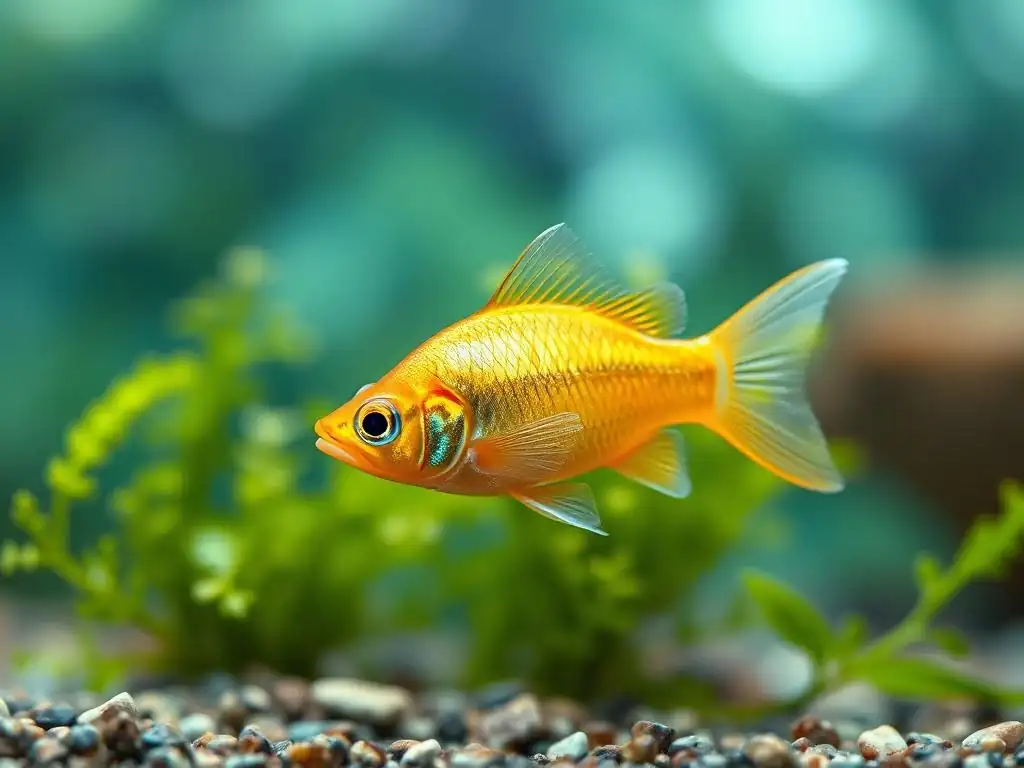
The success of observing robust Lemon tetra schooling behavior begins with providing an appropriately sized aquarium. For a small school of 6-8 Lemon Tetras, a minimum tank size of 20 gallons (approximately 75 liters) is recommended. This provides sufficient swimming space for the group to establish their natural schooling patterns without feeling cramped.
However, to truly witness the dynamic and expansive movements characteristic of a large, thriving school, a 30-gallon (around 115 liters) or even 40-gallon (approximately 150 liters) aquarium is ideal. When selecting a tank, prioritize length over height, as Lemon Tetras are active swimmers that benefit greatly from horizontal swimming space. A longer tank allows them ample room to dart back and forth, showcasing their impressive synchronized lemon tetra schooling behavior.
Water Parameters Essential for Lemon Tetra Schooling
Maintaining stable and appropriate water parameters is crucial for encouraging natural Lemon tetra schooling behavior and ensuring their overall health. Lemon Tetras thrive in soft to medium-hard water with a pH range of 5.5 to 7.5, ideally slightly acidic to neutral. The water temperature should be consistently maintained between 72-79°F (22-26°C). Fluctuations outside these ranges can cause significant stress, leading to a breakdown in schooling behavior and increased susceptibility to disease.
Regular water testing is paramount to monitor ammonia, nitrite, and nitrate levels, ensuring they remain at safe concentrations (ammonia and nitrite at 0 ppm, nitrates below 20 ppm). Consistent weekly water changes of 25-30% are vital to remove accumulated toxins and replenish essential minerals, contributing to a stable environment where Lemon Tetras feel secure enough to display their characteristic schooling patterns without inhibition.
Optimal Tank Setup to Encourage Natural Schooling Behaviors
An intelligently designed aquarium setup can significantly enhance and encourage the natural Lemon tetra schooling behavior. The key is to balance open swimming spaces with ample hiding spots and visual breaks. A moderate water flow, mimicking their natural river habitats, is also beneficial, as it encourages them to swim actively against the current, often in a group.
Providing areas of both dense vegetation and open water allows the school to choose where they feel most comfortable. They will often school tightly in open spaces, using the plants for security or when resting. This thoughtful arrangement creates a dynamic environment that promotes their innate tendencies.
Plants and Decorations that Benefit Lemon Tetra Schools
Live plants are indispensable for a thriving Lemon Tetra aquarium, directly influencing their schooling behavior. Dense planting along the back and sides of the tank, using species like Java Fern, Anubias, Amazon Sword, or various stem plants, provides essential cover and security. These areas offer refuge for individual fish if they feel stressed or need a break from the group, which paradoxically strengthens the overall lemon tetra schooling behavior as the fish feel more secure in their environment.
In addition to plants, strategically placed driftwood and smooth rocks can offer further hiding spots and visual interest. These elements break up lines of sight, reducing potential stress from other tank inhabitants and allowing the Lemon Tetras to feel more secure. An environment rich in naturalistic decorations mimics their native habitat, promoting confident and consistent schooling.
Substrate Considerations for Lemon Tetra Schooling
The choice of substrate might seem minor, but it plays a role in the comfort and visual display of Lemon Tetras and their schooling. A darker substrate, such as fine dark gravel or sand, is often preferred. This choice not only helps to bring out the vibrant yellow coloration of the Lemon Tetras, making their schooling behavior more visually striking, but it also reduces light reflection from the bottom of the tank.
Excessive reflection can be a source of stress for some fish, making them feel exposed and less secure. A non-abrasive substrate is also important to protect the delicate barbels of bottom-dwelling tank mates and the fins of the Lemon Tetras themselves if they occasionally rest near the bottom. A comfortable substrate contributes to the overall tranquility of the tank, fostering more natural and relaxed lemon tetra schooling behavior.
Observing Playful Interactions Within a Lemon Tetra School
Recognizing Playful Behavior vs. Aggression in Lemon Tetras
Distinguishing between playful interactions and genuine aggression within a Lemon Tetra school is crucial for maintaining a harmonious aquarium. Playful behavior often involves quick, darting chases, gentle nudging, or mock charges where one fish briefly pursues another without making physical contact or causing injury. These interactions are typically short-lived, with no sustained pursuit, fin nipping, or signs of stress like clamped fins or faded colors in the "chased" fish. It's a natural part of their social dynamic and often contributes to the cohesion of their lemon tetra schooling behavior.
Conversely, aggression manifests as prolonged, intense chasing, actual fin nipping, or nipping at the eyes or body. An aggressive fish might persistently harass another, driving it into hiding or causing visible damage to fins. If you observe individuals with torn fins, consistently hiding, or displaying faded colors, it's a strong indicator of stress or true aggression, suggesting a breakdown in healthy lemon tetra schooling behavior.
Lemon Tetras exhibit several common schooling patterns and social dynamics depending on their environment and perceived threats. In open water, they typically form a tight, cohesive unit, moving synchronously as a single entity. This tight formation is most pronounced when they perceive a potential threat, such as a large shadow passing over the tank or sudden movement outside the glass. This is the quintessential lemon tetra schooling behavior.
When exploring the tank or foraging for food, their schooling might become looser, with individuals spreading out slightly but still remaining within close proximity to the main group. Within the school, a subtle hierarchy can exist, though it is often fluid and less pronounced than in more aggressive species. Occasionally, a "leader" might emerge, guiding the school's direction, but this role often shifts among individuals, demonstrating a flexible and cooperative social structure.
Factors Influencing Lemon Tetra Schooling Activity
Several factors can significantly influence the intensity and consistency of Lemon tetra schooling behavior. The presence of perceived predators, whether it's a larger, non-compatible tank mate or even a human shadow, will often cause the school to tighten its formation and increase its synchronized movement as a defensive mechanism. Conversely, a sense of security, often provided by a well-planted tank with ample hiding spots, can lead to a more relaxed and exploratory schooling pattern.
Feeding time also dramatically influences their activity; the school might break formation briefly as individuals dart for food, quickly re-establishing their group cohesion once the food is consumed. Lighting conditions can play a role too; slightly dimmer lighting can encourage tighter schooling, as it mimics the shaded waters of their natural habitat, making them feel more secure and promoting their innate lemon tetra schooling behavior. Poor water quality or stress from unsuitable tank mates, however, will often lead to lethargy and a breakdown in the school's cohesion.
The Gentle Nature of Lemon Tetras and Schooling Dynamics
How Lemon Tetras Interact with Other Fish Species in a Community Tank
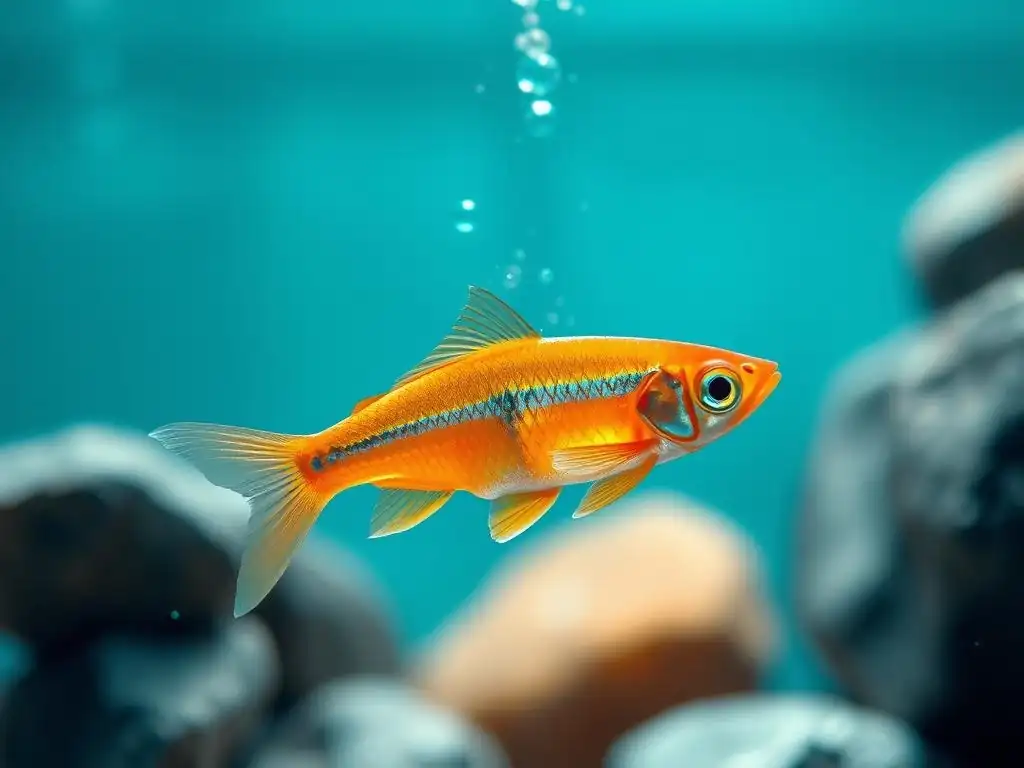
Lemon Tetras are renowned for their remarkably peaceful and gentle nature, making them excellent candidates for a community aquarium. Their inherent Lemon tetra schooling behavior means they prefer the company of their own kind, which generally prevents them from bothering other species. They rarely display aggression towards non-conspecifics and are not known fin-nippers, a common concern with some other tetra species.
Ideal tank mates for Lemon Tetras include other small, peaceful community fish of similar size and temperament. Examples include various species of Rasboras, Corydoras catfish, Otocinclus, small peaceful Danios, and other non-aggressive tetras like Neon Tetras or Ember Tetras. Their schooling instinct often makes them less prone to being bullied by slightly larger, but still peaceful, fish, as their collective presence offers a form of protection. Avoid pairing them with large, aggressive, or overly boisterous species that could stress them or view them as prey, as this would disrupt their natural lemon tetra schooling behavior.
Minimizing Stress and Promoting Peaceful Schooling
Minimizing stress is paramount for maintaining the gentle Lemon tetra schooling behavior and ensuring the overall well-being of the fish. One of the most effective ways to reduce stress is by providing a sufficiently large school, ideally 10 or more individuals. This number ensures that no single fish feels isolated or targeted, allowing them to fully express their natural schooling instincts. Consistent water parameters, as discussed earlier, are also critical; sudden fluctuations in temperature or pH can be highly stressful.
Furthermore, ample space and a well-structured environment with plenty of hiding spots and visual barriers contribute significantly to their sense of security. Avoid overstocking the aquarium, as overcrowding leads to increased competition for resources and higher stress levels, which inevitably breaks down the peaceful Lemon tetra schooling behavior. A stable routine for feeding and tank maintenance also helps to keep stress at bay, allowing the fish to thrive.
Maintaining a Balanced Community Tank for Lemon Tetras
Maintaining a balanced community tank for Lemon Tetras involves careful consideration of several factors to ensure their peaceful schooling dynamics are preserved. The selection of compatible tank mates is the cornerstone; always research potential additions to ensure they share similar water parameter requirements and temperament. Overstocking is a common pitfall; ensure that the total bioload of the tank is within the capacity of your filtration system and the tank size, allowing adequate space for all inhabitants.
Regular and consistent tank maintenance, including weekly water changes (e.g., 25% of the tank volume), thorough gravel vacuuming, and filter cleaning, is essential for pristine water quality. A balanced diet consisting of high-quality flakes, micro-pellets, and occasional live or frozen foods (like daphnia or brine shrimp) will keep your Lemon Tetras healthy and vibrant. A healthy, well-fed school is more likely to exhibit robust and natural lemon tetra schooling behavior, contributing to the overall harmony of the aquarium.
Troubleshooting Schooling Issues in Lemon Tetras
Identifying Signs of Stress or Illness Affecting Schooling
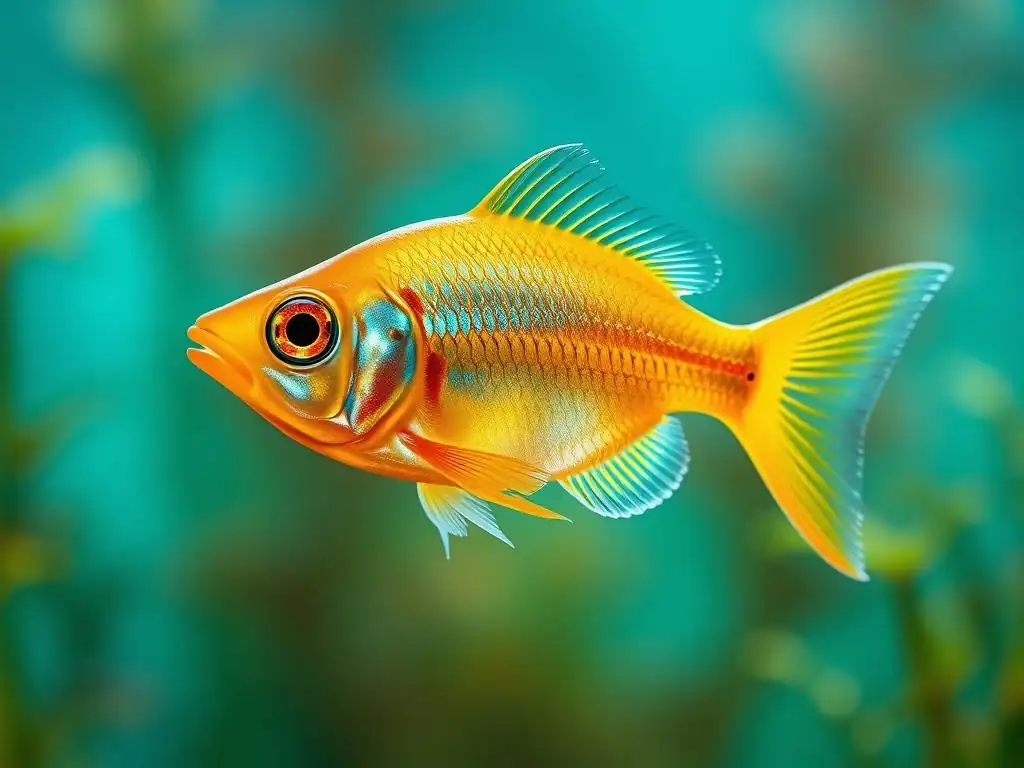
A noticeable disruption in Lemon tetra schooling behavior is often one of the first indicators of stress or illness within the group. Healthy schools are cohesive and active, but stressed or sick fish will break formation, scatter, or hide excessively. Individuals might become lethargic, hovering near the surface or bottom, or exhibit erratic, jerky swimming motions.
Other physical signs of distress include clamped fins (held close to the body), faded or dull coloration, rapid gill movements (gasping for air), or rubbing against tank decorations. Visible signs of disease such as white spots (Ich), frayed fins (fin rot), fuzzy patches (Columnaris), or bloating are clear indicators that immediate action is needed. Addressing these underlying health issues is crucial to restore their natural lemon tetra schooling behavior.
Addressing Aggression within the Lemon Tetra School
While generally peaceful, aggression can occasionally surface within a Lemon Tetra school, typically due to environmental stressors. The most common cause of aggression, especially fin nipping, is an insufficient school size. If the group is too small (e.g., fewer than 6 individuals), the fish may feel insecure and direct their stress or natural schooling instincts towards each other. Increasing the school size to 10 or more often resolves this, as the "aggression" is diffused among more individuals, and the fish feel more secure.
Other factors contributing to aggression include overstocking the tank, which leads to perceived competition for space and resources, or incompatible tank mates that stress the Lemon Tetras. Ensure the tank provides ample swimming space and plenty of hiding spots and visual breaks. Addressing these environmental factors is key to re-establishing peaceful and natural lemon tetra schooling behavior.
Common Diseases that Disrupt Schooling Behavior
Several common aquarium diseases can severely disrupt Lemon tetra schooling behavior, as they cause significant discomfort and stress. Ichthyophthirius multifiliis (Ich or White Spot Disease) is a common parasitic infection characterized by visible white spots on the fish's body and fins, leading to lethargy, flashing (rubbing against surfaces), and a breakdown in schooling as affected fish become isolated.
Fin Rot, often caused by bacterial infections exacerbated by poor water quality or stress, results in frayed or decaying fins, making swimming difficult and disrupting the school's cohesion. Columnaris, a bacterial infection often mistaken for fungus, presents as white or grayish patches, particularly around the mouth, and can cause rapid deterioration. Velvet disease, caused by a dinoflagellate parasite, gives fish a dusty, gold or brown appearance and leads to respiratory distress and isolation. Prompt diagnosis and treatment of these diseases are essential to restore the health and the characteristic lemon tetra schooling behavior of your fish.
The Benefits of Observing Lemon Tetra Schooling
Enhancing Your Aquarium Experience Through Observation
Observing the intricate Lemon tetra schooling behavior is one of the most rewarding aspects of keeping these fish. The synchronized movements, the fluid turns, and the collective darting of a healthy school create a dynamic and mesmerizing display that adds immense aesthetic value to any aquarium. This constant, gentle activity transforms a static tank into a vibrant, living ecosystem.
Beyond the visual appeal, the act of observing their natural lemon tetra schooling behavior fosters a deeper connection with your aquatic pets. It provides a sense of tranquility and fascination, allowing you to appreciate the subtle complexities of fish behavior. This engagement enhances the entire aquarium experience, making it not just a hobby, but a source of relaxation and continuous discovery.
The Lemon tetra schooling behavior offers a unique window into the fascinating world of fish behavior and social interactions. By closely watching your school, you can learn to recognize subtle cues related to their health, comfort, and social dynamics. You'll observe how they communicate through movement, how they react to different stimuli, and how the group adapts to changes in their environment.
This direct observation provides invaluable insights into collective intelligence, predator avoidance strategies, and the importance of group cohesion for the well-being of social species. Understanding these behaviors not only makes you a more knowledgeable aquarist but also deepens your appreciation for the intricate lives of aquatic creatures. The dynamic nature of lemon tetra schooling behavior is a continuous learning opportunity.
Contributing to the Wellbeing of Your Lemon Tetra School
Actively observing Lemon tetra schooling behavior is a proactive way to contribute directly to the wellbeing of your fish. By regularly monitoring their schooling patterns, you can quickly identify any deviations that might signal stress, illness, or environmental issues. A sudden breakdown in schooling, lethargy, or aggressive interactions are early warning signs that allow you to intervene before problems escalate.
This vigilance enables you to make timely adjustments to water parameters, tank setup, or group size, ensuring your Lemon Tetras live in an optimal environment. Providing the conditions that encourage natural and robust lemon tetra schooling behavior is not just about aesthetics; it's about meeting their fundamental needs, leading to healthier, happier, and longer-lived fish. Your attentive observation is a key component of responsible fishkeeping.
Frequently Asked Questions
What factors influence Lemon Tetra schooling behavior?
Lemon Tetra schooling behavior is influenced by factors such as perceived threats, tank size, and the number of individuals in the school. Larger groups and a feeling of security tend to promote more active schooling.
How many Lemon Tetras are needed to encourage effective schooling?
To observe proper schooling behavior, you should keep at least six Lemon Tetras, but eight or more is ideal. This larger group provides a greater sense of security and encourages natural interactions.
What tank size is optimal for Lemon Tetras to school comfortably?
A tank size of at least 20 gallons is recommended for a school of Lemon Tetras. This allows them enough space to swim and school without feeling cramped or stressed.
What are some signs that Lemon Tetras are not schooling properly?
Signs of inadequate schooling include hiding, lethargy, or individual fish isolating themselves. These behaviors may indicate stress, illness, or an insufficient number of tetras.
How can I improve Lemon Tetra schooling behavior in my aquarium?
You can improve schooling by ensuring a stable water chemistry, providing plenty of hiding places, and maintaining a sufficiently large school size. Minimizing stress and creating a natural environment are crucial.
Final Reflection: The Dance of Connection
The intricate dynamics of Lemon Tetra schooling behavior extend far beyond mere survival; they offer a captivating glimpse into the power of community and the beauty of collective action. What we've explored in this article – the subtle nuances of their interactions, the gentle sway of their synchronized movements – resonates deeply in a world often characterized by fragmentation and isolation. Their collective behavior serves as a potent reminder of the strength found in unity.
This exploration into Lemon Tetra schooling behavior has not only deepened our understanding of these fascinating creatures but has also illuminated the profound importance of connection in our own lives. Observing their harmonious existence underscores the value of empathy, cooperation, and the shared experience. In the end, we will conserve only what we love; we will love only what we understand; and we will understand only what we have been taught.
- Baba Dioum. This quote perfectly encapsulates the importance of understanding and appreciating the natural world, starting with something as seemingly simple as the schooling behavior of a small fish.
Now, consider the lessons learned from the Lemon Tetra. How can you foster a greater sense of community in your own life? How can you embrace the power of collective action to create a more harmonious and connected world? Let the gentle dance of the Lemon Tetra inspire you to seek out and nurture the bonds that unite us, for in connection, we find not only strength but also a deeper understanding of ourselves and the world around us.
Dive Deeper into the Tetra World!
Thanks for exploring the fascinating world of Lemon Tetras with us! We hope this article has given you a newfound appreciation for their vibrant personalities and the joy they bring to an aquarium. Now it's time to take your passion a step further.
- Start observing your tetras more closely: Pay attention to individual behaviors and interactions within the school. You might be surprised by the subtle nuances you discover!
- Share this article with other aquarium enthusiasts to spread the word about these wonderful fish.
- Considering adding a new plant variety to your tank and see how the tetras react to the updated scenery?
What's the most captivating behavior you've witnessed in your Lemon Tetra school? Share your stories in the comments below!