
Beyond the Common: Exploring Diverse & Manageable Pleco Species for Your Tank

Welcome to Aquarium Mastery!
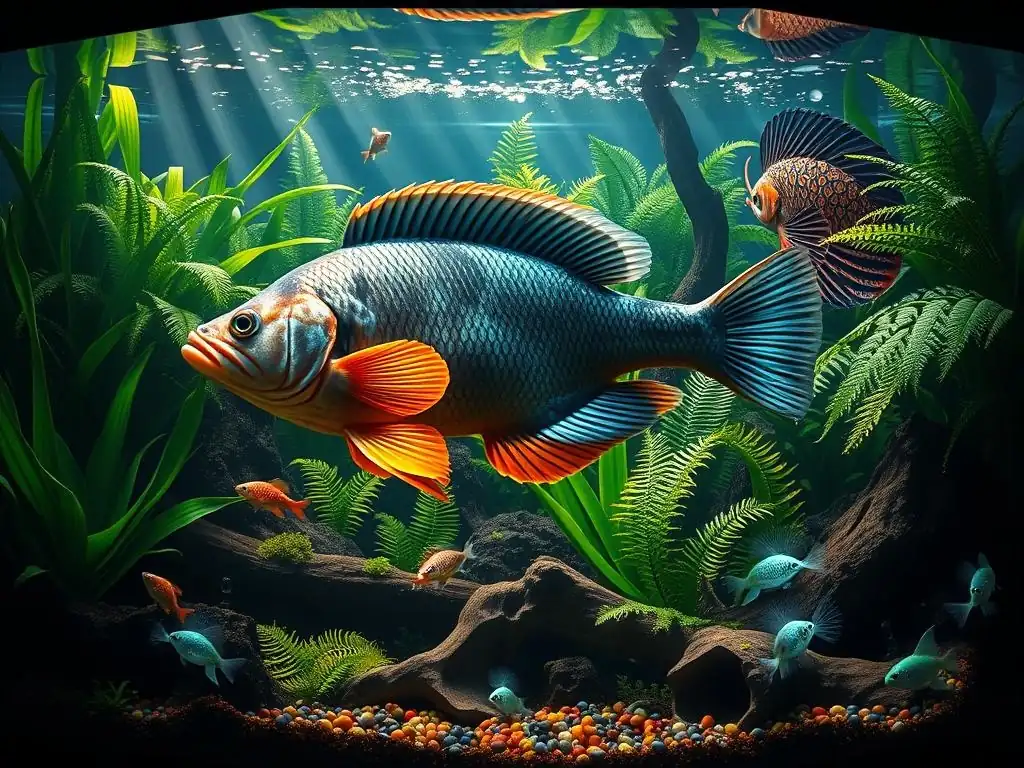
Ever wondered if there's more to plecos than just algae-eating machines? Beyond the Common: Exploring Diverse & Manageable Pleco Species for Your Tank delves into the fascinating world of these often-overlooked freshwater fish. Dive in and discover surprising Pleco facts, uncover the secrets of optimal Pleco tank care, and learn how to create a thriving environment for these unique additions to your aquarium. Ready to elevate your freshwater fish keeping skills?
- Understanding Plecos: A Comprehensive Pleco Tank Care Guide
- Selecting the Right Pleco: Manageable Species for Home Aquariums
- Pleco Tank Setup: Creating the Ideal Environment
- Pleco Diet and Feeding: Ensuring Optimal Health and Growth
- Common Pleco Health Issues and Prevention
- Pleco Tank Mates: Choosing Compatible Fish for a Thriving Ecosystem
- Advanced Pleco Care: Breeding and Beyond
-
Frequently Asked Questions
- What is a Pleco and why are they popular in aquariums?
- What are some manageable Pleco species suitable for smaller tanks, beyond the common Pleco?
- What are the key aspects of water chemistry that are important for Pleco tank care?
- What type of food should I provide for my Pleco in addition to algae?
- What are some common health issues that Plecos can face, and how can I prevent them?
- Final Reflection: Embracing the Pleco Spectrum
- Dive Deeper: Uncover Your Perfect Pleco Companion!
Understanding Plecos: A Comprehensive Pleco Tank Care Guide
What are Plecos and Why Choose One for Your Aquarium?
Plecos, scientifically known as Loricariidae, are a diverse family of armored catfish originating primarily from the rivers and streams of South America. Characterized by their unique sucker mouths, which they use to cling to surfaces and rasp algae or biofilm, and their distinctive bony plates, plecos offer both fascinating behavior and practical benefits to an aquarium. They are often chosen for their ability to control algae, their unique appearance, and their generally peaceful disposition as bottom dwellers.
Choosing a pleco can significantly enhance the ecological balance of a freshwater aquarium. Beyond their aesthetic appeal, many species excel at consuming various types of algae, contributing to a cleaner tank environment. Their wide range of sizes, from a mere 1.5 inches to over 2 feet, allows aquarists to select a species that perfectly fits their tank dimensions and specific needs, making them a staple in any thorough Pleco tank care guide.
Debunking Pleco Myths: Size, Aggression, and Tank Requirements
One of the most pervasive myths about plecos is that they "only grow to the size of their tank." This is fundamentally untrue and has led to countless instances of common plecos ( Pterygoplichthys pardalis or similar species) outgrowing home aquariums. These species can easily reach 18 to 24 inches in length and require tanks upwards of 200-300 gallons to thrive, not just survive. Their stunted growth in smaller tanks often leads to severe health issues, a shortened lifespan, and rehoming, highlighting the need for accurate information in a Pleco tank care guide.
Another common misconception is that all plecos are universally peaceful algae-eating machines. While many are, certain species can be territorial, especially as they mature or if kept in insufficient space. Males of some species, like Bristlenose Plecos, can become aggressive towards each other, particularly when breeding or defending a cave. Furthermore, while they consume algae, they are not a substitute for proper tank maintenance; a pleco cannot keep a neglected tank pristine on its own. Understanding these nuances is crucial for responsible pleco keeping.
Selecting the Right Pleco: Manageable Species for Home Aquariums
The Bristlenose Pleco (Ancistrus): A Popular and Practical Choice
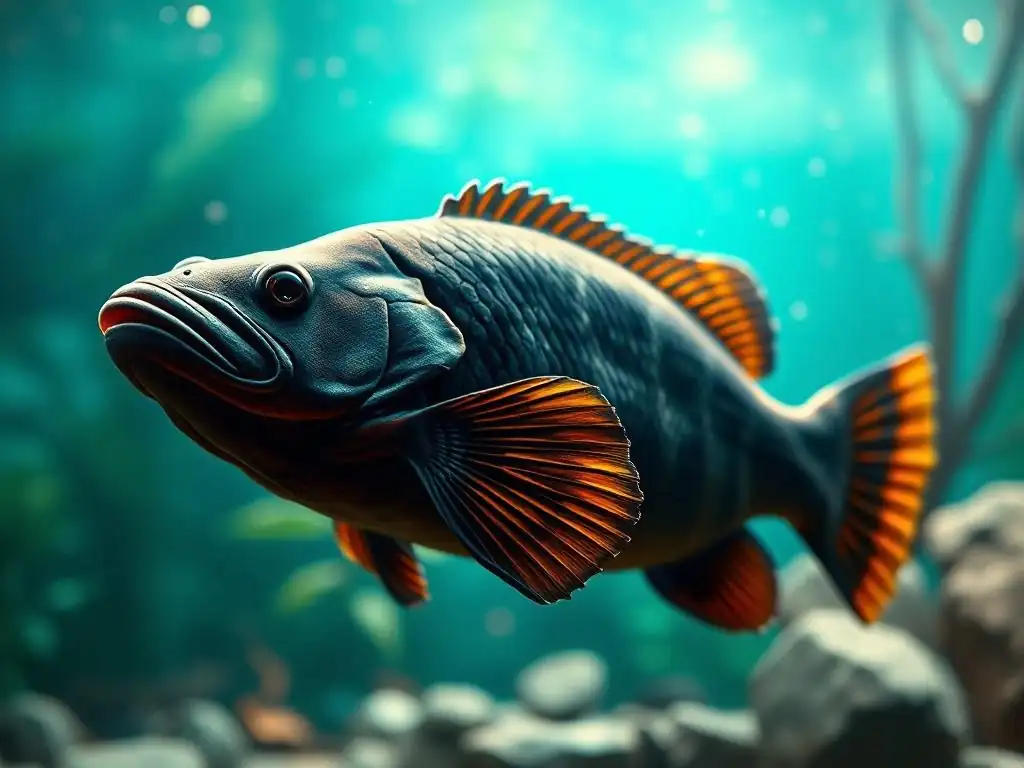
The Bristlenose Pleco ( Ancistrus spp.) stands out as one of the most popular and practical choices for home aquarists due to its manageable size and excellent algae-eating capabilities. Reaching an adult length of approximately 3 to 5 inches, they are well-suited for tanks as small as 20-30 gallons. Males are easily identifiable by the distinctive fleshy "bristles" or tentacles that develop on their snouts, while females typically have fewer or none.
These hardy and generally peaceful bottom-dwellers are a fantastic addition to most community aquariums. Their effectiveness at consuming various types of algae, including green spot algae, makes them invaluable. Their relatively docile nature, combined with their hardiness, positions them as an ideal species for both beginner and experienced aquarists looking for a reliable algae solution and an engaging bottom-dweller, a true cornerstone of any effective Pleco tank care guide.
Bristlenose Pleco Care: Tank Size, Water Parameters, and Diet
For a single Bristlenose Pleco, a minimum tank size of 20-30 gallons is recommended to provide adequate space for swimming and territory. They thrive in well-oxygenated water with stable parameters: a pH range of 6.5-7.5, a temperature between 72-80°F (22-27°C), and water hardness between 6-10 dGH. Consistent water quality, achieved through regular partial water changes and efficient filtration, is paramount for their long-term health.
As primarily herbivorous fish, the Bristlenose Pleco's diet should consist of high-quality spirulina-based sinking pellets or wafers. Supplementation with blanched fresh vegetables such as zucchini, cucumber, shelled peas, and spinach is crucial and should be offered several times a week. Additionally, driftwood is an essential component of their environment, as they will rasp on it for dietary fiber, aiding in their digestion and overall well-being.
Breeding Bristlenose Plecos: A Step-by-Step Guide
Breeding Bristlenose Plecos is relatively straightforward, making them a popular choice for aspiring breeders. To encourage spawning, provide plenty of caves or enclosed spaces, such as ceramic breeding caves, PVC pipes, or driftwood crevices, where the male can claim territory and guard eggs. Conditioning the breeding pair with a varied diet rich in protein, including frozen bloodworms or brine shrimp, can help stimulate spawning. A slight reduction in water temperature followed by a large, cool water change (25-50%) can often trigger breeding activity.
Once the female lays her adhesive, typically orange-colored eggs (ranging from 30 to over 100), the male will diligently guard and fan them, preventing fungus and keeping them oxygenated until they hatch, usually within 4 to 7 days. After hatching, the fry will absorb their yolk sacs for a few days before becoming free-swimming. At this stage, they require fine foods like spirulina powder, crushed algae wafers, and blanched vegetables (e.g., zucchini slices) for optimal growth. Maintaining pristine water conditions with frequent small water changes is critical for fry survival.
The Rubber Lip Pleco (Otocinclus affinis): Effective Algae Control in Smaller Tanks
The Rubber Lip Pleco, often referred to simply as "Oto" or "Dwarf Sucker Catfish," is a diminutive species, typically reaching only 1.5 to 2 inches in length. Its small size makes it an excellent choice for nano tanks and smaller community aquariums (10-20 gallons) where larger plecos would be unsuitable. Otocinclus are renowned for their exceptional ability to control soft green algae and diatoms, often outperforming many other algae eaters in their niche.
These peaceful and social fish are best kept in groups of at least 6 to 10 individuals to ensure their comfort and security. A lone Otocinclus can become stressed and fail to thrive. While they are highly effective algae grazers, they are also quite delicate upon introduction and require a mature, well-established tank with a stable biofilm layer. Their specific needs make a detailed Pleco tank care guide essential for their successful keeping.
Rubber Lip Pleco Care: Maintaining Ideal Water Conditions and Social Dynamics
Rubber Lip Plecos are highly sensitive to water quality and require very stable, pristine conditions to thrive. Ideal water parameters include a temperature range of 72-78°F (22-26°C), a pH of 6.0-7.5, and soft to moderately hard water (2-8 dGH). They are particularly intolerant of sudden fluctuations in parameters and elevated nitrate levels, necessitating frequent small water changes (e.g., 10-15% twice a week) to maintain optimal health.
As schooling fish, Otocinclus should always be kept in groups. A group of 6-10 or more will exhibit more natural behaviors, feel safer, and be more active. Providing ample live plants, driftwood, and smooth rocks offers abundant grazing surfaces and essential hiding spots, reducing stress. They are peaceful and make excellent tank mates for other small, non-aggressive fish like Tetras, Rasboras, and Dwarf Gouramis.
Preventing Starvation: Supplementing the Rubber Lip Pleco's Diet
Despite their reputation as excellent algae eaters, Otocinclus plecos primarily consume micro-algae and biofilm, and they are not effective against tougher algae types like black beard algae or hair algae. In a clean, well-maintained aquarium, or one that lacks sufficient natural biofilm, Otocinclus can quickly starve. This is a common and tragic issue for these small fish.
Therefore, regular dietary supplementation is crucial for their survival. Offer blanched vegetables such as zucchini, cucumber, spinach, and shelled peas. High-quality spirulina-based algae wafers designed for bottom feeders are also essential. It's important to ensure that the food reaches the bottom of the tank and is available to the Otos, especially if faster-feeding fish are present. Sometimes, leaving the tank light on for a few extra hours can encourage a slight increase in soft algae growth for them to graze on.
The Clown Pleco (Panaqolus maccus): A Striking and Peaceful Option
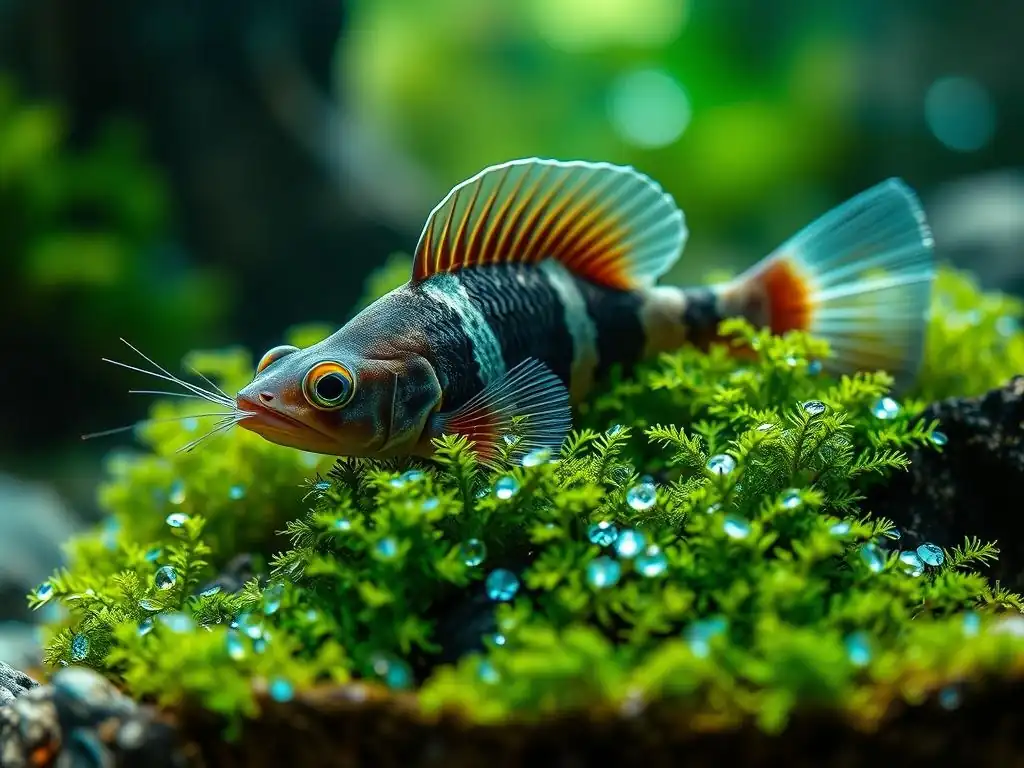
The Clown Pleco ( Panaqolus maccus) is a charming and relatively small pleco species, growing to an adult size of approximately 3 to 4 inches. They are easily recognized by their striking black body adorned with vibrant orange or yellow bands, which can vary in intensity and pattern. These plecos are known for their peaceful nature and reclusive habits, often spending their days hidden among decor.
What makes the Clown Pleco particularly unique is its specialized diet. Unlike many other plecos that primarily graze on algae or detritus, Clown Plecos are xylophagous, meaning wood forms a significant and essential part of their diet. They actively rasp on driftwood, not just for biofilm, but to actually ingest and digest the wood itself, making them a fascinating subject within any comprehensive Pleco tank care guide.
Clown Pleco Care: Tank Setup, Hiding Places, and Suitable Tank Mates
A minimum tank size of 20 gallons is recommended for a single Clown Pleco, with larger tanks preferred for groups or if keeping other bottom-dwelling fish. They thrive in warm, well-oxygenated water with a temperature range of 74-82°F (23-28°C), a pH of 6.5-7.5, and soft to moderately hard water. Abundant hiding places are paramount for Clown Plecos, as they are shy and spend much of their time concealed. Provide multiple pieces of driftwood, ceramic caves, or rock formations to offer security and reduce stress.
Clown Plecos are peaceful and make excellent tank mates for most community fish that occupy the mid to upper water columns. Good companions include Tetras, Rasboras, Corydoras catfish, and small, peaceful Cichlids like Dwarf Cichlids. Avoid aggressive or overly boisterous species that might stress the Clown Pleco or outcompete it for food. They generally coexist well with other peaceful bottom dwellers as long as sufficient hiding spots are available.
Feeding the Clown Pleco: Wood as an Essential Dietary Component
The most critical aspect of Clown Pleco care is providing ample amounts of driftwood. Unlike some other plecos that simply rasp biofilm from wood, Panaqolus maccus actively consumes wood for its nutritional fiber. Without access to driftwood, their digestive system cannot function properly, leading to potential health issues and even starvation. Ensure multiple pieces of aquarium-safe driftwood (e.g., Malaysian, Mopani, Cholla wood) are present in the tank.
While wood is essential, it should be supplemented with other foods. High-quality sinking pellets or wafers, particularly those with a strong vegetable or spirulina base, should be offered. Blanched vegetables like zucchini, cucumber, or sweet potato can also be provided. Although they may occasionally graze on soft algae, this should not be considered their primary food source. Always ensure food reaches the bottom where the shy Clown Pleco can access it without competition.
Other Manageable Pleco Species to Consider
Beyond the highly popular Bristlenose, Otocinclus, and Clown Plecos, the vast Loricariidae family offers numerous other species that are suitable for home aquariums, provided specific care requirements are met. These species often bring unique patterns, colors, and behaviors, appealing to aquarists looking to expand their Pleco tank care guide knowledge. While some may require slightly more specialized attention or come with a higher price tag, their beauty and intriguing habits can be incredibly rewarding.
Exploring these less common yet manageable plecos allows for a truly diverse and captivating freshwater aquarium. From the intricate patterns of the Hypancistrus genus to the vibrant coloration of certain Baryancistrus, each species contributes a distinct personality and aesthetic. Understanding their individual needs ensures a thriving environment and contributes to the sustainable keeping of these remarkable fish.
The Gold Nugget Pleco (Baryancistrus xanthellus): A Stunning but Sensitive Choice
The Gold Nugget Pleco ( Baryancistrus xanthellus) is undeniably one of the most visually striking plecos, renowned for its deep black body adorned with brilliant yellow or gold spots. There are several L-numbers associated with Gold Nuggets (e.g., L018, L081, L177), indicating slight variations in spot size and distribution. They typically grow to a size of 6-8 inches, making them suitable for tanks of 50 gallons or more.
Despite their beauty, Gold Nugget Plecos are more sensitive to water parameters and require pristine, highly oxygenated water with strong water flow, mimicking their natural fast-flowing river habitats. Ideal temperatures range from 78-84°F (26-29°C), with a pH of 6.0-7.0. They are primarily herbivorous, feeding on blanched vegetables, spirulina wafers, and some protein (e.g., bloodworms) as a supplement. Due to their specific environmental needs and sensitivity to nitrates, they are best suited for experienced aquarists committed to a detailed Pleco tank care guide.
The Zebra Pleco (Hypancistrus zebra): A High-Value but Demanding Option
The Zebra Pleco ( Hypancistrus zebra, L046) is perhaps the most iconic and sought-after pleco, famous for its mesmerizing black and white striped pattern, reminiscent of a zebra. This small species reaches an adult size of only 3 to 4 inches, making it suitable for smaller, specialized setups, often in tanks of 20 gallons or more. However, their high value and specific care requirements mean they are typically reserved for dedicated and experienced aquarists.
Zebra Plecos require very specific and stable water conditions: warm temperatures (78-86°F / 26-30°C), soft water (2-6 dGH), and a slightly acidic to neutral pH (6.0-7.0). Excellent oxygenation and strong water flow are also crucial. Unlike many plecos, they are primarily carnivorous or omnivorous, preferring a diet of high-quality sinking pellets, frozen bloodworms, brine shrimp, and mysis shrimp. They are shy and need numerous hiding spots, such as caves and driftwood. Due to their protected status and breeding challenges, a precise Pleco tank care guide is essential for their successful keeping.
Pleco Tank Setup: Creating the Ideal Environment
Tank Size Considerations for Different Pleco Species
The importance of appropriate tank size for plecos cannot be overstated, as it directly impacts their health, growth, and behavior. While a Bristlenose Pleco can comfortably inhabit a 20-30 gallon tank, a common pleco ( Pterygoplichthys pardalis) will quickly outgrow anything less than 200-300 gallons, reaching lengths of 18-24 inches. For Otocinclus, a minimum of 10-20 gallons is suitable for a small group, while a Clown Pleco needs at least 20 gallons.
Beyond just volume, the tank's footprint (length and width) is often more crucial than its height for these bottom-dwelling fish. A longer, wider tank provides more floor space for foraging and establishing territory, which is vital for reducing stress and aggression. For example, a 30-gallon "long" tank (36"x13" footprint) is far more suitable for a Bristlenose than a 30-gallon "tall" tank (20"x10" footprint), even though both hold the same volume. This detailed approach to space is a cornerstone of any effective Pleco tank care guide.
Substrate, Decor, and Hiding Places: Essential Elements for Pleco Comfort
The choice of substrate is vital for plecos, as they spend most of their time on the tank bottom. Fine sand or smooth, small-grain gravel is ideal, as it protects their delicate barbels and allows them to sift naturally for food. Coarse or sharp substrates can injure their mouths and bellies, leading to infections. A depth of at least 2-3 inches allows for some burrowing behavior in certain species.
Driftwood is an indispensable element for nearly all pleco setups. It provides essential grazing surfaces for biofilm, acts as a source of dietary fiber (especially for wood-eating species like the Clown Pleco), and offers crucial hiding spots. Ceramic caves, PVC pipes, and carefully arranged rock formations (ensuring they are stable and won't trap the fish) also provide vital shelter and territory, reducing stress and allowing plecos to feel secure. A well-decorated tank with ample hiding places is fundamental for a healthy and thriving pleco.
Filtration and Water Quality: Maintaining a Healthy Pleco Environment
Plecos are known for their significant bioload; they produce a substantial amount of waste, making robust filtration a non-negotiable aspect of their care. Over-filtration is highly recommended. Canister filters or large hang-on-back filters with strong mechanical filtration (to remove particulate waste) and ample biological filtration (to process ammonia and nitrite) are ideal. For species that thrive in strong currents, such as Gold Nugget Plecos, powerheads can be added to increase water flow.
Maintaining pristine water quality is paramount for pleco health. Regular partial water changes are the single most effective way to keep nitrates low and replenish essential minerals. A weekly water change of 25-50%, depending on the tank's bioload and fish density, is generally recommended. Consistent testing of water parameters—ammonia, nitrite, nitrate, and pH—with reliable test kits is crucial to monitor the tank's health and ensure stable conditions, a key component of any comprehensive Pleco tank care guide.
Pleco Diet and Feeding: Ensuring Optimal Health and Growth
Understanding the Pleco's Dietary Needs: Herbivore, Omnivore, or Wood-Eater?
A common misconception is that all plecos are strictly algae eaters. In reality, their dietary needs vary significantly by species, falling into three main categories: herbivores, omnivores, and xylophagous (wood-eaters). Herbivorous plecos, like Bristlenose and Otocinclus, primarily consume plant matter and algae. Omnivorous species, such as many Hypancistrus and some Loricaria, require a balanced diet of both plant and animal matter. Xylophagous plecos, like the Clown Pleco, uniquely rely on wood for digestion and fiber.
Understanding the specific dietary requirements of your pleco species is crucial for their long-term health and growth. Misfeeding is a common cause of nutritional deficiencies and illness. For instance, feeding a purely herbivorous diet to an omnivorous pleco can lead to stunted growth, while failing to provide wood for a xylophagous species can be fatal. A thorough Pleco tank care guide emphasizes species-specific dietary planning.
Supplementing Algae Growth: Providing a Constant Food Source
Even dedicated algae-eating plecos may not find sufficient natural algae in a well-maintained home aquarium, especially if it's not heavily planted or exposed to significant light. Relying solely on naturally occurring algae can lead to starvation. To ensure a constant food source, aquarists can employ methods like "algae farming" by placing a small, algae-covered rock from a well-lit area (e.g., a bucket by a window) into the main tank, rotating it with a fresh one every few days.
Beyond natural algae, regular supplementation with blanched fresh vegetables is essential for most herbivorous and omnivorous plecos. Zucchini, cucumber, romaine lettuce, spinach, and shelled peas are excellent choices. These should be offered several times a week, weighted down to sink to the bottom where the pleco can access them. Remove any uneaten vegetables after 24 hours to prevent water quality issues.
Commercial Pleco Foods: Choosing the Right Pellets and Wafers
High-quality commercial foods form the backbone of a pleco's diet. For herbivorous species, sinking algae wafers, spirulina pellets, and vegetable-based flakes are staples. When selecting these, look for products with spirulina, kelp, and other plant proteins as primary ingredients. Popular brands offer specialized pleco wafers designed to sink quickly and remain intact for extended periods, allowing plecos ample time to graze.
For omnivorous or carnivorous plecos (e.g., Zebra Plecos, some Hypancistrus species), their diet needs to be supplemented with protein-rich sinking pellets, frozen bloodworms, brine shrimp, or mysis shrimp. Offer these foods after the main lights are off, as many plecos are nocturnal and will feel more secure foraging in the dark. Always ensure that the food reaches the bottom of the tank and is accessible to the pleco without being monopolized by faster-feeding tank mates.
Common Pleco Health Issues and Prevention
Recognizing Signs of Illness in Plecos
Early detection of illness is crucial for successful treatment in plecos. Signs of a healthy pleco include active foraging, good coloration, and a strong suckermouth attachment to surfaces. Conversely, signs of illness can include lethargy, loss of appetite, clamped fins, discolored patches, white spots (Ich), frayed fins (fin rot), bloating, or unusual swimming patterns. Observing your pleco closely, especially during feeding times or after the lights have been dimmed, can help identify subtle changes.
Any deviation from a pleco's normal behavior or appearance warrants immediate investigation. For instance, a pleco that suddenly stops rasping on driftwood or ignores offered food might be experiencing digestive issues or internal parasites. Darkening or lightening of coloration can indicate stress or environmental problems. Prompt identification of these symptoms, guided by a comprehensive Pleco tank care guide, allows for timely intervention and improves the chances of recovery.
Treating Common Pleco Diseases: Ich, Fin Rot, and Parasites
Ich (Ichthyophthirius multifiliis), or White Spot Disease, presents as small white spots resembling salt grains on the body and fins. It can be treated by slowly raising the tank temperature to 82-84°F (if safe for all tank inhabitants) and/or using aquarium salt (non-iodized) or commercial Ich medications. Always remove activated carbon from filters during medication. Fin rot, characterized by frayed or deteriorating fins, is often caused by poor water quality or injury. Treatment involves large water changes, improving water parameters, and using broad-spectrum antibacterial medications.
Bloating, often accompanied by lethargy and loss of appetite, can stem from poor diet (e.g., lack of fiber for herbivores, too much protein for carnivores) or internal parasites. Treatment may involve Epsom salts (non-iodized) to relieve constipation or anti-parasitic medications if parasites are suspected. Always quarantine new fish to prevent introducing diseases into your main tank, a proactive step emphasized in any good Pleco tank care guide.
Maintaining Optimal Water Parameters to Prevent Health Problems
The vast majority of health issues in plecos can be traced back to poor water quality or unstable water parameters. Prevention is far more effective than treatment. Consistent, regular partial water changes (e.g., 25-50% weekly) are the cornerstone of disease prevention, as they keep nitrate levels low and replenish essential minerals. Overfeeding should be avoided as it contributes to waste accumulation and deteriorating water quality.
Regular testing of ammonia, nitrite, nitrate, and pH levels is crucial to monitor the aquarium's stability. Ammonia and nitrite should always be zero. Maintaining stable temperatures and avoiding sudden fluctuations is also vital, as rapid changes can stress plecos and weaken their immune systems, making them more susceptible to disease. A diligent adherence to water parameter guidelines is the most critical element of a preventative Pleco tank care guide.
Pleco Tank Mates: Choosing Compatible Fish for a Thriving Ecosystem
Peaceful Tank Mates: Avoiding Aggression and Competition
Selecting appropriate tank mates is crucial for a harmonious pleco aquarium. The general rule is to choose fish that are peaceful, occupy different levels of the tank, and do not compete directly for food or territory. Good choices for most pleco species include various schooling Tetras (e.g., Neon Tetras, Cardinal Tetras, Rummy Nose Tetras), Rasboras (e.g., Harlequin Rasboras, Chili Rasboras), Danios, and peaceful Gouramis. These fish typically swim in the mid to upper water column, leaving the bottom free for the pleco.
Corydoras catfish are excellent peaceful bottom-dwelling companions for plecos, as they are generally non-aggressive and occupy a slightly different niche. However, ensure there is enough food distributed to satisfy both the pleco and the Corydoras. Avoid fin-nipping species or overly boisterous fish that might stress the pleco or prevent it from accessing its food, which is a key consideration in any comprehensive Pleco tank care guide.
Algae Eaters: Optimizing Algae Control in Your Aquarium
While plecos are renowned for their algae-eating capabilities, they are not always the sole solution for comprehensive algae control. Different types of algae eaters specialize in different forms of algae and surfaces. For instance, Otocinclus plecos excel at consuming soft green algae and diatoms on plant leaves and glass, while Bristlenose Plecos are effective against tougher green spot algae on hard surfaces.
Incorporating a diverse team of algae eaters can provide more complete algae management. Nerite snails are excellent for cleaning glass and decorations, and Amano shrimp are highly effective at consuming hair algae and other filamentous types. Combining these species with your chosen pleco can create a highly efficient clean-up crew, reducing the need for manual scrubbing and contributing to a healthier, more balanced ecosystem. This multi-faceted approach to algae control is an important aspect of any advanced Pleco tank care guide.
Fish to Avoid: Preventing Predation or Bullying of Your Pleco
When choosing tank mates, it's equally important to identify fish to avoid to prevent predation, bullying, or extreme competition. Large, aggressive cichlids such as Oscars, Flowerhorns, or large Jack Dempseys should generally be avoided, as they may view smaller plecos as food or relentlessly bully them. Even larger pleco species like the common pleco can be territorial and aggressive towards smaller or similar-looking bottom dwellers.
Also, be cautious with other highly territorial bottom-dwelling fish that might compete aggressively for food or prime hiding spots, especially in tanks that are too small. Certain large, dominant catfish species can also pose a threat. Ensure that any potential tank mate shares similar water parameter requirements to your pleco to avoid stressing either fish. Researching the specific temperament and needs of each species before introducing them is a vital part of responsible fish keeping.
Advanced Pleco Care: Breeding and Beyond
Creating Breeding Conditions for Specific Pleco Species
Breeding plecos, while varying greatly in difficulty between species, often requires specific environmental triggers and conditions. For relatively easy-to-breed species like the Bristlenose Pleco, providing plenty of dark caves (e.g., ceramic tubes, PVC pipes) and conditioning with a protein-rich diet are usually sufficient. Males will guard and fan the eggs until they hatch. For more challenging species, such as the Zebra Pleco, precise temperature changes, strong water flow, and very soft, acidic water are often necessary to induce spawning.
Many advanced breeders utilize dedicated breeding tanks to control parameters more precisely and protect eggs and fry from predation by other tank inhabitants. Simulating seasonal changes through temperature adjustments, specific water changes (e.g., cooler, softer water mimicking rain), and even adjusting lighting cycles can all play a role in triggering spawning behavior in different species. Understanding these nuanced needs is a hallmark of an advanced Pleco tank care guide.
Raising Pleco Fry: Providing the Right Food and Environment
Pleco fry are delicate and require meticulous care to ensure high survival rates. After hatching, most species' fry will feed on their yolk sacs for the first few days. Once free-swimming, they require a constant supply of appropriate, finely crushed foods. For herbivorous fry, this includes spirulina powder, finely crushed algae wafers, blanched and finely chopped vegetables (e.g., zucchini, spinach), and natural biofilm that develops on surfaces in a mature tank.
Maintaining pristine water quality is absolutely critical for fry development. Small, frequent water changes (e.g., 10% daily or every other day) are necessary to keep nitrates low. Filtration should be gentle; sponge filters are ideal as they provide both mechanical and biological filtration without risking sucking up the tiny fry. Providing plenty of hiding spots, such as small pieces of driftwood or leaf litter, also helps the fry feel secure and reduces stress.
The Future of Pleco Keeping: Sustainable Practices and Conservation
As the demand for diverse pleco species grows, so does the importance of sustainable practices and conservation efforts within the aquarium hobby. Many pleco species are wild-caught, and some, like the Zebra Pleco, face threats in their natural habitats due to habitat degradation or over-collection. Responsible aquarists should prioritize purchasing captive-bred plecos whenever possible, as this reduces pressure on wild populations and often results in hardier, healthier fish that are already acclimated to aquarium life.
Furthermore, never release unwanted aquarium fish, including plecos, into local waterways, as this can introduce invasive species and diseases that harm native ecosystems. Supporting reputable breeders and suppliers who adhere to ethical collection and breeding practices is crucial for the hobby's long-term sustainability. Engaging with resources like this comprehensive Pleco tank care guide and participating in community forums helps share knowledge and promotes responsible, conservation-minded aquarism for future generations.
Frequently Asked Questions
What is a Pleco and why are they popular in aquariums?
Plecos, short for Plecostomus, are a type of armored catfish known for their algae-eating abilities. They're popular because they help keep the tank clean and add visual interest with their unique appearance.
What are some manageable Pleco species suitable for smaller tanks, beyond the common Pleco?
Beyond the common Pleco, consider species like the Bristlenose Pleco or the Clown Pleco. These stay smaller, reaching only a few inches in length, making them suitable for smaller aquariums.
What are the key aspects of water chemistry that are important for Pleco tank care?
Maintaining stable water parameters is crucial. Plecos generally prefer slightly acidic to neutral pH and require well-oxygenated water. Regular water changes are essential.
What type of food should I provide for my Pleco in addition to algae?
While Plecos eat algae, they also need supplemental food. Offer them algae wafers, vegetable matter like zucchini, and occasional protein sources like sinking pellets.
What are some common health issues that Plecos can face, and how can I prevent them?
Common issues include parasites and bacterial infections. Prevent these by maintaining excellent water quality, providing a varied diet, and quarantining new fish.
Final Reflection: Embracing the Pleco Spectrum
This exploration of diverse and manageable pleco species transcends mere aquarium keeping; it speaks to a deeper appreciation for biodiversity within our own homes. By moving beyond the common pleco, we unlock a world of fascinating creatures, each with unique needs and contributions to a thriving aquatic ecosystem. This is not just about aesthetics; it's about responsible stewardship and enriching the lives of the animals we choose to keep.
The journey into the pleco spectrum has profoundly influenced my perspective on aquarium keeping, revealing the immense potential for creating truly unique and balanced environments. It's a reminder that informed choices, driven by a genuine understanding of each species' requirements, are paramount. In the end, we will conserve only what we love; we will love only what we understand; and we will understand only what we are taught.
- Baba Dioum. This quote perfectly encapsulates the spirit of responsible pleco keeping – a commitment to understanding and, therefore, loving these often-overlooked creatures.
Now, armed with this knowledge, I invite you to reflect on your own role in the aquarium hobby. Consider the impact of your choices and the potential for creating a more diverse and enriching environment for your aquatic companions. Dare to venture beyond the common, embrace the pleco spectrum, and discover the joy of nurturing a truly unique and thriving underwater world.
Dive Deeper: Uncover Your Perfect Pleco Companion!
Thank you for exploring the fascinating world of plecos with us. We hope you've discovered some exciting options beyond the common species for your aquarium! Now, let's bring that knowledge to life.
Here are a few ways to continue your pleco journey:
- Take the Plunge: Visit your local fish store this week and inquire about one of the uncommon pleco species mentioned in the article.: See if they have it in stock or can special order it for you!
- Share the Wonder: Spread the knowledge by sharing this article with a fellow aquarium enthusiast. You might just help them find their next aquatic treasure.
- Document Your Discoveries: Start a journal (digital or physical) to log your research, observations, and any interactions with pleco keepers. Track the water parameters and plants.
What's the most surprising thing you learned about plecos today, and how will it influence your future aquarium planning?