
From Green to Clean: A Visual Guide to Catfish AlgaeEating Success

Welcome to Aquarium Mastery!
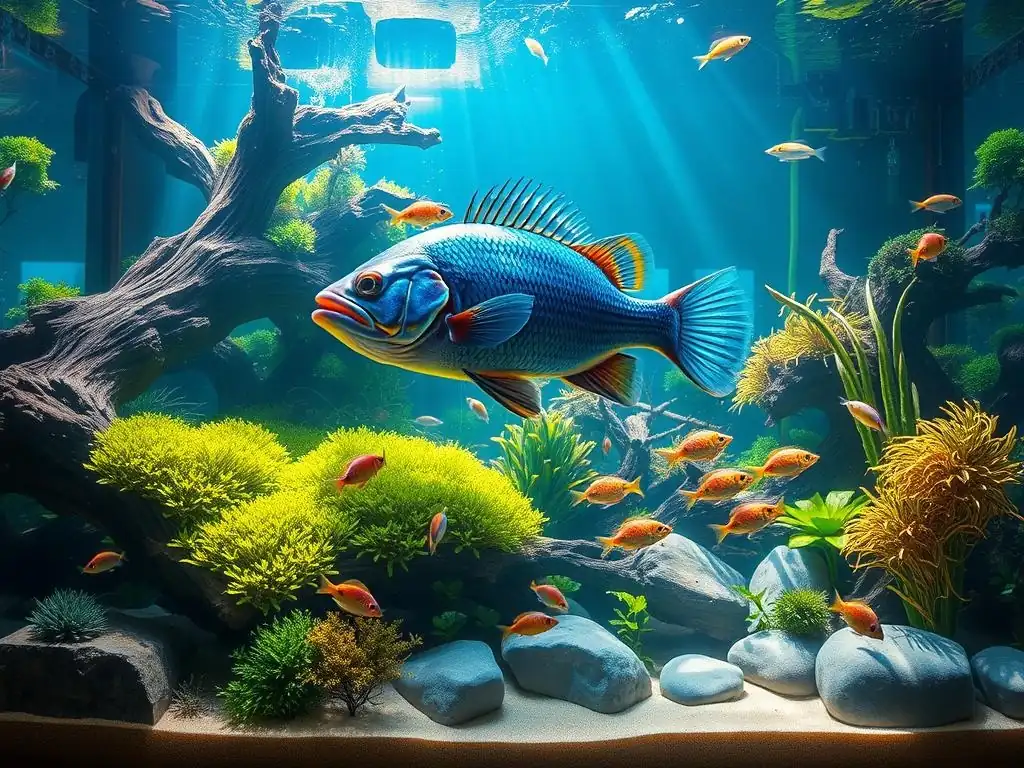
Ever wondered how to achieve crystal-clear water without harsh chemicals? Dive into our in-depth exploration of Catfish Algae Eating Success and discover the secrets to a thriving, balanced freshwater ecosystem. Learn how these fascinating creatures can transform your aquarium from a green-tinged challenge into a pristine underwater paradise. Intrigued? Let's get started!
- Understanding Algae in Your Freshwater Aquarium
- Choosing the Right Algae-Eating Catfish for Your Aquarium
- Preparing Your Aquarium for Algae-Eating Catfish
- The Algae-Eating Catfish Diet: Beyond Just Algae
- Visual Guide to Algae Control with Catfish: Before and After
- Maintaining a Clean Aquarium: Long-Term Strategies
- Troubleshooting Common Issues with Algae-Eating Catfish
- Advanced Algae Control Techniques for Stubborn Cases
- Maximizing Catfish Algae Eating Success: A Checklist
-
Frequently Asked Questions
- What types of catfish are most effective at algae eating in an aquarium?
- How can I ensure my catfish have enough algae to eat for long-term success?
- What are the ideal water parameters for catfish to thrive and effectively control algae?
- How do I prevent my catfish from becoming lazy algae eaters and relying solely on supplemental food?
- What are some common mistakes that lead to catfish algae eating failure in aquariums?
- Final Reflection: Embracing Sustainable Harmony
- Transform Your Tank: Cultivate a Catfish Algae Paradise!
Understanding Algae in Your Freshwater Aquarium
Types of Algae Commonly Found in Aquariums
Algae are ubiquitous in freshwater aquariums, manifesting in various forms, each with distinct characteristics and underlying causes. Green spot algae, for instance, appear as small, hard, circular green dots, primarily on glass and slow-growing plant leaves, often indicating high light intensity or low phosphate levels. In contrast, hair algae present as long, stringy, often vibrant green strands that can quickly cover plants and decor, typically thriving in tanks with excess nutrients like nitrates and phosphates, coupled with strong lighting.
Another common type is diatom algae, often referred to as brown algae, which forms a dusty, brownish film over all surfaces, including substrate, glass, and decor. This type is prevalent in newly established tanks, usually due to high silicates and lack of mature beneficial bacteria, but typically subsides as the aquarium matures. Black brush algae (BBA) or red algae, characterized by tough, dark tufts resembling miniature paintbrushes, are particularly stubborn and often signal fluctuating CO2 levels or nutrient imbalances, making them a significant challenge for aquarists aiming for pristine conditions.
Factors Contributing to Algae Growth: Light, Nutrients, and Water Chemistry
The proliferation of algae in an aquarium is primarily driven by an imbalance in three key factors: light, nutrients, and water chemistry. Excessive light, both in intensity and duration, is a major culprit; for example, leaving aquarium lights on for more than 10-12 hours daily, or using overly powerful lights for the tank's needs, can fuel rapid algae growth. Many aquarists find that reducing lighting to 8 hours a day significantly curtails algae.
Furthermore, an abundance of nutrients, particularly nitrates and phosphates, provides the essential building blocks for algae. These nutrients often accumulate from overfeeding fish, decaying plant matter, or insufficient water changes. For instance, nitrate levels consistently above 20 parts per million (ppm) or phosphate levels exceeding 0.5 ppm can trigger algae blooms. Lastly, unstable water chemistry, such as erratic pH or CO2 fluctuations in planted tanks, can stress live plants, making them less competitive against algae for available nutrients. Addressing these imbalances is fundamental to achieving lasting catfish algae eating success.
The Importance of Algae Control for a Healthy Aquarium Ecosystem
Effective algae control is paramount not just for the aesthetic appeal of a freshwater aquarium, but more importantly, for the overall health and stability of its ecosystem. While a minimal presence of certain algae types is natural and can even provide a food source for some invertebrates, unchecked growth can quickly suffocate live plants by blocking light and competing for vital nutrients, leading to plant decay. This decay, in turn, contributes to higher organic waste and nutrient levels, perpetuating the algae cycle.
Moreover, dense algae mats can deplete oxygen levels in the water, especially at night when they respire rather than photosynthesize, potentially stressing fish and other aquatic inhabitants. Algae outbreaks often serve as a visual indicator of underlying water quality issues, such as nutrient buildup or improper lighting. By managing algae, aquarists ensure a clearer, healthier environment where fish can thrive, plants can flourish, and the delicate balance of the aquatic ecosystem is maintained, paving the way for optimal catfish algae eating success.
Choosing the Right Algae-Eating Catfish for Your Aquarium
Identifying the Best Catfish Species for Algae Removal
Selecting the ideal algae-eating catfish is a crucial step towards achieving significant catfish algae eating success in your aquarium. It's important to understand that no single species will eliminate all types of algae, nor will they solely subsist on algae. The best choice depends on your tank size, water parameters, the specific types of algae present, and the temperament of your existing fish community. For instance, a small 10-gallon tank infested with diatoms will require a very different solution than a 75-gallon planted tank battling stubborn black brush algae.
Consider the adult size of the catfish, their preferred water conditions, and their dietary needs beyond algae. Some species are primarily grazers of soft green films, while others excel at tackling tougher, more fibrous algae. Understanding these nuances ensures that the chosen catfish will not only contribute effectively to algae control but also thrive in your specific aquarium setup, becoming a long-term asset in your maintenance regimen.
Otocinclus Catfish: The Tiny Algae-Eating Powerhouses
Otocinclus catfish, often referred to as "Otos" or "Dwarf Suckermouth Catfish," are renowned for their remarkable efficiency as small-scale algae removers. Species like Otocinclus vittatus typically reach an adult size of only 1.5 to 2 inches, making them ideal inhabitants for nano tanks (as small as 10 gallons) and smaller community aquariums where larger plecos would be unsuitable. These tiny powerhouses primarily target soft green algae, diatoms (brown algae), and the biofilm that forms on glass, plant leaves, and decor.
Otocinclus are highly social fish and thrive best when kept in groups of at least six individuals; a larger school encourages natural behavior and reduces stress, leading to more consistent grazing. They are sensitive to poor water quality and sudden parameter changes, requiring a well-established, mature aquarium with stable conditions. Providing plenty of broad-leafed plants and driftwood offers both grazing surfaces and essential hiding spots for these diligent workers, greatly contributing to overall catfish algae eating success.
Bristlenose Plecos: Effective Algae Grazers for Larger Tanks
Bristlenose Plecos ( Ancistrus cirrhosus and related species) are perhaps one of the most popular and effective choices for algae control in medium to large freshwater aquariums. Reaching an average adult size of 4 to 6 inches, they are considerably smaller than common plecos, making them suitable for tanks starting from 20-30 gallons and upwards. Their distinctive bristly noses are more prominent on males and are thought to aid in scraping algae from surfaces.
These nocturnal bottom-dwellers are exceptional at consuming a wide variety of algae, including green spot algae, diatoms, and some forms of hair algae that grow on glass, rocks, driftwood, and broad-leafed plants. Bristlenose Plecos also require driftwood in their diet for proper digestion, as it provides essential roughage. Their hardiness and relatively peaceful nature make them excellent tank mates for most community fish, offering robust catfish algae eating success and contributing significantly to a clean aquarium environment.
Siamese Algae Eaters: A Note on Their Algae-Eating Habits & Look-alikes
The true Siamese Algae Eater ( Crossocheilus siamensis) is a highly valued species for its unique ability to consume stubborn black brush algae (BBA), a type of red algae that many other algae eaters avoid. These active fish can grow up to 6 inches long and are best suited for aquariums of 20 gallons or more, often thriving in groups when young but potentially becoming territorial as they mature. Their distinctive black stripe extending from snout to tail, often with a serrated edge, helps distinguish them from common look-alikes.
It's crucial to differentiate true Siamese Algae Eaters from similar-looking fish such as the False Siamese Algae Eater (often Garra cambodgiensis), Flying Fox ( Epalzeorhynchos kalopterus), and Chinese Algae Eater ( Gyrinocheilus aymonieri). While some of these alternatives may eat algae when young, they often become less effective or even aggressive as they age, with the Chinese Algae Eater, in particular, known for harassing other fish. Ensuring you acquire a true Crossocheilus siamensis is key for targeted algae control and sustained catfish algae eating success against challenging algae types.
Preparing Your Aquarium for Algae-Eating Catfish
Ensuring Optimal Water Parameters for Catfish Health and Algae Control
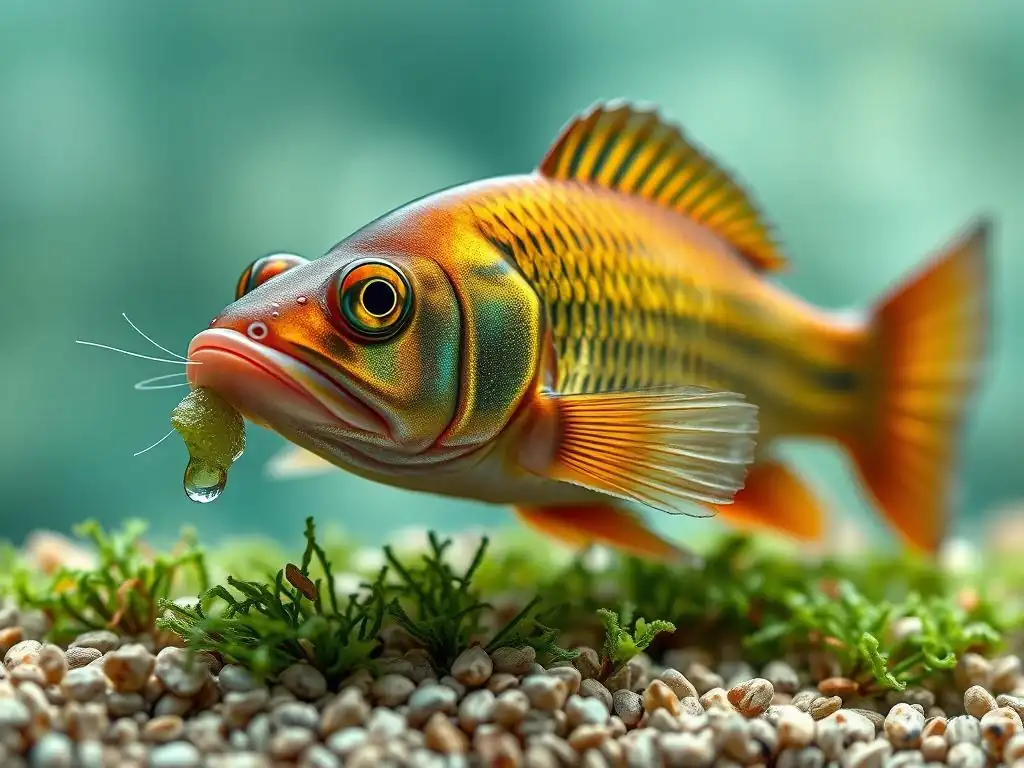
Establishing and maintaining optimal water parameters is fundamental for the health of your algae-eating catfish and, consequently, for their effectiveness in algae control. Most freshwater catfish species, including Otocinclus and Bristlenose Plecos, thrive in stable conditions with a pH range of 6.5 to 7.5 and a temperature between 72-78°F (22-26°C). Crucially, ammonia and nitrite levels must be consistently at 0 parts per million (ppm), as even slight traces can be highly toxic to these sensitive bottom-dwellers.
Regular testing for nitrates, ideally keeping them below 20 ppm, is also vital, as high nitrate levels indicate excessive organic waste and can stress fish, diminishing their grazing activity. Stable water chemistry reduces stress on the catfish, allowing them to acclimate properly and focus on their natural foraging behaviors, which directly translates to enhanced catfish algae eating success within your tank. Providing pristine conditions ensures these fish are healthy, active, and diligent in their algae-eating duties.
Providing Adequate Hiding Places and Substrate for Catfish
Algae-eating catfish, being primarily bottom-dwellers and often nocturnal, require ample hiding places and an appropriate substrate to feel secure and exhibit natural behaviors. Driftwood is particularly beneficial for many species, especially Bristlenose Plecos, as it provides not only shelter but also a source of dietary fiber essential for their digestion. Caves, rock formations, and dense plant cover also offer crucial retreats where catfish can rest, hide from brighter lights, and escape potential aggression from other tank inhabitants.
The choice of substrate is equally important. Fine sand or smooth, small-grained gravel is ideal, as it protects their delicate barbels, which they use for foraging and sensing their environment. Coarse or sharp gravel can injure their barbels, leading to infections and hindering their ability to feed effectively. A comfortable and secure environment reduces stress, encourages active foraging, and ultimately contributes significantly to long-term catfish algae eating success.
Acclimation Process: Introducing Your New Catfish to the Tank
The acclimation process is a critical step that dictates the initial health and long-term well-being of your new algae-eating catfish. A slow and careful introduction minimizes stress from sudden changes in water chemistry and temperature, which can be particularly detrimental to sensitive species like Otocinclus. The drip acclimation method is highly recommended: place the fish in a small container with their original bag water, then slowly drip tank water into the container over 45-60 minutes, gradually equalizing the parameters.
Alternatively, the floating bag method can be used for temperature acclimation, where the sealed bag floats in the tank for 15-20 minutes, followed by gradual addition of tank water into the bag over another 15-20 minutes. Avoid simply dumping the fish and their bag water into the tank, as this can shock them and introduce potentially harmful pathogens. A successful acclimation ensures that your catfish are healthy and ready to begin contributing to your aquarium's cleanliness, establishing a strong foundation for catfish algae eating success.
The Algae-Eating Catfish Diet: Beyond Just Algae
Supplementing Their Diet: Vegetables, Algae Wafers, and Protein Sources
While algae-eating catfish are renowned for their ability to graze on algae, it is a common misconception that algae alone can sustain them indefinitely, especially in a well-maintained or mature aquarium where algae might be scarce. To ensure their long-term health and continued activity, supplementing their diet is crucial. Blanched vegetables such as zucchini slices, cucumber, spinach, or shelled peas are excellent sources of plant matter that many catfish species relish. These can be weighed down to sink to the bottom.
High-quality algae wafers, spirulina flakes, or specialized pleco pellets designed for bottom feeders also provide essential nutrients, including vitamins and minerals. For species like Bristlenose Plecos, small amounts of protein in the form of frozen bloodworms or brine shrimp can be offered occasionally, particularly for breeding individuals. A varied diet not only keeps them healthy but also ensures they remain active grazers, contributing consistently to catfish algae eating success.
Avoiding Overfeeding: Maintaining a Balanced Ecosystem
One of the most critical aspects of managing an aquarium with algae-eating catfish is avoiding the temptation to overfeed. While it might seem counterintuitive when trying to encourage them to eat algae, excessive supplemental feeding directly contributes to higher nutrient levels in the water. Uneaten food decays, releasing nitrates and phosphates, which in turn fuel the growth of more algae. This creates a vicious cycle where you feed more, produce more algae, and potentially diminish your catfish's motivation to graze on natural algae.
Feed your catfish only what they can consume within a few minutes, or if offering sinking wafers, only what they can finish within an hour or two before lights out. Observing their consumption habits is key. A balanced feeding regimen ensures that your fish receive adequate nutrition without overwhelming the biological filtration system or creating an environment conducive to algae blooms, thereby supporting overall tank health and maximizing catfish algae eating success.
Recognizing Signs of Malnutrition in Algae-Eating Catfish
Recognizing the signs of malnutrition in your algae-eating catfish is vital for their long-term health and continued effectiveness in algae control. A common indicator of underfeeding, particularly in species like Otocinclus, is a sunken belly, which appears concave rather than rounded. Other signs include lethargy, where the fish appear less active or spend more time hiding than usual, and faded or dull coloration, as a healthy catfish typically exhibits vibrant hues.
Additionally, a lack of interest in grazing on tank surfaces or a general disinterest in offered supplemental foods can signal nutritional deficiencies. Pinched fins or a general emaciated appearance are also serious warnings. If these signs are observed, it's essential to re-evaluate their diet, ensuring they receive a balanced mix of algae, vegetables, and high-quality prepared foods. Addressing malnutrition promptly is critical for the well-being of your catfish and for maintaining their vital role in achieving catfish algae eating success.
Visual Guide to Algae Control with Catfish: Before and After
Case Study 1: Otocinclus Eradicating Green Spot Algae
Imagine an aquarium where the front glass and broad leaves of Anubias plants are dotted with numerous small, rigid, circular green spots, resembling tiny paint splatters. This is a classic case of green spot algae, often a result of intense lighting. After introducing a school of six Otocinclus catfish into this 20-gallon planted tank, a noticeable transformation begins within a week. Initially, you might observe minute, clear trails on the glass where the Otos have diligently grazed.
Within three to four weeks, the change is dramatic: the glass is significantly clearer, with only a few isolated spots remaining, typically in hard-to-reach corners. The once-speckled Anubias leaves now appear cleaner and healthier, revealing their natural deep green color. The Otocinclus, with their small, agile bodies, are uniquely suited to meticulously scrape these tough, adhering spots from smooth surfaces, showcasing remarkable catfish algae eating success on a micro-scale.
Case Study 2: Bristlenose Pleco Clearing Hair Algae Infestation
Consider a 55-gallon aquarium where long, fibrous strands of bright green hair algae have formed dense, unsightly tufts, particularly on decorative driftwood and slow-growing rocks. These stringy growths are problematic, often indicative of excess nutrients and prolonged lighting. A single adult Bristlenose Pleco is introduced to this environment. Within days, the pleco can be observed methodically rasping at the algae-covered surfaces, its suckermouth working tirelessly.
Over a period of approximately one month, the visual impact is substantial. The once-shrouded driftwood now reveals its rich texture, largely free of the green strands, and the rocks are noticeably cleaner. While some remnants might persist in crevices, the overall volume of hair algae is drastically reduced, transforming the tank from an overgrown mess into a much tidier aquatic display. This demonstrates the Bristlenose Pleco's robust contribution to catfish algae eating success against more stubborn, filamentous algae.
Case Study 3: A Combined Approach for Comprehensive Algae Management
Picture a 40-gallon community aquarium suffering from a multi-faceted algae problem: dusty brown diatom film covering the sand substrate and glass, persistent green film on the heater and filter intake, and some nascent hair algae strands on a few plant leaves. To address this comprehensive challenge, a strategic combination of algae eaters is deployed: a school of five Otocinclus catfish and a single juvenile Bristlenose Pleco.
Within two weeks, the synergistic effect becomes evident. The Otocinclus meticulously clean the glass and plant leaves, making the green film disappear and revealing the plants' vibrant colors. Simultaneously, the Bristlenose Pleco works diligently on the driftwood and larger rocks, reducing the hair algae and contributing to the overall cleanliness of surfaces. The brown diatom film on the substrate gradually recedes as both species graze. After a month, the tank is remarkably clearer across all surfaces, showcasing how a combined approach can lead to unparalleled catfish algae eating success by tackling different algae types simultaneously.
Maintaining a Clean Aquarium: Long-Term Strategies
Regular Water Changes and Gravel Vacuuming
Consistent water changes and gravel vacuuming are cornerstones of long-term aquarium maintenance, directly impacting algae control and overall tank health. A weekly water change of 25-30% is generally recommended for most freshwater aquariums. This practice effectively removes accumulated nitrates, phosphates, and other dissolved organic compounds that serve as primary nutrients for algae growth. Reducing these nutrient levels starves algae, making it harder for them to proliferate.
Coupled with water changes, thorough gravel vacuuming is essential. This process removes uneaten food, fish waste, and decaying plant matter trapped within the substrate, which are significant sources of nutrients. By physically extracting these organic pollutants, you prevent their decomposition into algae-feeding compounds. This proactive approach significantly reduces the burden on your algae-eating catfish, allowing them to maintain a clearer environment with less effort and contributing to sustained catfish algae eating success.
Proper Lighting Techniques to Minimize Algae Growth
Controlling light is one of the most effective non-chemical methods for minimizing algae growth in an aquarium. Algae, like plants, require light for photosynthesis, but they are often more opportunistic and can thrive under conditions that are suboptimal for desirable aquatic plants. The key is to provide adequate light for your plants without over-illuminating the tank. For most freshwater planted tanks, a lighting duration of 8-10 hours per day is sufficient. Exceeding this, especially with high-intensity lights, almost invariably leads to algae outbreaks.
Using a timer for your aquarium lights ensures consistency and prevents accidental overexposure. Additionally, consider the intensity and spectrum of your lighting. Lights that are too powerful for the tank's size or plant density, or those with an unbalanced spectrum (e.g., too much red or blue light), can encourage algae. Striking the right balance ensures that your plants outcompete algae for available light and nutrients, thereby supporting the efforts of your algae-eating catfish and promoting overall catfish algae eating success.
Monitoring Nutrient Levels: Nitrates and Phosphates
Diligent monitoring of nutrient levels, specifically nitrates and phosphates, is crucial for proactive algae control and the long-term health of your aquarium ecosystem. These two compounds are primary macronutrients for both plants and algae; however, an excess of either can trigger rapid algae proliferation. Regular testing, ideally weekly or bi-weekly, allows you to track these levels and take corrective action before algae becomes problematic. Aim to keep nitrate levels below 20 parts per million (ppm) and phosphate levels below 0.5 ppm in most community tanks.
If levels consistently climb, it indicates an imbalance, often stemming from overfeeding, insufficient water changes, or an overloaded biological filter. Solutions include reducing feeding portions, increasing the frequency or volume of water changes, adding fast-growing live plants to outcompete algae for nutrients, or improving filtration. By keeping these nutrients in check, you create an environment less favorable for algae blooms, thereby enhancing the effectiveness of your algae-eating catfish and supporting continued catfish algae eating success.
Troubleshooting Common Issues with Algae-Eating Catfish
Catfish Not Eating Algae: Potential Causes and Solutions
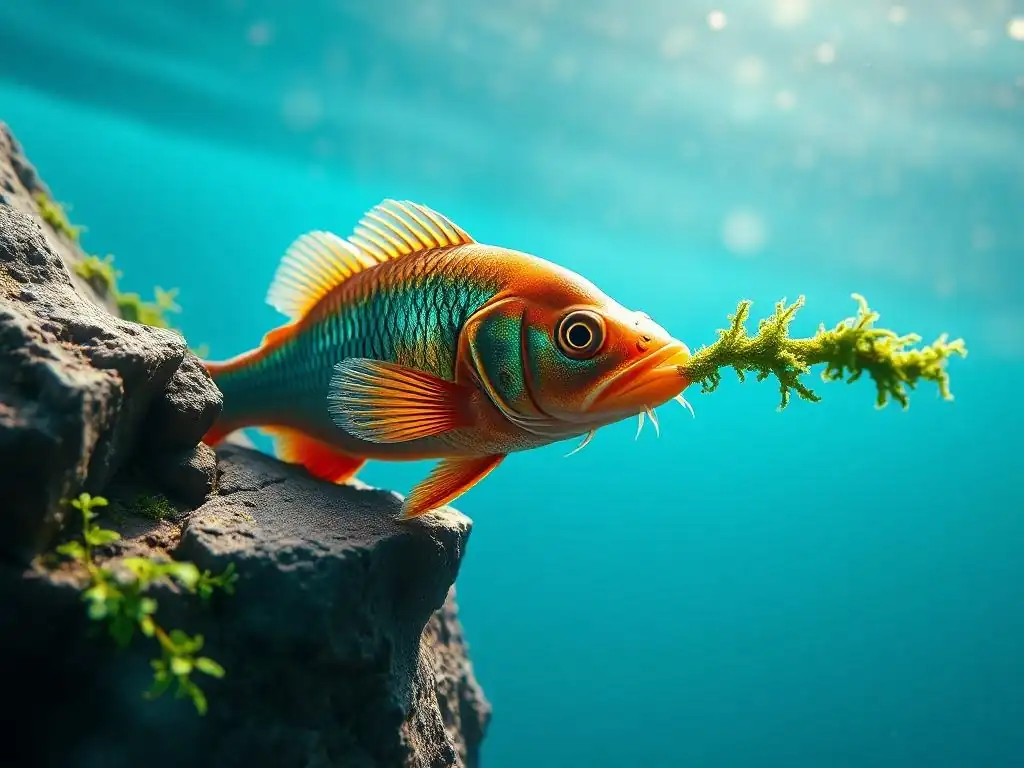
If your algae-eating catfish, despite their reputation, seem uninterested in grazing on algae, several factors could be at play. One common reason is overfeeding; if they are receiving abundant supplemental food (wafers, vegetables, etc. ), their motivation to seek out natural algae will decrease significantly.
Solution: Reduce or temporarily cease supplemental feeding to encourage them to forage on the tank's algae. Another cause might be a lack of the specific type of algae they prefer; for instance, Otocinclus might ignore tough black brush algae. Solution: Ensure the algae type matches the catfish's dietary preference, or consider adding a different species.
Stress from poor water quality, unsuitable tank mates, or insufficient hiding places can also lead to lethargy and reduced grazing. Solution: Test water parameters, ensure tank mates are peaceful, and provide ample shelter. Lastly, illness can cause a loss of appetite and activity. Solution: Observe for other symptoms of disease (e.g., clamped fins, spots, labored breathing) and treat accordingly. Addressing these underlying issues is key to restoring your catfish's natural algae-eating instincts and fostering catfish algae eating success.
Identifying and Treating Catfish Diseases and Parasites
Algae-eating catfish, like all fish, are susceptible to various diseases and parasites, which can severely impact their health and their ability to perform their algae-eating duties. Common ailments include Ich (Ichthyophthirius multifiliis), presenting as small white spots resembling salt grains on the body and fins, often accompanied by flashing or rubbing against decor. Fin Rot, characterized by frayed or deteriorating fins, is typically caused by bacterial infections stemming from poor water quality or injury. Velvet disease (Oodinium) appears as a fine, dusty, yellowish or brownish coating on the fish's skin.
Symptoms of illness often include lethargy, clamped fins, labored breathing, loss of appetite, abnormal swimming patterns, or visible lesions. Upon identifying a disease, prompt action is crucial. Isolate the affected fish if possible, perform a partial water change, and administer appropriate medication following product instructions precisely. For Ich, increasing temperature (if suitable for tank mates) and using an Ich-specific medication is common. Maintaining pristine water conditions is the best preventative measure, ensuring your catfish remain healthy and continue to contribute to catfish algae eating success.
Preventing Aggression from Other Tank Mates
While most algae-eating catfish species, such as Otocinclus and Bristlenose Plecos, are generally peaceful, they can become targets of aggression from other tank mates, especially if housed with semi-aggressive or territorial fish. Preventing such conflicts is crucial for their well-being and their effective contribution to algae control. Always research the temperament and compatibility of any fish you plan to introduce into your aquarium. Avoid pairing docile catfish with known fin-nippers or highly territorial species like certain cichlids, unless the tank is sufficiently large and offers ample hiding spots.
Providing an abundance of hiding places, such as driftwood, caves, rock formations, and dense plant cover, allows catfish to retreat and feel secure, reducing stress. Ensuring the tank is not overstocked also minimizes territorial disputes. If aggression is observed, consider rehoming the aggressor or, as a last resort, the catfish. A peaceful environment allows your algae-eating catfish to graze freely and confidently, thereby maximizing their catfish algae eating success.
Advanced Algae Control Techniques for Stubborn Cases
Using Algae-Control Chemicals (Use with Caution)
When faced with persistent and severe algae outbreaks that defy conventional methods and the efforts of algae-eating catfish, some aquarists turn to algae-control chemicals. However, these should always be considered a last resort and used with extreme caution. Algaecides work by targeting algae cells, but many can also negatively impact beneficial bacteria in the filter, sensitive fish (especially scaleless species like some catfish, and invertebrates like snails and shrimp), and even live plants if overdosed or used improperly.
Always read and follow the manufacturer's instructions precisely, paying close attention to recommended dosages and any warnings regarding specific fish or plant types. For instance, some products containing glutaraldehyde (often marketed as liquid carbon supplements) can effectively combat black brush algae but require careful dosing. Before using any chemical, ensure underlying issues like excessive light or nutrients are addressed, as chemicals only treat the symptom, not the cause. Responsible use is paramount to avoid unintended harm to your aquatic ecosystem.
Exploring UV Sterilizers for Water Clarity
UV sterilizers offer an advanced, non-chemical method for maintaining exceptional water clarity and controlling free-floating algae, bacteria, and parasites in an aquarium. These devices work by passing aquarium water through a chamber containing an ultraviolet light bulb. The UV-C light emitted by the bulb damages the DNA of microscopic organisms, preventing them from reproducing and effectively killing them. This process significantly reduces green water (algae blooms caused by single-celled algae) and can help prevent the spread of certain fish diseases.
It's important to note that UV sterilizers only affect organisms floating in the water column; they do not remove algae attached to surfaces like glass, rocks, or plants. Therefore, they complement, rather than replace, the work of algae-eating catfish. A properly sized UV sterilizer (e.g., a 9-watt unit for a 50-gallon tank) can contribute to a consistently crystal-clear aquarium, enhancing the overall aesthetic and supporting a healthy environment where your catfish can thrive without being overwhelmed by suspended algae.
The Role of Live Plants in Competing with Algae
Live aquatic plants are one of the most effective and natural allies in the battle against algae, playing a crucial role in creating a balanced aquarium ecosystem. Their primary mechanism of algae control is nutrient competition: live plants actively absorb nitrates, phosphates, and other essential nutrients from the water column, effectively starving algae of their food source. Fast-growing plant species, such as Hornwort ( Ceratophyllum demersum), Water Sprite ( Ceratopteris thalictroides), Anacharis ( Egeria densa), and various stem plants, are particularly efficient at this.
A densely planted aquarium creates a robust biological filter that processes waste and outcompetes algae for light and nutrients, leading to significantly fewer algae issues. Furthermore, plants provide shade, reducing light intensity in certain areas, and offer additional surface area for beneficial bacteria to colonize. Integrating a healthy, thriving plant population into your aquarium design not only enhances its beauty but also provides a sustainable, long-term solution for algae control, complementing the efforts of your algae-eating catfish and contributing to overall catfish algae eating success.
Maximizing Catfish Algae Eating Success: A Checklist
Water Quality Testing and Adjustment
- Regular Testing: Conduct weekly or bi-weekly tests for pH, ammonia, nitrite, nitrate, GH (General Hardness), and KH (Carbonate Hardness). For planted tanks, consider phosphate and iron levels.
- Target Parameters: Aim for 0 ppm ammonia and nitrite, nitrates below 20 ppm, and pH stable within the preferred range for your catfish species (e.g., 6.5-7.5).
- Prompt Adjustment: Immediately address any parameter imbalances through partial water changes, adding buffering agents, or addressing the source of the issue (e.g., overfeeding). Consistent, stable water quality is the bedrock for robust catfish algae eating success.
Observation of Catfish Behavior and Health
- Daily Visual Check: Spend a few minutes each day observing your catfish. Look for signs of active grazing, healthy coloration, intact fins, and normal swimming patterns.
- Feeding Response: Note their appetite when supplemental foods are offered. A lack of interest can indicate illness or overfeeding.
- Early Detection: Be vigilant for any changes in behavior, lethargy, clamped fins, visible spots, or labored breathing, which are early indicators of stress or disease. Early intervention can prevent minor issues from escalating and ensures continued catfish algae eating success.
Consistent Maintenance for a Thriving Aquarium
- Adhere to Schedules: Strictly follow your established routine for weekly water changes (25-30%) and gravel vacuuming to remove accumulated organic waste and nutrients.
- Filter Maintenance: Clean filter media regularly (but not excessively, to preserve beneficial bacteria) to ensure optimal filtration and water flow.
- Avoid Overfeeding: Feed only what your fish can consume in a few minutes, preventing excess food from decaying and fueling algae growth.
- Proper Lighting: Maintain a consistent lighting schedule, typically 8-10 hours daily, using a timer to prevent overexposure.
- Plant Care: Prune live plants as needed to encourage healthy growth and their competition with algae for nutrients. A well-maintained tank environment is the ultimate foundation for maximizing catfish algae eating success.
Frequently Asked Questions
What types of catfish are most effective at algae eating in an aquarium?
Many catfish species consume algae, but the Otocinclus catfish, also known as Otos, and the Bristlenose Pleco are particularly efficient algae eaters. They are generally peaceful and don't grow too large for most community tanks.
How can I ensure my catfish have enough algae to eat for long-term success?
Provide a balanced diet. While they eat algae, supplement with algae wafers or blanched vegetables if algae growth is insufficient. Maintain a healthy tank to encourage natural algae growth.
What are the ideal water parameters for catfish to thrive and effectively control algae?
Catfish need stable water conditions. Maintain a temperature between 72-78°F, a pH between 6.5-7.5, and ensure low levels of ammonia and nitrite. Regular water changes are crucial.
How do I prevent my catfish from becoming lazy algae eaters and relying solely on supplemental food?
Encourage natural algae growth by providing adequate lighting. Avoid overfeeding supplemental food, forcing them to graze on algae as their primary food source.
What are some common mistakes that lead to catfish algae eating failure in aquariums?
Overstocking the tank reduces algae availability. Poor water quality can stress catfish, making them less effective algae eaters. Introducing aggressive tank mates can intimidate them, hindering their ability to graze.
Final Reflection: Embracing Sustainable Harmony
The journey from murky green to crystal clear, as detailed in this guide, underscores the profound impact small changes can have on creating a balanced ecosystem within our aquariums. Understanding and implementing strategies for catfish algae eating success isn't just about aesthetics; it's about fostering a healthier, more sustainable environment for our aquatic companions and learning valuable lessons applicable far beyond the glass walls of a tank.
This exploration into the world of algae-eating catfish has not only provided practical solutions but has also highlighted the delicate interconnectedness of life. Witnessing the transformation from an algae-ridden tank to a thriving ecosystem is a powerful reminder of our responsibility as stewards of the environment, both large and small. The best way to predict the future is to create it.
- Peter Drucker. This quote resonates deeply, reminding us that proactive engagement and informed action are crucial for achieving sustainable harmony, whether in our aquariums or on a global scale.
Now, as you close this guide, consider the principles you've learned about balance, proactive maintenance, and the power of natural solutions. How can you apply these lessons to other areas of your life? Embrace the spirit of "From Green to Clean" – seek out areas where you can cultivate balance and sustainability, and actively work towards creating a healthier, more harmonious world, one small step at a time.
Transform Your Tank: Cultivate a Catfish Algae Paradise!
Thank you for exploring the world of algae-eating catfish! We hope this guide has provided you with the insights and inspiration you need to create a thriving, balanced aquarium. Now, let's turn that knowledge into action!
Here are a few ways you can take the next step:
- Immediately assess your current algae situation using the visual guide to identify the specific type of algae plaguing your tank.
- Join the Aquarium Mastery community forum and share your algae-eating catfish success stories (or challenges!) with fellow enthusiasts.
- Experiment with a small, controlled "algae garden" in a separate container to observe your catfish's preferences and feeding habits up close.
What's the first algae type you're tackling, and what steps are you planning to take this week to improve your catfish's grazing environment?