
Temperature Fluctuations: Trigger or Threat for Tetra Breeding? Aquarium Mastery Investigates

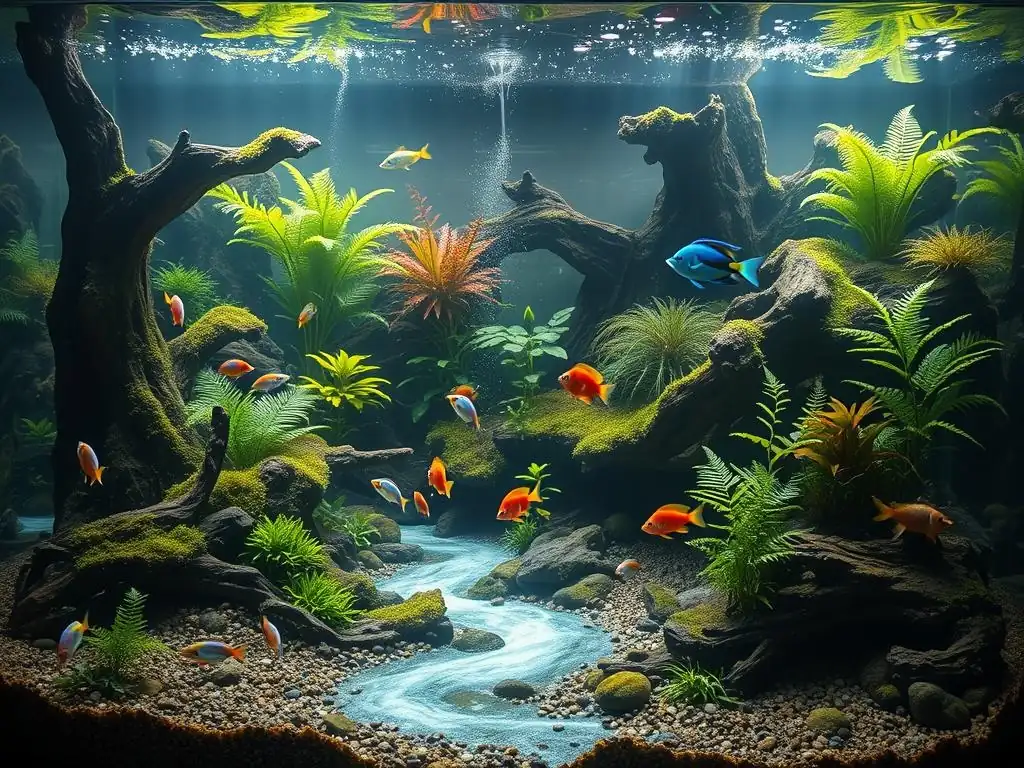
Welcome to Aquarium Mastery, your ultimate guide to the captivating world of aquariums! Ever wondered if a slight dip in temperature could be the key to unlocking successful tetra breeding? Our in-depth investigation into Tetra breeding temperature fluctuations might just surprise you. Dive in and discover the secrets to creating the perfect environment for your fish to thrive... and multiply!
- Understanding Temperature's Role in Tetra Breeding
- Temperature Fluctuations: Defining the Problem for Tetra Breeders
- The Impact of Temperature Fluctuations on Tetra Breeding
- Temperature Fluctuations as a Potential Tetra Breeding Trigger: Exploring the Theory
- Mitigating Temperature Fluctuations for Successful Tetra Breeding
- Case Studies: Tetra Breeding Success and Temperature Control
- Tetra Breeding Temperature: Best Practices for Specific Species
- Conclusion: Optimizing Temperature for Tetra Breeding Success
-
Frequently Asked Questions
- How do temperature fluctuations affect Tetra breeding?
- What is the ideal temperature range for breeding Tetras?
- Can sudden temperature changes be harmful to Tetras during breeding?
- What is the recommended method for inducing spawning in Tetras using temperature?
- How can I prevent unwanted temperature fluctuations in my Tetra breeding tank?
- Final Reflection: Navigating the Shifting Tides of Tetra Breeding
- Unleash Your Tetra Breeding Potential!
Understanding Temperature's Role in Tetra Breeding
The Ideal Temperature Range for Tetra Spawning
The precise temperature range is a critical factor for successful tetra breeding, varying slightly among different species but generally falling within a narrow optimal window. For many popular tetra species, such as Neon Tetras (Paracheirodon innesi) and Cardinal Tetras (Paracheirodon axelrodi), the ideal breeding temperature typically ranges from 75°F to 80°F (approximately 24°C to 27°C). This specific warmth signals to the fish that environmental conditions are favorable for reproduction, encouraging the development of eggs and milt.
Maintaining this narrow band is crucial because temperatures outside this range can inhibit spawning activity or lead to poor quality gametes. For instance, Black Skirt Tetras (Gymnocorymbus ternetzi) often prefer a slightly cooler range of 75°F to 78°F (24°C to 25.5°C) for optimal breeding, demonstrating the species-specific nature of this requirement. Deviating by even a few degrees can significantly reduce the likelihood of successful spawning, as the fish may perceive the environment as unsuitable for their delicate offspring.
How Stable Temperatures Affect Tetra Reproduction Success
Stable temperatures are paramount for the entire reproductive cycle of tetras, from conditioning and spawning to egg development and hatching. Consistent warmth ensures that the fish's metabolism operates efficiently, supporting the energy demands of egg and milt production. When temperatures remain constant within the ideal breeding range, tetras experience reduced physiological stress, which directly contributes to their readiness to spawn and the viability of their reproductive cells.
Furthermore, stability in the tetra breeding temperature environment directly impacts the delicate embryonic development within the eggs. Rapid or significant shifts can disrupt critical cellular processes, leading to developmental deformities, reduced hatching rates, or even complete egg mortality. For example, a consistent temperature of 78°F (25.5°C) for Neon Tetra eggs can result in hatching within 24-36 hours with a high success rate, whereas fluctuations exceeding 2°F (1°C) during this period can decrease the hatch rate by as much as 20-30%.
Temperature Fluctuations: Defining the Problem for Tetra Breeders
What Constitutes a Temperature Fluctuation in a Tetra Aquarium?
In the context of tetra breeding, a temperature fluctuation refers to a rapid and noticeable change in the aquarium water temperature, typically occurring over a short period—minutes to a few hours. While a gradual, intentional shift of 1-2°F (0.5-1°C) over several days might be used to simulate seasonal changes for some species, a true fluctuation is often unintentional and abrupt. This can involve a sudden drop or rise of 2-5°F (1-3°C) or more, creating an unstable environment that can be detrimental to delicate fish like tetras, especially during their sensitive breeding phase.
For instance, if a breeding tank maintained at a steady 78°F (25.5°C) suddenly drops to 74°F (23.3°C) due to an equipment malfunction or external factor, this constitutes a significant and potentially harmful temperature fluctuation. Even smaller, frequent swings of 1-2°F (0.5-1°C) occurring multiple times within a day can accumulate stress on fish, hindering their reproductive efforts and overall health. The key characteristic of a harmful fluctuation is its uncontrolled nature and the speed at which the change occurs.
Common Causes of Temperature Swings in Home Aquariums
Temperature swings in home aquariums, particularly those set up for tetra breeding, can stem from several common sources, often surprising even experienced aquarists. Understanding these causes is the first step in preventing unwanted fluctuations that can derail breeding efforts.
Heater Malfunctions and Temperature Instability
One of the most prevalent causes of temperature instability is a malfunctioning or improperly sized aquarium heater. An old heater might lose its calibration, causing it to heat erratically or fail to maintain a set temperature, leading to internal temperature swings of 3-5°F (1.5-3°C) over a day.
Similarly, an undersized heater, such as a 50-watt unit in a 20-gallon tank located in a cool room (e.g., 65°F/18°C ambient), will struggle to maintain the desired 78°F (25.5°C), resulting in the tank temperature dropping during cooler periods. This constant struggle to maintain warmth creates a seesaw effect, directly impacting the stability required for successful tetra breeding temperature fluctuations.
Ambient Temperature Impact on Aquarium Water
The external environment of the aquarium can exert a significant influence on water temperature, especially for smaller tanks or those without adequate insulation. Rooms with fluctuating ambient temperatures—due to air conditioning cycling on and off, open windows, direct sunlight exposure, or inconsistent home heating—can directly translate into water temperature swings.
For example, a 10-gallon breeding tank placed near a window might experience a 4°F (2°C) drop overnight if the outside temperature falls significantly, even with a functional heater, as the heater struggles to compensate for rapid heat loss through the glass. This external influence is a common, often overlooked, source of tetra breeding temperature fluctuations.
Water Change Practices and Temperature Shock
Improper water change techniques are a leading cause of sudden temperature shock for aquarium inhabitants, including breeding tetras. Adding new water that is significantly colder or hotter than the existing tank water can cause an immediate and drastic temperature shift. For instance, if 25% of the water in a 20-gallon tank (5 gallons) is replaced with water that is 10°F (5.5°C) colder, the overall tank temperature can drop by approximately 2.5°F (1.4°C) almost instantly.
This sudden change is perceived as a severe stressor by the fish, disrupting their physiological processes and potentially halting breeding activities. Ensuring the new water matches the tank temperature closely is paramount to avoid these damaging tetra breeding temperature fluctuations.
The Impact of Temperature Fluctuations on Tetra Breeding
Stress Response in Tetras Due to Temperature Variations
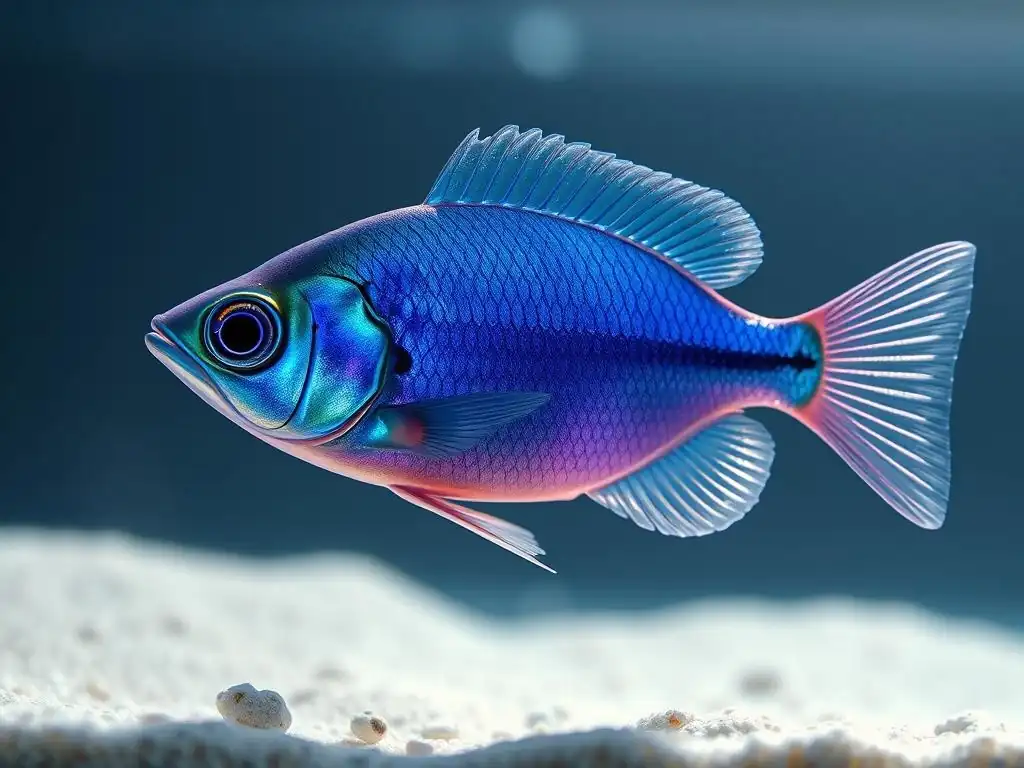
Temperature fluctuations, particularly rapid and significant ones, induce a profound stress response in tetras, directly impacting their breeding potential. When exposed to unstable conditions, fish release stress hormones like cortisol, which suppress their immune system and divert energy away from non-essential functions, including reproduction. This physiological stress can manifest as lethargy, loss of appetite, erratic swimming, or hiding, making the fish less likely to engage in spawning behavior.
Chronic exposure to even minor temperature swings can lead to long-term stress, reducing overall vitality and making tetras reluctant to breed. Studies on fish stress have shown that elevated cortisol levels can directly inhibit the release of reproductive hormones such as gonadotropins, effectively shutting down the breeding urge. For a species as delicate as the Neon Tetra, a sudden 3°F (1.7°C) drop can cause immediate behavioral changes and a complete cessation of any pre-spawning activity.
Effects on Egg Development and Hatching Rates
The delicate process of egg development and hatching is highly sensitive to stable temperatures. Temperature fluctuations during the incubation period can severely compromise the viability of tetra eggs. Embryonic development relies on precise enzymatic reactions that are temperature-dependent; any significant deviation from the optimal range can disrupt these processes, leading to developmental deformities, premature death of the embryo, or complete failure to hatch.
For example, if Cardinal Tetra eggs, which ideally develop at 80°F (26.7°C), experience a sudden drop to 75°F (23.9°C) for several hours during their 24-hour incubation, the hatching rate can plummet from an expected 70-80% to less than 30%. The thermal shock can also weaken the egg membrane, making it susceptible to fungal infections or preventing the fry from successfully breaking free. This direct impact on embryonic viability makes stable tetra breeding temperature a non-negotiable requirement for high hatching success.
Increased Susceptibility to Disease During Temperature Swings
One of the most dangerous consequences of temperature fluctuations for breeding tetras is their increased susceptibility to disease. The stress induced by unstable temperatures weakens the fish's immune system, making them highly vulnerable to pathogens that are often present but dormant in the aquarium environment. A common example is Ichthyophthirius multifiliis, or Ich, which thrives when fish are stressed and their immune defenses are compromised.
A sudden drop in temperature, even as little as 2-3°F (1-1.5°C), can trigger an Ich outbreak within days, especially in a breeding tank where fish are already expending significant energy on reproduction. This makes the fish more likely to contract parasitic, bacterial, or fungal infections, leading to illness, mortality, and certainly a halt to any breeding efforts.
It's estimated that fish exposed to significant temperature swings are 2-3 times more likely to contract common diseases like Ich or Fin Rot within a week compared to those in stable conditions, demonstrating the critical link between stable tetra breeding temperature and fish health.
Temperature Fluctuations as a Potential Tetra Breeding Trigger: Exploring the Theory
Simulating Seasonal Changes to Encourage Spawning
While sudden, uncontrolled temperature fluctuations are detrimental, a carefully managed and gradual temperature shift can, for some tetra species, act as a natural trigger for spawning. This technique aims to simulate the environmental cues of their natural habitat, such as the onset of a "rainy season" or a period of increased water flow and cooler temperatures followed by a rise. Such changes in the wild often signify abundant food and optimal conditions for fry survival.
For example, some breeders of species like the Congo Tetra (Phenacogrammus interruptus) or certain larger characins might gradually lower the tank temperature by 2-3°F (1-1.5°C) over several days, often combined with large, soft water changes and increased feeding, before slowly raising it back to the optimal breeding temperature. This controlled variation is a nuanced approach to tetra breeding temperature fluctuations, designed to mimic environmental shifts rather than creating stressful instability.
Gradual, Controlled Temperature Shifts vs. Sudden Fluctuations
It is crucial to differentiate between a gradual, controlled temperature shift and a sudden, detrimental fluctuation. A controlled shift involves a slow change in temperature, typically no more than 1°F (0.5°C) per day, over a period of several days or even a week. This allows the fish to acclimate slowly to the new conditions, minimizing stress and maximizing the intended stimulating effect. The change is planned, monitored, and executed with precision.
In contrast, a sudden fluctuation is an uncontrolled, rapid change, often occurring within minutes or hours, and can involve significant drops or rises of 3°F (1.5°C) or more. This rapid change overwhelms the fish's physiological adaptive capabilities, leading to stress, weakened immunity, and a high likelihood of breeding failure or illness. The success of using temperature as a trigger for tetra breeding hinges entirely on the 'gradual' and 'controlled' nature of the change, ensuring it's a cue rather than a shock.
Specific Tetra Species That May Benefit from Controlled Temperature Changes [Example: Glowlight Tetras]
While most tetras thrive on stability for breeding, certain species may respond positively to a controlled, gradual temperature shift as a spawning trigger. The Glowlight Tetra (Hemigrammus erythrozonus) is one such example. Breeders have sometimes found success by gradually reducing the temperature in their breeding tank from a stable 78°F (25.5°C) down to 74°F (23.3°C) over a period of two to three days.
Following this slight cooling phase, a slow return to 78°F (25.5°C) over another two days, often accompanied by a large, soft water change, can stimulate spawning activity. This technique mimics the slight cooling and subsequent warming often associated with rainfall and environmental enrichment in their natural habitats. However, this method requires careful observation and precise control, as an uncontrolled or rapid drop in tetra breeding temperature can still cause stress and inhibit spawning.
Mitigating Temperature Fluctuations for Successful Tetra Breeding
Choosing the Right Aquarium Heater for Stable Temperatures
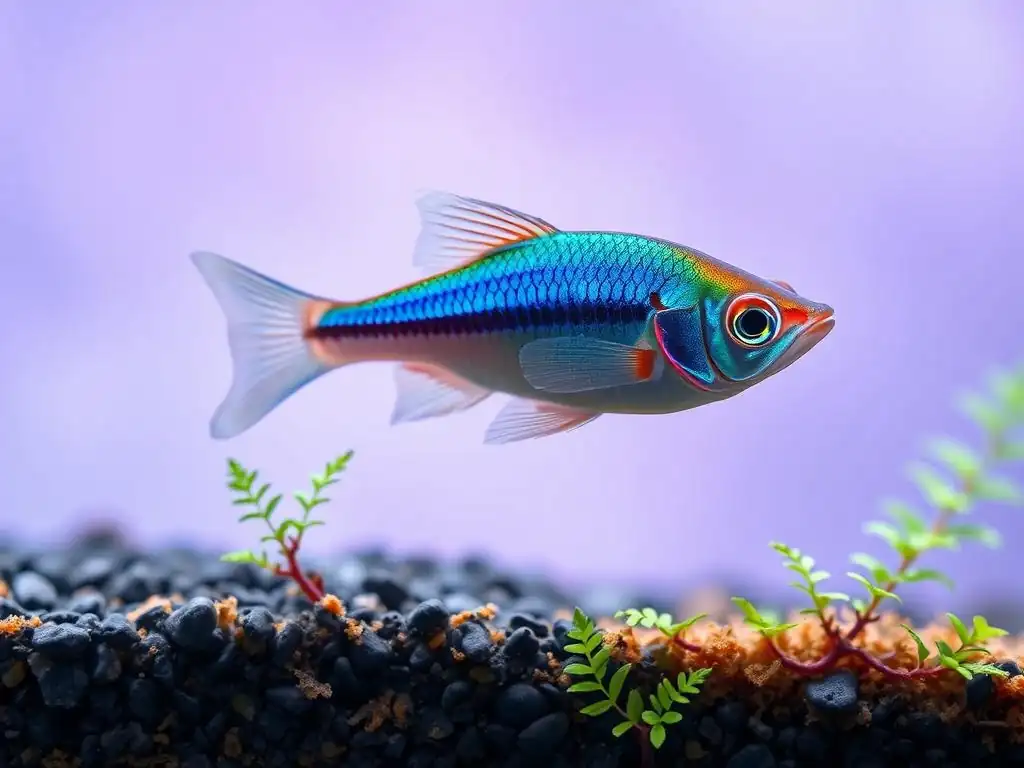
Selecting an appropriately sized and reliable aquarium heater is fundamental to preventing tetra breeding temperature fluctuations. A general guideline is to use 3-5 watts of heating power per gallon of tank water, though this can vary based on ambient room temperature. For instance, a 20-gallon breeding tank in a room that averages 70°F (21°C) might require a 75W or 100W heater to maintain a consistent 78°F (25.5°C).
Opt for fully submersible heaters from reputable brands known for their accuracy and durability. Many modern heaters come with internal thermostats, but their precision can vary. Investing in a heater that is slightly oversized for your tank (e.g., a 100W heater for a 10-gallon tank in a cold room) can provide a buffer, allowing it to heat efficiently without constantly running at maximum capacity, thus promoting more stable temperatures.
Utilizing a Reliable Thermostat Controller
For unparalleled precision and safety in tetra breeding temperature control, integrating an external thermostat controller is highly recommended. These devices plug into a wall outlet, and your heater plugs into them. The controller has its own temperature probe that you place in the aquarium, and it overrides the heater's internal thermostat, turning the heater on and off to maintain the water temperature within a very tight range—often within ±0.5°F (±0.3°C).
This level of accuracy is invaluable for delicate breeding projects, as it virtually eliminates minor temperature swings caused by heater calibration issues. A reliable controller acts as a safeguard, preventing both overheating due to a stuck-on heater and chilling due to a heater malfunction, providing critical stability for the sensitive tetra breeding temperature requirements.
Insulating Your Aquarium to Minimize External Influences
Insulating your aquarium is a simple yet highly effective way to minimize the impact of ambient room temperature fluctuations and maintain stable tetra breeding temperature. Applying foam insulation boards (such as polystyrene foam, commonly found at hardware stores) to the back and sides of the tank can significantly reduce heat loss to the surrounding environment. This makes your heater more efficient and consistent in its operation.
A tight-fitting lid or glass canopy is also crucial, as a significant amount of heat loss occurs through evaporation from the water surface. Covering the tank reduces heat escape and prevents rapid temperature drops. By insulating the tank walls and surface, you can reduce heat loss by 30-40%, leading to much more stable internal temperatures, especially in rooms with fluctuating ambient conditions or during cooler seasons.
Best Practices for Water Changes to Avoid Temperature Shock
Water changes are essential for maintaining water quality but are a common source of dangerous temperature shock if not performed correctly. To avoid sudden tetra breeding temperature fluctuations, always ensure that the new water added to the tank closely matches the existing tank water temperature. Use a reliable thermometer to check both the tank water and the prepared new water.
Aim for a temperature difference of no more than ±1°F (±0.5°C) between the old and new water. Prepare the new water in a separate container, allowing it to sit and adjust to room temperature or using a small heater to bring it to the exact desired temperature. When adding the new water, do so slowly and gradually, perhaps over 10-15 minutes for a 25% water change, rather than dumping it in all at once. This minimizes the immediate impact on the fish and prevents thermal shock.
Case Studies: Tetra Breeding Success and Temperature Control
Case Study 1: Breeder's Experience with Consistent Temperature for Cardinal Tetra Breeding
John M., a dedicated aquarist in Portland, Oregon, has achieved remarkable success with Cardinal Tetra breeding over the past three years by prioritizing unwavering temperature stability. In his dedicated 15-gallon breeding tank, he maintains a precise temperature of 80°F (26.7°C) using a high-quality 75W submersible heater paired with an external digital thermostat controller. This setup ensures that the water temperature never deviates by more than 0.5°F (0.3°C) throughout the day and night.
John reports an impressive average hatch rate of 75-85% from over 20 successful spawns. He attributes a significant portion of this success to the consistent tetra breeding temperature, noting that any instance where the temperature control failed, even for a few hours leading to a 2°F (1.1°C) drop, resulted in either no spawn or a dramatic reduction in egg viability, sometimes as low as a 10% hatch rate. His experience underscores the critical role of absolute stability for these sensitive fish.
Case Study 2: Breeder's Controlled Temperature Variation Experiment with Black Skirt Tetras
Sarah L., an experienced breeder located in South Florida, conducted an experiment with Black Skirt Tetras (Gymnocorymbus ternetzi) to explore the impact of controlled temperature variations on spawning. She maintained a group of conditioning adults at a stable 76°F (24.4°C). While she experienced sporadic spawns at this constant temperature (roughly 20% success rate), she then introduced a controlled temperature shift for a subset of her breeding pairs.
For these pairs, she gradually reduced the temperature to 72°F (22.2°C) over a period of 48 hours, followed by a slow return to 76°F (24.4°C) over another 48 hours, coinciding with large, soft water changes. Sarah observed that 60% of the pairs subjected to this gradual temperature cycle spawned within 24-48 hours of the temperature reaching its peak again. This controlled temperature variation, unlike sudden tetra breeding temperature fluctuations, acted as a clear trigger, significantly improving her breeding success for this species.
Tetra Breeding Temperature: Best Practices for Specific Species
Neon Tetra Breeding Temperature Guidelines
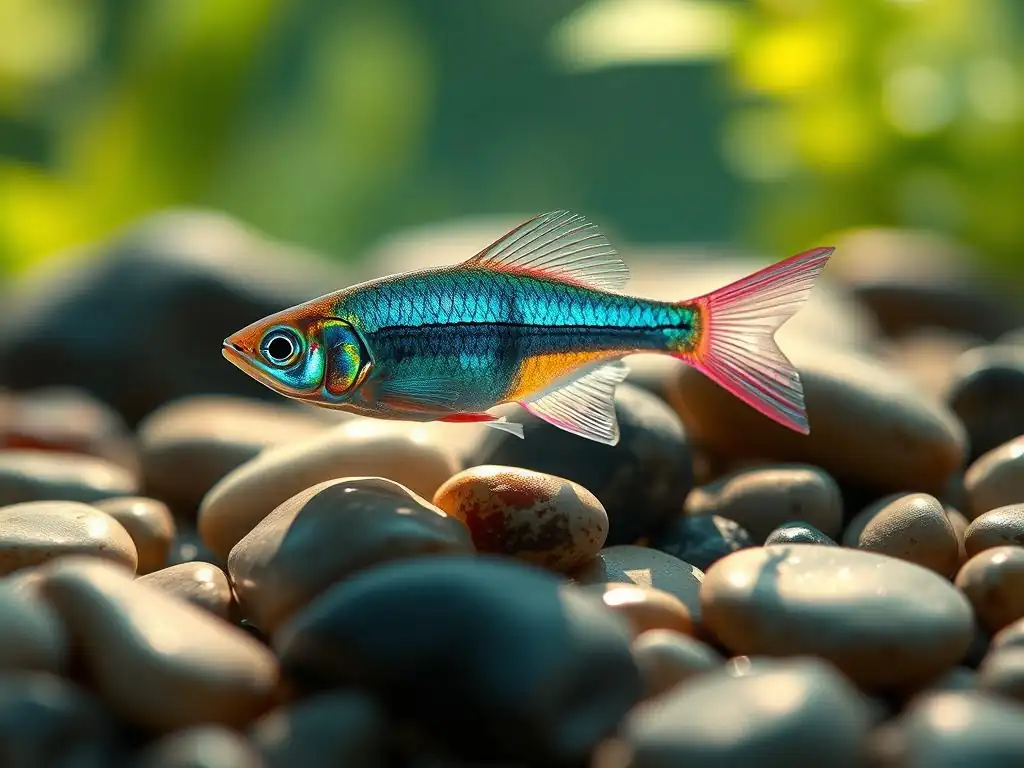
For Neon Tetras (Paracheirodon innesi), maintaining a highly stable breeding temperature is paramount. The ideal range for spawning and successful egg development is typically between 75°F and 79°F (24°C to 26°C). Any rapid temperature fluctuations outside this narrow range, even by just 2°F (1.1°C), can severely stress the fish, inhibit spawning, or lead to egg mortality.
During the incubation period, which lasts approximately 24-36 hours, a consistent temperature within this range is crucial for optimal embryonic development and high hatch rates. Breeders often aim for the upper end of this range (e.g., 78°F/25.5°C) to potentially speed up development and reduce the window of vulnerability for the delicate eggs.
Cardinal Tetra Breeding Temperature Guidelines
Cardinal Tetras (Paracheirodon axelrodi) are renowned for being more challenging to breed than Neons, and their sensitivity to water parameters, including temperature, is a major factor. The optimal tetra breeding temperature for Cardinals is slightly warmer than Neons, typically ranging from 78°F to 82°F (25.5°C to 27.8°C). Consistency within this range is absolutely critical.
These fish are highly susceptible to stress from any sudden temperature fluctuations. Even a minor, rapid drop of 1-2°F (0.5-1.1°C) can cause them to cease spawning attempts, reabsorb eggs, or become more prone to illness. Maintaining a precise and unwavering temperature, often achieved with an external controller, is a cornerstone of successful Cardinal Tetra breeding.
Black Skirt Tetra Breeding Temperature Guidelines
Black Skirt Tetras (Gymnocorymbus ternetzi) are generally more forgiving than their smaller cousins like Neons or Cardinals, but consistent temperature still plays a vital role in their breeding success. The ideal breeding temperature for Black Skirt Tetras is typically between 75°F and 78°F (23.9°C to 25.5°C). While they might tolerate slightly larger, gradual temperature shifts than Neons, sudden tetra breeding temperature fluctuations are still detrimental.
As demonstrated in the case study, some breeders have found that a controlled, gradual temperature reduction followed by a return to the optimal range can act as a trigger for spawning. However, for consistent, low-stress breeding, maintaining a stable temperature within their preferred range is often the most reliable approach, leading to healthier spawns and higher fry survival rates.
Conclusion: Optimizing Temperature for Tetra Breeding Success
Maintaining a Stable and Appropriate Environment is Key
In the intricate world of tetra breeding, temperature stands out as one of the most pivotal environmental factors. While the allure of using temperature fluctuations as a breeding trigger exists for some species, the overarching principle for successful and consistent tetra breeding remains the maintenance of a stable and appropriate temperature. Uncontrolled, rapid tetra breeding temperature fluctuations are almost always a threat, inducing stress, compromising egg viability, and increasing disease susceptibility.
For the vast majority of tetra species, providing a consistent temperature within their specific optimal range is the most effective strategy to encourage spawning, ensure healthy egg development, and maximize hatching rates. This stability minimizes physiological stress, allowing the fish to direct their energy towards reproduction rather than constantly adapting to a changing environment. Investing in reliable heating equipment, using external controllers, and implementing best practices for water changes are non-negotiable steps towards achieving this crucial stability.
Further Research and Experimentation in Tetra Breeding
While established guidelines for tetra breeding temperature exist, the field of aquaculture is continuously evolving, and specific nuances can vary between individual fish strains or even within the same species. Aquarists are encouraged to maintain meticulous records of their breeding attempts, including precise temperature readings, water parameters, and the outcomes of their spawns.
Through careful observation and controlled experimentation, particularly with gradual and deliberate temperature shifts, breeders can uncover species-specific triggers or refine existing methods. This ongoing research and willingness to experiment, always prioritizing the well-being of the fish, contributes valuable knowledge to the broader aquarium community and helps to further optimize tetra breeding success for future generations of aquarists.
Frequently Asked Questions
How do temperature fluctuations affect Tetra breeding?
Fluctuations can act as a breeding trigger for some Tetra species, mimicking seasonal changes. However, extreme swings can also cause stress and inhibit spawning.
What is the ideal temperature range for breeding Tetras?
The ideal range varies by species, but generally falls between 75°F and 82°F (24°C and 28°C). Research your specific Tetra species for optimal temperature requirements.
Can sudden temperature changes be harmful to Tetras during breeding?
Yes, rapid changes are generally detrimental. They can cause stress, disease outbreaks, and may even prevent spawning altogether.
What is the recommended method for inducing spawning in Tetras using temperature?
A slow and gradual decrease of 1-2 degrees Fahrenheit per day, followed by a similar gradual increase, can simulate seasonal changes. Careful monitoring is crucial.
How can I prevent unwanted temperature fluctuations in my Tetra breeding tank?
Use a reliable aquarium heater and thermometer. Also, maintain consistent room temperature and avoid placing the tank near drafts or direct sunlight.
The exploration of temperature fluctuations and their impact on tetra breeding, as we've seen, is not merely an academic exercise, but a crucial consideration for any aquarist striving for success. Understanding the delicate balance within the aquarium ecosystem is paramount, especially when aiming to foster the next generation of these vibrant fish. The insights gleaned from this investigation highlight the need for meticulous observation and proactive management to mitigate potential risks and optimize breeding conditions.
This journey into the nuances of tetra breeding has underscored the profound interconnectedness of environmental factors and biological processes. Personally, witnessing the resilience of these tiny creatures, even amidst challenging conditions, has deepened my appreciation for the complexities of aquatic life. It reminds us that even seemingly minor variations can have significant repercussions. The devil is in the details,
as the saying goes, and in the world of aquarium keeping, attention to detail can be the difference between thriving life and unforeseen setbacks.
Now, armed with this knowledge, I encourage you to reflect on your own aquarium practices. Are you diligently monitoring temperature fluctuations? Are you prepared to adapt your approach based on the specific needs of your tetra species? Let this exploration serve as a catalyst for continuous learning and refinement, empowering you to create a stable and nurturing environment where your tetras can not only survive, but truly flourish, contributing to the vibrant tapestry of life within your aquarium.
Unleash Your Tetra Breeding Potential!
Thank you for diving into the world of tetra breeding with us! We hope this exploration of temperature fluctuations has provided valuable insights for your aquarium journey. Now, it's time to turn knowledge into action!
Here are a few ways to continue:
- Immediately assess your tank's temperature stability by monitoring it closely for the next 24 hours. Note any unexpected swings.
- Share your own tetra breeding successes (or challenges!) in the comments below to help fellow aquarists.
- Consider setting up a dedicated 'fry tank' if you're serious about breeding, ensuring consistent parameters separate from your main display.
Ready to transform your aquarium into a tetra paradise? Share your tank's current temperature fluctuation range with us!