
Identifying & Treating Ailments in Breeding Tetras: An Aquarium Mastery Guide

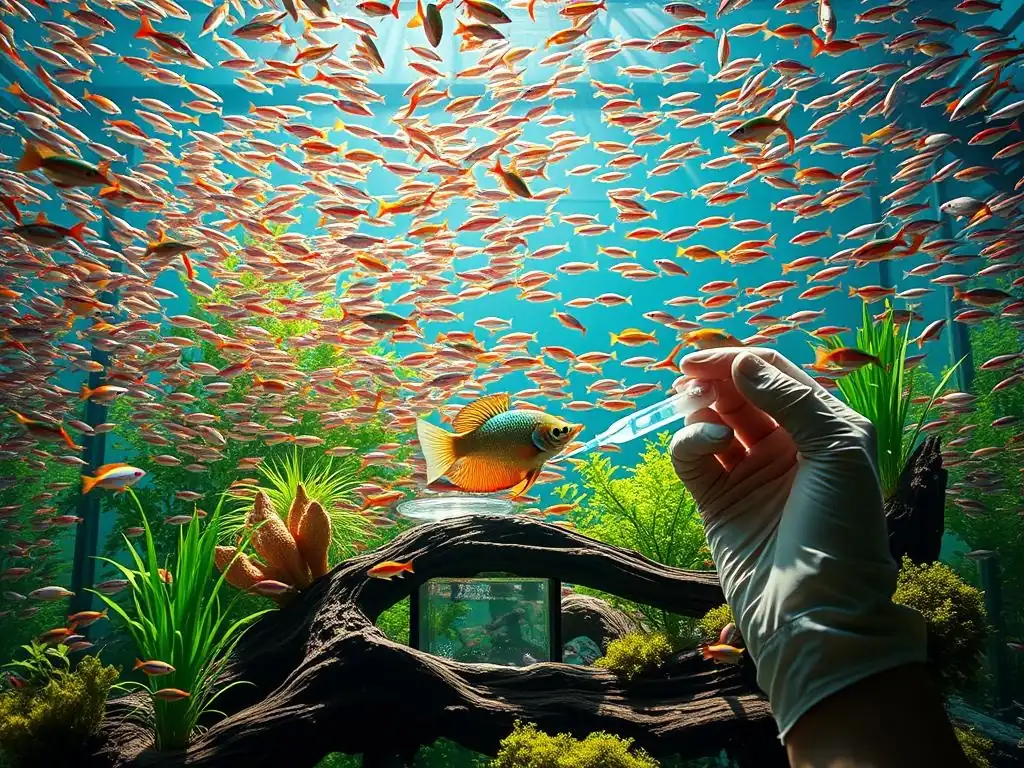
Welcome to Aquarium Mastery!
Ever wondered why your breeding tetras aren't thriving, or how to spot the early signs of disease before it's too late? Dive in and unlock the secrets to a healthy and vibrant tetra community. This guide, "Identifying & Treating Ailments in Breeding Tetras," is just the beginning. Discover proven strategies and expert advice to ensure your tetras remain happy and prolific. Ready to learn more about breeding tetra disease treatment and keep your freshwater aquarium flourishing? Let's get started!
- Introduction to Tetra Breeding Challenges and Disease Management
- Recognizing Common Diseases in Breeding Tetras
- Diagnosing Tetra Diseases: A Step-by-Step Approach
-
Treating Common Diseases in Breeding Tetras
- Treating Fin Rot and Tail Rot in Tetras: Antibacterial Medications and Water Changes
- Ich Treatment for Breeding Tetras: Temperature Adjustments and Medications
- Addressing Fungal Infections in Tetras: Antifungal Treatments and Prevention
- Treating Bloat in Tetras: Identifying the Cause and Implementing Solutions
- Managing Parasitic Infections in Tetras: Antiparasitic Medications and Quarantine
- Preventing Disease in Breeding Tetra Tanks: Best Practices
- Advanced Tetra Disease Management Techniques
- Breeding Tetra Disease Treatment: a summary
-
Frequently Asked Questions
- How can I identify potential diseases in my breeding tetras?
- What are the common diseases that affect breeding tetras?
- What are the best practices for Tetra Disease treatment in breeding tetras?
- What preventative measures can I take to protect my breeding tetras from diseases?
- What other treatment options are available for diseases affecting breeding tetras besides Tetra Disease?
- Final Reflection: Nurturing Life, Preserving Beauty
- Unleash the Power of Tetra Breeding Success!
Introduction to Tetra Breeding Challenges and Disease Management
The Delicate Balance: Tetra Breeding and Health
Breeding tetras, while a rewarding endeavor, places significant physiological stress on the fish, making them inherently more susceptible to disease. The demanding process of gonadal development, courtship rituals, and spawning can deplete a tetra's energy reserves and suppress its immune system. Maintaining optimal environmental conditions – precise water parameters, stable temperatures, and a nutrient-rich diet – is not merely about encouraging spawning, but also about safeguarding the health of the breeding pair and their future offspring. Any deviation from these ideal conditions can quickly compromise their resilience.
Even subtle stressors, such as minor fluctuations in water chemistry or insufficient nutrition, can weaken a tetra's natural defenses. This weakened state creates an opportune environment for opportunistic pathogens, which are often present in the aquarium but typically kept in check by a healthy immune system. Therefore, a comprehensive understanding of potential health issues and effective breeding tetra disease treatment strategies is paramount to ensure the long-term success and well-being of your breeding stock. Proactive health management is as crucial as mastering spawning techniques.
The intense physiological demands associated with reproduction can unmask latent infections or pre-existing weaknesses that might otherwise remain dormant in non-breeding fish. For instance, a tetra carrying a subclinical parasitic load might show no symptoms under normal conditions, but the stress of preparing to spawn can cause a flare-up, leading to visible signs of illness. The body’s resources are diverted to reproduction, leaving less for immune defense.
Furthermore, breeding setups often involve specific environmental modifications, such as slightly higher temperatures to encourage spawning, or reduced water flow to protect eggs. While beneficial for reproduction, these altered conditions can also create environments conducive to certain pathogens. For example, warmer water accelerates the life cycle of Ich. Additionally, the increased bioload from conditioning foods or the presence of unhatched eggs can rapidly degrade water quality if not meticulously managed, further stressing the fish and necessitating prompt tetra disease treatment.
Recognizing Common Diseases in Breeding Tetras
Identifying External Signs of Illness in Tetras
Fin Rot and Tail Rot in Breeding Tetras: Symptoms and Causes
Fin rot and tail rot are common bacterial infections that manifest as frayed, ragged, or disintegrating fins, often with a milky or bloody appearance at the edges. In severe cases, the entire fin structure can be eaten away, potentially exposing the fin rays. The primary culprits are often opportunistic bacteria such as Aeromonas or Pseudomonas, which thrive in suboptimal water conditions, particularly those with high ammonia or nitrate levels.
Breeding tetras are especially vulnerable due to the stress of spawning, which can compromise their immune system, and potential physical injuries sustained during aggressive courtship or spawning. A male nipping at a female's fins, for example, can create an open wound susceptible to infection. Prompt diagnosis and breeding tetra disease treatment are crucial, as untreated fin rot can progress to the body, leading to systemic infection and ultimately, death.
Ich (White Spot Disease) in Tetra Breeding Tanks: Early Detection
Ich, caused by the protozoan parasite Ichthyophthirius multifiliis, is highly recognizable by the appearance of small, white, salt-grain-like spots scattered across the fish's body and fins. Affected tetras may also exhibit flashing (rubbing their bodies against tank decor), clamped fins, and rapid breathing as the parasites irritate their skin and gills. The parasite has a complex life cycle, including a free-swimming stage that infects fish.
In breeding tanks, Ich can spread rapidly due to increased stress levels in the fish and often warmer water temperatures used to encourage spawning, which accelerates the parasite's life cycle. A single infected fish introduced without proper quarantine can quickly contaminate an entire breeding setup, impacting not only the breeding pair but also any developing fry. Early detection is vital for effective Ich treatment for breeding tetras and preventing a widespread outbreak.
Fungal Infections in Tetras: Recognizing Cotton-Like Growths
Fungal infections typically appear as white, gray, or brownish cotton-like growths on the skin, fins, or mouth of the tetra. These growths are often fuzzy in appearance and can vary in size. Common aquatic fungi such as Saprolegnia and Achlya are usually secondary invaders, meaning they capitalize on an existing injury, stress, or underlying health issue.
In a breeding tank, unfertilized eggs can quickly decay, providing a rich substrate for fungal spores to proliferate. Spawning injuries, such as scrapes or nips, also offer easy entry points for these opportunistic pathogens. While generally less aggressive than bacterial infections, fungal growths can quickly debilitate a breeding tetra, leading to secondary bacterial infections if not addressed with timely tetra disease treatment.
Internal Ailments Affecting Breeding Tetras: Recognizing Subtle Signs
Bloat in Tetras: Symptoms and Potential Causes During Breeding
Bloat in tetras is characterized by a noticeably swollen or distended abdomen, often accompanied by lethargy, loss of appetite, and sometimes difficulty swimming or maintaining buoyancy. While bloat can stem from various causes, including constipation, poor diet, or organ failure, in breeding tetras, it often points to internal bacterial infections or issues related to egg retention.
Overfeeding high-protein conditioning foods to encourage spawning can sometimes lead to digestive upset or impaction, contributing to bloat. Similarly, if a female tetra is unable to release her eggs (egg-binding) or if she develops an internal infection, her abdomen may swell. Identifying the underlying cause is paramount for successful breeding tetra disease treatment for bloat, as remedies vary significantly depending on the etiology.
Parasitic Infections in Tetras: Identifying and Understanding the Risks
Internal parasitic infections in tetras can be more challenging to diagnose due to their subtle and varied symptoms. Common signs include unexplained weight loss despite a good appetite, lethargy, clamped fins, rapid breathing, and sometimes stringy, white feces (indicative of intestinal flagellates like Hexamita). Other parasites, such as internal nematodes, can cause abdominal swelling or abnormal swimming.
The stress of breeding can significantly weaken a tetra's immune system, allowing latent parasitic infections to become active and cause overt disease. These infections can be particularly devastating in a breeding setup, as they can spread rapidly through the tank water or via infected food, potentially affecting not only the breeding pair but also the vulnerable fry. Prompt and accurate diagnosis, followed by targeted tetra disease treatment, is crucial to prevent widespread losses.
Diagnosing Tetra Diseases: A Step-by-Step Approach
Water Quality Testing: The First Step in Diagnosing Tetra Illness
Before considering any medication, the absolute first step in diagnosing tetra illness is a thorough assessment of water quality. Poor water parameters are responsible for a significant percentage of fish health issues, acting as both direct stressors and enablers for pathogens. Test for ammonia, nitrite, nitrate, pH, and temperature using reliable liquid test kits.
Ideal parameters for most breeding tetras typically include zero ammonia (0 ppm), zero nitrite (0 ppm), and nitrates below 20 ppm. The pH range can vary slightly depending on the specific tetra species, but generally falls between 6.0 and 7.5, with stability being more important than an exact number. Consistent temperature, often around 24-26°C (75-79°F), is also vital. Even slight deviations can compromise a fish's immune system, making immediate water parameter correction the most effective initial tetra disease treatment.
Observing Tetra Behavior: Key Indicators of Disease
Changes in Swimming Patterns: Signs of Underlying Health Problems
Observing changes in a tetra's swimming patterns is a critical diagnostic tool. Healthy tetras are typically active, schooling fish, swimming smoothly and purposefully. Signs of illness can include erratic darting, spiraling, shimmying (a rapid, jerky movement while remaining in place), or swimming upside down. Gasping at the surface often indicates oxygen deprivation or gill issues, while remaining listless at the bottom or hiding excessively suggests severe stress or internal problems.
In breeding tetras, specific behavioral changes might also be observed. A previously active male might lose interest in courtship, or a female might appear sluggish and unable to participate in spawning activities. These deviations from normal breeding behavior can be early indicators of underlying health problems, warranting closer inspection and potential breeding tetra disease treatment.
Loss of Appetite and Lethargy: Identifying Potential Tetra Diseases
Loss of appetite, or refusal to eat, is one of the most common and concerning signs of illness in tetras. Healthy tetras are typically eager eaters. When a fish consistently refuses food, it often indicates an internal issue, severe stress, or advanced disease. Coupled with lethargy – a general lack of energy, listlessness, or spending prolonged periods motionless at the bottom or top of the tank – it signals a significant health concern.
For breeding tetras, a sudden disinterest in the conditioning foods they usually eagerly consume is a red flag. This can suggest anything from internal parasitic infections to severe bacterial diseases or even egg-binding. These general symptoms require immediate investigation into water parameters, physical examination, and consideration of appropriate tetra disease treatment before the condition deteriorates.
Microscopic Examination: Identifying Parasites and Bacteria
For advanced aquarists or in cases where general treatments are ineffective, microscopic examination provides a definitive diagnosis of many parasitic and bacterial infections. This involves carefully taking a skin scrape (mucus sample), a fin clip, or a gill biopsy from an affected or deceased fish. These samples are then viewed under a microscope to identify specific pathogens.
For example, Ichthyophthirius multifiliis (Ich) trophonts are easily identifiable under magnification, as are various external protozoans like Chilodonella or Costia. Bacterial colonies can also be observed, though specific identification often requires culturing. While this method may require specialized equipment or consultation with an aquatic veterinarian, it allows for highly targeted tetra disease treatment, avoiding unnecessary broad-spectrum medications and increasing success rates.
Treating Common Diseases in Breeding Tetras
Treating Fin Rot and Tail Rot in Tetras: Antibacterial Medications and Water Changes
Choosing the Right Antibacterial Medication for Tetra Fin Rot
When addressing fin rot in breeding tetras, selecting an effective antibacterial medication is crucial. Broad-spectrum antibiotics are often recommended for initial treatment, targeting common gram-negative bacteria responsible for fin rot. Products containing active ingredients like Furan-2 (nitrofurazone), Maracyn (erythromycin), or KanaPlex (kanamycin) are frequently used. Always adhere strictly to the manufacturer's dosage instructions, as underdosing can lead to resistant strains, and overdosing can be harmful to the fish.
It's important to be aware of any potential sensitivities. Some medications, particularly those containing copper, can be toxic to invertebrates like snails or shrimp, which may be present in a breeding setup. If the breeding tank contains sensitive species or if you are concerned about medicating the main tank, consider moving the affected tetra to a separate hospital tank for breeding tetra disease treatment. Monitor the fish closely for any adverse reactions during the treatment period.
The Importance of Water Changes in Treating Fin Rot
Medication alone is often insufficient for treating fin rot; pristine water quality is equally, if not more, important. Daily or every-other-day partial water changes of 25-30% are essential to reduce the bacterial load in the water column and remove accumulated waste products that contribute to poor water quality. This significantly aids the healing process by minimizing environmental stressors and preventing re-infection.
Clean, well-oxygenated water allows the tetra's immune system to focus on fighting the infection rather than combating environmental toxins. Use a gravel vacuum to remove any detritus or uneaten food from the substrate. Consistent water changes, coupled with the appropriate antibacterial medication, vastly improve the chances of successful tetra disease treatment and complete fin regeneration.
Ich Treatment for Breeding Tetras: Temperature Adjustments and Medications
Raising the Temperature: A Natural Approach to Ich Treatment
One effective method for treating Ich involves gradually raising the tank temperature. The Ichthyophthirius multifiliis parasite has a temperature-dependent life cycle; increasing the water temperature accelerates this cycle, causing the trophonts (the stage on the fish) to mature and drop off more quickly. Gradually raise the tank temperature to 28-30°C (82-86°F) over 24-48 hours and maintain it for 7-10 days.
At these elevated temperatures, the free-swimming "tomites" (infective stage) hatch and die more rapidly if they cannot find a host, effectively breaking the parasite's life cycle. However, higher temperatures reduce dissolved oxygen levels, so it is crucial to increase aeration significantly using air stones. This method is particularly useful in breeding tanks where some Ich medications might affect sensitive fry or plants.
Using Ich Medications Safely in a Breeding Tank
For persistent or severe Ich outbreaks, specific Ich medications may be necessary. Products containing malachite green, formalin, or a combination thereof (e.g., Kordon's Ich-X, Seachem Paraguard) are highly effective. Always follow the manufacturer's precise dosage instructions and treatment duration, as underdosing can lead to resistant parasites and overdosing can harm fish.
Before adding medication, remove activated carbon from the filter, as it will absorb the medication, rendering it ineffective. Some Ich medications can also stain silicone or tank decorations, which is a consideration for display tanks. It's often recommended to repeat dosages as directed, typically over several days, to target subsequent generations of the parasite. Combining temperature elevation with medication can provide a robust breeding tetra disease treatment strategy.
Addressing Fungal Infections in Tetras: Antifungal Treatments and Prevention
Selecting an Appropriate Antifungal Medication
When dealing with fungal infections, effective antifungal medications are available. Methylene Blue is a popular choice, particularly for external fungal growths, and can be used as a dip or directly in the tank. Other options include commercial antifungal treatments containing active ingredients like phenoxyethanol or malachite green. For mild cases or as a supportive measure, products like Melafix (tea tree oil extract) can promote healing, though they are not strong enough for severe infections.
It's important to note that Methylene Blue can stain tank silicone and decor, and may also temporarily affect the beneficial bacteria in the biological filter, so it's often best used in a separate hospital tank. Always follow the product's instructions carefully, as dosages vary, and ensure the full course of treatment is completed to prevent recurrence of the fungal infection.
Preventing Fungal Infections: Maintaining Optimal Water Conditions
Preventing fungal infections is often more effective than treating them, as they are typically secondary opportunistic infections. The cornerstone of prevention is maintaining impeccable water quality: consistently low nitrates (<20 ppm), zero ammonia, and zero nitrites. Regular water changes and efficient filtration are vital in achieving this.
Promptly remove any dead organic matter from the breeding tank, such as uneaten food or unfertilized eggs, as these provide a substrate for fungal spores to colonize. Ensure proper aeration and avoid overfeeding. Addressing any underlying stressors, such as physical injuries from spawning aggression or other primary diseases that weaken the fish, will significantly reduce the likelihood of fungal outbreaks and the need for extensive tetra disease treatment.
Treating Bloat in Tetras: Identifying the Cause and Implementing Solutions
Dietary Adjustments for Tetras with Bloat
If bloat is suspected to be caused by constipation or overfeeding, dietary adjustments are the first line of tetra disease treatment. Fast the affected tetra for 2-3 days to allow its digestive system to clear. After fasting, offer blanched, deshelled peas, which act as a natural laxative. Alternatively, feeding live or frozen daphnia can also help, as they are easily digestible and have a mild laxative effect.
To prevent bloat related to diet in breeding tetras, ensure you are feeding a varied, high-quality diet that includes both protein-rich foods (for conditioning) and some vegetable matter. Avoid exclusively feeding dry, flake, or pellet foods, and never overfeed. Offer smaller meals more frequently rather than large, infrequent ones.
Medications for Internal Bacterial Infections Causing Bloat
If bloat is accompanied by other symptoms like lethargy, loss of appetite, or stringy white feces, it might indicate an internal bacterial infection. In such cases, medicated food is often the most effective way to deliver treatment directly to the digestive tract. Broad-spectrum antibiotics like Metronidazole (effective against anaerobic bacteria and some internal parasites like Hexamita) or KanaPlex (kanamycin, effective against many gram-negative bacterial infections) can be used.
These medications can be mixed with food (following specific instructions for medicated food preparation) or, if the fish is not eating, added directly to the water. It is crucial to complete the entire course of medication, even if the fish appears to recover quickly, to prevent the development of antibiotic-resistant strains. Consulting an aquatic veterinarian for an accurate diagnosis can lead to more targeted and successful breeding tetra disease treatment for bloat.
Managing Parasitic Infections in Tetras: Antiparasitic Medications and Quarantine
Choosing the Correct Antiparasitic Medication
Effective tetra disease treatment for parasitic infections hinges on correctly identifying the specific parasite. For internal flagellates like Hexamita (which can cause wasting and white, stringy feces), Metronidazole is a common and effective choice, often administered through medicated food. For external flukes (monogeneans) that can irritate gills or skin, Praziquantel-based medications are highly effective.
For internal nematodes (roundworms), medications containing Fenbendazole or Levamisole are typically used. Since different parasites respond to different medications, an accurate diagnosis, ideally through microscopic examination, is paramount. Using the wrong medication is not only ineffective but can also stress the fish unnecessarily.
Quarantine Procedures to Prevent Spreading Parasites
When a parasitic infection is suspected or confirmed, immediately moving the affected breeding tetras to a separate quarantine tank for treatment is highly recommended. This critical step prevents the rapid spread of parasites to healthy fish and vulnerable fry in the main breeding tank. The quarantine tank should be set up with similar water parameters to the main tank but be easier to monitor and medicate.
Treat the affected fish in quarantine according to the specific parasite identified. If multiple fish in the main tank show symptoms, or if the parasite is known to have a free-swimming stage (like Ich), a full-tank treatment may be necessary after removing the most severely affected fish. Thorough cleaning and disinfection of nets and equipment used between tanks are also crucial to prevent cross-contamination and ensure the efficacy of your tetra disease treatment efforts.
Preventing Disease in Breeding Tetra Tanks: Best Practices
Maintaining Optimal Water Quality: The Foundation of Tetra Health
Regular Water Changes: Maintaining a Healthy Environment
Regular partial water changes are the single most important practice for preventing disease in any aquarium, especially in a breeding tetra tank. Weekly water changes of 25-30% are generally recommended to dilute accumulated nitrates, phosphates, and other dissolved organic compounds, while also replenishing essential trace minerals. In a breeding setup, with potentially higher bioload from conditioning foods and developing fry, slightly more frequent or larger changes (e.g., 30-40% twice a week) may be beneficial.
Always use a gravel vacuum to remove detritus, uneaten food, and fish waste from the substrate, as these decompose and contribute to poor water quality. Ensure that new water is dechlorinated and temperature-matched to the tank water to prevent thermal shock, which can severely stress breeding tetras and make them susceptible to illness, thus avoiding the need for breeding tetra disease treatment.
Proper Filtration: Removing Harmful Substances
An appropriately sized and well-maintained filtration system is crucial for removing harmful substances and maintaining clear, healthy water. A good filtration system should include mechanical filtration (sponges, filter floss) to remove particulate matter, chemical filtration (activated carbon, specialized resins) to absorb dissolved pollutants, and robust biological filtration (bio-rings, ceramic media) to host beneficial bacteria that convert toxic ammonia and nitrite into less harmful nitrate.
For breeding tanks, gentle filtration, such as sponge filters or air-driven box filters, is often preferred to prevent eggs or delicate fry from being sucked into the intake. Regularly clean mechanical filter media to prevent clogging and maintain efficiency, but avoid over-cleaning biological media, which can disrupt the beneficial bacterial colonies.
Avoiding Overcrowding: Minimizing Stress and Disease
Overcrowding is a significant stressor for fish and a primary contributor to disease outbreaks. It increases the bioload on the filtration system, leading to rapid degradation of water quality, and can also lead to increased aggression and competition for resources among fish. For breeding tetras, providing ample space is essential not only for their well-being but also for successful spawning.
While a general rule of thumb is 1 gallon of water per inch of adult fish, breeding pairs often benefit from more space to reduce stress and allow for natural courtship behaviors without undue aggression. Adequate space ensures that fish are less stressed, their immune systems remain robust, and the likelihood of needing intensive breeding tetra disease treatment is significantly reduced.
Providing a Balanced Diet: Strengthening Tetra Immunity
High-Quality Tetra Food: Ensuring Nutritional Needs Are Met
A varied and high-quality diet is fundamental to strengthening a tetra's immune system and overall resilience to disease. Do not rely solely on one type of food. Offer a mix of premium flakes, small sinking pellets, and a variety of frozen or live foods such as brine shrimp, daphnia, and bloodworms. Look for foods rich in spirulina, astaxanthin, and other color-enhancing and immune-boosting ingredients.
During the conditioning phase for breeding, increase the frequency of protein-rich live or frozen foods to build up the tetras' energy reserves and encourage gonad development. However, always feed in moderation to avoid overfeeding, which can lead to digestive issues and foul the water. A well-nourished fish is far less likely to succumb to illness and require tetra disease treatment.
Supplementation: Vitamins and Minerals for Breeding Success
While a high-quality diet provides most necessary nutrients, supplementation can further boost a breeding tetra's immunity and overall health, especially during periods of stress. Liquid vitamin supplements, particularly those rich in Vitamin C (ascorbic acid), can be added to the fish's food or directly to the tank water. Vitamin C is crucial for immune function and stress reduction in fish.
Additionally, ensuring adequate trace minerals are available in the water is important. These can be naturally replenished through regular water changes using good quality source water, or through the use of specific aquarium mineral supplements. Proper nutrition and supplementation contribute significantly to the fish's ability to resist pathogens and recover from any health challenges, minimizing the need for breeding tetra disease treatment.
Quarantine New Tetras: Preventing the Introduction of Disease
Quarantine Tank Setup: Creating a Safe Environment
Setting up a separate quarantine tank is arguably the most effective preventative measure against introducing diseases into your established breeding tetra setup. A 10-20 gallon tank is often sufficient, equipped with a heater to maintain stable temperatures, a gentle filter (like a sponge filter), and some hiding spots (PVC pipes, plastic plants). Keep the tank bare-bottomed for easy cleaning and observation.
The quarantine tank should be cycled and maintained with water parameters similar to your main breeding tank to minimize stress on new arrivals. This dedicated space allows you to isolate new fish, observe their health, and treat any potential illnesses without risking your valuable breeding stock or established ecosystem.
Observation Period: Identifying Potential Health Problems
Quarantine all new tetras for a minimum of 2-4 weeks, ideally longer if space permits. During this observation period, closely monitor the fish daily for any signs of illness, such as white spots, frayed fins, unusual swimming patterns, clamped fins, or loss of appetite. Even if no immediate symptoms are visible, the stress of transport can trigger latent infections.
If any symptoms appear, initiate appropriate tetra disease treatment directly in the quarantine tank. This proactive measure prevents the introduction of pathogens like Ich, Velvet, or internal parasites into your main breeding tank, safeguarding your existing fish and fry from potential widespread outbreaks.
Advanced Tetra Disease Management Techniques
Using Natural Remedies: Exploring Alternative Treatments
Tea Tree Oil (Melaleuca) for Minor Infections
Tea tree oil, derived from the Melaleuca alternifolia plant, is found in several commercial aquarium products, notably Melafix. It possesses mild antiseptic and antibacterial properties and can be a useful natural remedy for minor fin damage, scrapes, or very early stages of bacterial or fungal infections. It works by promoting the healing of damaged tissue and can help reduce stress.
While beneficial for minor issues, it is important to understand that tea tree oil is not a substitute for strong antibacterial or antifungal medications in severe cases of disease. It should be used as directed on the product label, typically as a daily dose for about a week. It can be a gentle option for supporting the fish's natural healing process without the harsher effects of some pharmaceutical treatments.
Garlic as an Immune Booster
Garlic has long been recognized for its potential health benefits in both humans and animals, and its use in aquaculture is gaining traction. When crushed fresh and soaked into fish food, or used in commercial garlic-infused fish foods, it is believed to act as an appetite stimulant and an immune booster. Its active compounds, like allicin, may have antimicrobial and antiparasitic properties.
Incorporating garlic into the diet of breeding tetras can proactively strengthen their immune system, making them more resilient to common pathogens and reducing the likelihood of needing intensive breeding tetra disease treatment. It can also be beneficial during recovery from illness, encouraging the fish to eat and regain strength.
When to Seek Professional Veterinary Assistance for Tetras
Recognizing Severe Symptoms: Knowing When to Consult a Vet
While many common tetra ailments can be managed by experienced aquarists, there are instances when professional veterinary assistance becomes necessary. You should consider consulting an aquatic veterinarian if symptoms are severe, rapidly worsening, or affecting a large number of fish, especially if standard tetra disease treatment protocols have proven ineffective.
Signs that warrant professional intervention include widespread lesions, severe dropsy (pinecone appearance), unexplained mass mortalities, or persistent symptoms despite correct treatment. These situations often indicate a rare pathogen, a highly resistant strain, or a complex underlying condition that requires specialized diagnostic capabilities.
Diagnostic Testing and Treatment Options
An aquatic veterinarian possesses specialized knowledge and tools to diagnose and treat complex fish diseases. They can perform advanced diagnostic tests such as comprehensive water analysis, necropsies (post-mortem examinations), bacterial cultures to identify specific strains, and microscopic examinations of gill or skin biopsies from live fish.
Based on these precise diagnoses, a vet can prescribe targeted, potent medications that may not be available over-the-counter to the general public. They can also provide tailored advice on husbandry practices, water chemistry adjustments, and long-term health management strategies, which is invaluable for resolving challenging cases of breeding tetra disease treatment and preventing future outbreaks.
Breeding Tetra Disease Treatment: a summary
Key takeaways for Healthy Tetra Breeding
Successful and healthy tetra breeding hinges on a multi-faceted approach that prioritizes prevention over cure. The fundamental pillars include maintaining pristine water quality through diligent filtration and regular water changes, providing a highly varied and nutritionally balanced diet to bolster immune systems, and rigorously quarantining all new arrivals to prevent the introduction of pathogens. These proactive measures significantly reduce stress on breeding tetras, making them inherently more resilient to disease.
Beyond prevention, vigilant daily observation of your breeding tetras is critical for early detection of any subtle changes in behavior or appearance. Prompt identification of symptoms, followed by accurate diagnosis and targeted breeding tetra disease treatment, is essential for mitigating the impact of illness. Rapid response not only saves individual fish but also protects the entire breeding colony and ensures the health of future generations.
Resources for Further Reading on Tetra Health and Disease
For aquarists seeking to deepen their understanding of tetra health and disease management, a wealth of resources is available. Reputable online forums dedicated to fish health, academic papers from aquaculture journals, and specialized books on ornamental fish diseases offer in-depth information. Websites like AquariumMastery.com provide comprehensive guides on various aspects of fish care, including disease profiles and treatment protocols.
Exploring these resources can enhance your ability to identify specific pathogens, understand their life cycles, and select the most effective tetra disease treatment strategies. Continuous learning and staying informed about the latest advancements in fish health will empower you to provide the best possible care for your breeding tetras, ensuring their vitality and the success of your breeding programs.
Frequently Asked Questions
How can I identify potential diseases in my breeding tetras?
Look for behavioral changes, such as lethargy or isolation. Visible symptoms like fin rot, white spots, or bloating can also indicate illness.
What are the common diseases that affect breeding tetras?
Common ailments include Ich (white spot disease), fin rot, and bacterial infections. Tetra disease can also be a significant concern, especially for breeding populations.
What are the best practices for Tetra Disease treatment in breeding tetras?
Unfortunately, true Tetra Disease (Pleistophora hyphessobryconis) is usually fatal and incurable. Prevention through strict quarantine and maintaining excellent water quality is crucial.
What preventative measures can I take to protect my breeding tetras from diseases?
Implementing a quarantine period for new fish is vital. Regular water changes and maintaining optimal water parameters also minimize disease risks.
What other treatment options are available for diseases affecting breeding tetras besides Tetra Disease?
For ailments like Ich or fin rot, medications containing copper sulfate or antibiotics may be effective. Always follow the manufacturer's instructions and monitor water parameters closely.
Okay, here's a final reflection designed to conclude your article "Identifying & Treating Ailments in Breeding Tetras: An Aquarium Mastery Guide," optimized for the keyword "Breeding tetra disease treatment" and following the structure you provided:
Final Reflection: Nurturing Life, Preserving Beauty
The journey of breeding tetras, while rewarding, inevitably presents challenges in the form of disease. Understanding and addressing these ailments, as we've explored, is not merely about treating sick fish; it's about safeguarding the delicate balance of an entire ecosystem within your aquarium. The health of your breeding tetras directly reflects your commitment to responsible aquascaping and the preservation of these vibrant creatures.
This deep dive into "Breeding tetra disease treatment" has hopefully illuminated the often-unseen complexities of aquatic health. Beyond the technical aspects of diagnosis and medication, lies a profound connection to the living world, a responsibility to provide the best possible care for these delicate beings. As Jacques Cousteau so eloquently stated, The sea, once it casts its spell, holds one in its net of wonder forever.
This sentiment applies equally to the microcosm of our aquariums; the wonder of life within them demands our unwavering attention and respect.
Now, armed with this knowledge, I urge you to reflect on your own practices. Are you truly observing your tetras with the discerning eye of a caretaker? Are you prepared to act swiftly and decisively when illness strikes? Let this guide serve as a constant reminder that the beauty and vitality of your aquarium depend on your dedication to understanding and treating the ailments that may arise. Embrace the challenge, and continue to cultivate a thriving, healthy environment for your breeding tetras.
Unleash the Power of Tetra Breeding Success!
Thank you for diving into the world of tetra breeding with Aquarium Mastery! We hope this guide has equipped you with the knowledge to identify and treat common ailments, setting you on the path to aquarium success. Now, it's time to put that knowledge into action!
Here are some steps you can take to further your tetra breeding journey:
- Implement Preventative Measures: Begin by critically assessing your current tank setup. Are water parameters optimal? Is your filtration system adequate? Consistent monitoring and proactive adjustments are crucial for preventing future outbreaks.
- Delve Deeper: Research specific diseases and treatment options. Explore advanced techniques like quarantine protocols and medication administration to refine your skills.
- Share Your Success (and Struggles!): Connect with fellow aquarists on the Aquarium Mastery forum or social media groups. Sharing your experiences, asking questions, and learning from others is invaluable.
What specific preventative measure will you implement in your tetra breeding tank this week to safeguard their health and well-being?