
Bleeding Heart Tetra Passion: An Aquarium Mastery Advanced Guide to Their Delicate Breeding

Welcome to Aquarium Mastery!
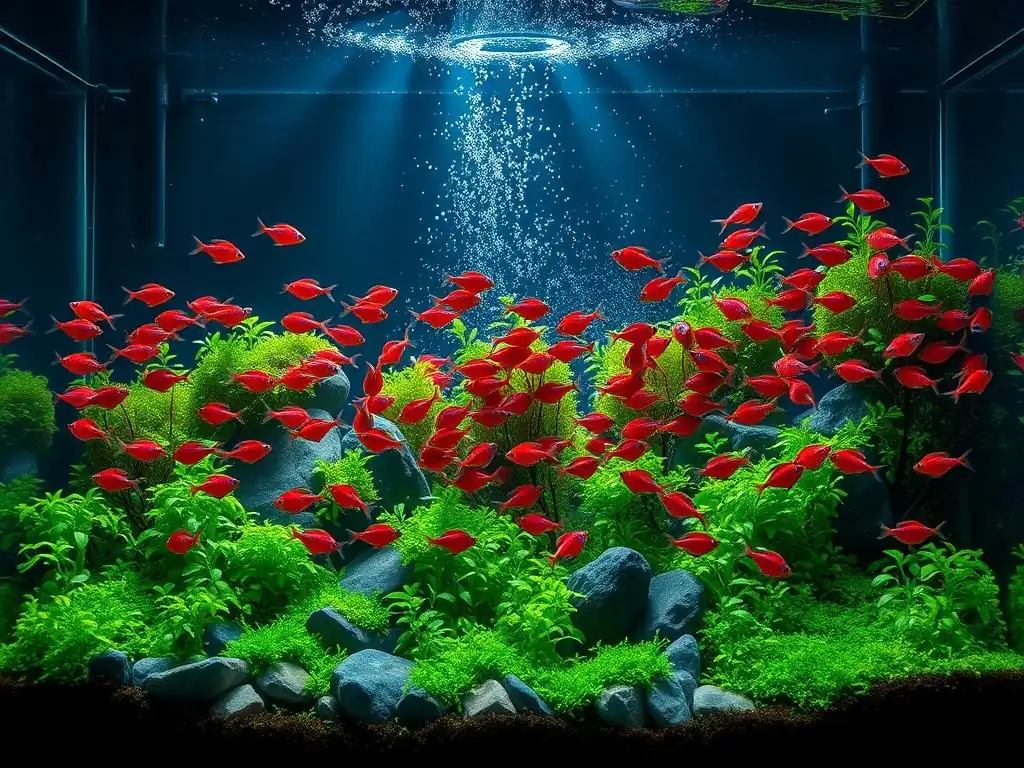
Dive into the delicate dance of life with the Bleeding Heart Tetra! Ever wondered how to unlock the secrets of breeding these stunning beauties in your own aquarium? This comprehensive guide unveils the advanced techniques and crucial insights you need to successfully nurture and witness the captivating journey of Bleeding Heart Tetra Breeding. Prepare to be amazed as we explore the nuances of their care and create the perfect environment for successful reproduction!
- Understanding the Appeal of Bleeding Heart Tetra Breeding
- Optimizing Your Aquarium for Bleeding Heart Tetra Spawning
- The Bleeding Heart Tetra Breeding Process: A Step-by-Step Guide
- Caring for Bleeding Heart Tetra Eggs and Fry
- Addressing Common Problems in Bleeding Heart Tetra Breeding
- Advanced Techniques for Maximizing Breeding Success
- Conclusion: The Rewards of Successful Bleeding Heart Tetra Breeding
-
Frequently Asked Questions
- What are the key water parameters needed for successful Bleeding Heart Tetra breeding?
- What type of tank setup is best for Bleeding Heart Tetra breeding?
- How can I tell if my Bleeding Heart Tetras are ready to breed?
- How do I care for Bleeding Heart Tetra fry after they hatch?
- What are some common challenges faced when breeding Bleeding Heart Tetras, and how can I overcome them?
- Final Reflection: The Enduring Allure of Life's Delicate Dance
- Ignite Your Breeding Passion!
Understanding the Appeal of Bleeding Heart Tetra Breeding
Why Breed Bleeding Heart Tetras? Beauty and Conservation
Breeding Bleeding Heart Tetras ( Hyphessobrycon erythrostigma) offers aquarists a deeply rewarding experience, primarily due to the species' striking beauty and the unique challenge it presents. Their distinctive red heart-shaped spot just behind the gill plate, combined with a shimmering silver body and often extended dorsal fin on males, makes them a highly sought-after addition to community aquariums. Successfully breeding these fish allows enthusiasts to witness their fascinating courtship rituals and the miracle of new life, providing a profound sense of accomplishment.
Beyond personal satisfaction, engaging in Bleeding Heart Tetra breeding contributes to the broader hobby by reducing reliance on wild-caught specimens. While H. erythrostigma is not currently listed as endangered, sustainable aquarium practices are crucial. By propagating these fish in captivity, aquarists help alleviate pressure on wild populations and ensure the long-term availability of healthy, acclimated fish for the hobby. This responsible approach aligns perfectly with the ethos of advanced aquarium keeping and conservation.
Challenges in Breeding Bleeding Heart Tetras: Sensitive Requirements
Despite their appeal, Bleeding Heart Tetra breeding presents several nuanced challenges that require careful attention to detail. Unlike some more prolific egg-laying species, Hyphessobrycon erythrostigma demands very specific water parameters, a pristine environment, and precise conditioning to encourage spawning. Their eggs are sensitive to light and water quality, and the fry are incredibly small and delicate, necessitating a specialized feeding regimen in their initial days.
One of the primary difficulties lies in replicating the soft, acidic "blackwater" conditions of their native Amazon basin habitat, which is essential for successful egg fertilization and hatching. Furthermore, distinguishing between mature males and females, especially outside of breeding season, can be subtle, requiring keen observation. Overcoming these hurdles makes successful Bleeding Heart Tetra breeding a hallmark of an advanced aquarist's skill and dedication.
Optimizing Your Aquarium for Bleeding Heart Tetra Spawning
Setting Up the Ideal Breeding Tank Environment
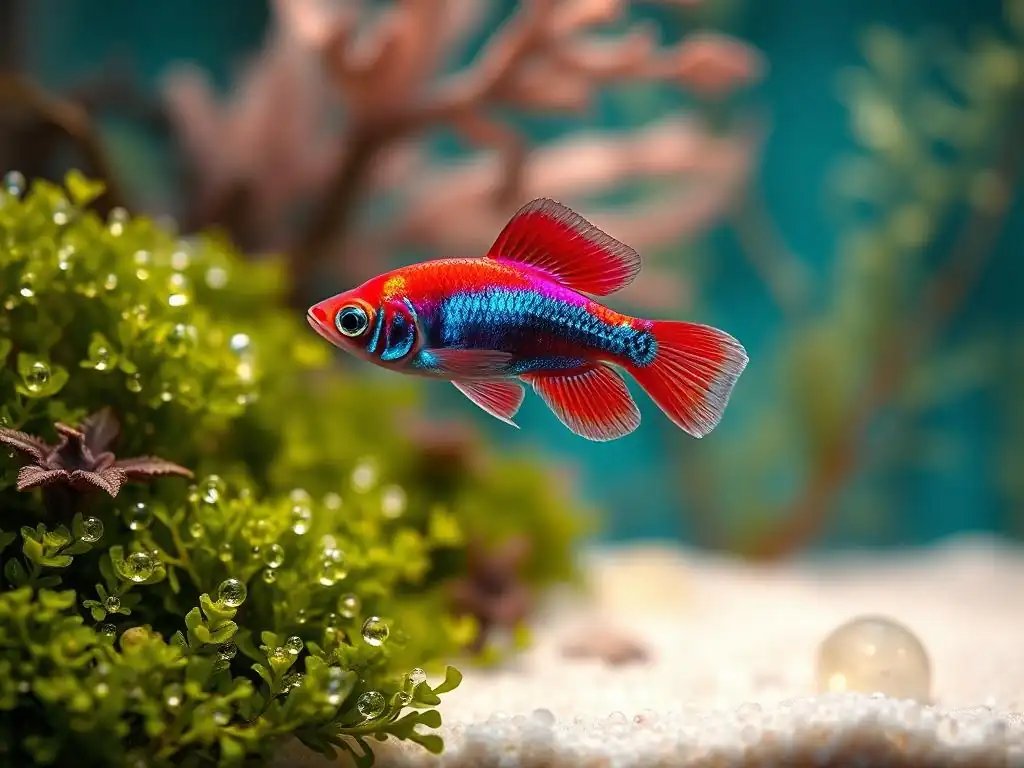
Creating the perfect breeding tank for Bleeding Heart Tetras is paramount for successful spawning. This dedicated environment minimizes stress, protects eggs from predation, and provides the specific conditions necessary for reproduction. A well-prepared breeding tank significantly increases the chances of a successful spawn and the survival rate of the delicate fry.
The primary goal is to mimic the natural conditions that trigger spawning in their native habitat, focusing on stability, cleanliness, and the correct physical and chemical parameters. This specialized setup ensures that the breeding pair feels secure enough to engage in their courtship rituals and release their eggs without inhibition, which is crucial for successful Bleeding Heart Tetra breeding.
Tank Size and Dimensions for Successful Spawning
For Bleeding Heart Tetra breeding, a dedicated breeding tank is highly recommended, typically ranging from 10 to 20 gallons (approximately 38 to 76 liters). While a 10-gallon tank can suffice for a single pair, a 15-gallon or 20-gallon long tank offers more swimming space and stable water parameters, reducing stress on the breeding pair. The dimensions are more important than sheer volume; a longer, shallower tank provides more surface area for oxygen exchange and allows the fish ample room for their spawning chase.
For instance, a 20-gallon long tank (approx. 24"L x 12"W x 16"H or 60cm x 30cm x 40cm) provides an ideal footprint for Bleeding Heart Tetra breeding. This size allows the male to pursue the female without excessive aggression and provides enough space for spawning mops or fine-leaved plants where eggs can be deposited. Adequate space contributes significantly to the comfort and readiness of the breeding pair.
Water Parameters: Replicating the Blackwater Habitat
Replicating the soft, acidic water of their natural Amazonian habitat is perhaps the most critical factor in successful Bleeding Heart Tetra breeding. These fish originate from areas with slow-moving rivers and tributaries where decaying leaf litter stains the water a tea-like color, indicating low mineral content and acidity. Precise control over these parameters directly influences egg viability and fry development.
Any deviation from these specific parameters can lead to unfertilized eggs, fungal growth on eggs, or simply a refusal by the fish to spawn. Consistent monitoring and adjustment are essential throughout the conditioning and spawning phases to ensure the water remains perfectly suited for this delicate process.
Achieving the Perfect pH and Water Hardness
For optimal Bleeding Heart Tetra breeding, the water should be very soft and acidic. Aim for a pH between 5.5 and 6.5, with 6.0 often cited as ideal. The general hardness (dGH) should be extremely low, ideally between 2 and 6 dGH (35.7 to 107.4 ppm). Achieving these parameters often requires using reverse osmosis (RO) water or deionized (DI) water, then remineralizing it slightly with a product designed for blackwater fish or adding peat filtration.
For example, many successful breeders use 100% RO water, then buffer it with a small amount of commercially available GH/KH booster (specifically designed for soft water fish) or simply add aged peat moss to the filter to naturally lower pH and hardness. Regular testing with reliable liquid test kits is crucial to maintain these precise levels, as even slight fluctuations can deter spawning.
Importance of Water Temperature for Spawning
Water temperature plays a vital role in stimulating Bleeding Heart Tetra breeding and ensuring successful egg development. The ideal temperature range for spawning is typically between 75°F and 80°F (24°C to 27°C). Maintaining a consistent temperature within this range signals to the fish that conditions are favorable for reproduction, mimicking the warmer periods in their natural environment.
A stable temperature also promotes healthy metabolism in the parents and ensures proper development of the eggs. For instance, increasing the temperature from a general community tank temperature of 74°F (23°C) to 78°F (26°C) over a few days can often act as a trigger for spawning activity. A reliable aquarium heater with a thermostat is indispensable for maintaining this critical temperature stability.
Substrate and Plant Selection for Breeding Success
The choice of substrate and plants in a Bleeding Heart Tetra breeding tank is not merely aesthetic; it serves crucial functional purposes. These elements provide spawning sites, protect eggs from predation by the parents, and contribute to the overall environmental stability and comfort of the fish. A well-designed layout encourages natural spawning behavior.
The right selection also helps in maintaining the dim lighting conditions preferred by spawning tetras and offers hiding spots for the female if the male becomes overly assertive during courtship. This thoughtful approach to tank decoration is key to a successful Bleeding Heart Tetra breeding setup.
Choosing the Right Substrate to Encourage Spawning
For Bleeding Heart Tetra breeding, a bare-bottom tank is often preferred for ease of cleaning and egg retrieval, but it can make fish feel exposed. If a substrate is used, it should be a very fine, dark sand or, more commonly, a layer of marbles or a mesh screen over the bottom. The purpose of marbles or a mesh is to allow the adhesive eggs to fall through out of reach of the parents, who are notorious egg eaters.
Alternatively, some breeders opt for a thin layer of peat granules as a substrate, which naturally helps soften and acidify the water, further mimicking their natural habitat. However, if using peat, ensure it's specifically for aquariums and monitor water parameters closely. The primary goal is egg protection, so a method that prevents egg consumption by adults is paramount.
Selecting Plants for Cover and Dim Lighting
Fine-leaved plants are essential for Bleeding Heart Tetra breeding, providing both spawning surfaces and crucial cover. Plants like Java moss ( Taxiphyllum barbieri), spawning mops made of synthetic yarn, or even floating plants such as hornwort ( Ceratophyllum demersum) are excellent choices. These plants offer numerous surfaces for the adhesive eggs to attach to and provide security for the breeding pair.
For example, a dense clump of Java moss anchored to a small piece of driftwood or simply weighted down can become the primary spawning ground. Additionally, floating plants help to dim the overhead lighting, which is preferred by Bleeding Heart Tetras for spawning and protects their light-sensitive eggs. A dimly lit environment reduces stress and encourages the fish to spawn more readily.
Filtration and Water Quality for Breeding
Maintaining impeccable water quality is non-negotiable for successful Bleeding Heart Tetra breeding. Ammonia, nitrite, and nitrate levels must be virtually undetectable, as young fry are extremely sensitive to pollutants. The filtration system must be gentle enough not to harm delicate eggs or fry, yet effective enough to maintain pristine conditions.
This balance is critical, as a healthy environment directly translates to higher egg viability and fry survival rates. Neglecting water quality during the breeding process often leads to high mortality rates for both eggs and fry, making this a central pillar of successful Bleeding Heart Tetra breeding.
Peat Filtration for Soft, Acidic Water
Peat filtration is an effective method to achieve the soft, acidic water conditions ideal for Bleeding Heart Tetra breeding. Aquarium-grade peat moss or peat granules can be placed in a mesh bag within a hang-on-back filter or canister filter. As water passes through the peat, humic acids are released, which naturally lower the pH and reduce water hardness (GH and KH).
For instance, using a small amount of peat in a filter can gradually lower the pH from 7.0 to 6.0-6.5 and soften hard tap water over several days. It's crucial to monitor water parameters daily when using peat, as its effect can vary. Over-softening or excessive pH drops can be detrimental, so a gradual approach and consistent testing are recommended to maintain stability.
Maintaining Pristine Water Conditions During Breeding
Beyond specialized filtration, maintaining pristine water conditions for Bleeding Heart Tetra breeding involves rigorous water change routines and careful feeding. Even with peat filtration, small, frequent water changes (e.g., 10-15% daily or every other day) using pre-conditioned, temperature-matched water are essential. This helps remove any accumulating nitrates and prevents the buildup of harmful compounds that can stress the breeding pair or harm sensitive eggs and fry.
Furthermore, overfeeding should be strictly avoided, as uneaten food quickly decays and pollutes the water. Any uneaten food should be promptly siphoned out. A clean environment minimizes the risk of bacterial infections or fungal growth on eggs, which are common issues in less-than-pristine conditions, directly impacting the success rate of Bleeding Heart Tetra breeding.
The Bleeding Heart Tetra Breeding Process: A Step-by-Step Guide
Identifying Mature and Ready-to-Breed Bleeding Heart Tetras
Successfully breeding Bleeding Heart Tetras begins with selecting healthy, mature individuals that are ready to spawn. This requires careful observation and an understanding of their subtle physical and behavioral cues. Selecting the right pair significantly increases the chances of a successful spawn and healthy offspring.
Conditioning the fish with a high-quality, varied diet is a crucial preparatory step, as it signals to the fish that environmental conditions are favorable for reproduction. Without proper identification and conditioning, spawning may not occur, or the resulting eggs may not be viable.
Distinguishing Males from Females: Subtle Differences
Distinguishing male and female Bleeding Heart Tetras can be challenging, as the differences are often subtle, especially when they are not in breeding condition. Generally, males tend to be slimmer and more streamlined, often displaying more vibrant coloration, particularly in their fins. Their dorsal fin, in particular, may be more elongated or pointed compared to the female's.
Females, on the other hand, are typically rounder and fuller in the belly, especially when gravid (carrying eggs). When viewed from above, a mature female ready to spawn will show a noticeably distended abdomen. Observing a group of fish from a young age can help identify these differences as they mature, typically around 6-8 months of age for Bleeding Heart Tetra breeding.
Recognizing Spawning Readiness
Recognizing spawning readiness in Bleeding Heart Tetras involves observing both physical changes and behavioral cues. For females, the most obvious sign is a significantly swollen abdomen, indicating she is full of eggs. Males, when ready, often display intensified coloration and may engage in more active chasing or "dancing" behavior around the female, attempting to entice her.
Both sexes, when conditioned for Bleeding Heart Tetra breeding, will appear robust and active, with bright, clear eyes. They should be fed a varied diet of live and frozen foods, such as bloodworms, daphnia, and brine shrimp, for at least 1-2 weeks prior to introducing them to the breeding tank. This high-protein diet enhances their condition and triggers their reproductive instincts.
Introducing the Breeding Pair to the Spawning Tank
Once the breeding tank is perfectly set up and the chosen Bleeding Heart Tetras are conditioned and showing signs of readiness, the next step is to carefully introduce them. This process should be done with minimal stress to encourage spawning. Some breeders opt to introduce the male first for a day or two, allowing him to establish territory, before introducing the female.
Alternatively, introducing both simultaneously in the evening, just before lights out, can also be effective. This allows them to acclimate to the new environment in the dark, reducing initial stress. The goal is to provide a calm, undisturbed environment where they can naturally proceed with Bleeding Heart Tetra breeding.
Observing the Spawning Ritual: Signs of Success
The Bleeding Heart Tetra spawning ritual typically occurs in the early morning, often shortly after the lights come on or as natural light begins to filter into the room. The male will intensely pursue the female, nudging and vibrating his body against hers, particularly near fine-leaved plants or spawning mops. This courtship can be quite energetic but should not appear overly aggressive.
During the actual spawning, the pair will often embrace or position themselves side-by-side, with the female releasing small, clear, adhesive eggs that the male fertilizes simultaneously. These eggs will scatter and stick to plants, mops, or fall through to the bottom if a mesh or marble layer is present. A successful spawn for a single pair might yield anywhere from 50 to 200 eggs, though not all will be viable.
Removing the Parents After Spawning: Protecting the Eggs
Immediately after spawning is observed, or once the pair shows signs of having finished (e.g., the female's belly is noticeably deflated, and the fish are no longer actively chasing or embracing), the adult Bleeding Heart Tetras must be carefully removed from the breeding tank. This is a critical step because Bleeding Heart Tetras, like most tetras, are notorious egg eaters and will consume their own progeny if given the opportunity.
Use a fine-meshed net to gently transfer the parents back to their main display tank. Handling them carefully minimizes stress and potential injury. Once the parents are removed, the focus shifts entirely to protecting the delicate eggs from light, fungus, and ensuring optimal conditions for hatching, which is vital for successful Bleeding Heart Tetra breeding.
Caring for Bleeding Heart Tetra Eggs and Fry
Incubation and Hatching: What to Expect
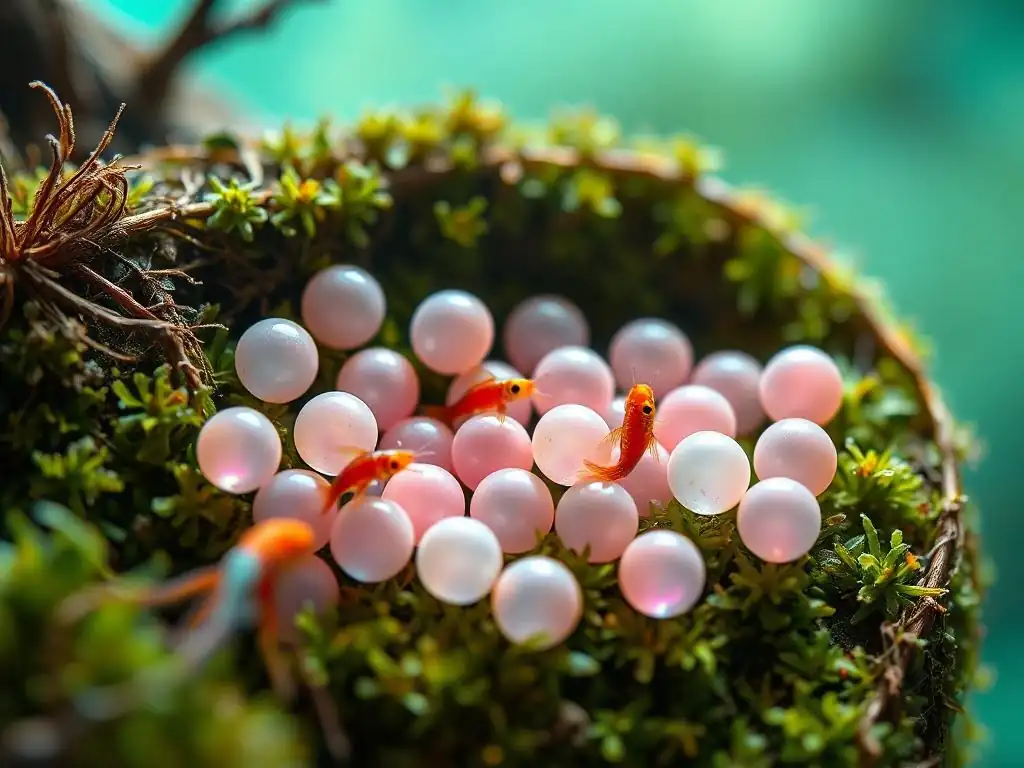
Bleeding Heart Tetra eggs are relatively small, clear to amber, and adhesive. After spawning, the eggs should be protected from light, as exposure can inhibit development and encourage fungal growth. Many breeders cover the tank or dim the room significantly. The incubation period is relatively short, typically lasting between 24 to 36 hours at a temperature of 78-80°F (26-27°C).
Within this timeframe, tiny, almost transparent fry will hatch. Initially, they will be practically invisible, often clinging to surfaces or resting on the bottom for the first few days while they absorb their yolk sacs. During this period, they do not require external feeding. Observing this stage carefully, often with a flashlight, can confirm successful hatching and the start of the next phase of Bleeding Heart Tetra breeding.
First Foods for Bleeding Heart Tetra Fry
After absorbing their yolk sacs, which usually takes 2-3 days post-hatching, Bleeding Heart Tetra fry become free-swimming and require their first external food. Due to their incredibly small size, their initial diet must consist of microscopic organisms that they can easily consume. This early nutrition is paramount for their survival and healthy development.
Providing the correct size and type of food at this critical juncture is often the make-or-break factor in raising a successful batch of Bleeding Heart Tetra fry. Insufficient or inappropriate feeding will lead to rapid fry mortality.
Infusoria and Paramecium: The Initial Diet
For the first 5-7 days after becoming free-swimming, Bleeding Heart Tetra fry are too small to consume newly hatched brine shrimp. Their primary diet should consist of infusoria or paramecium. Infusoria are microscopic organisms that can be cultured at home by decaying vegetable matter (e.g., lettuce leaves or banana peels) in a jar of aquarium water for several days. Paramecium cultures are also available commercially or can be started from scratch.
A few drops of concentrated infusoria or paramecium culture should be added to the fry tank 2-3 times a day. Observing the fry's bellies with a magnifying glass can confirm they are feeding; their tiny bellies will appear slightly distended. This specialized initial feeding is a critical, often overlooked, aspect of successful Bleeding Heart Tetra breeding.
Transitioning to Baby Brine Shrimp and Microworms
After approximately one week of feeding on infusoria, Bleeding Heart Tetra fry will have grown sufficiently to accept larger foods. This is the time to transition them to newly hatched baby brine shrimp ( Artemia nauplii) and microworms. Baby brine shrimp are an excellent first "larger" food due to their high nutritional content and their jerky swimming motion, which attracts the fry.
Feed newly hatched brine shrimp 2-3 times daily in small amounts to prevent water fouling. Microworms are another suitable option, providing a different nutritional profile. As the fry grow, which can take another 2-3 weeks, they can gradually be introduced to finely crushed flake food or small frozen foods like daphnia. This gradual dietary progression is essential for robust growth and higher survival rates in Bleeding Heart Tetra breeding.
Maintaining Water Quality for Fry Development
Maintaining impeccable water quality is even more crucial for Bleeding Heart Tetra fry than for adults. Fry are extremely sensitive to ammonia, nitrite, and even nitrates. Their rapid metabolism and the constant addition of food, even in small amounts, can quickly degrade water quality if not managed carefully.
Poor water quality is a leading cause of fry mortality. A diligent approach to water changes and tank hygiene is non-negotiable to ensure the healthy development of the delicate fry, making it a cornerstone of successful Bleeding Heart Tetra breeding.
Frequent Water Changes: A Necessity for Healthy Fry
Frequent, small water changes are absolutely essential for the survival and healthy growth of Bleeding Heart Tetra fry. Daily water changes of 10-20% are recommended, using temperature-matched and pre-conditioned soft, acidic water (RO or DI water, remineralized as needed). The water should be siphoned gently, perhaps using an air line tube, to avoid disturbing or accidentally siphoning out the tiny fry.
For example, a 10% daily water change in a 10-gallon tank means replacing just 1 gallon. This consistent routine removes waste products and replenishes essential minerals without causing sudden shifts in water parameters that could stress the fry. This proactive approach to water management is a key factor in maximizing the survival rate during Bleeding Heart Tetra breeding.
Preventing Disease in Young Fry
Preventing disease in young Bleeding Heart Tetra fry primarily revolves around maintaining pristine water quality and avoiding overfeeding. The most common issues are bacterial infections and fungal growth, often exacerbated by decaying food and high organic loads. A clean environment is the best preventative measure.
If fungal growth appears on unhatched eggs, a very dilute solution of methylene blue can be used as a prophylactic, though it can stain the tank. For fry, any signs of listlessness, clamped fins, or unusual swimming patterns should prompt an immediate small water change. Avoid using medications unless absolutely necessary and specifically formulated for fry, as they are highly sensitive to chemicals. A healthy, stress-free environment is the best defense in Bleeding Heart Tetra breeding.
Addressing Common Problems in Bleeding Heart Tetra Breeding
Egg Fungus: Prevention and Treatment
Egg fungus is a common and disheartening problem in Bleeding Heart Tetra breeding, often appearing as a fuzzy white growth on unfertilized or damaged eggs, which then spreads to healthy ones. The primary cause is poor water quality, lack of fertilization, or insufficient water circulation around the eggs. Prevention is key.
Ensuring optimal water parameters (soft, acidic, clean), adequate water movement (a gentle air stone is sufficient), and removing unfertilized or clear eggs promptly can significantly reduce the risk. Some breeders also add a very dilute solution of methylene blue to the breeding tank water after parents are removed, which acts as an antifungal agent. However, this can stain and should be used cautiously.
Fry Mortality: Identifying and Solving the Causes
High fry mortality is another frequent challenge in Bleeding Heart Tetra breeding. The causes are varied but often include poor water quality (most common), insufficient or inappropriate food, drastic temperature swings, or the presence of predators (even small snails can prey on newly hatched fry). Identifying the specific cause is crucial for future success.
If fry are dying, first check all water parameters immediately. Ensure you are feeding the correct size food (infusoria for the smallest fry) frequently enough. Maintain stable temperatures and perform small, daily water changes using precisely matched water. Removing any decaying matter or uneaten food promptly is also vital. Addressing these fundamental aspects will significantly improve fry survival rates.
Failure to Spawn: Troubleshooting Tips
When Bleeding Heart Tetras fail to spawn, despite seemingly ideal conditions, it can be frustrating. This often points to subtle issues in conditioning, water parameters, or the breeding environment. One common reason is insufficient conditioning; ensuring both male and female are fed a high-protein, varied diet of live and frozen foods for 1-2 weeks beforehand is crucial.
Another factor could be the water parameters; double-check that the pH is truly acidic (5.5-6.5) and the hardness is very low (2-6 dGH). Sometimes, a slight increase in temperature (e.g., from 76°F to 79°F) or a significant partial water change with cooler, very soft water can trigger spawning. Ensuring the breeding tank is dimly lit and undisturbed can also help encourage shy pairs to engage in Bleeding Heart Tetra breeding.
Advanced Techniques for Maximizing Breeding Success
Conditioning Breeders for Enhanced Fertility
Advanced Bleeding Heart Tetra breeding success hinges significantly on the rigorous conditioning of the prospective parents. This involves more than just feeding; it's about optimizing their health, vitality, and reproductive readiness. A diverse and high-quality diet, rich in live and frozen foods, is paramount for both males and females for at least two weeks prior to introducing them to the breeding tank.
For instance, feeding live blackworms, daphnia, and newly hatched brine shrimp daily will provide the necessary proteins, fats, and vitamins to boost fertility and egg production. Some breeders also incorporate high-quality spirulina flakes or specialized conditioning pellets. This intensive feeding not only ensures a plentiful supply of viable eggs but also strengthens the parents for the rigors of spawning, leading to healthier fry.
Using Spawning Mops for Egg Collection
Spawning mops are an invaluable tool for advanced Bleeding Heart Tetra breeding, offering a standardized and hygienic method for egg collection. These are typically homemade from synthetic yarn (like acrylic, which is non-toxic) tied into a mop-like structure and weighted down. They provide numerous fine strands for the adhesive eggs to attach to, mimicking the dense plant cover of their natural spawning grounds.
After spawning, the mop can be easily removed and transferred to a separate hatching tank, ensuring that the parents cannot consume the eggs. For example, a standard spawning mop might be 10-12 inches long with strands about 6-8 inches long. Using multiple mops allows for staggering egg collection or providing ample surface area. This method not only protects the eggs but also simplifies the process of monitoring and treating them for fungus, significantly improving yield.
Gradual Acclimation to Water Parameters
Gradual acclimation to precise water parameters is a sophisticated technique that can significantly reduce stress and improve spawning success in Bleeding Heart Tetra breeding. Instead of abruptly moving fish from a community tank to a breeding tank with very different parameters, a more nuanced approach is beneficial. This involves slowly adjusting the water conditions in the main tank or through drip acclimation when moving the fish.
For instance, if your community tank pH is 7.0 and the breeding tank is 6.0, you might slowly lower the pH in the main tank over several days using peat filtration or RO water additions before moving the fish. Alternatively, when transferring the fish, use a drip acclimation method over several hours, allowing the fish to slowly adjust to the softer, more acidic water of the breeding tank. This minimizes osmotic shock and ensures the fish are comfortable and ready to spawn.
Conclusion: The Rewards of Successful Bleeding Heart Tetra Breeding
Successfully breeding Bleeding Heart Tetras is a testament to an aquarist's dedication, patience, and mastery of freshwater aquarium principles. It's a journey that demands meticulous attention to water chemistry, environmental setup, and the subtle needs of these beautiful fish. From meticulously preparing the ideal blackwater breeding tank to nurturing the microscopic fry, each step presents its own unique challenges and learning opportunities.
The rewards, however, far outweigh the effort. Witnessing the delicate courtship, the scattering of tiny eggs, and the eventual emergence of a new generation of these vibrant tetras is profoundly satisfying. Beyond personal achievement, successful Bleeding Heart Tetra breeding contributes to the sustainability of the hobby, reducing reliance on wild populations and fostering a deeper appreciation for the intricate life cycles within our aquariums. It transforms the aquarist from a keeper to a conservator, deepening their connection to the aquatic world.
Frequently Asked Questions
What are the key water parameters needed for successful Bleeding Heart Tetra breeding?
To successfully breed Bleeding Heart Tetras, you need soft, acidic water. The ideal parameters are a pH of 6.0-6.5 and a water hardness (KH) below 4 dKH. Maintaining a consistent temperature around 80-82°F (26-28°C) is also crucial.
What type of tank setup is best for Bleeding Heart Tetra breeding?
A dedicated breeding tank is essential. It should be sparsely decorated with fine-leaved plants or spawning mops to provide safe hiding places for the eggs. A bare-bottom tank or one with a mesh bottom can also help prevent the parents from eating the eggs.
How can I tell if my Bleeding Heart Tetras are ready to breed?
Condition your Bleeding Heart Tetras with a diet rich in live and frozen foods. The female will appear noticeably plumper with eggs, and the male will display more intense coloration as he attempts to court her.
How do I care for Bleeding Heart Tetra fry after they hatch?
The fry are extremely small and require infusoria or liquid fry food for the first few days. Gradually introduce newly hatched brine shrimp as they grow. Perform frequent small water changes to maintain excellent water quality.
What are some common challenges faced when breeding Bleeding Heart Tetras, and how can I overcome them?
One common challenge is egg and fry predation by the parents. Removing the parents immediately after spawning is essential. Poor water quality can also lead to fungal infections, so maintaining pristine conditions is paramount.
Final Reflection: The Enduring Allure of Life's Delicate Dance
The intricacies of Bleeding Heart Tetra breeding, as we've explored, are not merely a technical exercise in aquarium keeping, but a profound reminder of the fragility and beauty inherent in the natural world. Understanding and mastering this delicate process allows us to connect with the rhythms of life on a deeper level, appreciating the dedication and patience required to nurture new beginnings, even within the confines of a glass tank.
The journey of breeding these captivating fish has undoubtedly influenced my perspective, highlighting the interconnectedness of all living things. Witnessing the subtle nuances of their courtship, the meticulous care of the parents, and the sheer miracle of new life emerging has instilled a profound respect for the delicate balance of nature. As the renowned naturalist John Muir eloquently stated, In every walk with nature one receives far more than he seeks.
This holds true in the microcosm of our aquariums, where we become both observers and guardians of life's intricate dance.
Now, as you close this guide, I invite you to reflect on the lessons learned, not just about Bleeding Heart Tetra breeding, but about the broader implications of nurturing life. Consider how you can apply this newfound understanding and appreciation to other aspects of your life, fostering growth, protecting vulnerability, and celebrating the enduring allure of life's delicate dance, both within and beyond the aquarium walls.
Ignite Your Breeding Passion!
Thank you for diving deep into the delicate world of Bleeding Heart Tetras! We hope you've uncovered valuable insights to elevate your aquarium mastery. Now, let's put that knowledge into action and witness the miracle of life firsthand.
Here's how you can take the next step:
- Commit to creating a dedicated breeding tank. This is the crucial first step. Invest time in setting up the perfect environment – soft water, subdued lighting, and plenty of fine-leaved plants.
- Explore local aquarium clubs for experienced breeders. Connecting with peers can provide invaluable guidance and support.
- Surprise yourself by trying a different spawning method. Experiment with marbles on the bottom of the breeding tank to protect eggs from the parents.
Ready to witness the beautiful dance of Bleeding Heart Tetra courtship in your own aquarium?