
Glowlight Tetra Radiance: Aquarium Mastery Illuminates the Path to Breeding Success

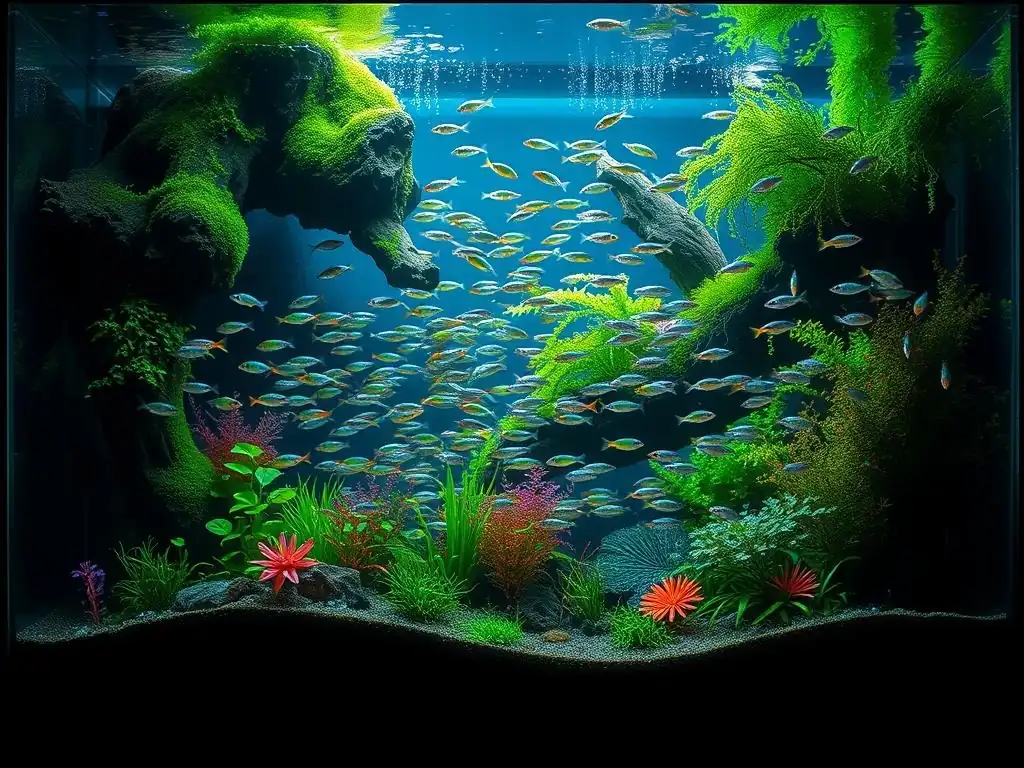
Welcome to Aquarium Mastery, where we illuminate the secrets of the underwater world!
Ever wondered how to unlock the vibrant, shimmering beauty of Glowlight Tetra breeding in your own aquarium? Dive in! This guide is your key to understanding these captivating fish, and we'll reveal the steps to achieve breeding success. Prepare to be amazed as we unravel the mysteries of Glowlight Tetra reproduction and help you create a thriving environment for these radiant gems. Let's begin!
- Introduction to Glowlight Tetra Breeding: A Comprehensive Guide
- Preparing Your Aquarium for Glowlight Tetra Spawning
- The Glowlight Tetra Breeding Process: Step-by-Step
- Raising Glowlight Tetra Fry: From Hatching to Adolescence
- Advanced Techniques for Glowlight Tetra Breeding Success
- Maintaining a Thriving Glowlight Tetra Colony
- Conclusion: Mastering Glowlight Tetra Breeding with Aquarium Mastery
-
Frequently Asked Questions
- How difficult is it to breed Glowlight Tetras in a home aquarium?
- What are the ideal water parameters for breeding Glowlight Tetras?
- What type of breeding tank setup is recommended for Glowlight Tetras?
- What do Glowlight Tetra eggs and fry look like, and how should I care for them?
- How can I tell if my Glowlight Tetras are ready to breed?
- Final Reflection: Illuminating the Future of Aquarium Keeping
- Ignite Your Aquarium: Master the Art of Glowlight Tetra Breeding!
Introduction to Glowlight Tetra Breeding: A Comprehensive Guide
Understanding the Allure of Breeding Glowlight Tetras
The Glowlight Tetra ( Hemigrammus erythrozonus) stands out as a captivating freshwater fish, cherished by aquarists for its peaceful demeanor and the striking iridescent orange stripe that runs along its body. Breeding these beautiful tetras offers a profoundly rewarding experience, transforming the passive enjoyment of an aquarium into an active journey of discovery and nurturing. Observing the intricate courtship rituals, the delicate scattering of eggs, and the subsequent emergence of microscopic fry provides an unparalleled insight into the natural world, right within the confines of your home aquarium.
This comprehensive Glowlight Tetra Breeding Guide from Aquarium Mastery aims to demystify the process, making it accessible to both intermediate and advanced aquarists. Beyond the aesthetic appeal, successfully breeding Glowlight Tetras contributes to a deeper understanding of fish biology and behavior, fostering a greater appreciation for the delicate balance of aquatic ecosystems. It’s an engaging challenge that culminates in the creation of new life, adding a vibrant dimension to the aquarium hobby.
Why Breed Glowlight Tetras? Benefits and Rewards
Breeding Glowlight Tetras offers a multitude of benefits, extending far beyond the simple joy of having more fish. For many aquarists, it represents a significant personal accomplishment, a testament to their dedication and skill in maintaining optimal aquatic conditions. Successfully raising a batch of fry from hatching to adulthood provides immense satisfaction, validating the effort invested in understanding their specific needs and behaviors. This hands-on experience deepens one's knowledge of fish care, transforming theoretical understanding into practical expertise.
Moreover, breeding Glowlight Tetras can be a sustainable practice. By propagating these fish in captivity, hobbyists can reduce the demand for wild-caught specimens, thereby lessening the environmental impact on their native habitats in Guyana and the Amazon basin. It also offers the opportunity to share healthy, captive-bred fish with other enthusiasts, potentially recouping some of the costs associated with the hobby or even fostering a small community of local breeders. For those looking for a continuous supply of these radiant fish, a well-executed Glowlight Tetra Breeding Guide strategy ensures a self-sustaining population within their own tanks.
Aquarium Mastery's Approach to Tetra Breeding: Setting the Stage for Success
Aquarium Mastery is dedicated to empowering aquarists with the knowledge and tools necessary for successful fish keeping, and our approach to Glowlight Tetra Breeding is no exception. We believe that success hinges on a thorough understanding of the species' natural requirements, meticulous preparation, and a patient, observant approach. Our guidance emphasizes creating an environment that closely mimics the Glowlight Tetra's native soft, acidic blackwater habitats, as this significantly increases the likelihood of spawning and fry survival.
Our comprehensive Glowlight Tetra Breeding Guide breaks down complex processes into manageable, step-by-step instructions, ensuring that even nuanced aspects of water chemistry, nutrition, and behavioral cues are clearly understood. We champion ethical breeding practices, prioritizing the health and well-being of the parent fish and their offspring throughout the entire breeding cycle. By following Aquarium Mastery's detailed advice, you are not just attempting to breed fish; you are embarking on a well-informed journey designed for maximum success and personal growth in the fascinating world of aquatics.
Preparing Your Aquarium for Glowlight Tetra Spawning
Setting Up the Ideal Breeding Tank for Glowlight Tetras
Tank Size and Dimensions for Optimal Breeding Conditions
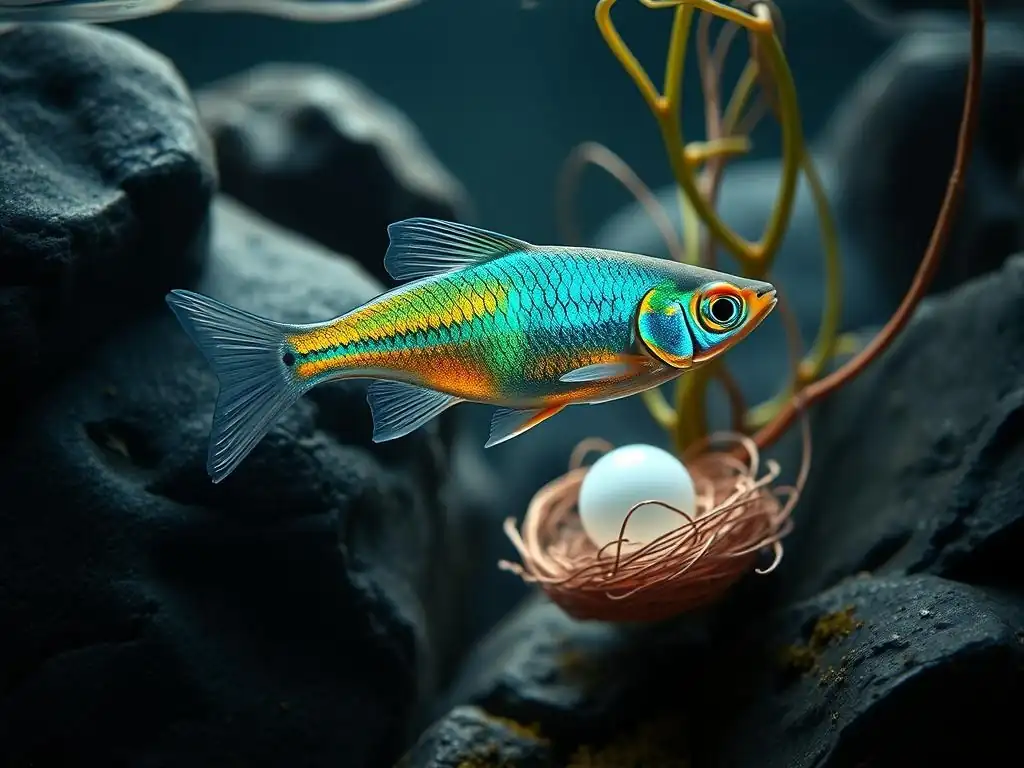
Establishing a dedicated breeding tank is crucial for successful Glowlight Tetra Breeding. A small, separate aquarium, ideally ranging from 5 to 10 gallons (approximately 19 to 38 liters), is perfectly suited for a single pair or a small group of three to five Glowlight Tetras (often one female to two males). The dimensions of the tank are more important than sheer volume; a tank with a larger footprint, such as a standard 10-gallon breeder tank (20" L x 10" W x 12" H), provides ample surface area for spawning and allows for easier recovery of eggs from the bottom.
This confined space encourages the fish to focus on breeding rather than exploring vast territories, which can happen in larger community tanks. Ensuring the breeding tank is meticulously clean and free from any residual chemicals or pollutants is paramount. Many experienced breeders opt for a bare-bottom tank to facilitate easy cleaning and egg collection, as Glowlight Tetra eggs are often scattered and adhesive.
Substrate and Decorations: Mimicking the Natural Habitat
To mimic the natural spawning environment of Glowlight Tetras, the choice of substrate and decorations in the breeding tank is critical. While a bare bottom is common for ease of maintenance, a thin layer of dark, fine gravel or marbles can be used to provide a safe haven for eggs.
The dark color helps to reduce stress on the fish and makes the eggs less visible to the parents, who are notorious egg-eaters. Alternatively, a layer of mesh or a "false bottom" can be installed a few centimeters above the tank floor, allowing eggs to fall through while keeping parents out of reach.
For egg deposition, fine-leaved plants like Java moss ( Taxiphyllum barbieri), Anacharis ( Egeria densa), or even artificial spawning mops are indispensable. These provide the texture and hiding places where Glowlight Tetras prefer to scatter their adhesive eggs. Dim lighting is also highly recommended, as Glowlight Tetra eggs are light-sensitive and can be prone to fungus if exposed to excessive illumination. A small, gentle sponge filter is sufficient for filtration, providing minimal current and excellent biological filtration without posing a threat to delicate eggs or fry.
Water Parameters: Achieving the Perfect Chemistry for Spawning
Achieving precise water parameters is perhaps the most critical factor in stimulating Glowlight Tetra Breeding. These fish originate from soft, acidic blackwater environments, and replicating these conditions is key to inducing spawning and ensuring egg viability. The ideal pH range for breeding Glowlight Tetras is between 5.5 and 6.5, with a general hardness (GH) of 1-5 dGH (approximately 18-90 ppm) and a carbonate hardness (KH) of 0-2 dKH (0-35 ppm). Such soft water can often be achieved by using reverse osmosis (RO) water mixed with a small amount of dechlorinated tap water, or by filtering water through peat moss.
The water temperature should be gradually raised to 76-80°F (24.4-26.7°C), as this warmer temperature signals favorable breeding conditions. Consistent monitoring of these parameters using reliable test kits is essential throughout the conditioning and spawning phases. Any sudden fluctuations can stress the fish and inhibit spawning, or even lead to egg loss. Maintaining stable, pristine water quality with minimal nitrates is also vital, requiring small, frequent water changes with properly conditioned water.
Selecting Healthy Glowlight Tetra Breeding Stock
Identifying Mature and Ready-to-Breed Glowlight Tetras
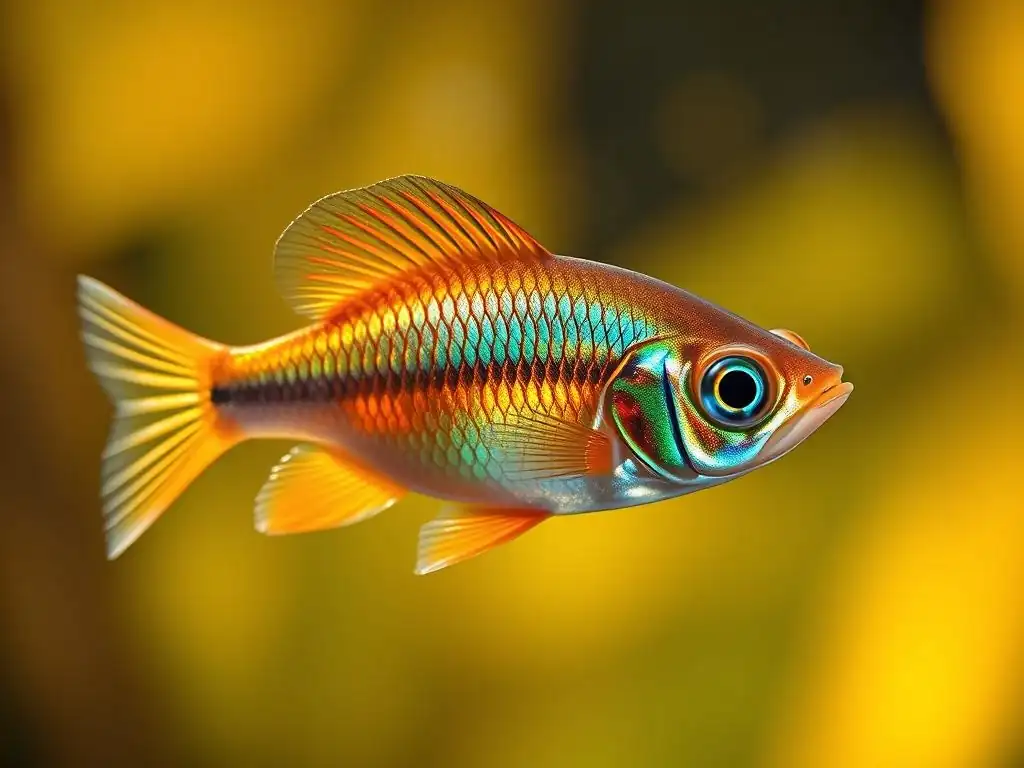
The success of your Glowlight Tetra Breeding Guide efforts hinges significantly on the selection of healthy, mature breeding stock. Glowlight Tetras typically reach sexual maturity around 6 to 8 months of age, though some may be ready earlier or later depending on their growth rate and environmental conditions. When selecting potential breeders, look for fish that are vibrant in color, active, and free from any signs of disease or physical deformities. Their characteristic orange stripe should be bright and distinct.
Distinguishing between male and female Glowlight Tetras can be subtle but is crucial for effective pairing. Males tend to be slimmer and more streamlined, often exhibiting slightly more intense coloration, especially during courtship. Females, on the other hand, are typically plumper, particularly when gravid (carrying eggs), with a noticeably rounder belly. Observing their behavior can also provide clues; males may engage in more active displays, while females might appear fuller and less active as they prepare to spawn.
Quarantine and Acclimation for Breeding Success
Before introducing any potential breeding stock into your dedicated spawning tank, a strict quarantine protocol is highly recommended. New fish, even those from a reputable source, can carry diseases or parasites that could jeopardize your entire breeding project. A separate quarantine tank, ideally 5-10 gallons, should be used for a period of 2 to 4 weeks. During this time, observe the fish closely for any signs of illness, such as clamped fins, lethargy, spots, or abnormal behavior. Prophylactic treatment with a broad-spectrum medication can be considered, but generally, good water quality and observation are sufficient.
Once the quarantine period is complete and the fish are deemed healthy, they must be slowly acclimated to the specific water parameters of the breeding tank. This process, often done via drip acclimation over several hours, minimizes stress and reduces the risk of osmotic shock, which can be detrimental to delicate fish like tetras. Proper acclimation ensures that the fish are in optimal physical and mental condition, ready to respond to the conditioning techniques designed to induce spawning. This careful preparation is a cornerstone of any successful Glowlight Tetra Breeding Guide.
The Glowlight Tetra Breeding Process: Step-by-Step
Conditioning Glowlight Tetras for Breeding
Diet and Feeding Strategies to Induce Spawning
Proper conditioning of Glowlight Tetras is a vital precursor to successful spawning. For approximately one to two weeks before introducing them to the breeding tank, feed your selected breeding pair or group a high-protein, varied diet. Live foods are particularly effective in stimulating spawning, as they mimic the natural prey found in their wild habitat and provide superior nutritional value. Excellent choices include newly hatched brine shrimp, daphnia, micro worms, and small bloodworms. These foods are rich in essential proteins and lipids, which are crucial for egg development in females and sperm production in males.
Supplementing live foods with high-quality frozen alternatives and premium flake foods can also contribute to their overall health and readiness. Feed small amounts multiple times a day, perhaps two to three times, ensuring that all food is consumed within a few minutes to avoid fouling the water. This intensive feeding regimen helps to plump up the females with eggs and enhances the vitality of the males, signaling to their bodies that conditions are favorable for reproduction, a key aspect of any effective Glowlight Tetra Breeding Guide.
Simulating Seasonal Changes: Temperature and Lighting
To further encourage Glowlight Tetras to spawn, simulating natural seasonal changes can be highly effective. Gradually raising the water temperature in the conditioning tank to the upper end of their preferred range, around 78-80°F (25.5-26.7°C), often signals the onset of the "rainy season" or optimal breeding conditions in their native environment. This subtle increase in temperature can trigger their reproductive instincts.
In conjunction with temperature adjustments, controlling the lighting cycle is also beneficial. Many breeders find that a shorter photoperiod (e.g., 8-10 hours of light) or even dim lighting helps to reduce stress and encourages spawning, which often occurs in the early morning hours. Some aquarists even report success by performing small, cool water changes (a few degrees lower than tank temperature) during the conditioning phase, simulating rainfall and further prompting spawning behavior. This combination of temperature, light, and water change strategy creates a compelling environment for Glowlight Tetra Breeding.
Inducing Spawning in Glowlight Tetras
The Spawning Tank Setup: Fine-Leaved Plants and Marble Substrate
Once your Glowlight Tetras are well-conditioned, move them into the prepared spawning tank. As previously discussed, this tank should feature fine-leaved plants like Java moss, Cabomba, or spawning mops. These plants serve as the primary site for egg deposition. Glowlight Tetras are egg scatterers, and they will typically deposit their small, adhesive eggs among the dense foliage. The texture and density of these plants provide numerous surfaces for the eggs to attach to, preventing them from simply falling to the bare bottom where they could be easily consumed by the parents.
To further protect the eggs from predation by the adult fish, many breeders incorporate a layer of marbles or a plastic mesh on the tank bottom, beneath the plants. As the eggs are scattered, they fall through the gaps in the marbles or mesh, landing safely out of reach of the adults.
This simple yet effective setup is crucial for maximizing egg survival rates in a Glowlight Tetra Breeding Guide strategy. The tank should also be kept dimly lit or even dark, as Glowlight Tetra eggs are light-sensitive and exposure to bright light can inhibit hatching or promote fungus growth.
Observing Spawning Behavior: Recognizing the Signs
After being introduced to the spawning tank, Glowlight Tetras may take a day or two to acclimate before beginning their courtship rituals. Spawning typically occurs in the early morning, often just as the first light appears or when the tank lights come on. The male will initiate the courtship by displaying vibrant colors and performing a "dance" around the female, often nudging her towards the spawning site. The female, if receptive, will appear noticeably plumper due to being gravid with eggs, and her movements may become more deliberate.
During the actual spawning, the pair will swim side-by-side or in a T-position, with the male wrapping around the female to fertilize the eggs as they are released. This process is usually quick, lasting anywhere from 30 minutes to a couple of hours. The eggs themselves are tiny, clear, and slightly adhesive, approximately 1 millimeter in diameter, and will be scattered among the plants or fall to the tank bottom. Observing these behaviors is key to knowing when to proceed to the next step of the Glowlight Tetra Breeding Guide.
Protecting the Eggs and Fry: Preventing Predation
Removing Adult Glowlight Tetras After Spawning
Glowlight Tetras, like many other tetra species, are opportunistic egg eaters. Immediately after spawning has concluded, it is absolutely critical to remove the adult fish from the breeding tank. If left in the tank, they will quickly consume all the eggs, negating all your efforts. Spawning usually occurs in the morning, and once you observe that the fish have stopped their spawning activities and the female's belly appears significantly less rounded, it's time to gently net them out.
Care should be taken during removal to minimize stress on the parent fish, as they will be tired from the spawning process. Transfer them back to their main community tank or a separate recovery tank where they can recuperate. This swift removal is a non-negotiable step in any effective Glowlight Tetra Breeding Guide to ensure the survival of the next generation. A flashlight can be used to scan the bottom and plants for eggs, confirming that spawning has indeed occurred before removing the parents.
Managing the Breeding Tank Environment
Once the adult Glowlight Tetras have been removed, the breeding tank transforms into a nursery for the delicate eggs and soon-to-hatch fry. Maintaining pristine water quality is paramount during this phase.
The tank should remain dimly lit or dark for the first few days, as the eggs are sensitive to light and darkness can help prevent the growth of fungus, which can quickly destroy an entire batch of eggs. Some breeders opt to add a very small amount of antifungal solution, such as methylene blue, to the water as a preventative measure, though this should be used cautiously as it can stain and affect water parameters.
Aeration should be provided by a gentle air stone, set to produce very fine bubbles, to ensure adequate oxygenation without creating strong currents that could disturb the eggs or newly hatched fry. Filtration should be minimal; a small sponge filter that was cycled with the tank water prior to spawning is ideal, as it won't suck up the tiny fry. Regular, albeit very small, water changes (e.g., 10% daily) using aged, temperature-matched water free of chlorine and chloramines are crucial to keep ammonia and nitrite levels at zero, which are highly toxic to developing eggs and fry.
Raising Glowlight Tetra Fry: From Hatching to Adolescence
Hatching and Initial Care of Glowlight Tetra Fry
The First Few Days: Infusoria and Liquid Fry Food
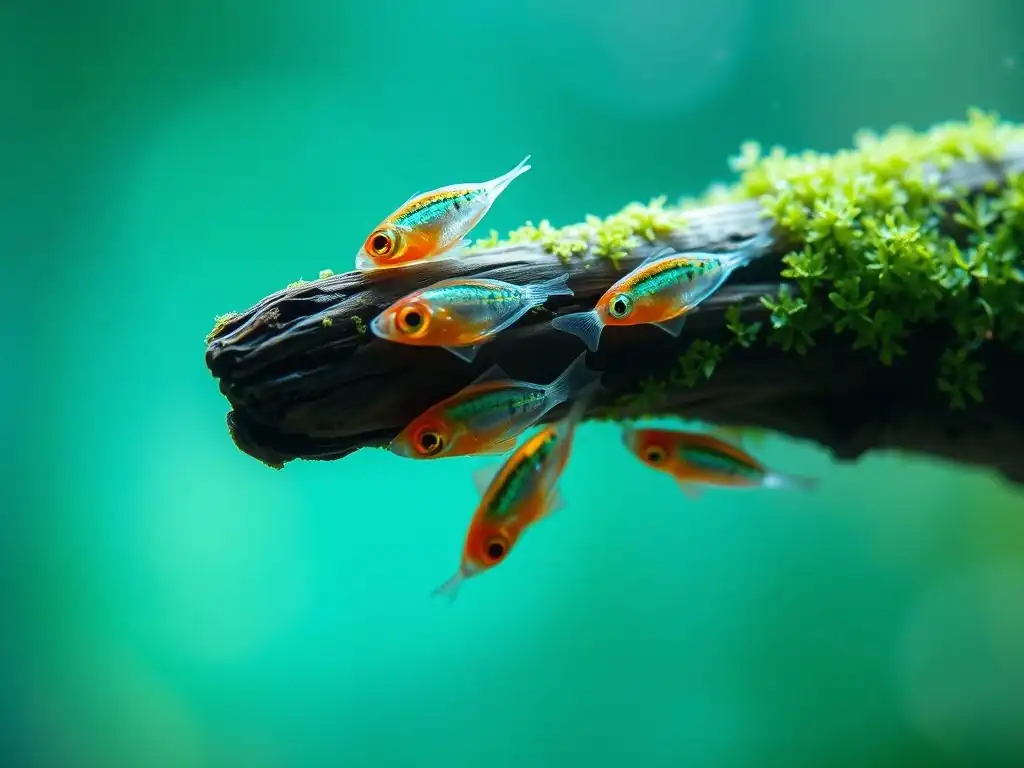
Glowlight Tetra eggs typically hatch within 24 to 36 hours at a temperature of 78°F (25.5°C). The newly hatched fry are incredibly tiny, almost microscopic, and will initially remain motionless, clinging to the tank glass or plants. For the first two to three days, they will absorb nutrients from their yolk sac, requiring no external food. However, once the yolk sac is fully absorbed and they become free-swimming, usually identified by their horizontal swimming posture, immediate feeding is critical. Their mouths are minuscule, making infusoria the ideal first food.
Infusoria, microscopic organisms found in aged aquarium water, can be cultured easily by steeping decaying plant matter (like lettuce leaves) in a jar of water for several days. Alternatively, commercial liquid fry foods, specifically designed for egg-laying fish fry, provide a convenient and reliable source of initial nutrition. Feed these tiny meals three to four times a day in very small quantities, ensuring not to overfeed, as uneaten food will quickly foul the water. This early nutrition is foundational for the successful growth outlined in any Glowlight Tetra Breeding Guide.
Maintaining Water Quality: Gentle Water Changes
Maintaining impeccable water quality is arguably the most challenging and crucial aspect of raising Glowlight Tetra fry. Due to their small size and undeveloped immune systems, fry are extremely sensitive to even minute fluctuations in water parameters and the presence of ammonia or nitrites. Regular water changes are essential, but they must be performed with extreme care to avoid stressing or harming the delicate fry. Small, daily water changes of 10-15% are often recommended.
When performing water changes, use a small air line tubing to gently siphon out water from the bottom, being extremely careful not to suck up any fry. Replace the siphoned water with aged, temperature-matched, dechlorinated water that matches the breeding tank's parameters (soft and acidic). A gentle air stone should continue to provide aeration, ensuring adequate oxygen levels without creating strong currents. The goal is to keep the water pristine, stable, and free from pollutants, which is paramount for the survival of the fragile fry.
Growing Out Glowlight Tetra Fry: Nutrition and Development
Transitioning to Larger Foods: Baby Brine Shrimp and Micro Worms
As Glowlight Tetra fry grow, usually after about one week, their mouths will become large enough to accept slightly larger food items. This transition is a critical phase in their development and directly impacts their growth rate and survival. Newly hatched brine shrimp nauplii are an excellent next food source; they are highly nutritious, readily available, and their jerky movements attract the fry. Micro worms, another live food option, are also readily accepted and provide similar benefits.
Begin feeding baby brine shrimp or micro worms two to three times a day, in addition to or gradually replacing infusoria. Observe the fry to ensure they are actively feeding and that their bellies appear full. Overfeeding should still be avoided, as uneaten live food can quickly die and decompose, leading to water quality issues.
As the fry continue to grow, typically around 3-4 weeks, they can be introduced to finely crushed high-quality flake food or specialized dry fry food, slowly transitioning them to a more varied diet. This dietary progression is a key element of a successful Glowlight Tetra Breeding Guide.
Monitoring Growth Rates and Identifying Potential Issues
Constant observation of your Glowlight Tetra fry is essential for identifying potential issues early and ensuring their healthy development. Monitor their growth rates; ideally, they should be growing uniformly and steadily. Stunted growth in a portion of the fry can indicate insufficient feeding, inadequate water quality, or even genetic weaknesses. Uneven growth rates might also suggest that some fry are not getting enough food due to competition.
Look for any signs of disease, such as lethargy, unusual swimming patterns, white spots (Ich), or fuzzy patches (fungus). Early detection allows for prompt action, though treatment options for very young fry are often limited and require extreme caution with dosages. Maintaining a clean environment, providing consistent nutrition, and performing regular, gentle water changes are the best preventative measures. A healthy fry population will be active, alert, and exhibit developing coloration as they mature, signaling a successful Glowlight Tetra Breeding Guide implementation.
Preventing Diseases in Glowlight Tetra Fry
Common Fry Diseases: Identification and Treatment
Glowlight Tetra fry are incredibly delicate and highly susceptible to diseases due to their underdeveloped immune systems and small size. Common ailments that can devastate a batch of fry include Ich (white spot disease), Velvet (Oodinium), and various bacterial or fungal infections. Ich appears as tiny white dots on the body and fins, while Velvet manifests as a fine, dusty, yellowish coating. Fungal infections often present as white, cotton-like growths, usually on dead or unfertilized eggs, but can spread to live fry.
Prevention is the most effective strategy for managing diseases in fry. This involves maintaining consistently pristine water quality, stable water parameters, and providing optimal nutrition. If disease does occur, treatment can be challenging. Many common aquarium medications are too strong for fry and can be lethal. For Ich, a gradual increase in temperature (if parameters allow) combined with very diluted salt baths might be considered. For fungal issues, ensuring good aeration and removing affected eggs can help. Always research specific treatments carefully and consult with experienced aquarists or veterinarians before administering any medication to fry.
Maintaining a Clean and Healthy Environment
The cornerstone of disease prevention in Glowlight Tetra fry is maintaining an impeccably clean and healthy environment. This goes beyond just regular water changes. Uneaten food, detritus, and waste products can quickly decompose, leading to dangerous spikes in ammonia, nitrite, and nitrate, which are highly toxic to fry. Therefore, daily siphoning of the tank bottom using a small airline tube is crucial to remove any debris.
Ensure that any filtration used, such as a gentle sponge filter, is properly cycled and provides adequate biological filtration without creating strong currents that could stress the fry. Regular cleaning of the filter media (in old tank water, not tap water) prevents the buildup of harmful bacteria. By meticulously managing water quality and cleanliness, you drastically reduce the risk of pathogens and create an optimal environment for the fry to thrive, significantly improving the success rate of your Glowlight Tetra Breeding Guide efforts.
Advanced Techniques for Glowlight Tetra Breeding Success
Optimizing Water Parameters for Maximum Fry Survival
The Importance of pH, GH, and KH Levels
For advanced Glowlight Tetra Breeding Guide strategies, fine-tuning water parameters beyond the basic requirements can significantly boost egg viability and fry survival rates. The pH (potential hydrogen), GH (general hardness), and KH (carbonate hardness) levels are interconnected and critically impact the success of spawning. Glowlight Tetras prefer soft, acidic water for breeding, specifically a pH between 5.5 and 6.5. A lower pH helps to prevent egg fungus and is more conducive to the development of delicate fry.
General hardness (GH), which measures dissolved mineral ions like calcium and magnesium, should be very low, ideally 1-3 dGH (18-54 ppm). This soft water mimics their natural Amazonian habitat and is essential for successful fertilization and hatching. Carbonate hardness (KH), or alkalinity, acts as a buffer against pH swings.
While a low KH (0-2 dKH or 0-35 ppm) is desired for the acidic conditions, it also means the water has very little buffering capacity, making it susceptible to rapid pH drops. Therefore, precise and consistent monitoring of all three parameters is vital to prevent osmotic shock and ensure a stable environment for the fragile eggs and fry.
Using RO Water and Peat Filtration
To achieve and maintain the precise soft, acidic water parameters necessary for optimal Glowlight Tetra Breeding, advanced aquarists often utilize reverse osmosis (RO) water. RO water is purified water from which almost all dissolved solids and minerals have been removed, essentially providing a "blank slate." This allows the breeder to precisely reconstitute the water by adding back specific minerals and salts to achieve the exact desired GH and KH levels, without the interference of unknown tap water components.
Another effective technique is peat filtration. Placing aquarium-safe peat moss in a media bag within the filter or directly in the tank (ensuring it doesn't cloud the water) will naturally soften the water and lower the pH. Peat releases humic acids and tannins, which create a blackwater environment similar to the Glowlight Tetra's native rivers. This not only optimizes water chemistry for spawning but also provides natural anti-fungal properties, further protecting delicate eggs. Combining RO water with peat filtration offers unparalleled control over water parameters, leading to higher fertilization rates and increased fry survival.
Selective Breeding for Enhanced Glowlight Tetra Traits
Identifying Desirable Traits: Color, Fin Shape, and Size
Advanced Glowlight Tetra Breeding Guide practices often involve selective breeding, a meticulous process aimed at enhancing specific desirable traits within a line of fish. For Glowlight Tetras, key traits to focus on include the intensity and vibrancy of their characteristic orange stripe, which can vary significantly between individuals. Breeders might also look for robust body shape, healthy finnage (avoiding bent or ragged fins), and consistent adult size. The goal is to produce offspring that are superior in appearance and health to their parents.
This requires careful observation of multiple generations of fry and adult fish. Keep detailed records of which pairs produced the most vibrant, healthiest, or largest offspring. Identifying these superior individuals and using them as the next generation's breeding stock is the essence of selective breeding. It's a long-term commitment that requires patience and a keen eye for subtle differences.
Implementing a Selective Breeding Program
Implementing a selective breeding program for Glowlight Tetras involves more than just picking the "prettiest" fish. It requires a systematic approach. From each successful spawn, closely monitor the development of the fry. Once they are juveniles, select the individuals that best exemplify the desired traits – for instance, the brightest orange stripe, the most robust body, or the largest size for their age. These chosen fish will form your next generation of breeding stock.
It's equally important to cull or separate fish that exhibit undesirable traits or deformities to prevent them from passing on those genes. This doesn't mean euthanasia; often, these fish can be kept as pets in a community tank but not used for breeding. To maintain genetic diversity and prevent inbreeding depression (which can lead to weaker fish, reduced fertility, and increased susceptibility to disease), it's crucial to periodically introduce new, unrelated bloodlines from different sources into your breeding program, perhaps every 1-2 years. This systematic approach ensures the long-term health and vitality of your Glowlight Tetra colony.
Troubleshooting Common Glowlight Tetra Breeding Problems
Egg Fungus and Infertility: Identifying and Addressing the Causes
Even with careful preparation, Glowlight Tetra Breeding Guide efforts can encounter common setbacks like egg fungus and infertility. Egg fungus, appearing as white, cotton-like growths on the eggs, often indicates unfertilized eggs, poor water quality, or insufficient aeration around the eggs. Unfertilized eggs are prone to fungusing, and this fungus can then spread to healthy eggs. To address this, ensure soft, acidic water parameters, provide gentle aeration, and promptly remove any fungused eggs with a pipette before they contaminate the rest. Dim lighting also helps inhibit fungal growth.
Infertility, where eggs are laid but do not hatch, can stem from several issues. It might be due to the immaturity of the breeding pair, poor conditioning (insufficient nutrition for egg/sperm development), or incompatibility between the male and female. Sometimes, the male may not be actively fertilizing the eggs. If infertility is a recurring problem, consider trying a different male, or conditioning the pair for a longer period with a more varied, protein-rich diet. Ensuring optimal water parameters and a stress-free environment will also significantly improve fertility rates.
Low Fry Survival Rates: Optimizing Care and Environment
Low fry survival rates are a disheartening but common problem in Glowlight Tetra Breeding. Several factors can contribute to this, including inadequate initial food, rapid water parameter shifts, predation by micro-organisms, or disease. The initial days after hatching are the most critical. If fry are not provided with appropriately sized food (like infusoria) immediately after their yolk sacs are absorbed, they will starve. Ensuring a consistent, ready supply of first foods is paramount.
Rapid changes in water temperature, pH, or hardness during water changes can shock and kill delicate fry. Always use aged, temperature-matched water for replacements. Micro-organisms, such as hydra or planaria, can prey on tiny fry; inspect the tank for these pests before spawning. Finally, maintaining impeccable water quality by daily siphoning of uneaten food and detritus, combined with gentle, frequent water changes, prevents ammonia and nitrite buildup, which are highly toxic to fry. Reviewing each step of your care routine and making precise adjustments can significantly improve the survival rate of your Glowlight Tetra fry.
Maintaining a Thriving Glowlight Tetra Colony
Long-Term Care for Breeding Glowlight Tetras
Maintaining Optimal Water Quality and Tank Conditions
Maintaining optimal water quality and stable tank conditions is fundamental not only for breeding Glowlight Tetras but also for the long-term health and vitality of your entire colony. Regular water changes are paramount; a routine of 25-30% weekly water changes, using dechlorinated and temperature-matched water, helps to keep nitrates low and replenish essential trace elements. Consistent monitoring of pH, GH, and KH levels (aiming for pH 6.0-7.0, GH 3-8 dGH, and KH 2-5 dKH for a general thriving colony, slightly less strict than breeding parameters) prevents stress and supports robust immune systems.
The filtration system should be adequate for the tank size and bioload, providing efficient mechanical and biological filtration without creating excessively strong currents. A well-maintained sponge filter or a gentle hang-on-back filter is often suitable. Consistent water temperature, ideally between 74-78°F (23.3-25.5°C), is also crucial. Any sudden fluctuations can weaken the fish and make them susceptible to disease. By upholding these standards, you ensure a healthy environment that encourages natural behaviors and prepares them for future Glowlight Tetra Breeding Guide endeavors.
Providing a Varied and Nutritious Diet
A varied and nutritious diet is essential for the long-term health, vibrant coloration, and reproductive readiness of your Glowlight Tetra colony. While high-quality flake food can form the staple, it should be supplemented regularly with a diverse range of foods. Live foods such as daphnia, brine shrimp, and micro worms provide superior protein and essential nutrients that are often lacking in processed foods. Frozen alternatives like bloodworms or spirulina-enriched brine shrimp are also excellent choices.
Feeding two to three times a day in small amounts, ensuring all food is consumed within a few minutes, helps prevent overfeeding and water fouling. A balanced diet strengthens their immune systems, enhances their natural colors, and keeps them in prime condition for spawning. A well-fed and healthy colony will exhibit active behavior and contribute to successful breeding outcomes consistently, affirming the comprehensive approach of this Glowlight Tetra Breeding Guide.
Preventing Inbreeding and Maintaining Genetic Diversity
Introducing New Bloodlines: The Benefits of Cross-Breeding
As you continue your Glowlight Tetra Breeding Guide journey, preventing inbreeding within your colony becomes increasingly important for long-term success and the health of future generations. Inbreeding, which occurs when closely related fish are bred together repeatedly, can lead to inbreeding depression. This manifests as reduced fertility, smaller adult size, increased susceptibility to diseases, physical deformities, and a general weakening of the genetic line over time. To combat this, periodically introducing new bloodlines is crucial.
This involves acquiring healthy, unrelated Glowlight Tetras from different reputable sources (e.g., another breeder, a different pet store shipment) and introducing them into your breeding pool. These new fish bring fresh genetic material, diversifying the gene pool and preventing the accumulation of undesirable recessive traits. While it may seem counterintuitive to introduce outside fish into an established line, strategic cross-breeding is a cornerstone of responsible and sustainable fish breeding.
Managing the Breeding Population
Effective management of your breeding population is key to maintaining genetic diversity and preventing inbreeding. This involves keeping meticulous records of your breeding pairs and their offspring, noting dates of spawning, number of fry, and any observed traits. This allows you to track lineages and avoid breeding siblings or parent-offspring pairs. A common strategy is to maintain several distinct breeding lines within your colony, ensuring that you don't breed fish from the same immediate family.
As your colony grows, you may need to rotate breeding stock, selecting different individuals for each breeding cycle to spread the genetic contribution more widely. Aim to refresh your breeding stock with new, unrelated fish every 1 to 2 years, depending on the size and productivity of your colony. By thoughtfully managing your breeding population, you ensure the continued vitality, health, and beauty of your Glowlight Tetra line for many generations to come, embodying the principles of a comprehensive Glowlight Tetra Breeding Guide.
Conclusion: Mastering Glowlight Tetra Breeding with Aquarium Mastery
The Rewards of Successful Glowlight Tetra Breeding
Mastering the art of Glowlight Tetra Breeding is a deeply rewarding endeavor that transcends the simple act of keeping fish. It offers aquarists a unique opportunity to witness the complete life cycle of these radiant creatures, from microscopic egg to vibrant adult. The satisfaction derived from successfully nurturing delicate fry through their vulnerable stages to thriving juveniles is immense, providing a sense of accomplishment that few other aspects of the hobby can match. Beyond personal fulfillment, successful breeding contributes to the sustainability of the hobby by reducing reliance on wild-caught specimens and promoting responsible pet ownership.
The knowledge gained through this intricate process, from understanding specific water parameters to observing subtle behavioral cues, enriches an aquarist's overall expertise and appreciation for aquatic life. Each successful spawn is a testament to meticulous planning, patience, and a deep understanding of the Glowlight Tetra's needs, solidifying your status as a skilled aquarist.
Further Resources for Advanced Tetra Care and Breeding Techniques
While this Glowlight Tetra Breeding Guide provides a comprehensive overview, the world of advanced tetra care and breeding is vast and continuously evolving. Aquarium Mastery is committed to being your ultimate resource for deepening your understanding and refining your techniques. We offer an extensive library of articles, species profiles, and troubleshooting guides that delve into more nuanced aspects of freshwater fish keeping.
Explore our sections on advanced water chemistry management, detailed nutrition plans for various life stages, and specific troubleshooting for common breeding challenges across different tetra species. Whether you're looking to fine-tune your selective breeding program, understand the intricacies of blackwater tanks, or explore breeding other peaceful community fish, Aquarium Mastery provides the expert insights and practical advice you need to elevate your aquarist journey.
Aquarium Mastery: Your Partner in Aquarium Success
At Aquarium Mastery, our mission is to empower every aquarist, from beginner to expert, with the most accurate, detailed, and actionable information available. We understand that success in the aquarium hobby comes from knowledge, patience, and a passion for aquatic life. Our comprehensive resources, including this Glowlight Tetra Breeding Guide, are designed to illuminate the path to thriving aquariums and successful breeding projects.
We are more than just a website; we are a partner in your aquatic adventures, providing the trusted guidance you need to overcome challenges and celebrate successes. Continue to explore AquariumMastery.com for invaluable insights into freshwater and saltwater aquariums, species-specific care, maintenance schedules, and troubleshooting common issues. Let Aquarium Mastery be your go-to source for everything you need to achieve mastery in your aquarium endeavors.
Frequently Asked Questions
How difficult is it to breed Glowlight Tetras in a home aquarium?
Breeding Glowlight Tetras can be moderately challenging. It requires specific water parameters and a dedicated breeding tank to simulate their natural environment and encourage spawning.
What are the ideal water parameters for breeding Glowlight Tetras?
The ideal water parameters include a soft, acidic pH (around 6.0-6.5), a low KH (carbonate hardness), and a temperature between 78-82°F (25-28°C). Maintaining pristine water quality is also crucial.
What type of breeding tank setup is recommended for Glowlight Tetras?
A small, dimly lit tank (5-10 gallons) with fine-leaved plants or a spawning mop is recommended. The bottom should be covered with marbles or a mesh to protect the eggs from the parents, who are prone to egg-eating behavior.
What do Glowlight Tetra eggs and fry look like, and how should I care for them?
Glowlight Tetra eggs are tiny and transparent, scattering among the plants. The fry are also very small and require infusoria or liquid fry food initially, followed by baby brine shrimp as they grow.
How can I tell if my Glowlight Tetras are ready to breed?
Female Glowlight Tetras will appear plumper with eggs, while males will display more intense coloration and engage in courtship behavior, such as chasing and nudging the female. Separate them into the breeding tank when these signs are evident.
Final Reflection: Illuminating the Future of Aquarium Keeping
The journey into Glowlight Tetra breeding mastery isn't just about successfully spawning these shimmering fish; it's about understanding and respecting the delicate ecosystems we recreate within our glass boxes. The principles of water quality, environmental control, and patient observation, so crucial for breeding success, are equally vital for responsible aquarium keeping as a whole, and their importance is only amplified in a world increasingly aware of environmental stewardship.
This exploration into the nuances of Glowlight Tetra breeding has profoundly influenced my own perspective on the hobby. It's a reminder that even seemingly small creatures like the Glowlight Tetra can teach us valuable lessons about patience, dedication, and the interconnectedness of life. In the end, we will conserve only what we love; we will love only what we understand; and we will understand only what we are taught.
- Baba Dioum. This quote perfectly encapsulates the journey of understanding and appreciating these radiant fish.
Now, as you close this guide, consider the knowledge you've gained. Don't just apply it to breeding Glowlight Tetras; let it inform your approach to all aspects of aquarium keeping and beyond. Embrace the challenge of creating thriving aquatic environments, and share your knowledge with others. The future of our hobby, and indeed the health of our planet, depends on our collective commitment to understanding and respecting the delicate balance of nature.
Ignite Your Aquarium: Master the Art of Glowlight Tetra Breeding!
Thank you for diving into the fascinating world of Glowlight Tetras! Now that you've unlocked the secrets to their breeding, it's time to transform your aquarium into a vibrant haven for these shimmering jewels. Let’s put that knowledge into action!
Here's how you can continue your journey:
- Begin preparing your breeding tank today! Focus on replicating their natural habitat for optimal spawning conditions.
- Share your newfound wisdom! Post a picture of your Glowlight Tetra setup on social media and tag us @AquariumMastery to inspire other enthusiasts.
- Research compatible tank mates for the fry! Delve deeper into creating a thriving community ecosystem.
What's the first step you'll take to nurture your own school of radiant Glowlight Tetras?