
Corydoras duplicareus: The "Duplicate" Adolfoi A Closer Look

Welcome to Aquarium Mastery!
Ever been captivated by the bustling life within a freshwater aquarium? Dive in with us and unlock the secrets to a thriving underwater world. Today, we're focusing on a fascinating species: the Corydoras duplicareus, often mistaken for its close relative. Curious about proper Corydoras care tips? You're in the right place! Keep reading to discover everything you need to know about this charming catfish, from their unique appearance to creating the perfect habitat. Let's explore the world of the "Duplicate" Adolfoi together!
- Understanding Corydoras duplicareus: An Introduction to the "Duplicate" Adolfoi
- Corydoras duplicareus Care Guide: Essential Tips for a Healthy Aquarium
- Tank Mates for Corydoras duplicareus: Creating a Peaceful Community Aquarium
- Maintaining a Healthy Corydoras duplicareus Aquarium: Water Quality and Disease Prevention
- Breeding Corydoras duplicareus: A Challenging but Rewarding Endeavor
- Corydoras duplicareus: Advanced Care and Long-Term Health Considerations
- Conclusion: Mastering Corydoras duplicareus Care for a Beautiful Aquarium
-
Frequently Asked Questions
- What are the key differences between Corydoras duplicareus and Corydoras adolfoi?
- What are some essential Corydoras duplicareus care tips regarding water parameters?
- What kind of substrate is best suited for Corydoras duplicareus in an aquarium?
- What are some suitable tank mates for Corydoras duplicareus in a community aquarium?
- What should I feed my Corydoras duplicareus to ensure their optimal health and coloration?
- Final Reflection: Appreciating the Nuances of Nature
- Unleash the Beauty: Dive Deeper into the Corydoras World!
Understanding Corydoras duplicareus: An Introduction to the "Duplicate" Adolfoi
Distinguishing Corydoras duplicareus from Corydoras adolfoi: Visual Identification
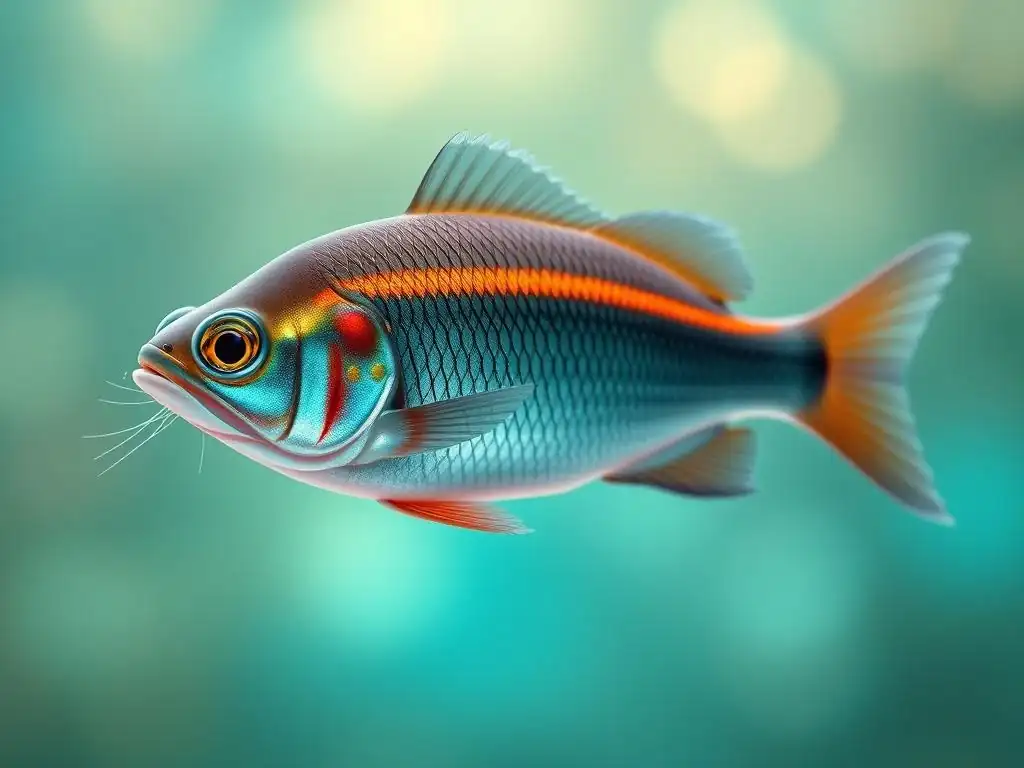
Corydoras duplicareus and Corydoras adolfoi are often confused due to their striking resemblance, leading to the common moniker "Duplicate Adolfoi" for the former. However, keen observation reveals distinct visual cues. The most prominent differentiating feature lies in the orange or gold band located just behind the gill plate and extending onto the body. In Corydoras adolfoi, this band is typically narrower and positioned more anteriorly, often appearing as a distinct splash of color.
Conversely, Corydoras duplicareus boasts a broader, more intense orange band that extends further back along the dorsal side of its body, sometimes reaching past the dorsal fin's origin. Another subtle difference can be observed in the black stripe that runs horizontally through the eye and along the dorsal ridge. While both species possess this stripe, its thickness and precise extension can vary, with C. duplicareus often exhibiting a slightly thicker and more pronounced dorsal stripe. These nuances are crucial for accurate identification when implementing a comprehensive Corydoras care tips guide.
Why are they called "Duplicate" Adolfoi? Exploring the Similarities and Differences
The designation "Duplicate Adolfoi" stems directly from the remarkable phenotypic convergence between Corydoras duplicareus and Corydoras adolfoi. Both species share a similar overall body shape, size, and the characteristic black eye band and dorsal stripe, making casual identification challenging even for experienced aquarists. Their base body coloration, typically a silvery-tan to light brown, also contributes to the confusion. This similarity led to C. duplicareus being initially misidentified or overlooked as a distinct species for some time.
Despite their visual similarities, genetic and geographical distinctions firmly establish them as separate species. Corydoras adolfoi originates from the Rio Negro basin, specifically around the municipality of Santa Isabel do Rio Negro in Brazil. In contrast, Corydoras duplicareus hails from the Rio Purus basin, found in tributaries like the Rio Ipixuna. These distinct natural habitats, separated by significant geographical barriers, prevent interbreeding in the wild, further reinforcing their classification. Understanding these subtle differences is key to providing species-specific Corydoras care.
Corydoras duplicareus Care Guide: Essential Tips for a Healthy Aquarium
Optimal Tank Setup for Corydoras duplicareus: Recreating Their Natural Habitat
Creating an optimal tank setup is paramount for the well-being of Corydoras duplicareus, reflecting the best Corydoras care tips guide principles. These peaceful bottom dwellers thrive in environments that mimic their native South American streams. A minimum tank size of 20 gallons (approximately 75 liters) is recommended for a small group of 6-8 individuals, as they are highly social and prefer to live in schools. However, a 30-gallon (115 liters) or larger tank is ideal, providing ample space for foraging and swimming. The tank should be well-established with stable water parameters and mature filtration.
The layout should include plenty of hiding spots and visual breaks, which can be achieved using driftwood, smooth rocks, and dense live plant arrangements. Plants like Java Fern, Anubias, and various Amazon sword plants not only provide shelter but also help maintain water quality by absorbing nitrates. Gentle water flow is preferred, and a mature biological filter is essential to process waste and maintain pristine conditions, which is a cornerstone of effective Corydoras care.
Substrate Recommendations for Corydoras duplicareus: Ensuring Their Well-being
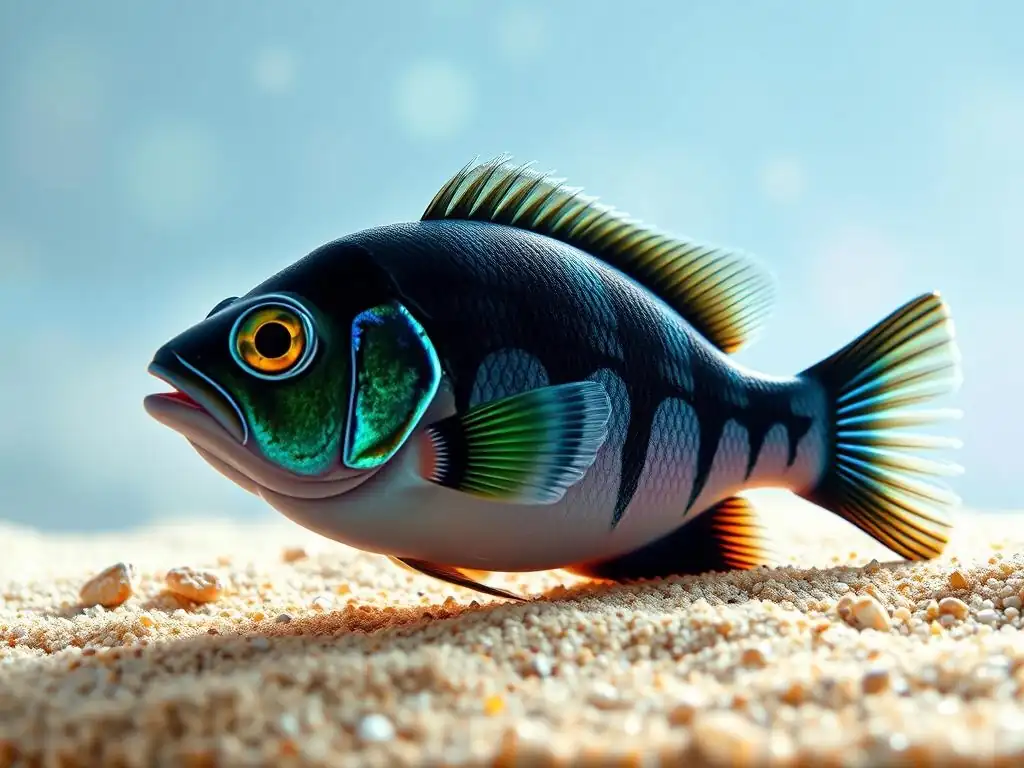
The choice of substrate is perhaps one of the most critical aspects of Corydoras duplicareus care, directly impacting their health and natural behavior. These fish are benthic, meaning they spend most of their time at the bottom, sifting through the substrate with their delicate barbels in search of food. Therefore, a soft, fine substrate is absolutely essential. Sand, such as pool filter sand, play sand, or specialized aquarium sand, is the ideal choice.
Using coarse gravel or sharp-edged substrates can cause severe damage to their sensitive barbels, leading to erosion, infection, and ultimately, a diminished ability to feed and navigate. This condition, known as barbel erosion, is a common ailment in Corydoras kept on unsuitable substrates. A substrate layer of at least 1-2 inches (2.5-5 cm) allows them to engage in their natural sifting behavior without harm, promoting their overall well-being and reducing stress, which is a vital part of any comprehensive Corydoras care tips guide.
Ideal Water Parameters for Corydoras duplicareus: Temperature, pH, and Hardness
Maintaining precise and stable water parameters is crucial for the long-term health of Corydoras duplicareus. The ideal temperature range for these fish is between 72-79°F (22-26°C). Consistency within this range is more important than hitting an exact number, as sudden fluctuations can cause significant stress. A reliable aquarium heater with a thermostat is indispensable for maintaining this stability.
Regarding pH, Corydoras duplicareus prefers slightly acidic to neutral water, with an ideal range of 6.0 to 7.5. While they can tolerate a slight deviation, maintaining a stable pH is key. Water hardness should be soft to medium-hard, typically between 2-15 dGH. Regular testing of ammonia, nitrite, and nitrate levels is also vital; ammonia and nitrite should always be undetectable (0 ppm), and nitrates should be kept below 20 ppm through regular water changes. These parameters form the bedrock of excellent Corydoras care.
Corydoras duplicareus Diet and Feeding: Nutritional Needs and Best Practices
What to Feed Corydoras duplicareus: A Balanced Diet for Optimal Health
A balanced and varied diet is fundamental to the health and vitality of Corydoras duplicareus. As omnivores and opportunistic bottom feeders, they require a mix of protein and vegetable matter. High-quality sinking pellets or wafers specifically formulated for bottom feeders should form the staple of their diet. These foods are designed to sink quickly, ensuring that the Corydoras receive their share before faster-swimming tank mates consume everything.
Supplementing their diet with live or frozen foods is highly beneficial and encourages natural foraging behaviors. Excellent options include bloodworms, brine shrimp, daphnia, and tubifex worms. These protein-rich foods contribute to robust growth and vibrant coloration. Occasionally, blanched vegetables like zucchini or spinach, or spirulina-based wafers, can be offered to provide essential roughage and vegetable matter, rounding out their nutritional needs and enhancing Corydoras care.
Feeding Frequency and Quantity: Preventing Overfeeding in Corydoras duplicareus
Proper feeding frequency and quantity are essential components of a successful Corydoras care tips guide, directly impacting water quality and fish health. It is generally recommended to feed Corydoras duplicareus once or twice daily, offering small amounts that can be consumed within a few minutes. Since they are bottom dwellers, it's important to ensure that the food reaches the substrate where they can access it. Observing their feeding behavior will help determine the correct amount; they should appear active and eager to forage without leaving excessive uneaten food behind.
Overfeeding is a common mistake that can lead to several problems, including deteriorating water quality due to decaying food, which in turn can cause ammonia and nitrite spikes. It also contributes to health issues in the fish, such as bloat and fatty liver disease. If you notice uneaten food after a few minutes, reduce the quantity at the next feeding. A responsible Corydoras care routine prioritizes adequate nutrition without compromising the aquatic environment.
Tank Mates for Corydoras duplicareus: Creating a Peaceful Community Aquarium
Compatible Fish Species for Corydoras duplicareus: Avoiding Aggression and Competition
Selecting appropriate tank mates is a critical aspect of creating a harmonious community aquarium for Corydoras duplicareus, forming an integral part of any Corydoras care tips guide. These peaceful and shy fish thrive in the company of other non-aggressive, similarly sized species that occupy different levels of the water column. Ideal tank mates include small schooling tetras such as Neon Tetras, Cardinal Tetras, Ember Tetras, and Rummy-nose Tetras, which are active in the mid-to-upper levels and do not compete for food at the bottom.
Other excellent choices include peaceful Rasboras (e.g., Harlequin Rasboras, Chili Rasboras), Dwarf Gouramis, and small, peaceful livebearers like Guppies and Platies, provided their water parameter requirements align. It is crucial to avoid any large, predatory, or overly aggressive fish species that might intimidate, injure, or outcompete the Corydoras for food. Slow-moving or fin-nipping species should also be avoided to prevent stress and potential physical harm to these delicate bottom dwellers.
Invertebrates as Tank Mates: Shrimp and Snails Compatible with Corydoras duplicareus
Integrating invertebrates into a Corydoras duplicareus aquarium can enhance the tank's biodiversity and provide additional cleaning benefits, aligning perfectly with comprehensive Corydoras care strategies. Peaceful shrimp species are generally excellent tank mates. Amano shrimp (Caridina multidentata) are renowned for their algae-eating prowess and are too large to be considered prey. Various species of Neocaridina shrimp, such as Cherry shrimp, also co-exist peacefully, though caution should be exercised with very small fry in tanks with larger, adult Corydoras, although C. duplicareus are not typically predatory.
Snails are another highly compatible option. Nerite snails are fantastic algae eaters and do not reproduce excessively in freshwater. Mystery snails and Ramshorn snails also make good companions, helping to keep the tank clean by consuming uneaten food and detritus. These invertebrates pose no threat to Corydoras and can contribute to a healthier, more balanced ecosystem, making them a valuable addition to a well-planned Corydoras care tips guide.
Maintaining a Healthy Corydoras duplicareus Aquarium: Water Quality and Disease Prevention
Water Changes and Filtration: Key Elements for Corydoras Care
Maintaining pristine water quality through regular water changes and efficient filtration is the cornerstone of successful Corydoras duplicareus care. These fish are highly sensitive to poor water conditions, making consistent maintenance non-negotiable. A partial water change of 25-30% of the tank volume should be performed weekly. This practice helps to remove accumulated nitrates, phosphates, and other dissolved organic compounds that can become toxic over time. Always ensure that the new water is dechlorinated and temperature-matched to prevent shock.
Beyond water changes, robust filtration is essential. A good filtration system should include mechanical filtration to remove particulate matter, biological filtration to convert harmful ammonia and nitrites into less toxic nitrates, and chemical filtration (like activated carbon) if needed to remove odors or discoloration. Sponge filters are particularly excellent for Corydoras tanks as they provide gentle flow, ample surface area for beneficial bacteria, and are safe for delicate barbels and fry, showcasing effective Corydoras care tips guide principles.
Recognizing and Treating Common Corydoras Diseases: Ich, Fin Rot, and Prevention
Despite the best Corydoras care, fish can occasionally fall ill. Recognizing and promptly treating common diseases is vital for the survival of Corydoras duplicareus. Ich (Ichthyophthirius multifiliis), or white spot disease, is characterized by small, white spots resembling salt grains on the fish's body and fins. It's often triggered by stress or sudden temperature fluctuations. Treatment typically involves gradually raising the water temperature (if compatible with tank mates), adding aquarium salt, or using commercial Ich remedies.
Fin Rot, another common ailment, manifests as frayed, ragged, or disintegrating fins, often accompanied by redness or inflammation. It is primarily caused by poor water quality or physical injury. The initial treatment involves immediate and significant water changes to improve conditions, followed by targeted antibacterial or antifungal medications if the condition persists. Prevention is always the best strategy; maintaining stable, pristine water parameters, providing a low-stress environment, and quarantining new fish for 2-4 weeks before introducing them to the main tank are crucial preventative measures in any Corydoras care tips guide.
Breeding Corydoras duplicareus: A Challenging but Rewarding Endeavor
Setting Up a Breeding Tank for Corydoras duplicareus: Mimicking Natural Conditions
Breeding Corydoras duplicareus can be a challenging yet highly rewarding experience for the dedicated aquarist, showcasing an advanced level of Corydoras care. To maximize success, it's advisable to set up a dedicated breeding tank, typically 5-10 gallons (19-38 liters) in size. This tank should have soft, slightly acidic water, mimicking their natural breeding grounds during the rainy season. A bare bottom or a very thin layer of fine sand is preferred for easy egg collection and fry rearing.
Decorations should include broad-leafed plants like Anubias or Java Fern, or artificial spawning mops, as Corydoras typically lay their adhesive eggs on vertical surfaces. Filtration should be gentle, such as an air-driven sponge filter, to prevent harm to eggs or newly hatched fry. Conditioning the parent fish with a varied, high-protein diet of live and frozen foods for several weeks prior to attempting breeding is crucial for their readiness and egg production, a key element of any Corydoras care tips guide for breeding.
Inducing Spawning in Corydoras duplicareus: Triggering Reproductive Behavior
Inducing spawning in Corydoras duplicareus often involves mimicking the environmental cues of their natural breeding season, which is typically triggered by changes associated with the onset of the rainy season. The most effective method involves performing large, cool water changes. This entails replacing 50-75% of the tank water with water that is several degrees Fahrenheit cooler than the current tank temperature. This sudden drop in temperature, combined with the influx of fresh, soft water, simulates the seasonal rains and often prompts spawning behavior.
In addition to cool water changes, increasing the frequency and quantity of high-protein live or frozen foods (such as bloodworms and brine shrimp) helps to condition the fish and signals an abundance of resources for raising fry. Gentle aeration from an air stone can also be beneficial, increasing oxygenation and simulating turbulent stream conditions. When ready, the male will typically chase the female, leading to the characteristic "T-position" where the male embraces the female, and she deposits her adhesive eggs, usually on tank glass, plants, or decor. This specific triggering mechanism is vital for successful Corydoras care and breeding.
Raising Corydoras duplicareus Fry: From Hatching to Juvenile
Raising Corydoras duplicareus fry requires meticulous attention to water quality and feeding, making it one of the most delicate aspects of advanced Corydoras care. Once eggs are laid, it is generally recommended to remove the parent fish from the breeding tank to prevent them from consuming the eggs. The eggs typically hatch within 3-5 days, depending on the water temperature. Newly hatched fry are very small and possess a yolk sac, which provides initial nourishment for the first 24-48 hours.
After the yolk sac is absorbed, the fry become free-swimming and require microscopic food. Infusoria, liquid fry food, or finely crushed spirulina powder are excellent initial foods. As they grow, within a few days, they can transition to slightly larger foods such as micro-worms and newly hatched brine shrimp (Artemia nauplii).
Small, frequent water changes (10-20% daily or every other day) are paramount to maintain pristine water conditions, as fry are extremely sensitive to ammonia and nitrite. Consistent feeding and clean water are the primary factors in ensuring high survival rates and healthy development into juvenile fish, a testament to comprehensive Corydoras care.
Corydoras duplicareus: Advanced Care and Long-Term Health Considerations
Ensuring Longevity for Corydoras duplicareus: Creating a Thriving Environment
Ensuring the longevity of Corydoras duplicareus goes beyond basic maintenance; it involves creating a truly thriving environment that supports their natural behaviors and minimizes stress. With optimal Corydoras care, these charming catfish can live for 5-8 years, and sometimes even longer, in a home aquarium. Consistent monitoring of water parameters (ammonia, nitrite, nitrate, pH, temperature) is crucial, as even subtle, prolonged deviations can impact their health over time. Regular, scheduled water changes, as outlined in any thorough Corydoras care tips guide, are non-negotiable.
Providing enrichment is also key. This includes maintaining a healthy school of at least six individuals to satisfy their social needs, offering a varied and nutritious diet, and ensuring ample space for foraging and exploration. A well-planted tank with plenty of hiding spots contributes significantly to their sense of security. Minimizing external stressors, such as aggressive tank mates, sudden loud noises, or rapid changes in tank conditions, will contribute to a long, healthy life for these delightful fish.
Troubleshooting Common Issues in Corydoras duplicareus Aquariums: Barbel Erosion, Bloat, and Solutions
Despite diligent Corydoras care, aquarists may encounter common health issues in Corydoras duplicareus. Being able to troubleshoot and address these problems promptly is vital for their well-being. Barbel erosion is a prevalent issue, characterized by the shortening or disappearance of their delicate sensory barbels. It is primarily caused by abrasive substrates (like sharp gravel), consistently poor water quality, or bacterial infections. The solution involves switching to a soft, sandy substrate, implementing stricter water change routines, and, if bacterial, treating with appropriate antibiotics under guidance.
Bloat is another concern, often appearing as a swollen abdomen. This can be caused by overfeeding, a diet lacking in fiber, or internal bacterial infections. To address bloat, it's often recommended to fast the fish for a day or two, then offer blanched, deshelled peas, which act as a laxative. If the condition persists or worsens, it may indicate a more serious internal bacterial infection requiring targeted medication. Proactive Corydoras care, including a balanced diet and pristine water, is the best defense against these common ailments, preventing them from becoming significant problems in the first place.
Conclusion: Mastering Corydoras duplicareus Care for a Beautiful Aquarium
Mastering Corydoras duplicareus care transforms an ordinary aquarium into a vibrant, peaceful aquatic display. These captivating "Duplicate Adolfoi" catfish, with their distinctive markings and charming bottom-dwelling antics, bring a unique appeal to any freshwater setup. Success hinges on understanding their specific needs, from providing a soft, sandy substrate that protects their delicate barbels to maintaining pristine, stable water parameters. A well-thought-out Corydoras care tips guide emphasizes the importance of a balanced diet, appropriate tank mates, and a spacious, enriched environment that caters to their schooling instincts.
While breeding Corydoras duplicareus presents a rewarding challenge for advanced aquarists, the foundational principles of their care remain consistent: diligent water quality management, keen observation for early signs of distress or disease, and a commitment to their long-term well-being. By adhering to these comprehensive Corydoras care guidelines, aquarists can ensure a thriving, healthy population of Corydoras duplicareus, enriching their aquatic hobby with the beauty and grace of these remarkable bottom dwellers for years to come.
Frequently Asked Questions
What are the key differences between Corydoras duplicareus and Corydoras adolfoi?
Corydoras duplicareus is often mistaken for C. adolfoi due to their similar appearance. However, duplicareus generally has a larger black shoulder blotch and can have slightly different body proportions compared to adolfoi. This makes them a distinct species.
What are some essential Corydoras duplicareus care tips regarding water parameters?
These Corydoras thrive in slightly acidic to neutral water, typically with a pH between 6.0 and 7.0. Maintaining a temperature range of 72-78°F (22-26°C) is also crucial for their health and well-being.
What kind of substrate is best suited for Corydoras duplicareus in an aquarium?
Corydoras duplicareus are bottom-dwellers, so a soft, sandy substrate is ideal to protect their delicate barbels. Avoid sharp gravel that can damage them while they forage for food on the bottom.
What are some suitable tank mates for Corydoras duplicareus in a community aquarium?
They are peaceful fish and do well with other non-aggressive community fish. Suitable tank mates include small tetras, rasboras, and peaceful dwarf cichlids, ensuring a harmonious environment in the tank.
What should I feed my Corydoras duplicareus to ensure their optimal health and coloration?
Offer a varied diet that includes sinking pellets or wafers specifically formulated for bottom-feeders. Supplement with live or frozen foods like bloodworms and daphnia to enhance their natural colors and overall health.
Final Reflection: Appreciating the Nuances of Nature
The journey into understanding Corydoras duplicareus, the "Duplicate" Adolfoi, underscores the importance of detailed observation and responsible aquarium keeping. It's not enough to simply admire their beauty; we must actively engage in learning their specific needs to ensure their well-being and contribute to the sustainability of the hobby. The subtle differences between species, often overlooked, are crucial for providing optimal care and preventing misidentification, which can have significant consequences for these delicate creatures.
This exploration has profoundly impacted my perspective on the aquarium hobby, highlighting the ethical responsibility we bear towards the animals in our care. It's a reminder that our actions, however small, can have a ripple effect on the broader ecosystem. In the end, we will conserve only what we love; we will love only what we understand; and we will understand only what we are taught.
- Baba Dioum's words resonate deeply, urging us to continually educate ourselves and others about the intricacies of the natural world.
Now, as you continue your journey in the aquarium hobby, I encourage you to embrace a spirit of curiosity and dedication. Take the time to truly understand the needs of your fish, to appreciate the subtle nuances that make each species unique. By doing so, you not only create a thriving environment for your aquatic companions but also contribute to a more informed and responsible community of aquarists, ensuring the future of these fascinating creatures for generations to come.
Unleash the Beauty: Dive Deeper into the Corydoras World!
Thank you for exploring the fascinating world of Corydoras duplicareus with us! We hope this article has illuminated the subtle yet significant differences between this captivating species and its look-alike, Corydoras adolfoi. Now, it's time to take what you've learned and put it into action.
Here's how you can continue your journey:
- Become a Corydoras Conservationist: Research reputable breeders and suppliers to ensure you're supporting sustainable practices when adding Corydoras duplicareus or Corydoras adolfoi to your aquarium.
- Share your knowledge! Educate fellow hobbyists about the importance of proper identification and care for these amazing fish.
- Experiment with enriching their environment. Try introducing different types of substrate or plants to see how your Corydoras respond and thrive.
What unique decorations or tank setups have you found that your Corydoras particularly enjoy? Share your secrets in the comments below!