
Beyond the Bowl: Why Bettas Deserve a Proper Aquarium

Welcome to Aquarium Mastery!
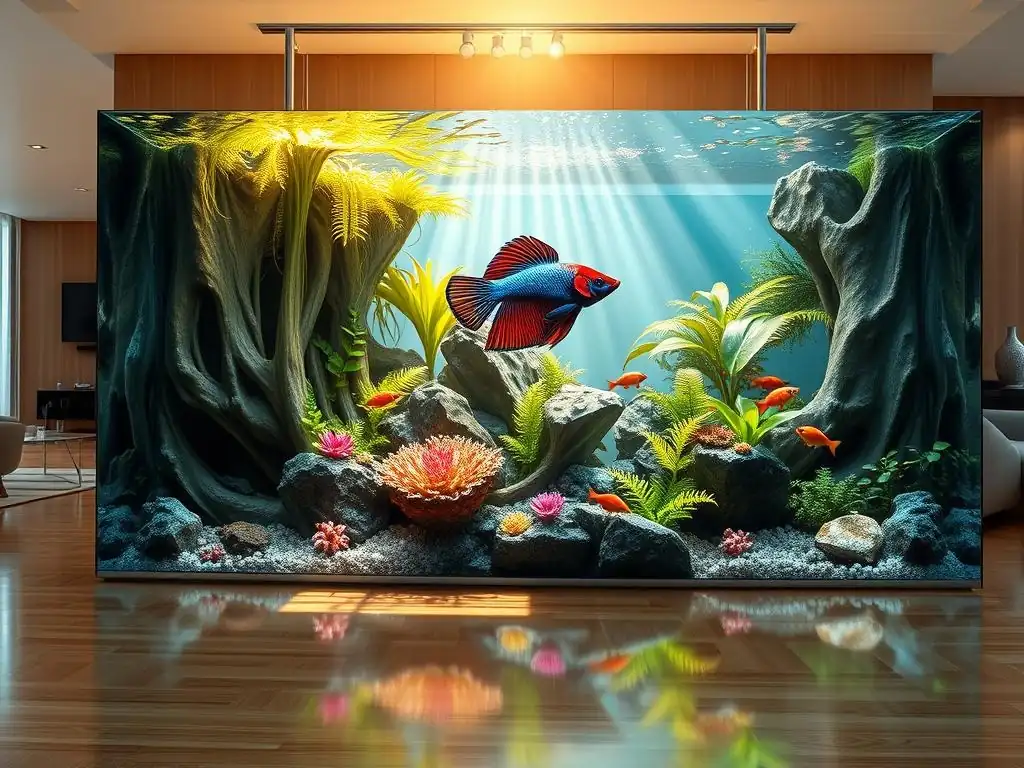
Ever wondered if that tiny bowl is really enough for your Betta? We're diving deep into the fascinating world of these vibrant fish, challenging common misconceptions and revealing the truth: Bettas need spacious aquarium homes! Get ready to discover the surprising benefits of a larger, more enriching environment for your finned friend. Intrigued? Let's explore how to create the perfect Betta paradise!
- Understanding Betta Fish Needs: More Than Just a Bowl
- The Ideal Betta Aquarium: Creating a Thriving Habitat
- Creating a Natural Environment: Aquascaping for Betta Comfort
- Water Chemistry and Maintenance: Keeping Your Betta Healthy
- Betta Tank Mates: Choosing Compatible Companions
- Recognizing Signs of Stress in Bettas Kept in Bowls
- Transitioning Your Betta to a Spacious Aquarium: A Step-by-Step Guide
- The Benefits of a Proper Aquarium for Betta Fish: A Summary
-
Frequently Asked Questions
- Why does AquariumMastery.com say Bettas need more than just a bowl?
- What are the key benefits of housing a Betta in a larger aquarium?
- What size aquarium is considered a "proper" home for a Betta?
- What essential equipment is missing from a typical Betta bowl setup?
- How does a larger aquarium help with troubleshooting common Betta health issues?
- Final Reflection: Embracing Ethical Betta Keeping
- Ignite Your Betta's Life!
Understanding Betta Fish Needs: More Than Just a Bowl
The Myth of the Betta Bowl: Debunking the Small Tank Fallacy
A pervasive myth in the pet trade suggests that Betta fish, often called Siamese Fighting Fish, can thrive in minuscule bowls or vases. This misconception stems from their ability to breathe atmospheric air using a specialized organ called the labyrinth organ, which allows them to survive in low-oxygen environments. However, survival is not thriving.
While bettas can tolerate stagnant, oxygen-poor water for short periods, this adaptation does not negate their fundamental need for ample water volume to dilute waste products and maintain stable water parameters. Historically, bettas inhabit vast, shallow rice paddies and floodplains in Southeast Asia, not confined puddles.
This enduring myth has unfortunately led to widespread neglect and suffering. Small bowls, often holding less than 1 gallon (approximately 3.8 liters) of water, rapidly accumulate fish waste, uneaten food, and decaying plant matter. This organic load quickly converts into toxic ammonia and nitrite, creating a highly dangerous environment for the fish. Even with frequent water changes, maintaining consistent water quality in such limited volumes is an uphill battle, significantly compromising the betta's health.
Why Small Bowls are Detrimental to Betta Health and Well-being
Confinement in small bowls has severe physical and physiological consequences for Betta fish. The constant exposure to poor water quality leads to a weakened immune system, making them highly susceptible to common ailments like fin rot, bacterial infections, and fungal diseases. Lack of adequate swimming space also results in stunted growth, muscle atrophy, and a general decline in physical condition. For example, a betta expected to reach 2.5 inches (about 6.3 cm) in length might only grow to half that size in a small bowl, showcasing the physical toll of inadequate space.
Beyond the physical, the psychological and behavioral impacts are profound. Bettas are intelligent and naturally curious fish that require environmental enrichment. In a small, barren bowl, they experience boredom, chronic stress, and are unable to express natural behaviors such as exploring, patrolling territory, or building elaborate bubble nests. A stressed betta often exhibits lethargy, dull coloration, clamped fins (held close to the body), and a general lack of vibrancy, all clear indicators that Bettas need spacious aquarium homes to live a full and healthy life.
The Ideal Betta Aquarium: Creating a Thriving Habitat
Tank Size Matters: Determining the Right Aquarium Volume for a Happy Betta
The foundation of a happy and healthy betta habitat is appropriate tank size. While some sources suggest a 2.5-gallon tank as a minimum, a 5-gallon (approximately 19 liters) aquarium is generally considered the absolute minimum for a single betta to thrive, not just survive. This volume provides enough space for swimming, establishing territories, and, critically, offers greater stability in water parameters, which is vital for a sensitive fish like the betta.
However, a 10-gallon (approximately 38 liters) aquarium is vastly superior and highly recommended. Larger tanks offer significantly more surface area for gas exchange, better temperature stability, and more dilution for waste products, making water quality easier to maintain. For instance, a 5-gallon tank might require 25-50% water changes twice a week to keep nitrates below 20 ppm, whereas a 10-gallon tank with proper filtration and light planting could often maintain healthy parameters with a single 25-30% water change weekly. This increased volume directly contributes to the stability and well-being that underscores why Bettas need spacious aquarium homes.
Essential Aquarium Equipment for Betta Fish: Filtration, Heating, and Lighting
Choosing the Right Filter for a Betta Tank: Gentle Flow is Key
Filtration is paramount for maintaining water quality in any aquarium, including a betta tank. A good filter provides mechanical filtration (removing particulate matter), chemical filtration (removing odors and discoloration, often with activated carbon), and biological filtration (cultivating beneficial bacteria for the nitrogen cycle). For bettas, the key is a gentle flow, as their large, flowing fins make them poor swimmers in strong currents. Sponge filters, powered by a small air pump, are an excellent choice for 5-10 gallon betta tanks, providing robust biological filtration with minimal current.
Alternatively, a small hang-on-back (HOB) filter can be used, but it's crucial to baffle the outflow to reduce the current. This can be done by attaching a pre-filter sponge over the intake and creating a simple baffle from a plastic bottle or filter media to disperse the water flow. The goal is to ensure the water is clean without creating a turbulent environment that stresses the betta or pushes it around the tank.
Maintaining Optimal Water Temperature for Betta Fish: Heater Selection and Placement
Bettas are tropical fish and require stable, warm water to thrive. The ideal temperature range for Betta splendens is generally between 78-82°F (25.5-27.8°C). Fluctuations outside this range, or sudden drops in temperature, can severely stress the fish, weaken its immune system, and make it susceptible to common diseases like Ich (white spot disease). Therefore, a reliable submersible heater with an integrated thermostat is an essential piece of equipment.
For a 5-gallon tank, a 25-watt heater is typically sufficient to maintain the desired temperature. For a 10-gallon tank, a 50-watt heater is usually appropriate. Place the heater in an area with good water circulation, away from direct filter outflow, to ensure even heat distribution throughout the aquarium. Always allow the heater to warm up the water for at least 24 hours before introducing your betta to ensure temperature stability.
Lighting Considerations for Betta Aquariums: Promoting Plant Growth and Betta Health
Lighting serves multiple purposes in a betta aquarium: it allows for viewing your fish, supports the growth of live plants (if included), and establishes a natural day-night cycle for the fish. Bettas do not require exceptionally bright or intense lighting; in fact, overly bright lights can stress them, as they prefer dimly lit environments with plenty of cover.
A simple LED light bar designed for aquariums is usually sufficient. Aim for a lighting schedule of 8-10 hours per day, which mimics natural daylight cycles and helps prevent excessive algae growth. If you plan to keep live plants, choose a light with a suitable Kelvin rating (e.g., 6500K) and sufficient PAR (Photosynthetically Active Radiation) for low-to-medium light plants like Anubias or Java Fern. Adequate lighting contributes to a natural and comfortable environment, reinforcing why Bettas need spacious aquarium homes that can be properly illuminated.
Creating a Natural Environment: Aquascaping for Betta Comfort
Substrate Selection for Betta Tanks: Choosing the Right Bottom Layer
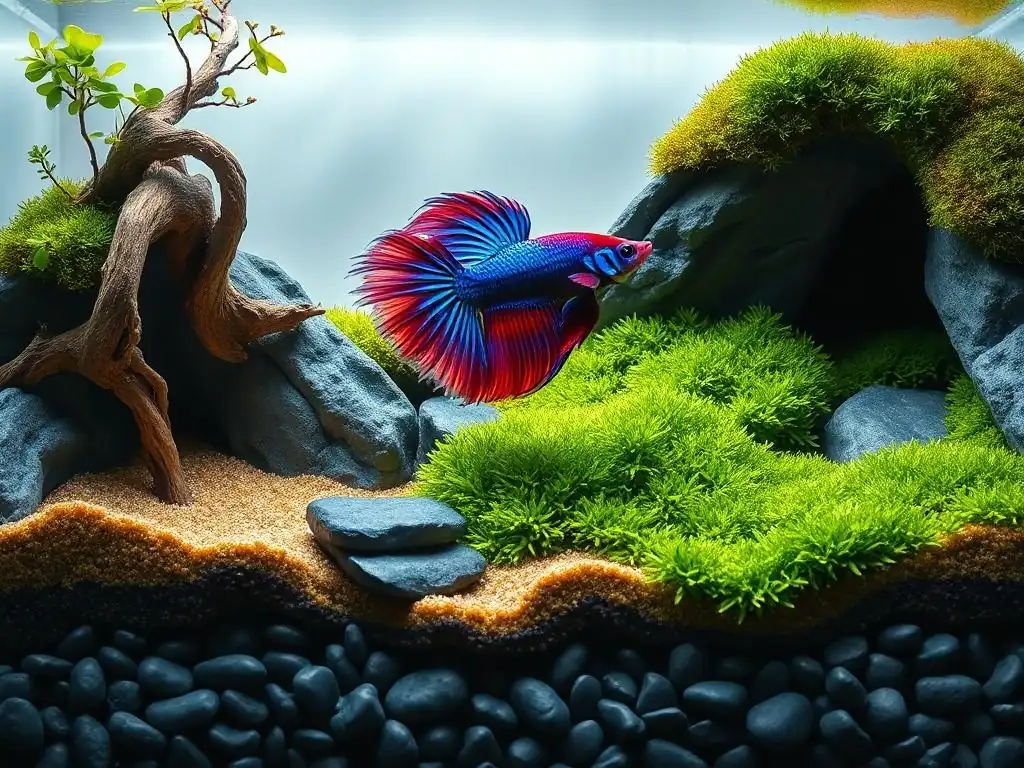
The substrate forms the bottom layer of your aquarium and plays several important roles. It provides a surface for beneficial bacteria to colonize, contributing to biological filtration, and serves as an anchor for live plants. For betta tanks, fine gravel or sand are excellent choices. It is crucial to avoid any substrate with sharp edges or abrasive textures that could injure a betta's delicate fins, which are prone to tears and damage.
Sand is particularly beneficial if you plan to keep bottom-dwelling invertebrates like snails or if you prefer plants that root directly into the substrate. Smooth, small-grain gravel is also highly suitable and generally easy to clean during routine maintenance. Aim for a substrate depth of 1-2 inches (2.5-5 cm) to provide sufficient space for beneficial bacteria and plant roots, if applicable.
Live Plants for Betta Aquariums: Providing Shelter and Improving Water Quality
Live plants are a fantastic addition to any betta aquarium. They offer numerous benefits, including providing natural hiding places and resting spots, which significantly reduce stress for the fish. Bettas particularly enjoy resting on broad leaves close to the surface. Beyond providing shelter, live plants actively improve water quality by absorbing nitrates, a byproduct of the nitrogen cycle, and by oxygenating the water through photosynthesis.
When selecting live plants, opt for species that are easy to care for and tolerant of low-to-medium light conditions. Excellent choices include Anubias species, Java Fern, Amazon Sword, Cryptocoryne, and floating plants like Frogbit or Dwarf Water Lettuce. A 10-gallon tank can comfortably house 3-5 medium-sized plants, creating a lush, naturalistic environment that encourages natural betta behaviors.
Decorating a Betta Tank: Safe and Suitable Hiding Places
Decorations are vital for providing visual barriers, enrichment, and safe hiding spots for your betta. These elements create a more stimulating environment, allowing the betta to explore and feel secure. However, safety is paramount when selecting decor for a betta tank.
Avoiding Sharp Edges: Ensuring Betta Fins Remain Healthy
Bettas are renowned for their long, flowing fins, which are unfortunately very delicate and prone to snagging or tearing. It is absolutely critical to avoid any decor with sharp edges, rough textures, or small, enclosed spaces where a betta could get stuck. This includes certain types of plastic plants, rough ceramic ornaments, or driftwood with splintered surfaces. Always run your fingers over any potential decor item to ensure it's completely smooth before placing it in the tank.
Instead, opt for smooth rocks, natural driftwood (properly prepared to prevent tannins leaching), or high-quality silk or soft plastic plants. Betta logs, ceramic caves, or smooth-edged plastic tubes also make excellent hiding places. Providing multiple hiding spots allows your betta to retreat when feeling stressed or needing a break, contributing to its overall well-being and demonstrating why Bettas need spacious aquarium homes with thoughtful aquascaping.
Water Chemistry and Maintenance: Keeping Your Betta Healthy
The Importance of Water Changes in Betta Aquariums
Regular water changes are the cornerstone of maintaining a healthy betta aquarium. Even with efficient filtration, nitrates, which are the end product of the nitrogen cycle, accumulate in the water. While less toxic than ammonia or nitrite, high nitrate levels can still stress fish and contribute to algae growth. Water changes dilute these accumulated nitrates and replenish essential minerals that are consumed over time.
For a well-cycled 5-gallon betta tank, a 25-30% water change weekly is often sufficient to keep nitrate levels below 20 ppm. For a 10-gallon tank, a 20-25% weekly change might be adequate, depending on the number of plants and feeding habits. Always use a dechlorinator or water conditioner to neutralize chlorine and chloramines in tap water, which are highly toxic to fish. Ensure the new water is temperature-matched to the aquarium water to prevent temperature shock.
Understanding the Nitrogen Cycle in Betta Tanks
The nitrogen cycle is a fundamental biological process that must be established in any aquarium before fish are introduced. It involves beneficial bacteria converting harmful fish waste products into less toxic forms. Fish waste and uneaten food break down into ammonia (NH3), which is extremely toxic. Nitrifying bacteria (Nitrosomonas) then convert ammonia into nitrite (NO2), which is also highly toxic. Finally, another group of bacteria (Nitrobacter) converts nitrite into nitrate (NO3), which is much less harmful and can be removed through regular water changes or absorbed by live plants.
"Cycling" an aquarium involves growing these beneficial bacteria colonies, a process that typically takes 4-6 weeks for a new tank. A properly cycled tank ensures that ammonia and nitrite levels remain at zero, providing a stable and safe environment for your betta. Without a fully established nitrogen cycle, your betta would be constantly exposed to toxic compounds, leading to illness and premature death. This biological stability is a key reason why Bettas need spacious aquarium homes that can host a robust and healthy bacterial colony.
Testing Your Aquarium Water: Monitoring Parameters for Betta Health
Regular water testing is crucial for understanding your aquarium's health and proactively addressing any issues before they become critical. Key parameters to monitor for betta health include ammonia, nitrite, nitrate, pH, and temperature. Consistent monitoring allows you to confirm that your nitrogen cycle is functioning correctly and that water parameters are stable and within acceptable ranges for your betta.
A liquid-based test kit is highly recommended over test strips, as they provide more accurate and reliable readings. Test weekly during the initial cycling phase and then bi-weekly or monthly once the tank is fully established. Ideal parameters for bettas are: Ammonia 0 ppm, Nitrite 0 ppm, Nitrate below 20 ppm, and a stable pH between 6.5 and 7.5. While bettas can adapt to a range of pH levels, stability is more important than hitting an exact number.
Betta Tank Mates: Choosing Compatible Companions
Selecting Appropriate Tank Mates for Betta Fish: Temperament and Size Considerations
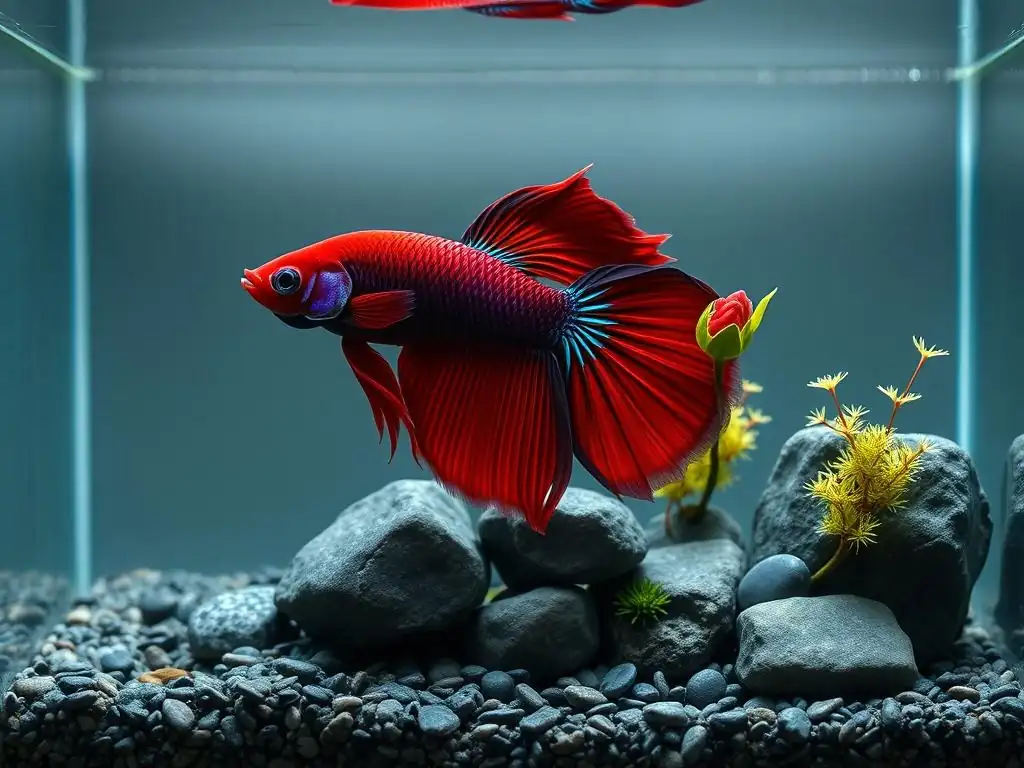
While bettas are often kept solitary due to their aggressive reputation (especially males towards other males), some can coexist peacefully with certain tank mates in appropriately sized aquariums of 10 gallons or larger. Success largely depends on the individual betta's temperament, as some are more aggressive than others. When considering tank mates, avoid any fish known to be fin-nippers, overly aggressive, or brightly colored with flowing fins that might be mistaken for another betta.
Good choices for tank mates in a spacious aquarium include peaceful, non-aggressive species that occupy different parts of the water column. For example, a small school of 3-5 Pygmy Corydoras catfish, which are bottom-dwellers, can often coexist peacefully with a betta in a 10-gallon tank or larger. Other options for larger tanks (20 gallons or more) might include a school of 6-8 peaceful Neon Tetras or Ember Tetras, provided the betta's temperament allows. It cannot be stressed enough that Bettas need spacious aquarium homes to even consider tank mates, as limited space significantly amplifies aggression and stress.
Invertebrates as Betta Tank Mates: Snails and Shrimp
Invertebrates can be excellent tank mates for bettas, as they typically do not compete for swimming space and often serve a beneficial role in the aquarium ecosystem. Snails, such as Nerite snails or Mystery snails, are generally safe companions and can help control algae growth. Most bettas will ignore snails, though some might occasionally nip at their antennae.
Shrimp, particularly Amano shrimp or Ghost shrimp, can also be considered. Amano shrimp are larger and more robust, making them less likely to be seen as food, while Ghost shrimp are inexpensive and can be a good "test" if you're unsure of your betta's predatory instincts. However, be aware that some bettas, especially those with a strong prey drive, may view smaller, brightly colored shrimp (like Cherry shrimp) as a snack. Always monitor interactions closely during the initial introduction period.
Fish to Avoid Housing with Bettas: Preventing Aggression and Stress
Certain fish species should always be avoided as tank mates for bettas due to their aggressive nature, fin-nipping tendencies, or resemblance to other bettas. Housing two male bettas together is almost invariably a recipe for disaster, leading to severe injury or death. Even female bettas, while sometimes kept in "sororities," require very specific conditions and large tanks (20+ gallons) to be housed together successfully.
Other fish to avoid include notorious fin-nippers like Tiger Barbs, which will relentlessly target a betta's delicate fins. Any fish with long, flowing fins, such as Guppies or other Gourami species, can also be problematic as they might be perceived as rivals. Similarly, very aggressive or boisterous species that would outcompete the betta for food or stress it with constant activity should not be housed together.
Recognizing Signs of Stress in Bettas Kept in Bowls
Identifying Unhealthy Betta Behavior: Lethargy, Fin Clamping, and Loss of Appetite
Bettas kept in inadequate conditions, such as small bowls without proper filtration or heating, will inevitably show signs of stress and declining health. Recognizing these indicators early is crucial. Common unhealthy behaviors include lethargy, where the betta spends most of its time motionless at the bottom or top of the bowl, seemingly unresponsive to its environment. Fin clamping, where the fins are held tightly against the body instead of being spread out, is another tell-tale sign of distress and often a precursor to illness.
Other critical symptoms include a loss of appetite, where the betta refuses to eat or shows little interest in food, and dull or faded coloration, indicating chronic stress or illness. Labored breathing, characterized by rapid gill movement, or flashing (rubbing against objects) can also point to poor water quality or parasitic infections. These behaviors are a betta's way of signaling that its environment is inadequate and that Bettas need spacious aquarium homes to regain their health.
Preventing and Treating Common Betta Diseases Caused by Poor Water Quality
Poor water quality, a direct consequence of inadequate tank size and lack of filtration, is the leading cause of disease in bettas. Common ailments like fin rot (a bacterial infection causing fins to fray and disintegrate), Ich (Ichthyophthirius multifiliis, a parasitic infection causing white spots), and Dropsy (fluid retention, often a symptom of underlying organ failure) are frequently observed in bettas housed in bowls. These conditions are often triggered by a weakened immune system due to chronic stress from poor water parameters.
Prevention is always more effective than treatment. Providing a proper aquarium setup with stable water parameters, consistent temperature, and efficient filtration is the best defense against these diseases. While some diseases can be treated with medication, the underlying cause (poor water quality) must be resolved simultaneously for any treatment to be successful. Treating a sick betta in a small, unheated, unfiltered bowl is significantly more challenging and often less effective than in a large, stable, and well-maintained aquarium.
Transitioning Your Betta to a Spacious Aquarium: A Step-by-Step Guide
Acclimating Your Betta to Its New Home: Minimizing Stress
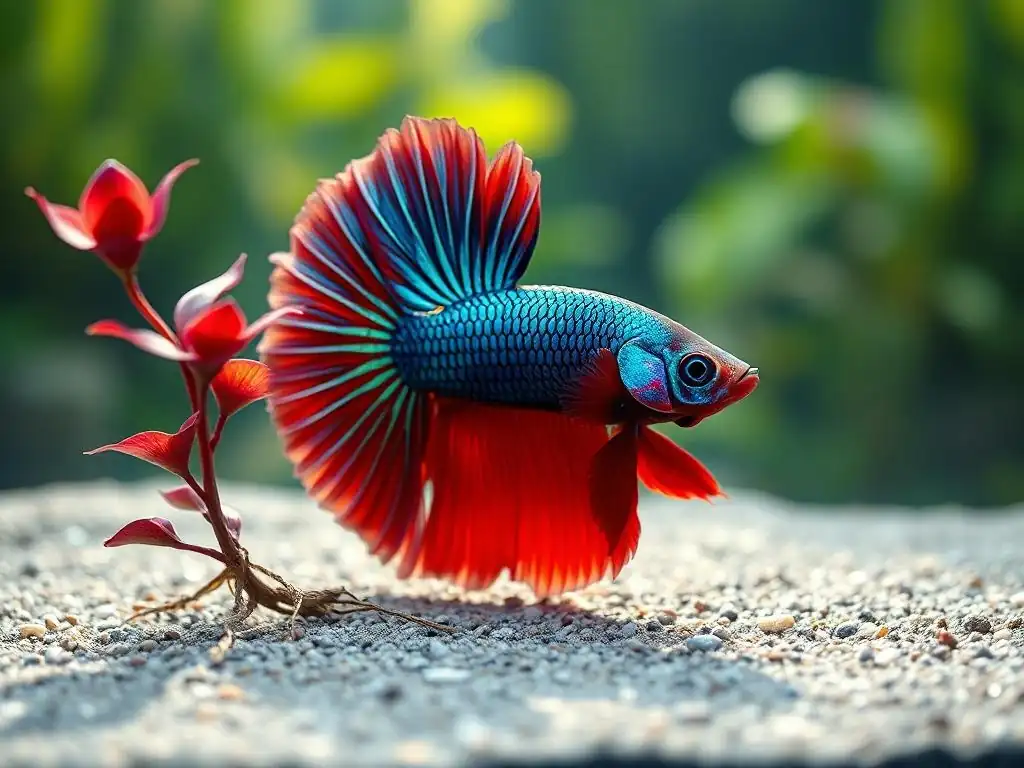
Moving a betta from a small bowl to a larger, properly set up aquarium requires careful acclimation to minimize stress. Temperature shock and drastic changes in water chemistry (pH, hardness, ammonia/nitrite levels) can be fatal. The drip acclimation method is highly recommended for its gentle approach. First, float the bag containing your betta in the new aquarium for 15-20 minutes to equalize the water temperature.
After temperature equalization, carefully open the bag and begin slowly adding small amounts of your new aquarium water to the bag over a period of 30-60 minutes. This gradual mixing allows your betta to slowly adjust to the new water parameters. Aim to double the volume of water in the bag. Once acclimated, gently net your betta from the bag and release it into its new home, discarding the water from the bag. Never pour the bag water directly into your aquarium, as it may contain contaminants from the old environment.
Monitoring Your Betta's Adjustment: Observing Behavior and Feeding Habits
After transferring your betta to its new, spacious aquarium, it's normal for it to be shy, hide, or appear somewhat subdued for the first few hours or even a day. Give it time to explore its new surroundings and feel secure. Observe its behavior closely without disturbing it excessively. Look for signs of comfort and curiosity, such as exploring the entire tank, flaring briefly at its reflection, or even beginning to build a bubble nest.
Monitor its feeding habits carefully. Offer a small amount of its regular food a few hours after transfer or the following day. A healthy and adjusting betta should show interest in food and readily eat. If your betta is not eating after 24-48 hours, re-check all water parameters (ammonia, nitrite, nitrate, pH, temperature) to ensure they are optimal and that the environment is stress-free. A well-adjusted betta will exhibit vibrant colors, active swimming, and curiosity, truly thriving in its new, proper home.
The Benefits of a Proper Aquarium for Betta Fish: A Summary
Improved Health, Increased Lifespan, and Enhanced Natural Behaviors
Providing a proper aquarium for your betta fish yields a multitude of significant benefits, transforming their quality of life. In a 5-10 gallon (or larger) tank with appropriate heating, filtration, and decor, bettas experience significantly reduced stress, leading to a stronger immune system and a far lower susceptibility to common diseases like fin rot and Ich. Their fins remain healthier, their colors become more vibrant, and their overall physical condition dramatically improves compared to those in bowls.
Furthermore, a proper setup dramatically increases their lifespan. While many bettas in bowls succumb within a few months to a year, a betta in optimal conditions can live for 3-5 years, and sometimes even longer. They will also display a wider range of natural behaviors, such as actively patrolling their territory, confidently exploring their environment, and engaging in fascinating activities like bubble nesting, all of which are rarely seen in cramped, unsuitable conditions. This robust health and behavioral expression are clear indicators that Bettas need spacious aquarium homes to reach their full potential.
Providing a Stimulating and Enriching Environment for Your Betta
Beyond just survival, a properly designed and maintained aquarium offers a stimulating and enriching environment that caters to a betta's natural instincts and intelligence. The ample swimming space allows for necessary exercise and exploration, while live plants and diverse decor provide visual barriers, hiding spots, and interesting features to investigate. This constant engagement prevents the boredom and apathy often observed in bettas confined to barren bowls.
An enriched environment leads to a happier, more active, and more responsive pet. You'll observe your betta interacting with its surroundings, perhaps weaving through plant leaves, resting on a broad leaf near the surface, or patrolling its chosen territory. This level of engagement provides immense satisfaction for the owner, knowing they are providing a quality life for their aquatic companion, far beyond mere existence.
Investing in a Better Life for Your Betta: A Responsible Pet Owner's Choice
Ultimately, choosing to provide a proper aquarium for your betta is an act of responsible pet ownership. While often marketed as "easy" and low-maintenance pets suitable for tiny bowls, this marketing disregards the complex needs of these beautiful fish. The initial investment in a larger tank and essential equipment like a heater and filter is a small price to pay for the significant improvement in your betta's health, happiness, and longevity.
By understanding and meeting their fundamental requirements for space, stable water parameters, and environmental enrichment, you are not just keeping a pet; you are fostering a thriving, vibrant life. The transformation of a dull, lethargic betta from a bowl to an active, colorful one in a spacious, well-maintained aquarium is a testament to the fact that Bettas need spacious aquarium homes to truly flourish and live the full, healthy lives they deserve.
Frequently Asked Questions
Why does AquariumMastery.com say Bettas need more than just a bowl?
Bowls are often too small and lack essential equipment. Proper aquariums provide stable water parameters and space for exercise, crucial for a Betta's well-being. A bigger home mimics their natural environment.
What are the key benefits of housing a Betta in a larger aquarium?
Larger aquariums offer more stable water conditions, reducing stress. They also allow for enrichment through plants and decorations, promoting natural behaviors and a healthier life.
What size aquarium is considered a "proper" home for a Betta?
At a minimum, a 5-gallon tank is recommended for a single Betta. Larger tanks, like 10 gallons or more, provide even better conditions and allow for community tank options with compatible species.
What essential equipment is missing from a typical Betta bowl setup?
Bowls often lack filtration, heating, and proper lighting. These are crucial for maintaining water quality, temperature, and a day/night cycle, all vital for a Betta's health.
How does a larger aquarium help with troubleshooting common Betta health issues?
Larger water volumes dilute toxins, making water parameters easier to manage. This reduces the risk of ammonia and nitrite spikes, which are often linked to common Betta diseases like fin rot.
Final Reflection: Embracing Ethical Betta Keeping
The journey we've taken through the world of betta care underscores a crucial point: treating bettas as mere decorations is no longer acceptable. The evidence is clear, the science is sound, and the ethical imperative to provide these intelligent and sensitive creatures with spacious, enriching aquarium homes is undeniable. We must move beyond outdated misconceptions and embrace a future where every betta thrives, not just survives.
The impact of this shift extends far beyond the individual fish. It reflects a broader societal awakening to the needs of all animals, large and small. The movement towards ethical betta keeping is a microcosm of a larger conversation about responsible pet ownership and the inherent value of life. The greatness of a nation and its moral progress can be judged by the way its animals are treated.
- Mahatma Gandhi. This quote resonates deeply, reminding us that our compassion and empathy should extend to all living beings, including the often-overlooked betta.
Now, consider this: what small change can you make today to improve the life of a betta, whether it's yours or one you encounter in a pet store? Perhaps it's advocating for better conditions, educating others, or simply taking a moment to appreciate the complex beauty of these remarkable fish. Let's work together to ensure that future generations understand that bettas deserve more than just a bowl – they deserve a proper, thriving aquarium home.
Ignite Your Betta's Life!
Thanks for diving into the world of betta care with us! We hope you've gained a new appreciation for creating a thriving habitat for these fascinating fish. Now, let's turn knowledge into action and give your betta the life it deserves.
Here are some things you can do right now:
- Commit to upgrading to a minimum 5-gallon aquarium for your betta. This single change will dramatically improve their health and happiness.
- Explore the fascinating world of aquascaping! Research plants, rocks, and driftwood that create a stimulating and natural environment for your betta. Consider a "blackwater" setup using leaf litter to mimic their natural habitat.
- Share this article with fellow fish keepers! Help spread awareness about proper betta care and inspire others to create thriving homes for their aquatic friends.
What small change will you implement today to make a big difference in your betta's life?