
The Betta Hammock Craze: Do They Really Need One?


Welcome to Aquarium Mastery!
Ever wondered if your Betta is truly living its best life? Dive in to explore the surprising world of Betta hammocks and unlock the secrets to their comfort and well-being. We're not just talking about a cute accessory; discover the real Betta hammock benefits and needs that might be missing from your finned friend's habitat. Intrigued? Let's find out if a Betta hammock is the perfect addition to your aquatic masterpiece!
- Understanding Betta Fish Behavior & Natural Habitat
- What is a Betta Hammock? Exploring the Benefits and Uses
- Are Betta Hammocks Necessary? Examining the Pros and Cons
- How to Choose the Right Betta Hammock for Your Fish
- Setting Up Your Betta Hammock: A Step-by-Step Guide
- Maintaining Your Betta Hammock: Cleaning and Longevity
- Alternative Resting Places for Betta Fish: Beyond the Hammock
- Observing Your Betta's Behavior: Is the Hammock Being Used?
- Troubleshooting Common Betta Hammock Issues
- The Final Verdict: Betta Hammock Benefits, Needs, and Alternatives
-
Frequently Asked Questions
- What are the primary Betta hammock benefits?
- Are Betta hammocks a necessity for all Betta fish?
- How do I properly position a Betta hammock in my aquarium?
- What materials are best for a Betta hammock, and are there any to avoid?
- How often should I clean a Betta hammock to maintain a healthy environment?
- Final Reflection: Finding Harmony in the Betta's World
- Uncover the Secret to a Happier Betta!
Understanding Betta Fish Behavior & Natural Habitat
Betta Fish Natural Environment: Replicating the Wild in Your Aquarium
Betta fish, scientifically known as Betta splendens, originate from the shallow, slow-moving waters of Southeast Asia, particularly Thailand, Cambodia, Laos, and Vietnam. Their natural habitats include vast rice paddies, floodplains, and drainage ditches, which are characterized by warm temperatures, often ranging from 75-82°F (24-28°C), and dense vegetation. These environments are typically rich in leaf litter, submerged plants, and floating plants, creating a complex network of shelter and resting places near the water's surface.
The shallow nature of these waters means that bettas are accustomed to easily accessing the water surface for air, thanks to their specialized labyrinth organ. This adaptation allows them to breathe atmospheric oxygen when dissolved oxygen levels in their often stagnant natural environment are low. Consequently, in their natural state, bettas frequently position themselves near the surface, either resting on leaves or within dense plant thickets, allowing them quick access to fresh air without expending excessive energy.
Betta Resting Habits: Why Bettas Need Places to Relax
Bettas are not constantly active swimmers; rather, they exhibit bursts of energetic activity interspersed with significant periods of rest. In their natural habitat, they conserve energy by resting on submerged leaves or other stable structures close to the water surface. This behavior is crucial for their well-being, as it allows them to recover from patrolling their territory, searching for food, or interacting with other fish. Without adequate resting spots, a betta may become stressed, spending more energy simply trying to maintain its position or reach the surface for air.
Observational studies of fish behavior, while not always specific to Betta splendens, suggest that many fish species, particularly those in shallow, vegetated environments, spend a considerable portion of their day in resting or low-activity states. For a typical betta, this could mean spending up to 60-70% of their time resting or slowly cruising. Providing a dedicated resting spot, such as a Betta hammock, directly addresses this fundamental Betta hammock need for comfortable and accessible repose, mirroring their instinctual behavior in the wild.
What is a Betta Hammock? Exploring the Benefits and Uses
Defining Betta Hammocks: Materials, Shapes, and Sizes
A Betta hammock is essentially an artificial resting platform designed to be placed near the water surface in an aquarium, mimicking the broad leaves and natural debris that bettas would use in their native habitats. These accessories typically consist of a leaf-shaped or flat piece of material attached to a suction cup, allowing it to be securely affixed to the aquarium glass. The primary purpose is to provide a stable, elevated spot where a betta can rest without expending energy to stay afloat or reach the surface for air.
Common materials used for Betta hammocks include soft, aquarium-safe plastic, silicone, or sometimes even natural silk. They vary in size, but most are designed to accommodate a single betta, with leaf dimensions often ranging from 2 to 4 inches in length and 1 to 2 inches in width. The design prioritizes the betta's comfort and safety, ensuring no sharp edges or rough textures that could harm their delicate fins.
Different Types of Betta Hammocks: Leaf-Shaped, Floating, and More
The most recognizable type of Betta hammock is the leaf-shaped variety, often molded from soft plastic or silk to resemble a broad, flat leaf. These are typically attached to the aquarium wall via a small suction cup, allowing them to be positioned at a custom height, usually just an inch or two below the water line. This design is widely popular due to its simplicity and effectiveness in providing a stable resting area.
Beyond the traditional leaf-shaped models, other types of Betta hammocks include floating versions. These can range from natural options like dried catappa leaves, which slowly sink over time but provide excellent initial floating surfaces, to purpose-built plastic or resin structures designed to float freely or be anchored loosely. Some aquarists also create DIY hammocks using aquarium-safe materials, further expanding the range of available options. Each type offers distinct Betta hammock benefits related to ease of placement, aesthetic integration, and material properties.
Are Betta Hammocks Necessary? Examining the Pros and Cons
Betta Hammock Benefits: Providing Rest and Reducing Stress
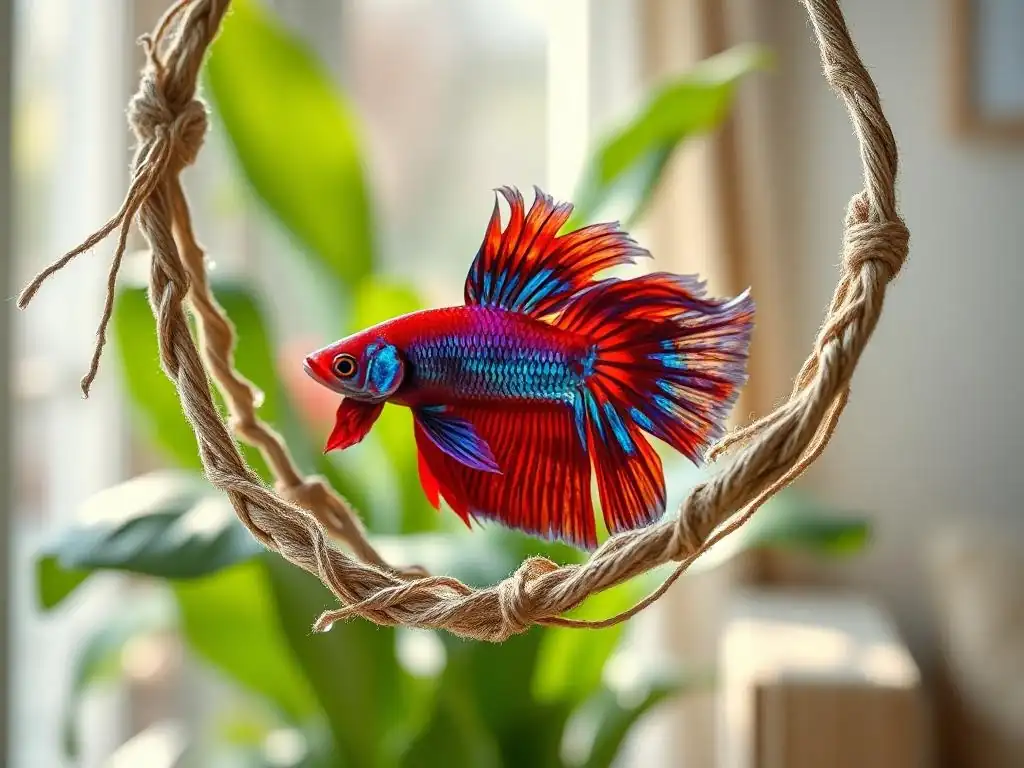
One of the primary Betta hammock benefits is their ability to provide a dedicated, secure resting spot near the water surface. This allows bettas to easily access air using their labyrinth organ without the constant effort of swimming up from the bottom or finding precarious perches. By offering a stable platform, a Betta hammock significantly reduces the energy expenditure associated with maintaining position, leading to a more relaxed and less fatigued fish.
Furthermore, the presence of a Betta hammock can play a crucial role in reducing stress levels in these often territorial and sensitive fish. A betta that feels secure and has a designated "safe spot" is generally less prone to anxiety. Studies on fish welfare indicate that environmental enrichment, such as providing varied resting spots, contributes to improved immune function and reduced susceptibility to disease. For bettas, a hammock acts as both a comfortable bed and a subtle visual barrier, enhancing their sense of security and overall well-being.
Does Your Betta Need a Hammock? : Assessing Individual Needs
While not strictly essential for survival in a well-maintained, appropriately decorated tank, a Betta hammock significantly enhances the quality of life for most bettas. The question of whether your betta specifically "needs" one often depends on its individual personality and the existing tank setup. If your aquarium is densely planted with broad-leaved plants like Anubias or Amazon Swords, your betta might naturally choose to rest on these leaves, fulfilling its need for an elevated resting spot. In such cases, a hammock might be less critical but still appreciated as an additional option.
However, for tanks with minimal live plants or only thin-leaved varieties, a Betta hammock becomes a much more important addition. Observe your betta's behavior: if it frequently rests on the heater, filter intake, or precariously on other decorations near the surface, it's a strong indicator that it could benefit greatly from a dedicated hammock. The Betta hammock needs are largely driven by the fish's natural instincts and the available resources within its environment.
Potential Drawbacks of Betta Hammocks: Safety and Maintenance Considerations
Despite the numerous Betta hammock benefits, there are a few potential drawbacks that aquarists should consider. The most significant concern revolves around safety, particularly with cheaply made plastic hammocks. Some manufacturers may produce hammocks with rough or sharp edges, which can easily snag and tear a betta's delicate fins, leading to injury and potential infection. It is crucial to thoroughly inspect any hammock before introducing it to the tank.
Another consideration is maintenance. Like all aquarium decorations, Betta hammocks can accumulate algae and biofilm over time. If not regularly cleaned, this buildup can become unsightly and potentially harbor undesirable bacteria. While not a major issue, it adds another item to the routine cleaning schedule. Additionally, some very small or poorly designed hammocks might pose a minor risk of entrapment if a betta attempts to swim through an opening that is too narrow, though this is rare with standard leaf hammock designs.
How to Choose the Right Betta Hammock for Your Fish
Material Matters: Selecting Safe and Non-Toxic Hammock Materials
When selecting a Betta hammock, the material is paramount to ensuring your fish's safety and well-being. Opt for hammocks made from high-quality, aquarium-safe, non-toxic materials. The most common and recommended materials include food-grade silicone, soft, inert plastics, or natural silk. These materials are chosen because they will not leach harmful chemicals into the water and are unlikely to cause abrasions to your betta's delicate fins.
Avoid hammocks made from cheap, brittle plastics, or those with painted surfaces, as the paint can chip off and contaminate the water. Similarly, steer clear of any materials that feel rough or have visible seams or burrs. A simple test involves running your finger along all edges of the hammock; if it feels sharp or abrasive to your skin, it will likely be even more so for your betta's sensitive fins. Prioritizing safe materials is a fundamental aspect of meeting your Betta hammock needs.
Size and Placement: Optimizing the Hammock for Betta Comfort
The size of the Betta hammock should be appropriate for your fish. It needs to be large enough for your betta to comfortably rest its entire body on it, without being so large that it obstructs swimming paths or takes up excessive space in smaller tanks. For most standard bettas, a leaf approximately 2-4 inches long provides ample resting surface.
Placement is equally crucial for maximizing Betta hammock benefits. The hammock should be positioned close to the water surface, typically 1 to 2 inches below it, allowing your betta easy access to air without having to swim far. Observe your betta's preferred resting spots; if it frequently rests near the heater or filter intake at a certain height, place the hammock there. Also, consider placing it in a low-flow area of the tank to ensure stability and prevent your betta from being disturbed by strong currents while resting.
Avoiding Sharp Edges: Ensuring a Betta-Friendly Environment
A critical step in providing a safe Betta hammock is to meticulously inspect all edges and surfaces before introducing it to your aquarium. Even hammocks marketed as "betta-safe" can sometimes have manufacturing imperfections. Run your fingers over every part of the hammock, particularly the edges of plastic leaves and any attachment points. Look for any sharp burrs, rough seams, or pointed corners that could potentially tear a betta's long, flowing fins.
If you discover any minor sharp spots, it may be possible to gently file them down with a fine-grit sandpaper or a nail file, then rinse thoroughly. However, if the hammock has significant rough areas or feels generally abrasive, it's best to discard it and choose a different product. Ensuring a smooth, fin-friendly environment is paramount, as fin tears can lead to stress, infection, and a decline in your betta's overall health.
Setting Up Your Betta Hammock: A Step-by-Step Guide
Preparing the Hammock: Cleaning and Disinfecting
Before introducing any new item into your aquarium, thorough preparation is essential to prevent the introduction of harmful substances or pathogens. For a Betta hammock, begin by rinsing it extensively under cool, running tap water. This helps to remove any manufacturing residues, dust, or loose particles that might be present on the surface.
After the initial rinse, it's advisable to give the hammock a more thorough cleaning. You can gently scrub it with a clean, dedicated aquarium brush or a soft toothbrush, using only dechlorinated water or water from your established aquarium. Never use soap, detergents, or household cleaners, as these chemicals are toxic to fish and extremely difficult to rinse off completely. Some aquarists opt for a brief soak in a dilute solution of aquarium-safe disinfectant, followed by a very thorough rinsing, but for most new hammocks, a good rinse and scrub with water is sufficient.
Placement Tips: Where to Position the Hammock in the Tank
Strategic placement of your Betta hammock is key to ensuring your fish will actually use and benefit from it. The most critical factor is its proximity to the water surface. Position the hammock approximately 1 to 2 inches below the water line. This allows your betta to easily swim up, rest on the leaf, and still access the surface for air without much effort, fulfilling a core Betta hammock need.
Consider placing the hammock in a quiet, low-flow area of the tank, away from the direct output of filters or air stones, as strong currents can make it difficult for your betta to rest comfortably. Many bettas prefer a corner or along the back wall of the aquarium, which provides a sense of security. Observing your betta's current resting habits can offer clues; if it frequently perches on the heater or a plant leaf at a specific height, try to mimic that position with the hammock.
Securing the Hammock: Ensuring Stability and Preventing Movement
The stability of the Betta hammock is crucial for your fish's comfort and safety. Most hammocks attach to the aquarium glass via a suction cup. To ensure a strong, lasting bond, first clean the area of the glass where you intend to place the hammock. Wipe away any algae, dirt, or water spots from the inside of the tank glass.
Press the suction cup firmly against the clean, dry glass, expelling all air bubbles from underneath. A well-attached suction cup will create a strong vacuum seal, preventing the hammock from easily detaching or shifting. Periodically check the suction cup's grip, especially during water changes or tank maintenance, and reattach if it feels loose. A secure Betta hammock provides a reliable resting spot, contributing significantly to the Betta hammock benefits your fish experiences.
Maintaining Your Betta Hammock: Cleaning and Longevity
Regular Cleaning: Preventing Algae Growth and Bacteria Buildup
Like all decorations within an aquarium, Betta hammocks are susceptible to the accumulation of algae, biofilm, and general detritus. Regular cleaning is essential to maintain a healthy and aesthetically pleasing environment. It is recommended to clean your Betta hammock every 1 to 2 weeks, ideally during your routine water change.
To clean, simply remove the hammock from the tank. You can gently scrub it with an aquarium-dedicated brush or a soft toothbrush to remove any algae or slimy film. Rinse it thoroughly under dechlorinated tap water or use some of the old tank water you've siphoned out. Avoid using any soaps or chemical cleaners, as these can be harmful to your fish. Consistent cleaning prevents the hammock from becoming a breeding ground for unwanted bacteria and ensures it remains a clean, safe resting place.
Replacement Schedule: Knowing When to Replace Your Betta Hammock
The longevity of a Betta hammock depends largely on its material quality and how well it is maintained. High-quality silicone or durable plastic hammocks can last for several years with proper care. However, it's important to periodically inspect the hammock for signs of wear and tear.
You should consider replacing your Betta hammock if you observe any of the following: the material becoming brittle or cracking, significant discoloration that doesn't wash off, the development of sharp edges or rough patches that could injure your fish, or if the suction cup consistently loses its grip despite cleaning. While there's no fixed replacement schedule, replacing a hammock every 1-3 years or when it shows signs of degradation ensures your betta always has a safe and effective resting spot, continuing to provide the desired Betta hammock benefits.
Alternative Resting Places for Betta Fish: Beyond the Hammock
Live Plants: Providing Natural Resting Spots and Water Quality Benefits
Beyond manufactured Betta hammocks, live aquarium plants are perhaps the most natural and beneficial alternative resting places for bettas. Plants like Anubias barteri, with its broad, sturdy leaves, or Java Fern (Microsorum pteropus) can provide excellent perches just below the water surface. Floating plants such as Amazon Frogbit (Limnobium laevigatum), Dwarf Water Lettuce (Pistia stratiotes), or even simple Guppy Grass (Najas guadalupensis) create dense, natural canopies where bettas love to rest and feel secure.
The Betta hammock benefits of live plants extend beyond just providing a resting spot. Live plants contribute to superior water quality by absorbing nitrates and other waste products, oxygenating the water through photosynthesis, and offering natural filtration. They also create a more aesthetically pleasing and biotope-accurate environment, reducing stress and encouraging natural behaviors in your betta.
Decorations and Caves: Creating Secure Hiding Places
Aquarium decorations and caves can also serve as effective resting and hiding spots for bettas, complementing or even replacing a traditional Betta hammock. Smooth, non-porous decorations like resin driftwood pieces, ceramic caves, or even large, smooth rocks can provide surfaces for a betta to rest on. It is crucial to ensure that any chosen decoration has no sharp edges or rough textures that could damage delicate fins.
Caves and tunnels offer secure, private spaces where bettas can retreat and feel safe, especially when stressed or during their resting periods. When selecting caves, ensure the openings are large enough for your betta to easily enter and exit without getting stuck or scraping its fins. Providing a variety of hiding and resting places contributes to the overall enrichment of the tank, catering to your betta's natural inclination for cover and security, which is a key Betta hammock need.
Floating Logs and Other Options: Variety for Enrichment
Floating logs, typically made from aquarium-safe resin, are another excellent alternative or supplementary resting spot for bettas. These hollow logs float near the surface and provide a dark, enclosed space where a betta can feel secure while still being close to the air. Many bettas find these highly appealing for both resting and exploring.
Other creative options include suction-cup shelves or half-pipes, which offer a flat, elevated platform similar to a hammock but with a different aesthetic. Even broad-leafed artificial plants, if made from very soft, high-quality silk or plastic with no sharp edges, can serve a similar purpose. The key is to offer variety and observe what your individual betta prefers. Providing multiple resting options caters to diverse Betta hammock needs and ensures your fish has ample choices for comfort and security.
Observing Your Betta's Behavior: Is the Hammock Being Used?
Signs Your Betta Enjoys the Hammock: Resting, Sleeping, and Interaction
The most obvious sign that your betta enjoys its hammock is frequent use. You'll observe your betta resting calmly on the leaf, often with its fins relaxed and spread out. Many bettas will use the hammock for sleeping, where they might exhibit a paler coloration and slower gill movements. They may spend significant portions of the day, particularly during inactive periods or overnight, perched comfortably on the hammock.
Another positive sign is interaction with the hammock beyond just resting. Some bettas might occasionally flare at their reflection in the glass near the hammock, or use it as a vantage point to survey their territory. A betta that actively seeks out and consistently utilizes the Betta hammock is clearly benefiting from its presence, indicating that this particular Betta hammock need has been met effectively.
Signs Your Betta Dislikes the Hammock: Ignoring, Avoiding, or Stress
If your betta consistently ignores the hammock, preferring to rest on the substrate, other decorations, or precariously near the surface, it might be a sign that the hammock isn't meeting its needs or preferences. This could be due to incorrect placement (e.g., too low, in a high-flow area), the material or design being uncomfortable, or simply a preference for other existing resting spots like large plant leaves.
More concerning signs include your betta actively avoiding the hammock or exhibiting signs of stress when near it. This could manifest as clamped fins, faded coloration, rapid breathing, or frantic swimming when the hammock is present. Such behaviors might indicate that the hammock has sharp edges, is causing irritation, or is somehow perceived as a threat. In these cases, it's crucial to reassess the hammock's safety and placement, or consider removing it and exploring alternative resting solutions.
Troubleshooting Common Betta Hammock Issues
Betta Ignoring the Hammock: Possible Reasons and Solutions
If your betta isn't using its new hammock, several factors could be at play. First, check the placement: Is it 1-2 inches below the surface? Is it in a low-flow area? Sometimes, simply relocating the hammock to a different spot in the tank can make a significant difference. Your betta might prefer a more secluded corner or an area with less light.
Another reason could be the presence of more preferred resting spots. If your tank has dense live plants with broad leaves, your betta might simply choose those natural perches over the artificial hammock. In such cases, the hammock might not be a critical Betta hammock need. You could try removing other resting options temporarily to see if the betta then utilizes the hammock, or simply accept its preference for natural foliage. Ensure the hammock itself is clean and doesn't have any strange odors that might deter your fish.
Hammock Falling Apart: Choosing a Durable Option
A common issue with lower-quality Betta hammocks is their tendency to degrade or fall apart prematurely. This often manifests as the leaf detaching from the stem, the stem breaking, or the suction cup losing its adhesive power quickly. This usually indicates that the material is cheap plastic or that the construction is flimsy.
To avoid this, invest in hammocks from reputable brands known for producing durable aquarium accessories. Look for hammocks made from high-grade silicone or robust, flexible plastics. Reading reviews from other aquarists can also provide insight into the product's longevity. While a higher quality hammock might have a slightly higher initial cost, its durability will save you money and frustration in the long run, ensuring consistent Betta hammock benefits for your fish.
Algae Growth on the Hammock: Cleaning and Prevention Tips
Algae growth on a Betta hammock is a common occurrence, especially in tanks with ample lighting and nutrients. While a thin layer of green algae is generally harmless, excessive buildup can be unsightly and, if left unchecked, can contribute to bacterial film. The primary solution is consistent manual cleaning, as detailed previously: remove the hammock during water changes and gently scrub off any algae with a soft brush.
To prevent rapid algae growth on the hammock and other tank surfaces, address the underlying causes of algae. This includes managing lighting duration (typically 8-10 hours per day is sufficient), avoiding overfeeding, and performing regular water changes to keep nutrient levels (especially nitrates and phosphates) in check. Placing the hammock in a slightly shadier part of the tank, if possible, can also slow down algae accumulation, ensuring the hammock remains clean and appealing for your betta.
The Final Verdict: Betta Hammock Benefits, Needs, and Alternatives
The question of whether bettas truly "need" a hammock is nuanced. While a Betta hammock is not strictly essential for a betta's survival in a well-decorated tank with other suitable resting places, the Betta hammock benefits are undeniable and significantly enhance a betta's quality of life. These benefits include providing an easily accessible, comfortable, and secure resting spot near the water surface, which directly reduces stress and conserves the fish's energy.
Ultimately, the decision to include a Betta hammock depends on assessing your individual betta's behavior and the existing tank setup. If your tank lacks broad-leaved plants or other elevated resting spots, a hammock becomes a highly recommended addition to meet a fundamental Betta hammock need. Even with natural alternatives, many bettas exhibit a clear preference for a dedicated hammock. By choosing a safe, durable product and maintaining it properly, a Betta hammock can be a valuable and enriching component of your betta's home, contributing to a healthier, happier fish.
Frequently Asked Questions
What are the primary Betta hammock benefits?
Betta hammocks offer a place for resting and relaxing near the water surface, mimicking their natural habitat. They can also reduce stress by providing a sense of security for your Betta.
Are Betta hammocks a necessity for all Betta fish?
While not strictly necessary, a Betta hammock can greatly improve a Betta's quality of life. They provide a comfortable and safe resting spot, but some Bettas may prefer other resting places.
How do I properly position a Betta hammock in my aquarium?
Place the hammock near the water surface, ideally within an inch or two. Avoid placing it directly under strong lights, as this could cause excessive algae growth on the hammock.
What materials are best for a Betta hammock, and are there any to avoid?
Silk or soft plastic leaves are ideal, as they are gentle on a Betta's fins. Avoid any hammocks with sharp edges or rough surfaces that could injure the fish.
How often should I clean a Betta hammock to maintain a healthy environment?
Clean the hammock regularly, ideally during water changes, to remove algae and debris. A gentle scrub with an aquarium-safe brush will suffice.
Final Reflection: Finding Harmony in the Betta's World
The exploration of betta hammocks, their benefits, and the actual needs of these captivating fish reveals a deeper truth: responsible pet ownership hinges on understanding and respecting the natural behaviors of our animal companions. This understanding, far from being a simple checklist of requirements, demands continuous learning and adaptation to ensure the well-being of our bettas in the artificial environments we create for them.
The debate surrounding betta hammocks underscores the ever-evolving landscape of aquarium keeping. It reminds us that our perceptions of what constitutes a "good life" for an animal may not always align with their actual needs. We must strive to move beyond aesthetic preferences and prioritize creating environments that promote their physical and psychological health. The greatness of a nation and its moral progress can be judged by the way its animals are treated.
- Mahatma Gandhi. This quote resonates deeply, highlighting the ethical responsibility we bear towards all living creatures under our care.
Now, as you reflect on the information presented, consider how you can apply this principle of informed and empathetic care to all aspects of your life, not just your betta's. Are you truly meeting the needs of those around you, or are you simply projecting your own desires onto them? Let this exploration of betta hammock benefits serve as a catalyst for deeper understanding and a commitment to creating a more harmonious world, one betta, one relationship, one decision at a time.
Uncover the Secret to a Happier Betta!
Thank you for diving deep into the world of betta behavior and hammock needs! We hope this article has equipped you with the knowledge to make informed decisions for your finned friend. Now, let’s put that knowledge into action:
- First, observe your betta's behavior. Does your betta frequently rest near the surface or on plants? This is your clue!
- Experiment with adding a betta hammock or creating a similar resting spot using existing plants.
- Share your betta's hammock preferences and photos with the Aquarium Mastery community. Let's learn from each other!
Will you observe a change in your betta’s activity, and report it back to the community ?