
ParentRaised vs. Artificially Raised Angelfish Fry: Pros & Cons

Welcome to Aquarium Mastery!
Ever wondered if leaving your Angelfish fry with their parents is truly the best approach? Or if you could give them a better start with artificial rearing? Dive into our comprehensive guide exploring the pros and cons of parent-raised versus artificially raised Angelfish fry. Discover the secrets to maximizing their survival and growth, and unlock the mysteries of successful Angelfish breeding within your own freshwater aquarium. Ready to uncover the best method for your finned family? Let's get started!
- Parent-Raised vs. Artificially Raised Angelfish Fry: Pros & Cons for Aquarium Hobbyists
- Introduction: Understanding Angelfish Fry Raising Methods
- Parent-Raised Angelfish Fry: A Natural Approach
- Artificially Raised Angelfish Fry: A Controlled Environment
- Comparing Parent-Raised and Artificially Raised Angelfish Fry: A Detailed Analysis
- Choosing the Right Angelfish Fry Raising Method for Your Aquarium
- Essential Tips for Successful Angelfish Fry Care, Regardless of Method
- Conclusion: Optimizing Angelfish Fry Raising for Aquarium Mastery
-
Frequently Asked Questions
- What are the primary differences between parent-raised and artificially raised Angelfish fry?
- What are the benefits of allowing Angelfish parents to raise their fry?
- What are the disadvantages of letting Angelfish parents raise their fry?
- What are the main advantages of artificially raising Angelfish fry?
- What are some common challenges associated with artificially raising Angelfish fry?
- Final Reflection: Nurturing the Next Generation of Angelfish
- Nurture Your Angelfish Passion!
Parent-Raised vs. Artificially Raised Angelfish Fry: Pros & Cons for Aquarium Hobbyists
Introduction: Understanding Angelfish Fry Raising Methods
The Importance of Angelfish Fry Care in Aquarium Keeping
Successful angelfish breeding transcends the simple act of spawning; it fundamentally hinges on the meticulous care and successful rearing of angelfish fry. The delicate nature of newly hatched fry, often no larger than a pinpoint, makes them incredibly vulnerable to environmental fluctuations, predation, and disease. Mastering angelfish fry raising methods is therefore paramount for any hobbyist aiming to propagate these majestic cichlids, ensuring the continuation of desired genetic lines and the health of future generations.
Beyond the biological imperative, the ability to successfully raise angelfish fry offers immense personal satisfaction and can be a rewarding aspect of the aquarium hobby. It allows aquarists to observe the complete life cycle of their fish, from microscopic egg to free-swimming juvenile, deepening their understanding of fish behavior and biology. Furthermore, for those interested in specific color morphs or fin types, effective angelfish fry care is the only way to produce a significant number of offspring that embody those desired traits.
Overview: Parent-Raised vs. Artificial Incubation for Angelfish Fry
When angelfish lay eggs, hobbyists are presented with two primary angelfish fry raising methods: allowing the parent angelfish to care for their clutch naturally, or intervening to artificially incubate the eggs and raise the fry in a controlled environment. The parent-raised method mimics natural behaviors observed in the wild, relying on the adult pair's instinctual fanning, cleaning, and protection of their offspring. This approach often appeals to those who wish to observe natural parental behaviors.
Conversely, artificial incubation involves removing the angelfish eggs from the breeding tank shortly after they are laid and placing them in a separate, dedicated setup. This method provides the breeder with complete control over environmental factors such as water quality, temperature, and feeding. Each of these angelfish fry raising methods presents distinct advantages and disadvantages, impacting survival rates, growth, and the overall experience for the aquarist.
Parent-Raised Angelfish Fry: A Natural Approach
Advantages of Allowing Angelfish Parents to Raise Fry
Natural Angelfish Fry Care: Mimicking the Wild
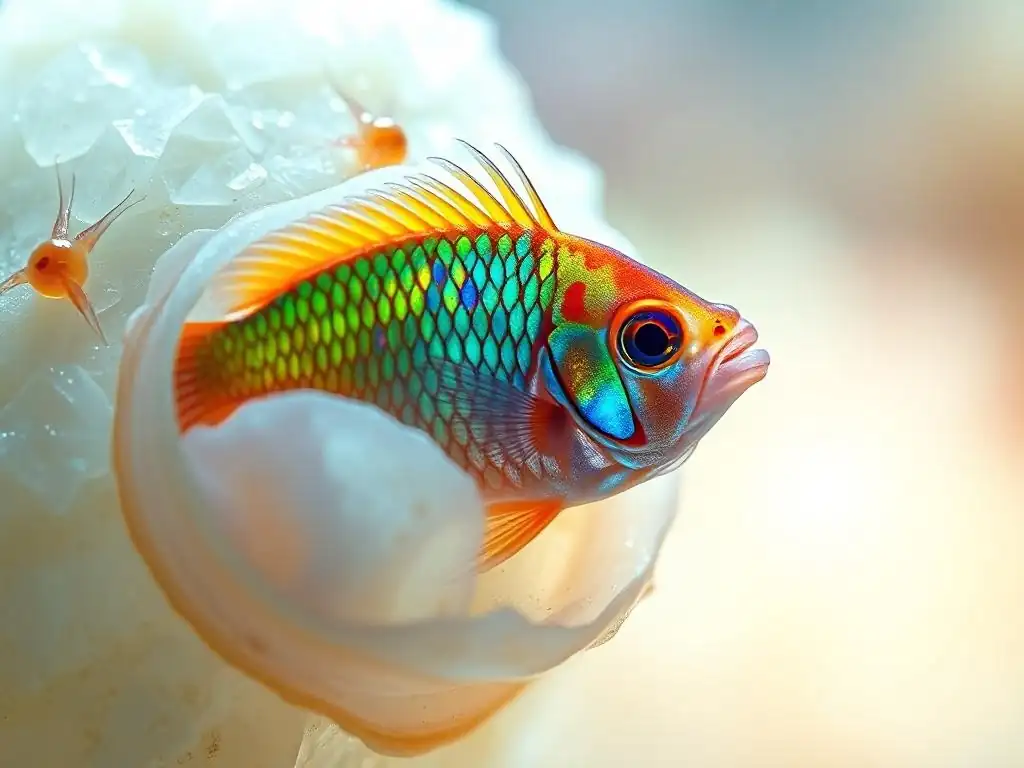
Allowing angelfish parents to raise their fry offers an unparalleled opportunity to observe natural fish behavior, closely mimicking their wild counterparts. The parent angelfish diligently fan the eggs with their fins, ensuring proper oxygenation and preventing the accumulation of debris. They also meticulously clean the spawning site, often gently nipping away any infertile or fungused eggs, which helps prevent the spread of infections to viable eggs within the clutch. This innate care significantly contributes to the initial health of the angelfish fry.
Furthermore, once the angelfish fry become free-swimming, the parents continue to provide protection and guidance. They will often herd the tiny fry, keeping them in a tight group and guiding them to potential food sources. This parental supervision shields the vulnerable angelfish fry from other tank inhabitants, even smaller, seemingly harmless ones, and provides a sense of security that promotes natural development. The observational aspect alone makes this one of the most rewarding angelfish fry raising methods for many hobbyists.
Reduced Risk of Diseases and Infections in Parent-Raised Fry
One significant benefit of parent-raised angelfish fry is the reduced risk of widespread fungal infections on the eggs. The constant fanning by the parent angelfish naturally aerates the eggs and discourages fungal growth, a common scourge in artificial incubation setups. While a few infertile eggs might fungus, the parents often remove these quickly before the infection can spread to healthy eggs, acting as a living defense mechanism against common pathogens that threaten angelfish fry.
Moreover, parent-raised angelfish fry may benefit from a transfer of beneficial microflora from their parents and the established tank environment. This exposure to a natural bacterial community can potentially bolster the fry's developing immune systems, making them more robust and resilient against common aquarium ailments. This subtle, yet significant, advantage contributes to the overall health and long-term viability of the angelfish fry.
Strengthening Angelfish Parental Instincts and Breeding Success
Allowing angelfish parents to successfully raise a clutch of fry can significantly strengthen their parental instincts and improve their future breeding success. First-time parents often make mistakes, such as eating their first few clutches due to stress or inexperience. However, with each successful rearing, their bond strengthens, and their proficiency in fanning, guarding, and herding their angelfish fry improves. This iterative process leads to more reliable and competent breeding pairs over time.
A pair that has successfully raised angelfish fry together tends to spawn more regularly and exhibit less stress during subsequent breeding cycles. This reinforcement of natural behaviors can result in larger, healthier clutches in the long run, and a more harmonious breeding dynamic within the tank. For hobbyists focused on establishing a strong breeding line, fostering these natural instincts through parent-raising can be a valuable long-term strategy among angelfish fry raising methods.
Disadvantages of Parent-Raised Angelfish Fry
Potential for Angelfish Parents Eating Their Fry
Despite their natural instincts, angelfish parents can, and often do, eat their own fry. This unfortunate behavior, known as filial cannibalism, is a major drawback of parent-raised angelfish fry. Reasons for this can include stress from tank mates, inadequate diet, sudden changes in water parameters, or simply inexperience, especially with first-time parents. It's not uncommon for up to 50% of initial angelfish spawns to be consumed by the parents, leading to significant disappointment for the breeder.
Even experienced pairs can occasionally consume their fry if conditions are not ideal or if they feel threatened. This results in a drastically reduced yield of angelfish fry, sometimes leaving only a handful or none from a clutch that might have originally contained hundreds of eggs. For hobbyists aiming to produce a large number of offspring, this inherent risk makes parent-raising a less predictable option among angelfish fry raising methods.
Difficulty in Monitoring Angelfish Fry Development
Monitoring the development and health of parent-raised angelfish fry can be challenging due to their small size and the protective, often secretive, nature of the parents. The fry often hide amongst plants or decorations, or are constantly herded by the adults, making it difficult to get an accurate count or assess their individual health. Early signs of illness, such as lethargy or clamped fins, might go unnoticed until the problem is widespread within the batch of angelfish fry.
Furthermore, observing their feeding habits and ensuring all fry are getting adequate nutrition is also more complex. The parents might inadvertently consume some of the specialized micro-foods intended for the fry, or the fry might be too shy to venture out for food while the parents are present. This limited visibility reduces the breeder's ability to intervene quickly if issues arise, impacting the overall success of the angelfish fry raising methods.
Limited Control over Water Parameters and Feeding
Maintaining optimal water parameters specifically for delicate angelfish fry can be challenging in a tank shared with adult angelfish. Adult fish produce more waste, which can quickly degrade water quality, requiring more frequent and careful water changes that might stress the fry. While parents require stable conditions, fry are even more sensitive to fluctuations in pH, hardness, and nitrogenous compounds. Achieving the pristine, stable environment ideal for angelfish fry development is harder when adults are present.
Similarly, precise control over feeding for angelfish fry is difficult in a parent-raised setup. Specialized fry foods, such as infusoria or newly hatched brine shrimp, are often introduced in small, frequent amounts. In a community tank or even a dedicated breeding tank with adults, ensuring that every tiny angelfish fry receives enough food without the adults consuming it, or the food decaying before the fry can eat it, becomes a significant logistical hurdle. This lack of precise control over the environment and nutrition can hinder growth and survival.
Artificially Raised Angelfish Fry: A Controlled Environment
Benefits of Artificially Incubating Angelfish Eggs and Raising Fry
Increased Angelfish Fry Survival Rates Through Artificial Incubation
One of the most compelling reasons to opt for artificial incubation is the significantly increased angelfish fry survival rate. By removing the eggs from the main tank, the risk of predation by parents or other tank inhabitants is entirely eliminated. In a controlled environment, hobbyists can meticulously manage water quality, temperature, and aeration, leading to consistently higher hatch rates compared to natural rearing. Many experienced breeders report hatch rates of 70-90% or even higher with artificial methods, whereas parent-raised clutches can vary wildly, sometimes yielding as little as 10-30% viable fry due to cannibalism or environmental factors.
This method allows for the immediate isolation of the delicate angelfish fry from any potential stressors or threats present in the breeding tank. Without the concern of parental consumption or competition for resources, each egg has a much greater chance of developing into a healthy, free-swimming angelfish fry. This maximization of yield is particularly beneficial for breeders focused on producing large quantities of specific angelfish strains.
Precise Control Over Water Quality and Temperature for Angelfish Fry
Artificial incubation provides the aquarist with unparalleled control over the environment, which is crucial for the sensitive angelfish fry. In a dedicated fry tank, water parameters can be maintained with extreme precision; for example, a stable pH between 6.5 and 7.0, a general hardness (GH) of 3-8 dGH, and a consistent temperature of 80-82°F (26.5-28°C) are often recommended. Daily small water changes (e.g., 10-20%) can be performed without disturbing adult fish, ensuring pristine conditions that minimize stress and optimize development for the angelfish fry.
This level of environmental stability significantly reduces the risk of developmental issues or stress-related diseases in the angelfish fry. The absence of adult fish means less organic waste, allowing the breeder to maintain exceptionally clean water, which is paramount for the health and rapid growth of newly hatched fry. This precise control is a cornerstone of successful angelfish fry raising methods.
Simplified Angelfish Fry Feeding and Medication
A dedicated artificial setup simplifies the crucial task of feeding angelfish fry and administering any necessary medications. In a small, bare-bottom fry tank, specialized micro-foods like infusoria, newly hatched brine shrimp, or finely powdered fry food can be easily distributed directly to the fry without competition from larger fish. This ensures that every angelfish fry has access to adequate nutrition, promoting uniform growth and reducing instances of stunted development.
Furthermore, if a fungal outbreak occurs on the eggs or if the fry develop any illnesses, medication (e.g., methylene blue for eggs, or specific antibiotics for fry) can be precisely dosed into the small volume of the fry tank. This targeted treatment is highly effective and avoids medicating the entire main display tank or exposing adult fish to unnecessary chemicals. This streamlined approach to nutrition and health management is a key advantage of artificial angelfish fry raising methods.
Drawbacks of Artificially Raising Angelfish Fry
Higher Risk of Fungal Infections in Artificially Incubated Angelfish Eggs
Despite the benefits of control, artificially incubated angelfish eggs face a significantly higher risk of fungal infections compared to parent-raised clutches. Without the constant fanning and cleaning provided by the parent angelfish, infertile eggs or those that fail to develop become prime targets for fungal growth. This fungus can rapidly spread throughout the entire clutch, consuming healthy eggs within hours if left unchecked.
To combat this, hobbyists must often employ antifungal agents such as methylene blue at a concentration of 1-2 ppm in the incubation water, or manually remove fungused eggs daily using a pipette or forceps. This manual intervention is labor-intensive and requires a keen eye, as even a small patch of fungus can quickly decimate a promising batch of angelfish fry. This persistent threat requires diligent monitoring and proactive measures.
Potential for Swim Bladder Issues in Artificially Raised Angelfish Fry
While not universally common, artificially raised angelfish fry can occasionally be more prone to swim bladder issues. This can sometimes be attributed to overly rapid development due to consistently high temperatures, or a lack of natural stimulation that might occur in a parent-raised environment. In some cases, improper feeding techniques, such as overfeeding or feeding foods that cause gas, can also contribute to this problem.
Swim bladder issues manifest as fry struggling to maintain buoyancy, either floating at the surface or sinking to the bottom. While often a small percentage of a batch (e.g., 1-5%) might be affected, it can be disheartening for breeders. Ensuring proper water flow (gentle aeration), avoiding overfeeding, and maintaining stable, optimal temperatures are crucial to minimize this potential drawback when using artificial angelfish fry raising methods.
Time and Resource Intensive: Setting Up an Artificial Angelfish Fry Nursery
Setting up and maintaining an artificial angelfish fry nursery is considerably more time and resource-intensive than simply letting parents do the work. It requires dedicated equipment: a separate 5-10 gallon tank, a small heater, an air stone or sponge filter for gentle aeration, and often an egg tumbling device or a constant flow system to mimic parental fanning. This represents an initial investment in both cost and space.
Beyond the setup, the daily commitment is substantial. The tiny fry require multiple feedings throughout the day (often 3-5 times or more) for optimal growth. Additionally, daily small water changes (e.g., 10-20%) and meticulous siphoning of uneaten food and waste are essential to maintain the pristine water quality necessary for healthy angelfish fry. This hands-on, daily dedication makes artificial incubation a more demanding choice among angelfish fry raising methods.
Comparing Parent-Raised and Artificially Raised Angelfish Fry: A Detailed Analysis
Angelfish Fry Growth Rates: Parent-Raised vs. Artificial Incubation
When comparing angelfish fry growth rates, artificial incubation generally offers a slight advantage due to the controlled environment and precise feeding. Artificially raised angelfish fry, benefiting from consistent, high-quality food availability and pristine water conditions, often reach a "dime-to-nickel" size within 4-6 weeks post-hatch. This accelerated growth is a direct result of minimizing stressors and maximizing nutritional intake from the earliest stages.
Conversely, parent-raised angelfish fry might exhibit a slightly slower, though arguably more natural, growth trajectory. Factors such as competition with siblings, less precise feeding, and the potential for intermittent stress from the parents or tank environment can contribute to this. It's common for parent-raised fry to take 6-8 weeks to reach the same size, though individual batches can vary significantly. The trade-off is often between maximizing the number of fry that reach marketable size quickly versus observing a more organic development process.
Angelfish Fry Health and Disease Resistance: A Comparative Look
In terms of initial health, artificially incubated angelfish eggs are more vulnerable to fungal infections, necessitating prophylactic treatments like methylene blue. However, once hatched and free-swimming, the pristine conditions of an artificial setup can lead to very healthy angelfish fry, with easier management of any potential outbreaks. The ability to precisely medicate a small volume of water is a distinct advantage for ensuring angelfish fry health.
Parent-raised angelfish fry benefit from the parents' natural immunity and cleaning behaviors, which can reduce initial fungal issues on eggs. However, they are also exposed to the general bio-load and potential pathogens of the main breeding tank, which can be a double-edged sword. While some argue this exposure builds natural resistance, a significant disease outbreak in the main tank could decimate a clutch. Ultimately, long-term health and disease resistance for angelfish fry depend more on consistent, high-quality care and genetics than the initial raising method itself.
Angelfish Fry Development and Coloration: Impact of Raising Method
There is no conclusive scientific evidence to suggest that one angelfish fry raising method inherently produces superior fin development or more vibrant coloration. Both of these traits are primarily dictated by the genetic lineage of the parent angelfish and, crucially, by the quality of care the fry receive throughout their development. Consistent, nutrient-rich feeding and stable, optimal water parameters are the most significant factors influencing the ultimate appearance of angelfish fry.
However, severe stress during the early developmental stages, regardless of whether it stems from poor water quality in an artificial setup or inadequate feeding in a parent-raised environment, can negatively impact growth, fin development, and the intensity of coloration. Therefore, while the raising method itself doesn't directly influence these aesthetic qualities, the consistent provision of ideal conditions that each method allows (or hinders) will ultimately determine the full genetic potential of the angelfish fry's development and coloration.
Choosing the Right Angelfish Fry Raising Method for Your Aquarium
Factors to Consider Before Selecting an Angelfish Fry Rearing Strategy
Angelfish Breeder Experience Level and Available Resources
The choice of angelfish fry raising methods should heavily weigh the breeder's experience level and available resources. Novice breeders might find the parent-raised approach less intimidating initially, as it requires less specialized equipment and daily intervention. It allows them to observe natural behaviors without the immediate pressure of managing an intricate artificial setup. However, they must be prepared for potentially lower yields due to parental inexperience.
Conversely, experienced breeders, especially those with dedicated fish rooms or multiple tanks, often gravitate towards artificial incubation. They typically have the necessary equipment, knowledge of water chemistry, and the time commitment required for daily maintenance. For them, the higher yield and control offered by artificial methods make it the preferred choice for consistent angelfish fry production. Assessing one's own capabilities and available time is a crucial first step.
Desired Angelfish Fry Yield and Genetic Goals
The number of angelfish fry a breeder aims to produce significantly influences the choice of raising method. If the goal is to produce a large, consistent yield from a specific, valuable breeding pair – perhaps for selective breeding purposes to isolate a particular trait or for commercial sale – then artificial incubation is almost always the superior choice. This method maximizes the survival rate of each clutch, often yielding hundreds of viable angelfish fry per spawn.
For hobbyists who are simply interested in the experience of breeding angelfish, observing natural behaviors, or perhaps just want a small number of offspring for their own tanks, parent-raising can be perfectly adequate. While the yield may be lower (e.g., 20-50 viable fry from a large clutch), the experience of watching parents care for their young is highly rewarding. Your genetic goals – whether mass production or casual observation – will guide your selection of angelfish fry raising methods.
Tank Setup and Compatibility with Parent Angelfish
The existing tank setup and the temperament of the parent angelfish are critical considerations. A dedicated breeding tank, typically 20-30 gallons, is highly recommended if you plan to let angelfish parents raise their fry. This provides them with enough space, minimizes stress from other tank mates, and allows them to effectively guard their territory and offspring. In a community tank, eggs are almost invariably consumed by other fish, or even by the parents themselves due to stress.
If your angelfish pair is particularly aggressive, known for eating their eggs, or if you simply don't have a suitable dedicated breeding tank, then artificial removal of the eggs for incubation becomes the most viable, and often the only, option for saving the angelfish fry. Understanding the parents' behavior and having the appropriate tank infrastructure are key practical factors in selecting angelfish fry raising methods.
Essential Tips for Successful Angelfish Fry Care, Regardless of Method
Maintaining Optimal Water Parameters for Angelfish Fry Health
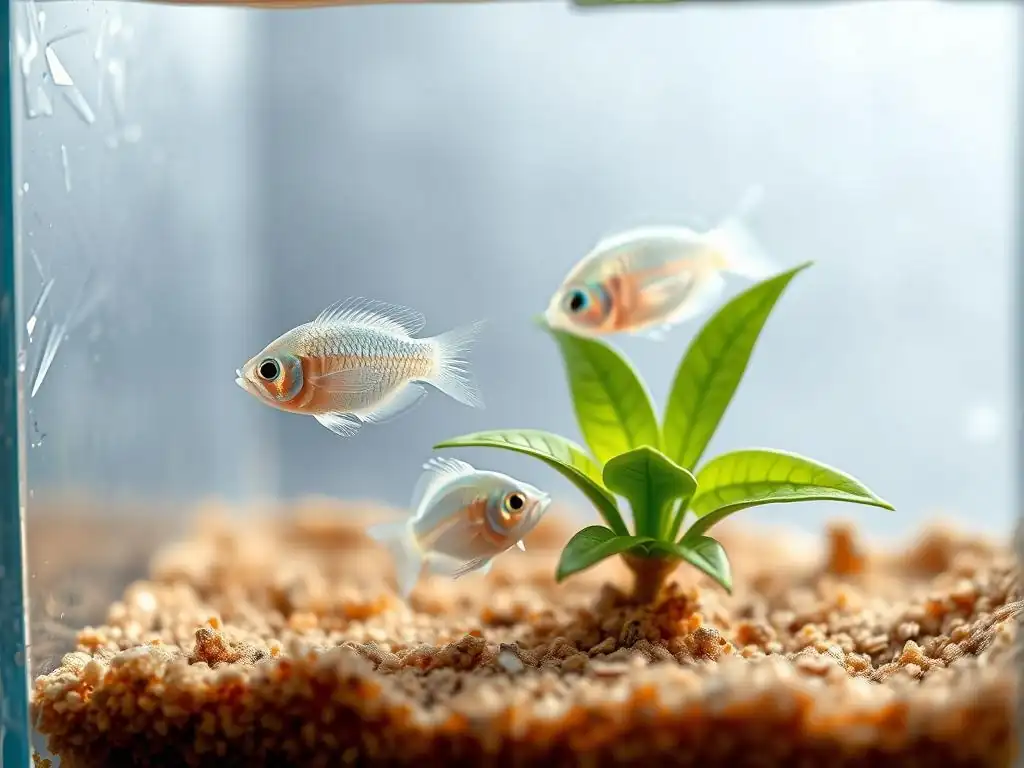
Regardless of whether you choose parent-raised or artificially raised angelfish fry, maintaining optimal and stable water parameters is the single most critical factor for their health and survival. Angelfish fry thrive in soft, slightly acidic water, typically with a pH between 6.5 and 7.0 and a general hardness (GH) of 3-8 dGH. Consistency is key; sudden fluctuations in pH or temperature can be highly detrimental to their delicate systems.
Beyond the initial setup, regular, small water changes are paramount. For angelfish fry, daily or every-other-day water changes of 10-20% are often necessary to remove accumulating waste and replenish essential minerals. This diligence ensures the water remains pristine, minimizing stress and preventing the buildup of harmful nitrates and ammonia, which can quickly prove fatal to young angelfish fry.
Proper Angelfish Fry Feeding Techniques and Dietary Needs
Proper nutrition is vital for the rapid growth and development of angelfish fry. Immediately after becoming free-swimming (typically 3-5 days post-hatch), their tiny mouths require microscopic food. Infusoria, a culture of microscopic organisms, is an excellent first food for the first few days. As they grow, usually within a week, they can graduate to newly hatched brine shrimp, which are highly nutritious and stimulate a strong feeding response.
Feed angelfish fry small amounts multiple times a day—at least 3-5 times, but ideally more frequently—to ensure a constant supply of food and promote continuous growth. As they continue to grow, typically around 2-3 weeks post-hatch, gradually introduce finely crushed high-quality flake food or specialized fry pellets. A varied diet is crucial for providing all necessary nutrients for robust angelfish fry development and vibrant coloration.
Monitoring Angelfish Fry for Signs of Illness and Disease
Vigilant daily observation is essential for the early detection of illness or disease in angelfish fry, regardless of the raising method. Look for subtle changes in behavior, such as lethargy, loss of appetite, clamped fins, erratic swimming, or any visible abnormalities like white spots (Ich) or fungal growth. Early intervention significantly increases the chances of successful treatment.
Be prepared with a basic understanding of common angelfish fry ailments and, if possible, have a small quarantine tank ready. While prevention through excellent water quality and nutrition is always the best strategy, knowing how to identify and address issues promptly can save an entire batch of angelfish fry. Prompt action, often within hours of noticing symptoms, is critical for the survival of these delicate creatures.
Conclusion: Optimizing Angelfish Fry Raising for Aquarium Mastery
The Future of Angelfish Fry Breeding and Care in the Aquarium Hobby
The art and science of angelfish fry breeding continue to evolve, driven by both the passion of dedicated hobbyists and advancements in aquatic husbandry. Ongoing innovations in specialized fry nutrition, highly efficient filtration systems, and refined breeding techniques are constantly improving success rates for angelfish fry. The future promises even more accessible and effective methods for propagation, allowing a broader range of enthusiasts to experience the joys of raising these iconic fish.
This continuous refinement supports the sustained interest in breeding specific angelfish strains, from classic silvers to exotic koi and marble varieties. The collective knowledge shared within the aquarium community, combined with technological progress, ensures that angelfish fry raising methods will become increasingly efficient and rewarding, contributing significantly to the vibrancy and diversity of the freshwater aquarium hobby.
Achieving Success with Angelfish Fry: Combining Natural and Artificial Techniques
Ultimately, there is no single "best" angelfish fry raising method; the optimal approach often depends on the individual breeder's goals, resources, and experience. Some advanced hobbyists even combine techniques, allowing parent angelfish to guard their eggs for the first 24-48 hours to benefit from the parents' initial cleaning and fanning, before carefully removing the eggs for artificial incubation to maximize yield and control.
Regardless of the chosen strategy, the fundamental keys to successfully raising angelfish fry remain consistent: impeccable water quality, precise and adequate nutrition tailored to their developmental stage, and diligent, daily observation for any signs of distress or illness. By mastering these core principles and adapting them to your chosen angelfish fry raising methods, you can achieve consistent success and truly attain Aquarium Mastery in angelfish breeding.
Frequently Asked Questions
What are the primary differences between parent-raised and artificially raised Angelfish fry?
Parent-raised fry benefit from natural care provided by their parents, including feeding and protection. Artificially raised fry rely on human intervention for all aspects of their care, such as feeding and water quality.
What are the benefits of allowing Angelfish parents to raise their fry?
The primary benefit is that fry learn natural behaviors from their parents. This can lead to healthier and more well-adjusted adult Angelfish, and improved survival rates.
What are the disadvantages of letting Angelfish parents raise their fry?
Angelfish parents may sometimes eat their fry, especially if stressed or inexperienced. Additionally, maintaining optimal water conditions can be more challenging in a community tank.
What are the main advantages of artificially raising Angelfish fry?
Artificially raising fry allows for greater control over their environment and diet. This can lead to faster growth rates and higher survival rates in some cases.
What are some common challenges associated with artificially raising Angelfish fry?
Artificially raising fry requires significant time and effort. Maintaining proper water quality and providing the correct food are crucial for their survival and health.
Final Reflection: Nurturing the Next Generation of Angelfish
The exploration of Angelfish fry raising methods reveals more than just techniques for successful breeding; it underscores the fundamental principles of care, dedication, and the delicate balance between nature and intervention. In a world increasingly driven by efficiency and artificial solutions, understanding the nuances of both parent-raised and artificially-raised fry is crucial for responsible fishkeeping and the preservation of these magnificent creatures.
This journey into the world of Angelfish fry has profoundly highlighted the enduring power of instinct and the potential for human ingenuity to supplement, but never truly replace, the natural order. Witnessing the dedication of parent Angelfish, or the meticulous care required in artificial rearing, evokes a deep respect for the complexities of life and the responsibility we bear as custodians of these aquatic ecosystems. The best and most beautiful things in the world cannot be seen or even touched - they must be felt with the heart.
- Helen Keller. This sentiment resonates deeply when considering the dedication required for either method, a dedication born from a genuine love for these creatures.
Now, as you consider the information presented, I invite you to reflect on your own approach to nurturing life, be it in the aquarium or beyond. Whether you choose to embrace the natural wisdom of parent-raised fry or the controlled environment of artificial rearing, remember that the most important ingredient is unwavering commitment and a deep understanding of the needs of those entrusted to your care. Let the lessons learned from the Angelfish fry guide you towards a more compassionate and informed approach to all aspects of life, fostering growth and well-being wherever you go.
Nurture Your Angelfish Passion!
Thanks for diving deep into the world of angelfish fry! We hope you've gained valuable insights into the differences between parent-raised and artificially raised methods. Now, let’s turn that knowledge into action!
- Embark on your Angelfish Breeding Journey: Take the leap and set up a dedicated breeding tank! It's time to put what you've learned into practice and witness the magic firsthand.
- Share your preferred method, parent-raised or artificially raised, with fellow hobbyists. Start a discussion in the comments section.
- Explore unconventional foods for your fry. Research and experiment with live food cultures beyond brine shrimp to provide a diversified diet for optimal growth and health.
Which breeding method sparks your interest the most and what unique challenges do you anticipate facing?